
What’s in This Article
- Before You Begin
- Fold the 60/40 Rear Seats: Quick Steps
- Cargo Floor Heights: Lowered vs. Normal
- How to Load Long, Tall, and Heavy Items
- How to Secure Cargo with Tie-Downs and Straps
- Packing Order and Balance Tips for Maximum Space
- Console vs. Cargo Area: What to Stow Where
- Common Mistakes to Avoid
- Frequently Asked Questions
Your RAV4’s cargo area doubles in size the moment you fold the rear seats, but only if you do it right. Pull the release levers at the top of each seatback and lower each section flat until it clicks. You can fold the 60/40 sections independently, set the cargo floor to normal (about 32 in) or lowered (about 34–34.5 in), and secure heavy items low and centered to the built-in tie-downs. Keep reading for exact dimensions, step-by-step instructions, and the best loading configurations for every situation.
Quick Answer
Pull the release levers at the top of each rear seatback to fold the RAV4’s 60/40 split seats flat. Cargo space grows from 37.6 to 69.8 cu ft, according to Toyota’s specifications. Set the cargo floor to its lowered position for taller items, then strap everything to the factory tie-down points before you drive.
Key Takeaways
- Pull the release lever at the top of each seatback to fold each 60/40 section independently, so you can mix passenger seating with cargo space.
- Cargo volume jumps from 37.6 cu ft (seats up) to 69.8 cu ft (seats folded), with a maximum interior length of about 39.5 inches.
- Set the cargo floor to its lowered position (about 34–34.5 in) for taller or heavier loads, or leave it at the normal height (about 32 in) for everyday items.
- Place heavy gear low, centered, and toward the front of the cargo area to keep the vehicle balanced and handling predictable.
- Attach cargo straps to the factory tie-down rings, tighten firmly, and re-check tension after your first stop.
Before You Begin
You don’t need any tools to fold the RAV4’s rear seats. Before you start, clear any loose items from the rear seat and cargo area so nothing gets pinched under the seatback. Check that the cargo floor is set to whichever height suits your load (normal or lowered), and have your cargo straps ready if you plan to carry heavy or long items.
Fold the 60/40 Rear Seats: Quick Steps
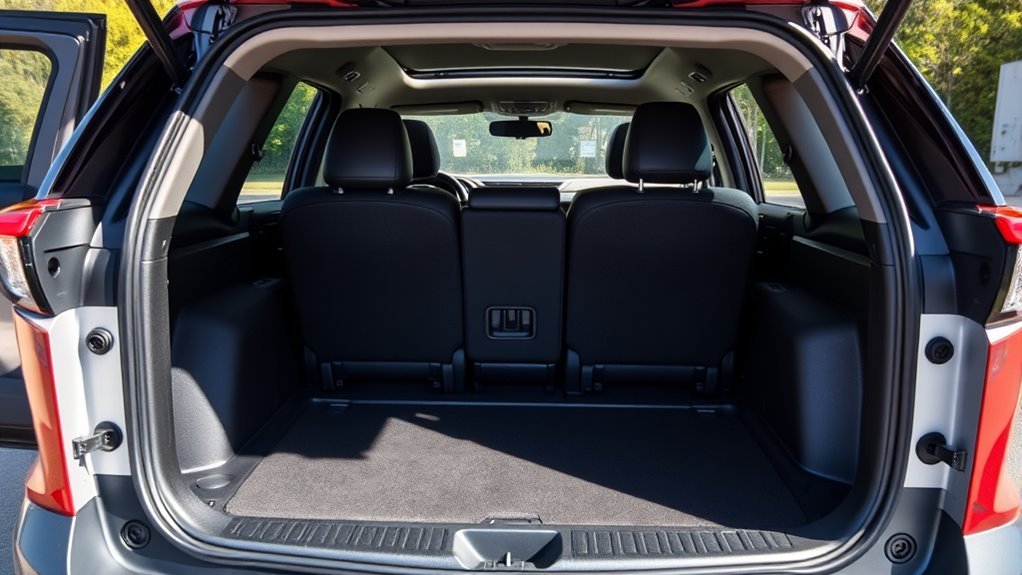
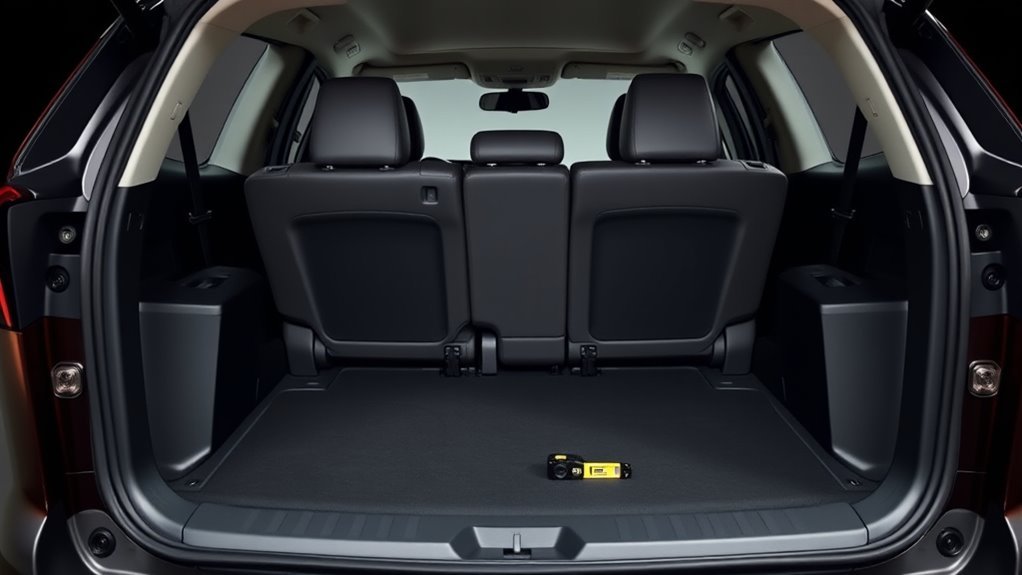
Locate the release levers at the top of each rear seatback. Pull the lever for the section you want to fold, then guide the seatback forward until it lays flat. Each 60/40 section folds independently, so you can carry both passengers and gear at the same time.
Warning: Confirm every seatback clicks firmly into its locked position before driving — an unlatched seat can shift and injure passengers.
When both sections fold flat, cargo expands from 37.6 to 69.8 cubic feet and the floor stays largely level for easier loading. Work deliberately: fold one side first if you need partial seating, then fold the other for full capacity. These quick steps let you adapt the RAV4 to whatever you need to carry.
[Products Worth Considering]

Protect your Toyota RAV4 interior with this custom‑fit windshield sun shade that blocks 99% of harmful UV rays and reduces cabin heat. The mirror cut‑out ensures a seamless fit without gaps, while durable 240T polyester and bendable wire keep it sturdy through repeated use. Foldable and stored in a convenient pouch, it offers easy installation and removal for everyday comfort.

The Autovir windscreen shade offers full windshield coverage for Toyota RAV4 models from 2019 to 2026, blocking up to 99.95% of UV rays and reducing interior heat. Its multi‑layer reflective material provides SPF 100 and UPF 80+ protection while keeping the dashboard, seats, and steering wheel cooler. The foldable design installs quickly and stores conveniently in the glove box, and reinforced stitching ensures long‑lasting durability for daily use.
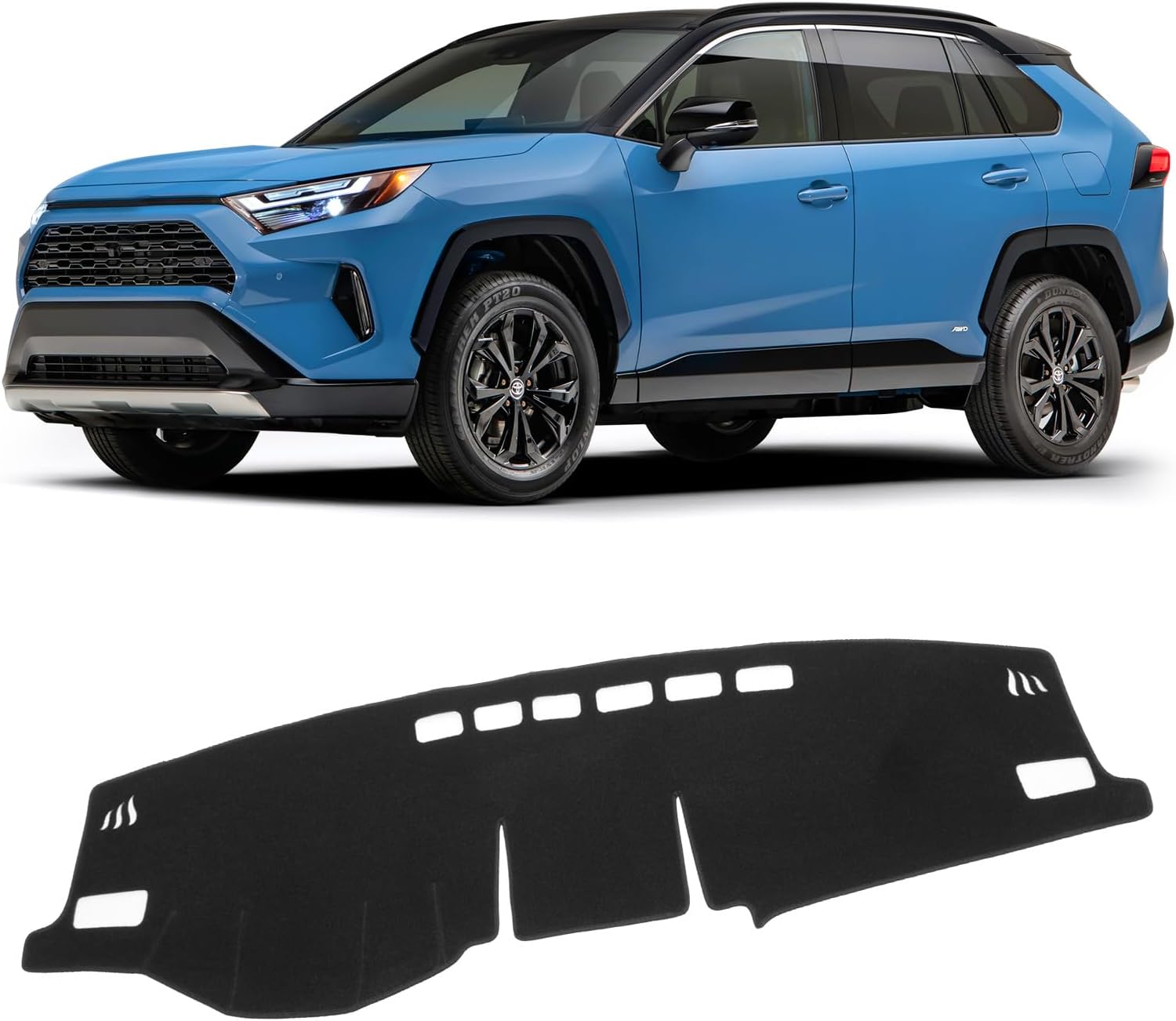
The KUST Black Dashboard Cover Mat offers a custom, eco‑friendly fit for Toyota RAV4 models from 2019 to 2025, protecting the dash from UV damage, scratches, and glare. Made from post‑consumer recycled polyester with a silicone anti‑slip underside, it stays soft, breathable, and odorless while securely adhering to the surface. Installation is quick and reversible, and the foldable design allows easy storage when not in use.
Cargo Floor Heights: Lowered vs. Normal
The RAV4 gives you two cargo floor positions. Pick the one that fits the size and weight of your load before you start loading.
Note: Exact floor heights can vary slightly depending on trim level and model year. Check your owner’s manual to confirm the figures for your specific RAV4.
[Products Worth Considering]

Upgrade your RAV4 interior with a sleek, retractable 4‑port USB hub that adds vibrant RGB lighting and fast charging for phones, tablets, and accessories. The intelligent...
Lowered Cargo Floor
The lowered cargo floor sits at about 34–34.5 inches, giving you extra vertical clearance for taller items. The floor aligns with the folded rear seats to create a near-flat platform. Use this setting when you need height for equipment or when you want easier, more ergonomic loading without awkward tilting.
Normal Cargo Floor
The normal cargo floor sits at roughly 32 inches. The maximum depth from the tailgate ledge to the rear is about 32.5 inches, and the overall width runs about 38.5 inches. The door opening tops out at around 39.5 inches. Use these figures to measure your gear before you load it.
How to Load Long, Tall, and Heavy Items
Fold the 60/40 seats to match your load and choose the right floor height before you start. Anchor every heavy item to the built-in tie-downs so nothing shifts on the road.
Fold the 60/40 for Length
Fold the larger (60%) seat section flat to extend cargo length to about 39.5 inches and keep the smaller section upright for a passenger or extra gear. Lower the cargo floor for tall pieces, then slide long items in so they rest on a flat surface. Secure loads to the tie-down points to prevent shift while driving.
Use the Lowered Floor for Bulk
The lowered floor and 69.8 cu ft of space suit surfboards, ladders, and long boxes well. Center heavy items low, distribute weight evenly, and keep tall pieces aligned with the roofline. Cargo ramps and surface pads protect the floor and guide placement for awkward loads.
| Floor Setting | Max Interior Length | Total Capacity |
|---|---|---|
| Lowered | ~39.5 in | 69.8 cu ft |
| Flat (seats up) | Fits bulky gear | 37.6 cu ft |
| Accessible (lowered) | Easy lift height | Stable load platform |
Secure with Tie-Downs
Attach straps to the factory tie-down points and cinch firmly to keep long or heavy items from shifting. Use the 60/40 split to tailor the cargo footprint: fold one side for long gear and leave the other for a passenger or smaller items. Center heavier pieces low and forward, using the full 38.5-inch cargo width. Check straps before every trip.
How to Secure Cargo with Tie-Downs and Straps
Clip cargo straps to the factory tie-down rings, tighten until firm, and check tension before you drive. The low load floor height makes lifting and cinching heavy pieces less strenuous.
Pro tip: Re-check strap tension after your first stop — loads settle slightly on the road and straps can loosen in the first few miles.
Fold the 60/40 rear seats as needed and strap items to the tie-downs nearest the folded section to stop them from sliding into the cabin. Place heavier objects low and toward the front of the cargo area to maintain balance. Replace worn straps or damaged anchors before your next trip.
Packing Order and Balance Tips for Maximum Space
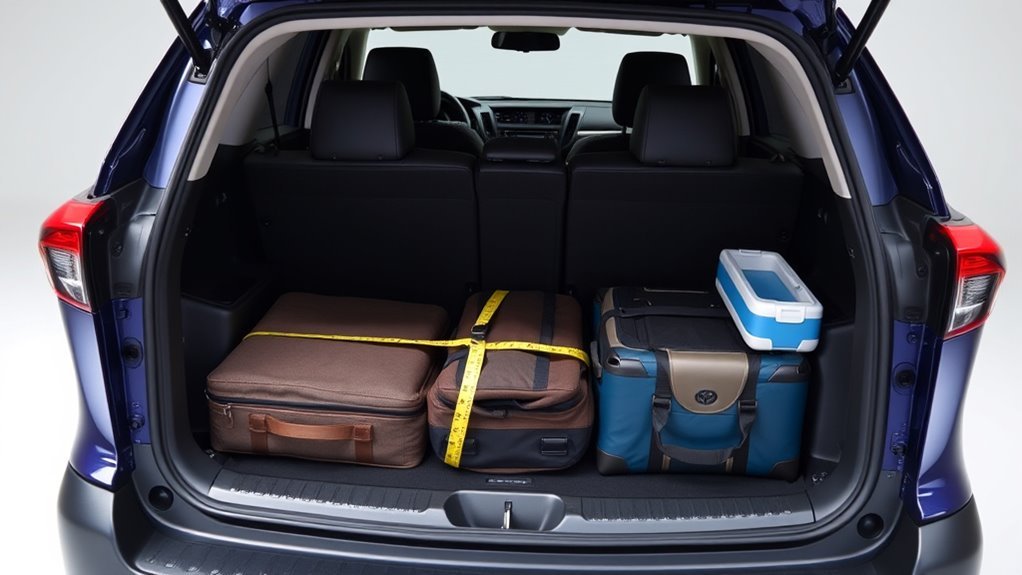
Fold the 60/40 seats to suit the mix of passengers and gear, then load heavy items low and forward to keep the vehicle balanced. Use the low cargo floor height to position bulky loads without strain. You’ll free space for long items while keeping a passenger seat available.
Place heavy boxes or equipment directly behind the rear seats, centered and low, to optimize weight distribution and handling. Lighter, bulky items go on top or toward the tailgate. Secure everything to tie-down points so nothing shifts when you accelerate or corner.
Build your packing order around stability first, access second. This keeps the cabin uncluttered and your handling predictable — simple moves that expand what you carry safely.
Console vs. Cargo Area: What to Stow Where
Keep small, frequently used items in the center console so you can grab them without stopping. Reserve the cargo area for bulk items secured to the tie-down points, with heavy pieces placed low for balance.
| Console (quick access) | Cargo Area (bulk and secure) |
|---|---|
| Snacks and bottled water | Backpacks and duffels |
| Charging cables and power bank | Foldable chairs and coolers |
| Sunglasses and paperwork | Long items (rods, skis) |
| Small tools and flashlight | Heavy gear, low and centered |
| First aid kit and phone mount | Items tied to anchor points |
For long items, fold one 60/40 seat and keep the other up for a passenger. This approach keeps you organized, balanced, and safer on every trip.
Common Mistakes to Avoid
Even small errors in loading or seat-folding can affect safety and handling. Watch out for these four common mistakes.
- Driving with an unlatched seatback. Always confirm the seatback clicks into place — a loose section can swing forward during hard braking.
- Loading weight too far back. Heavy items near the tailgate shift the vehicle’s balance rearward and make steering feel light. Keep heavy gear forward.
- Skipping the straps for “short trips.” Cargo shifts hardest in sudden stops and sharp turns, not on long drives. Strap everything down regardless of distance.
- Overloading one side. Unevenly distributed weight affects handling and tire wear. Center loads across the full 38.5-inch width wherever possible.
Frequently Asked Questions
Does folding both rear seats leave a completely flat floor?
The folded seats create a largely flat surface, but a small step may remain between the seat cushion and the cargo floor depending on how you set the floor height. Set the cargo floor to the lowered position to minimize that gap and make loading long items easier.
How much vertical clearance do I get with the cargo floor lowered?
The lowered cargo floor sits at about 34–34.5 inches, compared to roughly 32 inches at the normal height. That gives you about 2–2.5 inches of extra vertical clearance, useful for tall equipment or items you’d otherwise need to angle in sideways.
Where are the tie-down anchor points located in the RAV4?
The RAV4 has factory tie-down rings built into the cargo floor. They sit near the corners of the load area. Clip your cargo straps directly to those rings and route straps over or around your load before cinching tight.
What is the RAV4 trunk latch lawsuit about?
Some RAV4 owners have filed legal complaints alleging defects in the rear cargo latch mechanism, with claims that the trunk can open unexpectedly during driving. Specific model years and legal outcomes vary. If you experience an unexpected latch issue, contact Toyota’s customer service line or a certified dealer to check whether any service bulletin or recall applies to your vehicle.
Fold the 60/40 seats, pick the cargo floor height that fits your load, and tie everything down before you move. Keep heavy gear low and forward, stow everyday items in the console, and re-check your straps after your first stop. Follow those steps and your RAV4 handles almost any hauling job — cleanly, safely, and without the guesswork.



[…] space is about 37.6 cubic feet with the rear seats up and 69.8 cubic feet with them folded. The rear cargo floor sits roughly 29.9 inches high. Rear legroom is about 37.8 inches, and the rear door opening is […]
[…] radar modules mounted in the RAV4’s rear corners scan defined blind-spot zones. They report object range, relative speed, and azimuth to the […]