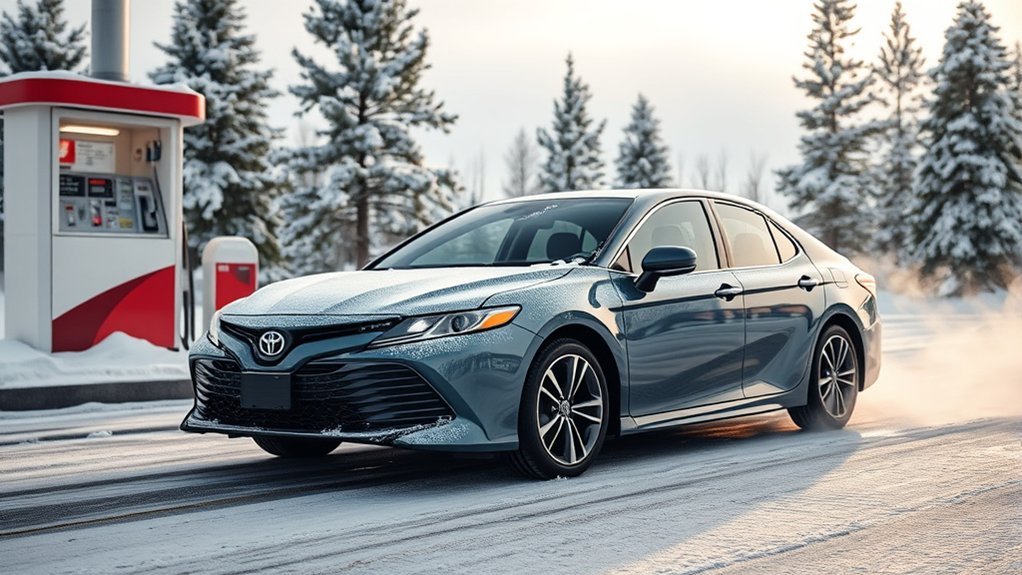
Your Toyota Camry’s MPG can drop noticeably in winter, even when nothing is wrong with the car. Cold starts, thicker fluids, lower tire pressure, winter gasoline, extra electrical load, and slippery roads all make the engine work harder. The drop is usually worse on short trips because the engine spends more time below its most efficient temperature.
Quick Answer
Your Toyota Camry’s MPG drops in winter because cold weather increases engine and transmission friction, lowers tire pressure, adds electrical load from defrosters and heated features, and forces longer warm-up time. Winter gasoline can also contain slightly less energy per gallon, and short trips make the loss more noticeable.
Key Takeaways
- Cold weather can reduce fuel economy significantly, especially during short city trips.
- Low tire pressure is one of the easiest winter MPG problems to fix.
- Idling to warm up or defrost the car uses fuel while giving you 0 miles per gallon.
- Hybrid Camry models may show a bigger winter MPG drop because cabin heat, battery temperature, and regenerative braking are affected by cold weather.
- If your MPG drops suddenly, very severely, or stays low after warm weather returns, check for tire, brake, sensor, or engine issues.
At a Glance
| Main Cause | Cold starts, lower tire pressure, thicker fluids, winter fuel, and extra heater/defroster use |
| Typical Impact | FuelEconomy.gov reports conventional gasoline cars can use about 10%–20% more fuel in cold city driving, with larger losses on short trips |
| Quickest Fix | Check cold tire pressure and reduce unnecessary idling |
| Tools Needed | Tire pressure gauge, air compressor, scraper, de-icer, and your owner’s manual or door-jamb tire label |
The Impact of Winter on Fuel Efficiency
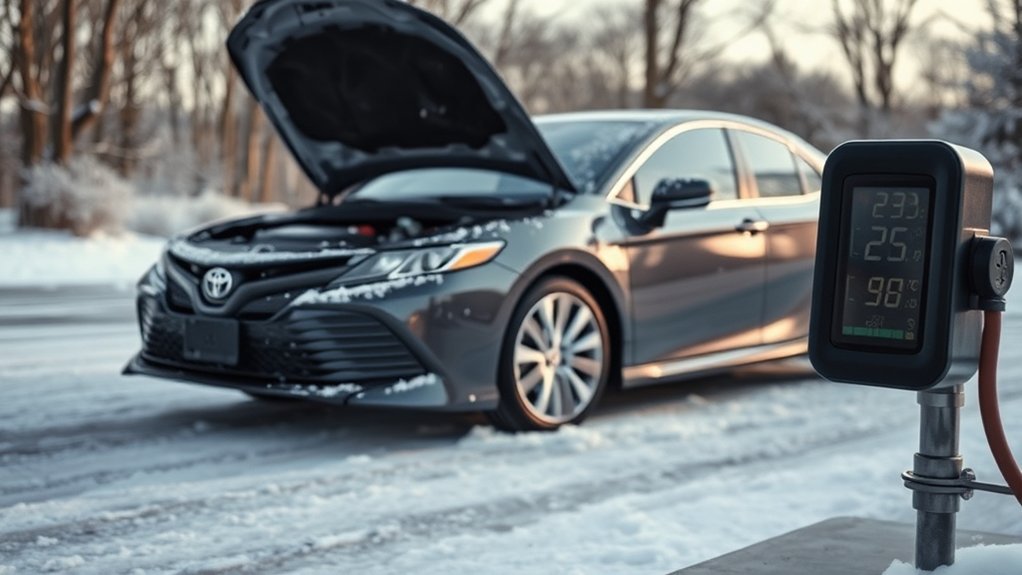
Winter affects your Camry in several small ways that add up. The engine and transmission have more friction when fluids are cold. The engine also takes longer to reach its most efficient operating temperature, which is why short winter trips can hurt MPG more than longer highway drives.
According to FuelEconomy.gov, conventional gasoline vehicles can lose roughly 10%–20% fuel economy in cold city driving, and short 3- to 4-mile trips can drop even more. Hybrid vehicles can see larger losses because cold batteries, reduced regenerative braking efficiency, and cabin-heat demand can all reduce electric-only operation.
Winter MPG loss is not automatically a sign of a bad engine. The real warning sign is a sudden, severe drop that does not improve after tire pressure, driving habits, and maintenance are checked.
Idling is another major winter factor. When you let your Camry sit in the driveway to warm up or defrost, it burns fuel without moving. That means 0 MPG during the entire idle period. A short warm-up is sometimes necessary for visibility and comfort, but long idling sessions quickly drag down the tank average.
Warning: Never warm up a Camry inside a closed garage. Exhaust fumes can build up quickly and create a carbon monoxide danger. Open the garage door before starting the vehicle, even if you plan to move it right away.
How Cold Weather Reduces Toyota Camry MPG
Cold weather does not reduce MPG through one single problem. It changes the way the engine, tires, fluids, fuel, battery, and accessories behave. Here are the biggest causes.
Longer Engine Warm-Up
A cold engine uses more fuel than a warm engine. Until the engine reaches its normal operating temperature, your Camry runs less efficiently. This matters most during short trips because the engine may spend most of the drive warming up instead of running at peak efficiency.
For gasoline Camry models, that means more fuel used during the first few minutes. For Camry Hybrid models, the gas engine may run more often than usual to warm the engine and provide cabin heat, reducing the time spent in EV-style low-speed operation.
Thicker Fluids and More Friction
Cold temperatures make engine oil, transmission fluid, and other lubricants thicker until they warm up. Thicker fluid creates more resistance inside the engine and drivetrain, so the car needs more energy to move. Using the oil grade recommended in your Toyota owner’s manual is important because the wrong viscosity can increase drag and reduce efficiency.
Denser Cold Air and Road Resistance
Cold air is denser than warm air, which increases aerodynamic drag, especially at highway speeds. Winter roads can also add resistance. Slush, snow, ice, wet pavement, and strong winter winds all make the car work harder than it does on dry, mild-weather roads.
Electrical Load Impact
In winter, you probably use more electrical features: front defroster, rear defogger, heated seats, heated mirrors, headlights, wipers, and the blower fan. These accessories add load to the electrical system. In a gasoline Camry, the alternator must replace that energy. In a Camry Hybrid, the system has to balance cabin heat, battery temperature, and electric assist.
The cabin heater in a gas-powered car mostly uses engine heat, but the blower motor, rear defogger, heated seats, and other accessories still require power. The bigger MPG hit often comes from the engine taking longer to warm up and from idling for defrosting.
Winter Gasoline
Gas stations switch to seasonal fuel blends in many areas. Winter gasoline is formulated to help cold starts and drivability, but it can contain slightly less energy per gallon than summer gasoline. The difference is not usually the only reason for poor MPG, but it can add to the seasonal drop.
How Tire Pressure Affects Your Winter Mileage
Low tire pressure is one of the most common and fixable reasons your Camry gets worse MPG in winter. As temperatures drop, the air inside the tires contracts. A useful rule of thumb is that tire pressure changes by about 1 PSI for every 10°F change in air temperature.
Under-inflated tires increase rolling resistance, which means your Camry needs more energy to keep moving. FuelEconomy.gov notes that keeping tires properly inflated can improve gas mileage by 0.6% on average and up to 3% in some cases. It also states that under-inflated tires can lower gas mileage by about 0.2% for every 1 PSI drop in the average pressure of all tires.
[Products Worth Considering]
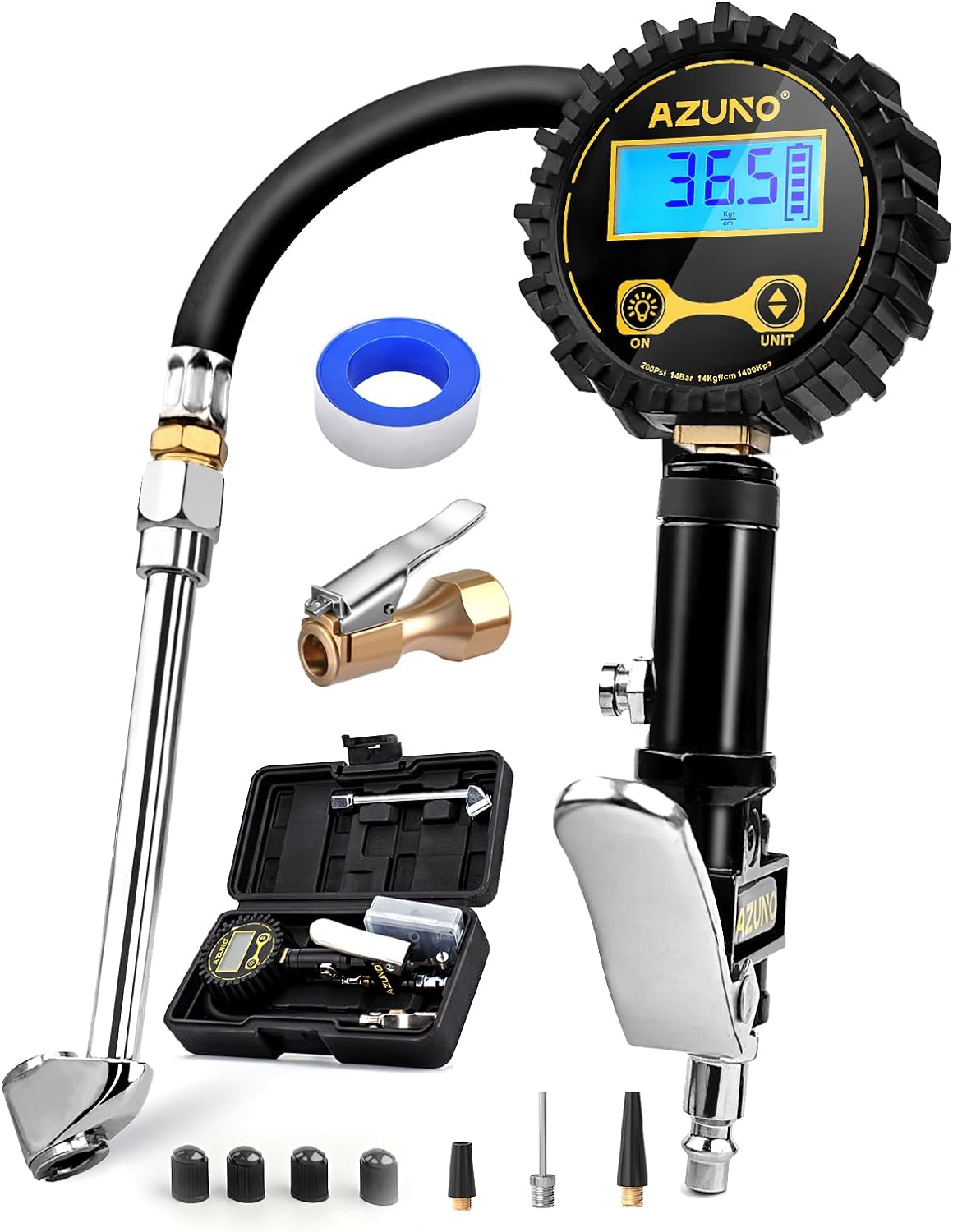
This digital tire inflator delivers accurate, easy-to-read pressure measurements with a bright backlit LCD and precise 0.1 resolution for confident inflation. Designed for single-handed use, it makes it simple to inflate or deflate tires while staying organized in the included portable carrying box. Built for a wide range of vehicles, it is a practical air compressor accessory for cars, trucks, SUVs, motorcycles, and more.

This automotive circuit tester checks low-voltage DC systems from 3-65V, making it useful for diagnosing headlights, taillights, fuses, sockets, and other vehicle wiring issues. The digital backlit display provides clear voltage readings with fine accuracy, while the bidirectional polarity indicator helps you test from either ground or positive. Built with a durable probe, insulated tip, and extra-long spring wire, it is designed for dependable everyday use in automotive and household electrical work.

Rain-X WeatherBeater wiper blades deliver dependable, conventional performance designed to meet or exceed OEM standards for quality and durability. The natural rubber squeegee, galvanized steel frame, and multiple pressure points work together to provide a clean, consistent wipe while resisting cracking, rust, and corrosion. A pre-installed multi-adapter helps simplify installation on many vehicles.
How to Check Camry Tire Pressure in Winter
- Check tires when they are cold. That means before driving or after the car has been parked for several hours.
- Use the door-jamb label. Do not use the maximum PSI printed on the tire sidewall. Toyota notes that the correct pressure is found on the driver’s door-jamb sticker, owner’s manual, or vehicle-specific online manual.
- Inflate to the recommended cold pressure. Add air if the pressure is below the label value.
- Recheck after major temperature swings. A 30°F drop can lower pressure by about 3 PSI.
- Do not ignore the TPMS light. Cold weather can trigger it, but the pressure still needs to be checked with a gauge.
Pro Tip: Keep a small tire gauge in the glove box. Checking pressure once every few weeks in winter is faster than trying to recover lost MPG after several tanks of under-inflated driving.
How Heating Systems Affect Your Toyota Camry’s MPG
Your Camry’s heating and defrosting systems affect MPG in two ways: they add electrical load, and they can encourage longer idling. The comfort features themselves are not “bad,” but using them heavily on every short trip can make the winter MPG drop more noticeable.
Defrosters and Heated Accessories
The rear defogger, heated mirrors, heated seats, steering wheel heater, blower fan, lights, and wipers all draw power. That power has to come from fuel in a gasoline car or from the hybrid system in a Camry Hybrid. The effect is usually modest by itself, but it adds up with cold starts, low tire pressure, and winter road resistance.
Cabin Heat and Hybrid Operation
In a Camry Hybrid, cabin heat can make the gas engine run more often because the system may need engine heat for the cabin and for efficient operation. That can reduce the amount of time the car spends running with electric assist alone, especially during short trips in very cold weather.
Idling for Heat and Defrost
Long idle time is one of the easiest winter habits to overlook. It feels harmless because the car is not moving, but the fuel is still being burned. FuelEconomy.gov’s cold-weather driving tips recommend minimizing idling and driving gently after about 30 seconds when conditions are safe and visibility is clear.
Note: Safety comes first. Clear ice, snow, and fog from the windshield, windows, mirrors, lights, and roof before driving. Reducing idle time should never mean driving with poor visibility.
How Winter Fuel Formulation Affects Your MPG
Winter gasoline is made to vaporize more easily in cold temperatures, which helps engines start and run smoothly. The tradeoff is that winter fuel can have slightly less energy per gallon than summer fuel. That means your Camry may travel fewer miles on the same amount of fuel, even if your driving route stays the same.
This effect is usually smaller than the impact of short trips, tire pressure, idling, and heater use. Still, it helps explain why MPG can dip even when your Camry is maintained properly and driven normally.
Why Short Trips Hurt Camry MPG the Most
If your Camry’s MPG looks much worse in winter, check your trip pattern first. A 5-minute drive to the store, school, work, or the gym may end before the engine, tires, fluids, and cabin are fully warm. If you repeat those short trips all week, the tank average can fall quickly.
Short trips also create more chances for remote start, idle time, repeated defrosting, and cold acceleration. Combining errands into one longer route can help because the engine stays warm between stops.
Maintenance Tips to Improve Winter Fuel Economy
You cannot completely remove the winter MPG penalty, but you can reduce it. Start with the simple checks that affect fuel use the most.
- Set tire pressure correctly. Use the cold PSI listed on the driver’s door-jamb label or in the owner’s manual.
- Use the recommended motor oil. The wrong oil viscosity can increase friction and hurt MPG, especially during cold starts.
- Replace worn wiper blades. Clear visibility reduces the need for long defrosting sessions.
- Keep the battery in good condition. A weak 12-volt battery can make winter starts harder and put more strain on the charging system.
- Remove roof racks when not needed. Extra wind resistance hurts fuel economy, especially at highway speeds.
- Fix warning lights promptly. A check engine light, dragging brake, bad oxygen sensor, or thermostat problem can hurt MPG in any season.
- Use the correct fuel grade. Most Camry models are designed for regular unleaded gasoline, but always follow your owner’s manual for your exact year and powertrain.
- Keep up with scheduled maintenance. Spark plugs, filters, fluids, and brake condition all matter more when winter already makes the car work harder.
[Products Worth Considering]

Rain-X WeatherBeater wiper blades are conventional replacement blades designed to meet or exceed OEM standards for quality, durability, and dependable performance. The pre-installed multi-adapter helps simplify installation on many vehicles, while the natural rubber squeegee and galvanized steel frame deliver a clean wipe, rust resistance, and long-lasting all-weather reliability.

This smart color coded tire tread depth gauge makes it easy to check tread wear at a glance with clear red, yellow, and green ranges. Calibrated from 0 to 1 inch in 1/32 inch increments, it helps you quickly assess tire condition for safer driving and timely replacements. The pocket clip design makes it convenient to carry and use on trucks, motorcycles, cars, and other passenger vehicles.
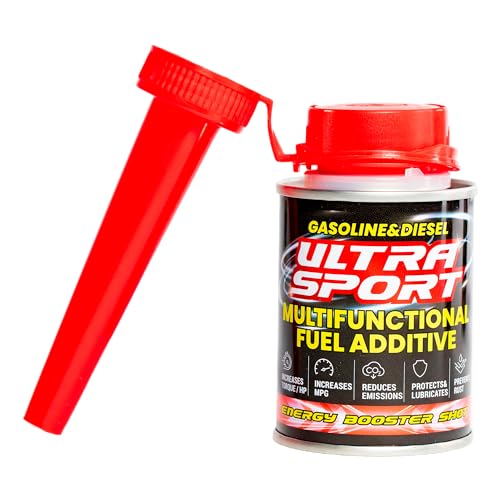
No more starting problems and stalling. Quick throttle response and dynamics
Preparing Your Toyota for Optimal Winter Performance
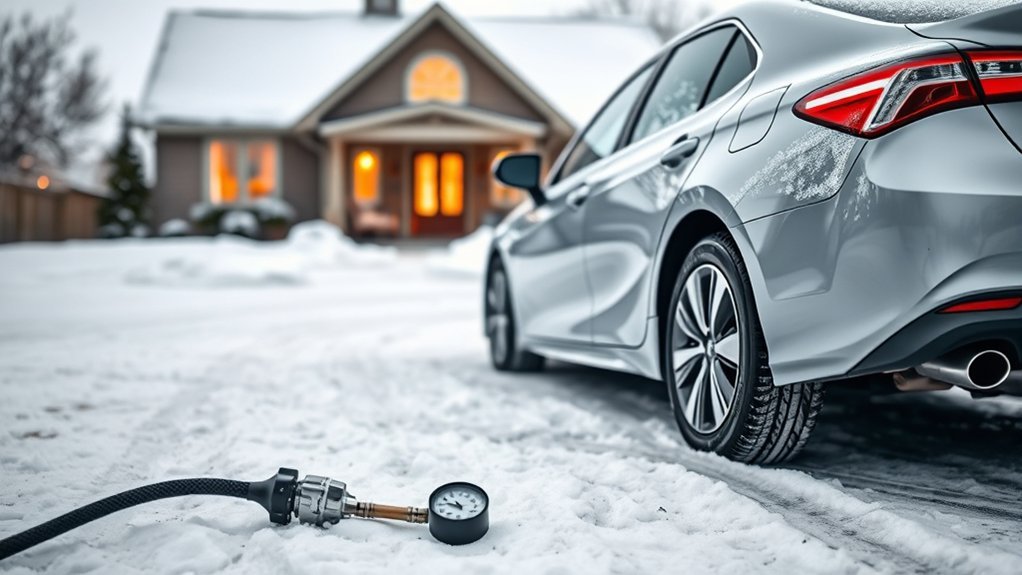
Preparing your Camry before the first hard freeze can improve both MPG and safety. Park in a garage when possible to keep the engine and cabin warmer at startup. Keep an ice scraper and de-icing fluid handy so you do not have to rely only on long idling to clear the glass.
Before winter sets in, check the tires, battery, coolant level, wiper blades, washer fluid, lights, and maintenance schedule. If you drive in snow, consider proper winter tires. They may not always improve MPG, but they can improve traction and reduce wasted wheelspin on slick roads.
[Products Worth Considering]
Premium Luxury Car All-Season Tire

Winter Driving Habits That Help MPG
- Accelerate gently. Hard starts waste fuel and can break traction on cold roads.
- Keep speeds steady. Smooth driving helps the engine and hybrid system operate more efficiently.
- Use cruise control only when safe. Avoid cruise control on icy, snowy, or wet roads where traction is reduced.
- Plan fewer cold starts. Combine short errands into one trip when possible.
- Limit unnecessary remote start time. Use it for comfort and defrosting when needed, but avoid letting the car idle longer than necessary.
When Low Winter MPG Is Not Normal
A winter MPG drop is normal, but it should still make sense for your driving conditions. If the drop is sudden, extreme, or paired with other symptoms, inspect the car instead of assuming it is only the weather.
Look for these warning signs:
- The check engine light is on.
- The temperature gauge stays low after normal driving.
- You smell fuel or exhaust.
- The brakes feel hot, smell burnt, or seem to drag.
- The tires keep losing pressure after being inflated.
- The engine runs rough, hesitates, or takes longer than usual to start.
- The MPG stays low after temperatures rise.
Possible causes include under-inflated tires, a stuck-open thermostat, old spark plugs, a dirty mass airflow sensor, a failing oxygen sensor, dragging brakes, poor alignment, or a weak 12-volt battery. If you see warning lights or the MPG loss is severe, have the Camry checked by a qualified technician.
Frequently Asked Questions
Is a Toyota Camry good in winter?
Yes, a Toyota Camry can be good in winter when it has proper tires, correct tire pressure, good wiper blades, working heat and defrost, and up-to-date maintenance. Front-wheel-drive Camry models are predictable in light winter conditions, while AWD versions can help with acceleration traction. Tires still matter more than drivetrain for braking and turning on snow or ice.
Why is my Camry getting low gas mileage in winter?
Your Camry may get lower gas mileage in winter because cold starts use more fuel, fluids are thicker, tire pressure drops, winter gasoline has slightly less energy, and defrosters or heated accessories add load. Short trips and long idling make the drop much worse.
How much MPG loss is normal for a Camry in cold weather?
There is no single number for every Camry, but a 10%–20% winter drop can be normal for many gasoline vehicles in cold city driving. Short trips, heavy idling, snow, low tire pressure, and hybrid system behavior can push the drop higher.
Does remote start lower Camry MPG?
Yes. Remote start uses fuel while the car is parked, so it lowers the tank average. It can be useful for comfort and defrosting, but letting the car idle for several extra minutes every morning can noticeably reduce winter MPG.
Should I overinflate my Camry tires in winter to improve MPG?
No. Inflate the tires to the recommended cold pressure listed on the driver’s door-jamb label or in the owner’s manual. Overinflating beyond the recommended pressure can reduce ride comfort, affect handling, and cause uneven tire wear.
Conclusion
Your Toyota Camry’s MPG drops in winter because cold weather makes almost every part of the drive less efficient. The engine warms up more slowly, fluids create more drag, tires lose pressure, winter fuel can carry slightly less energy, and heaters or defrosters add extra load. Short trips and long idling make the drop even more obvious.
The good news is that you can reduce the loss with simple habits: keep tires at the correct cold pressure, avoid unnecessary idling, combine short trips, use the recommended oil, remove extra roof drag, and stay current on maintenance. If your Camry’s MPG drops far more than expected or does not recover when the weather warms up, treat it as a maintenance clue rather than just a winter annoyance.
Sources
- FuelEconomy.gov — Fuel Economy in Cold Weather — backs up winter MPG loss ranges, cold-start effects, tire pressure effects, winter gasoline, idling, and hybrid-specific cold-weather impacts.
- FuelEconomy.gov — Keeping Your Vehicle in Shape — backs up tire inflation MPG impact, proper tire pressure location, and recommended motor oil benefits.
- FuelEconomy.gov — Driving and Maintenance Tips for Cold Weather — backs up practical winter MPG tips such as parking in a garage, combining trips, reducing idling, checking tire pressure, and limiting defroster use.
- Toyota — How To Check Tire Pressure — backs up using the driver’s door-jamb sticker, owner’s manual, and vehicle-specific online manual for correct tire pressure.
- Toyota Owners — 2025 Camry Hybrid Tire Inflation Pressure — backs up checking and adjusting tire inflation pressure to the recommended level.
- Goodyear — Impacts to Tire Pressure During Cold Weather — backs up the rule of thumb that tire pressure commonly drops as temperatures fall.