Use recirculate in your Toyota Camry when you want faster cooling, less outside exhaust, or short-term protection from dirty air in traffic. Use fresh air when the windows fog, the cabin smells stale, or you have been driving on recirculate for a while. The best choice is not one button forever—it is switching modes based on heat, humidity, outside air quality, and visibility.
Quick Answer
In a Camry, use recirculate first for fast A/C cooling and heavy traffic fumes. Switch to fresh air for defogging, stale odors, long drives, or when the cabin feels stuffy. Recirculate saves cooling effort, but fresh air helps reduce moisture and CO2 buildup.
Key Takeaways
- Recirculate is best for quick cooling, hot stop-and-go traffic, exhaust, smoke, and short dirty-air exposure.
- Fresh air is best for foggy windows, stale smells, long drives, and lowering cabin moisture.
- Do not leave recirculate on for the entire trip if the cabin gets humid, foggy, or stuffy.
- Some Camry climate systems may switch modes automatically based on temperature settings and cabin conditions.
- For poor airflow, sour odors, weak cooling, or repeated fogging, check the cabin air filter and follow your Camry maintenance schedule.
At a Glance
| Time Required | A few seconds to switch modes |
| Difficulty | Easy |
| Tools Needed | None for switching modes; owner’s manual for model-specific controls |
| Cost | Free, unless service or a cabin air filter is needed |
Quick Decision: Recirculate or Fresh Air for a Camry
Wondering whether to press the recirculate button or use fresh air in your Camry? Use this simple rule: recirculate for fast comfort and outside pollution control; fresh air for moisture, fog, and stale cabin air.
| Situation | Best Mode | Why |
|---|---|---|
| Hot cabin after parking | Start fresh briefly, then recirculate | Vent trapped hot air first, then reuse cooled cabin air. |
| Heavy traffic, exhaust, smoke, or odor outside | Recirculate | Limits how much outside air enters the cabin. |
| Windows fogging | Fresh air with A/C on | Helps remove moisture and clear the glass. |
| Long highway drive | Fresh air or occasional fresh-air breaks | Refreshes cabin air and reduces stuffiness. |
| Musty or parked-car smell | Fresh air | Flushes stale air from the vents and cabin. |
| Dusty road | Usually recirculate briefly; follow your manual | Short-term recirculation can reduce dirty-air intake, but Toyota guidance can vary by model year and condition. |
Note: Your Camry may switch between outside-air and recirculated-air modes automatically depending on the temperature setting, cabin temperature, and climate-control logic. Check the owner’s manual for your exact model year and trim.
[Products Worth Considering]

This cabin air filter replacement helps keep the air inside your vehicle cleaner and fresher for driver and passengers. Designed for broad fitment across Toyota, Lexus, Subaru, and Mazda models, it supports improved HVAC performance and includes soda and carbon filtration for odor reduction. It is a practical maintenance part with a recommended replacement interval for continued cabin comfort.

EPAuto CP134 is a premium cabin air filter designed to help keep the air inside your vehicle cleaner and fresher. It includes activated carbon to help reduce odors and support a more comfortable ride for drivers and passengers. Built as a replacement option for many Honda and Acura models, it offers broad compatibility and dependable cabin air filtration.
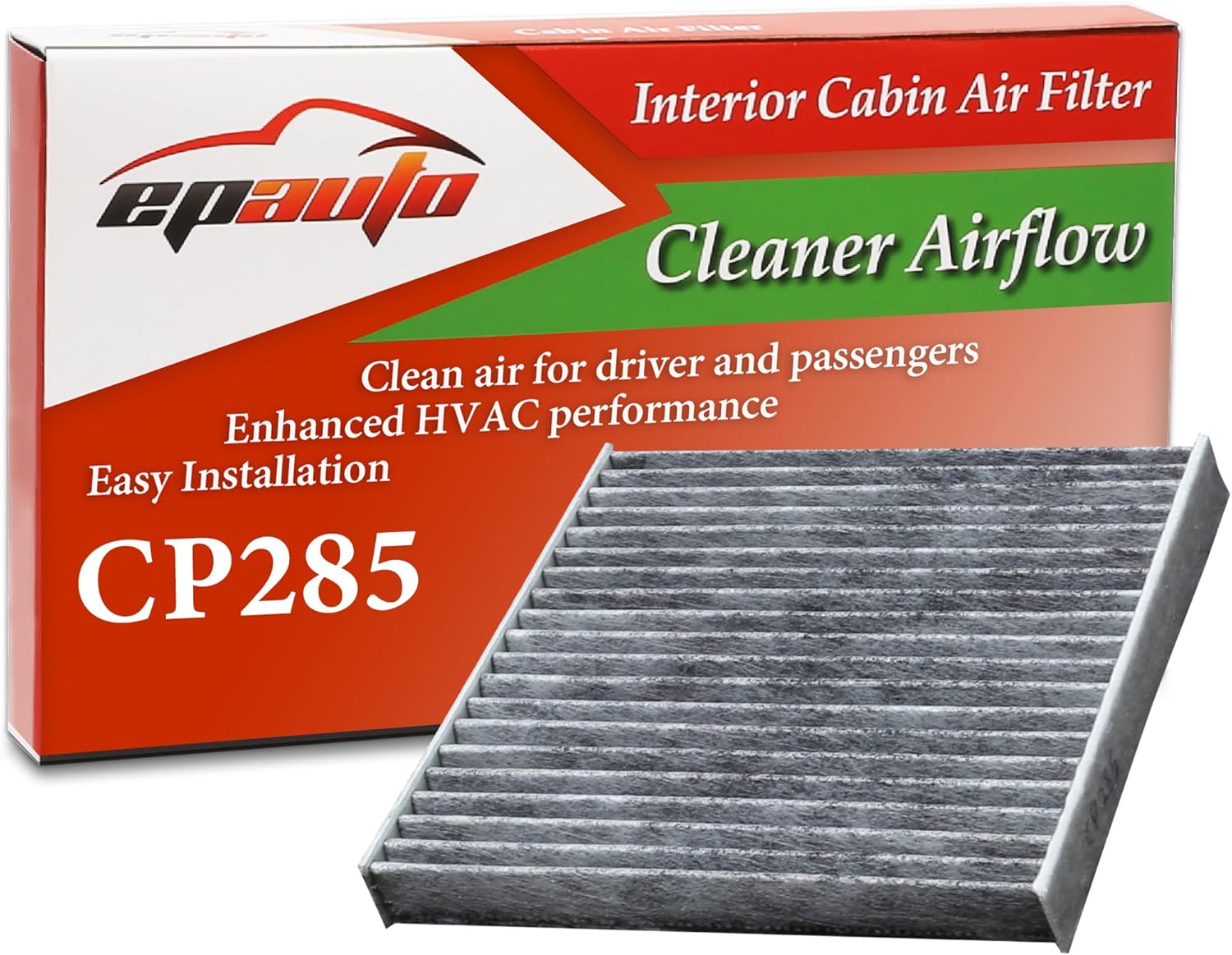
EPAuto CP285 premium cabin air filter helps keep the vehicle interior air cleaner by trapping dust and supporting fresh airflow through the HVAC system. It includes activated carbon and soda to help reduce odors while promoting better cabin comfort for drivers and passengers. Designed as a replacement filter for a wide range of compatible vehicles, it is recommended to replace it regularly for consistent performance.
How Recirculate Mode Works in a Camry
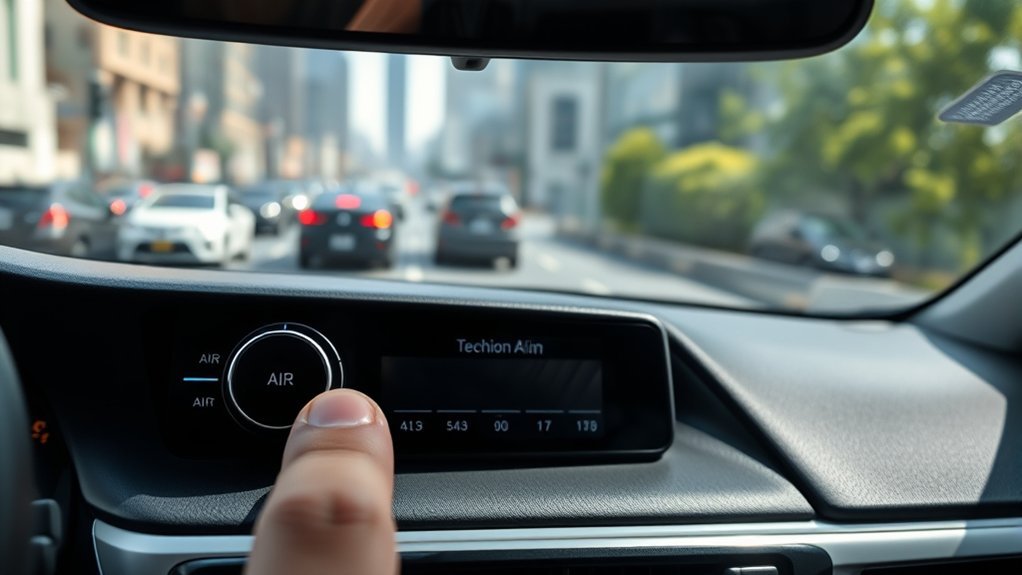
When you press the button with the car icon and circular arrow, the Camry switches to recirculated air mode. Instead of constantly pulling in outside air, the HVAC system reuses air already inside the cabin and sends it back through the vents.
This is why recirculate usually feels stronger on a hot day. Once the A/C has started cooling the cabin, the system has less hot outside air to chill. Toyota’s Camry manual guidance also says temporary recirculation can help prevent dirty air from entering the vehicle interior and help cool the vehicle when outside temperatures are high. You can review Toyota owner resources through the Toyota Camry manuals and warranties page.
Use recirculate strategically, not permanently. The same closed-air loop that helps with fast cooling can also trap moisture, odors, and exhaled CO2 if you leave it on too long with passengers inside.
Pro Tip: On a very hot day, open the doors or windows briefly to release trapped heat, start the A/C, then use recirculate for the first few minutes of cooling. After the cabin is comfortable, switch to fresh air or alternate modes.
How Fresh Air Mode Works in a Camry
Fresh air mode, also called outside-air mode, opens the HVAC intake so outside air can enter the ventilation system. That air passes through the cabin air filter before it reaches the blower and vents.
Fresh air is useful when you need ventilation more than maximum cooling. It helps clear stale air, reduce moisture inside the cabin, and support defogging. It is also the better setting when the inside of the car smells parked, damp, or stuffy.
How It Draws Outside Air
In fresh-air mode, outside air usually enters through an intake near the base of the windshield. The blower pulls that air through the HVAC case and directs it to the selected vents: dash, floor, windshield, or a mix.
- The intake door opens to allow outside air in.
- The blower moves air through the HVAC ductwork.
- The cabin air filter helps trap dust, pollen, and some particles.
- The selected vent mode controls where the air goes.
- Automatic climate control may adjust airflow and intake mode for comfort.
Cabin Air Filtration Process
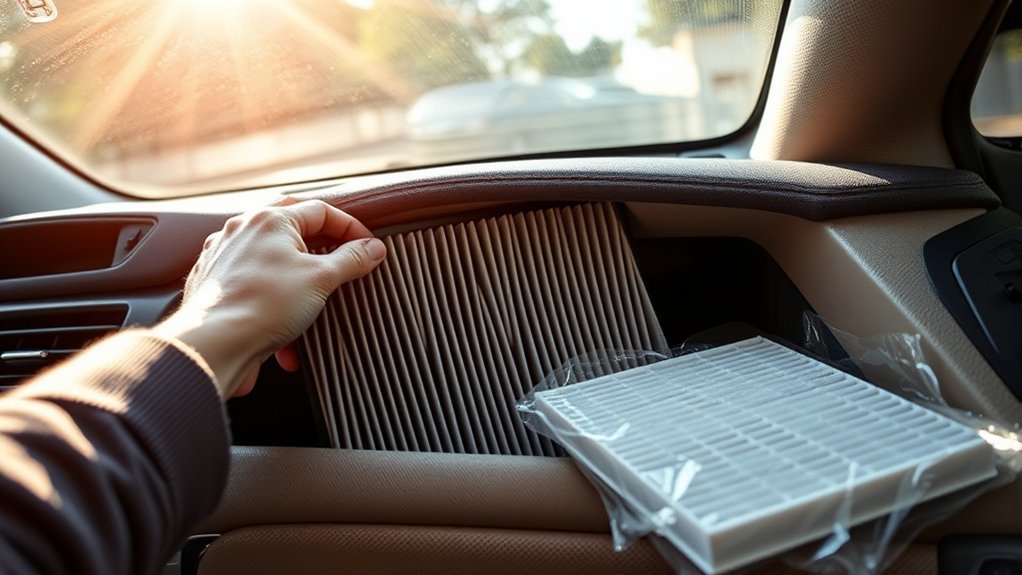
The cabin air filter helps clean incoming air before it reaches the cabin. A clean filter supports good airflow, faster defogging, and better HVAC performance. A clogged filter can reduce airflow, make odors worse, or make the windows fog more easily.
Toyota’s general maintenance guidance says maintenance items should be performed at the intervals specified in the Owner’s Warranty Information Booklet or scheduled maintenance guide, and problems should be brought to a Toyota dealer or qualified service shop. You can also browse Toyota’s cabin filter parts information through Toyota Genuine Cabin Air Filters.
Quick Comparison: Recirculate vs Fresh Air
Use recirculate when your priority is quick cooling or blocking outside air. Use fresh air when your priority is visibility, moisture control, odor removal, or long-drive ventilation.
[Products Worth Considering]

AUTOBOO windshield wiper blades are designed for dependable all-season visibility with smooth, streak-free wiping in rain, snow, and heat. The bracketless aerodynamic design helps reduce noise and drag while the memory spring steel structure delivers even pressure for consistent windshield contact. Built for quick installation on compatible U/J hook arms, these blades offer a quiet, reliable upgrade for everyday driving.
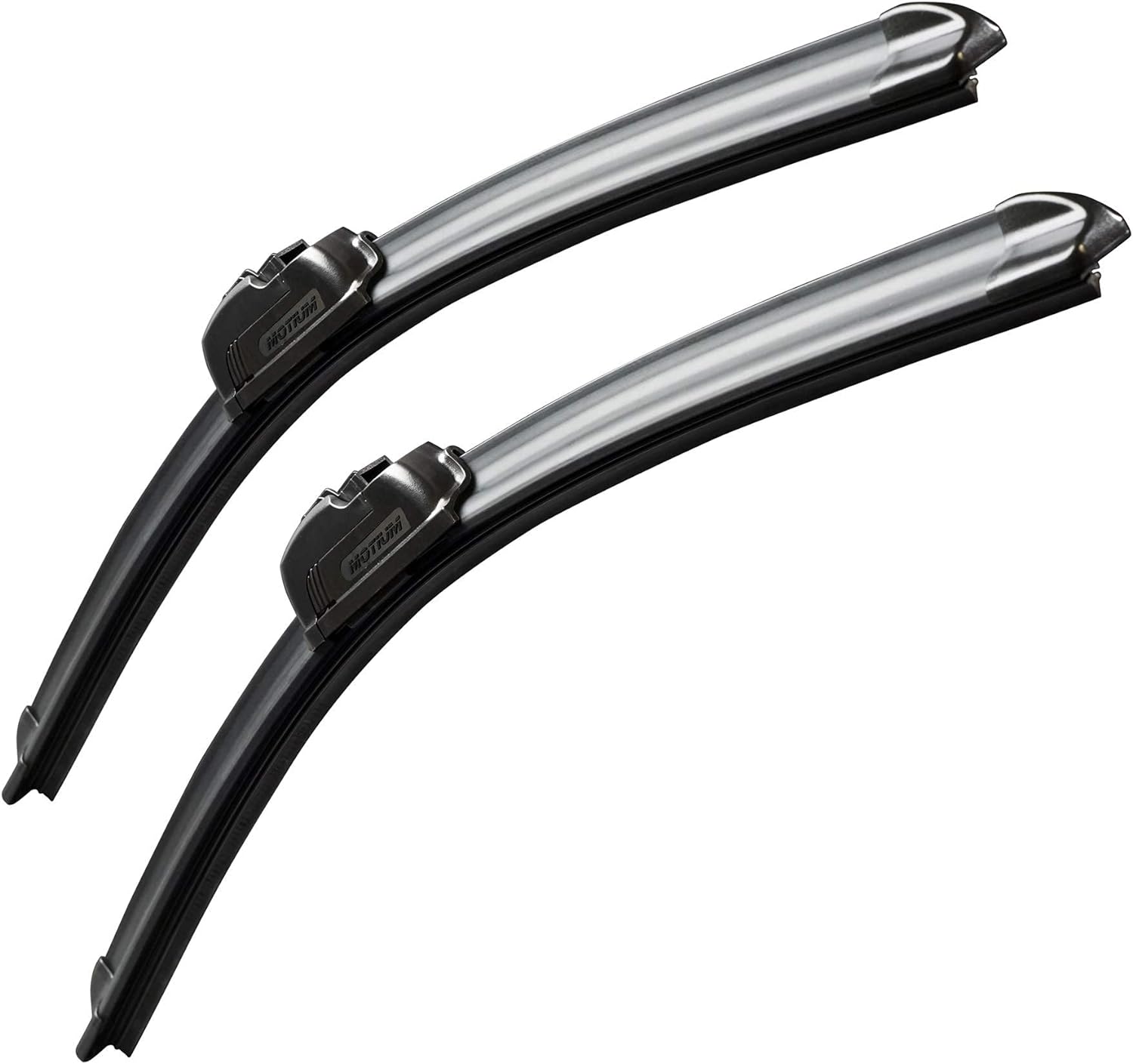
These MOTIUM windshield wiper blades deliver clear, streak-free wiping for improved visibility in rain, snow, and extreme heat. Designed for quiet, smooth operation and easy installation, they include both driver and passenger blades for a quick replacement solution that helps keep driving safer in all seasons.
Faster Cabin Cooling
Recirculate cools the cabin faster because the system keeps re-cooling air that is already cooler than the outside air. This reduces the cooling load compared with constantly pulling in hot outside air.
For the fastest cooldown:
- Open the windows or doors for a short moment if the car has been parked in the sun.
- Turn the A/C on.
- Set the vents to the dash/upper-body position.
- Use recirculate for the first few minutes.
- Once the cabin is comfortable, switch to fresh air or alternate modes during the drive.
FuelEconomy.gov notes that using A/C in hot weather can reduce fuel economy, especially in very hot conditions and on short trips. Recirculate can reduce the load on the A/C after the cabin begins cooling, but it should not be treated as a guaranteed MPG boost. See FuelEconomy.gov’s hot-weather fuel economy guidance for more context.
Humidity and Defogging
Recirculate can make windows fog more easily because it keeps moist cabin air inside. Toyota manual guidance warns that windows may fog if recirculated-air mode is used, and that turning A/C on helps dehumidify air from the outlets and defog the windshield effectively.
Warning: If the windshield fogs, switch to fresh air, turn A/C on, select the windshield defogger, and raise fan speed. If you cannot clear the glass quickly, pull over safely before continuing.
For quick defogging:
- Press the front windshield defogger.
- Turn A/C on, even if you are using warm air.
- Switch from recirculate to fresh air/outside air.
- Raise the fan speed.
- Increase temperature enough to clear the glass without making the cabin uncomfortable.
Air Quality Management
Recirculate helps limit outside particles and fumes, but it also reduces fresh-air exchange. Research on vehicle cabin air quality shows the trade-off: more recirculation can reduce particles and climate-system power, but full recirculation can allow CO2 to build up in occupied cabins. A NIOSH-indexed study found that adding some fresh air reduced CO2 while still keeping particle levels lower than outside-air-only operation. See the CDC/NIOSH record on vehicle cabin recirculation and this vehicle cabin air quality study.
The best cabin-air strategy is usually mixed use: recirculate during heat, smoke, dust, or traffic, then bring in fresh air before the cabin gets humid or stuffy.
When to Use Recirculate: Cooling, Traffic, Pollution

Use recirculate when you want the Camry to cool faster or when the outside air is unpleasant. It is especially useful in these conditions:
- Extreme heat: Recirculate helps the A/C reuse already-cooled air.
- Stop-and-go traffic: It reduces how much exhaust-heavy outside air enters the cabin.
- Smoke, dust, or strong odors: It can limit short-term exposure to outside irritants.
- Behind diesel trucks or buses: It helps reduce direct intake of exhaust smell.
- Initial cooldown: It helps stabilize cabin temperature after the hottest air has been vented.
For dusty roads, use judgment and check your specific manual. Temporary recirculation can help keep dirty air out, but if dust is still entering after the windows are closed, Toyota guidance for some Camry models recommends using outside-air mode with the fan on rather than leaving the fan off.
When to Use Fresh Air: Humidity, Fogging, Stale Odors
Use fresh air when the cabin needs ventilation more than maximum cooling. It is the better choice when windows fog, humidity builds, the cabin smells stale, or passengers start to feel stuffy during a long drive.
- Foggy windshield: Fresh air plus A/C helps remove moisture from the glass.
- Long trips: Fresh air reduces stale-air buildup.
- Parked-car odors: Outside-air mode helps flush the HVAC vents and cabin.
- Food, gear, or pet smells: Fresh air moves odors out instead of recirculating them.
- Clean highway air: Fresh air is often comfortable once the cabin has cooled.
If outside air is smoky, dusty, or full of exhaust, switch back to recirculate until the air improves. Then return to fresh air for a minute or two to refresh the cabin.
Camry Engine, Fuel, and HVAC Impacts of Each Mode
Recirculate can reduce the work your A/C has to do after the cabin starts cooling because the system is not constantly chilling hot outside air. That can help comfort and may reduce climate-control load. However, the overall fuel impact depends on outside temperature, humidity, sun load, speed, trip length, and whether your Camry is gas, hybrid, or uses automatic climate control.
Fresh air may require more cooling effort on a hot, humid day because the system has to condition new outside air. But it helps with visibility, moisture control, and cabin freshness. That makes it the right choice whenever the glass fogs or the cabin gets damp or stuffy.
The practical balance is simple: use recirculate for the strongest cooling, then switch to fresh air when comfort, breathing air, or visibility calls for it.
How to Switch Modes for Comfort and HVAC Health
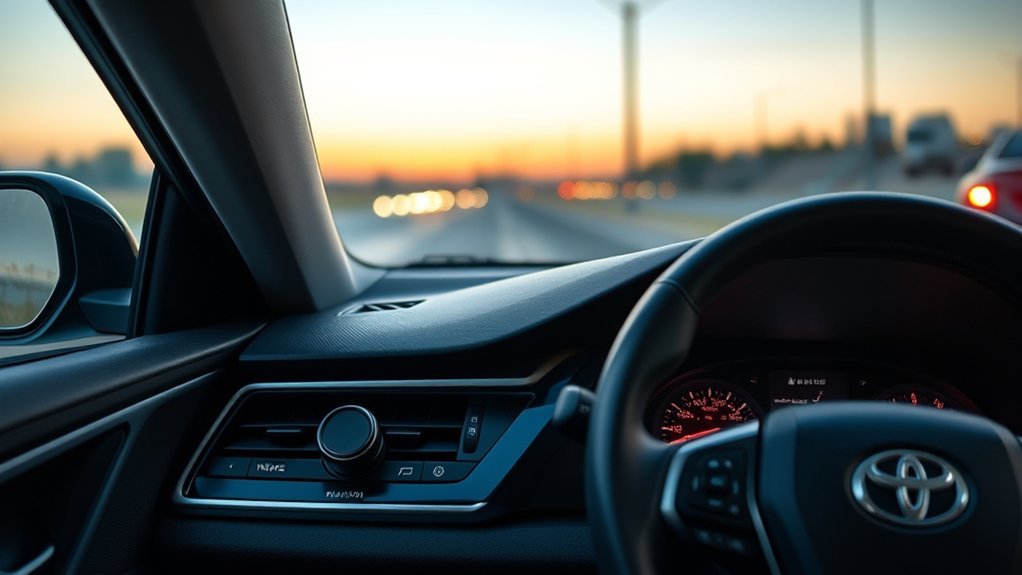
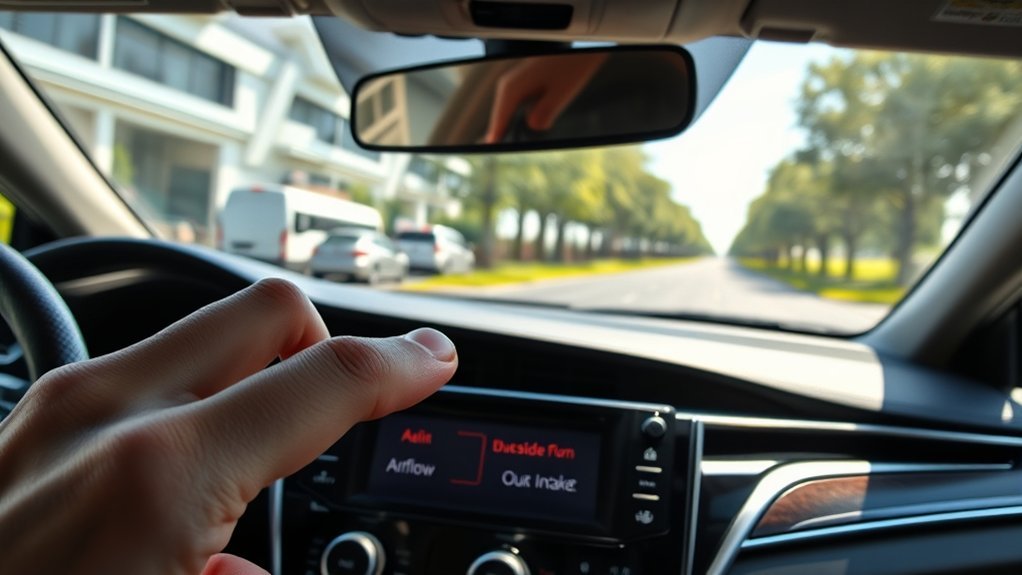
In most Camry models, the recirculate button shows a car with a circular arrow. The fresh-air or outside-air mode may show an arrow entering the vehicle, or the recirculate indicator may simply turn off when outside-air mode is active.
Use this routine for comfort and HVAC health:
- Start with ventilation if the car is heat-soaked. Open windows briefly or use fresh air for the first moment to push out trapped hot air.
- Switch to recirculate for fast cooling. Use it for the first few minutes on hot days.
- Return to fresh air once comfortable. This helps prevent stale air, odors, and moisture buildup.
- Use fresh air for defogging. If windows fog, fresh air and A/C are more important than maximum cooling.
- Use recirculate briefly for bad outside air. Turn it on for traffic, smoke, dust, or strong odors, then refresh the cabin when conditions improve.
Note: Automatic climate control may override your selection in some conditions. That does not always mean something is broken; it may be normal system logic for temperature, humidity, or efficiency.
Maintenance Tips and When to Get Professional AC Service
Regular HVAC care keeps the cabin more comfortable and helps both recirculate and fresh-air modes work properly. The most important basic item is the cabin air filter. If it is clogged, airflow drops, odors linger, and defogging may take longer.
Check your owner’s manual or scheduled maintenance guide for the correct cabin air filter interval for your model year. Replace it sooner if you drive in heavy traffic, dusty areas, pollen-heavy seasons, wildfire smoke, or construction zones.
Get professional service from a Toyota dealer or qualified shop if you notice:
- Weak cooling even with A/C on and recirculate selected.
- Airflow that stays weak after replacing the cabin air filter.
- Musty, sour, or mildew-like odors from the vents.
- Clicking, grinding, or actuator noises when switching modes.
- Windows that fog repeatedly even in fresh-air defog mode.
- Visible moisture, leaks, or water on the passenger-side floor.
A diagnostic tool such as Carista or a professional scan tool may help identify HVAC control faults on some vehicles, but basic symptoms still matter. If cooling is weak, the issue may involve refrigerant charge, compressor operation, blend doors, sensors, the blower motor, or evaporator condition.
Frequently Asked Questions
Should I use fresh air or recirculation in my Camry?
Use recirculation for fast cooling, traffic fumes, smoke, dust, or strong outside odors. Use fresh air for fogging, stale cabin air, long drives, or when the cabin feels humid or stuffy.
When should I not use air recirculation?
Do not use recirculation when the windshield is fogging, humidity is high inside the car, odors are trapped in the cabin, or you have been driving a long time and the air feels stale. Switch to fresh air to clear moisture and refresh the cabin.
Which A/C mode should I use in summer?
In summer, vent the hot cabin briefly, turn on A/C, and use recirculate for the first few minutes. After the cabin cools, switch to fresh air occasionally so the air does not become stale or humid.
Does recirculation mode use more gas?
No, recirculation itself does not use more gas. It can reduce A/C workload because the system reuses cooler cabin air. However, running A/C still uses energy, and the fuel impact depends on temperature, humidity, vehicle speed, and trip length.
Why does my Camry switch out of recirculate by itself?
Some Camry climate-control systems can switch between recirculated air and outside air automatically based on temperature settings, cabin temperature, or defogging needs. If the system behaves differently than expected, check the owner’s manual for your exact year and trim.
Can recirculate mode make windows fog?
Yes. Recirculate can trap moist cabin air, which can make windows fog more easily. For defogging, use fresh air, turn A/C on, select the windshield defogger, and raise fan speed.
Conclusion
Use recirculate in your Camry for fast cooling, heavy traffic, exhaust, smoke, and short-term dirty-air situations. Use fresh air for fogging, humidity, stale odors, and long-drive ventilation. The best setting changes with the conditions: recirculate to cool and protect, fresh air to clear and refresh. If airflow, cooling, odor, or defogging performance gets worse, check the cabin air filter and follow your Toyota maintenance schedule.
Sources
- Toyota Camry Manuals and Warranties — owner-manual access and model-specific climate-control guidance.
- Toyota Customer Support: HVAC operation — Toyota guidance on using heating, ventilation, air conditioning, and recirculation controls.
- FuelEconomy.gov: Fuel Economy in Hot Weather — A/C use, hot-weather driving, and fuel economy context.
- CDC/NIOSH: Fractional Recirculation of Vehicle Cabin Air — particle and CO2 trade-offs in vehicle recirculation.
- Environmental Science and Pollution Research: Vehicle Cabin Air Quality — research on recirculation, PM2.5, ultrafine particles, CO2, and climate-system power.