You can protect your Camry’s paint from bird droppings by removing them quickly, using plenty of lubrication, and keeping a sacrificial layer between contaminants and the clear coat. The safest routine is simple: soften the dropping, lift it with a clean microfiber towel, rinse, dry, then refresh protection with wax, sealant, ceramic coating, or paint protection film when needed.
Quick Answer
To stop bird droppings from etching your Camry, remove them as soon as possible. Soak the spot with water or a car-safe detail spray, lift with microfiber instead of scrubbing, rinse, dry, and keep wax, sealant, ceramic coating, or PPF on the paint to buy more cleanup time.
Key Takeaways
- Speed matters: Toyota’s exterior-care guidance says to wash immediately when bird droppings are present on the paint surface.
- Never wipe a dry dropping across paint. Soften it first, then lift it gently with a clean microfiber towel.
- Wax and sealant add a short-term sacrificial layer; ceramic coating and paint protection film add longer-lasting help but still need prompt cleaning.
- If a dull ring remains after cleaning, it may be clearcoat etching and may need careful polishing or professional paint correction.
At a Glance
| Time Required | 2–5 minutes for fresh droppings; 10–20 minutes for dried droppings; longer if polishing is needed. |
| Difficulty | Easy for cleanup; moderate for light polishing; professional help recommended for deep etching. |
| Tools Needed | Clean microfiber towels, water, pH-neutral car shampoo or quick detailer, spray bottle, wash mitt, drying towel, wax or sealant. |
| Cost | About $15–$60 for a basic cleanup kit; more for ceramic coating, PPF, or professional paint correction. |
Quick How-To: Stop Bird Droppings Etching Your Camry
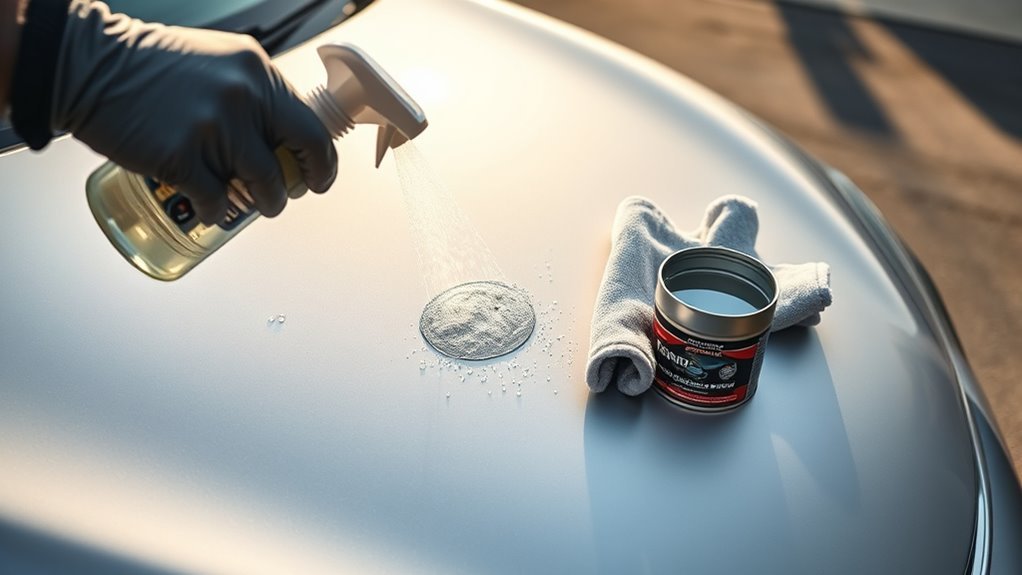
If you spot bird droppings on your Camry, treat them like an urgent paint-care problem, not just a cosmetic mess. Toyota’s 2025 Camry exterior-care guidance says to wash the vehicle immediately when bird droppings are present on the paint surface.
- Move into shade if possible. A cool panel gives you more working time and reduces fast drying.
- Flood or spray the spot. Use clean water, a pH-neutral car shampoo mix, rinseless wash, or quick detailer.
- Soften before touching. Lay a damp microfiber towel over the dropping for a minute or two.
- Lift, do not grind. Pick up the softened material with a clean section of towel. Avoid circular scrubbing.
- Rinse and dry. Remove leftover residue, then dry with a soft microfiber towel.
- Refresh protection. Add quick detailer, spray wax, wax, or sealant if the area feels bare or no longer beads water.
Warning: Never scrape bird droppings with a razor blade, fingernail, abrasive pad, household scrubber, or dry paper towel. Dried droppings can contain gritty material, and dragging that grit across clear coat can create scratches.
Why Bird Droppings Damage Clear Coat and Paint
Bird droppings are hard on automotive paint because they contain uric-acid waste, digestive residue, and enzymes that can attack the clear coat as the mess dries. Birds, reptiles, and many terrestrial arthropods excrete nitrogenous waste as uric acid, which is water-insoluble and forms a paste-like material. A study on automotive clearcoat degradation also found that natural bird droppings and similar biological material can leave etched areas by breaking down clearcoat chemistry through hydrolytic degradation.
Heat makes the problem worse. On a warm hood, roof, or trunk lid, droppings dry faster and cling harder. As the clear coat heats and cools, the contamination can leave a visible outline, dull ring, or rough spot even after the residue is gone.
Bird droppings are not just dirt. They are a time-sensitive paint contaminant, especially on hot, unprotected, dark-colored panels.
What to Do Immediately: On-the-Spot Cleaning for Camry Owners
Fast cleanup is the best defense. Keep the process wet, gentle, and controlled. Your goal is to separate the dropping from the paint without sanding the clear coat with trapped grit.
Fresh droppings
- Spray the area generously with water or quick detailer.
- Place a folded microfiber towel over the spot and let it soften.
- Lift the towel upward, then refold to a clean face.
- Repeat until the residue is gone.
- Rinse, dry, and apply a small amount of spray wax or detailer.
Dried or baked-on droppings
- Do not pick at the dry crust.
- Soak a microfiber towel with warm water or rinseless wash solution.
- Lay it over the dropping for 5–10 minutes.
- Re-wet the towel if it starts drying.
- Lift softened material in sections, using fresh towel faces.
- Wash the panel afterward to remove residue around the spot.
Pro Tip: Fold each microfiber towel into quarters. That gives you eight clean wiping faces and helps prevent dragging old residue back across the paint.
Daily Habits to Prevent Etching
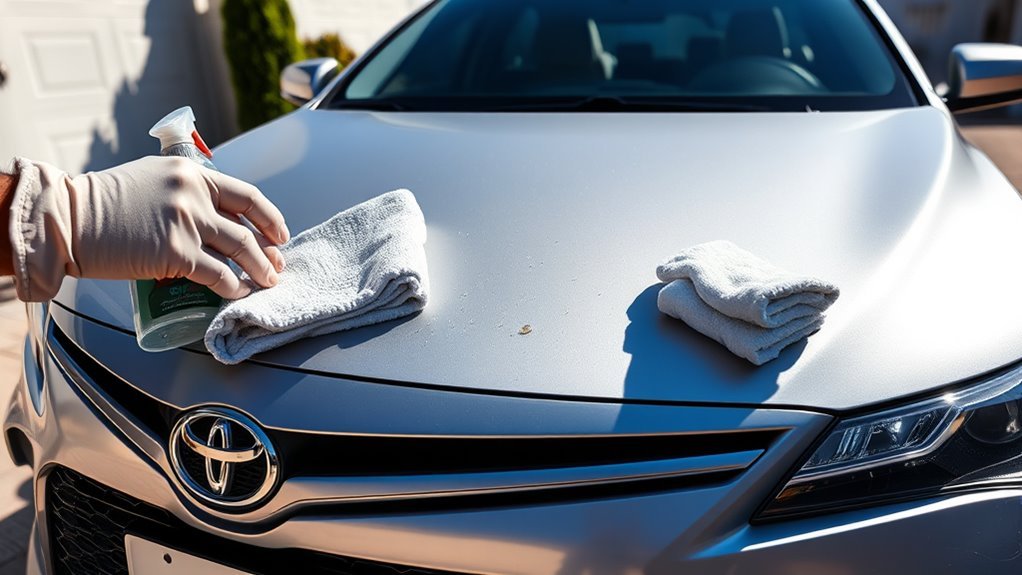
You cannot stop every bird, but you can reduce the chance that a small dropping becomes a permanent mark. Build a simple routine around inspection, quick cleanup, and paint protection.
- Inspect high-hit areas daily. Check the hood, roof, trunk, mirrors, windshield edge, and door handles.
- Clean droppings before driving away. Wind and vibration can spread residue or make it dry harder.
- Wash regularly. A clean surface makes new contamination easier to spot and remove.
- Keep protection active. Wax or seal the paint when water no longer beads well on a clean, cool surface.
- Deal with chips and scratches quickly. Damaged clear coat gives contaminants an easier path into the finish.
Best Parking Choices: Garage, Shade, Covered Parking, and Quick Alternatives
Where you park is one of the easiest long-term defenses against bird droppings. The best spot is a garage or carport because it protects your Camry from birds, direct sun, UV exposure, rain, and falling debris.
If a garage is not available, choose a covered parking structure, building shade, or an open spot away from trees, utility wires, lamp posts, ledges, signs, and known roosting areas. Tree shade can cool the paint, but trees also attract birds and can drop sap, so they are not the best everyday option for paint protection.
Note: A breathable car cover can help when the car is parked for several days, but only put it on a clean, dry car. A dirty or wet cover can rub the paint or trap moisture.
What to Carry: Essential On-the-Go Cleaning Kit for Your Camry
A compact trunk kit lets you handle bird droppings before they dry into the clear coat. Keep it simple, clean, and paint-safe.
- Two to four plush microfiber towels: Store them in a clean zip bag so they do not collect grit.
- Small spray bottle of water or rinseless wash solution: Use it to soften and lift droppings.
- Quick detailer or spray wax: Adds lubrication during cleanup and leaves light protection afterward.
- Disposable gloves: Useful for hygiene during roadside cleanup.
- Trash bag or sealable pouch: Keep dirty towels separate until you can wash them.
Skip machine polishers, compounds, and aggressive pads in an emergency kit. Paint correction should be done on a clean, cool panel in good lighting, not in a parking lot while grit may still be on the paint.
[Products Worth Considering]

This professional vinyl wrap tool kit is designed to help both DIY users and installers apply window tint, decals, signs, and car wrap film with better control and cleaner results. The set includes a felt edge squeegee for smooth bubble removal, a long soft blue squeegee for tight edges and recessed areas, plus a safety vinyl cutter and retractable utility knife for precise trimming. It is a practical all-in-one solution for wrapping and tinting projects that need accuracy, safety, and reduced surface scratching.

This 7-piece hand sanding block kit is designed for precise sanding on curved surfaces, flat panels, and hard-to-reach areas. The PSA base makes sandpaper changes quick and easy, while the ergonomic PU construction helps reduce fatigue during automotive refinishing, woodworking, drywall, and other sanding tasks. Suitable for wet or dry use, it delivers consistent control and a smoother finish across a wide range of projects.

This complete vinyl wrap applicator kit provides the essential tools needed for smooth vehicle wrapping, window tinting, and film installation. It includes a versatile mix of squeegees, cutting tools, holding magnets, and protective accessories to help with corners, bumpers, marking, trimming, and finishing. Designed for precision and convenience, it supports cleaner application and more efficient installation on a variety of wrap and film projects.
Weekly Wash, Dry, and Contaminant Removal Checklist
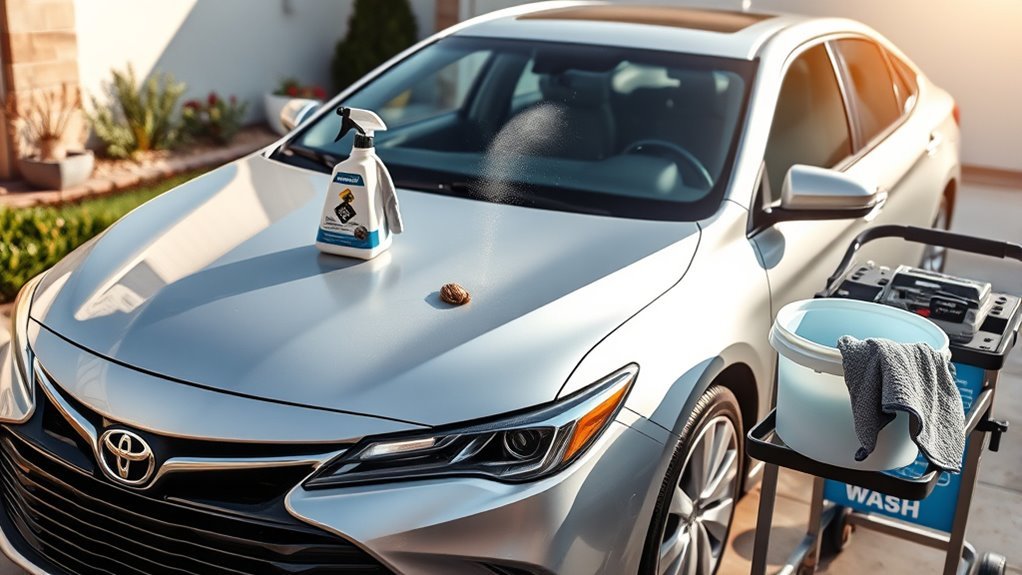
Emergency cleanup protects one spot. A steady wash routine protects the whole Camry. Use a gentle wash process that removes contamination without grinding dirt into the clear coat.
- Pre-rinse from top to bottom. Remove loose dirt before touching the paint.
- Use pH-neutral car shampoo. Avoid harsh household cleaners for routine washing because they can strip protection.
- Use the two-bucket method. One bucket holds soapy water; the other rinses the mitt.
- Wash top to bottom. Save lower, dirtier panels for last.
- Dry immediately. Use a soft microfiber drying towel to reduce water spots.
- Inspect in good light. Look for dull rings, rough spots, sap, bugs, or leftover bird-dropping residue.
- Reapply protection as needed. Toyota advises waxing when water no longer beads on a clean surface and the body is cool.
Waxes, Sealants, Ceramic Coatings, and PPF: What Works for Camry Owners
Paint protection does not make your Camry immune to bird droppings, but it gives you more time and makes cleanup easier. Choose the level of protection that matches your parking conditions, budget, and maintenance habits.
[Products Worth Considering]

This rear trunk lid weatherstrip is designed to fit select Toyota Camry and RAV4 models, helping restore a secure seal around the trunk area. It supports protection against dust, moisture, and road noise while offering a reliable replacement for worn or damaged factory seals. Made for straightforward installation, it provides a practical fit-and-finish upgrade for everyday driving.

This plastic razor blade scraper set is designed to remove stickers, decals, glue, grease, and paint without scratching delicate surfaces. It includes four ergonomic scrapers and 100 replacement plastic blades for convenient, long-term use on glass, windows, cars, walls, appliances, and more. Easy blade changes and a comfortable grip make it a practical choice for everyday cleaning and removal tasks.

This door handle cover protector is designed to fit select Toyota models, helping guard exterior handles against scratches, dings, and daily wear. Made from durable ABS material, it offers a sleek glossy black look that blends with the vehicle’s original styling while maintaining smart key functionality. Installation is quick and simple, making it an easy upgrade for added protection and a cleaner appearance.
Wax
Wax is the easiest short-term barrier. It adds gloss, water beading, and a sacrificial layer that droppings contact before the clear coat. It is affordable and beginner-friendly, but it needs regular reapplication.
Synthetic sealant
A paint sealant usually lasts longer than traditional wax and is a good choice for daily drivers. It helps reduce adhesion, making bird droppings, bug residue, and road film easier to remove during regular washes.
Ceramic coating
A ceramic coating creates a durable hydrophobic layer that can make droppings easier to clean and can improve chemical resistance. It is not a force field. You still need to clean bird droppings quickly, especially in heat.
Paint protection film
Paint protection film, or PPF, is the strongest option for vulnerable panels such as the hood, bumper, mirror caps, and fenders. 3M describes its Scotchgard Paint Protection Film Pro Series as protecting vulnerable automotive surfaces against chips, scratches, stains, and weathering. PPF costs more than wax or sealant, but it can be worthwhile if your Camry is parked outside often.
How to Tell Residue, Staining, and Etching Apart
After cleaning the dropping, inspect the spot before polishing. Not every mark is clearcoat damage.
- Residue: The area feels slightly sticky or dirty and improves with another gentle wash.
- Surface staining: The paint looks discolored but still feels smooth. A paint cleaner or light polish may help.
- Clearcoat etching: A dull ring, crater-like outline, or rough texture remains after washing and drying.
If you are unsure, start with the least aggressive option: wash, inspect, use a mild paint cleaner if appropriate, then consider polishing only if the mark remains.
Safe Polishing Steps for Light Etching: What You Can Do at Home
If light etching remains after the surface is fully clean, polishing may reduce the mark by leveling a tiny amount of clear coat around the defect. Work slowly because clear coat is limited; once removed, it does not grow back.
- Wash and dry the panel first. Never polish over dirt or residue.
- Work in shade on a cool surface. Heat makes polish dry too fast.
- Start mild. Try a finishing polish by hand or with a soft polishing pad before using compound.
- Use short passes. Wipe the area clean and inspect often.
- Stop if the mark does not improve. Deep etching may need professional correction, wet sanding, or repainting.
- Protect the area afterward. Apply wax, sealant, ceramic topper, or another compatible protectant.
Warning: Do not keep compounding the same spot because “it almost looks better.” Over-polishing can thin or burn through clear coat, creating a repair that is much more expensive than the original etch mark.
[Products Worth Considering]

The AOBEN 6-inch dual action polisher is designed to help achieve a smooth, swirl-free finish for car detailing, waxing, polishing, and light sanding. With six variable speed settings and an ergonomic detachable handle, it offers better control, reduced fatigue, and versatile performance for automotive and other surface care tasks. The kit includes multiple foam pads and a wool pad to support different detailing stages and surface types.

This vinyl wrap and tinting kit brings together the essential tools needed for clean, accurate vehicle graphics, window film, and decal installation. The included heat gun, squeegees, magnet holders, cutter, and specialty applicators help reduce bubbles, improve alignment, and make trimming and finishing easier in tight or detailed areas. It is a practical all-in-one solution for car wrapping, tinting, and sign work.

This 65-piece household tool kit provides a versatile collection of hand tools for everyday repairs, DIY projects, and basic mechanic tasks. Built with high quality steel alloy and comfortable non-slip handles, it is designed to help you tackle common home fixes with confidence. The included carry case keeps everything organized and easy to transport.
When to Get Professional Paint Correction or Clear Coat Repair
Call a professional detailer or body shop when the etching is obvious after washing, the spot feels rough, the shine does not return after mild polishing, or the damage appears to reach below the clear coat. A pro can measure paint thickness when appropriate, choose the least aggressive correction method, and tell you when polishing is no longer safe.
Professional help is also smart if your Camry has matte paint, a vinyl wrap, repaint work, old clear coat, or a ceramic coating you do not want to damage. Those surfaces may need different cleaners and correction methods.
Frequently Asked Questions
How do I protect Camry paint from bird poop?
Protect the paint with fast cleanup, smart parking, and an active barrier. Keep microfiber towels and detail spray in the car, avoid parking under trees and power lines, wash regularly, and maintain wax, sealant, ceramic coating, or PPF on exposed panels.
Do bird droppings damage car paint?
Yes. Bird droppings can damage clear coat, especially when they dry on a hot panel. The safest approach is to soften and remove them quickly, then wash and protect the area.
Does car wax protect paint from bird droppings?
Yes, wax helps by adding a sacrificial layer between the dropping and the clear coat. It does not stop all damage, and it does not replace prompt cleaning. Reapply wax when water no longer beads well on clean paint.
Does ceramic coating protect a car from bird poop?
Ceramic coating can help because it adds a durable, slick, hydrophobic layer that makes contamination easier to remove. It is not permanent immunity. Bird droppings should still be removed quickly, especially in hot weather.
What should I use if the bird dropping is already dry?
Soak it first. Place a wet microfiber towel over the dropping for several minutes, keep it wet, then lift the softened material gently. Do not pick, scrape, or scrub the dry crust.
When is bird-dropping damage too deep for DIY repair?
Get professional help if a dull ring, crater, or rough spot remains after washing and mild polishing. Deep etching may require machine correction, wet sanding, clearcoat repair, or repainting.
Conclusion
You do not need a complicated routine to keep your Camry’s finish looking sharp. Act quickly, use water or detail spray before touching the paint, lift droppings with clean microfiber, and keep a protective layer on the clear coat. Park under real cover when you can, avoid roosting areas when you cannot, and treat stubborn etching carefully. The faster and gentler you are, the less likely a small bird dropping is to become a permanent paint repair.
Sources
- Toyota 2025 Camry Owner’s Manual: Cleaning and protecting the vehicle exterior — supports immediate washing when bird droppings are present on paint.
- University of Oregon Open Textbook: Animal Physiology, Nitrogenous Wastes — supports the explanation that birds excrete uric acid.
- PCI Magazine: Degradation of Automotive Clearcoat Caused by Bird Droppings — supports the clearcoat etching and degradation mechanism discussion.
- Toyota 2025 RAV4 Owner’s Manual: Exterior cleaning and waxing guidance — supports washing with soft materials and waxing when water no longer beads.
- 3M Scotchgard Paint Protection Film Pro Series — supports PPF as a protection option for vulnerable painted surfaces.