What’s in This Article
- Before You Begin: Controls and Time
- Defog the Windshield Now With Front Defrost
- Activate Rear Defogger and Heated Mirrors
- Set Controls for Fast Front Defogging
- Turn Off Recirculation When Defogging
- Use A/C and Temperature to Reduce Cabin Humidity
- Deice Wipers and Protect Lower Windshield
- Troubleshooting: Defogger or Mirrors Not Working
- Safety: What Not to Touch and Auto Shutoff
- When to Use Front vs Rear: Practical Examples
- Frequently Asked Questions
- Conclusion
Fogged glass can turn a normal drive into a blind guess in seconds. Use the front defrost for your windshield and the rear defogger for the back glass, heated mirrors, or both when fog, frost, or condensation blocks your view. This guide shows you which control to use, how to set it fast, and what to check when the glass still won’t clear.
Quick Answer
Use front defrost when the windshield blocks your forward view. Turn recirculation off, select defog airflow, raise the fan speed, use warm air, and keep air conditioning (A/C) on when humidity causes fog. Use the rear defogger and heated mirrors when back glass or side reflections look hazy, wet, or frosted.
Key Takeaways
- Use front defrost first when the windshield blocks your forward view.
- Turn recirculation off so drier outside air can replace damp cabin air.
- Keep A/C on during defogging because it helps remove moisture from the air.
- Use the rear defogger and heated mirrors for the back window and mirror haze.
- Stop in a safe place if fog or ice keeps you from seeing the road clearly.
Before You Begin: Controls and Time
Estimated total time: Light fog often clears in 1 to 5 minutes. Frost or ice can take longer, especially in very cold weather.
Know the main controls before your view gets worse. Most Camry climate panels include front defrost, rear defogger, fan speed, temperature, A/C, and recirculation buttons.
- Use front defrost for the windshield and front side glass.
- Use the rear defogger for the back window and heated mirrors when equipped.
- Use warm air and high fan speed to move moisture off the glass.
- Use your owner’s manual for model-specific button names and timer details.
Defog the Windshield Now With Front Defrost
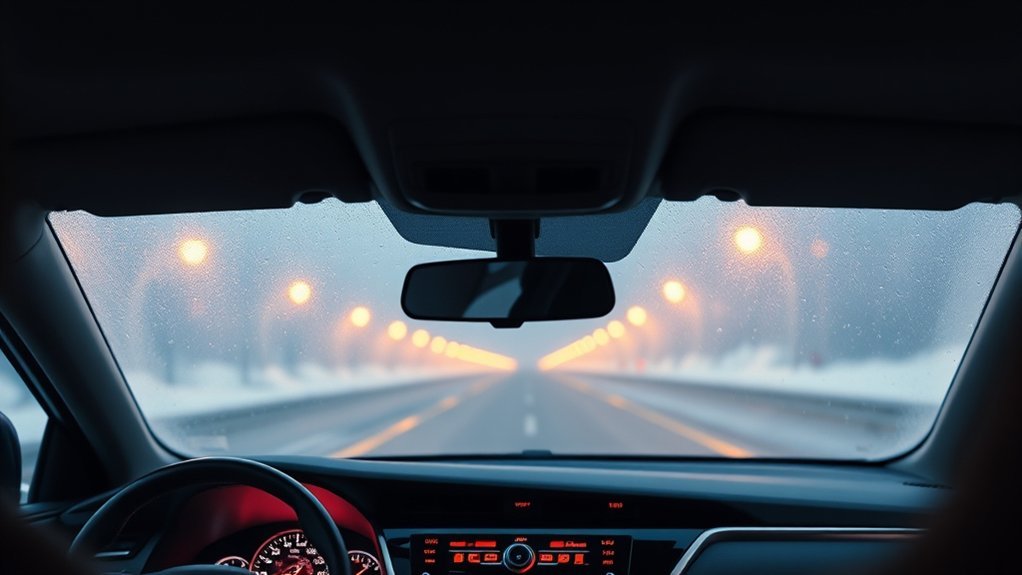
Reach for the front defrost when your windshield fogs or frosts. Select the defog position, turn recirculation off, raise the temperature, and increase the fan speed to clear the glass quickly.
Front defrost sends warm airflow toward the windshield and front side glass. Fresh outside air helps lower cabin moisture, while warm airflow helps evaporate condensation from the glass.
Once the windshield clears, return the controls to a comfortable setting. Keep a clear forward view as your first priority, even if the cabin feels too warm for a few minutes.
Activate Rear Defogger and Heated Mirrors
Press the rear defogger button on your Camry’s dash when the back window looks foggy, wet, or frosted. In many models, the same button also turns on the heated side mirrors.
The rear defogger uses thin heating lines in the glass to clear fog, dew, and light frost. Many systems turn off after about 15 minutes to reduce battery load, but your exact timing can vary by model.
Use this feature when rear sightlines or mirror reflections look hazy. Clear rear glass and mirrors help you reverse, check traffic, and make confident lane changes.
Don’t touch the mirror glass while the heaters run. After the timer ends, clean mirrors with a soft cloth and proper glass cleaner to protect the surface and heater elements.
Set Controls for Fast Front Defogging
To clear the windshield quickly, use the defog setting with warm, high-volume airflow. This setup removes moist air from the cabin and moves warm air across the glass.
- Select DEFOG to route air directly toward the windshield.
- Disable recirculation so outside air replaces humid cabin air.
- Increase fan speed to maximum to move moisture away faster.
- Raise the temperature to warm the glass and boost evaporation.
Watch the windshield as it clears, then lower the fan or temperature when you can see well. This keeps the cabin comfortable without letting fog return.
[Products Worth Considering]

Instantly removes fog and condensation from auto windows and mirrors

【Elastic and No-scratch】: The car window defogger sponge is made of high-quality sponge, non-woven fabric, and double-sided velvet, which is soft elastic, and scratch-free for cars
Turn Off Recirculation When Defogging
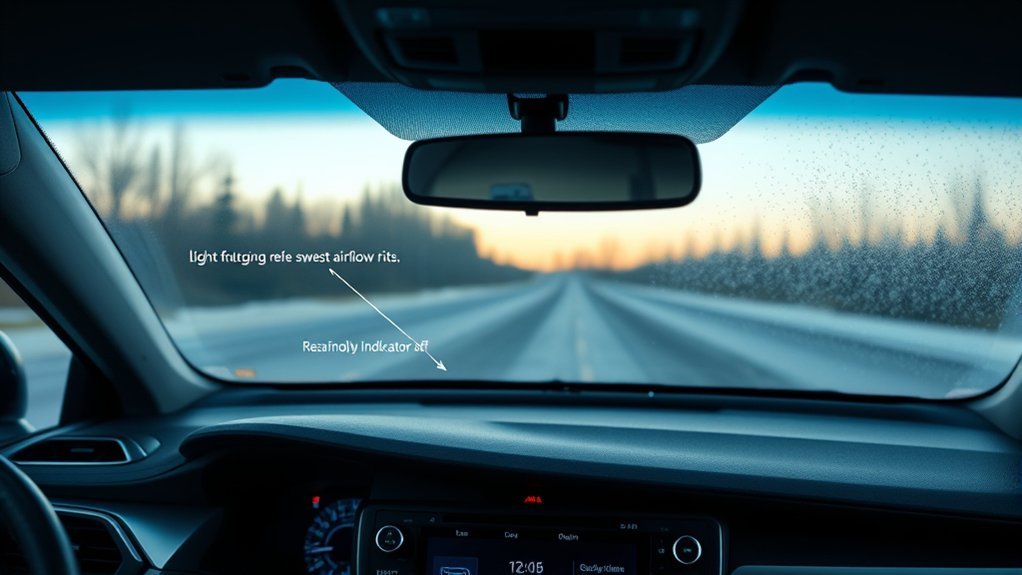
Recirculation mode keeps the same damp cabin air moving through the vents. Turn it off when defogging so the system can pull in drier outside air.
Fresh intake air improves humidity control because it helps push moist air out of the cabin. Set airflow to defog, raise fan speed, and use moderate heat to clear the windshield faster.
Avoid recirculation during active defogging because it can make fog last longer. Once the glass clears, you can return to your preferred comfort setting.
Use A/C and Temperature to Reduce Cabin Humidity
Run the defog vents with A/C on and the temperature set toward warm. The A/C system helps remove moisture from the air, while warm airflow helps dry the glass.
- Disable recirculation so drier outside air enters the cabin.
- Keep A/C engaged, even when you want warm air.
- Set the temperature toward warm and keep airflow strong.
- Adjust fan speed and temperature if fog starts to return.
This balance gives you better humidity control without turning the cabin into a sauna. It also helps prevent quick re-fogging after the windshield clears.
Deice Wipers and Protect Lower Windshield
If your Camry has a windshield wiper deicing feature, use the dashboard button before ice locks the blades to the glass. The heating area near the lower windshield helps keep blades flexible and ready to sweep.
Use the feature early in low temperatures. Waiting until thick ice forms can strain the wiper motor, damage blade edges, and reduce clearing performance.
Don’t touch the lower windshield while the deicer runs. Follow your owner’s manual for cycle times, feature availability, and cold-weather steps for your model.
Check wiper blades often during winter. Replace cracked, stiff, or torn blades so the front defrost and wipers can keep your view clear.
Troubleshooting: Defogger or Mirrors Not Working
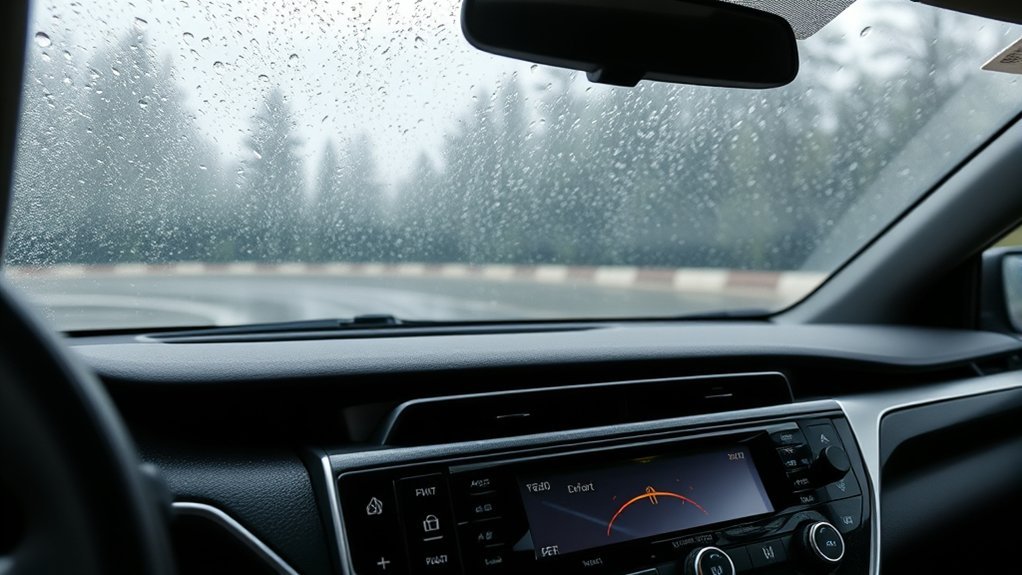
Start with basic checks when your defogger or heated mirrors don’t seem to work. Many slow-clearing problems come from control settings, not broken parts.
- Confirm the activation button is on and the indicator light appears.
- Select defog airflow, turn recirculation off, raise fan speed, and use warm air.
- Restart the rear defogger if its timed cycle already ended.
- Inspect the rear glass for damaged heating lines or heavy dirt.
- Check the owner’s manual before you test fuses or seek service.
Ask a qualified technician to inspect the system if the rear grid, mirror heaters, or blower still won’t work. Electrical faults, damaged glass lines, or failed switches need proper diagnosis.
[Products Worth Considering]

Sufficient Quantity: you will receive 6 pieces of rear defroster tabs, which are enough to meet your daily application and replacement needs; Not included bonding kit and other repair kits
Safety: What Not to Touch and Auto Shutoff
The rear defogger, heated mirrors, and wiper deicer can make glass surfaces hot. Keep your hands and bare skin away from mirror glass and the lower windshield while these systems run.
Warning: Pull over safely if fog, frost, or ice blocks your view after you turn the systems on.
Many rear defoggers and heated mirrors shut off after about 15 minutes to protect the electrical system. Treat that timer as a power-saving feature, not as a sign that the glass feels safe to touch.
Wait several minutes after shutoff before you handle glass or mirror surfaces. Use your owner’s manual for exact timing, button behavior, and safety guidance.
When to Use Front vs Rear: Practical Examples
Use the front and rear systems based on which glass blocks your view. These examples help you choose fast and keep visibility under control.
- Morning frost: Start front defrost with warm air, high fan speed, A/C on, and recirculation off.
- Rear ice or haze: Activate the rear defogger and heated mirrors if your model includes them.
- Sudden cabin fog: Use front defrost, raise the fan speed, and keep A/C on to lower moisture.
- Fog on every window: Run front defrost and rear defogger together, then reduce settings after the glass clears.
Act early, before fog or ice fully blocks your sightlines. Clear glass gives you more time to react and safer control of the car.
Frequently Asked Questions
When should you use defrost vs defog?
Use defrost when frost, ice, or thick moisture blocks the windshield. Use defog settings when condensation forms inside the glass and you need airflow, heat, and A/C to lower cabin humidity.
When should you use the front defogger?
Use the front defogger whenever windshield fog blocks your forward view. Turn recirculation off, select defog airflow, raise the fan speed, use warm air, and keep A/C on when humidity causes the fog.
Can you run front defrost and rear defogger at the same time?
Yes, you can use both systems at the same time when the windshield and rear glass need clearing. Watch the glass and turn each system down or off once visibility returns.
Why does the windshield fog again after it clears?
The windshield may fog again when cabin humidity stays high or recirculation remains on. Keep outside air flowing, leave A/C on, and remove wet items from the cabin when you can.
Safety Disclaimer: This article gives general vehicle visibility guidance. Follow your owner’s manual, obey local road rules, and stop in a safe place if you can’t see clearly.
Conclusion
Clear glass matters more than cabin comfort when fog, frost, or ice blocks your view. Use front defrost for the windshield and front side glass, then use the rear defogger and heated mirrors for rear visibility.
Turn recirculation off, keep A/C on when moisture causes fog, and raise fan speed until the glass clears. If the systems don’t restore safe visibility, pull over and troubleshoot before you keep driving.
With the right controls and timing, you can clear the glass faster and drive with a safer view in every direction.