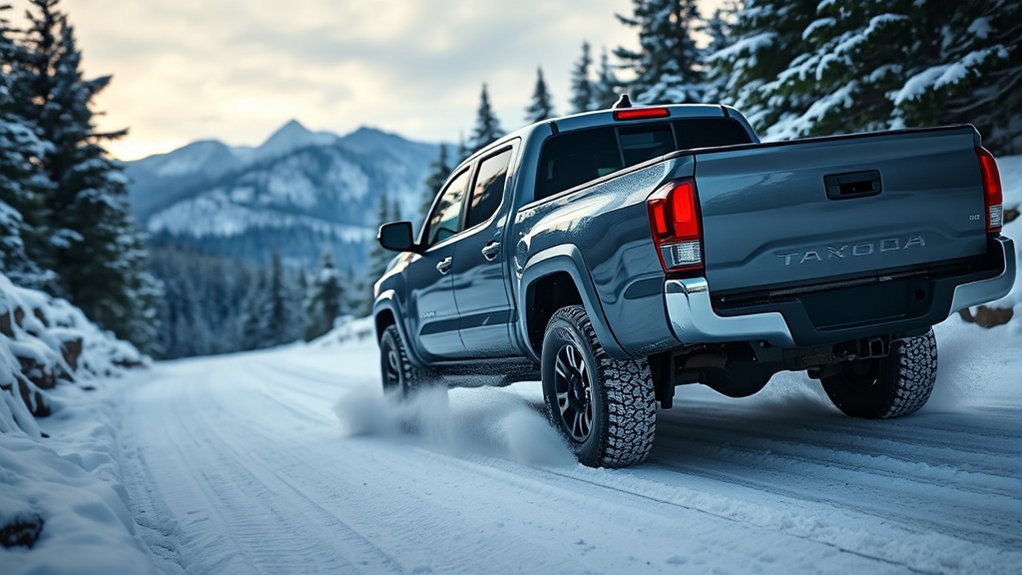
Use 4HI on a Toyota Tacoma when the road or trail is slippery enough that 2H cannot keep the rear tires planted, but not so difficult that you need the crawling torque of 4LO. The key is matching the drive mode to the surface: 2H for dry pavement, 4HI for snow, ice, mud, sand, gravel, and light off-road driving, and 4LO for slow technical terrain.
Quick Answer
Use 4HI on a Toyota Tacoma for slippery or loose surfaces such as snow, ice, mud, sand, gravel, wet grass, or light off-road trails. Do not use part-time 4HI on dry pavement or during tight turns because it can cause driveline binding, vibration, and extra tire or transfer-case wear.
Key Takeaways
- Use 4HI before you get stuck, not after the tires are already spinning hard.
- 4HI improves acceleration traction and stability, but it does not improve braking distance on ice or snow.
- For most Tacoma part-time 4WD models, 2H is the correct mode for normal dry paved roads.
- Toyota guidance for many Tacoma models allows shifting between 2H and 4H while moving below 62 mph; stop and shift to Neutral only when changing between 4H and 4L.
- If 4HI causes clunking, binding, or vibration on a loose surface, stop using it and inspect tires, U-joints, driveshafts, and transfer-case operation.
At a Glance
| Best Use | Snow, ice, mud, sand, gravel, wet grass, and light off-road trails |
| Avoid On | Dry pavement, parking-lot maneuvers, and tight turns in part-time 4WD |
| Shift Method | 2H to 4H: slow below 62 mph and turn the selector; 4H to 4L: stop, brake, and use Neutral or clutch as directed by the manual |
| Owner Check | Confirm the exact procedure in your model-year Tacoma owner’s manual |
When to Use 4HI on a Toyota Tacoma
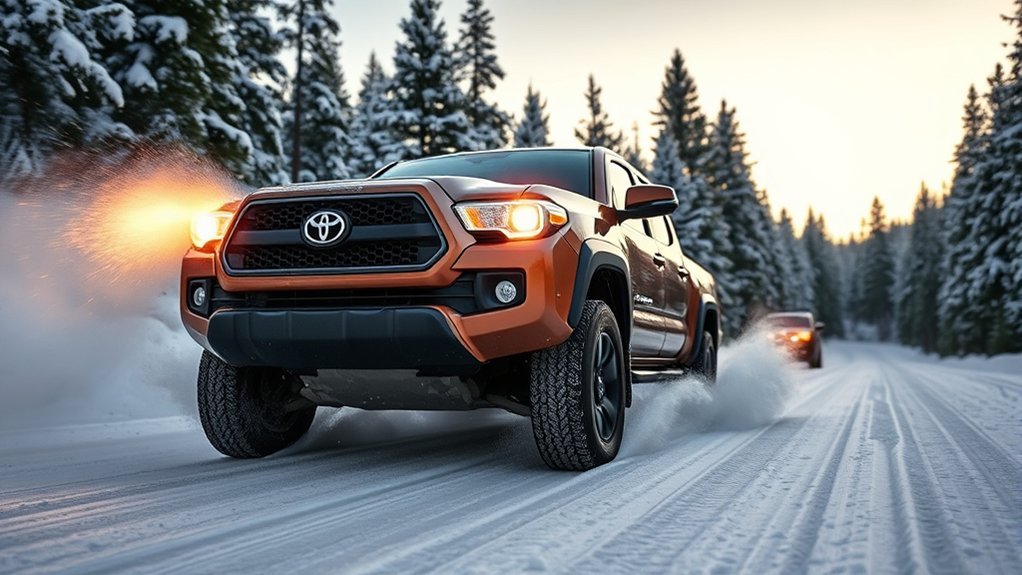
Use 4HI when the surface has enough slip to let the tires release drivetrain tension. Good examples include packed snow, icy patches, muddy roads, wet grass, sand, loose gravel, rutted dirt roads, boat ramps, and light trails. In these conditions, 4HI sends power to both the front and rear axles so the truck has more tire contact patches helping it move forward.
For normal driving on dry hard-surfaced roads, Toyota lists 2H as the proper mode for many Tacoma part-time 4WD models because it gives better fuel economy, a quieter ride, and less wear. Toyota lists 4H for surfaces where extra traction is needed, such as off-road, icy, or snow-covered roads. You can confirm the exact wording for your truck in the Toyota Tacoma Owner’s Manual.
Engage 4HI proactively. If you are approaching a snow-covered hill, muddy driveway, loose trail, or long gravel road, shift before the rear tires begin spinning. Spinning tires can dig holes in mud or snow, polish ice, and make the truck harder to control.
Warning: 4HI helps the Tacoma accelerate and maintain traction, but it does not shorten braking distance on ice, snow, or wet pavement. Slow down, increase following distance, and steer smoothly in winter conditions.
[Products Worth Considering]

These off-road traction boards are designed to help vehicles recover from mud, sand, and snow with reliable grip and easier ramp-up. Their double-sided diamond construction, cross-shaped teeth, and contoured ramps improve traction while the durable polypropylene build stays flexible in harsh conditions. Convenient mounting points, ergonomic handles, and a visible leash make them practical to carry, store, and retrieve when recovery is needed.

This complete tire repair kit is designed to help you quickly fix punctures and get back on the road with confidence. It includes essential tools and supplies for repairing tubeless tires on cars, trucks, motorcycles, ATVs, UTVs, Jeeps, and commercial vehicles. The compact case keeps everything organized for emergency storage at home, in a vehicle, or on the trail.

These X-BULL recovery traction tracks help drivers get unstuck from sand, snow, mud, or ice with a stable U-shaped elastic design and a wavy ramp that makes tire entry easier. Built from reinforced nylon, they are flexible, impact-resistant, and designed to perform in extreme temperatures while providing reliable emergency traction for a wide range of vehicles.
How 4HI Improves Traction on Snow, Ice, and Mud
In 2H, a Tacoma sends power to the rear wheels only. In 4HI, the transfer case also drives the front axle, so the truck can use all four tires to pull or push instead of relying only on the rear tires. That matters when one axle is on a slick patch or when the rear tires are light because the bed is empty.
On snow and ice, 4HI can reduce rear-wheel spin and help the truck track straighter when you apply light throttle. On mud, it helps maintain momentum before the tires dig in. On loose gravel or sand, it spreads torque across more tires, which can make starts, hills, and rough sections easier to manage.
4HI is not the same as 4LO. Use 4HI when you need traction at normal low-to-moderate road or trail speeds. Use 4LO when you need low-speed torque and control for steep climbs, rocks, deep ruts, or pulling through very difficult terrain.
Think of 4HI as a traction mode, not a speed mode. It helps the truck grip better, but the safe speed is still set by the road surface, visibility, tires, and stopping distance.
When Not to Use 4HI: Dry Pavement and Tight Turns
Do not use part-time 4HI on dry pavement. A part-time 4WD Tacoma does not have the same center-differential behavior as a full-time AWD vehicle. When front and rear driveline parts are locked together on a high-traction surface, the tires cannot slip enough to release the difference in wheel speed that happens during turns. That can create driveline windup, binding, hopping, vibration, and extra stress on tires, U-joints, driveshafts, the transfer case, and differential components.
Avoid Dry Pavement
If the road is dry, paved, and clean, use 2H on a part-time 4WD Tacoma. Do not leave 4HI engaged just because it is cold outside. Cold pavement is not the same as slippery pavement. Use 4HI when there is snow, ice, slush, mud, gravel, sand, or another loose surface that lets the tires slip slightly.
Avoid Sharp Turns in Part-Time 4HI
Tight parking-lot turns, U-turns, and sharp driveway maneuvers can make binding more obvious in 4HI. If you feel the truck hop, jerk, or resist turning, straighten the wheels when safe, shift back to 2H, and drive a short distance forward to help the drivetrain unwind.
Note: Some Tacoma trims and model years may have different 4WD hardware or drive modes. Always follow the manual for your exact model year, transmission, and trim.
Part-Time vs. Full-Time 4WD on the Tacoma: What Owners Need to Know
Most Tacoma 4WD systems are part-time 4WD, which means the driver selects 2H, 4H, or 4L based on the surface. Part-time 4WD is strong and simple, but it needs wheel slip when 4HI is engaged. That is why dry pavement is the wrong place for 4HI on those models.
Full-time 4WD or AWD-style systems are different because they use a center differential, clutch pack, or electronic coupling to manage front-to-rear speed differences. If your Tacoma has a full-time system or an “Auto” mode, follow Toyota’s instructions for that exact system. Do not assume part-time and full-time 4WD can be used the same way.
| Mode | Best For | Avoid |
|---|---|---|
| 2H | Normal dry pavement and daily driving | Deep snow, mud, or loose surfaces where rear tires spin |
| 4HI / 4H | Snow, ice, mud, sand, gravel, and light off-road driving | Dry pavement and tight turns in part-time 4WD |
| 4LO / 4L | Slow crawling, steep grades, rocks, deep ruts, and maximum low-speed torque | High-speed driving and normal roads |
How to Shift Into 4HI Correctly Step by Step

The exact procedure depends on model year and equipment, but Toyota’s general guidance for many Tacoma part-time 4WD models is simple: slow down, keep the truck moving straight, and select 4H before wheelspin gets severe.
- Ease off the throttle. Do not try to shift while the rear tires are spinning hard.
- Drive straight if possible. A straight path reduces driveline load during engagement.
- Slow below Toyota’s stated shift speed. Toyota support guidance for 4WDemand part-time 4WD says to slow to less than 62 mph before shifting into 4H.
- Turn the selector from 2H to 4H. Wait for the 4HI indicator to stop flashing and remain on.
- Resume smoothly. Use gentle throttle, especially on ice, packed snow, or wet mud.
You usually do not need to stop or shift the transmission into Neutral when moving from 2H to 4H on many modern Tacomas. A full stop and Neutral are for shifting between 4H and 4L on automatic-transmission models; manual-transmission models require the clutch as directed in the owner’s manual.
Pro Tip: If the 4HI light keeps flashing, drive slowly forward in a straight line for a short distance, then ease off the throttle. If it still does not engage or disengage, stop safely and consult the manual before forcing the selector.
[Products Worth Considering]

This 9-piece torque wrench set gives DIYers and professionals a versatile way to tighten fasteners with confidence across bikes, motorcycles, cars, trucks, and industrial equipment. It includes three click torque wrenches, multiple adapters, dual-scale measurement, and clear audible feedback to help prevent overtightening. Built with durable materials and stored in a portable case, it is designed for precise, organized, and reliable use.

Upgrade your vehicle interior with Skechers Work seat covers designed for comfort, protection, and a clean custom look. Reinforced webbing helps the covers maintain shape and durability, while the cushioned design adds comfort for daily drives and long trips. The form-fitting front seat design works with many cars, trucks, vans, and SUVs, and advanced stitching supports airbag compatibility for added peace of mind.

TRD PRO-STYLE INTERIOR UPGRADE — Replace your factory shift knob with a premium TRD Pro style aftermarket gear shifter designed to elevate the appearance of your Toyota interior and center console. Designed for the latest Toyota TUNDRA, 4RUNNER, SEQUOIA, TACOMA models.
How to Shift Out of 4HI
Shift back to 2H once the road returns to dry, high-traction pavement. To disengage 4HI, reduce throttle, drive straight, and turn the selector back to 2H. If the system feels bound up, avoid sharp turns. Drive slowly forward or backward a few feet with the steering wheel straight, then try again.
If the 4HI indicator does not go off, do not keep driving fast on dry pavement. Stop in a safe place, check the manual, and avoid forcing the control. Persistent flashing, grinding, or clunking deserves a professional inspection.
4HI vs. 4LO: When to Use Each
4HI and 4LO both send power to all four wheels, but they are not interchangeable. The difference is gearing. 4HI keeps the truck in high-range gearing for situations where you need more traction while still moving at normal trail or road speeds. 4LO uses low-range gearing for slow, controlled movement with more torque multiplication.
| Situation | Use 4HI? | Use 4LO? |
|---|---|---|
| Packed snow on a road | Yes | Usually no |
| Loose gravel road | Yes | No |
| Deep mud at low speed | Sometimes | Often better |
| Rock crawling or steep off-road descent | No | Yes |
| Dry highway | No for part-time 4WD | No |
[Products Worth Considering]
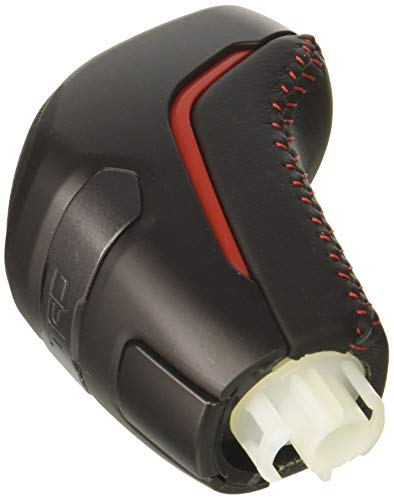
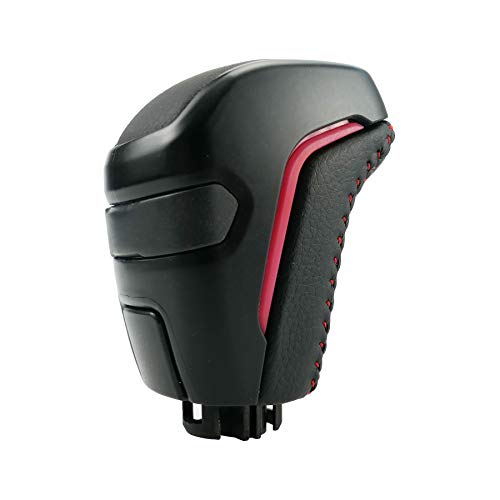
Enhanced Operating Experience: Shifter's robust internal structure and comfortable grip improve the smoothness of shifting, resulting in a more natural gear adjustment experience
4WD Engagement and Routine Maintenance for Tacomas
A 4WD system that never gets used can feel stiff when you finally need it. A practical owner habit is to operate the system periodically on a loose or low-traction surface, such as gravel, dirt, snow, or a straight private drive where tire scrub will not load the drivetrain. Do not “exercise” part-time 4HI by driving long distances on dry pavement.
Engage 4WD Periodically
If you rarely use 4WD, choose a safe, low-traction surface and confirm that 4HI engages and disengages normally. Watch the indicator light, listen for abnormal clunks, and make sure the selector does not feel stuck. This simple check can reveal a problem before a storm, hunting trip, worksite, or trail day.
| Task | Suggested Timing | Best Condition |
|---|---|---|
| Engage 4HI | Periodically, especially before winter or trail use | Straight, loose, low-traction surface |
| Check selector and indicator | During 4WD check | Low speed |
| Inspect tires | Monthly and before trips | Cold tires |
Rotate Tires Regularly
Tire condition has a major effect on 4HI performance. Uneven tire size, uneven wear, mismatched tire models, or incorrect pressure can make a Tacoma vibrate or bind more easily in 4WD. Toyota maintenance guidance commonly calls for tire rotation at regular service intervals, and Toyota’s scheduled maintenance material notes that rotation helps equalize wear and extend tire life.
For best results, rotate the tires on schedule, keep all four tires the same size and similar tread depth, and set cold tire pressure to the placard inside the driver’s door or the value listed in the manual. The NHTSA TireWise program also emphasizes tire pressure, tread, aging, and maintenance as core tire-safety checks.
- Rotate tires at the interval listed in your Tacoma maintenance guide.
- Check cold tire pressure before long trips, winter storms, and off-road use.
- Replace tires as a set when tread depth differences become large enough to affect 4WD behavior.
- Have alignment checked after suspension work, hard impacts, or uneven tire wear.
How Tires, Lifts, and Mods Affect 4HI Performance
Tires, lift kits, gearing, and driveline modifications can change how 4HI feels. Larger tires may add ground clearance and traction, but they also change effective gearing, steering feel, braking demand, and speedometer accuracy. Aggressive mud-terrain tires can bite well off-road but may be louder and less predictable on wet pavement or ice than winter-rated tires.
Lift kits can also affect 4HI performance because they change suspension geometry and driveline angles. A mild, well-installed lift may work fine. A poorly matched lift, worn U-joints, incorrect pinion angle, or unbalanced driveshaft can create vibration that becomes more noticeable under 4WD load.
If your Tacoma has larger tires, re-gearing, aftermarket differentials, a suspension lift, or modified driveshafts, test 4HI in a controlled low-traction area before relying on it in deep snow or remote terrain. Any new vibration after a modification should be inspected before it damages other components.
Troubleshoot Vibration, Drivetrain Binding, and Noise in 4HI
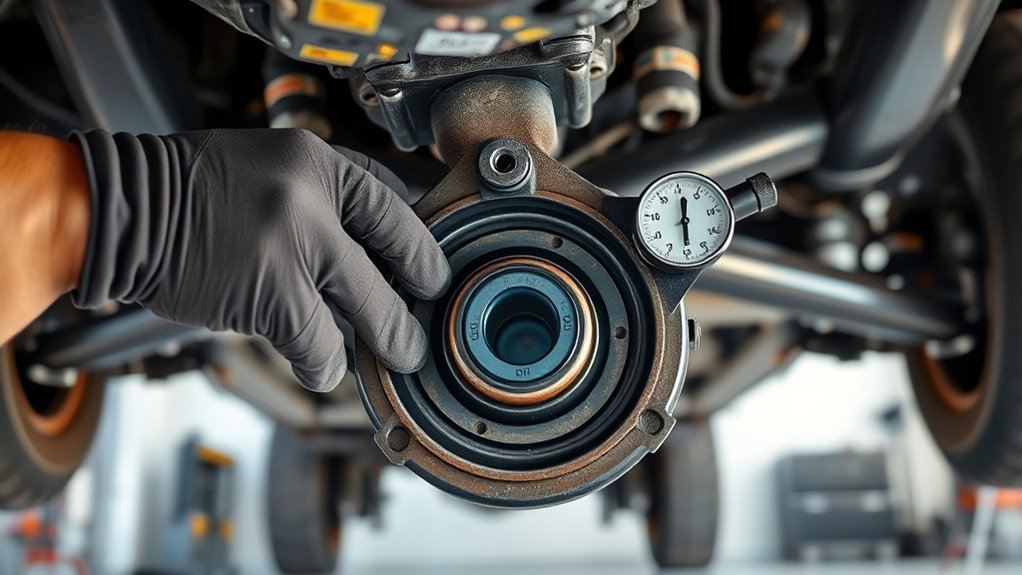
Vibration, clunks, or binding in 4HI are warning signs. Some resistance during tight turns on high-traction pavement can happen because part-time 4WD is being used in the wrong condition. But vibration or noise on loose surfaces can point to tire, alignment, driveshaft, U-joint, transfer-case, or differential problems.
- Confirm the surface first. If you are on dry pavement, shift back to 2H and retest only on a loose surface.
- Check tires. Look for low pressure, mismatched sizes, uneven tread depth, missing wheel weights, cupping, or separated tread.
- Listen for driveshaft or U-joint noise. A clunk when applying throttle or shifting direction can point to play in driveline parts.
- Watch the indicator light. A flashing 4HI or 4LO light may mean the transfer mode has not completed its shift.
- Stop if symptoms worsen. Grinding, repeated bangs, severe vibration, or a stuck selector should be inspected before more driving.
Warning: Do not keep driving in 4HI if the truck is binding badly, making grinding noises, or refusing to disengage. Continuing can turn a small issue into transfer-case, driveshaft, or differential damage.
When to Get a Professional Diagnosis vs. Simple Fixes
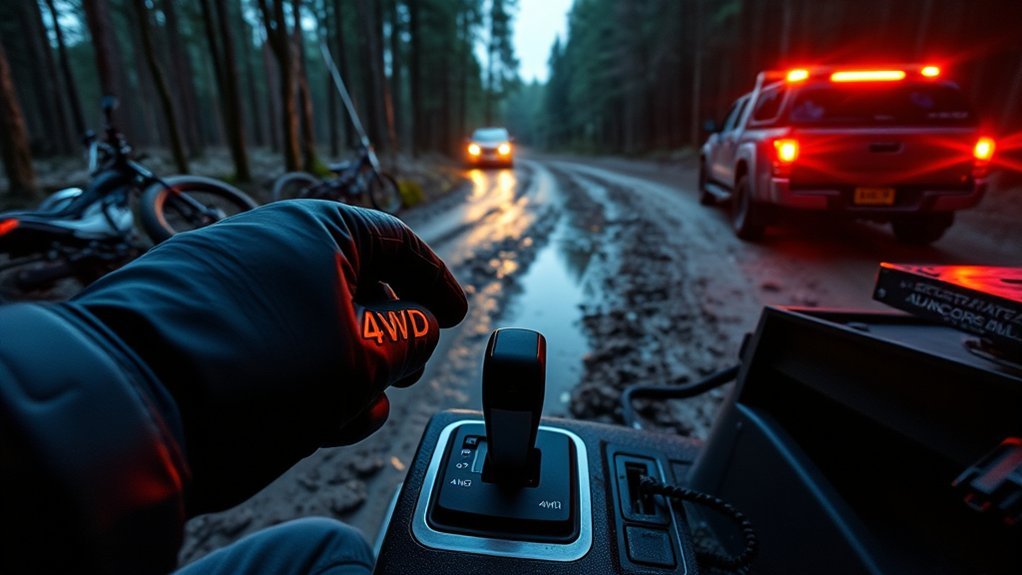
Start with simple checks if the symptom is mild: tire pressure, tread condition, wheel balance, lug-nut torque, and whether you were using 4HI on the wrong surface. If the vibration disappears after correcting tire pressure, rotating tires, or returning to 2H on dry pavement, you may not need a repair.
Get a professional diagnosis if the truck binds or vibrates on loose terrain, the 4HI light keeps flashing, the selector will not move, you hear grinding or repeated clunks, or the problem appeared after a lift, tire change, gear change, or driveline repair. A qualified technician can inspect transfer-case engagement, driveshaft balance, U-joints, CV axles, differential mounts, and gear oil condition.
Frequently Asked Questions
When should I use 4WD High in a Toyota Tacoma?
Use 4WD High, also called 4HI or 4H, when the Tacoma needs extra traction on snow, ice, mud, sand, gravel, wet grass, or light off-road trails. It is not for normal dry pavement on part-time 4WD models.
Should I daily drive in 4H, 4L, or 2H?
For daily driving on dry paved roads, use 2H on most part-time 4WD Tacomas. Use 4H only when the surface is slippery or loose. Use 4L only for slow, difficult terrain where you need maximum control and torque.
Do I need to stop to switch into 4HI on a Tacoma?
Usually no. For many modern Tacoma models, Toyota guidance allows shifting from 2H to 4H while moving below 62 mph. Drive straight, ease off the throttle, and wait for the indicator to confirm engagement. Stop and use Neutral only when shifting between 4H and 4L, as directed by the owner’s manual.
Can I use 4HI in heavy rain?
Use judgment. On a merely wet but clean paved road, 2H is usually correct for a part-time 4WD Tacoma. If the road has standing water, slush, mud, gravel, or very low traction, 4HI may help. Slow down either way because 4HI does not prevent hydroplaning or reduce stopping distance.
Why does my Tacoma feel like it is hopping or binding in 4HI?
The most common reason is using part-time 4HI on a dry, high-traction surface, especially while turning tightly. Shift back to 2H when safe. If binding, clunking, or vibration happens on loose terrain too, inspect tires and have the drivetrain checked.
Is 4HI safe on the highway in snow?
4HI can be appropriate on a snow-covered highway, but it does not make high speed safe. Reduce speed, increase following distance, and avoid sudden steering, braking, or throttle inputs. The safe speed depends on tire grip, visibility, traffic, and road conditions.
Conclusion
Use 4HI on a Toyota Tacoma when traction is limited by snow, ice, mud, sand, gravel, wet grass, or light off-road terrain. Keep 2H for normal dry pavement, and save 4LO for slow technical driving. Shift into 4HI before wheelspin gets severe, drive smoothly, and shift back to 2H when the surface becomes dry and high-traction again. If you feel binding, hopping, vibration, or noise, treat it as a warning and diagnose the cause before continuing.
Sources
- Toyota Tacoma Owner’s Manual — Four-wheel drive system — backs up Toyota’s 2H, 4H, and 4L usage guidance and shifting procedures.
- Toyota Support — How do I operate On-Demand 4 Wheel Drive? — backs up the 4H use case and 62 mph shift guidance for Toyota part-time 4WD systems.
- Toyota 2024 Tacoma Warranty & Maintenance Guide — backs up factory maintenance schedule reference for Tacoma service and inspections.
- NHTSA Winter Driving Tips — backs up winter-driving safety points about slowing down and increasing following distance on slick surfaces.
- NHTSA TireWise — backs up tire pressure, tread, and tire-maintenance safety guidance.