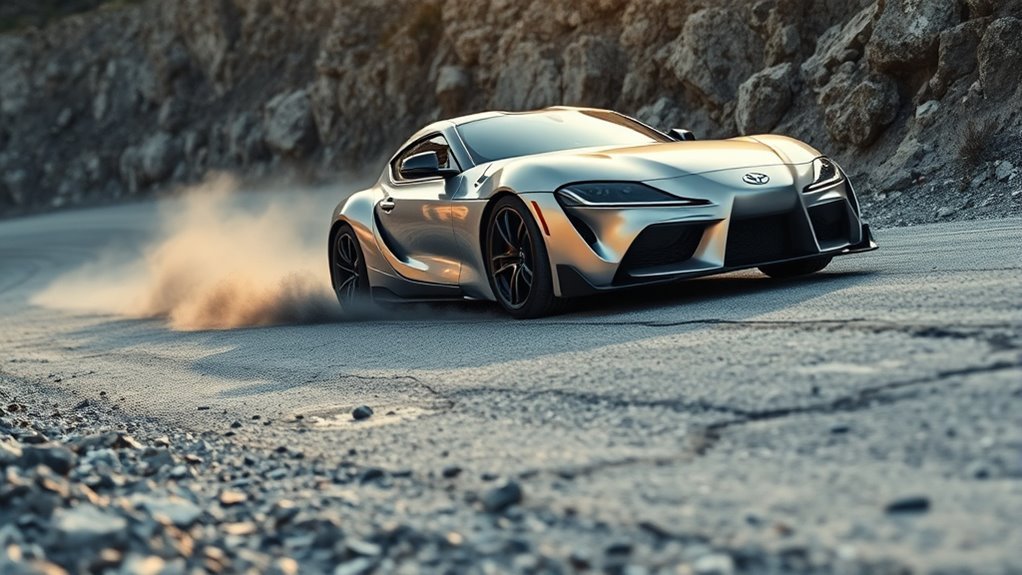
You’re driving a Toyota GR Supra built on BMW’s CLAR architecture. This platform is the same foundation that underpins the Z4. It features a front-engine, rear-wheel-drive layout engineered for high torsional rigidity and balanced weight distribution. Toyota used a mix of high-strength steel, aluminum, and CFRP components to manage mass. BMW supplied the turbocharged inline-six and chassis systems, while Toyota handled the design. The shared engineering determines how the car handles and performs.
Quick Answer
The Toyota GR Supra is built on BMW’s CLAR (Cluster Architecture) platform. This modular, rear-wheel-drive framework is the same one used for the BMW Z4. Toyota uses this platform to support the Supra’s engine placement and suspension geometry while adding their own distinct styling and tuning.
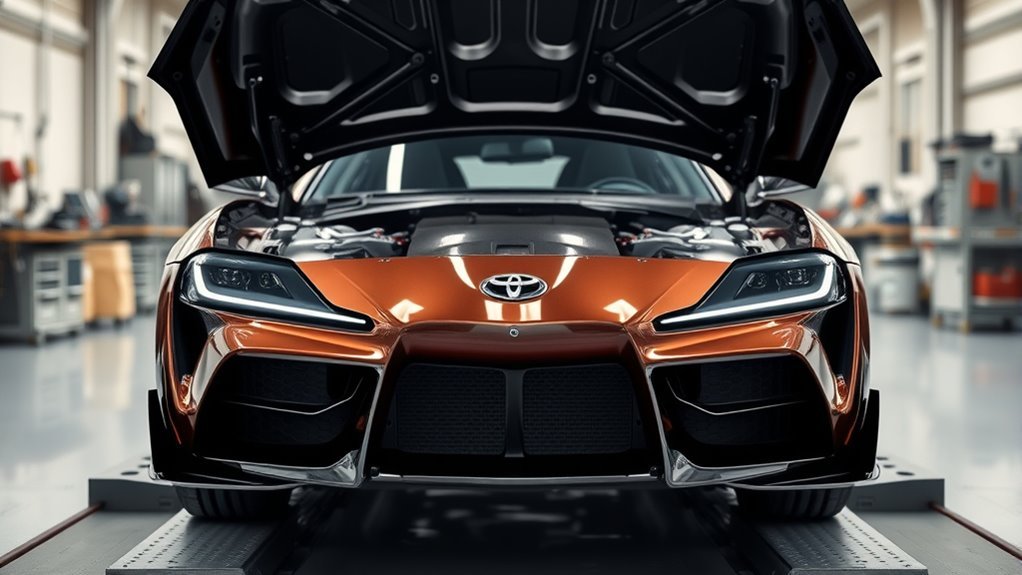
The CLAR platform offers a lightweight, modular design that supports performance-oriented driving. It uses advanced materials to ensure the car stays rigid during hard cornering. You get predictable dynamics and a chassis that handles power upgrades well. Toyota manufactures the Supra in Austria using BMW systems. This partnership allows the Supra to combine German mechanical engineering with Toyota’s specific calibration goals.
Engineering Roles: Toyota and BMW
BMW and Toyota divided the engineering work to keep their brand identities distinct. BMW provided the turbocharged inline-six engine and core chassis systems. Toyota led the exterior and interior design to ensure the car looked and felt like a modern Supra.
The collaboration kept clear functional boundaries. Both companies agreed on the driveline and production site in Austria. Toyota maintained control over styling and suspension tuning to meet specific performance targets. This arrangement gives you a sports coupe that pairs BMW mechanical reliability with Toyota styling.
Chassis, Materials, and Structural Design
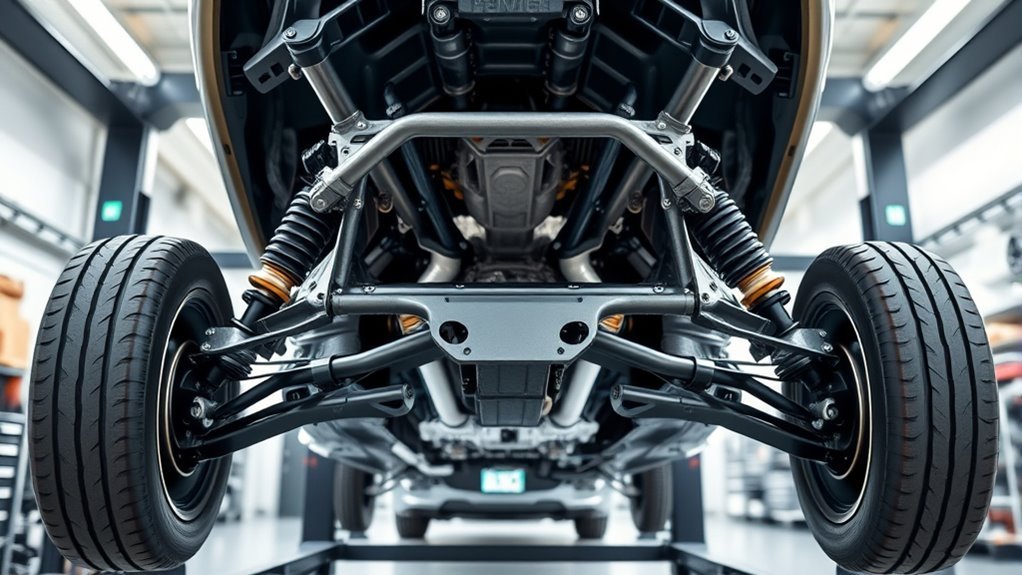
The GR Supra uses a blend of high-strength steel and aluminum to maintain stiffness while saving weight. Engineers added select carbon-fiber-reinforced plastic (CFRP) parts to reduce mass without losing structural integrity. The chassis design focuses on low unsprung weight and high torsional rigidity.
Adaptive dampers are built into the structure, allowing you to choose between comfort and sharp handling. The car’s curb weight sits at about 3,411 pounds. This material mix keeps the vehicle stable at high speeds.
| Component | Purpose |
|---|---|
| High-strength steel | Primary load paths |
| Aluminum subframes | Lower mass |
| CFRP parts | Local mass reduction |
| Adaptive systems | Dynamic damping control |
Engine Integration and Tuning
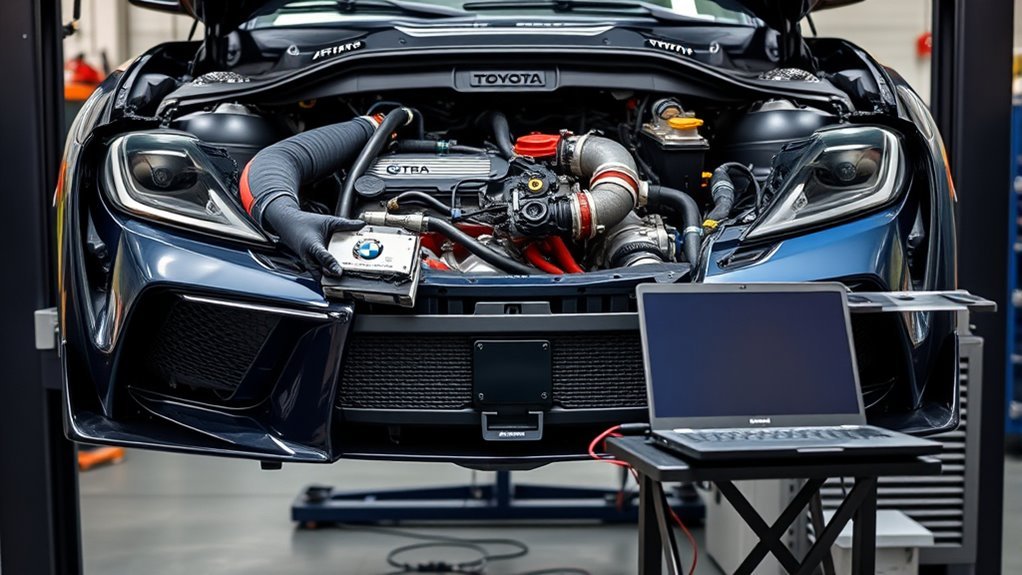
Toyota engineers tuned the BMW-sourced 3.0-liter turbocharged inline-six engine for a specific Supra character. They focused on strong midrange torque and responsive throttle mapping. You get a car that feels capable on the track but remains comfortable for daily driving.
Recent updates raised the output to 382 horsepower. This power increase allows the car to reach 60 mph in about 3.7 seconds. Tuning efforts focus on torque curve shaping and gearbox calibration to provide a direct connection between your foot and the engine.
Supra vs. Z4: Shared Architecture Comparison
The Supra and Z4 share a 97.2-inch wheelbase and the same fundamental rear-wheel-drive chassis. However, they use different body styles, which changes how they handle aerodynamics and reinforcement. You should notice how these differences affect your driving experience.
Shared Chassis Elements
Both cars rely on the same underbody. This shared foundation ensures that both vehicles have balanced weight distribution and matched suspension geometry. The engineering team prioritized a rigid platform that could support both a coupe and a roadster without compromising performance.
- Shared platform: Identical chassis and mounting points.
- Weight variance: The Supra weighs less than the Z4 M40i.
- Handling parity: Both cars use balanced mass for agility.
- Structural flexibility: The platform supports both body styles.
Divergent Body Designs
The Supra is a fixed-roof coupe, while the Z4 is a convertible roadster. The Supra’s roof design contributes to its increased stiffness. The Z4 requires extra reinforcements because it lacks a permanent roof, which adds weight. Your choice depends on whether you prefer the rigid handling of the coupe or the open-air experience of the roadster.
Toyota’s Chassis Tuning and Weight Management
Toyota modified the BMW architecture to sharpen the Supra’s character. They adjusted the springs, dampers, and subframe bushings to create a firmer feel. These changes provide you with more precise feedback during aggressive driving.
Weight-saving measures like optimized components and carbon elements bring the curb weight to roughly 3,375 pounds. These upgrades ensure the car responds quickly to your inputs. The result is a platform that feels purposeful and agile.
[Products Worth Considering]

【Precision Fit for GR Supra A90/A91】Specially designed for 2019-2025 GR Supra A90/A91, this carbon fiber steering wheel offers a direct OEM replacement for your factory unit. It retains full compatibility with your vehicle’s original airbag, buttons, and paddle shifters, delivering a seamless factory integration with a premium upgrade feel.

Custom Fit: This Rear bumper splitters Fits for For Toyota GR Supra A90 A91 Hatchback 2-Door 2020 2021 2022 2023 2024 2025 2026

COLLECTOR QUALITY: CarTuned diecast vehicles come DRIPPED-OUT in chrome details. Rock’n real rubber tires, for that silky smooth cruise. With metal bodies, these heavy hitters come in at 40+grams. The DETAILED WHEELS help set off the SLAMMED STANCE while still rolling with ease.
Handling, Ride, and Daily Use
The steering feels precise and well-weighted. It provides clear feedback when you approach the limit of your tires. The adaptive suspension handles daily commuting and spirited driving well by adjusting to road conditions. The hatchback design also offers practical cargo space.
Steering Feel and Precision
The steering is tuned to be direct, which helps you place the car easily in corners. You will notice very little lag when you turn the wheel. This creates an alert and engaging driving experience on winding roads.
Daily Practicality
The cabin is designed to keep you comfortable on long trips. You get plenty of support from the seats and intuitive access to the controls. While the hatchback cargo area is useful, the large rear spoiler can make the hatch feel heavy. Overall, the car balances sports car performance with basic utility.
Manufacturing Location and Performance
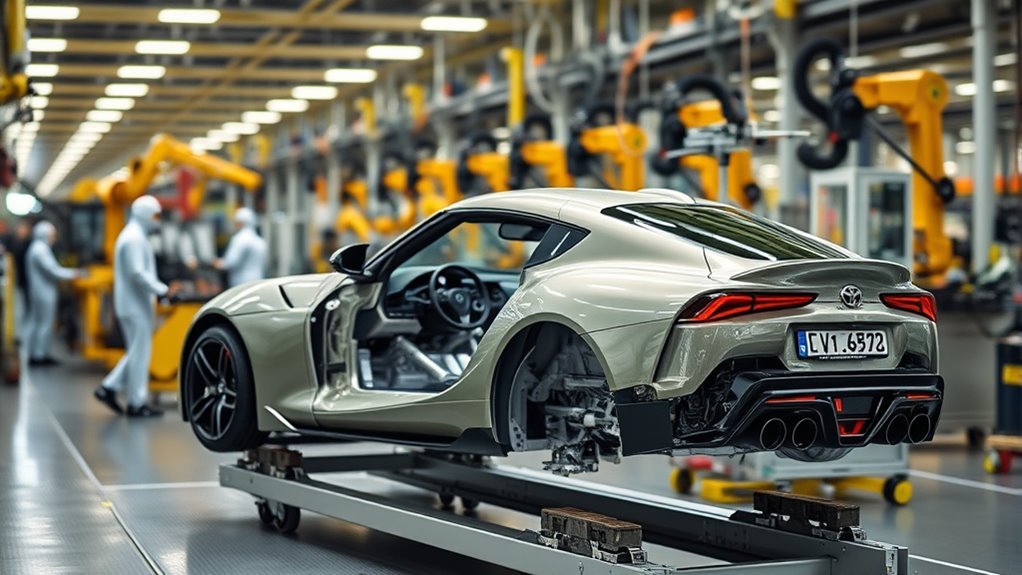
Magna Steyr manufactures the GR Supra in Austria. This location ties the production to BMW’s high-quality component ecosystem. Because the factory also builds BMW products, the supply chain for parts and electronics is consistent and reliable. This choice helps Toyota maintain high quality while keeping development costs stable.
Future of the Supra and Platform Lifecycle
The Supra’s future depends on the longevity of the shared CLAR platform. As the BMW Z4 reaches the end of its life cycle in 2026, Toyota must determine the next step. They could either look for a new architecture or move toward a proprietary design. These decisions will shape the future availability of the model.
Buyer Checklist: Platform Sharing Considerations
You should weigh the benefits of this partnership against your desire for brand purity. The Supra offers advanced technology and proven performance due to the BMW collaboration. If you prioritize mechanical reliability and dynamic capability, the shared architecture provides significant value.
[Products Worth Considering]

APPLICABLE MODELS: The center console air conditioner switch panel trim frame compatible with Toyota Supra GR A90 A91 MK5 2019-2026, The size of the original car is customized.
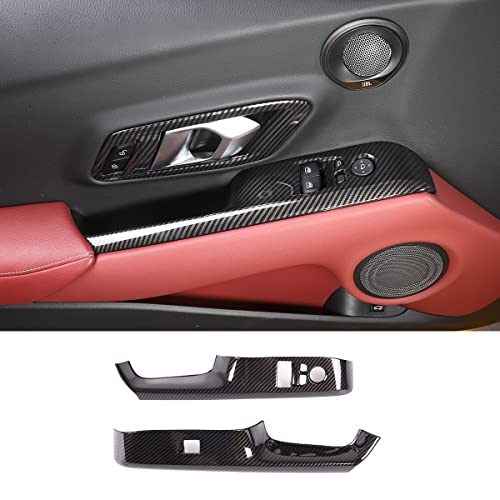
【APPLICABLE MODELS】: The window lift switch panel decorative frame cover compatible with Toyota Supra GR A90 A91 MK5 2019-2026, Fit for Left Hand Drive. The size of the original car is customized.

【APPLICABLE MODELS】: The rear and front emblems trim cover compatible with Toyota Supra GR A90 A91 MK5 2019-2026. The size of the original car is customized.
Pros of the Collaboration
- Lower development costs result in a better price point.
- Proven BMW engineering ensures engine and tech reliability.
- Parts availability is high because of shared components.
- The platform offers high structural rigidity.
Cons of the Collaboration
- Some enthusiasts believe the car lacks “pure” Toyota DNA.
- The interior and switchgear feel familiar to BMW owners.
- Shared chassis points limit certain custom body modifications.
- You are dependent on a platform cycle that you cannot control.
Frequently Asked Questions
What platform is the GR Supra based on?
The GR Supra uses BMW’s CLAR architecture. This provides the lightweight chassis and rear-wheel-drive layout necessary for a modern sports car.
Does the Supra have a B58 or S58 engine?
The Supra uses the B58 engine. Toyota chose this unit for its smooth power delivery and reliability.
What chassis is the Supra built on?
The car is built on the G29 chassis. This framework is specifically designed to support the Supra’s performance-focused handling.
Conclusion
The GR Supra succeeds by balancing German mechanical expertise with Toyota’s tuning philosophy. It delivers precise handling, a powerful engine, and enough practicality for daily use. If you want a driver-focused car with a reliable, well-engineered foundation, the Supra meets that need. Always consult a qualified professional before making major mechanical modifications to your vehicle.