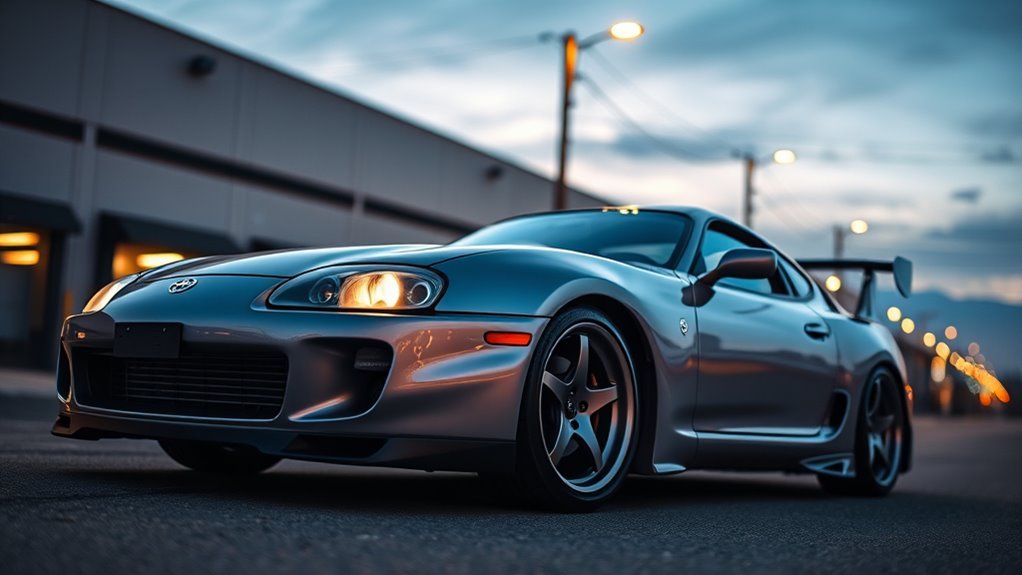
Buying a Mk4 Toyota Supra is primarily a condition-and-provenance decision, not an engine-horsepower decision. For U.S.-market 1993–1998 A80 Supras, first verify whether the car left the factory as a naturally aspirated 2JZ-GE or twin-turbo 2JZ-GTE, confirm its original transmission and body configuration, then inspect the chassis, cooling system, drivetrain, wiring, and modification history. A documented, structurally sound car is generally a safer purchase than a more powerful example with missing records or questionable modifications.
Last updated: September 16, 2026 — model-year changes, recall scope, inspection points, and current market benchmarks were rechecked against Toyota, NHTSA, period road-test, specialist, and collector-market sources.
Quick Answer
A Mk4 Supra can be a strong enthusiast or collector purchase when the chassis is straight, the factory configuration is documented, the cooling and drivetrain systems are healthy, and any modifications are supported by receipts and tuning records. For most buyers, condition and provenance matter more than choosing the highest-horsepower car. For 1997–1998 U.S. cars, also check the VIN for NHTSA recall 20V-033 before purchase.
Quick Verdict: Should You Buy a Mk4 Supra?
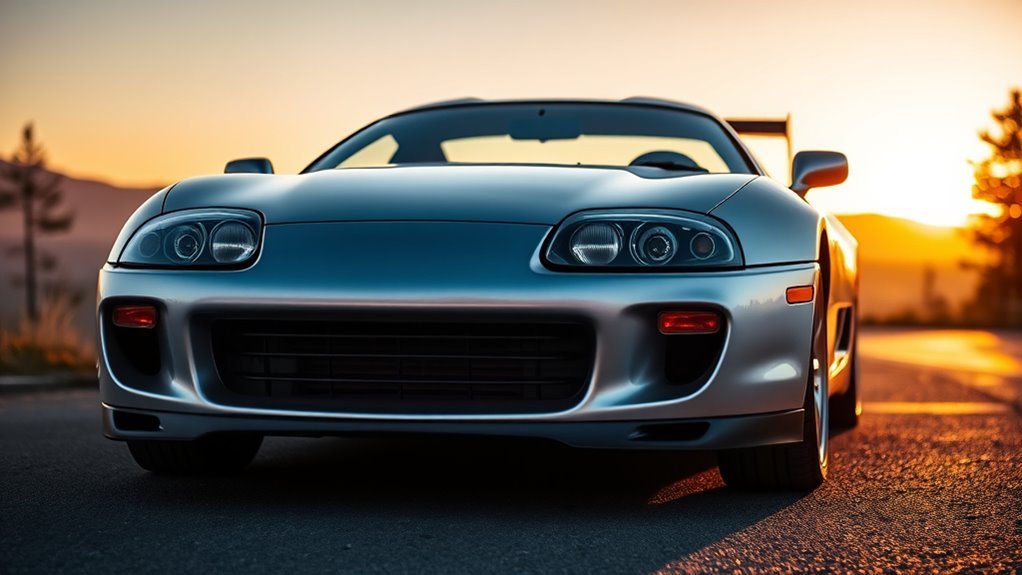
Buy a Mk4 Supra if you specifically want the A80 chassis, rear-wheel drive, a 2JZ inline-six, and the large parts and tuning ecosystem around the platform. Skip a particular car if its seller cannot document its factory identity, accident history, major modifications, or basic maintenance.
For U.S.-market cars, Toyota offered a naturally aspirated 2JZ-GE and the 320-hp twin-turbo 2JZ-GTE. Period Car and Driver testing recorded 0–60 mph times between about 4.6 and 5.2 seconds for six-speed Turbo test cars, while Toyota described the Turbo as capable of reaching 60 mph in under five seconds and electronically limited top speed to 155 mph.
This guide focuses on the 1993–1998 U.S.-market A80 Supra. The A80 remained in production for the Japanese market through 2002, so right-hand-drive imports can have different grades, engines, equipment, transmissions, brakes, turbos, and values.
Mk4 Supra Engine and Transmission Comparison
| U.S. configuration | Engine | Factory output | Transmission | Typical factory wheel size | Best fit |
|---|---|---|---|---|---|
| Supra non-turbo | 3.0L 2JZ-GE | 220 hp through 1997; 225 hp for 1998 with VVT-i | 5-speed manual or 4-speed automatic, with availability varying by year and emissions market | 16-inch | Buyers prioritizing lower acquisition cost, naturally aspirated simplicity, or an original non-turbo car |
| Supra Turbo | 3.0L sequential twin-turbo 2JZ-GTE | 320 hp | Getrag 6-speed manual or 4-speed automatic; 1996 U.S. Turbo was automatic-only | 17-inch | Buyers prioritizing factory turbo performance, six-speed availability, modification potential, or collector demand |
The table is a U.S.-market buying reference. Japanese-market SZ, SZ-R, RZ, RZ-S, and GZ cars should be evaluated from their specific factory grade and production date rather than assumed to match U.S. specifications.
Which Mk4 Supra Years Should You Consider?
Toyota changed the U.S. A80 lineup several times between its 1993 introduction and final 1998 model year. These differences matter when you verify whether a car still matches its claimed factory specification.
- 1993–1995: U.S. buyers could get naturally aspirated or Turbo models. The Turbo was available with the Getrag six-speed manual or four-speed automatic from the beginning of the A80 generation.
- 1996: Toyota dropped the six-speed manual from the U.S. Turbo lineup because of emissions requirements, leaving the Turbo automatic-only for this model year.
- 1997: The six-speed Turbo returned. Toyota also revised the headlamps and taillamps, made other trim changes, added additional body strengthening and sound deadening, and sold U.S. cars as 15th Anniversary models.
- 1998: This was the final U.S. model year. Toyota added VVT-i to the naturally aspirated 2JZ-GE, raising output to 225 hp. Turbo availability was restricted in California-emissions states.
No model year is automatically the “best.” For a buyer, a straight, documented 1994 is usually a better starting point than a neglected 1998 bought only because it is the final U.S. year.
2JZ-GE vs. 2JZ-GTE: Which Engine Should You Buy?
The naturally aspirated 2JZ-GE and twin-turbo 2JZ-GTE share the 3.0-liter JZ-family architecture, but they are not interchangeable versions of the same ownership experience. The GTE uses sequential twin turbocharging and was engineered around forced induction, while the GE is naturally aspirated.
Choose the 2JZ-GE when you want a factory naturally aspirated car and do not need Turbo-model performance. Choose the 2JZ-GTE when factory turbo equipment, stronger acceleration, or the Turbo’s drivetrain package is central to why you want an A80.
Do not buy a GE car merely because you assume converting it into a factory-equivalent GTE car will be simple. Engine, induction, electronics, fuel delivery, cooling, transmission, differential, brakes, wiring, and market value can all affect the economics of a conversion.
For deeper engine architecture and modification information, see the 2JZ-GTE engine guide. For gearbox differences across Supra generations, see the Supra transmission guide.
[Products Worth Considering]
Protect your 2020-2026 Toyota GR Supra with a precision custom-fit cover designed to hug the vehicle’s contours for a secure, reliable fit. Built for all-weather use, it...
How Fast Is a Stock Mk4 Supra, and What MPG Does It Get?
A stock six-speed U.S. Supra Turbo was a sub-five-second car in some period testing, but individual magazine tests varied. Car and Driver recorded approximately 4.6 seconds to 60 mph with one early Turbo and 5.2 seconds with another. That range is more useful to a buyer than treating one 0–60 number as universal.
Fuel economy also varies by engine, transmission, year, test procedure, and vehicle condition. EPA-derived listings for 1998 configurations sit in the high-teens for combined fuel economy, with Turbo and non-turbo configurations differing slightly. On a surviving A80, poor fuel economy can also be a diagnostic clue if it accompanies rich running, sensor faults, boost problems, incorrect tuning, dragging brakes, or improper tire pressure.
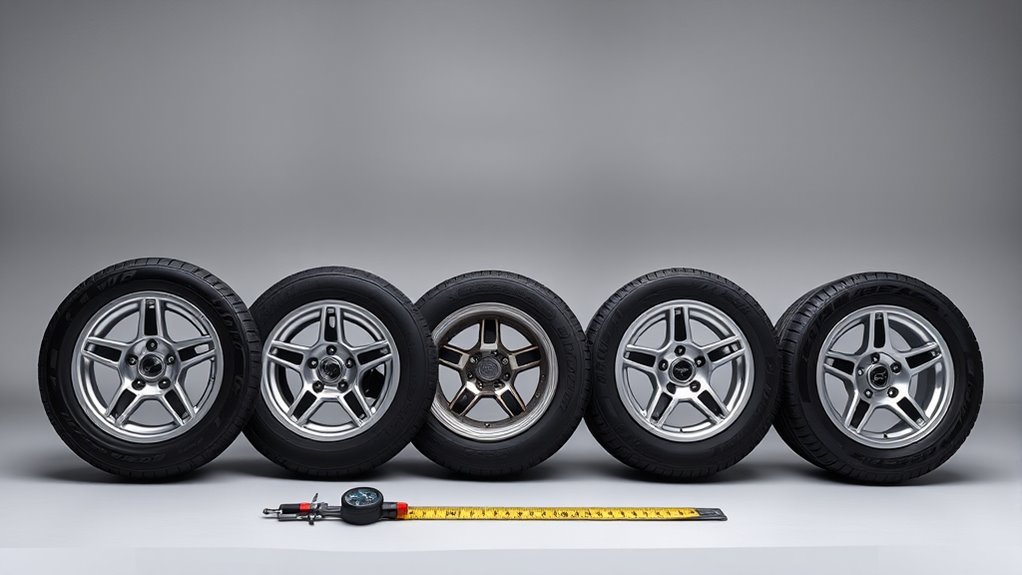
Before blaming the engine for unexpectedly high fuel use, verify the basics, including the correct Supra tire pressures, brake drag, fluid leaks, fault codes, and engine tune.
What Should You Inspect Before Buying a Mk4 Supra?
Inspect a Supra in a fixed order. A flashy engine bay should not distract you from a damaged shell, undocumented drivetrain swap, or poor wiring. A specialist pre-purchase inspection is especially valuable on Turbo, imported, heavily modified, or high-value examples.
1. Verify the Car’s Identity and History
- Match the VIN, title, engine configuration, transmission, body style, and market specification to the seller’s description.
- Look for service invoices, previous-owner records, modification receipts, dyno sheets, alignment records, and accident documentation.
- On U.S. cars, inspect original VIN identification labels on body panels where present. Missing or mismatched labels do not automatically prove a crash, but they deserve an explanation and closer body inspection.
- For a Japanese-market import, verify the original grade and import documentation rather than assuming a wing, badge, engine swap, or transmission identifies the factory specification.
2. Inspect the Body, Underbody, and Sport Roof
- Check panel gaps, paint texture, overspray, seam sealer, welds, fasteners, and structural areas for signs of previous collision repair.
- Inspect the underbody, jack points, rear body structure, wheel arches, hatch/spare-wheel area, and suspension mounting points for corrosion or repair work.
- On Sport Roof cars, inspect the removable roof, seals, surrounding body surfaces, drain areas, wind noise, water staining, and evidence of persistent leaks or rattles.
- Use the existing finish as evidence. Heavy fresh paint correction can make a car attractive without explaining what is underneath it. See the Supra paint correction guide for finish-related context.
3. Inspect the Engine and Cooling System From Cold
- Ask the seller not to warm the engine before you arrive. Watch the cold start for unusual smoke, noise, unstable idle, warning lights, or fluid leaks.
- Inspect the radiator, expansion tank, hoses, water-pump area, oil seals, and coolant condition. Any history of overheating deserves extra investigation.
- Use compression and leak-down testing when the car’s condition, price, modification level, or symptoms justify it. Compare cylinders rather than accepting a seller’s claim that “2JZ engines are bulletproof.”
- Confirm the timing-belt service history against the factory schedule for the exact model year and operating conditions. Do not assume one interval applies to every 1993–1998 Supra.
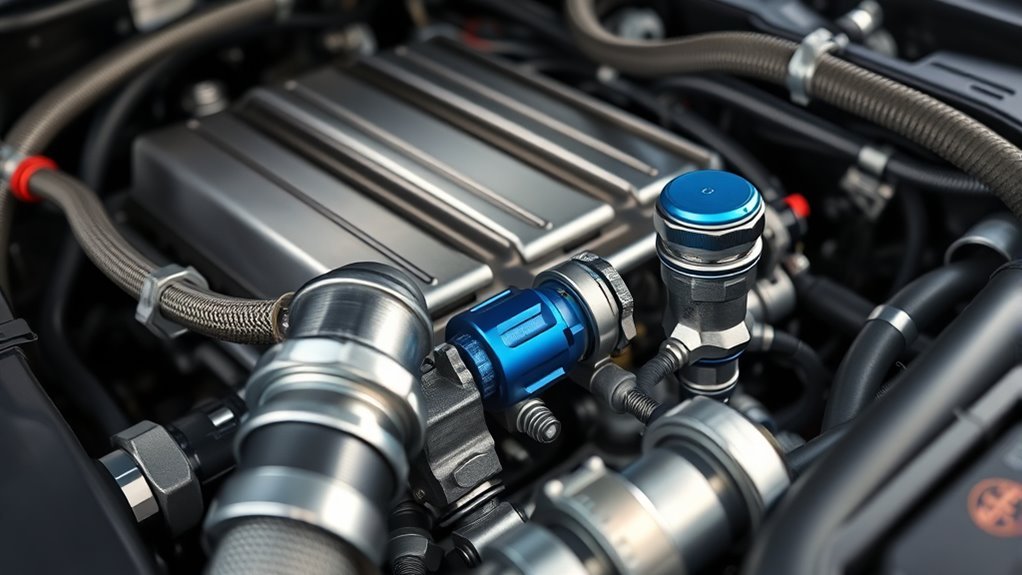
4. Check the Turbo System on a 2JZ-GTE
- Confirm the car builds boost smoothly and consistently rather than surging, smoking, rattling, or losing power.
- Pay attention as the sequential system brings the second turbo into operation around the midrange. A noticeable loss of boost around the transition can indicate an actuator, control, plumbing, or turbo-system problem.
- Inspect vacuum lines, intercooler plumbing, clamps, oil contamination, aftermarket boost control, and non-factory turbo hardware.
- Do not assume a large single-turbo conversion is an upgrade in value or reliability. Judge it by parts quality, installation, tuning, supporting systems, intended fuel, and documentation.
5. Test the Transmission, Clutch, and Differential
- On a six-speed car, shift through every gear when cold and warm. Listen and feel for grinding, difficult engagement, jumping out of gear, abnormal bearing noise, or driveline vibration.
- Test the clutch for slip, inconsistent engagement, noise, and hydraulic problems.
- On automatics, check engagement quality, shift consistency, fluid condition, leaks, and evidence of high-power use beyond the transmission’s current setup.
- Factor parts availability into the price. Some Getrag V160 components and original interior/drivetrain parts have become difficult or expensive to source.
6. Inspect Brakes, Wheels, Tires, Steering, and Suspension
- Verify wheel and brake configuration against the car’s specification. U.S. non-turbo cars commonly used 16-inch wheels; Turbos used 17-inch wheels.
- Check tires for age, cracking, uneven wear, mismatched brands or sizes, and evidence of alignment or suspension problems.
- During the drive, check for steering play, pulling, vibration, clunks, worn bushings, leaking dampers, and brake pulsation or pulling.
- Confirm any brake conversion uses compatible calipers, rotors, wheels, lines, and hardware rather than assuming “Turbo brakes” were installed correctly.
7. Inspect the Interior and Electrical Work
- Check the gauges, warning lights, HVAC controls, windows, locks, mirrors, audio equipment, seat controls where fitted, and all aftermarket electronics.
- Inspect the dashboard, console, pillars, door panels, hatch trim, seats, and switchgear carefully because some original trim pieces are increasingly difficult to replace.
- Look under the dashboard and around the ECU for spliced wiring, alarm installations, boost-controller wiring, piggyback systems, audio modifications, or abandoned connectors.
Reliability and Maintenance: Is the Mk4 Supra Really Bulletproof?
The A80 Supra earned a strong durability reputation, but “bulletproof” is a poor inspection standard for a car that can now be more than 30 years old. Condition varies enormously because these cars have lived as commuters, collector cars, drag cars, high-power street builds, show cars, and imported project cars.
A healthy engine with complete records can be preferable to a lower-mileage engine with long storage periods, overheating history, old seals, unknown modifications, or no proof of service. Compression, leak-down results, fluid condition, oil pressure where testing is warranted, cooling-system health, and maintenance documentation tell you more than mileage alone.
Timing Belt and Scheduled Maintenance
Use Toyota’s schedule for the exact model year rather than repeating one universal interval. For example, Toyota’s 1998 U.S. maintenance supplement lists a 90,000-mile or 72-month timing-belt replacement point for the non-turbo Supra under its normal schedule, while other years and special operating conditions differ.
Because every U.S.-market A80 is now decades old, the service date can be as important as mileage. If a seller cannot document belt, cooling-system, fluid, ignition, brake, and other age-related service, include that uncertainty in the pre-purchase inspection and purchase price.
Which Mk4 Supras Have the Takata/NADI Airbag Recall?
NHTSA recall 20V-033 includes certain 1997–1998 Toyota Supras. Toyota’s filing identifies affected Supra production dates from March 10, 1997 through August 3, 1998, but the VIN range is not sequential, so model year alone cannot confirm whether a specific car needs the remedy.
The recall concerns a driver-airbag inflator that may deploy too slowly or rupture if moisture affects the propellant. Before buying a 1997–1998 U.S. car, check the VIN through the official recall system and verify completion of any open remedy rather than relying only on a seller’s statement.
How Much Is a Mk4 Supra Worth in 2026?
There is no useful single price for every A80. Engine, transmission, U.S. versus Japanese-market specification, mileage, originality, color, body style, title history, accident repairs, service records, and modification quality can move two visually similar Supras far apart in value.
As a dated market reference, CLASSIC.COM showed a market benchmark of approximately $62,871 for the A80 base-model market and about $107,347 for the U.S./Canada Twin Turbo market when rechecked in September 2026. These are market benchmarks, not appraisals or guaranteed sale prices.
| Value factor | Why buyers should care |
|---|---|
| Factory Turbo vs. non-turbo | Factory Turbo provenance changes the drivetrain, performance, desirability, and market comparison set. |
| Manual vs. automatic | Original six-speed Turbo cars occupy a different part of the collector market from automatics and converted cars. |
| Originality | Original drivetrain, body panels, interior, wheels, electronics, and retained factory parts make provenance easier to establish. |
| Condition and history | Accident repairs, rust, missing maintenance, title history, and poor modifications can outweigh attractive mileage. |
| U.S. vs. imported specification | Right-hand-drive JDM grades have different specifications and should be valued against comparable imported cars rather than assumed to match U.S. Turbos. |
Use recent transactions for the same engine, transmission, market specification, condition, and modification level. Asking prices alone are weak evidence because an unsold listing does not establish what buyers actually paid.
Buying Modified vs. Original
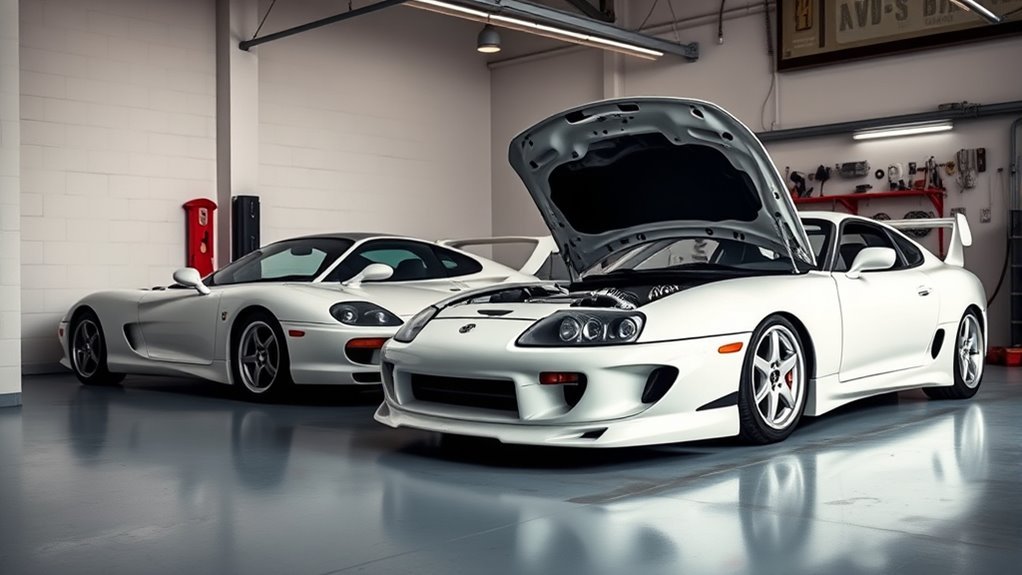
A stock or lightly modified Supra is generally easier to evaluate because the factory configuration provides a known baseline. A modified car can still be an excellent purchase, but only when you can verify what changed and why.
For a modified Supra, request the following before treating claimed horsepower as a benefit:
- Parts and labor receipts.
- The ECU or engine-management system used and the tuner who calibrated it.
- Fuel type, boost target, and any flex-fuel, methanol, or auxiliary-fueling setup.
- A dyno sheet that matches the current hardware and tune, not an older combination.
- Compression and leak-down information when appropriate for the price and build level.
- Cooling, fuel-system, ignition, clutch/transmission, differential, axle, tire, and brake upgrades that support the claimed output.
- Clean wiring, fused circuits, proper grounds, and documentation for aftermarket electronics.
- The original parts, when available, if returning the car toward factory specification matters to you.
Also check whether exhaust, catalyst, engine-management, and emissions modifications are legal where the car will be registered. A build that works mechanically may still create inspection or registration problems.
Performance Upgrades and Resale
The 2JZ-GTE supports extensive aftermarket modification, but a buyer should judge a build as a complete system rather than by turbo size or dyno output alone. Cooling, fuel delivery, engine management, ignition, drivetrain, brakes, tires, and calibration should match the intended power level and use.
Large power numbers are not proof of a better car. For street use, a well-documented moderate build with predictable cold starts, stable temperatures, clean drivability, conservative tuning, and appropriate brakes can be easier to own than a higher-output car assembled around a peak dyno result.
Modification can also narrow the resale audience. Keep factory parts and documentation when practical, and avoid irreversible body or wiring work if originality may matter later.
U.S. Supra vs. JDM A80: Do Not Buy by Badge Alone
Toyota’s original Japanese A80 lineup used grades such as SZ, RZ, and GZ, while the U.S. market used naturally aspirated Supra and Supra Turbo configurations. Toyota rated the original Japanese 2JZ-GTE at 280 PS, while the U.S. Turbo was rated at 320 hp.
The Japanese-market A80 also continued through 2002, four years after U.S. sales ended. Later imports can therefore have equipment, engine-management, VVT-i, transmission, turbo, brake, differential, interior, and trim differences that do not match a 1993–1998 U.S. car.
When shopping for an import, identify the exact grade and production date before ordering parts or comparing value. A wing, Turbo badge, six-speed swap, or 2JZ-GTE under the hood does not by itself prove how the car left Toyota.
Mk4 Supra Pre-Purchase Inspection: Final Red Flags
Walk away or slow the transaction down when several of these appear together:
- The seller will not allow a cold start or independent inspection.
- The VIN, title, drivetrain, body panels, or claimed factory specification do not tell a consistent story.
- Fresh paint or undercoating hides areas the seller will not let you inspect.
- The engine overheats, loses coolant, smokes heavily, misfires, knocks, or shows major cylinder-to-cylinder test differences.
- A Turbo car cannot build boost smoothly through the sequential-turbo transition.
- The six-speed grinds, jumps out of gear, or makes abnormal noises.
- The wiring contains unexplained splices, loose grounds, abandoned piggybacks, or undocumented ECU work.
- A high-power build has no receipts, tune documentation, fuel-system details, or supporting drivetrain/brake work.
- The seller uses “2JZ reliability” as a substitute for service records.
- The asking price assumes collector-grade originality that the car no longer has.
Frequently Asked Questions
Is the Mk4 Toyota Supra reliable?
A well-maintained A80 Supra can be durable, but age, modifications, cooling-system condition, turbo operation, transmission health, accident history, and service records matter more than the badge or mileage alone. Use a pre-purchase inspection instead of assuming every 2JZ-powered car is automatically reliable.
What is the best year Mk4 Supra to buy?
There is no single best year. U.S. 1993–1995 Turbos offered the six-speed, 1996 Turbos were automatic-only, the six-speed returned with the 1997 refresh, and 1998 was the final U.S. year with VVT-i added to the naturally aspirated engine. Condition and documentation should outweigh model year by itself.
Is the 2JZ-GTE better than the 2JZ-GE?
The 2JZ-GTE is the better fit when you specifically want factory twin-turbo performance and the Turbo drivetrain package. The 2JZ-GE can make more sense when you want a naturally aspirated A80 at a different market position. Neither engine makes a neglected or poorly modified car a good purchase.
What should I check before buying a Mk4 Supra?
Verify the VIN and factory configuration first, then inspect accident repairs, rust, cooling health, oil leakage, compression and leak-down condition when appropriate, turbo operation, gearbox and clutch behavior, suspension, brakes, electrical work, service records, and modification documentation.
How much does a Mk4 Supra cost in 2026?
Values vary widely. When rechecked in September 2026, CLASSIC.COM showed an A80 base-model market benchmark near $62,871 and a U.S./Canada Twin Turbo benchmark near $107,347. Treat those figures as market references rather than prices for a specific car.
Conclusion
The Mk4 Supra remains appealing because the A80 combines a rear-wheel-drive chassis, 2JZ powertrains, strong aftermarket support, and a distinctive 1990s Toyota design. None of those qualities eliminates the risks created by age, crashes, neglected cooling systems, scarce parts, or decades of modification.
Before buying, verify the car’s factory identity, inspect the chassis before focusing on horsepower, test the drivetrain from cold through a full road test, document every major modification, and compare the price with genuinely similar recent sales. If the car will spend long periods parked after purchase, the Supra long-term storage checklist covers the next stage of ownership.
Sources and Verification
- Toyota USA — Supra Chronology: U.S. model-year changes, six-speed availability, 1997 refresh, 1998 VVT-i update, factory performance context.
- Toyota Motor Corporation — 1993 All-New Supra Launch: original A80 engines, Japanese grades, six-speed introduction, sport roof, chassis and safety details.
- NHTSA — Takata/NADI Airbag Recall Information: recall 20V-033 and 1997–1998 Supra applicability.
- Toyota — 1998 Scheduled Maintenance Supplement: model-year maintenance schedule and timing-belt guidance.
- Classic & Sports Car — Toyota Supra A80 Buyer’s Guide: cooling, engine, transmission, suspension, turbo-system and inspection guidance.
- Classic Motorsports — A80 Toyota Supra Buyer’s Guide: specialist inspection observations, VIN labels, parts availability, model-year changes and market context.
- Car and Driver — Toyota Supra History: period U.S. 2JZ outputs and Turbo acceleration-test results.
- CLASSIC.COM — U.S./Canada A80 Twin Turbo Market: current collector-market benchmark data.
- CLASSIC.COM — A80 Base Model Market: current base-model benchmark data.