Toyota Supra adaptive dampers fall into two different systems: legacy Toyota Electronically Modulated Suspension (TEMS) on some A70/MKIII cars, and Adaptive Variable Suspension (AVS) on the modern GR Supra. Both change shock damping electronically, but the hardware, control logic, diagnostics, and replacement parts are different. For a street-driven Supra, keep a healthy factory adaptive system; diagnose leaks, wiring, sensors, actuators, and fault codes before replacing it. If you own a 2026 U.S.-market GR Supra, Toyota lists AVS as standard across all grades.
Last updated: September 1, 2026 — Toyota’s 2026 GR Supra AVS wording, legacy TEMS history, diagnostics, and upgrade guidance were rechecked.
Byline:
Quick Answer
Older Supra TEMS uses electronic actuators and vehicle inputs to change damper firmness. The modern GR Supra uses Toyota’s AVS terminology; on 2026 U.S. models, sensors and solenoid valves control damping while Normal, Sport, and Individual modes alter suspension behavior with other vehicle settings. Keep a working OEM system for street use; replace or delete it only when parts availability, reliability, or a track-focused goal justifies the trade-off.
Key Takeaways
- TEMS and AVS are not the same system: TEMS is the classic Toyota Electronically Modulated Suspension name, while the modern GR Supra uses Adaptive Variable Suspension.
- Adaptive dampers change shock damping, not spring rate, alignment, tire grip, or ride height.
- A working factory adaptive system is usually best for a street-driven Supra because it preserves comfort and stability.
- Track-focused owners often move to quality coilovers, but that can remove adaptive damping and may require warning-light or cancellation solutions.
- Always diagnose leaks, wiring, actuators, sensors, and fault codes before buying expensive suspension parts.
At a Glance
| Time Required | 20–60 minutes for basic checks; longer for damper replacement or wiring diagnosis |
| Difficulty | Beginner for visual checks; intermediate to advanced for electrical testing and suspension removal |
| Tools Needed | Flashlight, jack stands, basic hand tools, multimeter, service manual, and a capable scan tool for modern AVS faults |
| Cost | Free for inspection; moderate for used actuators or sensors; high for OEM adaptive dampers or full coilover conversion |
Quick Verdict: Keep, Repair, or Replace?
If your factory adaptive dampers work correctly and the car is mostly street-driven, keep them. You get a useful spread between ride comfort and body control without turning the car into a harsh weekend-only build. That is especially true for a clean A70/MKIII Supra with working TEMS or a modern GR Supra with functioning AVS.
Repair the system when the problem is limited to obvious faults: a leaking damper, dead actuator, damaged connector, broken wire, failed sensor input, or a stored suspension code. Replacing only the failed part keeps the car closer to OEM behavior and can protect resale value.
Replace or delete the adaptive system when parts are no longer available, the shocks are worn beyond repair, or your driving goal has changed. A dedicated track car may benefit from high-quality fixed or adjustable coilovers, but you should treat that as a complete suspension change, not a simple “upgrade.” Springs, alignment, tire choice, bump travel, and damper tuning all matter.
Note: On the current GR Supra, Toyota’s official name is Adaptive Variable Suspension (AVS). Calling it TEMS can confuse parts searches, diagnostics, and service information.
[Products Worth Considering]
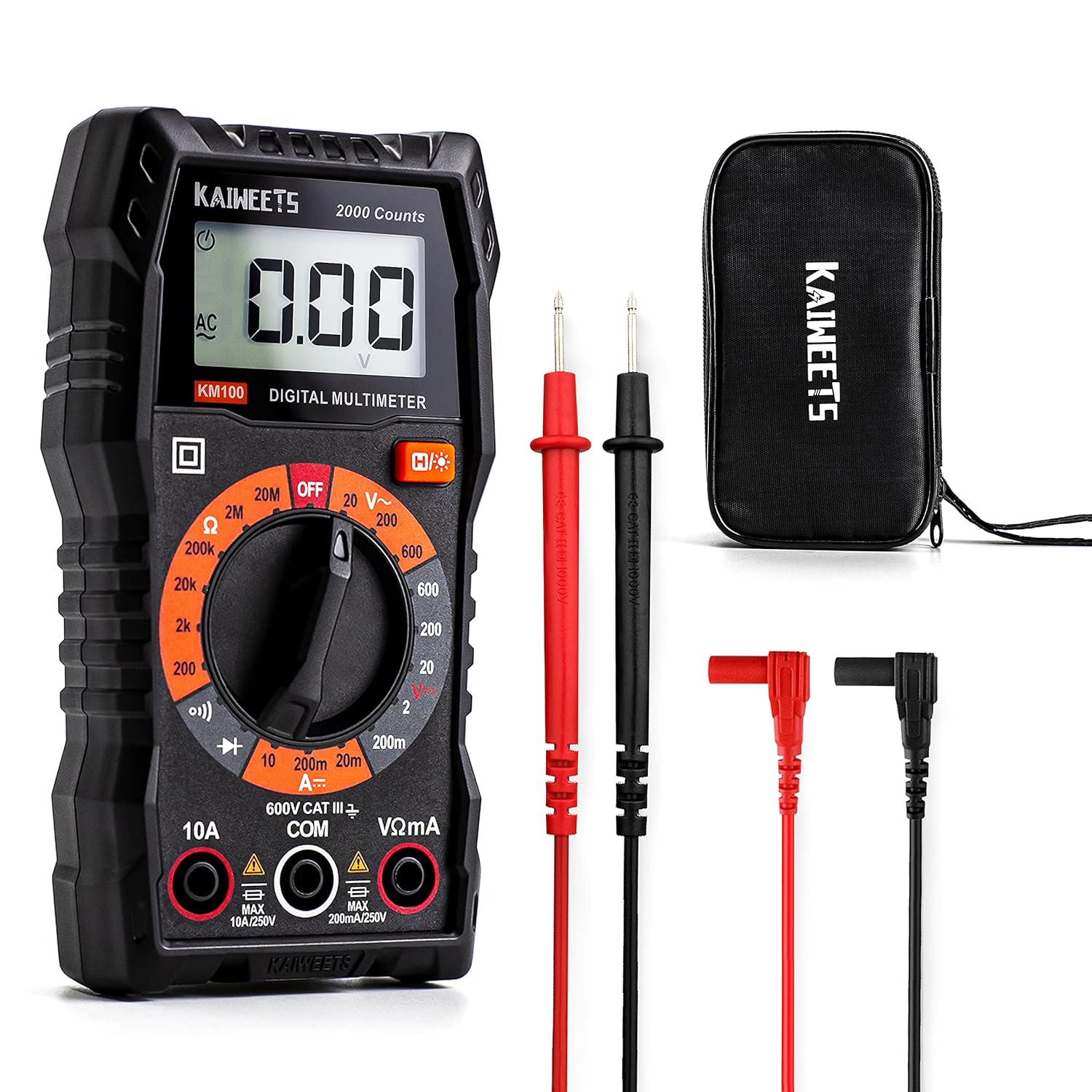
This KAIWEETS digital multimeter is a versatile tool for measuring AC/DC voltage, DC current, resistance, continuity, and diodes in home, automotive, and electrical applications. It includes pre-installed batteries, a carrying case, test leads, data hold, backlight, and overload protection for easier and safer everyday testing. Built with double fuses and rated for broad household and light professional use, it helps users diagnose electrical issues with confidence.

This digital multimeter is designed for accurate testing of AC/DC voltage, DC current, resistance, continuity, diodes, and batteries in everyday electrical troubleshooting. It features a large backlit LCD display, data hold, overload protection, and a protective stand with rubber cover for safer, easier use in home, automotive, school, and professional settings. Included test leads and battery make it ready to use right out of the box.
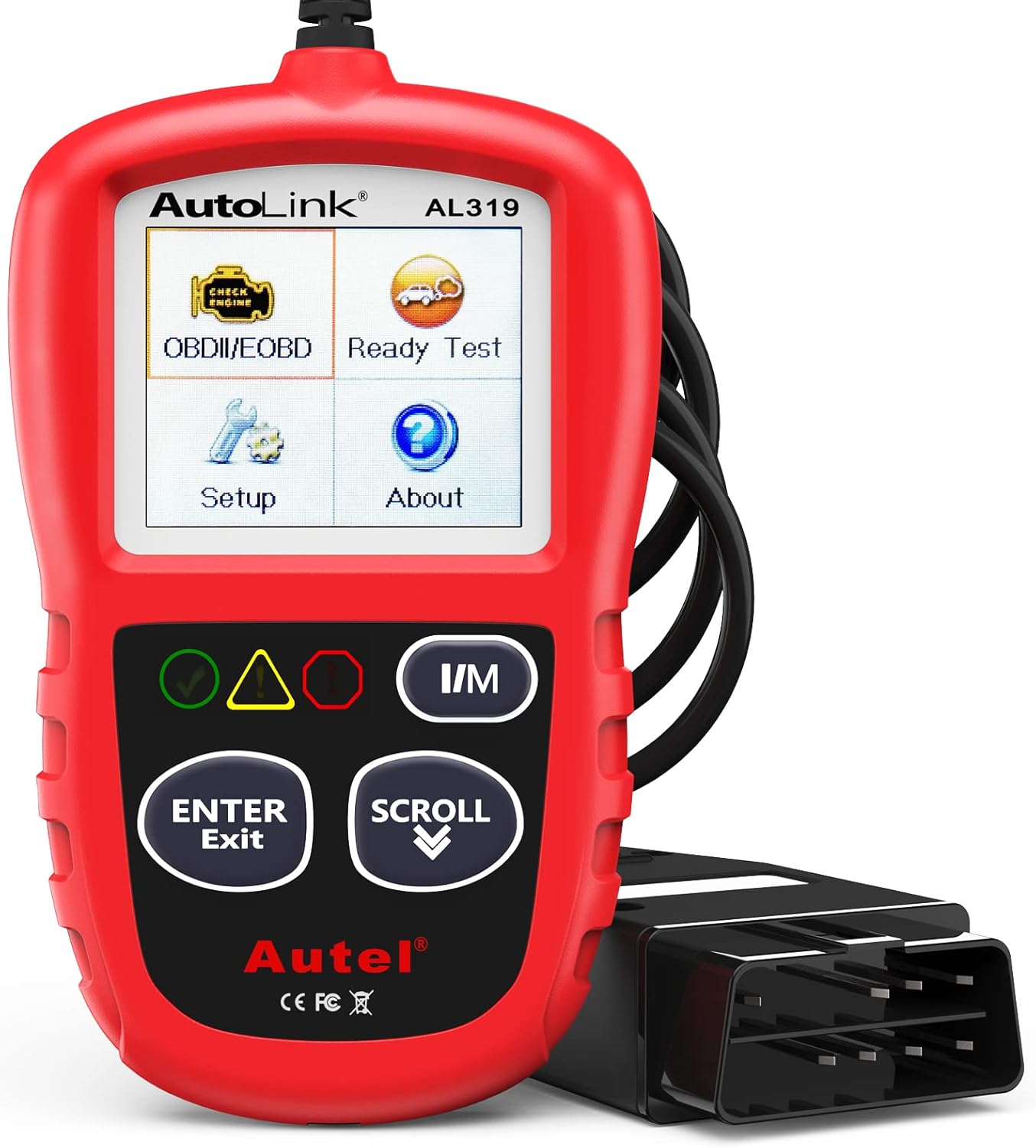
The Autel AL319 is a user-friendly OBD2 scan tool designed to help drivers quickly diagnose check engine light issues and understand vehicle fault codes. It supports reading and clearing DTCs, live data, freeze frame, I/M readiness, and vehicle information, making it a practical choice for DIYers and everyday car owners. With plug-and-play operation, a color display, built-in speaker, and broad vehicle compatibility, it delivers fast, reliable diagnostics without complicated setup.
TEMS vs AVS: Which Supra System Are You Talking About?
Toyota’s classic chassis history lists Toyota Electronically Modulated Suspension (TEMS) as a 1983 development. On older Toyota performance and luxury models, TEMS used electronic control to alter shock damping for ride comfort and stability.
The modern GR Supra uses a newer system. Toyota’s 2026 GR Supra information describes Adaptive Variable Suspension (AVS) with sensors that detect driving operation and road-surface changes while solenoid valves control shock damping force. Toyota’s owner manual also describes AVS as an intelligent, controllable sport chassis/suspension that reduces body movement during sporty driving or on uneven roads.
| Supra generation | Adaptive damper wording to use | What to check before buying parts |
|---|---|---|
| A70 / MKIII Supra | TEMS, if equipped | Model year, market, actuator type, shock condition, wiring, and TEMS computer inputs |
| A80 / MKIV Supra | Do not assume TEMS | Verify the actual suspension fitted to the car, especially after decades of modifications |
| A90/A91 GR Supra | AVS / Adaptive Variable Suspension | Model year, trim, market, drive-mode behavior, fault codes, damper connectors, and compatible replacement parts |
How Can You Tell Which Supra Adaptive Suspension You Have?
Identify the hardware before ordering shocks, springs, actuators, or cancellation parts. The fastest check is to combine the car’s generation and model-year information with a visual inspection of the dampers and controls.
| What you see | What it suggests | Next check |
|---|---|---|
| A70/MKIII with a TEMS mode switch and shock-top actuators | Factory-style TEMS hardware is present | Confirm model year, wiring, actuator condition, and the correct service-manual procedure |
| Modern GR Supra damper with an electrical connector | The car likely has an electronically controlled adaptive damper | Verify the VIN/build information, model year, trim, and exact replacement part before ordering |
| Aftermarket coilover, missing connector, or mixed suspension parts | The factory system may have been deleted, bypassed, or partly retained | Trace the wiring, scan for chassis faults, and identify the installed kit before changing anything |
2026 U.S. note: Toyota states that all 2026 GR Supra grades include AVS. For earlier model years or non-U.S. cars, verify the exact trim and equipment rather than assuming from the Supra badge alone.
How Does Legacy TEMS Work on an Older Supra?
On an older Supra equipped with TEMS, the system is a semi-active damper control setup. It does not lift the car, change spring rate, or magically add grip. It changes how firmly the shock absorbers resist motion.
The MK3 Supra factory-service-manual circuit page shows a system built around a mode select switch, TEMS indicator light, speed sensor, stop light switch, steering sensor, engine ECU signal, TEMS computer, and actuators at the dampers. Those pieces work together so the computer can choose a softer or firmer damping position based on driver selection and vehicle inputs.
TEMS Control Logic
Think of TEMS as a rule-based damping system. The driver selects a baseline mode, then the computer can command firmer damping when the car’s inputs suggest more body control is needed. Depending on the exact Toyota model and version, the system may react to speed, braking, steering, throttle, or mode-switch input.
The important point is that TEMS is not the same as a modern predictive suspension. It uses period electronics and actuator-controlled damper positions. When everything is healthy, it gives the car a wider comfort-and-control window than a fixed damper. When one input or actuator fails, the system can feel inconsistent or stop changing modes altogether.
Sensor Inputs Explained
Exact inputs vary by year, market, and TEMS version, but a practical diagnostic view is simple: confirm that the computer sees the basic vehicle and driver signals, then confirm that the damper actuators respond.
| Input or component | Why it matters |
|---|---|
| Mode select switch | Sets the driver’s requested damping behavior. |
| Vehicle speed signal | Helps the system choose more stability at higher speeds. |
| Stop light / brake input | Can trigger firmer damping to reduce nose dive. |
| Steering input | Helps the system respond to cornering demand on versions equipped with that input. |
| Engine ECU / throttle-related input | Can help the system respond to acceleration load on compatible versions. |
| Shock-top actuators | Physically move the damper control mechanism. If an actuator sticks or dies, the mode change may not happen. |
Real-Time Damping Adjustment
When TEMS works properly, the driver can feel a change between softer daily behavior and firmer body control. By commanding firmer damping when conditions call for it, the system can reduce the rate of float, dive, and roll. It still cannot overcome bad tires, tired bushings, poor alignment, or mechanically failed dampers.
Modern AVS works differently. Toyota says the 2026 GR Supra’s AVS uses sensors and solenoid valves to finely control damping force. That gives the GR Supra a more modern and integrated relationship between drive modes, steering feel, throttle response, and suspension damping.
Supra Suspension Anatomy That Shapes Damper Tuning
The suspension around the damper matters as much as the damper itself. A stiff shock on worn bushings will not feel precise. A perfect adaptive damper on old tires will not create grip. A lowered car with too little bump travel can ride worse even if the damper is expensive.
For the 2026 GR Supra, Toyota lists a double-joint-type MacPherson front suspension, a multi-link independent rear suspension, sport-calibrated electric power steering, high-performance Michelin Pilot Super Sport tires, and AVS. The MkV Final Edition also receives revised electronically controlled shock absorbers, camber changes, a stronger front stabilizer, stronger bushings, and an under-body brace. If you are comparing how the modern chassis changed by year, see the Supra A90 vs A91 guide.
For an older TEMS-equipped Supra, the repair mindset is different. The priority is usually preserving correct actuator movement, clean wiring, good shock condition, and healthy mechanical suspension parts. Do not use modern GR Supra AVS information to diagnose an A70 TEMS problem.
Pro Tip: Before blaming TEMS or AVS, inspect tires, tire pressures, alignment, control-arm bushings, ball joints, sway-bar links, and shock mounts. Adaptive damping cannot hide worn mechanical parts for long.
What Do Adaptive Dampers Change on a Toyota Supra?

Adaptive dampers mainly change how the suspension controls motion after the wheel or body starts moving. Softer damping lets the wheel move more freely over bumps. Firmer damping slows body motion, sharpens response, and can make the car feel more settled during braking, cornering, and quick lane changes.
Ride Comfort Modulation
In a comfort-biased setting, the damper allows more compliance over small bumps and uneven pavement. That can make a street-driven Supra feel calmer and less tiring. On a rough road, however, too much damping or too little suspension travel can still make the car feel busy or harsh.
On the modern GR Supra, Normal mode is intended to balance stability with ride comfort. Sport mode firms the behavior for flatter body posture and quicker steering response. Individual mode lets the driver tailor available settings instead of accepting one complete preset.
Roll and Response Control
Adaptive damping can reduce how quickly the body rolls, dives, or squats. It does not eliminate roll by itself; springs, anti-roll bars, tire sidewalls, alignment, and vehicle weight still matter. The damper’s job is to control the rate and recovery of motion.
Adaptive dampers do not create grip on their own. They help the tire stay better controlled so the grip you already have is easier to use.
| Driving condition | What firmer damping usually helps | What it cannot fix |
|---|---|---|
| Hard braking | Less nose dive and quicker recovery | Worn tires, weak brakes, or poor brake balance |
| Fast cornering | Better body-motion control | Bad alignment, weak bushings, or low tire grip |
| Rough pavement | More stability if the system is well tuned | Too little bump travel or cheap lowering springs |
| Daily cruising | Comfort in softer modes | Noisy mounts, bent wheels, or old suspension rubber |
Which Modes Do Legacy TEMS and Modern GR Supra AVS Use?

Mode names are one of the biggest sources of confusion. Do not assume every Toyota adaptive system uses the same labels.
Historical Toyota TEMS applications used mode names such as Auto, Sports, and Normal, and some versions used multi-position damping choices. An older Supra owner should always confirm the exact switch, indicator behavior, and service-manual procedure for that model year and market.
The modern 2026 GR Supra is different. Toyota describes Normal, Sport, and Individual modes that adjust throttle response, suspension damping, and power steering settings. Toyota also states that all 2026 U.S. grades include AVS, with sensors monitoring driving operations and road-surface conditions while solenoid valves control shock-absorber damping force.
Note: If a parts listing says “TEMS” for a modern GR Supra, verify it carefully. You may be looking at a generic SEO label, not Toyota’s official AVS terminology.
What Are the OEM Limits and Common Complaints?
Factory adaptive dampers are a compromise by design. They must work in rain, heat, potholes, highways, daily commuting, and occasional spirited driving. That compromise is valuable for street use, but it can frustrate drivers who want one firm, repeatable track setup.
On older TEMS cars, the most common frustrations are age-related: leaking shocks, failed actuators, brittle connectors, missing parts, incorrect swaps, and limited availability of new OEM components. A car with half-working TEMS can feel worse than a simple passive setup because the driver expects a mode change that never really happens.
On modern AVS cars, the complaint is different. The system is more integrated and more capable, but replacement dampers can be expensive, lowering can reduce travel, and poor parts choices can upset the calibration. A lower stance is not automatically better if it leaves the damper operating near the bump stops.
How Do You Diagnose TEMS or AVS Problems?
Warning: Suspension work can injure you if the car is not supported correctly. Use a level surface, quality jack stands, wheel chocks, and the factory lift points. Record fault codes before clearing them, and do not probe unknown wiring without the correct service information.
Start with diagnosis, not shopping. Many “bad adaptive suspension” complaints come from basic wear items or damaged wiring. Use the symptom to decide what to inspect first, then confirm the fault before buying parts.
| Symptom | Check first | Do not assume |
|---|---|---|
| Visible oil leak or repeated bouncing | Damper body, rod, mounts, and matching parts | That an electrical fault is the root cause |
| No noticeable mode change | Mode switch, indicator behavior, actuator/connector movement, wiring, and power supply | That every damper has failed at once |
| Suspension warning or stored chassis fault | Chassis-capable scan data, connectors, sensor inputs, and installed suspension hardware | That an engine-code-only scanner can diagnose the system |
| Harsh ride after lowering | Bump travel, spring compatibility, ride height, alignment, and damper condition | That firmer damping alone will fix the setup |
- Identify the system first. Confirm whether the car has legacy TEMS, modern AVS, or a previous owner’s aftermarket setup.
- Inspect the dampers. Look for oil leakage, bent rods, damaged boots, broken mounts, loose top nuts, or mismatched parts.
- Check the wiring and connectors. Corrosion, pinched wires, missing clips, and broken actuator plugs are common on older cars.
- Confirm mode-switch behavior. Watch the indicator lights and listen or feel for actuator movement where the service manual allows it.
- Scan for chassis or suspension faults. Modern AVS diagnosis usually needs a scan tool that can read chassis modules, not just engine codes.
- Test inputs before replacing outputs. A bad brake input, speed signal, steering signal, or power supply can mimic a failed damper.
- Road-test safely. Compare modes on the same road at the same tire pressures. Do not test handling limits on public roads.
- Align the car after suspension changes. Damper, spring, bushing, and control-arm work can alter ride height or alignment.
[Products Worth Considering]

The ANCEL AD410 PRO combines engine diagnostics and 12V battery testing in one easy-to-use tool, helping you read and clear check engine codes while checking battery health, cranking, and charging performance. It also provides live data, freeze frame details, and I/M readiness checks to help you diagnose issues faster and prepare for emissions testing. With plug-and-play operation, a clear screen, and broad vehicle compatibility, it is a practical solution for home mechanics and everyday drivers.

The TOPDON BT100 helps you quickly check the health and charge status of 12V lead-acid batteries with clear analytical results, including state of health, state of charge, voltage, and cranking performance. It supports a wide range of battery types and vehicles, making it a practical tool for diagnosing starting and charging issues at home or in the shop. Compact and easy to use, it provides fast, reliable testing without needing to charge the device first.

Aftermarket Radio / Stereo Installation Wire Harness
Should You Restore, Delete, Tune, or Convert the System?
The best upgrade depends on what you want the Supra to be. A clean street car, a collector-grade restoration, and a track build should not get the same suspension plan.
| Option | Best for | Trade-off |
|---|---|---|
| Restore OEM TEMS | A70 owners who value originality and street comfort | Parts can be scarce, used, or expensive |
| Keep modern AVS with compatible springs | GR Supra owners who want a mild drop without losing adaptive damping | Reduced travel can hurt ride quality if spring choice is poor |
| Quality coilovers | Track-focused builds and drivers who want manual adjustability | May delete adaptive damping and require cancellation modules or coding |
| Vintage TEMS controller | Period-correct A70 enthusiasts who understand the wiring | Availability, condition, documentation, and compatibility must be verified |
| MR or CVSAe-style conversion | Custom engineering projects | Not a simple plug-in Supra upgrade; calibration and integration are major work |
| Air suspension | Show cars or drivers prioritizing adjustable ride height | More components, more setup complexity, and a different handling feel |
On a GR Supra with AVS, replacing the electronic dampers with non-electronic coilovers can create suspension faults unless the chosen kit includes a compatible cancellation or integration solution. Some aftermarket adaptive kits are designed to retain factory electronic control, so verify the exact kit, model year, and electronics before ordering.
Magnetorheological systems such as MagneRide use MR fluid and electronic control strategies, while valve-based semi-active systems such as Monroe CVSAe use electronically controlled valves. Those technologies are useful comparisons, but they should not be presented as bolt-on replacements for Supra TEMS or GR Supra AVS unless a complete, vehicle-specific kit exists.
[Products Worth Considering]
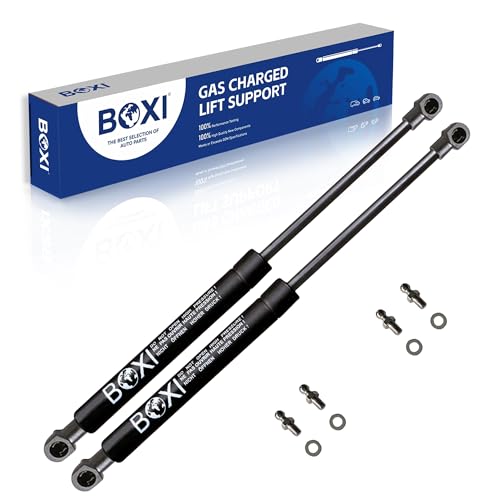
Fit For Toyota Celica 1982 1983 1984, for Toyota Supra 1982 1983 1984 1986 1987 1988 1989 1990 1991 1992 1993 --- 2-Door Hood-Will NOT Fit 1985

Allows you to drive with your windows down on the street and the track

√ CUT PRECISELY Exclusive design for 2020 2021 2022 2023 2024 2025 2026 Toyota GR Supra A90 8.8 Inch navigation screen, No need to trim the edges,100% compatible with the 2020 2021 2022 2023 2024 2025 2026 GR Supra center control touch screen.
Frequently Asked Questions
How do adaptive dampers work?
Adaptive dampers use electronic control to change how firmly the shock absorber resists motion. Older TEMS systems use actuators and predefined damping positions. Modern AVS systems use sensors and electronically controlled valves to vary damping force more smoothly through drive modes.
Does the Supra have adaptive suspension?
Some older A70/MKIII Supras had TEMS, depending on year, market, and trim. The modern GR Supra uses Adaptive Variable Suspension, commonly shortened to AVS, on equipped models. Always verify the exact car before ordering dampers, actuators, springs, or cancellation parts.
Is TEMS the same as AVS?
No. TEMS is Toyota’s older Electronically Modulated Suspension name. AVS is the modern Adaptive Variable Suspension name used in current Toyota materials for the GR Supra. Both are electronically controlled damping systems, but the hardware, software, service procedures, and parts are different.
What are the disadvantages of adaptive suspension?
Adaptive suspension adds cost, electronics, special dampers, sensors, and more complicated diagnosis. It can also limit aftermarket choices because lowering springs or coilovers must work with the car’s electronics. The benefit is a wider comfort-and-control range when the system is healthy.
Can I replace TEMS or AVS with coilovers?
Yes, but it is a trade-off. Coilovers can improve adjustability and track consistency, but they may remove adaptive damping and can create warning lights unless the car is handled correctly. Choose a kit designed for your exact Supra generation and plan for alignment afterward.
How can I tell if my Supra has adaptive suspension?
On an A70/MKIII, look for the TEMS mode controls and shock-top actuators, then confirm the wiring and model-year service information. On a modern GR Supra, an adaptive damper has an electrical connection, but the safest check is the car’s VIN/build information plus the installed hardware. Toyota states that all 2026 U.S. GR Supra grades include AVS.
Will lowering springs disable GR Supra AVS?
Not automatically. Compatible lowering springs can reuse the factory adaptive dampers and keep the electronic system in place. The trade-off is reduced suspension travel and a changed spring-to-damper relationship, so confirm spring compatibility, ride height, alignment, and bump travel before driving hard.
Conclusion
The right Supra suspension choice starts with the right name. Older TEMS and modern GR Supra AVS both use electronic damping control, but they are not interchangeable systems. Keep a healthy OEM setup when you want street comfort, originality, and balanced handling. Repair it when the fault is specific and parts are available. Move to coilovers or another architecture only when your driving goals justify losing factory adaptive behavior.
Before spending money, identify the system, inspect the mechanical parts, check wiring and connectors, and read the correct chassis fault data. Then decide whether to restore the factory setup or move to a compatible aftermarket solution. A properly working adaptive damper system should make the Supra feel more composed, not mysterious.
Sources
- Toyota Global — Technical Development: Chassis — backs the 1983 Toyota Electronically Modulated Suspension history.
- Toyota USA Newsroom — 2026 GR Supra MkV Final Edition — backs modern GR Supra AVS, modes, solenoid-valve damping control, and 2026 suspension updates.
- Toyota Owners — 2026 Supra Adaptive Variable Suspension — backs the owner-manual description of AVS as an intelligent controllable sport chassis/suspension.
- MK3 Supra TSRM — Front Axle & Suspension TEMS Circuit — backs legacy A70 TEMS components such as speed sensor, stop light switch, steering sensor, TEMS computer, and actuators.
- MagneRide — backs the comparison to magnetorheological adaptive damping technology.
- Monroe Ride Solutions — CVSAe — backs the comparison to valve-based continuously variable semi-active damping.