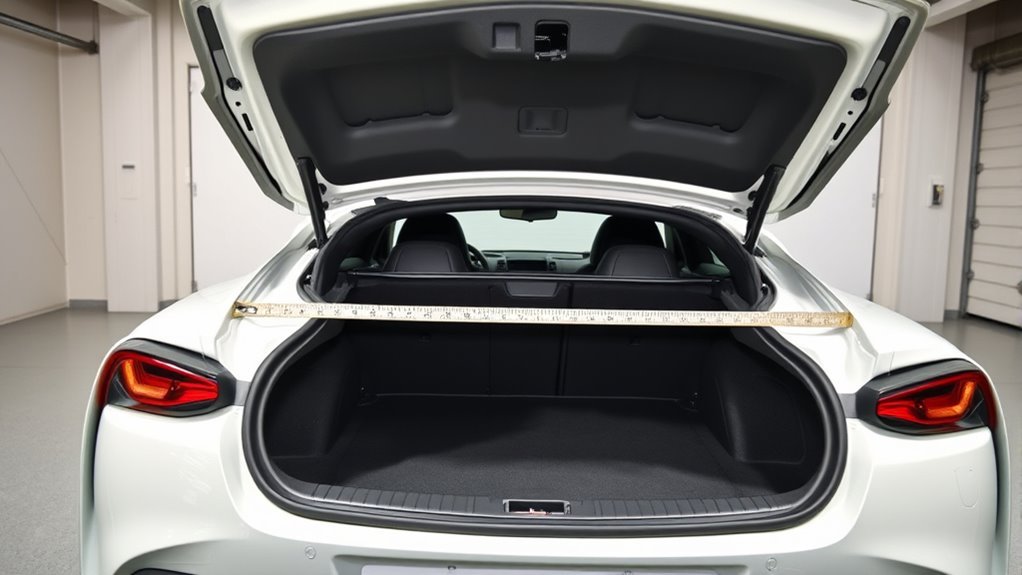
A Toyota Supra can fit a 6’4″ driver, but the fit depends on your torso length, seat position, and roof style. The cockpit gives about 42.2 inches of legroom and about 38.3 inches of headroom, so long legs usually fit better than tall torsos. Use the steps below to set the seat, check helmet clearance, and decide whether the Supra feels right for a short drive or a long commute.
Can a 6’4″ Driver Fit in a Toyota Supra?
What’s in This Article
- Can a 6’4″ Driver Fit in a Toyota Supra?
- Supra Headroom and Legroom Measurements
- Supra Roof Profile: Targa vs Hardtop Headroom
- Real-Owner Reports: Drivers 6’2″ to 6’6″ Describe Fit
- How to Adjust Supra Seats for More Space
- Getting In and Out: Entry Tips for Tall Drivers
- Long-Commute Comfort: What to Expect
- Helmet Clearance, Sunroof Impact, and Aftermarket Seats
- Dealer Test-Fit Checklist: Step-by-Step
- Tall-Friendly Sports-Car Alternatives to Consider
- Frequently Asked Questions
- Conclusion
Quick Answer
A 6’4″ driver can usually fit in a Toyota Supra, but you need to test the exact car before buying. Slide the seat fully back, lower the cushion, and recline the seatback slightly. Choose the hardtop if headroom matters more than open-air driving.
Key Takeaways
- Expect enough legroom for many tall drivers, but check headroom if you have a long torso.
- Choose the hardtop when you want the best chance of extra overhead space.
- Lower the seat, set pedal reach first, and recline the backrest only enough to clear the roof.
- Test helmet clearance in person if you plan track days or autocross events.
- Take a 30-minute test drive so you can judge comfort, entry, exit, and fatigue.

You can fit in a Toyota Supra at 6’4″, but expect trade-offs. The hardtop usually gives you a bit more headroom than the targa, so choose it when you want the best chance of roof clearance. Legroom should work for many long-legged drivers when you slide the seat back and set the pedals first.
Taller driver challenges include tight shoulder room, a low roofline, and possible muscle ache on longer drives. Measure your seated hip-to-top-of-head height before you visit a showroom. Then take a test drive for at least 30 minutes so you can judge real comfort.
Supra Headroom and Legroom Measurements
The GR Supra gives you about 38.3 inches of headroom and about 42.2 inches of legroom. Those numbers can suit many tall drivers, but your torso length and driving posture matter as much as your height.
Use the published cabin numbers as a starting point, not a final answer. Sit in the car, set the pedals, and check roof clearance with your normal driving posture.
Measured Headroom Figures
The Supra’s 38.3 inches of headroom can feel snug if you sit tall or plan to wear a helmet. You can gain useful space by lowering the seat cushion, tilting the steering column, and using a small amount of seatback recline.
Hardtop models usually feel better overhead than targa versions. If you measure between 6’2″ and 6’5″, the Supra may feel surprisingly roomy once you set the seat. Expect tighter entry and exit because of the low roof.
Legroom and Reach
The Supra’s 42.2 inches of legroom gives many tall drivers enough pedal reach when the seat sits near full rear travel. Don’t slide so far back that your wrists lock out or your shoulders leave the seatback.
Set pedal reach first, then check knee clearance near the steering wheel. Fine-tune the seatback, cushion height, and steering wheel so your shoulders, wrists, hips, and knees stay relaxed.
Targa Versus Hardtop
The targa and hardtop feel similar for legroom, but they can feel different above your head. The hardtop usually gives taller drivers a better chance of roof clearance, especially around 6’4″ and above.
The targa gives you open-air driving, but the roof structure can feel tighter for tall torsos. Choose the hardtop for space. Choose the targa only after you confirm the roofline doesn’t bother you.
Supra Roof Profile: Targa vs Hardtop Headroom
If you’re tall or plan to wear a helmet, start with the hardtop. It can give you a small but useful gain in usable headroom compared with the targa. You may notice that space when you sit upright or tilt your head.
The targa gives you more open-air freedom, but it can feel more confined above your head. Adjust seat height and recline to gain about 0.5 to 1.0 inch of effective clearance in either model. Prioritize the hardtop when consistent roof clearance matters more than open-air driving.
Note: Body shape matters, so a 6’4″ driver with a long torso may fit worse than a 6’6″ driver with longer legs.
Real-Owner Reports: Drivers 6’2″ to 6’6″ Describe Fit

Individual body proportions shape the Supra fit more than height alone. Drivers from about 6’2″ to 6’6″ often find the car usable, but they report clear trade-offs.
At 6’2″ to 6’3″, you may get acceptable legroom but tight entry and exit because of the sloping roofline. At 6’4″, expect possible head contact in the targa when you sit upright. At 6’5″ and above, you may need a more reclined seat for comfort on long drives.
A hardtop or double-bubble roof shape can help reduce overhead contact. Custom seats may also help if the stock seat places your hips too high.
How to Adjust Supra Seats for More Space
Seat setup can make the difference between a cramped drive and a usable cockpit. Start with legroom, then solve headroom and steering reach.
- Slide the seat fully rearward to set a baseline for legroom.
- Move the seat forward only until you can press the pedals without locking your knee.
- Lower the seat cushion as much as comfort and visibility allow.
- Recline the backrest 3 to 5 degrees if your head or helmet sits too close to the roof.
- Tilt the steering wheel until your knees clear it and your wrists rest near the top of the wheel.
Keep about 2 to 3 inches of knee clearance near the steering wheel when possible. Use repeated short trials to balance reach, control, and comfort. Consider aftermarket seat options if the stock setup still forces a poor posture.
Pro tip: Set pedal reach before you adjust the steering wheel, because your legs control safety-critical inputs first.
[Products Worth Considering]
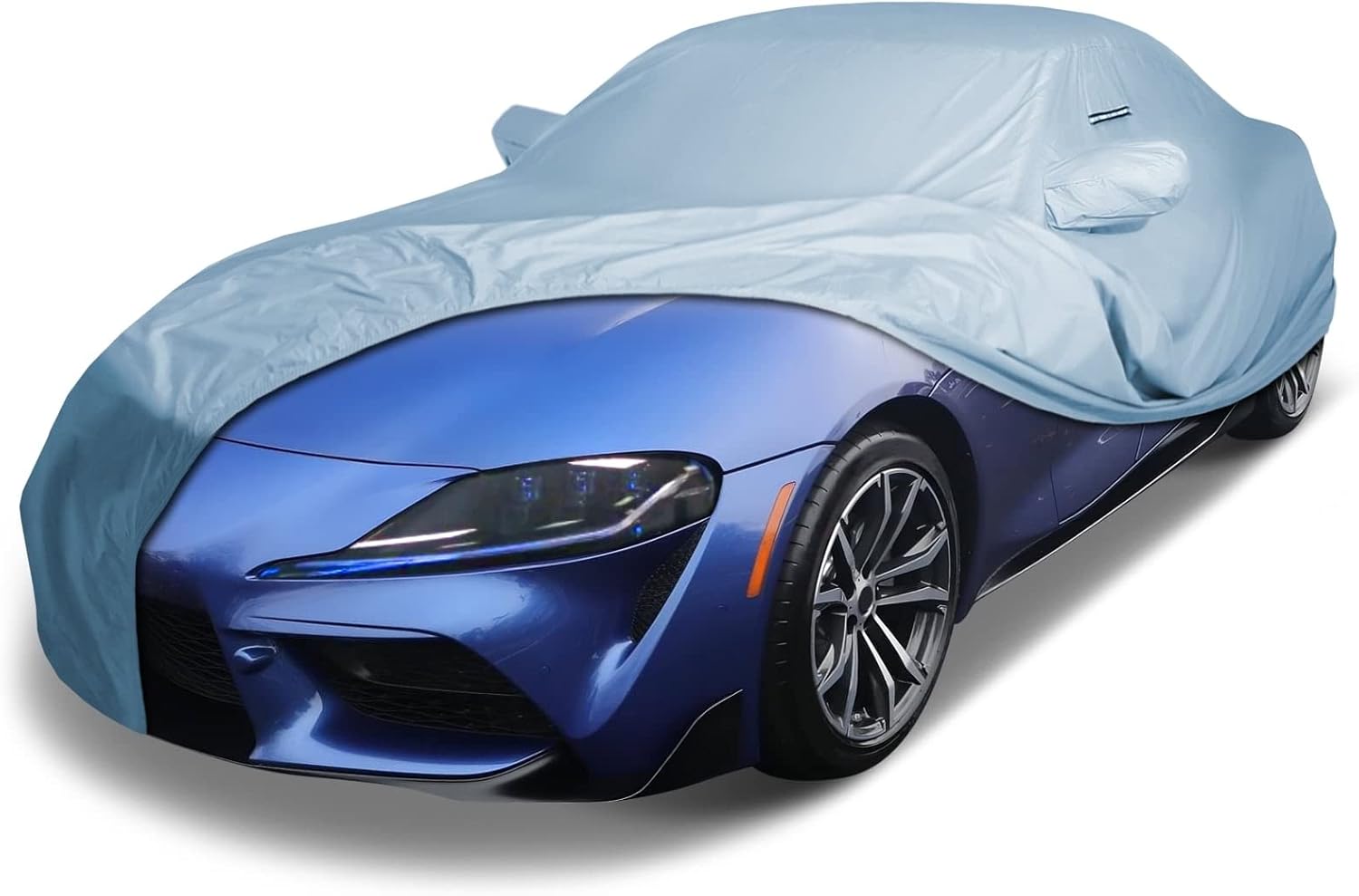
Protect your 2020-2026 Toyota GR Supra with a precision custom-fit cover designed to hug the vehicle’s contours for a secure, reliable fit. Built for all-weather use, it helps guard against rain, snow, sun, and other outdoor elements while the soft inner lining helps reduce the risk of scratches. Added straps, waterproof seams, and ventilation provide dependable protection and everyday convenience.
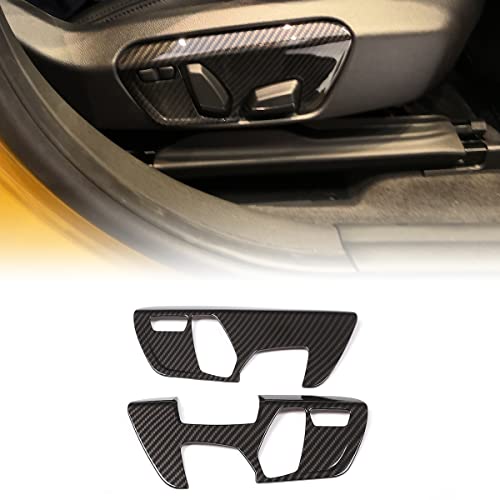
【Perfect Fitting】: This seat adjustment switch cover compatible with Toyota Supra GR A90 A91 MK5 2018-2022, The size of the original car is customized. The dimension of 8.3 in*3.9 in*1.2 in.

[Easy Installation] - This seat adjuster lever perfectly matches the original car and can be installed directly, saving you time and effort.
Getting In and Out: Entry Tips for Tall Drivers
If you’re over 6’2″ (about 188 cm), expect the Supra’s sloping roofline to affect entry and exit. Drivers around 6’3″ (191 cm) and taller often notice tight clearance near the door opening.
Lower and slightly recline the seat before entry. Plant one leg first, angle your torso, then swing the other leg in once your hips reach the seat.
Low Roofline Maneuvers
The Supra’s roofline slopes sharply, so use a repeatable entry method. Lower the seat by 1 to 2 inches (25 to 50 mm), pivot your hips into the seat first, then slide your legs in to avoid the header.
| Step | Action |
|---|---|
| 1 | Lower the seat 1 to 2 inches for more headroom |
| 2 | Pivot your hips in and angle your torso under the roof |
| 3 | Slide your legs in, then straighten once seated |
Tall drivers around 6’4″ and above should test these steps during a real test drive. You need to confirm fit before you commit.
Helmet On/Off Strategy
Remove your helmet before you enter the Supra when possible to avoid scraping the sloped roof. If you must keep it on, lower the seat 1 to 2 inches (25 to 50 mm) and slide the seat fully back to maximize headroom and legroom.
- Tilt your torso toward the door, plant your outside foot, and pivot your hips into the seat.
- Drop the seat 25 to 50 mm, slide it fully back, and enter slowly if you keep the helmet on.
- Keep the helmet within arm’s reach after entry, but store it where it won’t block the pedals or controls.
Practice the same entry motion a few times. A repeatable routine helps you avoid scuffs and awkward twisting.
Warning: Don’t drive with your helmet or head touching the roof, because impacts and sudden bumps can become painful or unsafe.
Long-Commute Comfort: What to Expect
The Supra can feel tight on long commutes if you’re over 6’3″, especially in targa models. You may notice limited head clearance, tight shoulder room, or muscle aches after 60 to 90 minutes.
The 42.2 inches of legroom can work for many tall drivers, but don’t slide the seat too far forward. That can bind your knees near the steering wheel and load your hips.
Set the seat low, then tilt the cushion enough to support your thighs. Use a firm mid-level lumbar setting if your car has lumbar adjustment. Take a 45 to 60 minute test route so you can judge fatigue before you buy.
Helmet Clearance, Sunroof Impact, and Aftermarket Seats
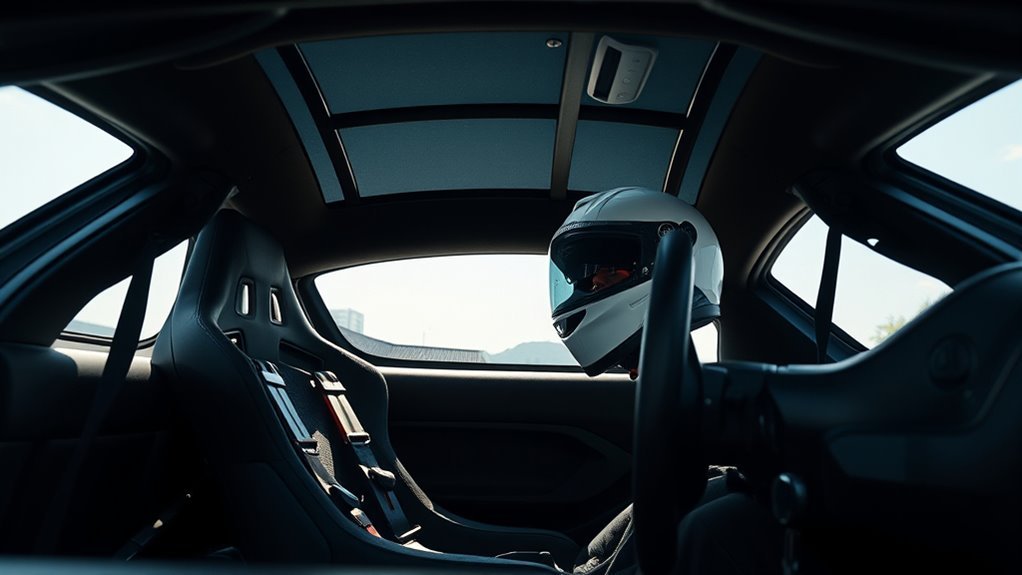
Helmet clearance can become the biggest limit for taller drivers. If you’re over about 6’3″ and plan to wear a helmet, test the hardtop and targa in person. Sit in your normal posture and check the gap from your helmet to the roof liner.
The hardtop usually gives you about 0.5 to 1.0 inch (12 to 25 mm) more usable headroom than a tighter roof setup. A lower seat mount or aftermarket seat can change hip height by about 10 to 40 mm, depending on the parts used.
- Measure the gap from the top of your helmet to the headliner while you sit upright.
- Adjust seat height and recline by small amounts, then recheck visibility and control reach.
- Compare aftermarket seat mounts only after you confirm the stock seat doesn’t work.
Choose modifications that improve space without hurting pedal control, airbag function, or safe visibility. Ask a qualified shop to install seat brackets if you’re not sure how the change affects safety systems.
Dealer Test-Fit Checklist: Step-by-Step
Use the dealership visit to collect your own fit data. Don’t rely only on height, because two drivers at 6’4″ can fit very differently.
- Slide the seat fully back before you get in so you can judge maximum legroom.
- Sit upright and measure headroom with your normal shoes and helmet if you use one.
- Lower or raise the seat in small steps and note thigh support, sightlines, and roof clearance.
- Set the steering wheel so your knees clear it and your wrists reach the top rim.
- Press each pedal and confirm that your heel pivots cleanly without hip strain.
- Drive for at least 30 minutes and include turns, stops, bumps, and parking-lot maneuvers.
Record your headroom, knee clearance, and comfort notes before you leave. That simple log helps you compare the Supra with other sports cars.
[Products Worth Considering]

COMPLETE 5-PIECE RACE CAR DRIVER COSTUME SET: This kids race car driver costume is a ready-to-race solution for parents planning girls boys Halloween costumes 6-14 or themed birthday parties. Includes jumpsuit with checkered flag design, racing cap with embroidered flags, aviator sunglasses, and 2 checkered flags—everything needed to transform kids into authentic racers without purchasing separate car costume for kids accessories

COMPLETE 5-PIECE RACE CAR DRIVER COSTUME SET: This kids race car driver costume is a ready-to-race solution for parents planning girls boys Halloween costumes 6-14 or themed birthday parties. Includes jumpsuit with checkered flag design, racing cap with embroidered flags, aviator sunglasses, and 2 checkered flags—everything needed to transform kids into authentic racers without purchasing separate car costume for kids accessories
COMPLETE 5-PIECE RACE CAR DRIVER COSTUME SET: This kids race car driver costume is a ready-to-race solution for parents planning girls boys Halloween costumes 6-14 or themed birthday parties. Includes jumpsuit with checkered flag design, racing cap with embroidered flags, aviator sunglasses, and 2 checkered flags—everything needed to transform kids into authentic racers without purchasing separate car costume for kids accessories
Tall-Friendly Sports-Car Alternatives to Consider
If the Supra feels too tight, compare it with sports cars and performance cars that offer more headroom, longer seat travel, or more upright seating. Published specs help, but real seat shape and roofline matter more during a test drive.
| Alternative | Why It May Fit Better |
|---|---|
| Mustang GT | Long legroom and a wider cabin can help long-legged drivers. |
| Golf R | An upright cabin and power seat adjustment can make daily driving easier. |
| Civic Type R | A taller roofline and practical seating position can help taller commuters. |
| WRX | A sedan shape can improve entry, exit, and head clearance. |
| BMW M2 | A compact coupe layout can still offer a more natural tall-driver posture. |
Try each car on the same kind of route if possible. Compare entry, headroom, pedal reach, steering reach, and comfort after 30 minutes.
[Products Worth Considering]

Comprehensive Protection with Wrap-Around Design: The wrap-around design covers the critical areas of your seats, providing comprehensive protection. It also seamlessly integrates with your car's original seats, maintaining a sleek and cohesive look.

Back Pain Support: This lumbar support pillow with strap helps ensure proper spine alignment and sitting posture while helping treat and prevent low back pain.

Protection function: This car seat bottom cover offers comprehensive protection for your car seats, not only effectively prevents the front seats from daily wear, scratches, and dust erosion, but also conceals any existing scratches on the seats, giving your car seats a fresh look
Frequently Asked Questions
What Is the Weakness of the Toyota Supra?
The Supra’s main weakness for tall drivers is limited headroom and a tight cabin. You can improve the fit with careful seat height, tilt, and steering wheel adjustments. Plan breaks during long drives if your shoulders, hips, or neck start to feel tight.
Do Supras Run Big or Small?
The Supra runs slightly small because it uses a low roofline and compact sports-car cockpit. The legroom can work well for many tall drivers, but the headroom can feel tight if you have a long torso. Test entry and exit before you focus only on the seat numbers.
Can a 6’5″ Driver Fit in a Toyota Supra?
A 6’5″ driver may fit, but the seat position will likely need more care. Lower the seat fully, set the pedals first, and use a small amount of backrest recline. Take a longer test drive before you decide, because short showroom tests can hide fatigue.
Is the Hardtop Supra Better for Tall Drivers?
The hardtop usually gives tall drivers a better chance of head clearance than the targa. It also feels less tight above your head during normal driving. Choose the hardtop first if you plan long trips, helmet use, or track days.
Will Aftermarket Seats Help a Tall Driver Fit?
Aftermarket seats can help if they lower your hip point or use thinner cushions. They can also create new problems with comfort, visibility, airbags, and seatbelt geometry. Check fit and safety before you replace the stock seat.
Conclusion
A 6’4″ driver can usually fit in a Toyota Supra, but the best fit comes from the right roof style and careful seat setup. Start with a hardtop, lower the seat, set pedal reach, and check helmet clearance if you need it. Then take a 30-minute drive that includes normal roads, stops, turns, and parking. If the Supra still feels tight, compare a few taller-friendly performance cars before you buy.