Start by hearing whether the motor runs; if it hums while wipers don’t move, you likely have a failed linkage or worn pivots. With the truck off, remove the wiper arm nut (14mm) and check for play, cracked arms, or rounded splines. Test for ~12V at the motor connector and inspect fuses and relay. Clean, lubricate, or replace the linkage (OEM or aftermarket), torque fasteners, and verify park position—continue for step-by-step fixes and preventative tips.
Diagnose Wiper Linkage vs Motor
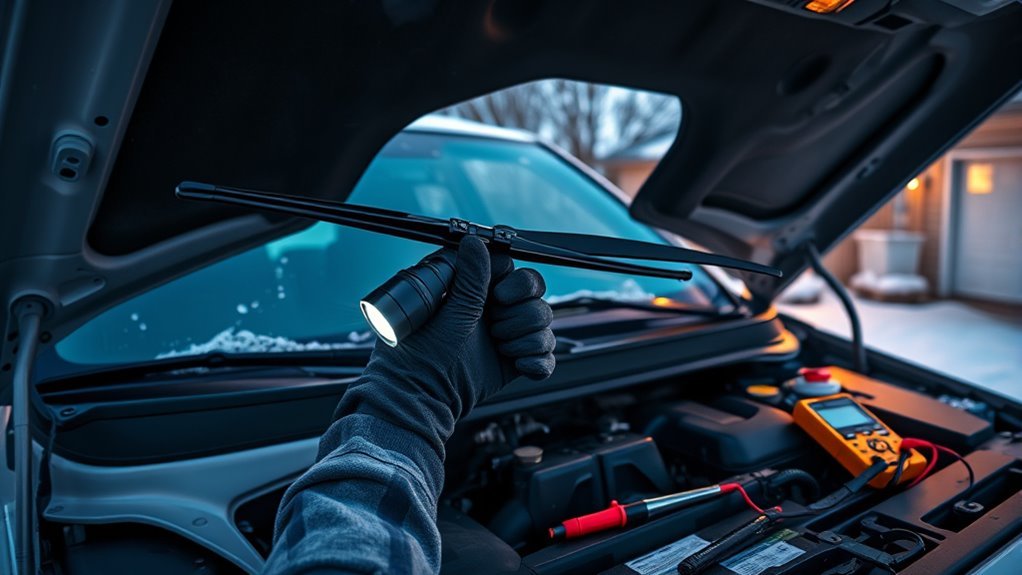
If the wipers don’t move but you can hear the motor running, don’t assume the motor’s bad—check the linkage first. You’ll start with focused wiper motor diagnostics: activate the switch, listen for consistent motor noise, then observe whether any motion transfers to the linkage arms. If the motor spins without translating movement, the linkage likely failed. Perform a targeted linkage wear analysis by visually inspecting bushings and joints for play, cracks, or broken pivots. Don’t waste energy replacing the motor when a worn bushing creates slop. Consider aftermarket linkages as a liberated choice — they can start near $43 versus OEM around $320 — but verify part numbers to confirm fit. After replacing, clean and lubricate the mechanism to prevent recurrence. You’ll save time and resources by isolating the fault to linkage components first, then ordering the correct replacement, restoring control and freedom on the road.
Inspect Wiper Linkage Safely: Tools & Key Wear Signs
Before you start, turn the vehicle off and make sure the wiper switch is in “off” to prevent accidental movement. Grab a 14mm wrench and basic hand tools, then inspect the linkage for excessive play in the arms, rust or corrosion on joints, and degraded bushings. Clean any dirt or ice buildup as you go to help reveal wear indicators and keep the mechanism moving freely.
Tools Needed
Grab a 14mm wrench and gloves, then secure the wiper arms to inspect the linkage safely: you’ll remove the wiper arm nut, check that the arms sit squarely on the splined steel post, and look for play in the linkage that signals a worn bushing. You’re freeing yourself from dependence on shops—use basic tools and clear maintenance tips to keep control.
- 14mm wrench: remove wiper arm nut and access linkage.
- Gloves: protect hands while probing splines and bushings.
- Cleaning brush and de-icer: clear ice and debris for reliable operation.
- Plumber’s solder: temporary fix that won’t gouge components like wire.
- Small pry bar: test for slop and seating on the splined post.
Follow this procedural checklist to diagnose wear and perform confident, autonomous repairs.
Wear Indicators
When you inspect the wiper linkage, work methodically and look for telltale wear: excessive play or slop in the arms, corrosion on aluminum arms or steel posts, stripped splines, and any signs of ice or debris damage. Start with good light, back the blades off, and move the linkage by hand to gauge wiper performance and detect looseness. Use a 14mm wrench to verify the wiper arm nut is snug; loose nuts accelerate wear. Clean grime and ice, then recheck for binding or metal fatigue. Note that worn bushings may not be serviceable through Toyota—plan for replacement of affected assemblies to restore linkage longevity. Record findings and act decisively to reclaim reliable control.
Check the Wiper Arm & Post for Loose or Stripped Fit
If your wiper skips or spins without wiping, check the fit of the wiper arm on the steel splined post—its tapered smooth hole must seat precisely on the splines to transfer rotation. You’ll free yourself from guesswork by inspecting fit, cleaning mating surfaces, and correcting wiper arm alignment. Don’t confuse arm play with motor failure.
- Visually confirm tapered hole fully mates with splines; remove arm to inspect for wear or rounded splines.
- Clean post and arm socket of corrosion, debris, or ice to restore true contact and prevent stripping.
- Reinstall arm, set correct wiper arm alignment against windshield park position before securing.
- Use a 14mm wrench and apply proven nut tightening techniques; snug, avoid over-torque that bends aluminum.
- Consider blue Loctite on the nut for lasting security if threads are sound and not stripped.
If components are visibly rounded or stripped, replace the damaged arm or post to reclaim reliable, liberated visibility.
Run Basic Wiper Motor and Wiring Tests
Start by verifying the motor’s electrical system: visually inspect the connector and harness for loose, corroded, or frayed wires, then use a multimeter at the motor connector to confirm roughly 12 V when the wiper switch is on; no voltage points to a fuse, relay, or wiring fault. Next, check fuses in the fuse box—replace any blown units and retest. Listen at the wiper relay when you toggle the switch; a clear click indicates the relay is actuating. If you don’t hear a click, remove the relay and test continuity with your multimeter or swap it with a known-good relay to isolate electrical issues. Probe the wiring harness for continuity and visible damage; intermittent breaks often show under flex. If the motor gets 12 V but doesn’t run, the wiper motor itself is likely failed and needs replacement. Work methodically, document each result, and you’ll free yourself from guesswork while reclaiming reliable windshield control.
Emergency On-Road Fixes: Wire, Solder, and Quick Tricks
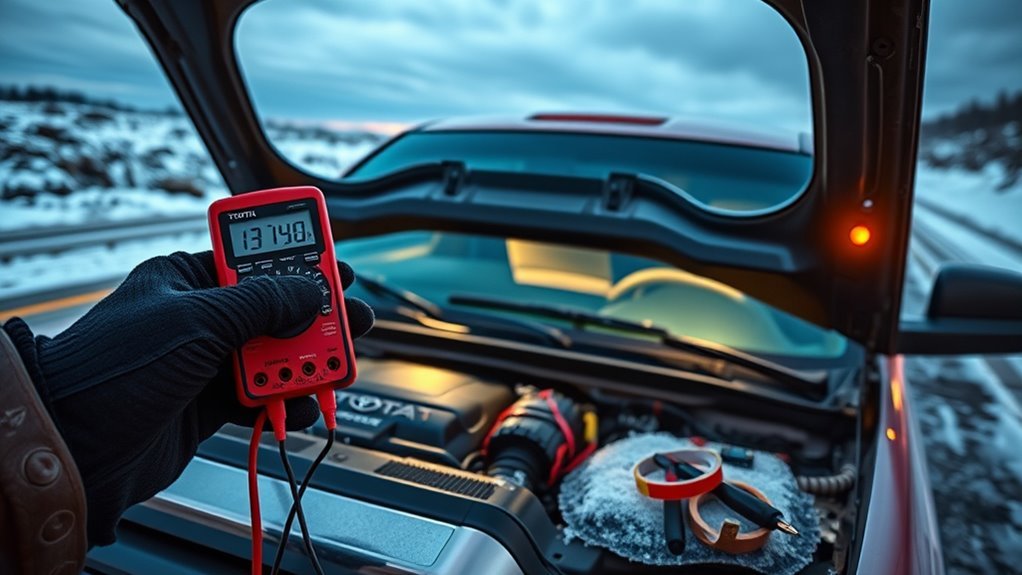
If a wiper arm pops loose, you can twist a thin wire through the arm hole to form a loop that holds it to the post as a temporary fix. If wire risks damaging the post, melt plumber’s solder into a soft pad to bed the arm without scoring metal. For short trips, do a quick reassembly of linkage or apply a water‑beading treatment like RainX to maintain visibility until you can get proper parts.
Wire Loop Emergency Fix
One quick on-road trick is to loop a thin wire through the hole in the wiper arm and twist it tightly to hold the arm on the post, giving you temporary functionality until you can make a proper repair. You’ll regain control and avoid being stranded; this is a pragmatic temporary solutions tactic tied to wiper arm maintenance. Do this carefully to prevent further damage.
- Use thin, sturdy wire (coat-hanger gauge works).
- Thread through the arm hole, twist tight, trim excess.
- Check range of motion before driving.
- Don’t over-tighten the wiper arm nut afterward.
- Clean and inspect parts once home.
This diagnostic, procedural fix frees you on the road while you plan a permanent repair.
Plumber’s Solder Alternative
After you’ve secured the arm with a wire loop and confirmed movement, consider plumber’s solder as a softer, low-profile emergency alternative that will better conform to the arm hole and post, lowering the chance of stripping or catching. You’ll carry thin solder easily and use it when traditional tools aren’t available. Diagnose the fit: check hole size and post shape. Select solder types that are pliable, not rigid. Twist a length through the arm hole, wrap tightly around the post, and snip excess; this mirrors wire repair techniques but cushions contact and accommodates irregularities. Test motion and windshield contact before driving. Treat this as a temporary repair—liberate yourself from panic, not permanence—and get a proper replacement or professional fix soon.
Quick Temporary Reassembly
Start by evaluating the failure point so you can pick the simplest, safest temporary fix: inspect the arm hole, post shape, and any worn bushings to decide between a thin wire loop, a short length of plumber’s solder, or a quick plastic/steel bushing patch. You’ll act fast, stay safe, and free yourself from dependence on a tow.
- Use thin wire twisted tight through the wiper arm hole to hold position; it’s lightweight and reversible.
- Carry a short plumber’s solder rod for a non-damaging clamp on the post.
- Fit a quick plastic or steel bushing patch where slop exists; expect ~18 months.
- Confirm aftermarket linkage sizes before replacement; some run as low as $43.
- Apply RainX to maintain visibility while you shop for proper parts.
Prioritize proper wiper arm adjustment and view these as temporary fixes.
Replace Wiper Linkage: Step-by-Step Removal & Install
Begin by disconnecting the battery and removing the wiper arms—use a 14mm wrench to loosen the nuts—so you can access the linkage without power or obstruction. Diagnose wiper motor failures versus linkage problems by inspecting play and binding; rule out electrical faults before swapping parts to avoid wasting effort on linkage compatibility issues. Remove plastic covers, unbolt screws securing the linkage to the firewall and motor, and note each fastener’s location.
Compare the old and new linkages directly—pivot lengths, bushing positions, and mounting points must match. Install the new linkage, seating bushings and aligning the motor spline; tighten hardware firmly but don’t overtighten to prevent stripping or binding. Reattach covers and wiper arms, torque nuts to spec, reconnect the battery, and run the wipers through their cycles. Verify smooth travel, correct park position, and equal sweep. If misalignment persists, recheck mount points and clearances before concluding the repair.
Choose Parts for Your Tundra: OEM vs Aftermarket & Fit Tips
When weighing OEM versus aftermarket parts for your Tundra, prioritize fit and durability: OEM guarantees compatibility and long-term reliability but costs roughly $320, while aftermarket options can start near $43 and save you money if you confirm fitment and material quality first. You want freedom from repeat failures, so make choices that liberate you from returns and extra labor.
- Check OEM advantages: match part numbers to ascertain direct swap and long-term material durability.
- Use aftermarket affordability wisely: compare specs, not just price, to avoid weak alloys or plastics.
- Perform fitment verification: measure mounting points and confirm year/model fit before ordering.
- Follow installation tutorials: watch model-specific videos to anticipate tricky clips, orientation, and torque.
- Inspect part markings and packaging: avoid vendors with vague specs or missing documentation.
Act, don’t wait: verify parts, choose durable materials, and follow clear tutorials so your repair stays reliable and under budget.
Preventive Maintenance: Cleaning, Lubrication & Winter Care
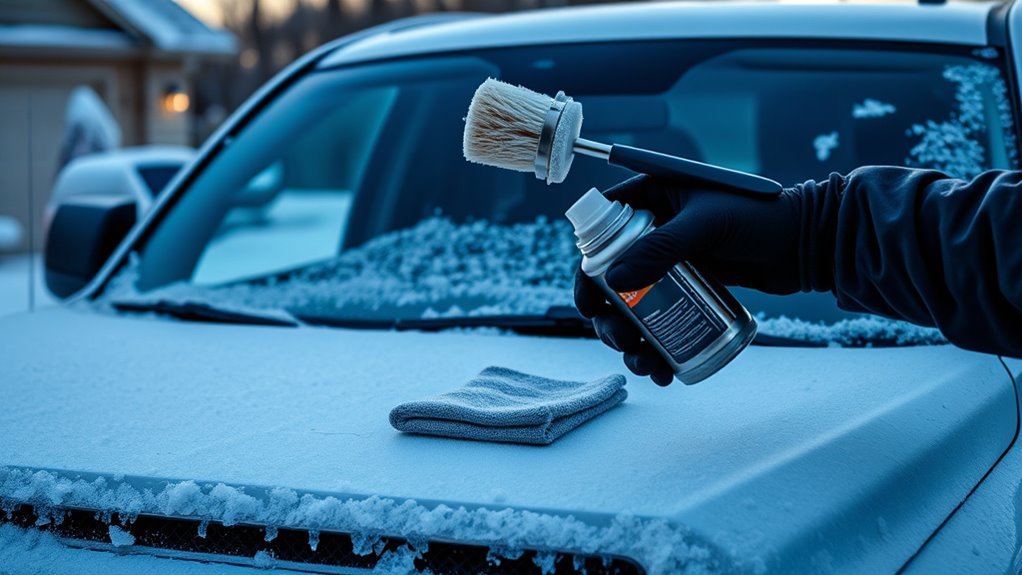
Although routine care might seem minor, keeping your Tundra’s wipers clean, lubricated, and winter-ready prevents failures and preserves visibility; inspect blades and the windshield weekly, wipe blades with a damp cloth to remove grit, spray silicone lubricant on pivot points for smooth travel, and swap worn blades before freezing weather so they don’t ice to the glass. You’ll perform simple checks: look for cracking, fraying, or missed streaks that signal replacement. Clean both blade rubber and glass with a mild cleaner, then apply a water-repellent treatment to the windshield to improve performance in heavy rain or snow. Lubricate hinge and arm pivots with silicone spray—operate wipers to distribute lubricant and confirm smooth travel. For winter storage, park in a garage when possible or prop blades off glass and cover the windshield to prevent ice adhesion. These steps reduce mechanical wear, cut failure risk, and free you to move safely without relying on emergency fixes. Maintain this routine monthly and before seasonal storms.
Troubleshoot Post-Repair Problems and When to Get Help
If your Tundra’s wipers stop working after a repair, start by checking that the linkage and all fasteners are seated and torqued correctly—loose nuts or misaligned splines are a common cause. You’ll act methodically: verify motor operation, inspect linkages, and confirm part fitment. Use these wiper troubleshooting tips to free yourself from repeat failures and regain control.
- Listen for motor noise; if the motor runs but arms don’t move, suspect stripped splines or faulty linkage.
- Visually inspect bushings for wear or damage; Toyota doesn’t offer replaceable bushings, so consider aftermarket linkages.
- Verify the replacement part number and fit; manufacturing errors happen, return incorrect parts.
- Re-torque fasteners to spec and realign splines, then test at low speed before full use.
- If diagnosis stalls or repair common issues persist, get professional help to prevent further damage.
Follow this procedural checklist to resolve post-repair problems efficiently and confidently.
Frequently Asked Questions
Why Does My Driver Side Windshield Wiper Not Work on My 2018 Toyota Tundra?
Your driver-side wiper likely fails due to linkage issues or a worn bushing disconnecting the arm while the wiper motor runs; inspect the linkage, replace with aftermarket or OEM parts, and clean/maintain to prevent recurrence.
Conclusion
You’ve run the key checks: linkage, arm fit, motor and wiring, plus quick roadside fixes and full replacement steps. If your Tundra still won’t wipe, don’t guess—get a pro. Example: a friend’s 2010 Tundra had a stripped splined post; replacing the wiper arm (not the motor) fixed it in 20 minutes, saving a costly motor swap. Follow the diagnostics, replace the worn part, and prevent recurrence with regular lubrication and winter care.