Your Tundra’s payload number can shrink fast once you add people, gear, and trailer tongue weight. To find your real limit, use the truck’s door-jamb stickers, weigh the truck when accuracy matters, and subtract every load that rides in or on the truck. Continue for step-by-step calculations and checks.
Quick Answer
Find the gross vehicle weight rating (GVWR) on your Tundra’s door-jamb label, then subtract the truck’s actual loaded weight to get remaining payload. Count passengers, cargo, accessories, hitch weight, and aftermarket parts against that limit. For towing, keep tongue weight within the trailer maker’s range and confirm axle loads on a certified scale.
Key Takeaways
- Use the door-jamb payload label as your main limit because it reflects your truck’s trim and equipment.
- Subtract people, cargo, accessories, and hitch weight before you decide how much payload remains.
- Weigh the truck and trailer when you need exact axle, tongue, and total weight numbers.
- Keep heavy cargo low and secure so the truck stays stable under braking and cornering.
- Do not use brochure payload figures as your final number for a specific truck.
Find Your Toyota Tundra’s Exact Payload
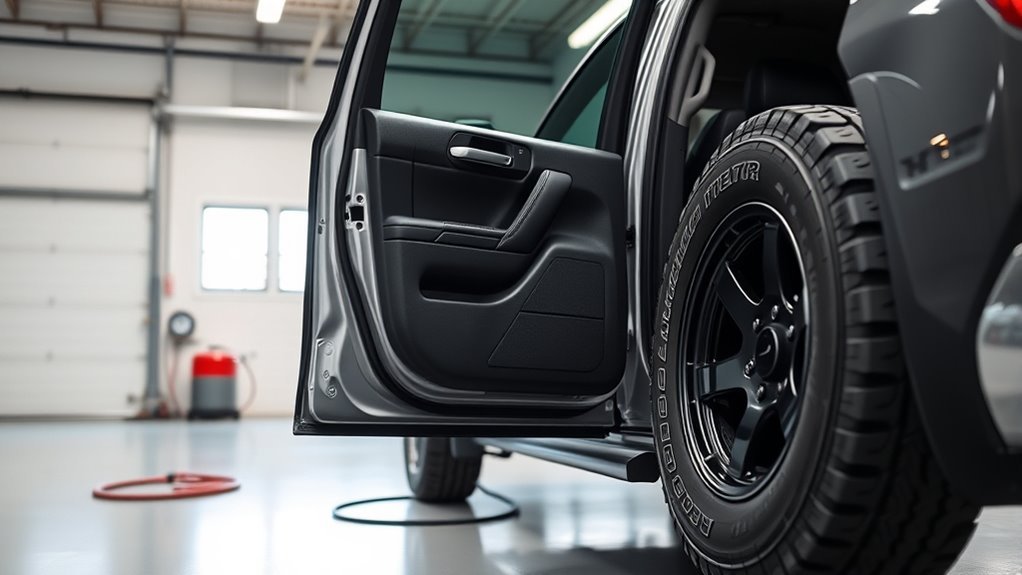
Start with the Tire and Loading Information label on your driver-side door jamb. That label lists the combined weight of occupants and cargo your specific truck can carry. The gross vehicle weight rating (GVWR) label gives the truck’s maximum allowed loaded weight.
Do not rely on memory or broad trim specs. Payload changes with cab style, bed length, drivetrain, options, and accessories. A lower-trim truck may carry more than a luxury trim because added features increase curb weight.
For the most accurate number, weigh your truck with a full fuel tank and the gear you normally carry. Then subtract that scale weight from GVWR. The result shows how much more weight the truck can take before it reaches its rated limit.
[Products Worth Considering]

This replacement bed cleat tie down anchor kit restores secure cargo management for compatible Toyota truck bed rail systems. Designed to match OEM dimensions and fit, these anchors help keep gear, tools, and luggage firmly in place during daily hauling. Built for dependable use in demanding pickup truck conditions, the kit offers a practical replacement for worn factory tie-downs.
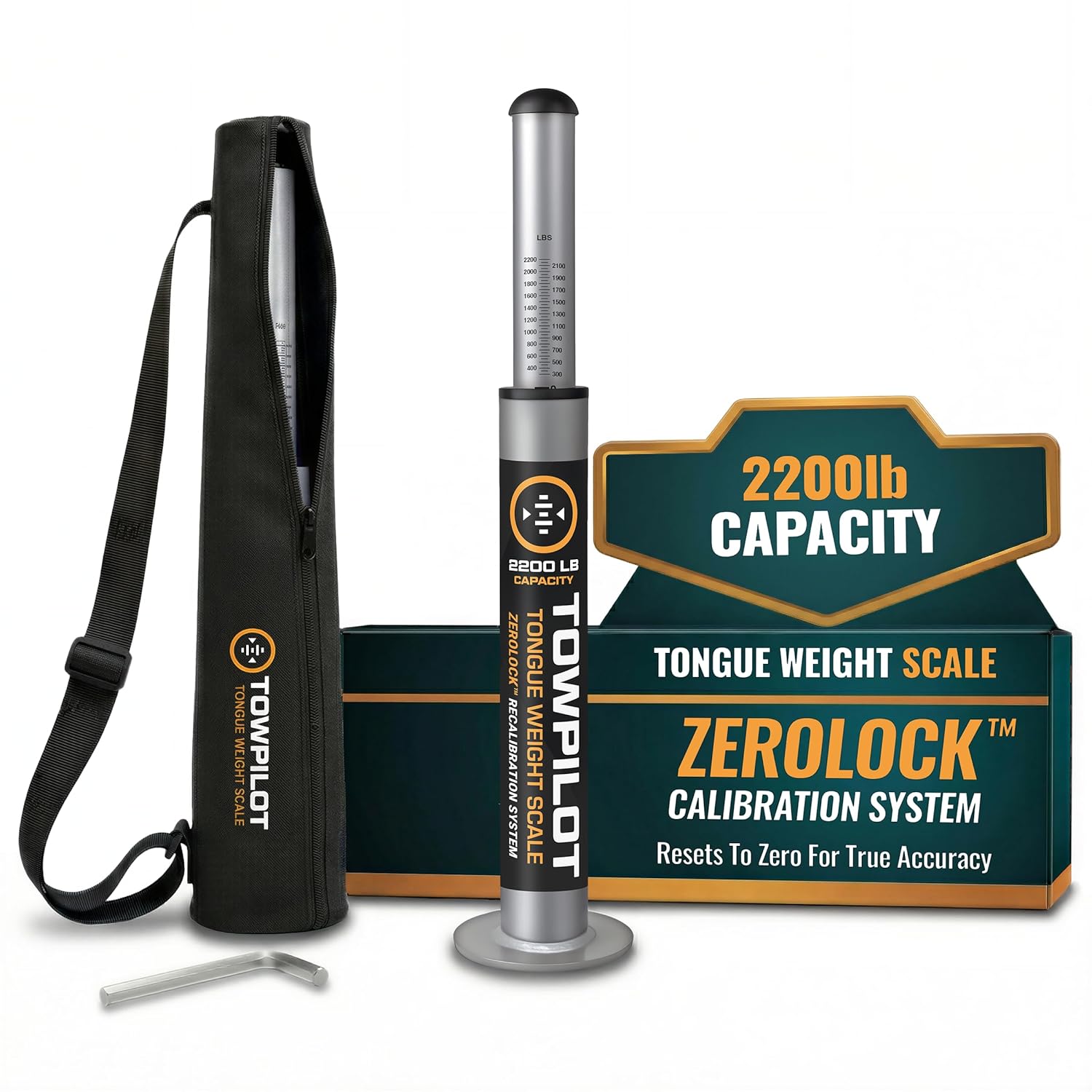
This trailer tongue weight scale helps you check hitch weight quickly and accurately before towing, reducing sway and improving overall safety. Built with durable steel and a spring mechanism, it works without batteries and includes a recalibration feature to maintain true-zero accuracy over time. It is designed for RVs, campers, and utility trailers, with a top plate that helps protect your coupler during use.

This Andersen Hitches weight distribution hitch kit is designed to improve towing stability with a grease-free friction cone and tension chain system that helps reduce sway and bounce. It features a universal setup with a 2-inch ball and 4-inch drop/rise to suit many bumper-pull trailer applications, while making hitching and unhitching faster and easier than traditional spring bar systems. Built in the USA, it offers dependable performance for travelers, workers, and outdoor enthusiasts who need confident towing control.
Calculate Payload: GVWR Minus Curb Weight and Mods
Use a simple formula to estimate payload:
GVWR minus curb weight equals base payload.
Then subtract anything you added after the truck left the factory. Bed covers, toolboxes, bumpers, winches, racks, skid plates, larger tires, and lift parts all reduce usable payload.
- Read the GVWR on the certification label inside the door jamb.
- Find the actual truck weight from a scale, or use curb weight for a rough estimate.
- List aftermarket parts and their weights.
- Subtract added weight from your available payload.
- Keep a safety margin so small errors do not push the truck over its limit.
Example: if your GVWR is 7,500 pounds and your truck weighs 5,800 pounds, you have 1,700 pounds before it reaches GVWR. If you added 200 pounds of gear, your usable payload drops to 1,500 pounds.
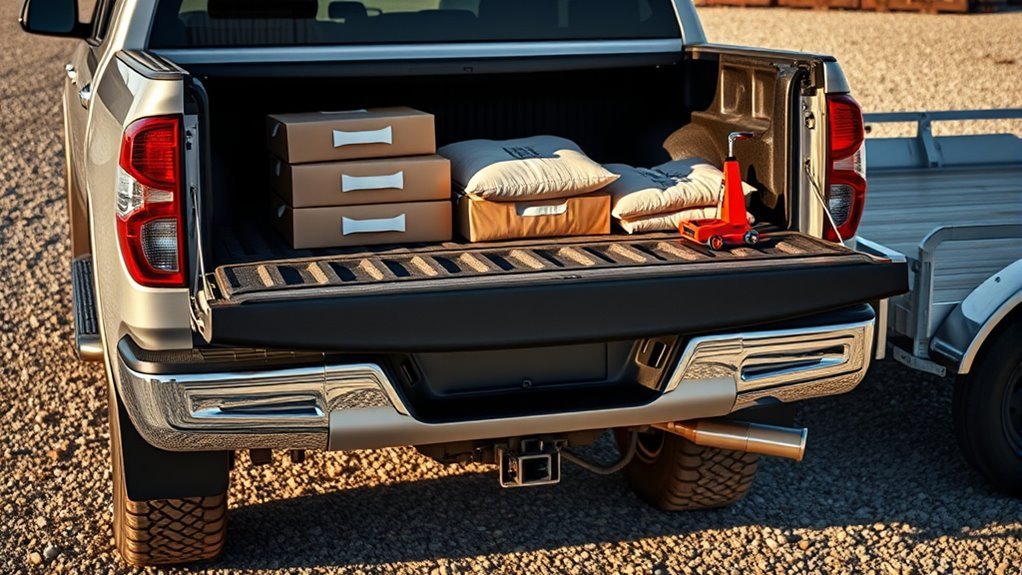
Note: Payload is not just bed cargo. It also includes passengers, dogs, tools, hitch weight, and loose gear inside the cab.
Convert Payload to Safe Tongue and Trailer Limits
Once you know your usable payload, decide how much can go toward trailer tongue weight. First subtract passengers, cargo, and in-truck gear from your payload. The amount left becomes your tongue weight allowance.
For many conventional bumper-pull trailers, loaded tongue weight often lands around 10% to 15% of loaded trailer weight. Some setups may use a slightly different range, so check your trailer and hitch manuals before you load.
To estimate trailer weight from tongue allowance, divide the available tongue allowance by your target tongue percentage. For example, 600 pounds of tongue allowance divided by 0.12 suggests about 5,000 pounds of loaded trailer weight at 12% tongue weight.
Fifth-wheel and gooseneck trailers place more weight in the truck bed than bumper-pull trailers. Use the trailer maker’s pin weight or hitch weight rating instead of guessing. Then compare that number with your remaining payload.
Warning: A trailer can stay under tow rating and still overload your payload, rear axle, tires, or hitch.
[Products Worth Considering]
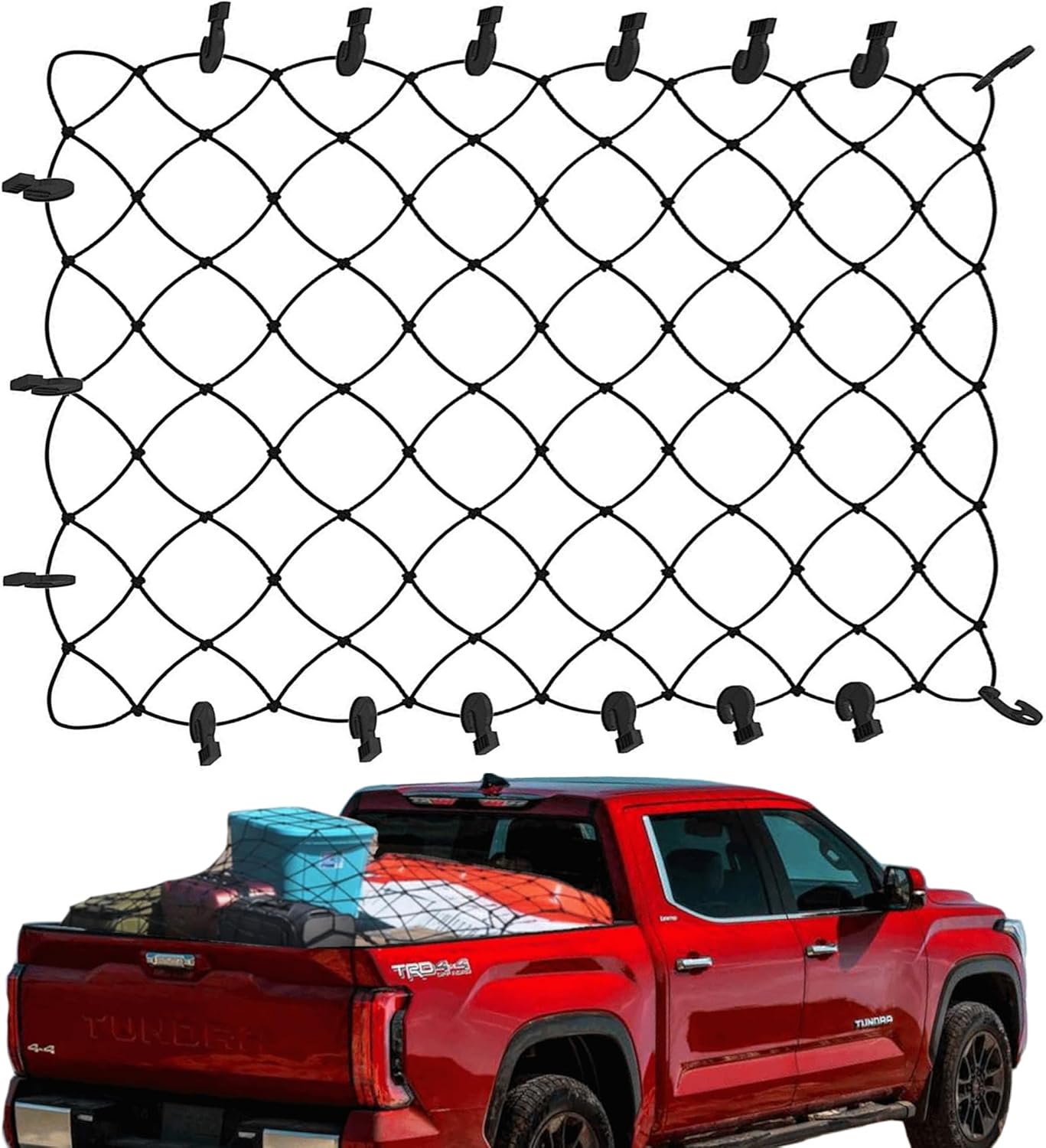
Keep cargo secure in your Toyota Tundra with this Essentials Series cargo net designed for 2007-2026 models equipped with factory deck rails. It features a 6mm premium latex bungee, a 6-inch grid system, upgraded carabiners, and patented bed rail integration for quick, dependable hauling. Built for everyday use, it installs directly to the factory bed rails without extra hardware and is backed by a lifetime warranty.

This heavy-duty cargo net helps keep truck bed loads secure and organized during transport. Its expandable bungee mesh design offers flexible coverage for a range of cargo sizes, while the included metal carabiners make installation quick and dependable. Built for pickup owners who need reliable load containment, it is suitable for many popular truck models.

These replacement support brackets are designed to secure the spring bars on a trailer frame for CURT TruTrack weight distribution hitches. Their adjustable mounting holes help achieve precise leveling while the rigid construction supports integrated sway control for a steadier towing experience. A durable powder coat finish adds long-lasting protection, and the package includes two replacement brackets.
Sticker Discrepancies: Door-Jamb vs. Advertised Numbers
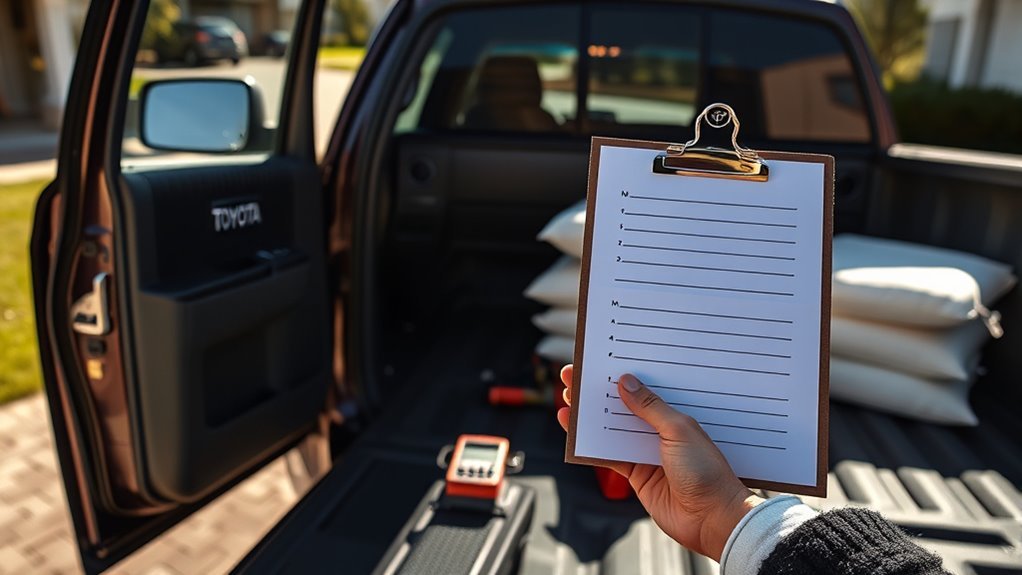
Brochure payload numbers often show the best-case setup. Your truck’s door-jamb label gives the number you should use for your specific vehicle. It accounts for the way your truck left the factory.
If a brochure number and your door-jamb label disagree, use the door-jamb label. Options, trim packages, cab size, drivetrain, and factory equipment can lower payload. Aftermarket parts lower it even more.
- Inspect the door-jamb label before you load the truck.
- Use the listed occupant and cargo weight as your starting point.
- Subtract accessories and gear that stay on the truck.
- Use a certified scale when you need exact proof.
Pre-Trip Weight Checklist: Scales, Hitch, and Load Distribution
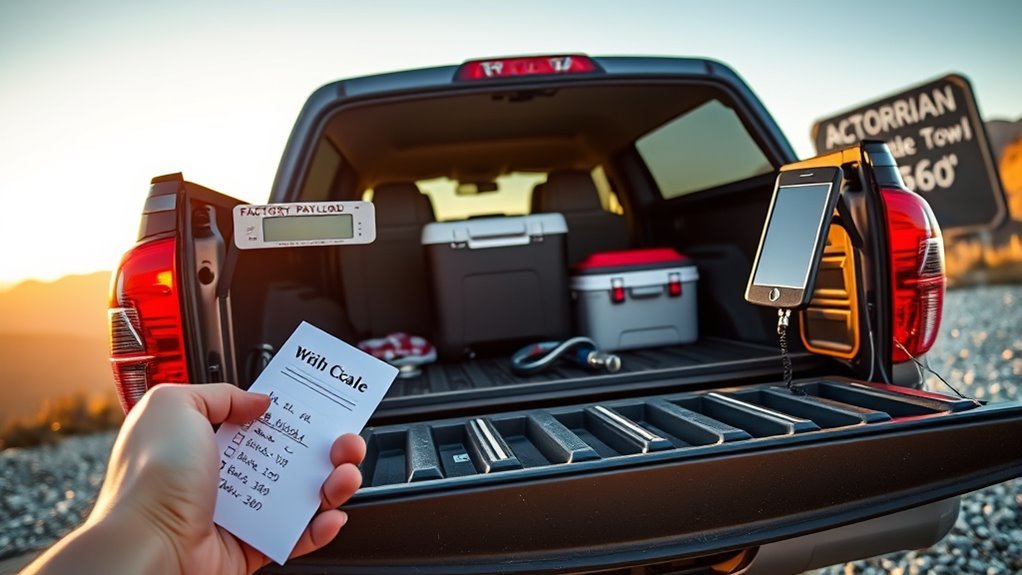
A certified public scale gives you the clearest view of your truck’s real weight. Weigh the truck alone first, then weigh it again with passengers, cargo, and trailer attached. Record front axle, rear axle, and total weights when the scale provides them.
Compare each number with the truck’s ratings. Check GVWR, gross axle weight ratings, tire load ratings, hitch rating, and gross combined weight rating if you tow. Do not use only one rating while ignoring the others.
Place cargo low and near the center of the truck when you can. Secure loose items so they do not shift. If your trailer setup calls for one, use a properly adjusted weight distribution hitch.
Pro tip: Re-weigh after major load changes because one passenger, cooler, or toolbox can change your rear axle load.
[Products Worth Considering]

The CURT 17200 Trailer Sway Control Kit helps limit lateral trailer movement to improve towing stability and control. It is designed to work with most weight distribution hitches or a sway tab mount, and includes a weld-on tab, spacer plate, and adjustable hardware for flexible installation. Built for smoother, straighter towing, it helps reduce sway and makes towing more confident on the road.

This custom-fit truck bed mat is designed for 2022 and newer Toyota Tundra models with a 5.5-foot bed, delivering full coverage and a precise contour match. Its anti-slip surface and reinforced edge walls help keep cargo secure while protecting against water, dirt, and everyday wear. Easy to install and remove, it is also compatible with trucks that use the factory plastic bed liner.

This custom-fit truck bed mat is designed for the short bed of Toyota Tundra models from 2022 to 2026, helping protect the bed and keep cargo in place. Its anti-slip surface reduces shifting on rough roads, while the extra-thick TPE construction resists wear, scratches, and damage. Installation is quick and easy with no drilling or cutting required, making it a practical upgrade for everyday hauling.
Common Payload Mistakes to Avoid
Many payload errors start with one bad assumption. You may think the bed rating, tow rating, and payload rating mean the same thing. They do not.
- Do not ignore passengers when you calculate payload.
- Do not count only bed cargo and forget hitch weight.
- Do not assume a higher tow rating means a higher payload rating.
- Do not install heavy accessories without subtracting their weight.
- Do not trust unloaded trailer weight when you tow a loaded trailer.
Use measured loaded weights whenever possible. That habit protects the truck, the trailer, and everyone riding with you.
Frequently Asked Questions
How Much Payload Can a Toyota Tundra Carry?
A Toyota Tundra’s payload depends on the exact truck. Trim, cab, bed, drivetrain, and options can all change the number. Check the door-jamb payload label before you load.
How Do I Calculate Payload Capacity?
Subtract the truck’s actual scale weight from GVWR to find remaining payload. Then subtract passengers, cargo, trailer tongue weight, and accessories from that number. Use the door-jamb label for your truck’s rated limit.
How Much Weight Can a Toyota Tundra Carry in the Bed?
The bed can carry only the payload left after you count passengers, cab cargo, hitch weight, and accessories. Do not treat the full payload label as bed-only capacity. Check axle and tire ratings when the bed carries heavy loads.
Does Trailer Tongue Weight Count Against Payload?
Yes. Trailer tongue weight presses down on the truck, so it counts against payload. It can also raise rear axle load faster than you expect.
Should I Use Curb Weight or Scale Weight?
Use scale weight when you need the most accurate answer. Curb weight helps with rough planning, but it may not include your fuel level, accessories, tools, passengers, or cargo.
Conclusion
Your safest payload number comes from your truck’s labels and real scale weights, not brochure claims. Start with the door-jamb payload label, subtract every person and item, and verify axle loads before heavy trips. When you measure instead of guess, your Tundra can haul and tow with more control, better balance, and less risk.