You should follow a mileage-based plan to protect your Tundra: at 5–10k do an oil and filter change, tire rotation and multi-point check; at 15–30k replace cabin and engine air filters and inspect belts, hoses and fluids; at 30–60k service the transfer case and differentials and monitor coolant; at 60–120k+ prioritize transmission service, timing components, coolant flushes and spark plug replacement; if you tow or run severe duty, shorten intervals for oil, trans and diff — keep going to see specifics.
5k–10k: Tundra Maintenance – Oil, Tire Rotation & Inspection
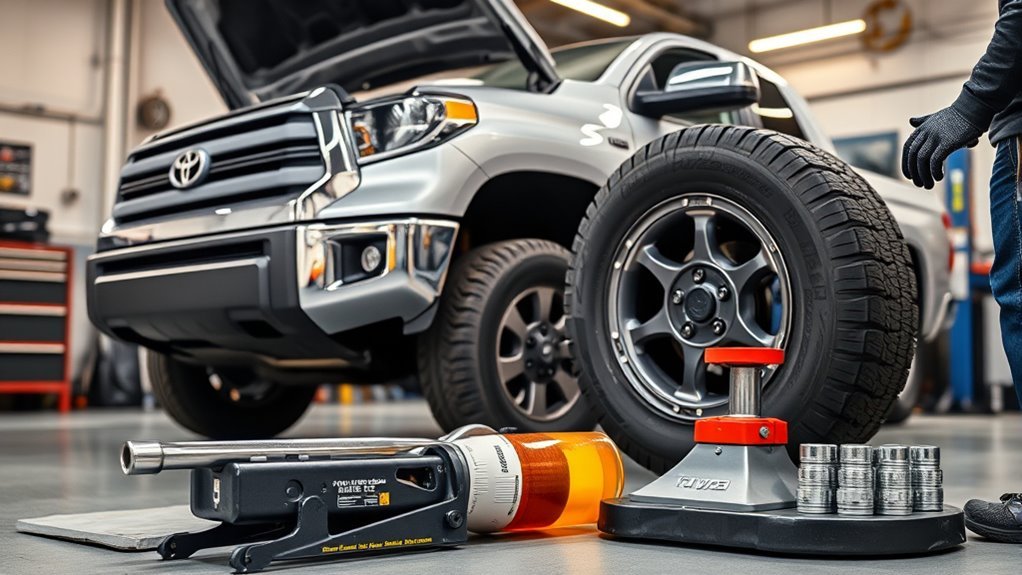
At 5,000 miles you’ll get your first service: an oil and filter change, tire rotation, and a multi-point inspection to catch issues early. You’ll leave knowing fluids, brakes, belts, and hoses were checked for immediate safety and performance. Track that service: it’s the first proof of stewardship that preserves resale value and your freedom to drive without surprise repairs.
You’ll schedule oil change and tire rotation intervals every 10,000 miles thereafter to sustain engine function and tire longevity. At each 5,000-mile stop, the technician checks the engine air filter and replaces it if needed to keep air intake efficient and fuel use minimal. You’ll use concise records from 5k to 10k to spot trends—leaks, abnormal brake wear, or early belt fatigue—so you can act before faults constrain you. This methodical approach gives you control, lowers long-term costs, and keeps the Tundra aligned with your independent plans.
15k–30k: Cabin & Engine Filters, Belts, and Multi-Point Check
By 30,000 miles you’ll replace both the cabin and engine air filters and perform a thorough multi-point inspection of belts, hoses, fluids, and general vehicle condition to prevent wear-related failures and preserve performance. You’ll follow a clear checklist: swap the cabin filter to keep interior air clean and the engine air filter to sustain airflow and fuel efficiency. Filter replacement at this interval protects components and your freedom to drive without avoidable issues.
Next, you’ll inspect belts and hoses for cracks, glazing, or play; replace any showing wear. Check all fluid levels—engine oil, brake, transmission, coolant, and power steering—and top or service as needed. The multi-point check also reviews tire condition, lights, battery terminals, and underbody for leaks or damage. You’ll document findings and address faults promptly. This disciplined approach, rooted in inspection importance, preserves reliability, extends service life, and keeps your Tundra ready for the road ahead.
30k–60k: Transfer Case, Differential, and Cooling System Service
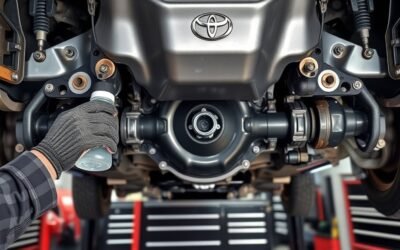
Every 30,000 miles you should service the transfer case and differential and schedule a coolant refresh within the 60k–100k range to keep your Tundra operating reliably under load. You’ll perform transfer case maintenance every 30k, replacing fluid to preserve gear engagement and seal integrity, especially if you tow or drive in harsh conditions. Do the differential oil change at the same interval to maintain lubrication, prevent wear, and avoid costly failures.
Track mileage and log services so maintenance stays intentional, not reactive. When you refresh engine coolant between 60k and 100k miles, you’ll reduce corrosion, prevent overheating, and protect hoses, radiators, and head gaskets. Use OEM or equivalent fluids and follow torque specs during reassembly. If you notice leaks, grinding, or overheating before intervals, act immediately. Regular, disciplined service extends component life, keeps performance predictable, and frees you from breakdowns that limit where and how you go.
60k–120k+: Transmission Service, Spark Plugs & Long-Term Replacements
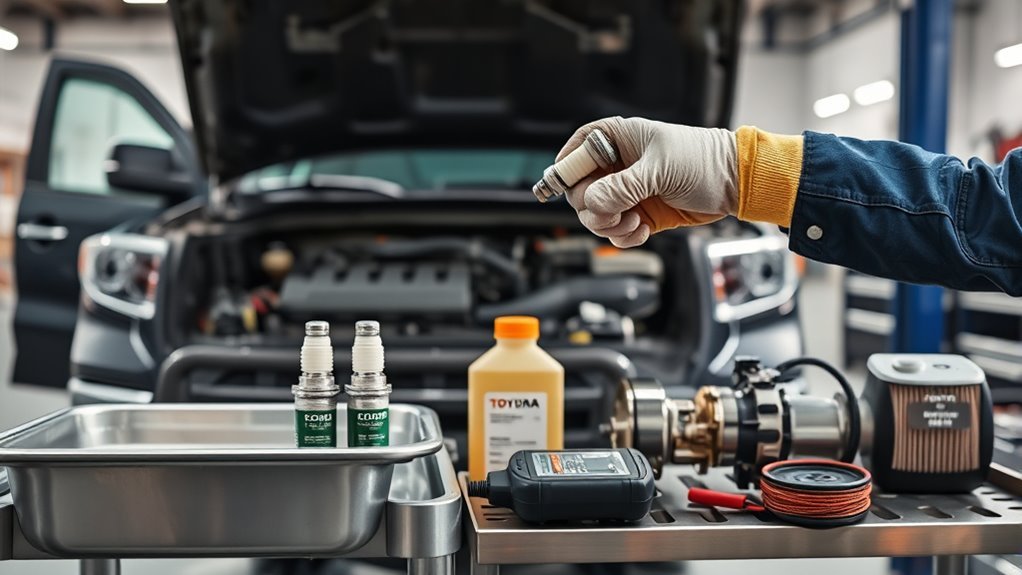
Having kept your transfer case, differential, and cooling system on schedule, it’s time to address longer‑interval items that keep the Tundra running reliably past 90k miles. You’ll prioritize transmission service for transmission longevity: change fluid at 60k if you tow, 90k if you don’t, preventing wear and costly failures. At 90k, inspect timing chain/belt and battery; replace as needed to sustain freedom from breakdowns. Flush coolant at 100k to avoid overheating. Replace spark plugs at 120k to restore spark plug efficiency and maintain engine performance.
| Service | Interval |
|---|---|
| Transmission fluid (non-tow) | 90,000 miles |
| Transmission fluid (towing) | 60,000 miles |
| Spark plugs | 120,000 miles |
Act methodically: schedule these services, document dates, and choose quality parts. You’ll extend vehicle life, reduce surprises, and keep your Tundra ready for the roads you choose to take.
Severe Duty & Towing: Shortened Intervals and Extra Services
If you regularly tow or drive in severe conditions, shorten service intervals and add checks to prevent accelerated wear: change engine oil every 2,500–5,000 miles, cutting the standard interval in half to protect engine life under stress. Service differential oil every 15,000 miles instead of 30,000 to keep gearsets robust when hauling heavy loads. Plan transmission fluid changes at 30,000–60,000 miles for towing use to avoid overheating and premature wear. Perform frequent fluid monitoring—coolant, brake, and power steering—to spot contamination or low levels early. Inspect brakes, pads, rotors, and lines at shorter intervals; heavy loads accelerate wear and heat cycling. Verify towing accessories for secure mounts, wiring integrity, and connector corrosion each service visit. These targeted steps reduce failure risk, prevent costly repairs, and extend your Tundra’s operational freedom. Be proactive: log services, adhere to the tightened schedule, and treat fluid monitoring and towing accessories checks as essential, not optional.
Frequently Asked Questions
How Does Warranty Affect Required Maintenance Scheduling?
Your warranty coverage often requires you to follow maintenance intervals precisely; you’ll preserve protection by documenting services, using approved parts, and addressing issues promptly, so you retain freedom from unexpected costs and maintain control over repairs.
Which Fluids Require Toyota-Approved Specifications?
You need Toyota-approved specifications for engine oil, transmission fluid, differential gear oil, brake fluid, and coolant; follow fluid types and maintenance intervals precisely, and you’ll liberate yourself from breakdowns while preserving warranty and peak performance.
Can Aftermarket Parts Be Used for Major Services?
Yes — you can, but choose wisely. Aftermarket compatibility varies; pick certified, high-quality parts to protect warranties and performance. Doing so lowers service cost, but don’t sacrifice reliability for immediate savings if you value freedom.
How to Reset Maintenance Reminder Lights on a Tundra?
You reset maintenance reminder lights by following the reset procedure: turn ignition on, cycle through display to maintenance alerts, press and hold trip/reset until it clears. You’ll reclaim control and freedom from nagging reminders.
Are Roadside Assistance and Maintenance Plans Recommended?
Yes—you should consider them: roadside benefits free you from stress and delays, while maintenance plans cap maintenance costs, letting you control expenses methodically so you can travel freely and focus on what truly matters.
Conclusion
Think of your Tundra as a seasoned traveler: follow the map—5k checks, 15–30k filters and belts, 30–60k driveline and cooling care, 60–120k major swaps—and you’ll keep it moving. If you tow or work hard, tighten the route and add stops. You’ll prevent surprises, extend life, and keep performance true. Stay methodical, keep records, and you’ll guide your truck like a steady hand on a long, sure road.