Your Tundra’s hybrid battery cooling system keeps pack temperatures low by channeling air through a dedicated fan and replaceable OEM filter, preserving performance and preventing thermal degradation. You should inspect and clean the filter every 20,000 miles (more often under idling or extreme climates), blow compressed air opposite airflow, and check coolant yearly. Watch for rising pack temps, reduced electric assist, or loud fans. Use genuine Toyota filters for fit, warranty, and ideal airflow—more details follow.
Inspect and Clean the Tundra Hybrid Battery Fan Filter

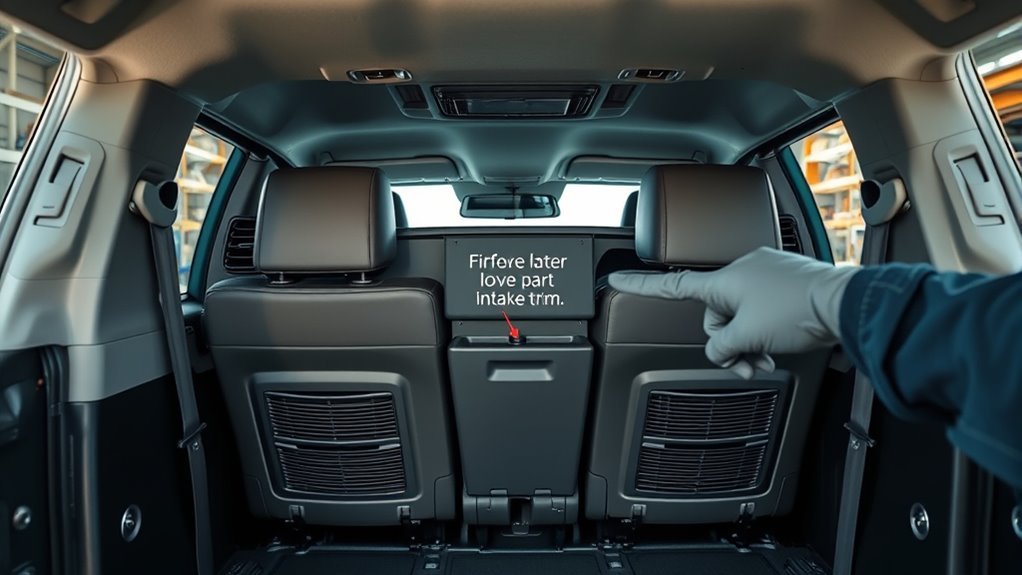
Start by locating and removing the Phillips head screw securing the hybrid battery fan filter cover; pry the cover off carefully to avoid scratches and expose the filter for inspection. You’ll perform filter maintenance with deliberate actions: inspect the element for debris that restricts airflow, assess for tears, and note fiber compaction. Use compressed air blown opposite the normal airflow direction to dislodge trapped particles; hold the nozzle steady and keep a safe distance to avoid damage. After cleaning, orient the filter with the ridge side facing you, seat the left and right tabs first, then click in the top and bottom tabs to secure it. Reinstall the cover and tighten the Phillips head screw to spec. These steps restore airflow optimization, preserve battery cooling efficiency, and reduce overheating risk. You’ll move confidently, knowing each precise gesture protects system performance and advances your control over vehicle resilience.
Signs Your Battery Fan or Filter Needs Service
How can you tell the Tundra Hybrid’s battery fan or filter is struggling? You’ll notice measurable symptoms: rising pack temperature during normal driving, reduced electric assist, and diminished hybrid performance. These indicate the cooling system isn’t removing heat effectively — often due to airflow blockage in the filter or degraded fan performance.
Check for dashboard warnings related to battery or engine systems; they can signal immediate service needs. If the fan sounds labored or louder than usual, or if you feel heat soak after short runs, act quickly. Overheating shortens battery life and constrains power output, limiting your vehicle’s freedom and reliability.
You should perform routine inspections and document baseline temperatures and fan noise so deviations stand out. Prioritize service when multiple indicators align: higher temperatures, warning lights, and performance loss. Addressing fan performance and airflow blockage restores cooling capacity and preserves the hybrid system’s efficiency and your autonomy on the road.
Step‑by‑Step: Remove, Clean (Compressed Air), and Reinstall the Filter
Before you remove the cover, loosen the Phillips screw and pry the panel forward with a plastic trim tool so you can access the hybrid battery fan filter without damaging the housing. Remove the cover toward the front, extract the filter, and inspect it for debris; contaminants impede airflow and reduce battery cooling effectiveness. For filter maintenance, use compressed air directed opposite the normal airflow to dislodge trapped particles; hold the nozzle 4–6 inches away and use short bursts to avoid deforming the media. Tap the filter gently to dislodge larger debris, then reapply compressed air if needed. When reinstalling, orient the ridge side toward you, seat the left and right tabs first, then secure the top and bottom tabs to guarantee a sealed fit. Replace the cover and tighten the Phillips screw. You’ll restore airflow efficiency and reclaim control over cooling performance with this disciplined, repeatable procedure.
When to Service Fan, Filter, and Coolant (Miles/Time & Special Conditions)
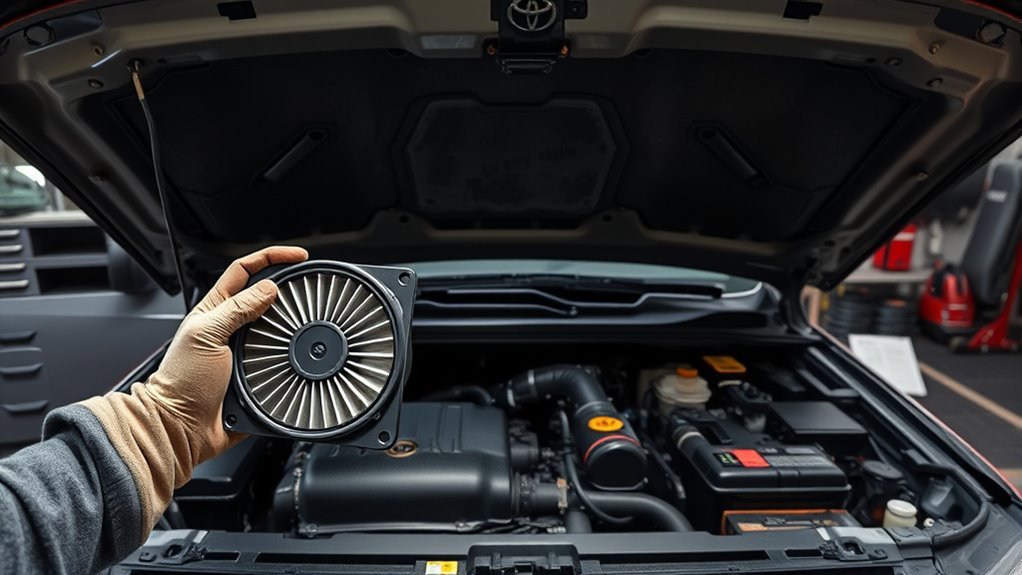
You should inspect and clean the hybrid battery fan filter every 20,000 miles and follow a time‑based coolant check at least every 12 months or per Toyota’s schedule. Monitor for overheating, reduced performance, extreme ambient temperatures, or frequent towing, as these conditions require earlier service. Track mileage and calendar intervals in your maintenance log to trigger proactive inspections and coolant replacement.
Service Intervals By Mileage
Start servicing the hybrid battery cooling components—fan, filter, and coolant—at roughly every 20,000 miles to preserve performance and longevity, with more frequent inspections of the fan filter when you do a lot of low-speed driving or prolonged idling. You’ll see clear mileage effects on cooling efficiency; regular attention reflects maintenance importance for reliability and warranty compliance. Check filters visually and replace with OEM parts when soiled. Verify coolant level and top with specified fluid to prevent thermal degradation.
- At ~20,000 miles: full inspection, filter check, coolant level verification.
- Under heavy idling/low-speed use: inspect filter every 5,000–10,000 miles.
- Replace filter only when accumulation visible; prioritize OEM filters.
- Monitor coolant in extreme climates more often; act on any drop.
Time-Based Maintenance Schedule
When driving regularly, plan time-based checks of the Tundra’s hybrid battery cooling system to prevent thermal stress and preserve warranty coverage: inspect the system every 20,000 miles (or roughly every 12–18 months depending on use), replace the fan filter at 20,000 miles or sooner under heavy idling/low-speed conditions, and verify coolant condition and level at least every 50,000 miles—shorten intervals for severe duty like towing or operations in extreme temperatures, and document all work. You should follow these battery maintenance tips to sustain hybrid performance optimization: schedule inspections, swap the fan filter on time, and record dates, mileage, and parts used. For heavy-use or harsh climates, increase frequency and retain receipts to protect warranty and system life.
Special Conditions Monitoring
Although the Toyota manual doesn’t list fixed cleaning intervals, monitor the hybrid battery fan, filter, and coolant closely after roughly 20,000 miles and sooner under special conditions—frequent short trips, prolonged idling/low-speed use, extreme temperature swings, or dusty environments—because these increase debris buildup and thermal load; inspect the fan for proper operation, replace the filter at 20,000 miles or earlier if clogged, and check coolant level/condition at least every 50,000 miles or more often in harsh duty to prevent elevated battery temperatures and premature degradation.
- Inspect fan operation after extensive idling or low-speed driving to avoid overheating.
- Replace filter sooner when you encounter heavy dust or debris in driving conditions.
- Check coolant level and clarity at intervals shortened by temperature fluctuations.
- Prioritize inspections after frequent short trips to preserve battery life and freedom from failure.
Why Cooling Matters for Tundra Hybrid Battery Life and Performance
Because the Tundra’s hybrid battery generates significant heat during use, its cooling system is essential to maintain performance and extend service life; effective cooling enables faster charging, preserves efficiency across climates, and prevents the accelerated degradation that results from sustained high temperatures. You rely on cooling efficiency to keep cell temperatures within the ideal window, which directly influences charge acceptance rates and usable capacity. When airflow is unobstructed and the fan and filter are maintained, the pack sustains higher power output without thermal rollback. Poor cooling accelerates chemical aging, reducing battery lifespan and forcing conservative power management that limits performance. In harsh climates or heavy-load scenarios, a robust cooling strategy preserves predictable behavior and lets you exploit the Tundra’s hybrid capabilities without fear of premature failure. Maintain the cooling components proactively: it’s a direct, technical intervention that protects your energy reserve, maximizes service life, and keeps your vehicle liberated from avoidable thermal compromise.
Why Use OEM Toyota Filters : Warranty, Fit, and Where to Buy
Keeping the cooling system effective means using the right parts—starting with the fan filter that controls airflow through the hybrid pack. You want parts that match Toyota’s specifications so the cooling path, pressure drop, and containment align with design intent. OEM Benefits include assured Filter Quality and dimensional accuracy, which minimizes leak paths and resistance that raise pack temperature.
You also protect your warranty: Toyota recognizes genuine parts, while aftermarket pieces can void coverage on related components. For fast replacement and peace of mind, Olathe Toyota Parts Center stocks OEM hybrid battery fan filters with a 12-month, unlimited mileage warranty and same-day shipping.
- Exact-fit filter geometry preserves designed airflow and minimizes hotspots.
- Media and sealing materials meet Toyota’s thermal and particulate standards.
- Warranty-backed supply prevents coverage disputes after service.
- Same-day shipping gets you back on the road quickly, maintaining reliability and autonomy.
Frequently Asked Questions
What Does It Mean Maintenance Required Hybrid Battery Cooling Parts?
It means you must perform battery maintenance on cooling parts—inspect, clean or replace fan filters and fans using OEM parts—to restore cooling efficiency, prevent overheating, preserve battery life, and retain warranty protection for your autonomy.
Can I Drive With Cooling Performance of the Hybrid Battery Low?
You shouldn’t—driving with low cooling performance risks overheating, reduces battery efficiency, and may trigger power limits; you’ll want to stop, inspect or repair the cooling system promptly to preserve range, performance, and battery life.
Conclusion
Keeping your Tundra hybrid’s battery cooling system clean and serviced isn’t optional—it’s mission‑critical. Inspect the fan filter frequently, and if you spot clogging, noise, or reduced airflow, remove, blow out with compressed air, and reinstall or replace with OEM parts to maintain fit, warranty, and performance. Service the fan, filter, and coolant per Toyota intervals or sooner under dusty, hot, or towing conditions. A stitch in time saves batteries.