Your Toyota Tundra Hybrid/i-FORCE MAX uses a dedicated air intake path and cooling fan to help manage traction battery temperature. Toyota’s owner guidance is clear: visually inspect the hybrid battery air intake vents periodically, clean them when dusty or clogged, and clean immediately if the “Maintenance Required for Traction Battery Cooling Parts See Owner’s Manual” message appears. This guide explains the safe DIY cleaning method, the warning signs to watch for, and when to stop and involve a Toyota dealer.
Quick Answer
Clean the Tundra Hybrid battery cooling intake by turning the power switch off, removing the intake cover, and vacuuming dust from the vent/filter area. Do not use compressed air or water. Inspect more often in heavy traffic, dusty areas, pet-hair conditions, or whenever the traction-battery cooling warning appears.
Key Takeaways
- Toyota tells owners to inspect the hybrid battery air intake vents periodically and clean them when dusty, clogged, or when the cooling-parts maintenance message appears.
- Use a vacuum to remove debris. Toyota warns against blowing dust inward with an airgun or compressed air.
- The traction battery cooling intake is an air-flow item; coolant service is a separate engine/inverter/intercooler maintenance item.
- A damaged, torn, or deformed filter should be replaced with the correct part or inspected by a Toyota dealer.
- Aftermarket parts do not automatically void a warranty, but damage caused by a poor-quality part or improper repair may not be covered.
At a Glance
| Time Required | 10–20 minutes for inspection and cleaning |
| Difficulty | Easy DIY if the vent cover is accessible and undamaged |
| Tools Needed | Vacuum with crevice or soft brush attachment, flashlight, clean microfiber cloth, plastic trim tool, and a Phillips screwdriver if your cover uses a screw |
| Cost | Usually $0 for cleaning; replacement filter cost varies by model year and part source |
Warning: Turn the power switch off before cleaning. Do not use water or other liquids near the hybrid battery air intake, and do not touch the service plug or any high-voltage component. This is a vent/filter cleaning guide, not a high-voltage battery repair procedure.
Inspect and Clean the Tundra Hybrid Battery Air Intake Filter

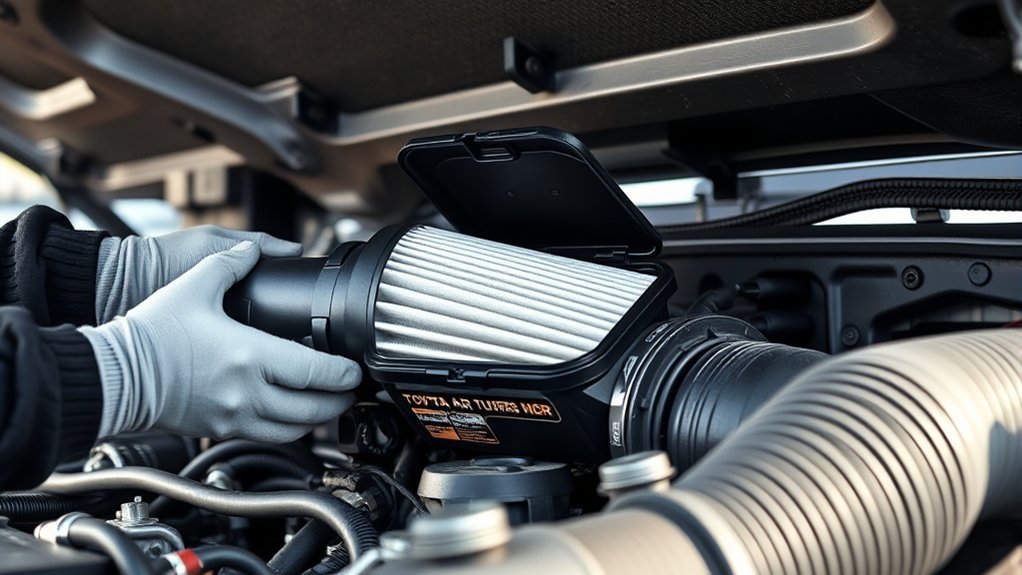
Start with the safe method Toyota describes in its Tundra Hybrid owner’s manual: visually inspect the hybrid battery air intake vents for dust and clogs, then clean the area when debris is present or the maintenance warning appears. Depending on model year and trim, the cover may pull free from retaining claws or may use a small screw. Work slowly so the cover, tabs, and filter media are not damaged.
If your cover uses a Phillips screw, remove the screw first. If the cover is retained by clips, pull only in the direction shown in the owner’s manual for your model year. Once the cover is off, use a flashlight to check for lint, pet hair, sand, dust, leaves, or anything blocking airflow. A light film of dust can usually be removed with a vacuum; a torn, crushed, or heavily packed filter should be replaced or inspected by a Toyota dealer.
Clean with a vacuum and a gentle attachment. Keep the nozzle close enough to lift debris, but do not scrape or deform the filter media. If the filter is removable on your model year, handle it by the edges, vacuum both sides gently, and reinstall it in the same orientation. Refit the cover by seating the tabs evenly, then reinstall the screw if equipped.
Note: Toyota’s older Tundra Hybrid manual wording specifically warns owners not to blow dust into the intake with an airgun. Vacuuming pulls debris out; compressed air can push debris deeper into the cooling path.
[Products Worth Considering]

This cordless BLACK+DECKER dustbuster makes everyday cleanup quick and convenient at home or in the car. Its rotating slim nozzle, pull-out crevice tool, and flip-up brush help reach tight spaces and clean upholstery, while cyclonic action and a 16V MAX lithium-ion battery deliver strong, consistent suction. The translucent washable dirt bowl empties easily for mess-free disposal and simple maintenance.

This Levoit cordless stick vacuum delivers powerful everyday cleaning with anti-tangle technology designed to handle pet hair with less hassle. It offers up to 50 minutes of runtime in Eco mode, flexible 180° flat reach for cleaning under furniture, and a 5-stage filtration system that captures fine particles for cleaner air. The lightweight design, LED lighting, and included pet and crevice tools make it a practical choice for quick dry-mess cleanup throughout the home.

This Toyota replaceable air filter element is designed to help keep your engine intake clean by effectively removing contaminants. Built for reliable fit and routine maintenance, it supports cleaner airflow and helps protect engine performance over time. It is a practical replacement part for drivers looking to maintain proper filtration in compatible Toyota vehicles.
Signs Your Battery Fan or Filter Needs Service
The clearest sign is the message “Maintenance Required for Traction Battery Cooling Parts See Owner’s Manual” on the multi-information display. Toyota says to clean the air intake vents immediately when this message appears because continued driving with the warning displayed may lead to hybrid battery output restriction or malfunction.
You may also notice the cooling fan running louder than normal, reduced electric assist, shorter EV-only operation, lower fuel economy, or weaker hybrid response under load. These symptoms do not prove the filter is the only problem, but they do justify an inspection of the intake area and a scan by a qualified technician if the symptoms continue.
Owners usually cannot see traction-battery temperature directly without diagnostic data. For that reason, do not rely only on “feel.” If the dashboard warning appears, if the fan stays loud after cleaning, or if hybrid performance remains limited, schedule service.
[Products Worth Considering]

This A-Premium engine air filter is designed to help maintain clean airflow for compatible Lexus and Toyota vehicles, supporting better engine performance and efficiency. It uses fine filtration media to capture debris while minimizing airflow restriction, making it a practical replacement for routine maintenance. With fitment for multiple popular models and a convenient boxed single-pack design, it offers a straightforward solution for keeping your engine protected.

This dual filter kit helps keep your vehicle running and riding cleaner by replacing both the engine air filter and cabin air filter at the same time. It is designed for a range of Toyota and Lexus hybrid models, helping support engine performance while reducing odors and airborne particles inside the cabin. Built with high-quality filtration materials, it offers a convenient maintenance solution for routine filter replacement.

This cabin and engine air filter kit is designed for a wide range of compatible Toyota, Scion, and Pontiac models, helping improve airflow and keep your HVAC and engine systems cleaner. The activated carbon cabin filter helps reduce odors and trapped debris, while the engine air filter supports efficient performance with extended service life. It is easy to install and offers a convenient replacement solution for routine vehicle maintenance.
Step-by-Step: Remove, Vacuum, and Reinstall the Filter
- Park safely and power down. Park on a level surface, set the parking brake, and turn the power switch off before touching the intake cover.
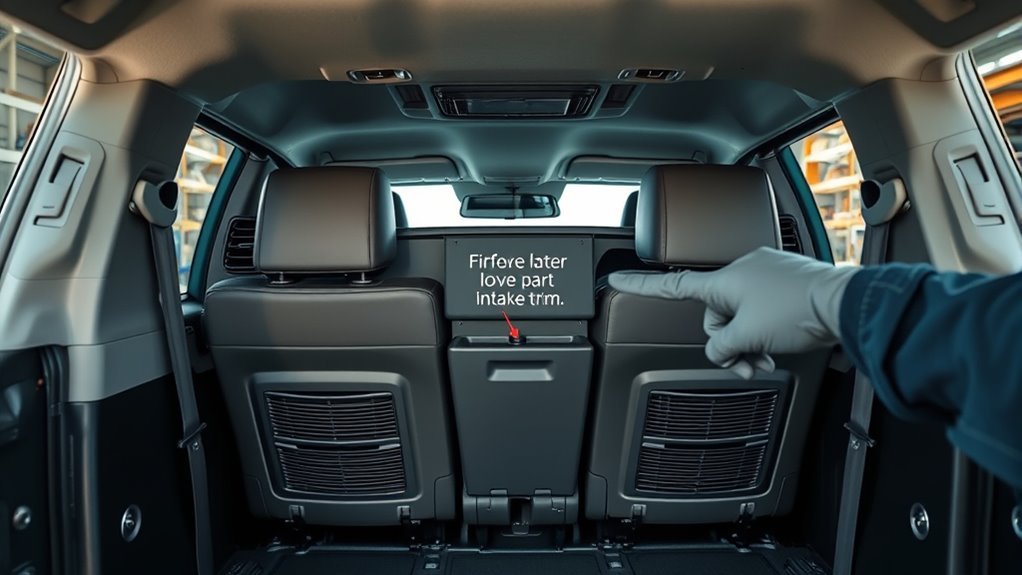
- Find the hybrid battery air intake cover. On Tundra i-FORCE MAX models, the sealed Ni-MH traction battery is located under the rear passenger-seat area, so the intake area is generally in the rear cabin area. Check your owner’s manual for the exact cover location and removal direction.
- Remove the cover carefully. Release the retaining claws or remove the Phillips screw if your model uses one. Use a plastic trim tool only if needed to avoid scratching the panel.
- Inspect before cleaning. Look for dust, lint, pet hair, torn filter media, broken tabs, loose trim, or foreign objects that could block airflow.
- Vacuum the debris out. Use a vacuum with a crevice or soft brush attachment. Do not use compressed air, shop air, water, cleaners, or solvents.
- Clean the surrounding area. Wipe nearby plastic trim with a dry microfiber cloth so loose debris does not fall back into the intake.
- Reinstall the filter and cover. Seat the filter in its original orientation, align all tabs, and make sure the cover is secure. Reinstall the screw if equipped.
- Check the warning message. Start the hybrid system and confirm the message clears. Toyota notes on older Tundra Hybrid guidance that it may take about 20 minutes after startup for the message to disappear. If it stays on, have the vehicle inspected by a Toyota dealer.
Pro Tip: Add this inspection to your normal 5,000-mile or six-month maintenance routine. It takes less than a minute to look for lint and pet hair, and it can prevent a cooling warning later.
When to Service Fan, Filter, and Coolant
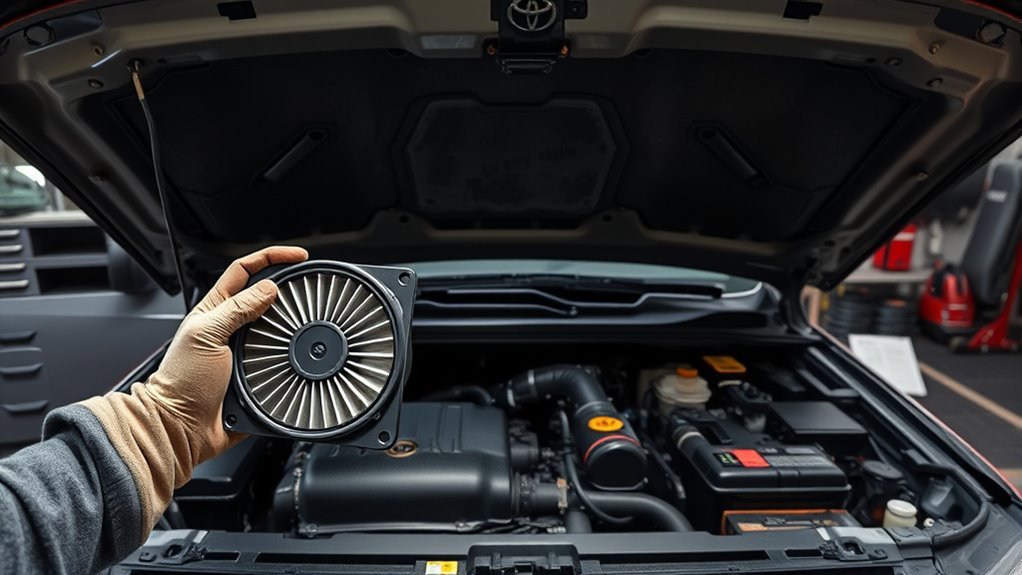
Treat the hybrid battery intake as an inspection-and-cleaning item rather than a fixed “replace every 20,000 miles” item. Toyota tells owners to inspect the vents periodically and clean when dusty, clogged, or when the cooling-parts warning appears. Toyota’s 2026 Warranty & Maintenance Guide also recommends scheduled maintenance every 5,000 miles or six months, whichever comes first, which is a practical time to inspect the battery intake area.
Service Intervals by Mileage
| When | What to Do | Why It Matters |
|---|---|---|
| Every 5,000 miles or 6 months | Visually inspect the hybrid battery air intake vent/filter area while doing regular maintenance. | Toyota uses this cadence for scheduled maintenance, and it is an easy reminder for airflow checks. |
| Heavy traffic, dusty roads, desert areas, frequent idling, or pet hair exposure | Inspect more often and vacuum debris as soon as it appears. | Toyota notes that heavy traffic and dusty conditions can require more regular intake-vent maintenance. |
| Warning message appears | Clean the air intake vents immediately using a vacuum. | Continued driving with the warning displayed may lead to output restriction or malfunction. |
| Filter is torn, crushed, or still clogged after vacuuming | Replace the filter with the correct part or ask a Toyota dealer to inspect it. | A damaged filter may not seal or flow correctly. |
Time-Based Maintenance Schedule
If you drive low miles, do not wait years to inspect the intake. Toyota’s maintenance guide says low-mileage drivers should still use the six-month schedule for regular maintenance. A quick vent inspection during that visit helps catch pet hair, lint, and cabin debris before they trigger a warning.
Coolant maintenance is separate from cleaning the hybrid battery air intake. The Tundra Hybrid traction battery is cooled through an air intake and fan path, while the maintenance guide lists engine/inverter/intercooler coolant checks and replacements separately. For engine/intercooler coolant where applicable, Toyota lists initial replacement at 100,000 miles or 120 months, then every 50,000 miles or 60 months after that. Follow the exact guide for your model year and drivetrain.
Special Conditions Monitoring
Inspect more often when the truck spends a lot of time in stop-and-go traffic, dusty job sites, dirt roads, desert conditions, or with pets in the cabin. These conditions can load the intake screen or filter faster than normal commuting.
- Check the intake area after hauling dusty cargo or driving on unpaved roads.
- Vacuum pet hair before it mats into the screen or filter media.
- Keep bags, jackets, floor mats, and rear-seat cargo away from the intake area.
- Do not ignore a loud cooling fan if it appears together with reduced hybrid power or a warning message.
Why Cooling Matters for Tundra Hybrid Battery Life and Performance
The Tundra i-FORCE MAX uses a 288V sealed nickel-metal hydride traction battery under the rear passenger seats, according to Toyota USA Newsroom. During acceleration, regenerative braking, towing, and low-speed driving, the hybrid system charges and discharges that battery repeatedly. Clean airflow helps the system control temperature so electric assist and charging can stay consistent.
When the intake is clogged, the fan has to work harder and the battery control system may limit charging or discharging to protect the pack. Toyota’s owner manual notes that if charging/discharging becomes limited, electric-motor driving distance and fuel economy may be reduced. In plain terms: a clogged intake can make the truck feel less responsive and less efficient.
Clean airflow is cheap protection: it helps the traction battery stay within its designed temperature range and reduces the chance of warning messages, output limits, and unnecessary dealer visits.
Why Use OEM Toyota Filters: Warranty, Fit, and Where to Buy
For this part of the hybrid system, fit matters. The filter or intake screen must sit correctly so air flows through the intended path instead of around a gap. Toyota’s maintenance guide says Toyota Genuine Parts are designed to the vehicle’s exact specifications, which is why OEM parts are the safest default when a filter is damaged or must be replaced.
Warranty language should be stated accurately. The FTC’s consumer warranty guidance says simply using an aftermarket or recycled part does not void a warranty. However, Toyota does not have to cover damage or failures caused by improper maintenance, improper repairs, or parts that cause a related failure. The practical approach is simple: use the correct part, keep receipts, document mileage, and avoid forcing or modifying the intake cover.
- Choose OEM when possible: it reduces fit, sealing, and airflow uncertainty.
- Keep records: note the date, mileage, and whether you cleaned or replaced the filter.
- Do not modify the intake: cutting, drilling, or removing parts can create new airflow and warranty problems.
- Ask the dealer if unsure: broken tabs, repeated warnings, or a damaged filter are good reasons to stop DIY work.
[Products Worth Considering]
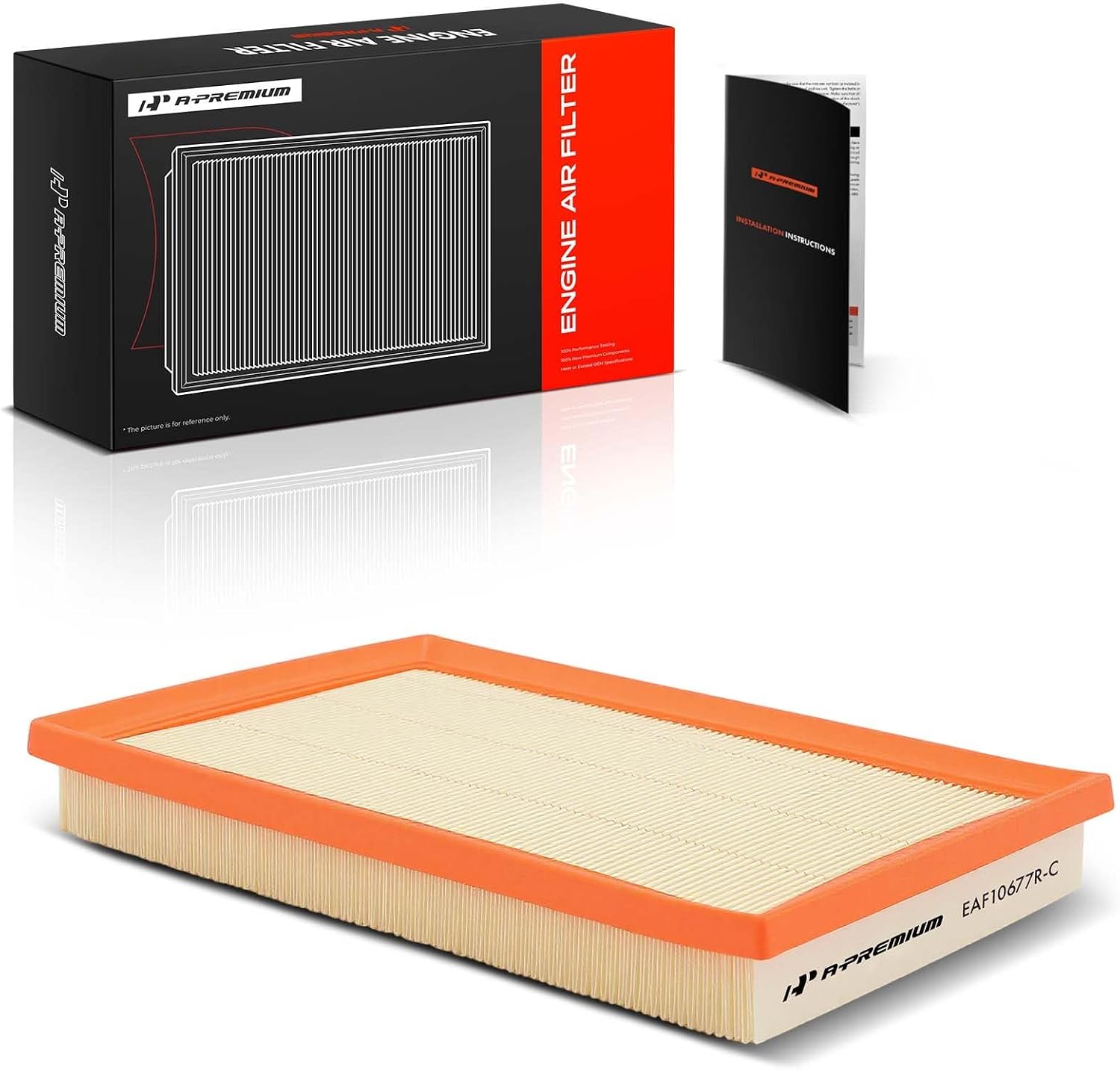
This A-Premium engine air filter is designed to replace the factory filter on select Toyota and Lexus vehicles, helping keep harmful debris out of the engine intake system. Its cellulose filter media supports cleaner airflow, improved engine performance, and longer engine life. Built as a direct-fit replacement, it offers dependable maintenance for compatible models with the recommended service interval.

KAX CA12377 Premium Engine Air Filter is designed as a replacement for select Toyota and Lexus vehicles, helping keep harmful particles out of the engine while supporting steady airflow. Its high-efficiency filtration and longer service life can help improve acceleration, maintain consistent performance, and support better fuel economy. Built for broad vehicle coverage, it offers dependable protection for everyday driving and extended maintenance intervals.

This 12-pack oil filter and drain plug washer set is designed for a wide range of Toyota and Scion vehicles, helping support clean oil flow and dependable engine performance. It replaces several common OE part numbers and offers an easy-fit solution for routine maintenance. Built with corrosion-resistant materials and efficient filtration, it helps keep engine contaminants out and supports longer service life.
Frequently Asked Questions
What does “Maintenance Required for Traction Battery Cooling Parts See Owner’s Manual” mean?
It means the hybrid battery cooling air intake vents may be dusty or clogged and need attention. Turn the vehicle off, inspect the intake area, and clean it with a vacuum. If the message does not clear after cleaning and driving/operation time, have the truck inspected by a Toyota dealer.
Can I drive with low hybrid battery cooling performance?
A short, careful drive to a safe place or service location may be necessary, but do not ignore the warning. Toyota warns that continued driving with the cooling-parts message displayed may lead to hybrid battery output restriction or malfunction. Clean the intake immediately and schedule service if the warning remains.
Should I use compressed air to clean the Tundra Hybrid battery filter?
No. Use a vacuum. Toyota warns that a compressed-air blow gun can push dust and clogs into the air intake, which may affect hybrid battery performance and cause a malfunction.
How often should I inspect the hybrid battery cooling intake?
Toyota says to inspect periodically and clean when dusty, clogged, or when the warning appears. A practical habit is to inspect at every 5,000-mile or six-month maintenance visit, and more often if you drive in dusty areas, heavy traffic, or carry pets.
When should I replace the filter instead of cleaning it?
Replace it if the filter media is torn, crushed, deformed, missing, or still clogged after gentle vacuuming. If you are not sure the cover or filter is seated correctly, have a Toyota dealer inspect it.
Conclusion
Keeping the Tundra Hybrid battery cooling intake clean is simple, but the method matters. Inspect the vent/filter area regularly, vacuum debris out, and never use compressed air or water. Clean immediately if the traction-battery cooling maintenance message appears, and get dealer help if the warning stays on, the filter is damaged, or hybrid performance remains limited. For coolant, follow Toyota’s separate engine/inverter/intercooler maintenance schedule for your exact model year.
Sources
- Toyota 2025 Tundra Hybrid Owner’s Manual: Cleaning the hybrid battery air intake vents — backs up periodic inspection, warning-message response, and heavy-traffic/dusty-condition guidance.
- Toyota 2022 Tundra Hybrid Owner’s Manual: Cleaning the hybrid battery air intake vent and filter — backs up vacuum-only cleaning, no water, no compressed air, and warning-message cautions.
- Toyota 2026 Tundra Warranty & Maintenance Guide — backs up 5,000-mile/six-month scheduled maintenance, maintenance records, genuine parts, and coolant replacement intervals.
- Toyota USA Newsroom: Tundra i-FORCE MAX powertrain — backs up the 288V sealed Ni-MH traction battery location and hybrid system context.
- Federal Trade Commission consumer alert on aftermarket parts and warranties — backs up the warranty statement that aftermarket parts do not automatically void coverage.
- Batteries journal review: Capacity degradation mechanisms in nickel/metal hydride batteries — supports the general point that Ni-MH battery longevity depends on managing degradation conditions in multi-cell packs.