
By Vance Ashford · Last updated: September 16, 2026 ·
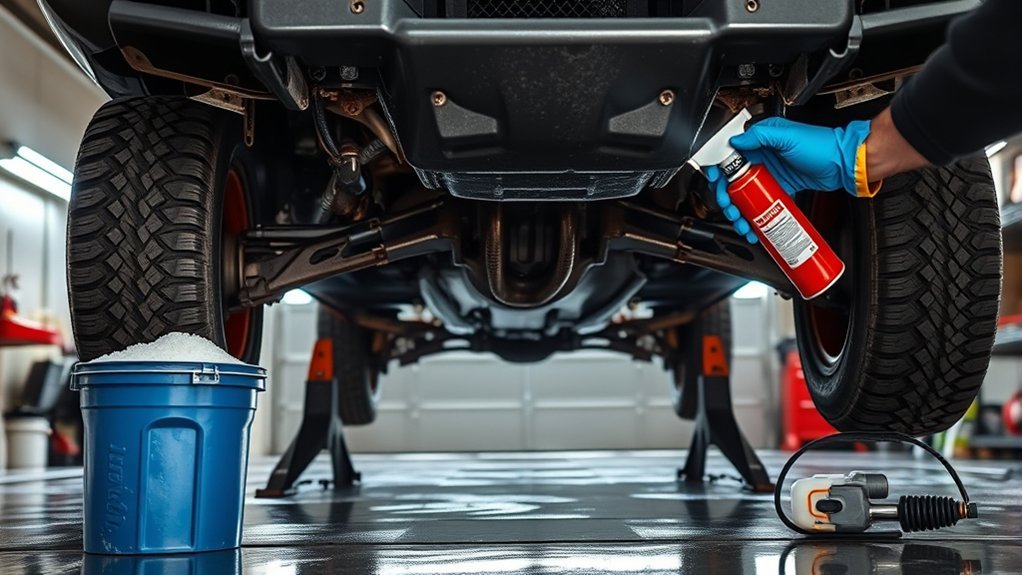
Toyota Tacoma rust prevention starts with removing road salt and brine before they remain on the truck. For the 2025 Tacoma, Toyota says to wash immediately after salted-road driving and specifically says not to wash the underside with a high-pressure car washer. For other model years, follow the owner’s manual for that exact truck; this guide uses low-pressure rinsing as a conservative default. Flush wheel wells, frame surfaces, rocker panels, lower body, and accessible brake- and fuel-line areas, allow the truck to drain and dry, then apply only a compatible corrosion inhibitor to clean surfaces. Repair paint damage promptly and treat perforation, soft metal, heavy scale, or badly corroded brake lines as inspection issues—not coating problems.
Editorial basis: This is a source-based maintenance guide, not a hands-on coating durability test. It synthesizes Toyota owner guidance, NHTSA-hosted Toyota frame-program documents, recall resources, and product-compatibility instructions. The September 16, 2026 update rechecked model-year wash guidance, historical frame programs, warranty wording, and coating-compatibility claims. It does not claim that one coating brand is best for every Tacoma or rust condition.
Quick Answer
1. After salt exposure, rinse the underside and wheel wells with the method allowed by your Tacoma’s owner’s manual; for the 2025 Tacoma, Toyota prohibits a high-pressure car washer underneath. 2. Keep frame and rocker drain openings clear and let wash water drain. 3. Apply only a compatible rust inhibitor according to its surface-preparation and reapplication instructions. 4. Repair paint damage promptly and inspect frame rails, brake lines, suspension mounts, and old undercoating for worsening corrosion.
Key Takeaways
- For the 2025 Tacoma, Toyota directs owners to wash after driving on salted roads and says not to wash the underside with a high-pressure car washer; other model years should be checked against their own manuals.
- Inspect areas that hold dirt, moisture, or road chemicals: frame rails and crossmembers, welds, brake and fuel-line runs, suspension mounts, rocker drains, wheel wells, and skid-plate pockets.
- Low-pressure rinsing is a conservative default for this guide because Toyota’s washing instructions have changed across Tacoma generations.
- Lanolin-, oil-, wax-, and hard-coating systems have different preparation, compatibility, and reapplication requirements. Follow the product label and inspect existing coatings before adding another layer.
- Deep flaking rust, soft steel, perforation, badly pitted brake lines, or corrosion around suspension mounting brackets requires professional inspection rather than cosmetic coating.
At a Glance
| Time Required | Varies from a quick post-salt rinse to a longer seasonal inspection and coating session; access, rust condition, drying time, and product instructions determine the total time |
| Difficulty | Easy for routine rinsing and visual checks; moderate for DIY surface prep and rust inhibitor application |
| Tools Needed | Garden hose, low-pressure undercarriage spray wand, automotive wash soap, microfiber mitts, inspection light, mirror, safety glasses, gloves, and a surface-compatible inhibitor or coating |
| Cost | Varies by product coverage, quantity, equipment already owned, truck condition, labor, and local shop rates; compare current product labels and local quotes before budgeting |
Which Toyota Tacoma Rust-Prevention Approach Fits Your Truck?
Choose your rust prevention treatment based on the actual condition of the metal, not marketing claims. A rust inhibitor can protect sound steel and slow stabilized surface oxidation, but no spray coating can restore structural strength to perforated frame rails or heavily pitted hydraulic brake lines.
| Current Condition | Recommended Next Step | Avoid |
|---|---|---|
| Clean factory metal or light coating wear | Wash, allow the surface to dry as the product requires, inspect the existing factory coating, then apply a compatible inhibitor or coating according to its label | Spraying inhibitor over road grime, trapped salt brine, or wet surfaces |
| Small paint chips or light surface oxidation | For body paint chips, use a compatible automotive touch-up system; for light chassis surface rust, remove loose material without thinning sound metal and use a product labeled for that substrate | Sealing over active rust without mechanical cleaning and proper surface prep |
| Cracked, peeling, or lifting old undercoating | Remove loose material, inspect bare steel underneath for trapped moisture, and confirm compatibility before recoating | Applying rubberized undercoating over existing cracked layers |
| Deep structural scaling, holes, soft metal, or pitted brake lines | Schedule a professional structural and mechanical safety inspection before applying any coating | Attempting to hide structural weakness or brake defects beneath cosmetic coatings |
[Products Worth Considering]

These custom-fit floor mats are designed for compatible Toyota 4Runner models and provide dependable all-weather protection for the first and second rows. Made from durable TPE material, they help guard against water, mud, dirt, and debris while offering a non-slip surface and raised edges to keep messes contained. They are easy to remove and clean, making them a practical upgrade for maintaining a clean interior.
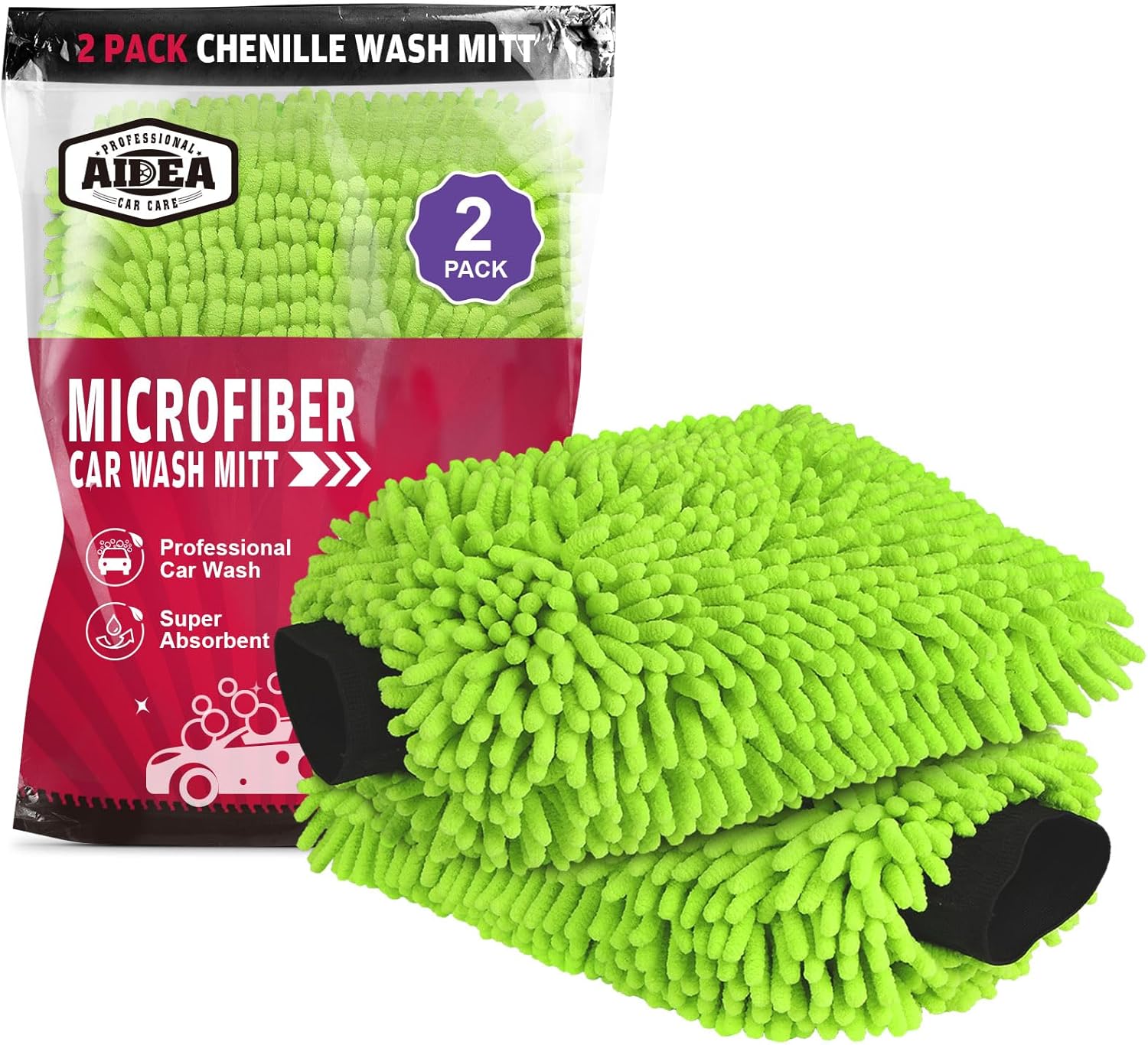
AIDEA microfiber car wash mitts deliver a gentle, scratch-free clean with plush, highly absorbent fibers that hold plenty of water and soap for efficient washing. The elastic cuff helps keep each mitt secure and comfortable on your hand, while the reusable, machine-washable design makes them a practical choice for cars, trucks, boats, motorcycles, and household surfaces.

Rain-X WeatherBeater wiper blades are conventional replacement blades designed to meet or exceed OEM standards for quality, durability, and dependable performance. The pre-installed multi-adapter helps simplify installation on many vehicles, while the natural rubber squeegee and galvanized steel frame deliver a clean wipe, rust resistance, and long-lasting all-weather reliability.
How Does Road Salt Damage a Toyota Tacoma?
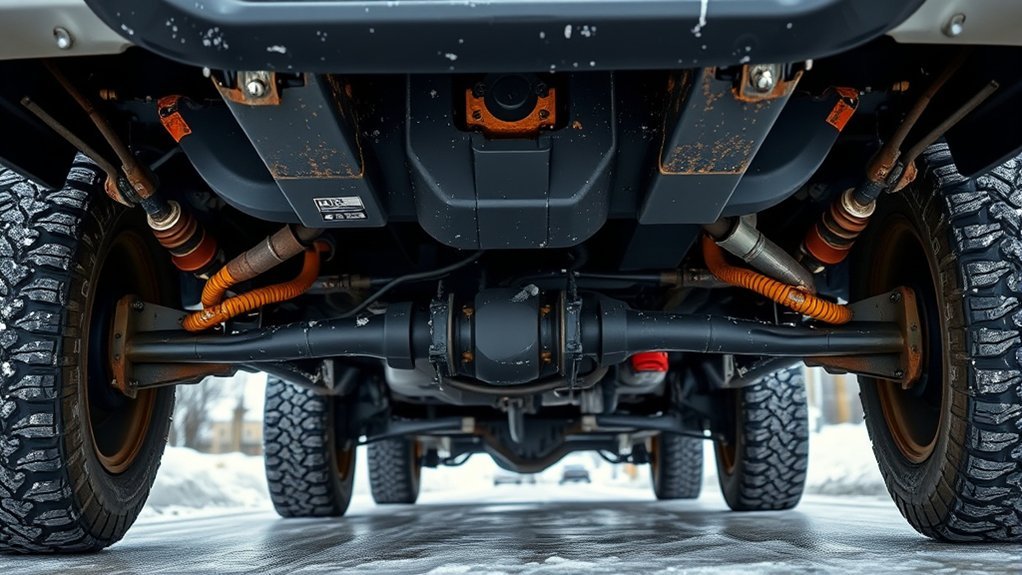
EPA guidance on road salt notes that salt used on winter roads is corrosive to cars, trucks, bridges, and roads. Highway agencies use chloride-based deicers such as sodium chloride, calcium chloride, and magnesium chloride. When chloride residue stays on wet or damp metal, it can accelerate corrosion. Calcium and magnesium chloride are also hygroscopic, so residue can continue attracting moisture under some conditions.
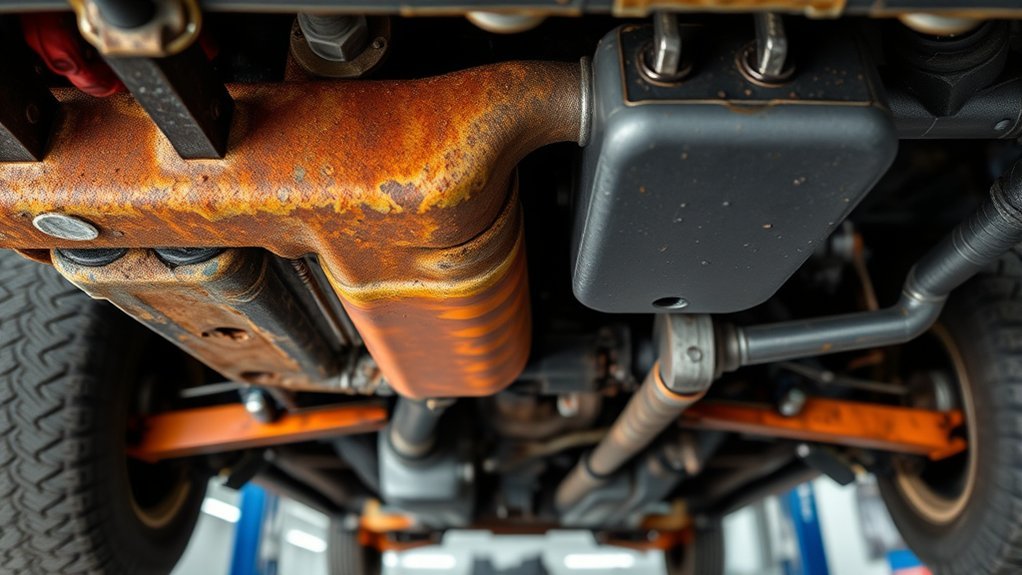
On a Tacoma, pay close attention to areas that are hard to rinse, drain, or inspect: boxed frame rails, crossmembers, factory weld seams, skid-plate mounting pockets, brake and fuel-line runs, leaf-spring hangers, suspension brackets, wheel wells, rocker drains, and the spare-tire area. Dirt and salt held in these locations can keep metal wet longer and make developing corrosion harder to see.
Road grit can also chip paint on rocker panels, lower doors, and fender edges. Once bare metal is exposed, salt and moisture can accelerate corrosion around the damaged spot. Winter maintenance should therefore address both the underside and the painted body: remove salt residue, keep drains open, repair chips according to the touch-up system instructions, and use any chassis inhibitor only on surfaces for which it is intended.
Chloride residue can remain in seams, brackets, drain areas, and other hard-to-see locations. Frame perforation, weakened suspension attachment points, and badly corroded brake lines are safety concerns that require inspection rather than concealment with a coating.
Frequent salted-road exposure, coastal salt, and wet mud can all increase corrosion exposure. If your Tacoma is pre-owned or has spent time in a high-salt region, check its VIN for open Toyota recalls or service campaigns and inspect the frame, brake lines, mounts, drains, and hidden pockets rather than assuming the visible outer frame tells the whole story.
How Soon Should You Wash a Tacoma After Road-Salt Exposure?
Toyota’s 2025 Tacoma owner guidance directs drivers to wash the vehicle immediately after driving on salted roads to help prevent corrosion. For a Tacoma from another model year, check that year’s owner’s manual before choosing an underbody wash method because Toyota’s washing instructions have changed across generations. As a conservative routine, remove visible road salt and brine promptly and keep frame and rocker drain openings clear.
Begin with fresh water and target the inner wheel wells, rear frame rails, spare-tire area, leaf-spring mounts, rocker seams, and crossmembers. If you use soap, choose an automotive wash product that is compatible with the truck’s exterior finishes and follow its dilution and rinsing instructions. The goal is to remove road film without leaving cleaner residue in seams or drain areas.
| Undercarriage Zone | Recommended Tool | Maintenance Objective |
|---|---|---|
| Undercarriage & Frame Rails | Garden hose or dedicated low-pressure undercarriage water broom | Flush road brine and sediment from boxed sections, brackets, and crossmembers |
| Wheel Wells & Liners | Standard hose with multi-pattern fan nozzle | Clear packed snow, slush, grit, and mud from fender lips and liner edges |
| Rocker Panels & Lower Doors | Gentle spray nozzle and microfiber wash mitt | Remove salt film and ensure lower drain holes remain clear of road grime |
| Brake & Fuel Line Runs | Low-pressure rinse from a safe distance | Rinse salt residue while avoiding concentrated spray directly at hoses, connectors, boots, or fittings |
Warning: Toyota’s 2025 Tacoma manual explicitly states not to wash the underside with a high-pressure car washer. When high-pressure equipment is used on permitted exterior painted surfaces, keep the spray tip at least 11.9 in. (30 cm) from the body, keep the wand moving continuously, and do not spray directly at parking sensors, cameras, steering boots, electrical connectors, or brake components.
When temperatures are below freezing, avoid a wash routine that leaves water trapped where it can freeze. A temperature-controlled wash area with appropriate drainage can make salt removal and drying more practical. If you use an automatic or touchless facility, confirm that its underbody method is compatible with the washing instructions for your Tacoma’s model year.
How Can You Rinse a Tacoma Undercarriage Safely?
Toyota’s 2025 Tacoma exterior-care guidance says to apply water generously to the body, wheel arches, and underside, but not to wash the underside with a high-pressure car washer. The same manual warns that high-pressure water can damage certain nearby boots, connectors, steering, suspension, traction, and brake parts if the nozzle is brought too close. For a 2025 Tacoma, use a garden hose or other low-pressure underbody method; for other years, follow that truck’s manual.
For a dedicated winter cadence and wash workflow, see this Tacoma undercarriage wash routine.
- Wash over an approved surface that manages runoff responsibly and complies with local wastewater regulations. Avoid discharging concentrated road chemical runoff directly into storm drains.
- Allow the exhaust pipe, catalytic converter, and braking components to cool completely before spraying water underneath.
- Connect a garden hose to a multi-jet undercarriage roller wand. Begin rinsing at the front crossmember and slowly work rearward along the frame rails.
- Spray at shallow angles to flush salt and sand out of frame cavities and weep holes rather than driving grit deeper into seams.
- Maintain a gentle flow around hydraulic brake hoses, wheel speed sensor wiring, parking brake cables, steering rack boots, and driveline joints.
- Clean painted rocker panels and lower body panels using clean automotive shampoo and a two-bucket wash system once abrasive road grit has been flushed away.
- Allow the underbody to drain. After washing, Toyota advises checking that the brakes are not wet and, where safe, driving slowly while applying the brakes several times to help dry them.
Pro Tip: A multi-nozzle garden-hose undercarriage water broom provides broad spray coverage and ample reach without exceeding safe water pressure. Guide the roller slowly along the inner frame rails, focusing on the pocket above the spare tire, behind the front suspension towers, and around the rear leaf spring shackles.
Which Rust Protection Works for the Tacoma Undercarriage and Paint?
Routine washing removes salt residue, while an added chassis product can provide another barrier where its label permits. Non-hardening lanolin- and oil-based inhibitors are one common approach because they remain flexible and can creep into seams. Fluid Film’s manufacturer guidance, for example, describes a fluid, self-healing barrier and warns that the product may swell non-oil-resistant rubber and soften some vehicle undercoatings. That is manufacturer guidance for Fluid Film, not proof that every lanolin or oil product outperforms every wax or hard coating.
Before applying any chassis inhibitor or coating, inspect the existing surface and follow the product’s preparation instructions. Remove road grime, salt residue, loose material, and standing water; allow the surface to dry to the condition the label requires. Confirm compatibility with factory coatings, rubber, wiring, and cavity treatments before broad application. Typical inspection targets include frame seams, boxed rails, crossmember welds, cab mounts, leaf-spring hangers, and the spare-tire carrier area.
| Protection System | Optimal Application | Key Precautions |
|---|---|---|
| Lanolin or Oil-Based Inhibitor (e.g., Fluid Film, Woolwax) | Boxed frame rails, crossmembers, seam welds, suspension brackets, and internal cavities | Compatibility and service interval are product-specific; Fluid Film warns about non-oil-resistant rubber and some undercoatings and says its product can provide up to a year of protection |
| Wax-Based Cavity Coating | Internal frame channels, rocker interiors, and enclosed body panels | Surface preparation, cure requirements, and compatible substrates vary by product; follow the label and keep factory drain paths open |
| Hard Rubberized / Asphalt Undercoating | Abrasion-prone areas only when the specific product is approved for the substrate and existing coating | Damaged, poorly bonded, or lifting hard coating can hide corrosion or trapped moisture; inspect existing layers before recoating |
| Synthetic Paint Sealant or Ceramic Coating | Exterior painted surfaces, rocker panels, door bottoms, tailgate, and fender flares | Helps protect and clean exterior paint but is not a substitute for a chassis or cavity product labeled for structural metal |
Note: Never spray rust inhibitors onto brake discs, brake pads, exhaust pipes, catalytic converters, oxygen sensors, engine drive belts, or tire treads. Verify chemical compatibility with factory undercoating, wiring insulation, and rubber bushings before complete application.
For painted bodywork, quality synthetic polymer sealants and ceramic coatings provide a hydrophobic barrier that repels road grime and facilitates easier salt removal during winter washes. They cannot, however, prevent damage from high-velocity rock chips or protect structural steel. Address paint chips promptly with matching automotive touch-up paint before applying surface sealants.
[Products Worth Considering]
These MOTIUM windshield wiper blades deliver clear, streak-free wiping for improved visibility in rain, snow, and extreme heat. Designed for quiet, smooth operation and easy installation, they include both driver and passenger blades for a quick replacement solution that helps keep driving safer in all seasons.

Protect your vehicle seats from spills, scuffs, and everyday wear with this universal-fit car seat protector from SMART ELF. Made with thick padding and a non-slip backing, it helps keep car seats secure while providing reliable coverage for both front and back seats. The waterproof, stain-resistant design is ideal for families looking to maintain a cleaner, more protected interior.
Where Should You Inspect a Tacoma for Rust?
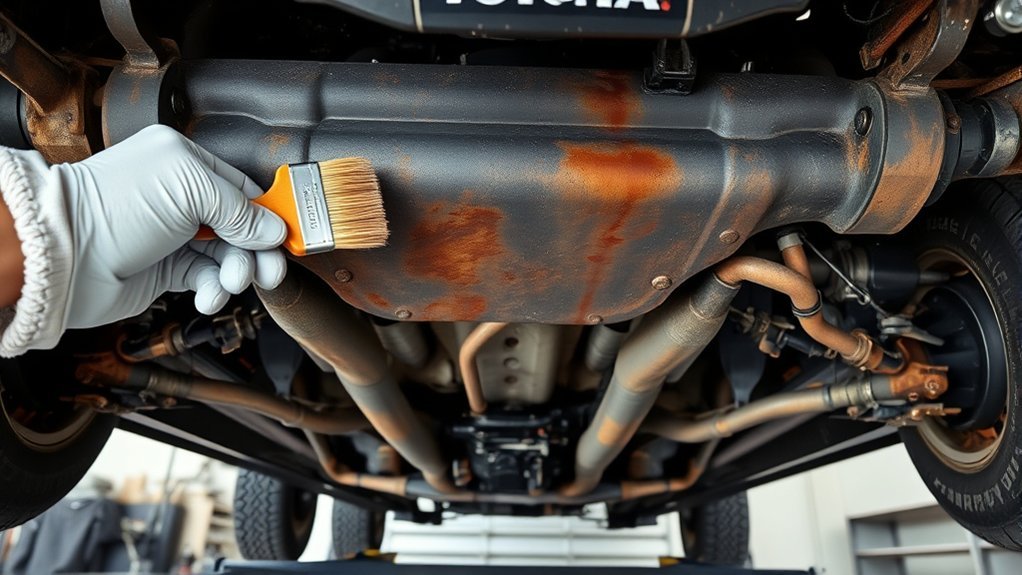
Use a high-output inspection light and an adjustable mirror before the salt season, during winter if exposure is frequent, after spring cleanup, and after muddy or off-road use. Look for bubbling or lifted coating, deep scale, holes, cracked seams, wet debris, rust around mounts, and pitted brake lines. Do not rely on the sound of a DIY tap test to declare a frame structurally safe. If corrosion depth or metal strength is uncertain, have a qualified shop inspect it. If you elevate the vehicle, always follow a verified Tacoma jack-stand placement guide, place rated stands on solid concrete, and never work underneath a truck supported solely by a hydraulic jack.
- Boxed Frame Rails & Crossmembers: Inspect for structural swelling, heavy flaking, delamination, rust around factory weld seams, and frame sections directly adjacent to the catalytic converter and exhaust pipes.
- Leaf Spring Hangers & Shackles: Check for metal thinning, stress cracks, and corrosion buildup around mounting hardware and frame connection points.
- Brake Lines & Hydraulic Fittings: Examine hard lines for pitting, flaking rust, or fluid dampness. Do not aggressively scrape corroded brake lines.
- Fuel Lines & Retaining Clips: Look for road debris trapped behind mounting brackets that can hold moisture against metal lines.
- Suspension Towers & Control Arm Mounts: Check front strut mounts, lower control arm brackets, and sway bar mounting points for seam corrosion.
- Wheel Arches & Liner Edges: Clear packed sand, road salt, and mud from the inner lip of fender arches.
- Rocker Panels & Cab Corners: Verify that factory rocker drain holes are completely clear and unobstructed by road grime or heavy wax buildup.
- Door Bottoms & Tailgate Seams: Check hemmed lower door seams for paint bubbling and ensure drain passages are open.
- Skid Plates & Crossmember Pockets: Remove skid plates annually to clean accumulated silt and corrosive salt trapped against frame crossmembers.
For minor body paint chips, use a compatible touch-up system and follow its cleaning, preparation, primer, color, and cure instructions. For light surface oxidation on non-structural chassis surfaces, remove loose material without thinning sound metal, clean the area as the selected product requires, and apply a compatible inhibitor or coating. If you encounter deep pitting, scale flaking, or structural perforation, consult this Tacoma frame-rust safety and repair guide and obtain a qualified mechanic’s assessment before applying any coating.
Warning: Discontinue DIY maintenance and seek an immediate professional structural inspection if you discover frame perforation holes, soft or flexing metal, heavy scaling around suspension mounting points, leaking brake lines, or an unexpected increase in brake pedal travel. These conditions indicate structural or mechanical failure.
How Often Should You Wash and Reapply Rust Protection?
Base wash frequency on actual chemical exposure rather than a rigid calendar interval. For the 2025 Tacoma, Toyota says to wash immediately after driving on salted roads; other model years should follow their own manuals. Rinse after fresh road-brine exposure when conditions allow safe drainage and drying, and inspect periodically through winter for salt buildup, blocked drains, damaged coating, or new corrosion. For a more detailed cadence, use the linked undercarriage-wash guide above rather than duplicating a second fixed schedule here.
| Seasonal Timing | Maintenance Action | Primary Objective |
|---|---|---|
| Late Autumn (Pre-Winter) | Deep underbody wash, thorough drying, chip repair, inspection, and application of a compatible inhibitor or coating if its label calls for seasonal treatment | Establishes an active protective moisture barrier before the first salt application |
| Winter (Post-Salt Exposure) | Low-pressure water flush of undercarriage, wheel wells, rocker panels, and lower seams | Removes active chloride brine before it dries and concentrates in frame joints |
| Mid-Winter Baseline | Visual underbody check with inspection light and low-pressure rinse when conditions permit | Identifies washed-out protection areas and prevents heavy salt buildup |
| Post-Off-Road Driving | Flush frame ledges, skid plate gaps, wheel wells, and suspension mounting pockets | Clears packed mud and organic debris that trap moisture against bare metal |
| Spring (Post-Winter) | Extensive low-pressure undercarriage wash, skid plate removal, and structural inspection | Eliminates residual winter salt deposits before warmer spring temperatures accelerate oxidation |
| Annual Autumn Renewal | Inspect protective-barrier integrity and reapply only where the product label, condition, and service interval call for renewal | Restores thin or washed-off barrier coatings without creating excessive surface buildup |
Equip a dedicated winter maintenance kit with a garden hose and low-pressure undercarriage wand, compatible automotive wash soap, wash mitts, drying towels, eye protection, gloves, an inspection light, an adjustable mirror, and any rust inhibitor or coating specifically approved for the surfaces you plan to treat.
[Products Worth Considering]
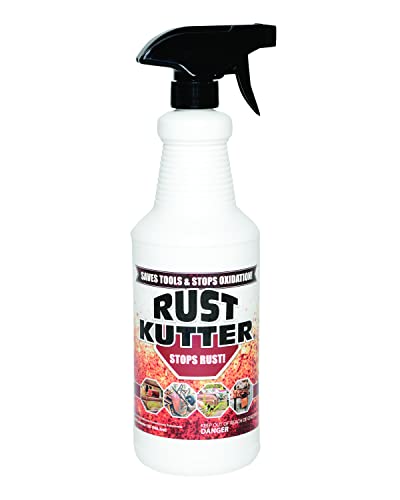
A rust converter is a specialized product designed to convert rust into a more stable and non-reactive compound that can be painted over.
Which Tacoma Rust-Prevention Mistakes Should You Avoid?
Corrosion issues frequently accelerate when maintenance products are applied improperly. Avoid these common rust-prevention mistakes:
- Do not apply a rust inhibitor or coating over salt, mud, loose corrosion, or standing water. Prepare and dry the surface exactly as that product requires.
- Do not plug factory frame and rocker drain holes. Weep holes allow trapped condensation and wash water to escape; obstructing them accelerates internal rust.
- Do not generalize one Tacoma model year’s wash instructions to every generation. The 2025 manual prohibits a high-pressure car washer underneath, while older Tacoma manuals have used different wording. Follow the manual for the exact model year; this guide uses low-pressure rinsing as a conservative default.
- Do not rely on standard body wax to protect the frame. Exterior paint wax or sealant is not a substitute for a chassis or cavity product labeled for that substrate and use.
- Do not overlook brake line condition during chassis checks. Brake line corrosion poses an immediate safety hazard; flaking, wetness, or thinning requires professional replacement.
- Do not treat rust inhibitors as structural repair materials. Coatings slow future oxidation but cannot restore tensile strength to thinned or perforated steel.
- Do not assume all Tacoma model years have identical rust histories. Operating environment, road chemical types, washing habits, prior service campaign completion, and existing coating conditions all influence frame longevity.
What Should You Know About Tacoma Rust Coverage and Frame Programs?
Toyota’s general new-vehicle warranty information lists Rust-Through Coverage as 60 months with unlimited mileage for corrosion perforation of sheet metal. That summary should not be read as blanket coverage for any surface rust or frame corrosion. Coverage depends on the applicable Warranty & Maintenance Guide, exclusions, vehicle history, and any separate model-specific program. Confirm vehicle-specific questions with Toyota or an authorized dealer.
Tacoma frame-corrosion actions span more model years than the 2005–2017 programs commonly discussed. NHTSA-hosted Toyota material documents a Customer Support Program for certain 1995–2000 Tacomas, a separate warranty enhancement for certain 2001–2004 Tacomas, the 2017 class-action-related program for certain 2005–2010 Tacomas, and K0D/ZKA activity for certain 2011–2017 Tacomas. These were different historical actions with their own eligibility rules, registration-state requirements, inspection criteria, and deadlines.
| Tacoma Model Years | Documented Historical Frame Action | What Owners Should Know Now |
|---|---|---|
| 1995–2000 | NHTSA correspondence documents Toyota Customer Support Program POL08-03 and related frame-rust service activity | Historical program; do not assume present eligibility from model year alone |
| 2001–2004 | Toyota Warranty Policy Bulletin POL08-04 via NHTSA documents a frame rust-perforation warranty enhancement for certain trucks | Historical program with specific terms; verify current VIN status separately |
| 2005–2010 | Toyota Warranty Policy Bulletin POL17-09 via NHTSA documents the 2017 class-action settlement, frame inspection, conditional frame replacement, and time-limited CRC activity | Settlement and campaign deadlines were time-limited; current owners should still inspect the frame and check VIN status |
| 2011–2017 | Toyota Limited Service Campaign K0D via NHTSA and CSP ZKA covered inspection, CRC/frame plugs, and conditional frame replacement for qualifying vehicles | Eligibility and expiration varied by VIN and region; the documentation is historical program background |
For certain 2005–2010 Tacomas, Toyota’s NHTSA-hosted policy bulletin confirms that the class-action settlement was approved on May 21, 2017. It provided a court-ordered inspection process and frame replacement when the frame met or exceeded the settlement’s Rust Perforation Standard. Separate time-limited corrosion-resistant compound activity also applied to eligible vehicles.
For certain 2011–2017 Tacomas, Limited Service Campaign K0D and Customer Support Program ZKA outlined dealer inspection, corrosion-resistant compound application and/or frame plugs when qualifying perforation was not found, and conditional frame replacement when program criteria were met. Program timing varied by VIN and region, with published expiration dates differing across rollout groups. Treat this as historical background and verify the current status of a specific truck directly with Toyota.
Use Toyota’s official Safety Recalls & Service Campaigns lookup to review open recalls and service campaigns by VIN or license plate. Use the NHTSA recall database as a federal safety-recall cross-check. NHTSA’s VIN recall results focus on unrepaired safety recalls and do not substitute for Toyota’s customer-support or service-campaign records. A clean VIN lookup also does not substitute for a physical undercarriage inspection.
Frequently Asked Questions
How do you stop a truck from rusting due to road salt?
Remove salt and brine promptly, keep frame and rocker drains open, repair paint damage, and inspect the underside for coating damage or developing corrosion. Apply any chassis inhibitor only after the surface has been prepared as its label requires. For a Tacoma, follow the washing instructions for the exact model year rather than assuming one pressure-washing rule applies to every generation.
Can you pressure-wash a Toyota Tacoma undercarriage?
For the 2025 Tacoma, Toyota explicitly says not to wash the underside with a high-pressure car washer. Older Tacoma manuals have used different wording, so check the manual for the exact model year. This guide uses a garden hose or low-pressure underbody rinse as a conservative default.
Do Toyota Tacomas need rustproofing?
A Tacoma exposed regularly to road salt, coastal salt, or wet mud may benefit from additional corrosion protection, but the product must be compatible with the truck’s existing coatings, rubber, wiring, and intended application areas. Rustproofing is preventive maintenance; it cannot restore strength to perforated or structurally weakened metal.
Are Toyota Tacomas prone to rust?
Toyota documented different frame-corrosion support actions for certain Tacomas spanning 1995–2017 model years, with eligibility varying by program, VIN, region, and inspection criteria. That history does not mean every Tacoma in those years has a defective frame, and any model year can develop corrosion when salt, moisture, damaged coatings, or trapped debris remain against metal.
What was the Toyota Tacoma rust lawsuit?
The Tacoma rust lawsuit commonly refers to the class-action settlement approved in 2017 for certain 2005–2010 Tacomas. Toyota’s NHTSA-hosted policy bulletin describes a court-ordered frame inspection process and frame replacement when the frame met or exceeded the settlement’s Rust Perforation Standard, along with separate time-limited corrosion-resistant-compound activity for eligible vehicles.
Which Tacoma years had Toyota frame-corrosion programs?
Toyota and NHTSA-hosted documents show different historical frame-corrosion actions for certain 1995–2000, 2001–2004, 2005–2010, and 2011–2017 Tacomas. The programs were not identical: eligibility could depend on VIN, registration state, inspection criteria, prior treatment, and deadlines. Use the historical documents for context and Toyota’s current VIN lookup for open recalls or service campaigns.
Is Fluid Film or Woolwax better than rubberized undercoating?
Neither category is universally better for every Tacoma or existing coating. Soft lanolin- or oil-based inhibitors can remain flexible and creep into seams, while compatible hard coatings can provide abrasion protection on properly prepared surfaces. Inspect old hard coating for lifting or damage, and follow each product’s substrate and compatibility instructions. Fluid Film’s manufacturer specifically warns that its product may swell non-oil-resistant rubber and soften some undercoatings.
How often should I wash my Tacoma in winter?
Wash according to actual salt exposure and your model year’s owner’s manual. For the 2025 Tacoma, Toyota says to wash immediately after driving on salted roads. In winter, inspect the underside periodically and rinse after fresh salt or brine exposure when weather, drainage, and drying conditions make washing practical.
Conclusion
Effective Toyota Tacoma rust prevention comes down to four steps: remove road salt and brine promptly using a wash method approved for your model year, keep drain paths open and let the underside dry, use only compatible inhibitors or coatings on properly prepared surfaces, and inspect safety-critical areas for worsening corrosion. The 2025 Tacoma manual specifically prohibits a high-pressure car washer on the underside, but older manuals have used different wording, so model-year guidance matters. If you find perforation, soft metal, heavy scaling near suspension mounts, or badly corroded brake lines, stop treating the problem as cosmetic and arrange a professional inspection.
Sources
- Toyota 2025 Tacoma Owner’s Manual: Cleaning and Protecting the Vehicle Exterior — supports immediate washing after salted-road exposure, generous underside rinsing, high-pressure-washer cautions, and the prohibition on using a high-pressure car washer underneath.
- Toyota Warranty Coverage Support — lists 60-month, unlimited-mileage Rust-Through Coverage for corrosion perforation of sheet metal and directs owners to the applicable Warranty & Maintenance Guide for details.
- NHTSA correspondence on earlier Tacoma frame-rust actions — documents Toyota Customer Support Program POL08-03 for certain 1995–2000 Tacomas and related historical frame-rust service activity.
- Toyota Warranty Policy Bulletin POL08-04 via NHTSA — documents a frame rust-perforation warranty enhancement for certain 2001–2004 Tacoma vehicles.
- Toyota Warranty Policy Bulletin POL17-09 via NHTSA — documents the 2005–2010 Tacoma frame-corrosion class-action settlement, inspection process, conditional frame replacement, and related warranty enhancement.
- Toyota Limited Service Campaign K0D update via NHTSA — documents dealer procedures for certain 2011–2017 Tacoma frame inspections, corrosion-resistant-compound application, frame plugs, regional parameters, and interaction with CSP ZKA.
- Toyota Safety Recalls & Service Campaigns Lookup — official portal to check open recalls and service campaigns by VIN or license plate.
- NHTSA Recall Lookup — federal recall lookup; current results focus on unrepaired safety recalls and do not replace Toyota’s lookup for customer-support or service campaigns.
- U.S. Environmental Protection Agency: Winter road salt — explains environmental and infrastructure impacts of de-icing salt, including its corrosive effect on vehicles and structures.
- Fluid Film Automotive Applications — manufacturer guidance describing its lanolin-based, fluid barrier and its warnings for non-oil-resistant rubber and some undercoatings.

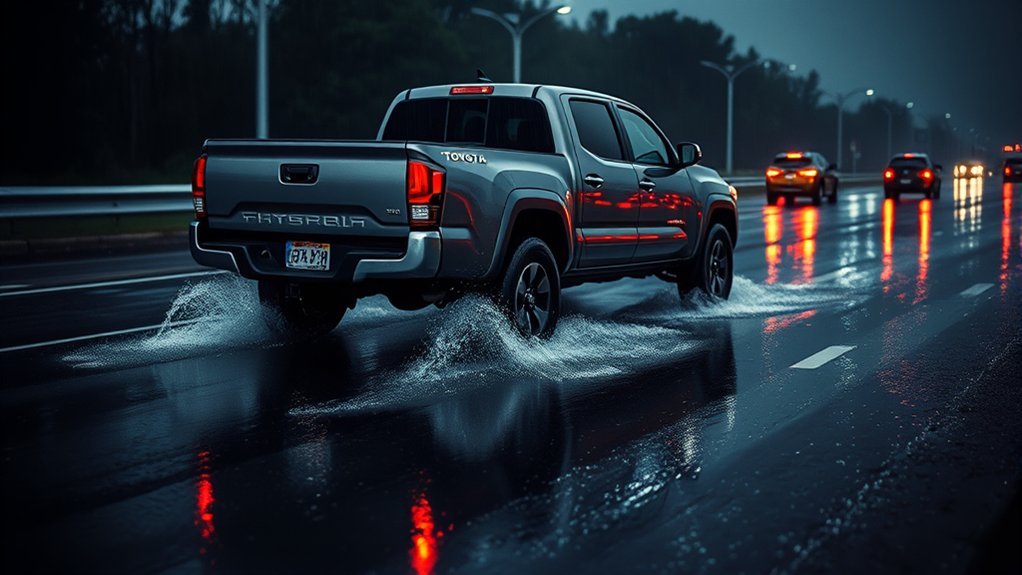
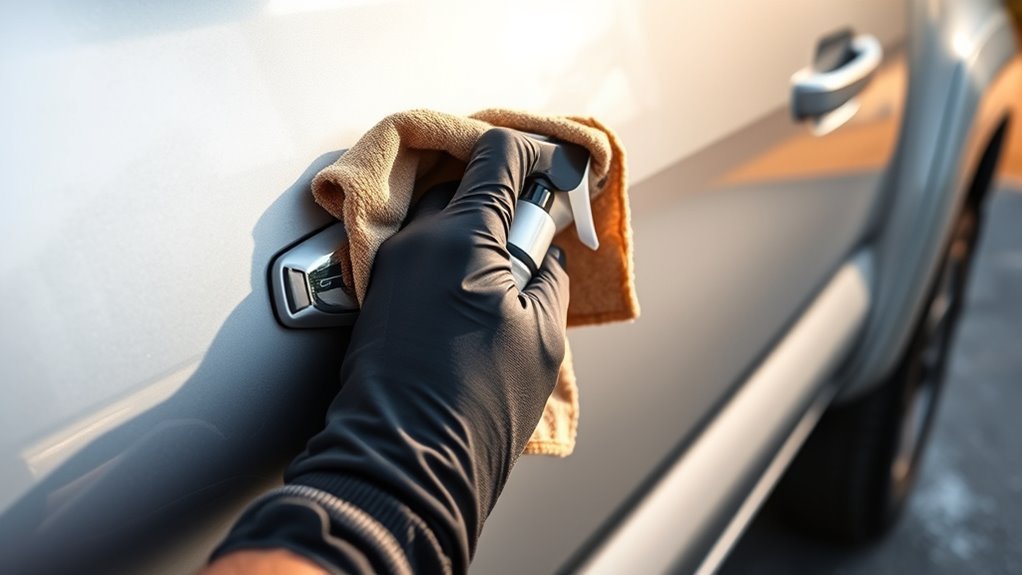
[…] the Tacoma road-salt protection guide when winter road treatments are part of your […]