By: Vance Ashford · Reviewed by: Editorial Team · Last updated: July 31, 2026 · Toyota fluid specifications, EPS model-year coverage, HOT/COLD ranges, and DIY safety steps rechecked
For a U.S.-market Toyota Tacoma equipped with factory hydraulic power steering, use automatic transmission fluid meeting the Dexron II or Dexron III specification shown in the owner’s manual. Do not add a generic power steering fluid unless its current manufacturer documentation explicitly covers that Dexron application.
The redesigned U.S.-market Tacoma introduced electric power steering for 2024. The 2024, 2025, and 2026 Tacoma therefore have no hydraulic power steering reservoir or fluid to check. Before buying or adding anything, confirm the model year, look for a labeled reservoir, and check the exact owner’s manual for the truck.
Quick Answer: Which Power Steering Fluid Should a Toyota Tacoma Use?
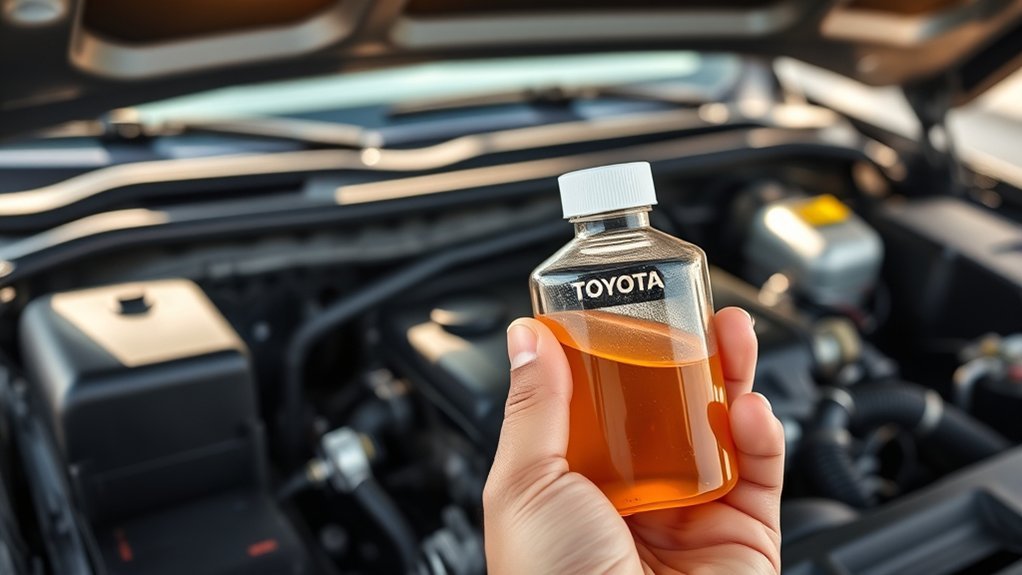
A hydraulic Tacoma uses ATF meeting Dexron II or Dexron III. A 2024-or-newer U.S.-market Tacoma uses electric power steering and does not need hydraulic steering fluid. Toyota owner manuals remain the final authority because reservoir design and level-check procedures vary by engine and generation.
| U.S.-Market Tacoma | Steering System | What You Should Do |
|---|---|---|
| 1995–2004 | Factory hydraulic power steering | Check the exact owner’s manual and reservoir. Toyota manuals for this generation identify Dexron-type ATF. |
| 2005–2015 | Factory hydraulic power steering | Use ATF meeting the Dexron II or Dexron III specification listed in the manual. |
| 2016–2023 | Factory hydraulic power steering | Use ATF meeting Dexron II or Dexron III and follow the engine-specific HOT or COLD level range. |
| 2024–2026 | Electric power steering, or EPS | Do not add power steering fluid or ATF. Diagnose warning lights as an electrical or steering-system fault. |
| Unknown market, conversion, or repair history | Must be confirmed | Check the VIN, owner’s manual, reservoir label, and repair records before adding fluid. |
Toyota’s 2005 Tacoma owner’s manual and later hydraulic-model manuals identify Dexron II or III ATF. Toyota states that the redesigned 2024 Tacoma introduced electric power steering. Toyota’s 2025 and 2026 model information continues to list EPS.
When shopping, read the full application statement on the back label or current manufacturer product sheet. A product name such as Dex/Merc may be suitable, but only when the manufacturer explicitly lists the required older Dexron specification and the relevant power-steering application.
Source note: Toyota owner manuals and Toyota model-year information control the specification claims in this guide. The article does not claim hands-on testing of every Tacoma generation, engine, reservoir, or steering conversion. Use the manual for the exact truck when it differs from general guidance.
Key Takeaways
- Use ATF meeting Dexron II or Dexron III in a factory hydraulic Tacoma steering system.
- U.S.-market 2024–2026 Tacomas use EPS and do not take hydraulic power steering fluid.
- Reservoir and level-check designs vary by engine, so use the correct HOT or COLD range.
- Toyota does not publish a universal scheduled power steering fluid replacement interval; inspect and service it as needed.
- Do not substitute generic power steering fluid, Toyota WS, Toyota T-IV, or a Dexron VI product unless its documentation covers the required application.
- Recurring fluid loss, persistent foam, stiffness, or noise requires diagnosis rather than repeated topping up.
[Products Worth Considering]

Genuine OEM Toyota Transmission Fluid
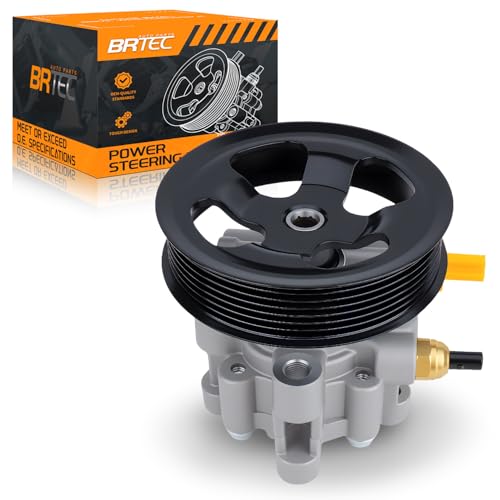
[Vehicle Fitment]: Compatible with Lexus RX350 2007–2009; Toyota Tacoma 2005–2015 (V6 4.0L)
Before You Start: Confirm Your Tacoma Has Hydraulic Power Steering
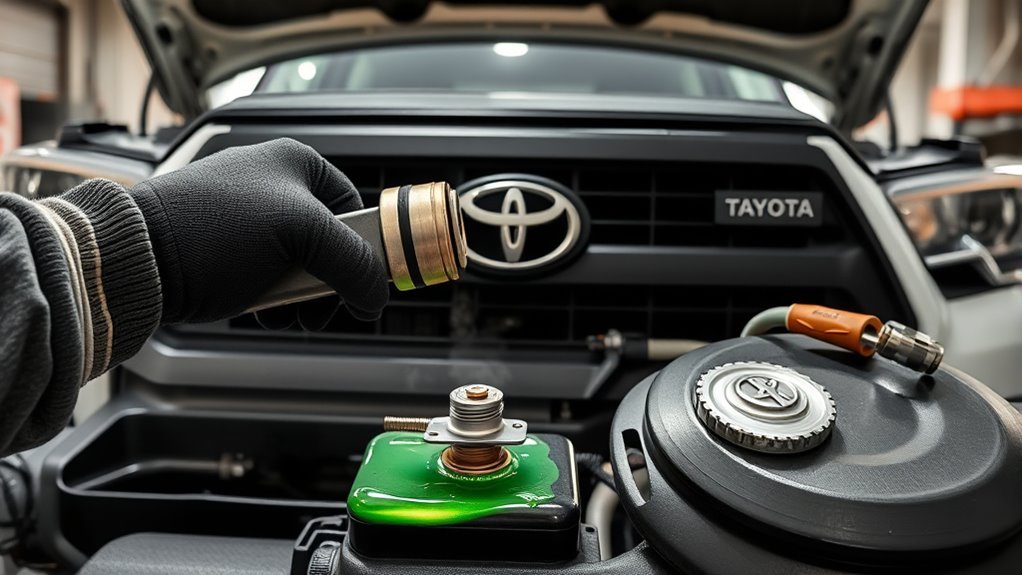
Open the hood and look for a labeled power steering fluid reservoir. Reservoir design varies by engine. Some Tacoma reservoirs have HOT and COLD ranges visible on the tank; others use a dipstick attached to the cap. An EPS Tacoma uses an electric assist motor and does not have a hydraulic reservoir to service.
The 2023 Tacoma quick reference guide still identifies a power steering fluid reservoir. Toyota states that the redesigned 2024 Tacoma uses electric power steering, and Toyota’s 2025 and 2026 model information also lists EPS.
If the dash shows an EPS warning or the truck has no hydraulic reservoir, do not add ATF. An EPS fault requires electrical and steering-system diagnosis, including diagnostic trouble-code scanning when appropriate.
Do not guess: A brake-fluid reservoir, coolant reservoir, clutch-fluid reservoir, or washer-fluid tank is not a power steering reservoir. Confirm the component in the under-hood diagram or owner’s manual before opening it.
How to Read the Fluid Label Before You Buy
The bottle must match the steering-system specification, not merely the Tacoma’s transmission-fluid specification. Read the current compatibility statement on the back label or the manufacturer’s product data sheet before using the fluid.
| Fluid or Product | Use in a Hydraulic Tacoma? | Reason |
|---|---|---|
| ATF explicitly suitable for Dexron II or Dexron III applications | Yes, after confirming the owner’s manual | It matches the specification Toyota lists for factory hydraulic Tacoma steering systems |
| Dex/Merc multi-vehicle ATF | Only when the application statement covers Dexron II or III and the relevant power-steering use | The marketing name alone does not prove compatibility |
| Dexron VI ATF | Do not choose it from the Dexron VI name alone | A Dexron VI license does not automatically confirm suitability for this Tacoma power-steering application |
| Generic power steering fluid | No, unless it explicitly covers the required Dexron application | A general power steering label is not the same as Toyota’s ATF specification |
| Toyota WS or Toyota T-IV | Do not substitute without model-specific approval | The transmission and steering system can require different specifications |
| Stop-leak fluid or additive | Avoid unless a qualified technician recommends it for the exact fault | It may hide a leak without repairing a hose, seal, pump, or steering gear |
If you do not know what fluid is already in the reservoir, avoid mixing products at random. Check repair records, compare the reservoir label with the owner’s manual, or have the system inspected before performing an exchange.
[Products Worth Considering]

The service solution for ALL European, North American, and Asian vehicles (Honda fluid recommended for Honda/Acura vehicles)
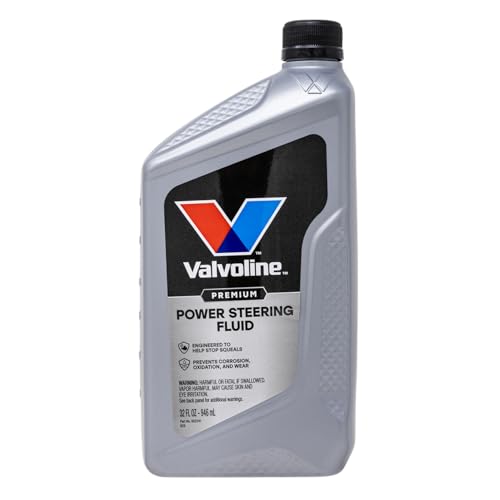

Advanced formulation technology provides outstanding protection to the entire power steering system while delivering smooth performance under the most severe operating conditions
When Should You Change Tacoma Power Steering Fluid?
Toyota says that power steering fluid has no scheduled replacement interval. Its customer guidance says the fluid should be replaced as needed based on visual inspection.
Do not treat 50,000, 75,000, or 100,000 miles as a universal Toyota factory rule. A preventive partial exchange may still be reasonable, but the decision should reflect fluid condition, system repair history, leakage, and steering behavior.
Inspect or service the fluid when you find one or more of these conditions:
- The fluid looks cloudy, foamy, emulsified, or contaminated with visible debris.
- It has a strong burnt odor or appears severely degraded compared with fresh fluid.
- The pump whines, steering assist changes, or the wheel feels unusually heavy.
- The system was opened for a hose, pump, reservoir, cooler, or steering-gear repair.
- The wrong or unidentified fluid may have been added.
- The level falls again after you top it up.
Towing, off-road driving, high heat, mud exposure, and long periods of low-speed steering can increase system stress. These conditions justify more frequent inspection, but they do not create one universal replacement mileage for every Tacoma.
Fresh ATF is commonly red, but used fluid may darken with age. Color alone does not prove that the fluid is correct or defective. Judge it by clarity, odor, foam, visible debris, level trend, leak evidence, service history, and steering symptoms together.
How to Check Toyota Tacoma Power Steering Fluid Level and Condition
Park the Tacoma on level ground and stop the engine. Locate the power steering reservoir using the under-hood diagram or owner’s manual. Clean dirt from around the cap and reservoir before opening or reading it.
Toyota uses different HOT and COLD definitions depending on the engine. Check the manual for the exact truck, especially if its temperature ranges differ from the examples below.
| Tacoma Engine Group | COLD Reading | HOT Reading |
|---|---|---|
| 2TR-FE four-cylinder | Engine has not run for about five hours; approximately 32°F–104°F fluid or room temperature | Approximately 104°F–175°F; Toyota describes this as driving around 50 mph for about 20 minutes, with more time in very cold weather |
| 1GR-FE or 2GR-FKS V6 | Engine has not run for about five hours; approximately 50°F–85°F fluid or room temperature | Approximately 140°F–175°F; Toyota describes this as driving around 50 mph for about 20 minutes, with more time in very cold weather |
The 2022 Tacoma owner’s manual identifies ATF meeting Dexron II or III and shows the engine-specific HOT and COLD ranges. Older Tacoma manuals provide similar guidance, but always use the manual for the exact model year and engine.
- Keep the truck level and turn the engine off.
- Choose the correct range based on the fluid temperature and the exact engine.
- Clean the reservoir so dirt cannot enter the system.
- Read the tank markings if the reservoir has visible HOT and COLD ranges.
- Use the cap dipstick correctly if fitted: remove it, wipe it clean, reinstall it fully, remove it again, and read the correct range.
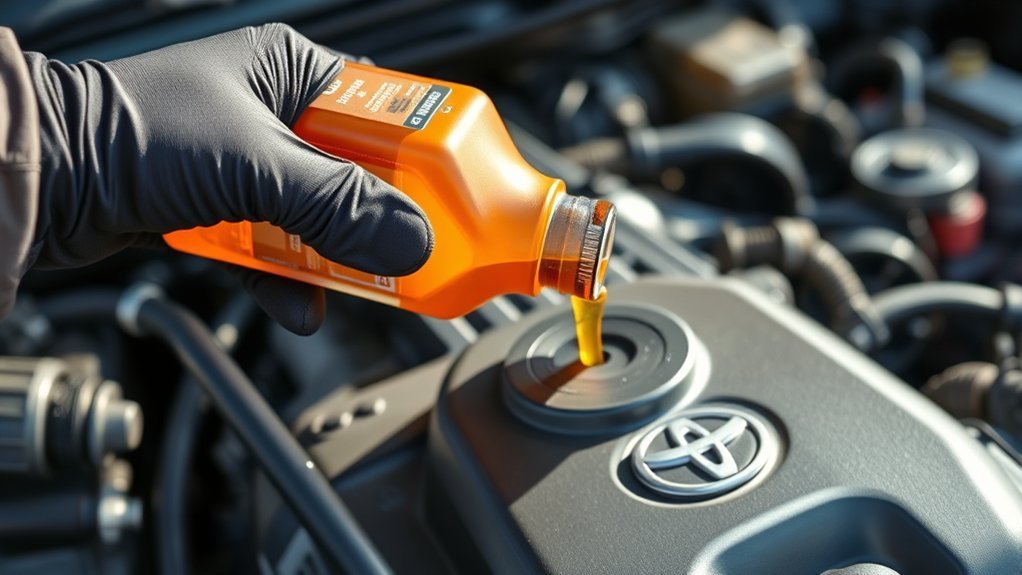
- Add only a small amount of the specified ATF if the level is below the applicable range.
- Reinstall the cap fully and wipe away spilled fluid.
- Inspect for leakage around the reservoir, pump, hoses, cooler lines, and steering gear.
For topping up, use the reservoir marks as the target. Do not pour in a guessed “Tacoma capacity.” The amount required depends on the engine, reservoir design, current level, previous repair, and whether the system is being topped off or exchanged.
Foam or emulsification indicates trapped air, low fluid, an air leak, or another system problem. A repeated drop in level usually points to leakage and should not be managed through indefinite topping up.
Warning: Do not overfill the reservoir. Excess fluid can foam, escape through the cap, and make leak diagnosis harder. Toyota owner manuals also warn that overfilling can damage the power steering system.
DIY: Drain, Refill, and Simple Flush for a Tacoma
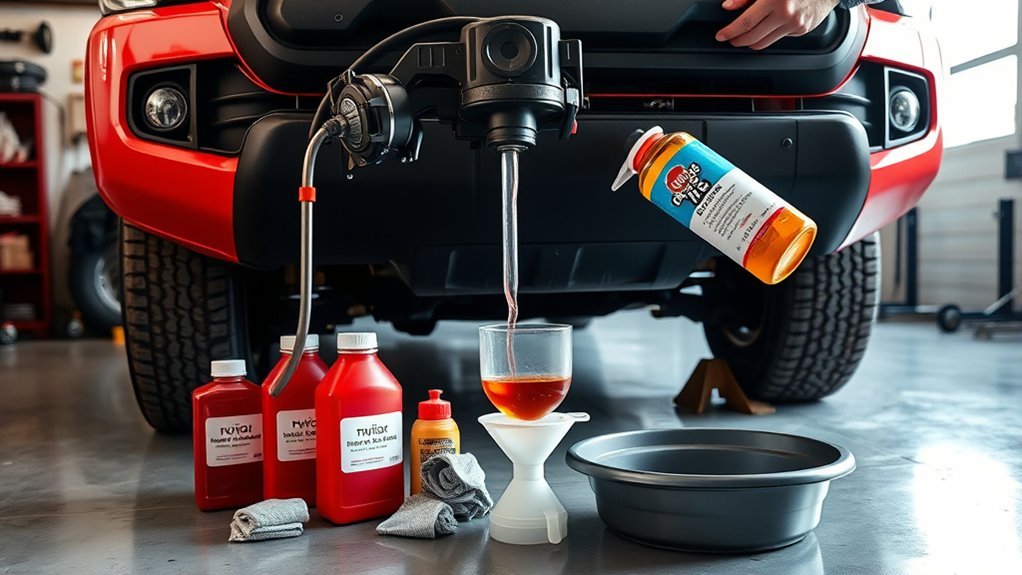
Choose the least invasive service that matches the condition. A small top-up, partial reservoir exchange, return-line exchange, and leak repair solve different problems.
| Situation | Best Next Step | Important Limit |
|---|---|---|
| Level is slightly low and fluid otherwise looks normal | Top up with the specified ATF | Recheck for leakage; hydraulic fluid should not need repeated additions |
| Fluid is aged or dark but steering is normal and no leak is found | Perform a partial reservoir exchange | This replaces only the fluid held in the reservoir during each cycle |
| Wrong fluid was added or the system was opened for repair | Use a model-specific exchange and bleeding procedure | General instructions cannot identify the correct hose and procedure for every Tacoma |
| Level falls, fluid foams, pump whines, or steering remains heavy | Diagnose the leak, air-entry path, belt, pump, or steering gear | A fluid exchange cannot repair a failed component |
[Products Worth Considering]

100,000 mile fluid life

[Vehicle Fitment]: Compatible with Toyota Tacoma 2005-2015 V6 4.0L, Tacoma 2016 V6 3.5L

ALL ASIAN CAR COVERAGE: Fully compatible with all Asian vehicles, including Subaru, Honda, Toyota, Lexus, Acura, and Mitsubishi
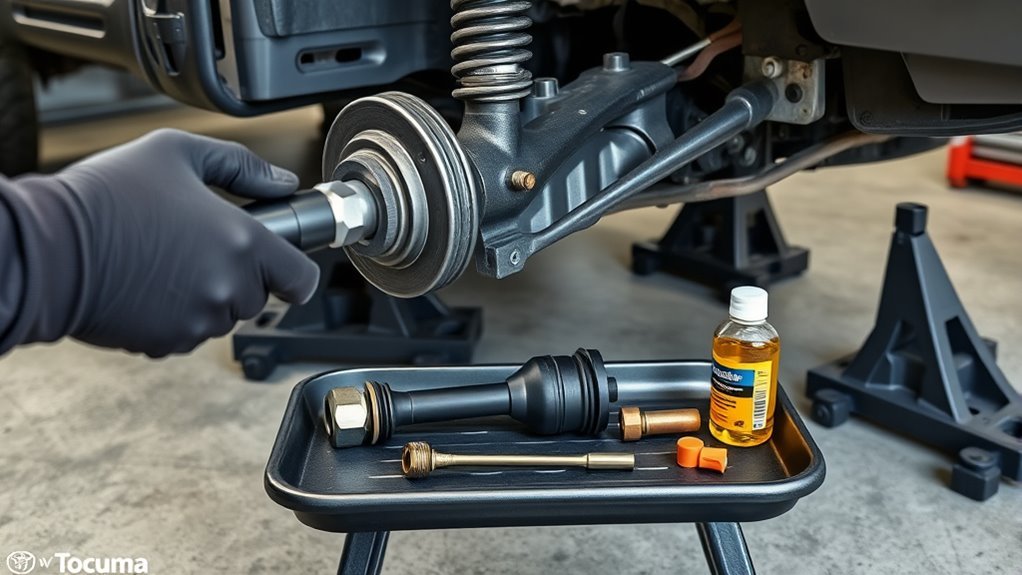
What You’ll Need
- ATF explicitly compatible with the Dexron II or Dexron III specification listed for the truck.
- A fluid syringe, turkey baster, or hand pump with clean tubing.
- A drain pan, sealable waste-fluid container, and absorbent shop towels.
- Basic hand tools only if required by the model-specific procedure.
- Properly rated lifting equipment and jack stands if a verified procedure requires the front wheels to be raised.
- Nitrile gloves and eye protection.
Basic Reservoir Drain and Refill Steps
- Park on level ground, set the parking brake, and let hot engine-bay parts cool enough to work safely.
- Confirm that the truck has hydraulic steering and verify the required fluid.
- Clean the reservoir cap and surrounding area before opening it.
- Note the current fluid level, temperature range, clarity, odor, and visible foam or debris.
- Extract old fluid from the reservoir with a clean syringe or hand pump.
- Refill with the correct ATF to the applicable COLD mark.
- Start the engine and let it idle only after the reservoir has been refilled and the cap is secure.
- Turn the steering wheel slowly from side to side without forcing or holding it against full lock.
- Stop the engine, wait for the fluid to settle, and recheck the level, foam, leakage, and steering feel.
- Repeat later if you want to replace more old fluid gradually without opening a hose connection.
Note: A reservoir exchange does not remove all fluid from the pump, hoses, steering gear, and cooler circuit. It is a partial refresh rather than a complete system exchange.
Used-fluid disposal: Store extracted fluid in a clean, sealed container and take it to a used-oil collection site, automotive store, repair shop, or facility that accepts transmission and steering fluid. Never pour it onto the ground or into a sink, storm drain, or sewer. See the EPA used-oil guidance.
When a Return-Line Exchange Requires Model-Specific Instructions
A return-line exchange removes more old fluid than a reservoir exchange, but it is not a universal owner-manual procedure. Hose position, reservoir design, clamp type, steering layout, and bleeding requirements vary. Use repair information for the exact model year and engine or have a qualified shop perform the exchange.
- Confirm the low-pressure return hose from model-specific service information before loosening any connection.
- Keep the engine off unless the verified factory procedure explicitly instructs otherwise.
- Never let the reservoir run dry, because air can enter the pump and hoses.
- Do not force or hold the wheel against full lock while exchanging or bleeding fluid.
- Stop if a hose is brittle, corroded, seized, difficult to identify, or begins leaking after reconnection.
Do not start the engine with a return hose disconnected unless a model-specific Toyota procedure directs you to do so. Starting the pump with an open line can move fluid rapidly and pull air into the system.
How to Bleed and Recheck the System
- Fill the reservoir to the correct COLD mark.
- With the engine off, turn the wheel slowly from near one steering stop to near the other while watching the reservoir.
- Add fluid as needed so the reservoir never empties.
- Wait for large bubbles to subside before starting the engine.
- Start the engine and let it idle.
- Cycle the steering gently without forcing or holding the wheel against full lock.
- Stop the engine, wait for the fluid to settle, and recheck the correct temperature range.
- Inspect for foam, noise, leakage, and changing steering effort before driving normally.
If the fluid continues to foam or the pump remains noisy, inspect the return hose, clamps, reservoir connection, fluid level, and other possible air-entry points. Persistent symptoms require professional diagnosis.
Troubleshoot Steering Issues, Risks of Neglect, and When to See a Shop
Whining while turning, stiff steering, visible leaks, recurring fluid loss, and persistent foam can signal more than aged fluid. Check the correct level, hose condition, clamp security, belt condition where applicable, and signs of leakage around the reservoir, pump, lines, cooler, and steering gear.
A fluid exchange cannot repair a cracked hose, worn pump, damaged seal, slipping Toyota Tacoma serpentine belt, steering-gear fault, suspension problem, or EPS electrical failure. If symptoms continue after the level and trapped air have been corrected, arrange a steering-system diagnosis.
| Symptom | Likely Direction | Immediate Action |
|---|---|---|
| Whining or groaning while turning | Low fluid, trapped air, pump wear, restriction, or belt problem | Check the level, leaks, foam, hose connections, and belt condition |
| Cloudy, foamy, or emulsified fluid | Air entry, low level, or contamination | Bleed the system and inspect the return side for air leaks |
| Strong burnt odor or visible debris | Heat damage, contamination, or component wear | Stop adding fluid blindly and arrange inspection or a model-specific exchange |
| Level drops again after topping up | External leakage or fluid collecting inside a steering-gear boot | Inspect the reservoir, hoses, pump, steering gear, and nearby underbody area |
| Steering remains stiff | Pump, belt, steering gear, suspension, alignment, tire, or EPS fault | Stop driving if control feels unsafe and schedule diagnosis |
| EPS warning on a 2024–2026 Tacoma | Electrical steering-assist fault, not a low-fluid condition | Do not add ATF; scan and diagnose the EPS system |
Pro tip: Photograph the reservoir level, hose connections, steering-gear boots, and wet areas before cleaning them. A before-and-after record can help you identify a slow leak.
Frequently Asked Questions
What Kind of Power Steering Fluid Does a Toyota Tacoma Use?
A factory hydraulic Toyota Tacoma uses automatic transmission fluid meeting the Dexron II or Dexron III specification shown in its owner’s manual. Confirm the exact model year, engine, market, and reservoir label before adding fluid.
Does a 2024 or Newer Tacoma Use Power Steering Fluid?
No. U.S.-market 2024, 2025, and 2026 Tacomas use electric power steering. They do not have a hydraulic power steering reservoir and do not need power steering fluid.
Where Is the Tacoma Power Steering Fluid Reservoir?
On a hydraulic Tacoma, the reservoir is in the engine compartment and is identified in the under-hood diagram or owner’s manual. Its exact location and design vary by engine. Some have visible HOT and COLD tank markings, while others use a cap-mounted dipstick. A 2024-or-newer U.S.-market Tacoma has no hydraulic reservoir.
Is Toyota ATF and Power Steering Fluid the Same?
Not in every vehicle. Toyota specified ATF for factory hydraulic Tacoma steering systems, but that does not mean any ATF or any bottle labeled power steering fluid is acceptable. Match the exact Dexron specification in the manual.
Can I Use Regular Power Steering Fluid in a Tacoma?
Do not use a generic power steering fluid unless its current manufacturer documentation explicitly states that it is suitable for systems requiring Dexron II or Dexron III and the Tacoma manual permits that application.
Can You Use Dexron VI in a Toyota Tacoma Power Steering System?
A Dexron VI license by itself does not confirm Tacoma power-steering suitability. Use a product only when its current manufacturer documentation explicitly covers Dexron II or Dexron III and permits the relevant power-steering application.
Can I Use Toyota WS or T-IV in the Power Steering Reservoir?
Do not substitute Toyota WS or T-IV merely because the Tacoma’s transmission uses one of those fluids. The hydraulic steering system has its own specification, which calls for Dexron II or Dexron III ATF in the cited Tacoma manuals.
Why Is My Tacoma Power Steering Fluid Foamy?
Foam usually means air has entered the hydraulic system. Low fluid, an air leak on the return side, a loose connection, or recent service can introduce air. Correct the level, bleed the system, and inspect for leaks or loose connections.
How Often Should You Change Tacoma Power Steering Fluid?
Toyota does not publish a scheduled replacement interval. Inspect the fluid during routine service and replace or exchange it when its condition, contamination, repair history, leakage, or steering symptoms make service necessary.
How Much Power Steering Fluid Does a Tacoma Need?
There is no single top-up quantity for every Tacoma. Add only enough of the specified ATF to reach the correct HOT or COLD range. The amount required for a full repair or dry-system fill depends on the model year, engine, steering components, and work performed.
What Color Should Tacoma Power Steering Fluid Be?
Fresh ATF is commonly red, but used fluid may become darker, amber, or brown. Color alone does not prove that the fluid is wrong. Check its clarity, odor, foam, debris, level trend, repair history, and steering symptoms together.
Safety Disclaimer: This article provides general maintenance information and does not replace the owner’s manual, model-specific service information, or a qualified technician’s diagnosis. Stop driving and get professional help if steering becomes difficult to control, the system leaks heavily, or the truck feels unsafe.
Conclusion
A factory hydraulic Toyota Tacoma needs ATF meeting the Dexron II or Dexron III specification listed in its owner’s manual. Confirm that the truck has a hydraulic reservoir, read the bottle’s full application statement, and fill only to the correct engine-specific HOT or COLD range.
A 2024-or-newer U.S.-market Tacoma uses electric power steering and does not take power steering fluid. For an older hydraulic truck, top up only after checking for leaks. Use a partial reservoir exchange for a cautious preventive refresh, and use model-specific repair information for any return-line exchange or bleeding procedure. Persistent fluid loss, foam, noise, or heavy steering requires diagnosis.
References
- 2005 Tacoma Owner’s Manual, Power Steering Fluid Type and Level Check, Toyota
- 2022 Tacoma Owner’s Manual, Toyota
- 2023 Tacoma Quick Reference Guide, Toyota
- How Often Does Power Steering Fluid Need Replacement?, Toyota Customer Support
- 2024 Toyota Tacoma Electric Power Steering Information, Toyota Pressroom
- 2025 Toyota Tacoma Model Information, Toyota Pressroom
- 2026 Toyota Tacoma Model Information, Toyota Pressroom
- Dexron II/III and Power-Steering Application Information, Valvoline
- Managing, Reusing, and Recycling Used Oil, U.S. Environmental Protection Agency