Driving a Toyota Supra at high altitude changes how the car feels, especially on long climbs, hot mountain passes, and twisty roads where you are asking for repeated acceleration. The main issue is thinner air: there is less oxygen available for combustion, less air moving through the cooling system, and less margin for brakes, tires, and the driver. A modern turbocharged GR Supra handles altitude far better than an older naturally aspirated car, but it still benefits from smart preparation and smoother driving.
Quick Answer
High altitude can reduce a Toyota Supra’s power, throttle response, cooling efficiency, and fuel range because thin air contains less oxygen. The turbocharged GR Supra 3.0 compensates well, but long climbs, heat, heavy throttle, low tire pressure, old coolant, or worn brakes can still make mountain driving feel slower and harder on the car.
Key Takeaways
- Thin air reduces oxygen for combustion, so naturally aspirated Supras lose power faster than turbocharged models.
- The modern GR Supra’s turbocharger and engine management system help maintain performance, but heat, steep grades, and repeated hard pulls can still limit power.
- Fuel economy does not drop by one fixed number at altitude; mountain grades, aggressive throttle, speed, and traffic usually matter more than elevation alone.
- Cooling, tire pressure, brake condition, and premium fuel are the biggest pre-trip checks before mountain driving.
- Smooth throttle, lower gears on descents, and regular temperature checks help protect the Supra on high-altitude roads.
At a Glance
| Time Required | 20–45 minutes for a basic pre-trip inspection |
| Difficulty | Easy for checks; moderate if service is needed |
| Tools Needed | Tire pressure gauge, tread gauge, flashlight, OBD scanner if available, clean microfiber towel |
| Cost | $0–$30 for checks; more if tires, brakes, coolant, oil, or repairs are due |
What Happens to Your Engine at High Altitude?
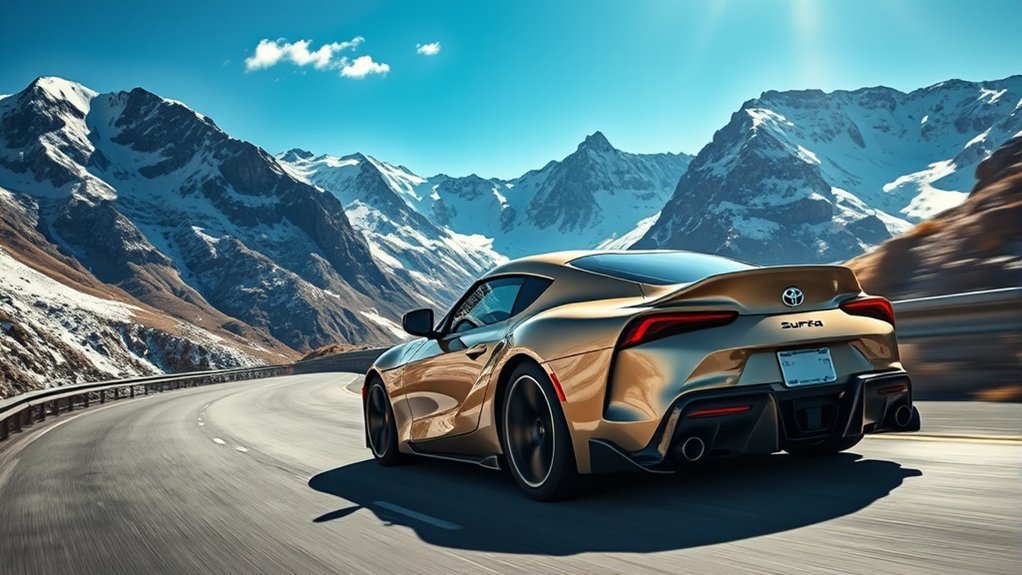
At higher elevations, air pressure and air density drop. That means each intake stroke contains less oxygen than it would at sea level. In an internal-combustion engine, less oxygen means the engine cannot burn as much fuel cleanly, so available power drops unless forced induction and engine management can make up the difference.
This is why older naturally aspirated Supra models can feel noticeably softer in the mountains. A common rule of thumb is that a naturally aspirated engine may lose about 3% of power for every 1,000 feet of elevation gain, although the exact number depends on temperature, humidity, air pressure, engine condition, and tune. Aviation sources explain the same principle clearly: reduced air density decreases engine horsepower output, especially in normally aspirated engines.
The newer GR Supra is in a better position. Toyota’s current GR Supra 3.0 uses a turbocharged 3.0-liter inline-six rated at up to 382 horsepower and 368 lb.-ft. of torque. The turbocharger compresses intake air, helping the engine maintain more of its sea-level performance than a naturally aspirated engine could. Still, the turbo is not magic. At high elevation, it may need to work harder, and the engine computer may reduce output if intake temperatures, coolant temperature, oil temperature, or knock risk climb too high.
Note: “High altitude” for a car usually becomes noticeable around mountain-town elevations such as 5,000–8,000 feet, but the effect is stronger on hot days, steep climbs, and passes above 9,000–10,000 feet.
How Reduced Air Density Affects the Supra’s Power Output
Reduced air density affects power in three main ways: the engine gets less oxygen, the turbocharger has less dense air to compress, and heat becomes harder to shed during repeated acceleration. You may notice slower response when passing, more downshifts from the automatic transmission, or a need to keep the manual transmission in a lower gear on steep grades.
Engine Power Reduction Factors
In a naturally aspirated engine, power loss is direct: less air enters the cylinder, so the engine burns less fuel and makes less torque. In a turbocharged Supra, the turbo helps close that gap by increasing manifold pressure, but several limits still matter:
- Turbocharger workload: The turbo may spin faster to reach the requested boost pressure in thinner air.
- Intake air temperature: Compressing air creates heat, and hotter intake air is less dense and more knock-prone.
- Engine protection logic: The ECU can pull timing, reduce boost, or enrich the mixture when it sees heat or knock risk.
- Road grade: A steep climb loads the engine longer than flat-road acceleration, making heat soak more likely.
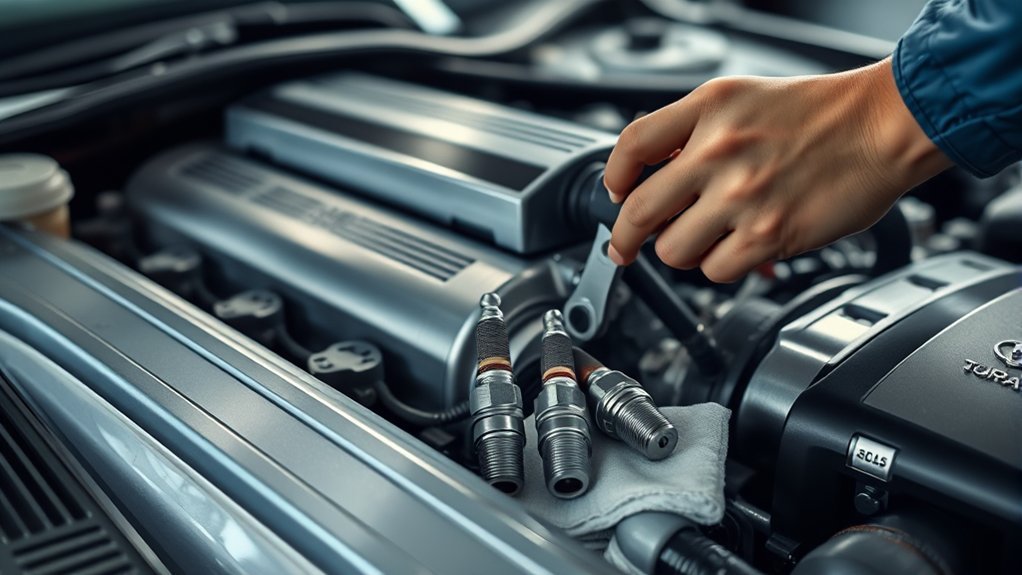
- Vehicle condition: A dirty air filter, weak cooling system, old spark plugs, or low-quality fuel can make altitude effects worse.
Thin air does not just reduce peak horsepower. It can also make the Supra feel less immediate because the engine, turbocharger, cooling system, and transmission are all working harder at the same time.
Turbocharged Benefits at Altitude
The Supra’s turbocharged setup is a major advantage in mountain driving. A turbocharger forces more air into the engine than atmospheric pressure alone would provide. That helps the modern GR Supra preserve acceleration, midrange torque, and passing power better than an older naturally aspirated Supra.
The GR Supra’s engine management system also monitors changing conditions and adjusts fuel delivery, ignition timing, boost control, and throttle response. This helps keep the air-fuel mixture safe as elevation changes. In normal mountain driving, that means you do not need to manually retune the car just because you drove from low elevation to a ski town or mountain pass.
Impact on Acceleration Performance
Acceleration can still feel different at elevation. The Supra may need a little more road to pass, and the engine may feel less sharp after repeated hard pulls. You may also notice more turbo lag if the car is heat-soaked or if you are climbing from low rpm in a high gear.
For the best response, keep the engine in the meat of its torque range instead of lugging it. In the automatic, Sport mode can help the transmission hold lower gears. In the manual, downshift before a climb or pass rather than waiting until the engine is already struggling.
Pro Tip: On a mountain road, a clean downshift before a steep section is easier on the engine than flooring the throttle in too high a gear and waiting for boost to build.
The Role of Engine Management Systems in High-Altitude Driving
Modern engine management is the reason a newer GR Supra can drive from sea level to high elevation without manual adjustment. Sensors monitor air mass, manifold pressure, intake temperature, oxygen content in the exhaust, throttle position, coolant temperature, and knock. The ECU uses that information to adjust combustion in real time.
[Products Worth Considering]

This coolant thermostat is a direct replacement designed for a wide range of Toyota, Lexus, and Scion vehicles. It helps maintain proper engine temperature, supports reliable cooling system performance, and installs easily without special tools or programming. Built to meet OEM standards, it offers durable, stable operation and dependable fitment for compatible models.

This radiator burping funnel kit helps simplify coolant refilling, bleeding, flushing, and spill-free maintenance across a wide range of vehicles. Its translucent body with clear scale supports controlled filling, while multiple adaptors, caps, and extension pieces improve compatibility and access in tight engine bays. The built-in shut-off valve and rubber-gasket design help reduce spills and make cooling system service cleaner and more convenient.

This A-Premium engine air filter is designed to help maintain clean airflow for compatible Lexus and Toyota vehicles, supporting better engine performance and efficiency. It uses fine filtration media to capture debris while minimizing airflow restriction, making it a practical replacement for routine maintenance. With fitment for multiple popular models and a convenient boxed single-pack design, it offers a straightforward solution for keeping your engine protected.
Adaptive Fuel Delivery Adjustments
Older carbureted or poorly tuned vehicles can run too rich or too lean when elevation changes. A modern fuel-injected Supra is far more adaptable. It measures incoming air and changes fuel delivery to match, helping maintain safe combustion even when the air is thinner.
That does not mean fuel economy will always improve or worsen by a fixed percentage. At steady highway speeds, thinner air can reduce aerodynamic drag. But in real mountain driving, steep grades, frequent acceleration, and lower gears often increase fuel use. The U.S. Department of Energy notes that aggressive driving alone can reduce gas mileage by roughly 15% to 30% at highway speeds, which is why driving style matters so much in the mountains.
Ignition Timing Optimization
Ignition timing is another key adjustment. At altitude, lower cylinder filling can reduce knock tendency in some situations, but heat, boost, fuel quality, and engine load still matter. The ECU continually adjusts timing to balance power and safety.
Use the fuel grade specified for your Supra. Do not rely on altitude alone to “make up for” low octane, especially in a turbocharged engine. Premium fuel is part of how the GR Supra delivers its rated performance and avoids knock under boost.
Warning: If the engine warning light comes on, coolant temperature rises, oil pressure warnings appear, or the car begins misfiring under boost, back off immediately and stop safely. Do not keep pushing the car up a grade while hoping the warning clears.
Performance Impact on Older Supras
Older Toyota Supra generations vary widely. Some were naturally aspirated, some were turbocharged, and many have been modified. At altitude, modified cars need extra attention because boost targets, fueling, intercooling, and engine safety margins may not match factory calibration.
If your Supra has an aftermarket tune, bigger turbo, intake, downpipe, or ethanol blend setup, confirm that the tune is designed for the elevations and temperatures you plan to drive in. A sea-level track tune may not be ideal for hot, high-elevation mountain use.
Fuel Efficiency Issues at High Altitude
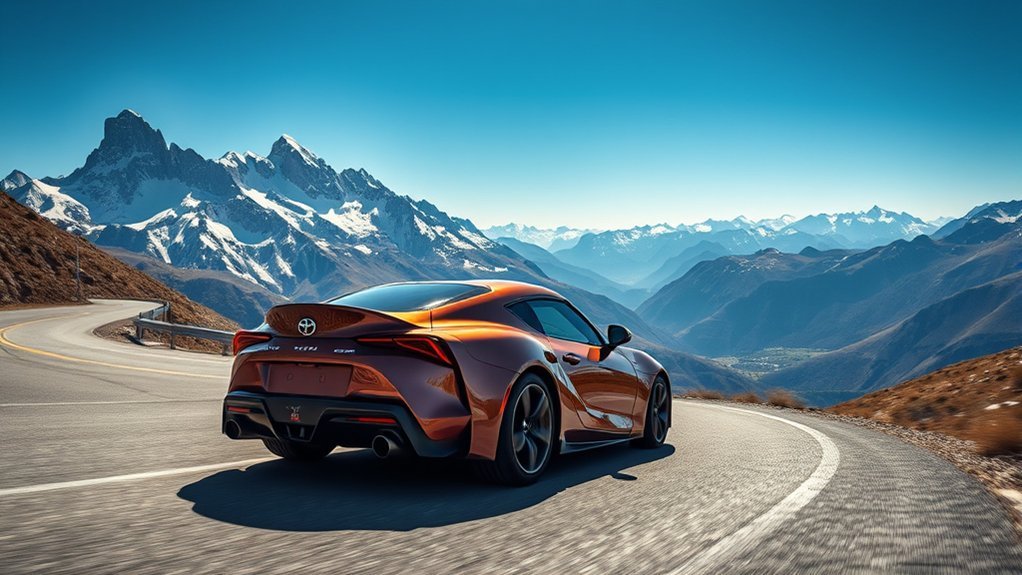
Fuel efficiency at altitude is more complicated than “higher elevation equals worse MPG.” The air is thinner, which can reduce aerodynamic drag at cruising speed. But mountain driving often includes steep climbs, lower gears, repeated acceleration, cold starts, traffic near resorts, and spirited canyon runs. Those conditions can use more fuel quickly.
Expect your range to vary more than usual. A Supra that feels efficient on flat highway stretches may burn fuel faster on a long uphill pass. Descents can offset some of that, but they do not erase the energy used climbing thousands of feet.
To protect fuel range on high-altitude drives:
- Fill up before remote mountain roads, especially if premium fuel availability is uncertain.
- Use steady throttle instead of repeated hard acceleration.
- Avoid unnecessary idling at scenic stops or trailheads.
- Use navigation to check distance to the next reliable fuel station.
- Do not carry unnecessary weight in the cargo area.
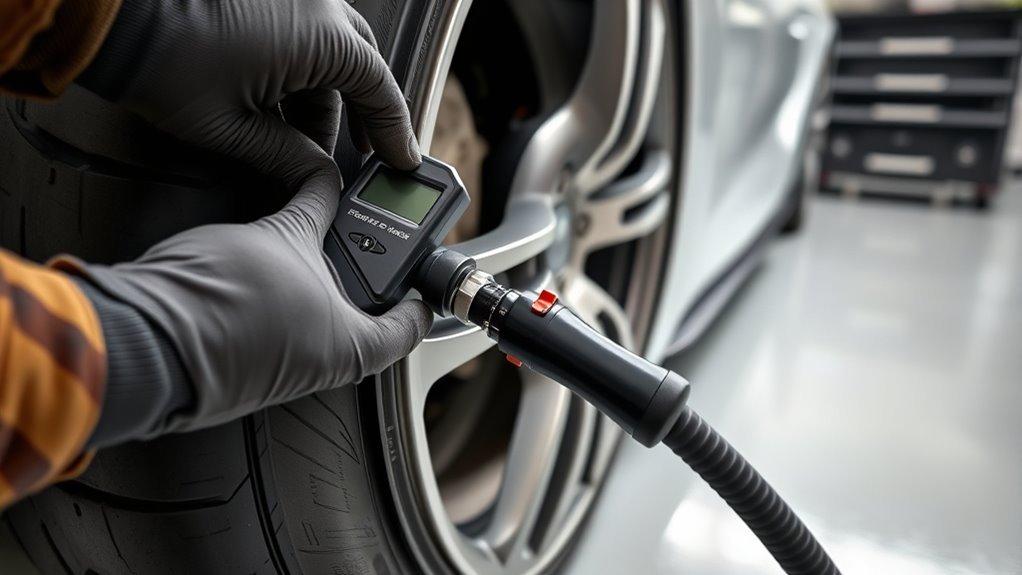
- Keep tires inflated to the vehicle placard’s cold-pressure recommendation.
Note: Premium fuel can be harder to find on remote routes. Plan fuel stops before entering long mountain stretches, especially if your Supra is tuned or if you are traveling after hours.
How to Optimize Your Supra’s Cooling System at High Altitudes
Cooling matters because high-altitude driving often combines thin air, steep grades, lower speeds, and more engine load. Less dense air can remove heat less effectively from the radiator and intercooler, while long climbs keep the engine under load for minutes at a time.
Before a mountain trip, inspect the cooling system and airflow path:
- Check coolant level when the engine is cold. Follow the owner’s manual procedure and never open a hot cooling system.
- Look for dried coolant residue. White, pink, or crusty deposits can indicate a small leak.
- Inspect hoses and clamps. Replace swollen, cracked, oily, or soft hoses before a long trip.
- Clean the radiator and front heat exchangers. Leaves, bugs, and road debris reduce airflow.
- Confirm the electric fans operate correctly. This is especially important for traffic, slow climbs, and hot days.
- Check engine oil level. Toyota notes in the Supra owner materials that oil consumption depends on driving style and conditions, so regular checks matter.
If your Supra is stock and healthy, you should not need an aftermarket fan or cooling modification for normal public-road mountain driving. For track days, repeated high-speed climbs, or heavily tuned cars, upgraded cooling may be worth discussing with a specialist who understands the GR Supra platform.
[Products Worth Considering]

The Milwaukee M18 FUEL 1/2" High Torque Impact Wrench delivers powerful fastening and breakaway performance in a compact, easy-to-handle design. Its brushless motor and REDLINK PLUS intelligence help maintain strong output while protecting against overload, overheating, and over-discharge. With multiple control modes, durable all-metal construction, and a friction ring anvil for fast socket changes, this tool is built for demanding automotive and jobsite applications.

The LISEN Retractable Car Charger is a versatile in-vehicle charging solution designed to power multiple devices while reducing cable clutter. With retractable USB-C and legacy iPhone cables, dual USB ports, and support for standard 12V cigarette lighter sockets, it is ideal for daily commuting, road trips, and family travel. Its adjustable, shockproof design and fast charging capabilities make it a practical accessory for drivers who want organized, reliable power on the go.

This AstroAI digital tire pressure gauge delivers factory-calibrated readings with dependable ±1 PSI accuracy, helping you keep cars, trucks, motorcycles, and spare tires at the right pressure. Its bright backlit LCD and illuminated nozzle make nighttime checks easy, while the one-button unit switch and auto-off design add convenience and battery efficiency for routine maintenance.
Best Driving Habits for Mountain Roads
Mountain roads reward smooth inputs. The Supra has strong acceleration, quick steering, and powerful brakes, but altitude and grades reduce the margin for sloppy driving. Use the car’s performance carefully rather than asking it to recover from late braking, high heat, and abrupt throttle at every corner.
Use the Right Gear Before the Climb
Do not let the engine lug in a tall gear. Downshift early, keep the engine responsive, and use moderate throttle. This helps the turbo stay ready without forcing the engine to build boost from too low an rpm.
Control Speed on Descents
Long downhill sections can overheat brakes faster than many drivers expect. Use a lower gear and engine braking to hold speed. Apply the brakes firmly when needed, then release them so they can cool. Riding the pedal lightly for miles can create heat and fade.
Watch Tire Pressure and Temperature
Tire pressure changes with temperature, driving heat, and elevation. The safest approach is to follow the vehicle’s tire placard and check pressure when the tires are cold. The National Highway Traffic Safety Administration recommends measuring pressure when tires are cold, meaning the vehicle has not been driven for at least three hours.
Do not bleed air from hot tires just because the pressure rises after spirited driving. Once the tires cool, they may end up underinflated. Check again cold at your destination if you have climbed significantly or if the temperature has changed sharply.
Leave More Room for Passing
Even in a turbocharged Supra, passing at high elevation may take longer than it does near sea level. Plan passes on clear, legal stretches with extra space. Avoid passing immediately before blind curves, crests, or wildlife zones.
Respect the Driver, Too
The car is not the only thing affected by altitude. The CDC notes that travelers above 8,000 feet may be at risk for altitude illness. Headache, nausea, dizziness, fatigue, or unusual shortness of breath can affect judgment and reaction time. Stop, hydrate, rest, or descend if symptoms appear.
Maintenance Tips for Your Supra Before High-Altitude Adventures
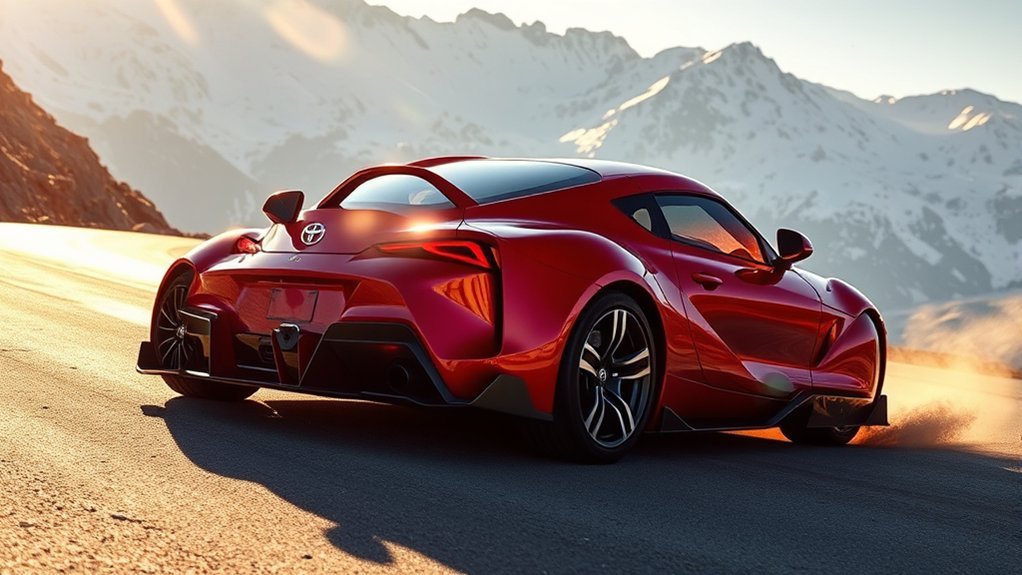
Driving in the mountains brings its own set of challenges, and preparing your Toyota Supra before a high-altitude trip is just as important as adjusting your driving style. A healthy Supra will handle elevation far better than one that is overdue for basic service.
Driving in the mountains poses unique challenges; ensuring your Toyota Supra is ready for high-altitude adventures is crucial for optimal performance.
[Products Worth Considering]

Bendix Premium Ceramic Front Brake Pads are engineered to match original equipment fit, form, and function for a straightforward replacement. Built with durable materials to help resist wear and corrosion, they support consistent braking performance and reduced brake fade for everyday driving. These pads are a dependable choice for compatible Pontiac, Scion, Toyota, and related vehicles.

This upgraded engine oil funnel kit makes oil changes cleaner and easier with a spill-proof design, flow control valve, and transparent body for precise filling. Built from durable polycarbonate and equipped with 12 adapters, two 45-degree elbows, and a debris filter, it fits a wide range of vehicles and works well in tight engine spaces. The secure, hands-free setup helps reduce mess while improving control during oil filling and fluid transfers.

The OEMTOOLS coolant vacuum refill kit helps quickly refill a vehicle’s cooling system while removing trapped air that can lead to overheating and engine damage. It also performs vacuum leak tests to help confirm system integrity and reduce the chance of repeat repairs. With multiple bushings, adapters, and a tapered cone seal, it is designed for flexible use on many radiator and coolant bottle necks.
Pre-Trip Maintenance Checklist
- Engine oil: Check oil level and service interval. Long climbs and spirited driving increase engine load.
- Coolant: Verify level when cold and inspect for leaks, crust, or coolant smell.
- Air filter: Replace a dirty filter so the turbocharger is not fighting a restriction.
- Intercooler and radiator airflow: Remove leaves, bugs, plastic bags, or debris from the front openings.
- Brake pads and rotors: Make sure there is enough pad life for long descents.
- Brake fluid: Replace old fluid if it is due. Old moisture-contaminated fluid is more prone to boiling under heavy braking.
- Tires: Check cold pressure, tread depth, sidewall damage, and uneven wear.
- Battery: Cold mountain mornings can expose a weak battery.
- Fuel: Start with fresh premium fuel and confirm fuel availability on your route.
- Emergency gear: Carry water, a tire inflator, basic tools, warm clothing, and a phone charger.
Extra Notes for Modified Supras
Modified Supras deserve extra care before high-altitude driving. A larger turbo, aggressive tune, lowered suspension, track pads, or extreme summer tires can all change how the car behaves in the mountains. Make sure the tune has safe boost control for elevation changes, the cooling system can handle sustained load, and the tires match the weather you may encounter.
Warning: Summer performance tires can lose grip quickly in cold mountain temperatures, even on dry pavement. If the forecast includes freezing temperatures, snow, or ice, use tires suited to those conditions instead of relying on the Supra’s traction control to compensate.
Frequently Asked Questions
How does high altitude affect your car’s engine?
High altitude reduces air density, so the engine receives less oxygen for combustion. Naturally aspirated engines lose the most power. Turbocharged engines, like the modern GR Supra 3.0, compensate by compressing intake air, but they can still be affected by heat, steep grades, and engine protection limits.
How can driving at high altitude affect a driver?
At elevations above about 8,000 feet, some people may experience headache, dizziness, nausea, fatigue, or shortness of breath. Those symptoms can reduce focus and reaction time. If you feel unwell, stop driving, rest, hydrate, and descend if symptoms worsen.
How much horsepower do you lose at high altitude?
A naturally aspirated engine is often estimated to lose about 3% of power per 1,000 feet of elevation gain. A turbocharged Supra usually loses less because the turbocharger helps maintain intake pressure, but real-world loss depends on temperature, boost control, fuel quality, engine condition, and heat soak.
Does a turbocharged Toyota Supra perform well in the mountains?
Yes. The turbocharged GR Supra is well suited to mountain roads because its turbocharger helps offset thin air and its engine management system adjusts automatically. It will still perform best when the cooling system, tires, brakes, oil, and premium fuel are all in good condition.
Will my Supra use more fuel at high altitude?
It can, but not simply because of elevation. Mountain grades, lower gears, repeated acceleration, cold starts, traffic, and aggressive driving usually have the biggest impact. Smooth throttle, steady speed, proper tire pressure, and planning fuel stops help protect range.
Should I change tire pressure before driving to a higher elevation?
Use the cold tire pressure listed on the vehicle placard, not the maximum number on the tire sidewall. Check pressure when the tires are cold before the trip, then recheck cold at your destination if elevation or temperature changed significantly.
Conclusion
Driving your Toyota Supra at high altitude can be exciting, but the mountains ask more from the engine, turbocharger, cooling system, brakes, tires, and driver. Thin air can reduce power, long climbs can raise temperatures, and steep descents can stress brakes. The modern turbocharged GR Supra handles these conditions well when it is properly maintained, fueled with premium gasoline, and driven smoothly. Prepare the car before the trip, respect warning lights, manage speed on descents, and give yourself extra room for passing. Do that, and your Supra will feel much more confident on high-altitude roads.
Sources
- Toyota 2026 GR Supra specifications — backs up current GR Supra engine output, drivetrain, and fuel economy specifications.
- Toyota 2026 Supra Owner’s Manual — backs up owner maintenance, operating-material, warning, and vehicle-use guidance.
- National Weather Service: High Density Altitude — explains how thin air reduces engine power and performance capability.
- FAA Density Altitude safety publication — supports the relationship between reduced air density and lower normally aspirated engine horsepower.
- FuelEconomy.gov: Many Factors Affect MPG — supports the fuel-economy impact of aggressive driving, speed, idling, and driving behavior.
- NHTSA TireWise tire safety guidance — supports cold tire pressure checks and proper inflation guidance.