If your Toyota Tacoma’s power locks are inconsistent, the problem is usually not the key fob alone. A weak fob battery, changed unlock settings, corroded wiring, a blown fuse, a sticky latch, or a worn door lock actuator can all make one door fail while the others still work. The best fix is to diagnose the simple electrical and mechanical causes first, then replace the actuator only after testing it.
Quick Answer
A Toyota Tacoma door that locks but will not reliably unlock usually points to a weak actuator motor, dirty latch mechanism, poor connector contact, or damaged wiring in the door jamb. Check the fob battery and unlock settings first, then test the switch, fuse, wiring, and actuator before buying parts.
Key Takeaways
- If one door fails but the others work, the issue is usually local to that door: actuator, latch, connector, or wiring.
- If all doors fail, check the key fob battery, vehicle battery, power door lock fuse, body ECU settings, and remote programming.
- Many Tacomas unlock the driver’s door on the first fob press and the remaining doors on a second press; newer models may use a 5-second second-press window.
- Cleaning connectors and old grease can help, but a weak actuator motor often needs replacement once it fails a bench test.
- Always confirm fitment by VIN because front, rear, left, and right lock assemblies are not always interchangeable.
At a Glance
| Time Required | 20–45 minutes for diagnosis; 1–2 hours for actuator replacement |
| Difficulty | Beginner to intermediate |
| Tools Needed | Trim tool, Phillips screwdriver, socket set, multimeter, contact cleaner, dielectric grease, 9V or 12V test power source |
| Typical Cost | Low cost for cleaning/testing; higher if replacing an OEM lock actuator assembly |
Common Symptoms of Door Lock Actuator Issues
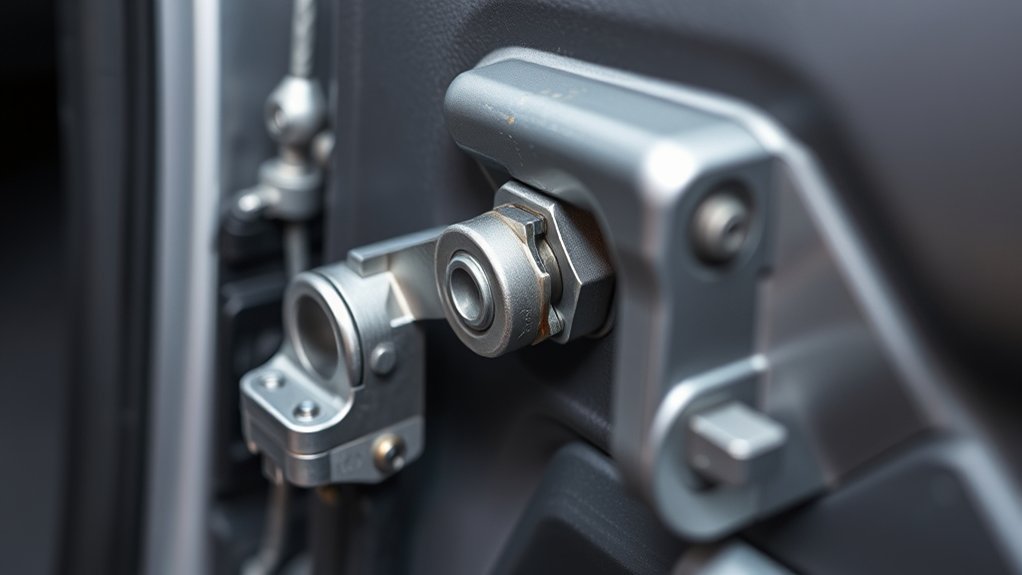
When a Toyota Tacoma door lock actuator starts failing, the symptoms usually show up as inconsistent locking or unlocking. You may notice that the driver’s door responds to the key fob but another door stays locked, or that one door locks normally but will not unlock without using the inside handle or key.
Common signs include:
- One door does not unlock with the key fob, even though the other doors work.
- The door locks but will not unlock, or unlocks only sometimes.
- You hear a weak click, buzz, or grinding sound inside the door.
- The door switch works from one side of the truck but not the other.
- The key fob unlocks the driver’s door on the first press, but the other doors do not respond as expected.
- The lock button moves slightly but does not complete the lock or unlock travel.
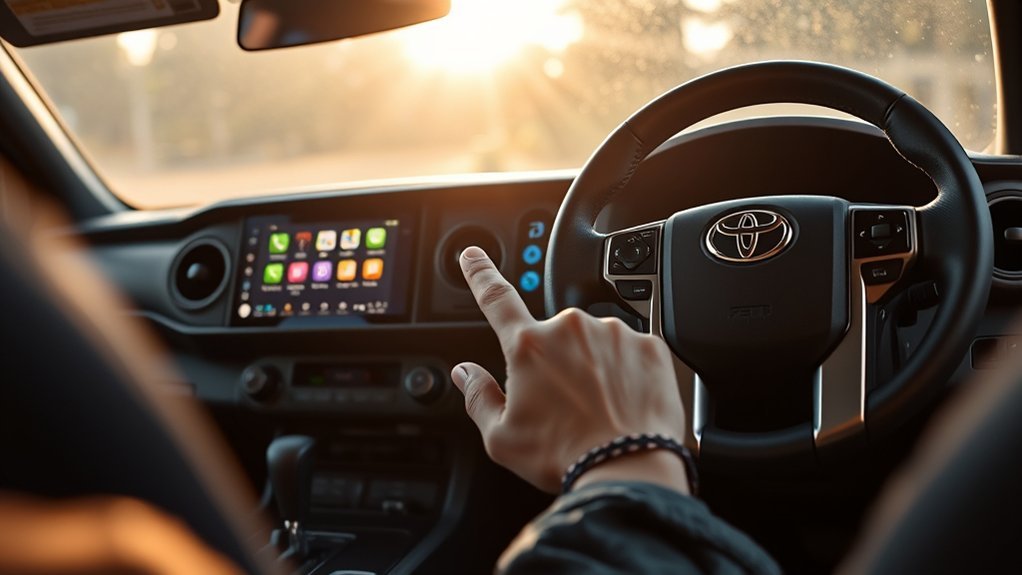
Before assuming the actuator is bad, make sure the truck is not simply using its normal two-step unlock setting. Toyota’s owner information for newer Tacoma models explains that pressing the unlock button can unlock the driver’s door first, then the remaining doors and tailgate after a second press within the allowed time window. You can review model-specific operation in the Toyota Tacoma side door owner’s manual section.
Note: If every door fails at the same time, look at the key fob battery, vehicle battery, fuse, door lock settings, or body control system before removing any door panels.
How Door Lock Actuators Work
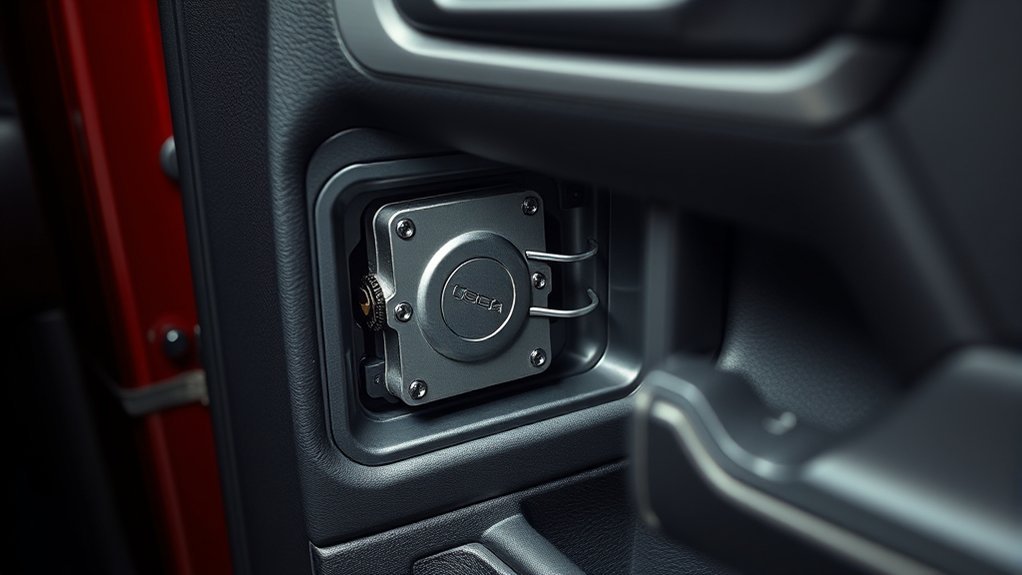
A power door lock actuator is a small electric motor and gear mechanism inside the door latch or lock assembly. When you press the key fob or door switch, the truck sends power and ground through the lock circuit. The motor moves a rod, lever, or latch mechanism to lock or unlock the door.
Many actuator motors work by reversing polarity. In simple terms, the same motor can move one direction to lock and the opposite direction to unlock when the electrical polarity changes. That is why a weak motor, poor connector, damaged wire, or sticky latch can cause one direction to work better than the other.
Actuator Functionality Explained
The actuator does not work by itself. It depends on the key fob, door switches, fuse, wiring harness, connectors, body ECU, and latch mechanism. When one of those pieces fails, the symptom can look like a bad actuator even when the actuator motor still runs.
For example, a dry or dirty latch can make a good actuator struggle. A corroded connector can pass enough current to make a faint click but not enough to move the lock fully. A broken wire in the door jamb can work when the door is open but fail when the door is closed.
Wiring and Polarity Dynamics
Wiring color and circuit design can vary by Tacoma year, trim, cab style, and door position, so do not rely on wire colors from a forum post unless they match your exact truck. For model-specific wiring, Toyota points owners and repairers to the official Toyota Technical Information System, which contains service publications for Toyota vehicles marketed in North America.
Use these checks before condemning the actuator:
- Check for battery voltage at the actuator connector while pressing lock and unlock.
- Confirm the ground path is clean and stable.
- Inspect the door jamb harness for broken, cracked, or stretched wires.
- Look for corrosion, loose pins, or moisture inside connectors.
- Compare the failing door with a working door when possible.
Warning: Disconnect the negative battery cable before unplugging door wiring or working near side-impact airbag wiring. If your Tacoma has airbags or sensors in the door area, follow the factory repair procedure for your exact year.
Common Reasons Your Key Fob Fails to Unlock the Driver’s Door
If your key fob fails to unlock the driver’s door, start with the simple causes first. A weak fob battery can reduce signal strength, especially in cold weather or from a distance. Replace the battery if the fob works only close to the truck or works intermittently.
Next, confirm how your Tacoma is supposed to unlock. Many Toyota models use a driver-priority unlock function, where the first press unlocks the driver’s door and the second press unlocks the remaining doors. Some newer Tacoma owner’s manual sections also explain that door unlock behavior can be customized through vehicle settings or dealer customization.
Other common key fob-related causes include:
- Low key fob battery.
- Weak vehicle battery.
- Remote unlock settings changed in the vehicle menu.
- Fob damage from water, impact, or worn buttons.
- Signal interference from nearby electronics.
- Door actuator or latch failure that only appears to be a fob problem.
If the door also fails from the inside door switch, the key fob is probably not the main problem. In that case, move on to switch, wiring, fuse, and actuator testing.
Troubleshooting Door Unlocking Problems With Door Switches
Door switches are useful because they help separate a key fob issue from a door circuit issue. Test both the driver’s master switch and the passenger-side switch if equipped. Watch whether the failing door behaves the same from every switch.
Common Symptoms Identified
Use the pattern of failure to narrow the cause:
- Only one door fails: Most likely actuator, latch, connector, or local door wiring.
- All doors fail from the fob but work from switches: Most likely fob battery, fob programming, antenna/receiver issue, or remote settings.
- All doors fail from every switch: Check the fuse, vehicle battery, body ECU, and main lock circuit.
- Door locks but will not unlock: The actuator motor may be weak in one direction, or the latch may be sticking.
- Problem changes when the door is moved: Suspect broken wires in the door jamb harness.
Testing Door Switch Functionality
Press each switch several times and listen closely. A strong actuator usually makes a quick, firm movement. A weak actuator may click, buzz, or move slowly. If the switch produces no sound at the failing door, test for voltage at the actuator connector while the switch is pressed.
A multimeter is better than guessing. If voltage and ground arrive at the actuator but the lock does not move, the actuator or latch mechanism is likely the issue. If voltage does not arrive, trace the circuit backward to the switch, fuse, connector, or wiring harness.
Pro Tip: Before removing the actuator, record a short video of the lock while pressing the switch. Slow movement, partial travel, and buzzing sounds are helpful clues when comparing the bad door with a working door.
Check the Fuse, Battery, and Door Lock Settings First
Do these quick checks before taking the door apart:
- Replace the key fob battery if the fob response is weak or inconsistent.
- Check the vehicle battery if several electrical features are acting strangely.
- Inspect the power door lock fuse using your owner’s manual fuse location for your exact Tacoma year.
- Verify unlock settings in the vehicle settings menu if your Tacoma supports customization.
- Check for open recalls by VIN at the NHTSA recall lookup page, especially if the issue appears suddenly or involves multiple safety-related electrical symptoms.
These checks take only a few minutes and can prevent unnecessary actuator replacement.
Testing Your Door Lock Actuator Motor: A How-To
To test the actuator motor directly, remove the door panel and access the lock actuator connector. You can often test the actuator in place with a multimeter before removing it. If you remove the actuator, keep track of rods, clips, screws, and cable routing so reassembly is easier.
Basic test process:
- Remove the interior door panel carefully with a trim tool.
- Disconnect the actuator connector and inspect it for corrosion or loose pins.
- Use a multimeter to check for voltage at the connector while pressing lock and unlock.
- If proper power and ground are present, test the actuator movement.
- If bench testing, use a suitable low-current test power source and apply power only briefly.
- Reverse polarity to confirm the actuator can move in both lock and unlock directions.
If the actuator does not move, moves weakly, or works in only one direction during a direct test, replacement is usually the most reliable repair. If the actuator works strongly on the bench but not in the truck, focus on wiring, connectors, switches, or latch binding.
Warning: Do not force lock rods or plastic clips. Many door lock clips become brittle with age, and breaking one can leave the latch disconnected even after the actuator is replaced.
[Products Worth Considering]

This two-piece front door lock actuator motor set is designed to restore reliable power door lock operation for a wide range of Toyota, Lexus, and Scion vehicles. It includes left driver and right passenger side actuators and is made as a direct replacement for common factory part numbers. With broad vehicle compatibility and a one-year warranty, it offers a practical solution for fixing faulty door locking issues.

【Compatibility】The front left driver side door latch compatible with 2005-2015 Toyota tacoma, 2007-2015 Toyota Yaris, 2005-2012 Toyota Avalon, 2007-2014 Toyota FJ Cruiser, 2006-2009 Toyota Prius, 2010-2012 Toyota Prius, 2012 Toyota Prius Plug-In,for detailed vehicle model and year information, please refer to the description page.

Compatible with Toyota Tacoma 2005-2015, Prius 2004-2009.
Why You Should Check Your Connectors and Wiring
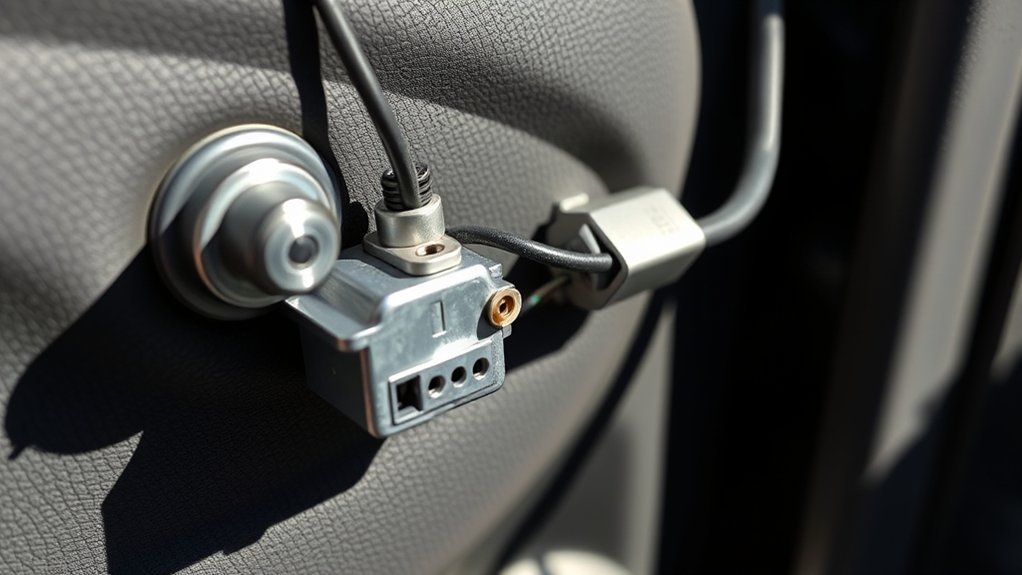
Connectors and wiring deserve close attention because a door lock actuator needs enough current to move the latch. A dirty or corroded connector may still allow a test light to glow, but the actuator may not receive enough power under load.
Inspect for Corrosion Issues
Look for green or white corrosion, moisture, loose terminals, bent pins, or signs of overheating. Clean light corrosion with electrical contact cleaner and let the connector dry before reconnecting it. After the connector is clean, a small amount of dielectric grease around the seal can help reduce future moisture problems.
Do not pack dielectric grease directly between metal contacts in a way that prevents contact. The goal is to protect the connector seal and surrounding area, not insulate the terminals.
Ensure Proper Wiring Integrity
The door jamb harness flexes every time the door opens and closes, so broken wires are common on older vehicles. Pull the rubber boot back gently and inspect the wires for cracks, breaks, or previous repairs. If the lock works when the door is open but fails when the door is closed, the jamb harness should be one of your first checks.
Repair damaged wires with proper automotive wire, solder or quality crimp connectors, and heat-shrink tubing. Avoid twisting wires together and wrapping them with household tape; that repair usually fails quickly inside a moving door harness.
Step-by-Step Guide to Cleaning Your Door Lock Actuator
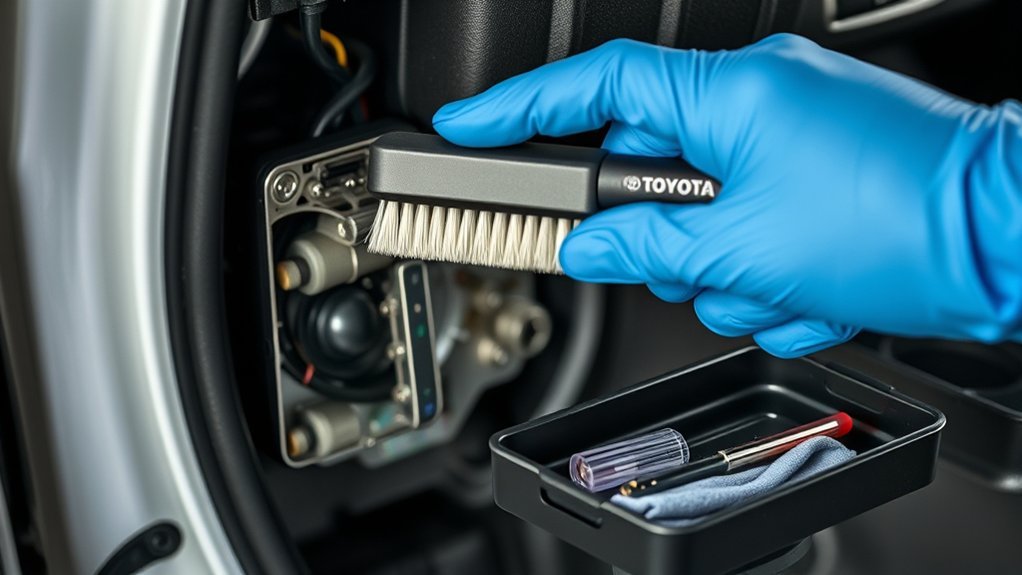
Cleaning can help when the latch is sticky or old grease has hardened. It will not fix a burned-out motor, stripped gear, or broken internal actuator, but it is worth trying before replacing parts if the mechanism still moves.
- Remove the door panel. Take pictures before removing rods, clips, cables, and vapor barrier sections.
- Disconnect the wiring harness. Inspect the connector for moisture, corrosion, and loose pins.
- Check the latch movement. Move the latch and lock linkage by hand. It should move smoothly without binding.
- Clean old grease and debris. Use contact cleaner only on electrical connectors and an appropriate cleaner on mechanical latch areas.
- Apply fresh lubricant sparingly. Use a suitable automotive latch lubricant on moving latch points, not on electrical contacts.
- Reconnect and test before reassembly. Cycle lock and unlock several times before reinstalling the door panel.
If cleaning restores smooth operation, reassemble the door and test the truck over several days. If the same door becomes intermittent again, the actuator motor may be weak and near the end of its service life.
How to Know When to Replace Your Door Lock Actuator Motor
Replace the actuator or lock assembly when testing shows the actuator receives proper power and ground but still does not move correctly. Replacement is also likely when the actuator buzzes, grinds, moves slowly, works only in one direction, or fails a direct bench test.
You should also consider replacement if:
- The same door keeps failing after connector cleaning and latch lubrication.
- The lock button moves only partway.
- The actuator works cold but fails after repeated use.
- The motor sounds weak compared with the other doors.
- The latch assembly has internal wear or broken plastic parts.
Some Tacoma door lock actuators are sold as part of a latch or lock assembly rather than as a separate motor. Toyota’s official parts site lets owners search by vehicle or VIN through Genuine Toyota Tacoma parts, which is the safest way to confirm the correct part family before ordering.
[Products Worth Considering]

[Note]: For Toyota Avalon, Prius & Prius Plug-In fit the model From 11/2012
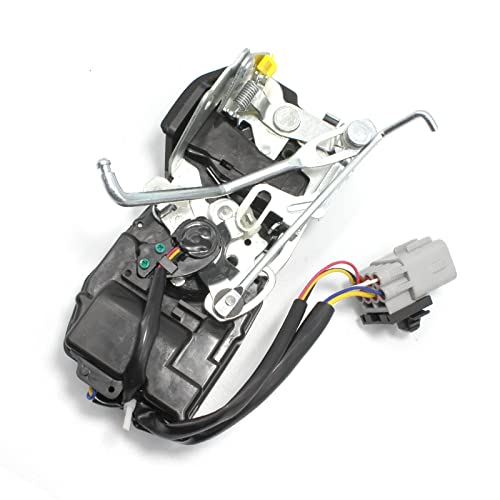
Replaces Part: 69040-04010,6904004010,931-492,931492.While this is not genuine OEM part, it is a direct replacement.See below for the full vehicle compatible list

Applicable for Toyota Tacoma 1998 1999 2000 2001 2002 2003 2004
New vs. Rebuilt Door Lock Actuators: Making the Right Choice
A new OEM actuator or lock assembly is usually the lowest-risk choice because it is designed for the exact vehicle fitment and latch controls. The downside is cost. Aftermarket and rebuilt units can be cheaper, but quality varies widely.
Use this comparison when choosing:
| Option | Best For | Watch Out For |
|---|---|---|
| New OEM | Best fit and long-term reliability | Higher price |
| New aftermarket | Budget repair when reviews and fitment are strong | Variable motor strength, connector fit, and latch quality |
| Used OEM | Hard-to-find parts or lower-cost OEM fit | Unknown wear and no clear service life remaining |
| Rebuilt/remanufactured | Cost savings from a reputable rebuilder | Quality depends on what was replaced inside |
Always confirm the exact year, cab style, door position, and trim. A driver-side front actuator may not match a passenger-side or rear-door unit.
[Products Worth Considering]

[ Function ] The door lock actuator is located inside the door and controls your vehicle's door locks. Replacing the door lock assembly restores normal door lock function by solving locking and unlocking problems and sensitively controlling your vehicle's doors.

【Compatibility】The front right passenger side door latch compatible with 2005-2015 Toyota tacoma, 2007-2015 Toyota Yaris, 2005-2012 Toyota Avalon, 2007-2014 Toyota FJ Cruiser, 2006-2009 Toyota Prius, 2010-2012 Toyota Prius, 2012 Toyota Prius Plug-In,for detailed vehicle model and year information, please refer to the description page.

Replaces Part: 69030-04010,6903004010,931-493,931493.While this is not genuine OEM part, it is a direct replacement.See below for the full vehicle compatible list
Tips for Disassembling and Reassembling Your Door Lock Actuator
Door lock actuator replacement is straightforward when you stay organized. The most common mistakes are breaking clips, misrouting rods, forgetting a connector, or reinstalling the vapor barrier poorly.
Follow these tips:
- Take photos before removing each rod, clip, screw, and cable.
- Keep screws and clips in labeled containers.
- Do not tear the vapor barrier; reseal it to help keep moisture out of the cabin.
- Test the lock before reinstalling the door panel.
- Check manual lock operation, key operation, inside handle, outside handle, fob, and door switch.
- Make sure the child lock is not engaged on rear doors before diagnosing an inside-handle issue.
Pro Tip: After reassembly, close the latch with a screwdriver while the door is open and test lock/unlock before shutting the door. Then pull the handle to release the latch. This helps confirm the mechanism works before the door is fully closed.
When to Get Professional Help
Get professional help if the door will not open at all, if you suspect side-airbag wiring is involved, if multiple body electrical systems are failing, or if you do not have a wiring diagram for your exact Tacoma. A technician can use factory service information, scan tools, and circuit testing to separate an actuator failure from a body ECU, switch, or harness problem.
Toyota states that official service publications are available through its Technical Information System support page. That is the most reliable source for exact repair procedures, wiring diagrams, and model-specific warnings.
Frequently Asked Questions
Why is my power door lock not working on my Toyota Tacoma?
If only one door is not working, the most likely causes are a worn actuator, sticky latch, corroded connector, or broken wire in that door. If every door fails, check the fob battery, vehicle battery, fuse, lock settings, and main door lock circuit first.
Why does my Tacoma unlock only the driver’s door?
That may be normal. Many Toyota Tacoma models use a driver-priority unlock setting, where the first press unlocks the driver’s door and a second press unlocks the other doors. Check your owner’s manual for the exact timing and customization options for your model year.
Can a bad door lock actuator still make noise?
Yes. A failing actuator may click, buzz, or grind but still lack enough strength to move the latch. Noise means the motor is receiving some power, but it does not prove the actuator is healthy.
Should I replace the actuator or the whole latch assembly?
It depends on your Tacoma’s year and the part design. Some actuators are integrated into the door lock or latch assembly. Search by VIN through Toyota parts or use factory service information before ordering.
Can I drive with a bad door lock actuator?
Usually yes, as long as the door latches securely and opens from at least one safe method. However, repair it soon if the door cannot be locked, cannot be opened normally, or traps passengers inside.
Conclusion
A Toyota Tacoma door lock actuator problem can feel random, but the diagnosis is usually logical. First, confirm the key fob battery, unlock settings, fuse, and vehicle battery. Then compare fob operation with door switch operation. If one door still fails, inspect the connector, wiring, latch movement, and actuator power supply.
If the actuator receives proper power and ground but still clicks weakly, buzzes, moves slowly, or fails in one direction, replacing the actuator or lock assembly is the right fix. Taking the time to test first keeps you from replacing good parts and helps restore reliable locking without guesswork.
Sources
- Toyota Owners: 2024 Tacoma Side Doors — confirms Tacoma wireless remote door unlock behavior and customization notes.
- Toyota Owners: Tacoma Manuals and Warranty Guides — supports checking the owner’s manual for exact fuse, lock, and vehicle-specific details.
- Toyota Support: Technical Information System — explains where official Toyota repair information and service publications are available.
- Toyota Technical Information System — official source for Toyota service procedures and wiring information.
- Toyota Genuine Tacoma Parts — supports VIN-based fitment checks for Tacoma replacement parts.
- NHTSA Recall Lookup — official U.S. VIN recall lookup for checking open safety recalls.