
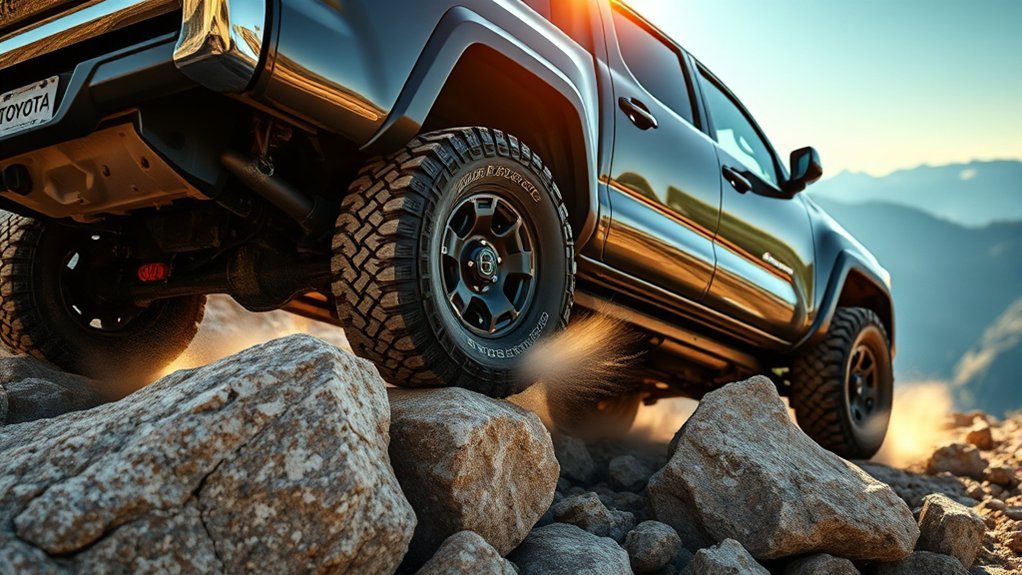
In a Toyota Tacoma, Crawl Control and low range are related off-road tools, but they are not the same thing. Low range changes the transfer case gearing so the truck can move slowly with more wheel torque, while Crawl Control is an electronic driver-assist feature that manages throttle and braking at very low speeds. Used correctly, they can make steep climbs, rocky trails, loose sand, mud, and controlled descents easier to handle.
Quick Answer
Use low range when you need slow-speed power, traction, and control. Use Crawl Control when you want the Tacoma to automatically manage throttle and braking while you focus on steering. On equipped models, Crawl Control generally works in 4L or L4L, so low range is the foundation and Crawl Control is the helper.
Key Takeaways
- Low range is mechanical gearing: it gives the Tacoma more low-speed control for steep hills, rocks, mud, sand, and deep snow.
- Crawl Control is electronic assistance: it automatically modulates acceleration and braking at low speed so you can focus on steering.
- They often work together: on many equipped Tacomas, Crawl Control requires 4L or L4L before it will activate.
- Neither replaces judgment: tire choice, line selection, ground clearance, and safe recovery planning still matter.
At a Glance
| Time Required | 5 to 10 minutes to learn; longer to practice safely |
| Difficulty | Beginner to intermediate off-road driving |
| Tools Needed | Owner’s manual, safe off-road practice area, tire pressure gauge |
| Cost | No extra cost if your Tacoma is already equipped |
What Is Crawl Control and How Does It Work?
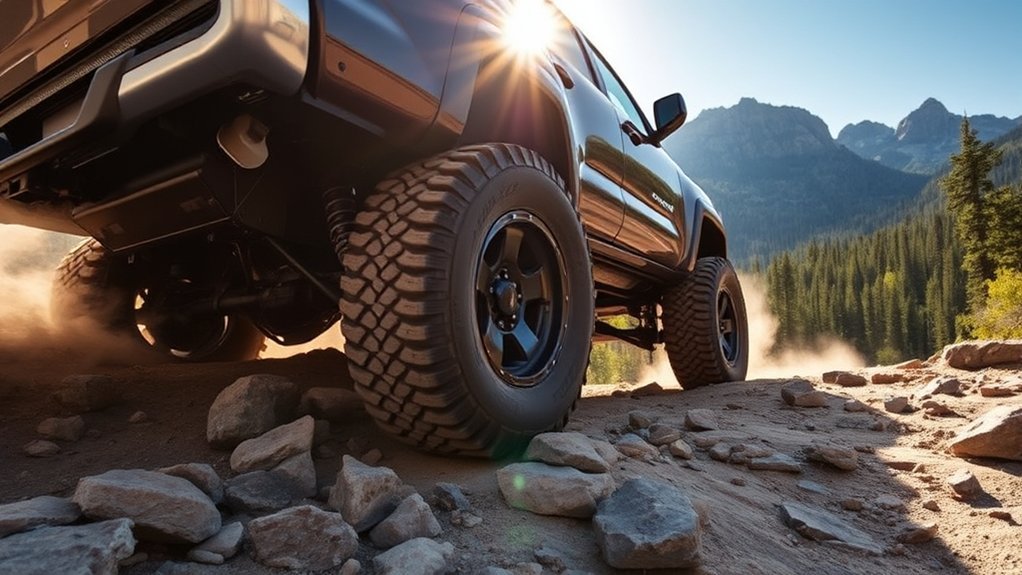
Crawl Control is Toyota’s low-speed off-road assistance system. Toyota describes it as a feature that allows travel on extremely rough off-road surfaces at a fixed low speed without pressing the accelerator or brake pedal. It helps reduce loss of traction or vehicle slip by controlling acceleration and braking while you steer.
Think of Crawl Control as off-road cruise control for difficult terrain, not as a replacement for driver skill. When it is active, the truck pulses throttle and braking to help maintain a slow, steady pace. That can be useful when you are crossing rocks, climbing a loose hill, easing down a steep grade, or trying to avoid sudden throttle inputs in mud or sand.
On equipped Tacoma models, Crawl Control has multiple low-speed settings. Toyota support materials describe five low-speed settings, but exact behavior and availability can vary by model year, trim, drivetrain, and market. Always confirm the procedure in your specific Toyota Tacoma Owner’s Manual.
Note: Crawl Control is available only on certain Tacoma trims and packages. If your truck does not have the Crawl Control switch or menu, low range may still be available on 4WD models, but the automatic throttle-and-brake assistance will not be.
Understanding Low Range: Features and Benefits
Low range, often shown as 4L, 4LO, or L4L depending on the Tacoma, is a transfer-case setting for slow, difficult driving. Instead of relying on electronics to control speed, low range changes the gearing so the truck can move slowly while delivering more usable torque to the wheels.
Toyota’s official four-wheel-drive guidance describes 4L as the low-speed four-wheel-drive position for maximum power and traction. It is intended for climbing or descending steep hills, off-road driving, and hard pulling in sand, mud, or deep snow.
Low Range Functionality
Low range works by using lower transfer-case gearing. That gives the Tacoma better control at walking speeds and reduces the need to slip the brakes or stab the throttle. It is especially helpful when you need steady power over obstacles or controlled engine braking on descents.
Low range is not the same as traction control, a locking differential, or Crawl Control. It is the gear range that puts the truck in the right speed and torque window for demanding terrain. Electronic systems can then build on that foundation.
Advantages of Low Range
- More low-speed control: The truck moves more slowly for a given engine speed, making it easier to place the tires accurately.
- Better torque multiplication: Low gearing helps the truck pull through steep, loose, or uneven surfaces without needing aggressive throttle.
- Improved descent control: Low range helps the drivetrain hold the vehicle back on steep downhill sections.
- Less wheel spin: Smooth throttle response can reduce sudden tire slip in sand, mud, snow, and loose rock.
Warning: Do not use part-time 4WD low range on dry, high-traction pavement. Binding can occur in tight turns because the driveline is not meant to slip freely on hard surfaces. Use 2H for normal dry-road driving unless your specific Tacoma system and manual state otherwise.
How Do Crawl Control and Low Range Differ?
Although Crawl Control and low range are often used together, they solve different problems.
| Feature | Crawl Control | Low Range |
|---|---|---|
| What it is | Electronic off-road driver assistance | Mechanical transfer-case gearing |
| Main job | Manages throttle and braking at low speed | Increases low-speed torque and control |
| Driver input | You steer and choose speed setting | You control throttle, brake, and steering unless another aid is active |
| Best use | Rock crawling, steep grades, slick surfaces, uneven obstacles | Steep climbs, descents, sand, mud, deep snow, hard pulling |
| Key limitation | Requires proper conditions and can overheat if used continuously | Not for normal dry pavement driving on part-time 4WD systems |
The simplest way to remember the difference is this: low range gives the Tacoma the gearing to crawl; Crawl Control helps the Tacoma do the crawling for you.
[Products Worth Considering]
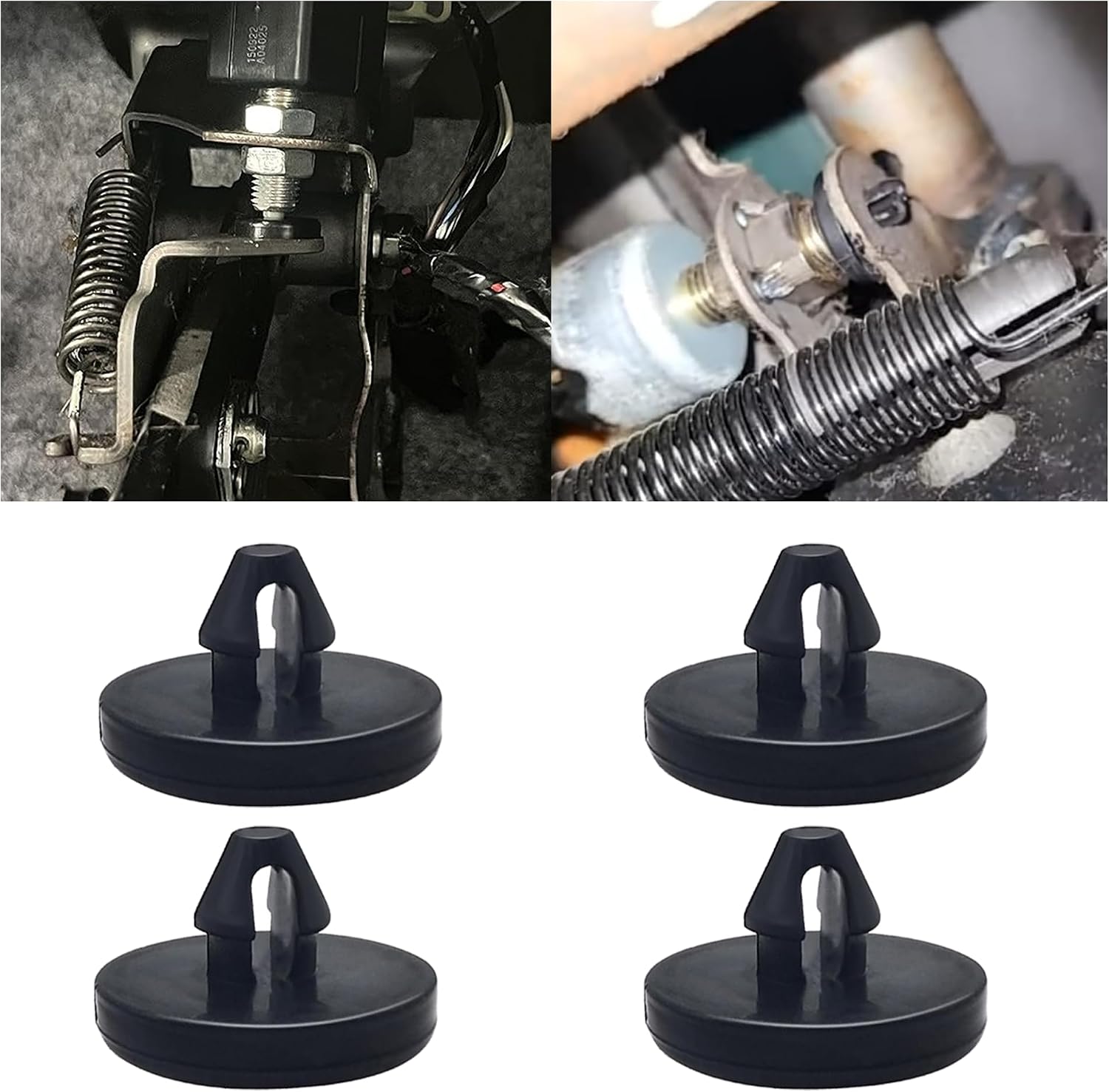
This brake pedal stop pad set is designed as an OEM replacement for compatible Toyota, Lexus, and Scion models, helping restore proper brake light switch function when the brake light stays on. Made from durable nylon, these compact stoppers are built for reliable long-term use and quick, tool-free installation. The set includes multiple pieces for convenient replacement and sharing.

This plug-and-play AC button switch is designed to replace a faulty factory air conditioner switch in compatible Toyota vehicles. It installs easily without tools and is made to match the original part for a seamless fit and reliable operation. Built from durable ABS plastic, it offers a dependable replacement backed by warranty support and fitment guidance.
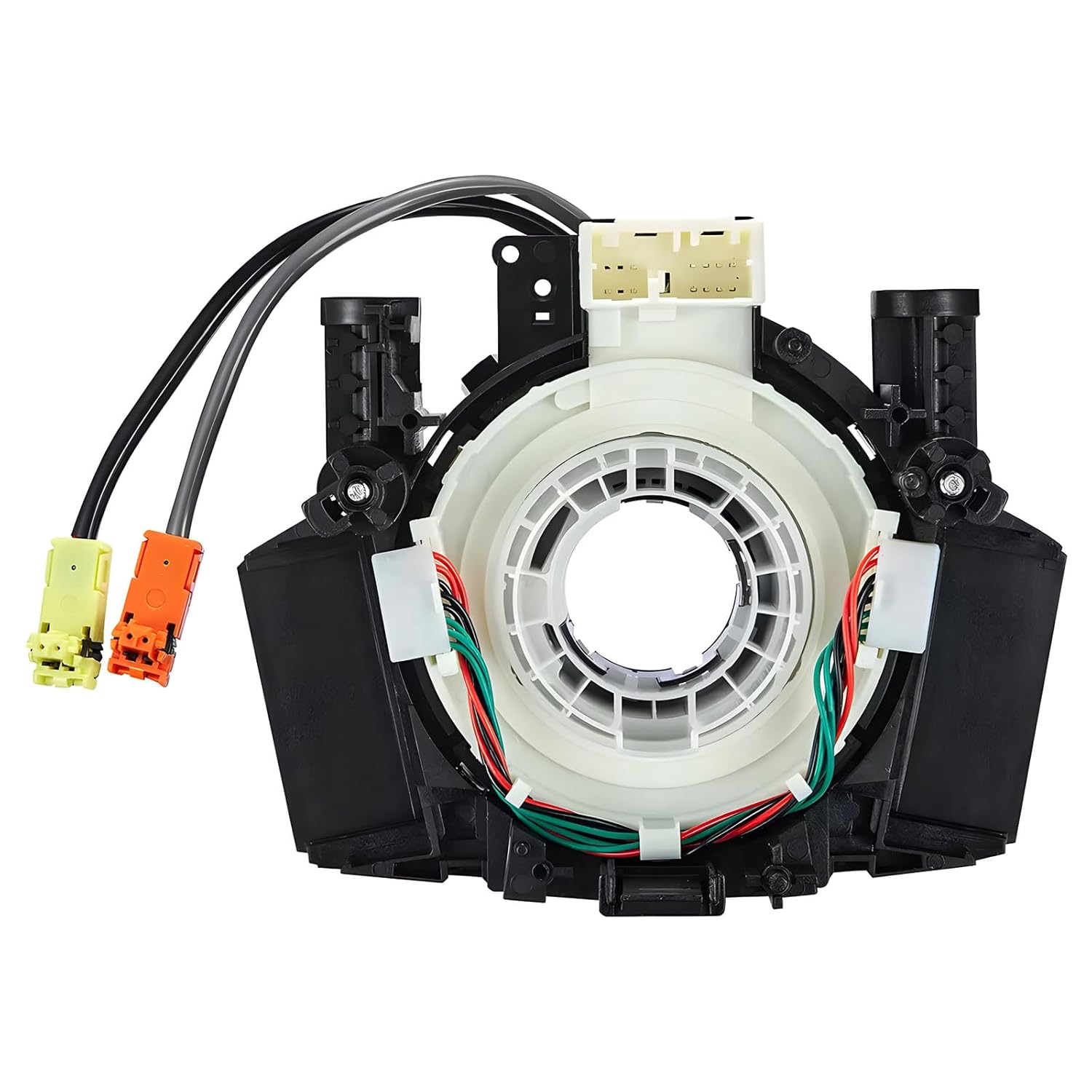
This steering clock spring assembly is an OEM-style replacement designed to restore steering wheel controls and related electronic functions in compatible Nissan vehicles. It supports audio, cruise control, and multi-function button operation while matching multiple factory part numbers for a reliable fit. Built for direct installation with vehicle-specific connectors, it helps return steering column electronics to proper working order.
When to Use Crawl Control for Off-Roading
Use Crawl Control when slow, steady movement is safer than trying to balance the accelerator and brake yourself. It is most useful when traction changes quickly or when small throttle mistakes could cause wheel spin, bouncing, or sliding.
- Steep climbs: Crawl Control can help prevent sudden throttle surges on loose hills.
- Controlled descents: The system can help hold a slow pace while you steer downhill.
- Rocky trails: It lets you focus on tire placement and obstacle clearance.
- Mud, sand, or snow: Gentle power delivery can help reduce unnecessary wheel spin.
- Uneven ruts: The steady pace can make it easier to avoid bouncing through holes.
Do not use Crawl Control just because the button is available. If the terrain is easy, normal throttle control may feel smoother. Crawl Control is best saved for technical sections where consistent low-speed movement matters.
Pro Tip: Practice Crawl Control on a mild dirt or gravel surface before relying on it on a hard trail. The brake pulsing and mechanical noises can surprise first-time users, but that feedback is normal when the system is working.
Optimal Conditions for Engaging Low Range
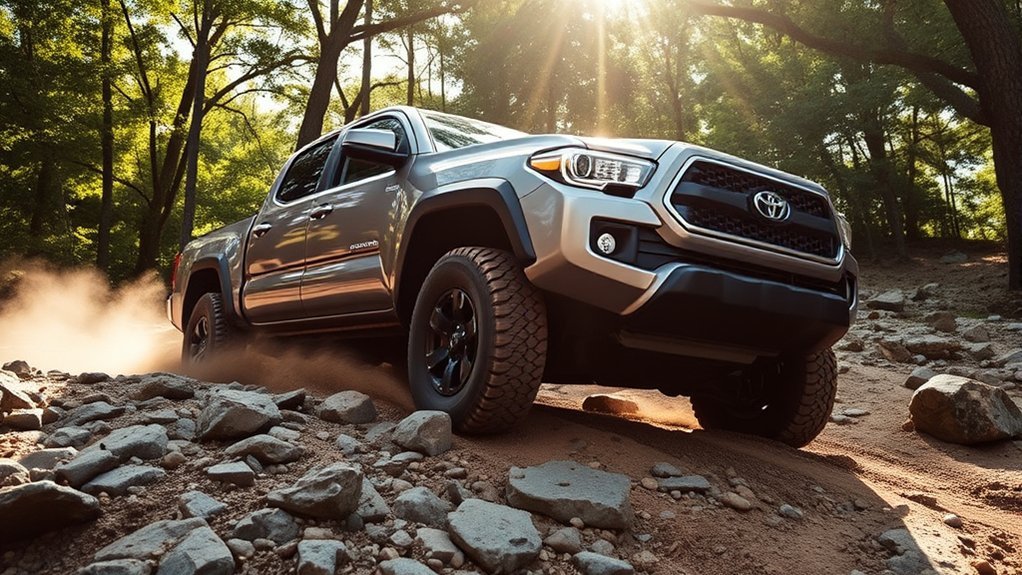
Engage low range before the trail gets difficult, not after you are already stuck. Low range is ideal when you expect slow movement, heavy resistance, or a need for precise control.
- Steep uphill climbs where momentum alone is risky
- Steep downhill sections where engine braking helps control speed
- Rock gardens where careful tire placement matters
- Deep sand, mud, or snow where smooth power delivery helps traction
- Hard pulling off-road where the truck needs extra low-speed leverage
For many Tacoma models, shifting into 4L requires slowing or stopping and using the front-wheel-drive control switch as described in the owner’s manual. Some models require the transmission to be in Neutral before the shift completes. Because procedures vary by year and drivetrain, the manual should be treated as the final authority.
How to Combine Crawl Control and Low Range for Better Off-Roading
On equipped Tacomas, Crawl Control commonly requires the truck to be in 4L or L4L before it will operate. That means the best setup is usually: choose low range first, then activate Crawl Control only when the trail calls for it.
[Products Worth Considering]

This steering clock spring is designed to restore reliable steering wheel controls across a wide range of Toyota models. It supports audio, cruise control, and other multifunction commands while matching OEM part numbers for confident replacement fitment. Built for dependable signal transfer and straightforward installation, it is an effective solution for repairing steering column control issues.

This dash clock spring replacement is designed for a wide range of Toyota vehicles and helps restore reliable steering wheel control functions. It supports audio controls, cruise control, and other multi-function commands while using vehicle-specific connectors for easier installation. Built with durable materials and OEM-referenced part compatibility, it is a practical solution for repairing steering wheel signal issues.

This AstroAI digital tire pressure gauge delivers factory-calibrated readings with dependable ±1 PSI accuracy, helping you keep cars, trucks, motorcycles, and spare tires at the right pressure. Its bright backlit LCD and illuminated nozzle make nighttime checks easy, while the one-button unit switch and auto-off design add convenience and battery efficiency for routine maintenance.
Step-by-Step Engagement Technique
- Stop in a safe place. Choose flat ground if possible and keep your foot on the brake.
- Shift into the required transmission position. Many Tacomas require Neutral for the 4L shift, but check your model’s manual.
- Select 4L, 4LO, or L4L. Wait for the indicator to confirm the shift is complete.
- Select the correct terrain setting if equipped. Multi-Terrain Select can help tailor throttle and brake behavior for mud, sand, rock, moguls, or other surfaces depending on model year.
- Activate Crawl Control. Choose a low setting for rocks or tight descents and a higher setting only when the terrain allows it.
- Steer smoothly. Let the system manage throttle and braking while you focus on line choice, clearance, and wheel placement.
- Cancel it when the obstacle is over. Return to normal driving controls before speed increases or the terrain changes.
Terrain-Specific Speed Settings
Use the slowest Crawl Control setting when precision matters most, such as on rocks, ledges, or steep downhill sections. Use a slightly higher setting only when the surface is smoother and the truck can maintain momentum without bouncing or spinning.
For deep sand or mud, Crawl Control may help in some situations, but momentum can also matter. If the truck begins to dig in, stop and reassess rather than forcing the system to keep pushing. The right choice depends on tire pressure, tire type, surface depth, slope, and available recovery options.
Crawl Control, Low Range, and Multi-Terrain Select
Multi-Terrain Select is another Toyota off-road system that is often mentioned with Crawl Control and low range. It is not the same as either one. Toyota describes Multi-Terrain Select as a system that helps regulate wheelspin by adjusting throttle and braking for different surfaces.
Here is how the three systems work together:
- Low range puts the truck in the correct mechanical gear range for difficult low-speed terrain.
- Multi-Terrain Select adjusts vehicle behavior for the selected surface.
- Crawl Control manages low-speed acceleration and braking while you steer.
If your Tacoma has all three, low range is the starting point for technical trails. Multi-Terrain Select can refine traction behavior, and Crawl Control can help maintain a controlled crawl over obstacles.
[Products Worth Considering]

These tricolor door sill protectors help guard your vehicle’s entry points from scratches, scuffs, and everyday wear while adding a bold color accent. Made from abrasion-resistant, waterproof PU leather, they are designed for easy peel-and-stick installation and a clean finish that helps protect the original paint.

These grille retainer clips provide a reliable replacement for the OEM Toyota 90467-12040 part number, helping restore secure body panel attachment on compatible vehicles. Designed for a tight push-in fit, they are made from durable black nylon to resist wear, corrosion, and cracking during everyday use. This set of 10 is ideal for keeping spare clips on hand for grille and trim repairs.

This keyless entry remote replacement is designed for select Toyota models and comes pre-tested with battery and electronics installed for ready-to-program convenience. It supports compatible part numbers and FCC IDs, making it a practical solution for replacing a lost or damaged fob. Programming and cutting by a qualified locksmith or dealership are required, and it is intended for regular key vehicles rather than push-start systems.
Myths vs. Facts: Understanding Crawl Control and Low Range
Off-road systems can be confusing because the names sound similar. These quick myth checks clear up the most common mistakes.
- Myth: Crawl Control gives the Tacoma more power.
Fact: Low range provides the gearing advantage. Crawl Control manages throttle and braking. - Myth: Low range drives the truck automatically.
Fact: Low range changes gearing, but you still control the pedals unless Crawl Control or another assist is active. - Myth: Crawl Control is always better than using your feet.
Fact: Skilled throttle and brake control can be smoother on mild trails. Crawl Control shines on technical terrain. - Myth: 4L is safe to use anywhere because it adds traction.
Fact: On part-time 4WD systems, 4L is for low-traction or off-road surfaces, not dry pavement.
Practical Tips for Mastering Off-Road Driving With Crawl Control and Low Range
To get the most from Crawl Control and low range, treat them as tools in a larger off-road plan. The truck can help, but it cannot choose a safe line, see hidden rocks, or recover itself from a bad decision.
- Read your manual first. Activation steps and limits vary by model year, drivetrain, and trim.
- Air down only when appropriate. Lower tire pressure can improve traction off-road, but carry a compressor so you can reinflate before returning to pavement.
- Use a spotter on blind obstacles. Crawl Control helps with speed, not visibility.
- Keep thumbs out of the steering wheel spokes. A sudden tire hit can jerk the wheel.
- Do not ride the brakes against Crawl Control. Let the system work unless you need to stop or cancel it.
- Watch temperature warnings. Toyota notes that extended Crawl Control use can overheat the automatic transmission and temporarily cancel the system.
- Cancel before normal driving. Once the obstacle is done, return to the right drive mode for the surface.
Low range helps your Tacoma move slowly with strength. Crawl Control helps it keep that slow pace without constant pedal input.
Frequently Asked Questions
Is Tacoma Crawl Control worth it?
Yes, Crawl Control is worth using if you drive technical trails, steep grades, rocks, mud, sand, or snow. It is especially helpful for drivers who want the truck to manage throttle and braking while they focus on steering. It is less useful for easy dirt roads where normal pedal control feels smoother.
When should I use 4H and 4L in a Tacoma?
Use 4H for higher-speed low-traction conditions such as gravel, snow, ice, wet dirt, or loose roads. Use 4L for slow, difficult terrain such as steep hills, rocks, deep mud, sand, or deep snow. Use 2H for normal dry pavement on part-time 4WD Tacoma models.
Does Crawl Control work without low range?
On many equipped Tacoma models, Crawl Control requires 4L or L4L before it will activate. Exact operating conditions vary, so check your specific owner’s manual. If the system will not turn on, the truck may not be in the required gear range or another operating condition may not be met.
Can Crawl Control damage my Tacoma?
Used as directed, Crawl Control is designed for off-road driving. However, Toyota warns that continuous use for a long time can overheat the automatic transmission and temporarily cancel the system. If a warning appears, stop safely and let the vehicle cool according to the owner’s manual.
Is Crawl Control the same as Downhill Assist Control?
No. Crawl Control is designed for very low-speed off-road travel over rough or slippery terrain, and it can help on both climbs and descents. Downhill Assist Control, when equipped, is focused on helping control vehicle speed during downhill driving.
Conclusion
Crawl Control and low range both improve Tacoma off-road control, but they do it in different ways. Low range gives the truck the low-speed gearing needed for power, traction, and controlled descents. Crawl Control adds electronic throttle-and-brake management so you can concentrate on steering through difficult terrain.
For the best results, engage low range before the trail gets technical, choose the right terrain setting if your Tacoma has Multi-Terrain Select, and use Crawl Control when a slow, steady crawl is safer than manual pedal input. Master both systems and your Tacoma will feel more controlled, more capable, and easier to place on the trail.
Sources
- Toyota Tacoma Manuals and Warranties — official owner’s manual access and model-specific operating guidance.
- Toyota Tacoma Four-Wheel Drive System — official transfer-mode guidance for 2H, 4H, and 4L use.
- Toyota Tacoma Hybrid Crawl Control — official Crawl Control operating conditions and system notes.
- Toyota Tacoma Multi-Terrain Select — official Multi-Terrain Select operation and mode guidance.
- Toyota Support: Crawl Control with Off-Road Turn Assist — Toyota’s overview of Crawl Control and its low-speed settings.
- Toyota Support: Multi-Terrain Select and Crawl Control — Toyota’s overview of how these off-road systems assist the driver.

[…] If you air down for off-road driving, reinflate to the placard PSI before you return to highway […]
[…] related trail systems, see the Tacoma Crawl Control vs. low range guide and the Toyota Tacoma A-TRAC […]