
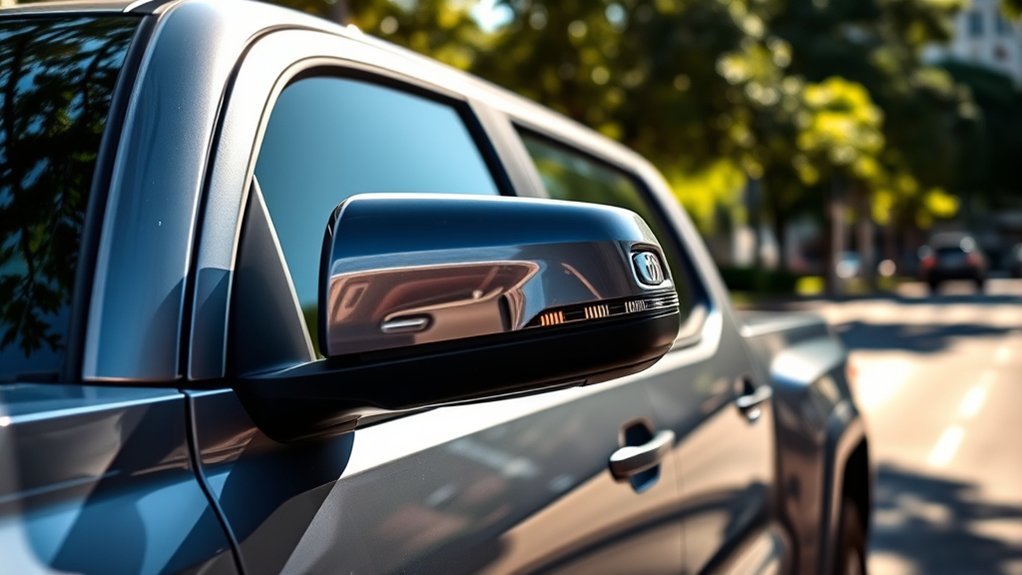
Changing lanes or backing out of a tight parking spot can feel risky when another vehicle hides outside your view. The Toyota Tacoma’s Blind Spot Monitor (BSM) uses radar — not a camera — to warn you when it detects traffic in areas you may not see. This guide explains what BSM does, how it works with Rear Cross-Traffic Alert (RCTA), when the systems may miss hazards, and how you can keep them working well.
By — Last updated:
Quick Answer
The Toyota Tacoma Blind Spot Monitor uses two radar sensors mounted inside the rear bumper to detect vehicles in nearby blind spots and warns you with lights in the side mirrors. When you signal toward a detected vehicle, the warning light flashes to draw your attention. Rear Cross-Traffic Alert can also warn you about traffic from the sides while you back up. BSM isn’t standard on every Tacoma trim or model year, so check your build sheet to confirm you have it. “
Key Takeaways
- BSM alerts you when it detects a vehicle in your Tacoma’s blind spot, using radar sensors rather than a camera.
- RCTA can warn you about cross traffic while you reverse at low speed.
- BSM and RCTA are optional or trim-restricted on some Tacoma configurations, not standard across the whole lineup. “
- Bad weather, dirt, ice, and blocked sensors can reduce system accuracy.
- BSM supports safe driving, but it does not replace mirrors or shoulder checks, and it isn’t designed to detect pedestrians or cyclists.
- Regular sensor cleaning helps the system work as intended.
What Is the Toyota Tacoma Blind Spot Monitor (BSM)?
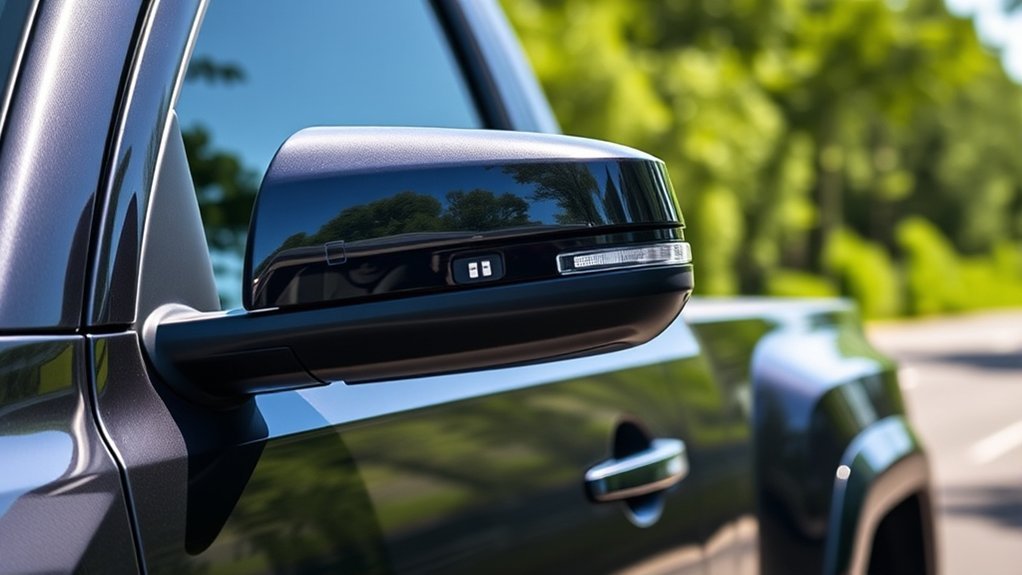
The Toyota Tacoma Blind Spot Monitor (BSM) helps you spot vehicles that may sit outside your normal mirror view. Instead of a camera, it uses two radar sensors built into the rear bumper — one on each side — to track vehicles beside and behind the truck, and gives you a visual warning through an indicator light in the side-view mirror when it detects a vehicle in your blind spot. “
When you turn on your turn signal while the system detects a nearby vehicle, the mirror indicator flashes. That extra warning can help you pause before changing lanes or merging.
You can turn BSM on or off with the dashboard button on equipped Tacoma models. Turning BSM off may also turn off Rear Cross-Traffic Alert (RCTA), so check your owner’s manual for your exact model year and trim. BSM and RCTA also work alongside Toyota Safety Sense features like Pre-Collision System and Lane Departure Alert, but they’re a separate system you can toggle independently.
How Does the BSM Work to Enhance Safety?
The Blind Spot Monitor uses radar sensors to watch nearby lanes while you drive. When it detects a vehicle in the monitored area, it lights an indicator in the matching side mirror.
The system gives you more awareness during lane changes, but it does not control the truck or prevent a crash on its own. You still need to check mirrors, signal early, and look over your shoulder when needed.
Visual Alerts Mechanism
A clear visual alert sits at the center of the Tacoma’s BSM system. The side-view mirror indicators help you notice traffic that may hide beside or behind the truck.
- Indicator lights may turn on during startup as a system check.
- Mirror alerts appear when the system detects a vehicle in the monitored blind spot.
- Flashing indicators warn you when you signal toward a detected vehicle.
- Extra visual cues can reduce the chance of unsafe lane changes.
These alerts give you useful support, especially in dense traffic. Use them as a second set of warnings, not as your only safety check.
Turn Signal Integration
Turn signal integration makes BSM more useful when you plan to move into another lane. If you signal while a vehicle sits in the monitored blind spot, the mirror indicator flashes.
That flashing light gives you a stronger warning before you move. It helps you notice a possible hazard at the exact moment you may need to wait.
Environmental Limitations Acknowledgment
BSM can lose accuracy when the sensors cannot read the area around the truck. Weather, road grime, and traffic conditions can all affect detection.
- Heavy rain, fog, snow, or ice can limit sensor performance.
- Dirt, mud, or debris on sensor areas can block detection.
- Large nearby vehicles can interfere with the sensor view.
- Fast-moving vehicles may enter or leave the monitored area quickly.
Warning: BSM can miss vehicles or objects, so always use your mirrors and direct checks before changing lanes.
What Does the Rear Cross-Traffic Alert (RCTA) Do?
Rear Cross-Traffic Alert (RCTA) helps when you back out of parking spaces, driveways, or tight areas with blocked side views. When your Tacoma is in reverse, the system watches for vehicles approaching from either side.
If RCTA detects cross traffic, it can warn you with a chime and a visual alert. This can help you stop before a vehicle passes behind your truck.
RCTA is generally built for low-speed reversing rather than general parking-lot driving, and it can be less reliable in a few specific situations: when a vehicle enters the detection area from a stop and then keeps pace as your truck accelerates, on steep inclines or dips in the road, or when several vehicles approach closely spaced together. Check your owner’s manual for the exact RCTA speeds and limits for your vehicle. “
| Feature | Function | Benefits |
|---|---|---|
| Detection Area | Watches for traffic from either side while reversing | Helps reduce backing risks |
| Alert Mechanism | Uses a warning chime and visual indicator | Gives quick driver awareness |
| Activation Condition | Works when the vehicle is in reverse on equipped models | Supports safer parking exits |
| Driver Role | Requires mirror checks, camera checks, and direct awareness | Keeps you engaged and alert |
Top Safety Benefits of BSM and RCTA
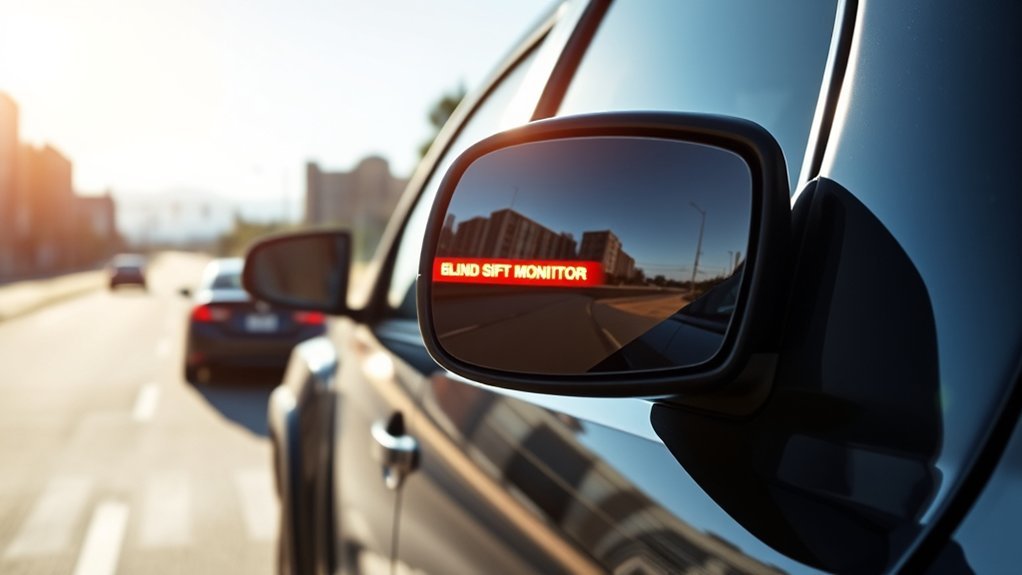
BSM and RCTA can make daily driving feel less stressful by improving your awareness. They help most during lane changes, merges, and low-speed reversing.
Key benefits include:
- Better lane-change awareness: BSM warns you when it detects a vehicle beside your Tacoma.
- Safer reversing support: RCTA can alert you to traffic crossing behind the truck.
- More useful warnings: Visual and audible alerts help you react sooner.
- Less driver strain: Extra alerts can reduce stress in crowded roads and parking lots.
These systems work best when you stay active in the driving task. Treat each alert as helpful input, not a guarantee that the area is clear.
What Situations May Limit BSM and RCTA Effectiveness?
BSM and RCTA can support safer driving, but they have limits. The systems may not detect every vehicle, object, cyclist, or pedestrian in every situation — BSM in particular is designed to track vehicles, not pedestrians, cyclists, or stationary objects.
[Products Worth Considering]

This trailer hitch pin lock is designed to secure Class III and IV 2-inch and 2-1/2-inch tow receivers, helping keep hitch-mounted gear protected during travel and storage....
Environmental Conditions Impact
Weather and road conditions can reduce sensor performance. Heavy rain, fog, snow, slush, and ice can make detection less reliable.
Dirt, mud, bumper damage, or blocked sensor areas can also affect the system. Clean the sensor areas often, especially after off-road driving or winter road use.
Vehicle Size and Speed
Vehicle size and speed can affect how well BSM and RCTA detect nearby traffic. Small, low-profile, or fast-moving vehicles may prove harder for the system to read.
Towing, heavy cargo, or changes in vehicle height can also affect sensor angles. If your Tacoma carries a load or trailer, use extra care before changing lanes or reversing.
Activating and Deactivating the BSM System
You can usually manage BSM with a dashboard button or vehicle settings menu, depending on your Tacoma model and trim. The system may show a light or message when you turn it on or off.
- Find the BSM button or setting in your Tacoma.
- Turn the system on before driving in traffic.
- Check that the mirror indicators work during startup or system checks.
- Press the button again or change the setting if you need to turn the system off.
Turning BSM off may also disable RCTA on some models. Review your owner’s manual if you don’t see the expected indicator or alert.
Pro tip: Check the BSM setting after service visits, battery work, or shared driving because someone may have turned it off.
Maintaining Your BSM for Optimal Performance
Good maintenance helps BSM and RCTA work as intended. Start by keeping the rear bumper and sensor areas clean, since mud, snow, and road film can block detection.
Watch for warning lights, error messages, or alerts that stop working. If the system behaves oddly, inspect the sensor areas first, then check your owner’s manual or contact a Toyota service center.
You should also pay attention after bumper repairs, collisions, towing setup changes, or accessory installs. These changes may affect sensor alignment or coverage. If you own a 2024 Tacoma, it’s also worth asking your dealer whether a blind-spot sensor reprogramming service action applies to your VIN — some 2024 trucks needed this update. “
How BSM and RCTA Boost Driving Confidence
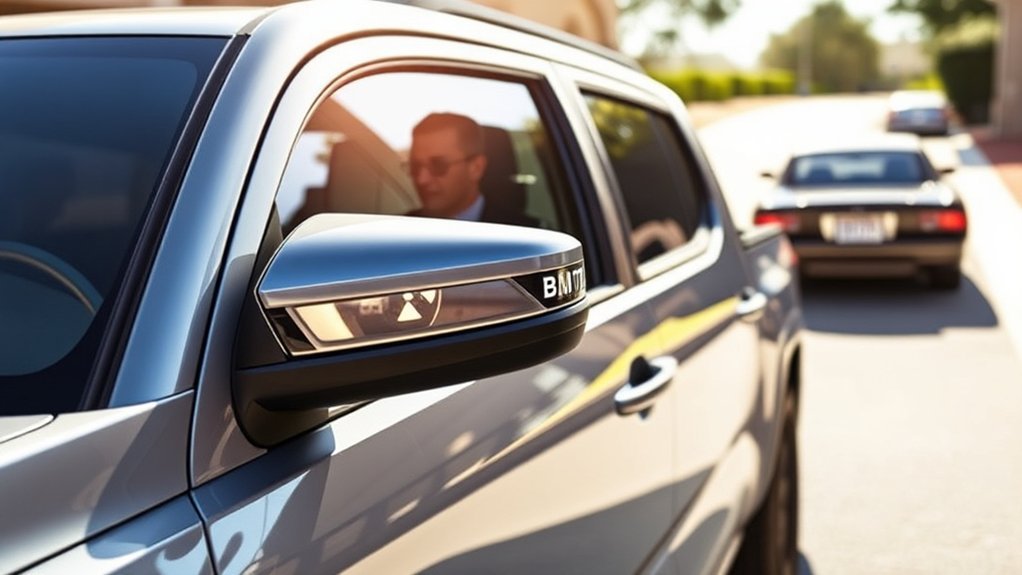
BSM and RCTA can make your Tacoma feel easier to manage in traffic and parking lots. The systems give you alerts when another vehicle may enter a hard-to-see area.
They support confidence in four main ways:
- Mirror alerts: BSM warns you when it detects traffic in a blind spot.
- Turn signal support: BSM flashes a warning when you signal toward a detected vehicle.
- Reverse assistance: RCTA can warn you about cross traffic while backing up.
- Better awareness: Both systems help you notice hazards sooner.
Confidence still depends on your habits. Keep scanning the road, use your mirrors, and move only when you know the path is clear.
Common Misconceptions About Blind Spot Monitoring Systems
Many drivers trust Blind Spot Monitoring Systems, but the systems cannot see everything. They help with awareness, but they do not replace careful driving.
Common misconceptions include:
- BSM sees every hazard: The system may miss small, fast, blocked, or unusual objects, and it isn’t designed to detect pedestrians or cyclists.
- BSM replaces shoulder checks: You still need mirrors and direct checks before moving.
- BSM always stays on: Drivers can turn it off on many equipped vehicles.
- BSM prevents crashes: The system warns you, but you make the driving decision.
- BSM comes on every Tacoma: It’s optional or trim-restricted on some configurations, not standard across the whole lineup. “
Understanding these limits helps you use the technology the right way. BSM works best when it supports your own awareness.
How Can You Tell If Your BSM or RCTA Needs Service?
Your Tacoma may show a warning message, dashboard light, or system alert if BSM or RCTA has a fault. You may also notice that mirror indicators no longer light up when you expect them to.
Start by cleaning the sensor areas and checking whether BSM is turned on. If the warning remains, schedule service so a technician can inspect the sensors and system calibration.
Frequently Asked Questions
How Does a Toyota Blind Spot Monitor Work?
A Toyota Blind Spot Monitor uses radar sensors, not a camera, to detect vehicles in monitored areas beside and behind your vehicle. When it detects a vehicle, it lights an indicator in the side-view mirror.
What Is the Blind Spot Monitor Button on a Toyota Tacoma?
The BSM button lets you turn the Blind Spot Monitor on or off on equipped Tacoma models. On some models, turning it off may also disable Rear Cross-Traffic Alert.
Can BSM Be Temporarily Disabled?
Yes, you can temporarily disable BSM with the vehicle’s button or settings, depending on your Tacoma. If you turn it off, use extra care with lane changes and reversing.
Does BSM Work While Towing?
BSM may work differently while towing because a trailer can change sensor coverage and block part of the monitored area. Check your owner’s manual and use mirrors designed for towing.
Why Is My BSM Light Staying On?
A BSM light may stay on because the system detects a vehicle, has been turned off, or has a fault. Clean the sensor areas and check the settings before you schedule service.
Is Blind Spot Monitor Standard on All Toyota Tacoma Trims?
No. BSM and RCTA availability varies by trim and model year — on some Tacoma lineups it’s included only on higher trims or as an option rather than standard equipment. Check your specific truck’s window sticker or Toyota’s build-and-price tool to confirm. “
What’s the Difference Between BSM and Toyota Safety Sense?
Toyota Safety Sense (TSS) is a separate bundle of features like Pre-Collision System and Lane Departure Alert. BSM and RCTA are a distinct system that works alongside TSS but is toggled independently, and is often trim-specific rather than part of the standard TSS package. “
Safety Disclaimer: This article is for informational purposes only and does not replace your Toyota owner’s manual, professional service advice, or safe driving judgment. Always follow your vehicle manual and local traffic laws.
Conclusion
The Toyota Tacoma Blind Spot Monitor and Rear Cross-Traffic Alert give you useful, radar-based warnings when nearby traffic may sit outside your view, though availability depends on your trim and model year. Keep the systems on, clean the sensor areas, and pay attention to any warning messages. Most of all, use these features as support while you keep checking mirrors, signals, and blind spots yourself. With the right habits, your Tacoma’s safety tech can help every drive feel more controlled and confident.


[…] at BSM and CAS systems, such as Escort's IVT filter or Uniden's K and Ka filtering. Our Tacoma blind spot monitor guide explains how these car radar systems […]