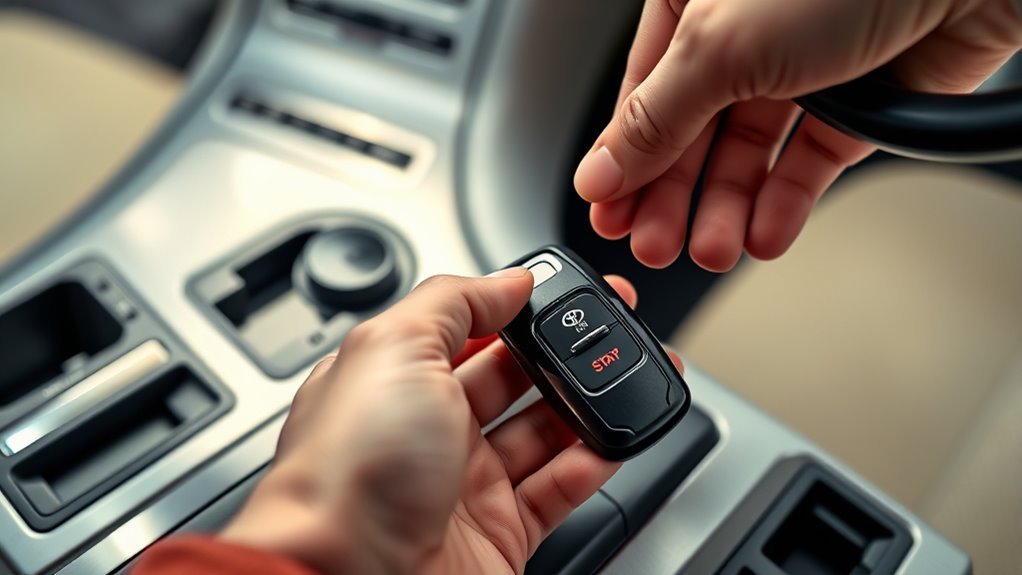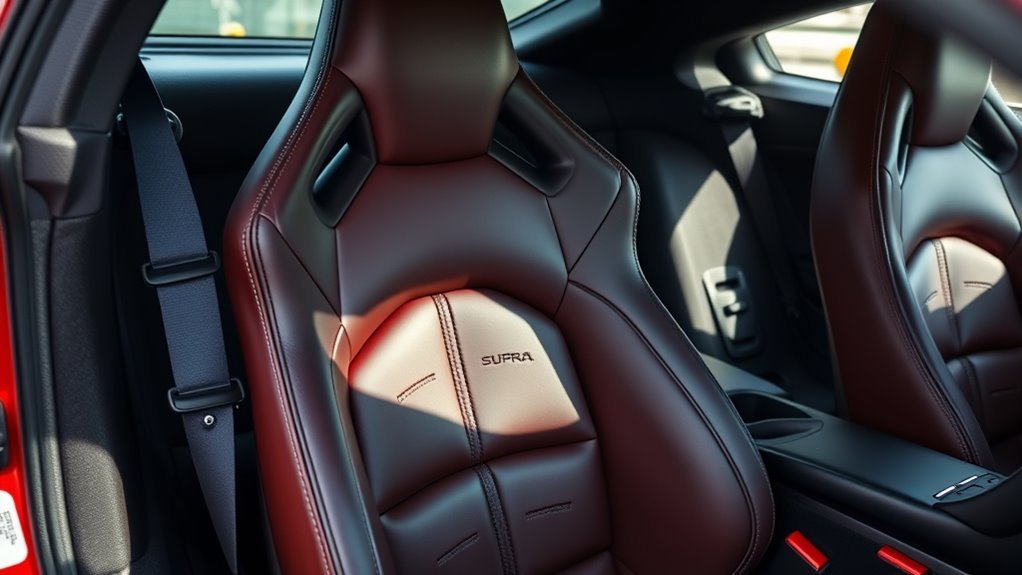
How to Adjust Your Toyota Supra Seat for Comfort and Ergonomics
Last updated: July 31, 2026
Scope and method: This guide covers North American 2020–2026 A90/A91 Toyota GR Supra models. Seat controls vary by model year, trim, production date, and market. Instructions were checked against Toyota owner-manual guidance, Toyota model materials, NHTSA occupant-safety guidance, and current CDC/NIOSH fatigue guidance.
What’s in This Article
- Before You Begin
- Quick 3-Step Setup
- Toyota Supra Seat Controls: What Each Switch Does
- How to Set Seat Height and Cushion Angle
- Seat Fore-Aft Position and Steering Wheel
- Lumbar Support and Backrest Adjustment
- Mirrors and Integrated Head Restraints
- Manual Transmission Setup
- When to Stop and Stretch
- Diagnose Common Seat Problems
- Frequently Asked Questions
To adjust a 2020–2026 Toyota GR Supra seat, begin with the car parked. Set the cushion height and tilt, then slide the seat until you can fully press the brake or clutch while keeping your knee slightly bent and your hips against the backrest. Bring the backrest upright enough to support your shoulders, adjust the steering wheel for relaxed arms, and set the lumbar and side-bolster support without creating pressure points.
Finish by adjusting the mirrors and checking the seat belt. The A90/A91 Supra’s head restraint is integrated into the seatback and cannot be raised or lowered. Change its distance from your head by adjusting the backrest angle. If your Supra has driver memory, save the applicable seat and mirror positions, but remember that lumbar and backrest-width settings are not stored.
Quick Answer
Park first. Set seat height for a clear view and comfortable headroom, then move the seat until the brake or clutch reaches full travel with your knee still slightly bent. Keep your shoulders supported, hold the wheel at 9 and 3 with relaxed elbows, and maintain safe airbag clearance. Adjust lumbar and bolster support last. The Supra’s integrated head restraint has no height adjustment, and its distance is controlled through backrest tilt.
Key Takeaways
- Make every driver-seat, steering-wheel, mirror, and memory adjustment while the vehicle is stationary.
- Use full brake or clutch travel as the pedal-reach test; your knee should remain slightly bent without lifting your hips from the backrest.
- Keep your shoulders supported and your elbows relaxed with your hands at 9 and 3.
- The A90/A91 Supra has integrated, non-adjustable head restraints. Use backrest tilt to change the distance from your head.
- Seat memory does not store lumbar support or backrest-width settings.
- For long drives, stop at a safe location to walk and stretch. Do not exercise, adjust the seat, or recall a memory position while moving.
Before You Begin
Park on level ground, engage the parking brake, and make sure the area around the seat is clear. Toyota warns that an unexpected seat or steering-wheel movement can cause loss of control. Do not perform the initial setup while driving, while stopped temporarily in an active traffic lane, or while waiting for a traffic light.
What you’ll need: the shoes you normally drive in, your exact model-year owner’s manual, and about 10 to 15 minutes. Shoe sole and heel thickness affect pedal reach. Remove loose objects from the footwell and confirm that the floor mat is properly secured and does not overlap another mat or interfere with any pedal.
If another person regularly drives the car, complete the setup separately for each driver. On power-seat models, the driver may be able to store two memory positions. Manual-seat models must be readjusted by hand.
Warning: Never adjust the driver’s seat, steering column, mirrors, or seat-memory position while the vehicle is moving. Pull over safely before changing the setup.
Pro tip: Reset the seat instead of accepting the previous driver’s position. Start low and centered, then work through pedal reach, backrest, steering wheel, support, mirrors, and memory in that order.
Quick 3-Step Setup: Get Comfortable Now
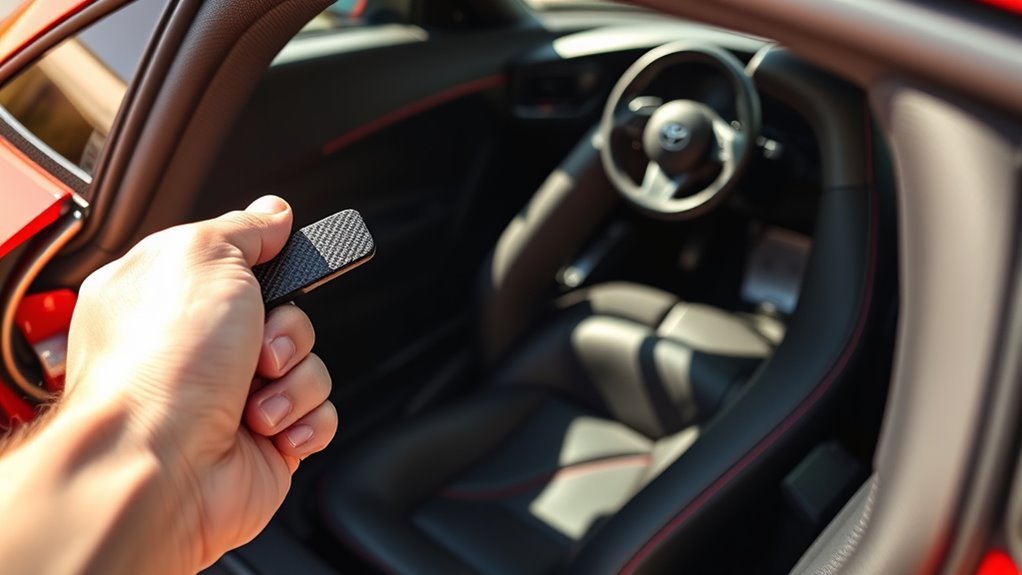
- Set the seat base. Raise or lower the seat until you have a clear view of the road and instrument cluster without placing your head too close to the roof. Adjust cushion tilt so your thighs are supported without hard pressure behind the knees.
- Set pedal and steering reach. Slide the seat until you can fully press the brake or clutch with your hips against the backrest and your knee still slightly bent. Then adjust the wheel so your shoulders remain supported and your elbows stay relaxed at 9 and 3.
- Set support, mirrors, and memory. Add only enough lumbar and bolster support to maintain contact without pushing or pinching. Adjust the mirrors, check the seat belt, and save the applicable seat and mirror positions. Lumbar and backrest-width settings must be adjusted separately because they are not stored.
After completing these steps, take a short drive on familiar roads. Pay attention to pressure behind the knees, shoulder lift, hip rotation, pedal overreach, and whether your hands or feet become numb. Pull over before making another change.
Toyota Supra Seat Controls: What Each Switch Does
Seat controls differ across the fifth-generation Supra lineup. The manual transmission does not determine whether the seat itself is manual or powered. For example, a manual-transmission 2025 or 2026 Supra still uses power-adjustable seats.
| Model or configuration | Confirmed seat arrangement | Memory |
|---|---|---|
| 2020 U.S. GR Supra 3.0 | 14-way power-adjustable front sport seats with lumbar and bolster adjustment | Driver-seat memory |
| 2021 U.S. GR Supra 2.0 | Manually adjustable sport seats with lumbar and bolster adjustment | No power-seat memory |
| 2021 U.S. GR Supra 3.0 | 14-way power-adjustable sport seats | Driver-seat memory |
| 2025–2026 U.S. GR Supra | Power-adjustable sport seats with lumbar and bolster adjustment | Driver-seat memory |
| Other years or markets | Equipment can vary by trim, production date, and country | Check the exact owner’s manual |
On a power-equipped seat, the large horizontal control generally handles forward and rearward travel, height, and cushion tilt. A separate control changes backrest angle. Smaller controls adjust lumbar curvature and the width of the backrest side supports.
On a manually adjustable seat, separate levers control backrest angle, height, fore-aft travel, and cushion angle where equipped. After moving a manual seat, release the lever and gently try to move the seat forward and backward. It must be fully engaged before driving.
How Do You Save a Supra Seat-Memory Position?
With the Supra parked, adjust the driver’s seat and exterior mirrors. Press the memory/store button, then press button 1 or 2 while the indicator is illuminated. A confirmation sound may be heard. Press the selected number later to recall the stored position while the vehicle is stationary.
Memory limitation: Toyota’s A90/A91 manuals state that lumbar support and backrest-width settings are not stored. The manually adjusted steering wheel is also not restored by the seat-memory buttons.
How to Set Seat Height and Cushion Angle for Pedal Reach
Use seat height to balance visibility, headroom, and pedal control. Raise the seat only until you can see the road and gauges clearly. In the low-roof Supra, an unnecessarily high position can reduce headroom and push the driver into a cramped posture. Taller drivers should also review the site’s Supra headroom and legroom guide.
Set the cushion angle so the thighs feel supported across most of their length without a hard edge pressing behind the knees. Too much upward tilt at the front can restrict movement and create pressure. Too little support can make the legs feel as though they are holding themselves above the cushion.
| What you feel | Likely adjustment | Recheck |
|---|---|---|
| Pressure behind the knees | Lower the front of the cushion or move slightly closer | Full brake or clutch travel |
| Thighs receive little support | Raise the front of the cushion slightly | No pressure at the knee crease |
| Head is too close to the roof | Lower the seat before reclining the backrest | Road and gauge visibility |
| Pedals feel too far away | Move the entire seat forward | Knee remains bent at full travel |
[Products Worth Considering]

This mud flap kit is designed for Toyota Camry LE and XLE models from 2018 through 2024, helping shield the lower body from snow, salt, sand, rocks, and road debris. Made from durable ABS material, it offers a direct-fit installation with included hardware for a secure and easy setup. The set includes four mudguards plus reflective stickers to help keep your vehicle cleaner and better protected in harsh driving conditions.

Magnelex Car Windshield Sunshade helps block intense sunlight and reduce interior heat with a double-layer reflective design that offers stronger UV protection than standard sunshades. Its snug full-coverage fit minimizes light leaks to help keep your car, truck, or SUV cooler and protect the interior from fading and cracking. A storage bag is included for easy stowing when not in use.

This plug-and-play OBD2 scanner helps drivers quickly read and clear engine error codes while providing live data, freeze frame information, I/M readiness, and MIL status for more confident troubleshooting. It adds a built-in voltage test and clear status indicators to support electrical checks and faster diagnostics, making it a practical choice for home users, car enthusiasts, and repair professionals. Compatible with most OBDII vehicles since 1996 and designed with an easy-to-use interface, it offers broad coverage and simple operation in one compact tool.
Position the Seat Fore-Aft and Adjust the Steering Wheel
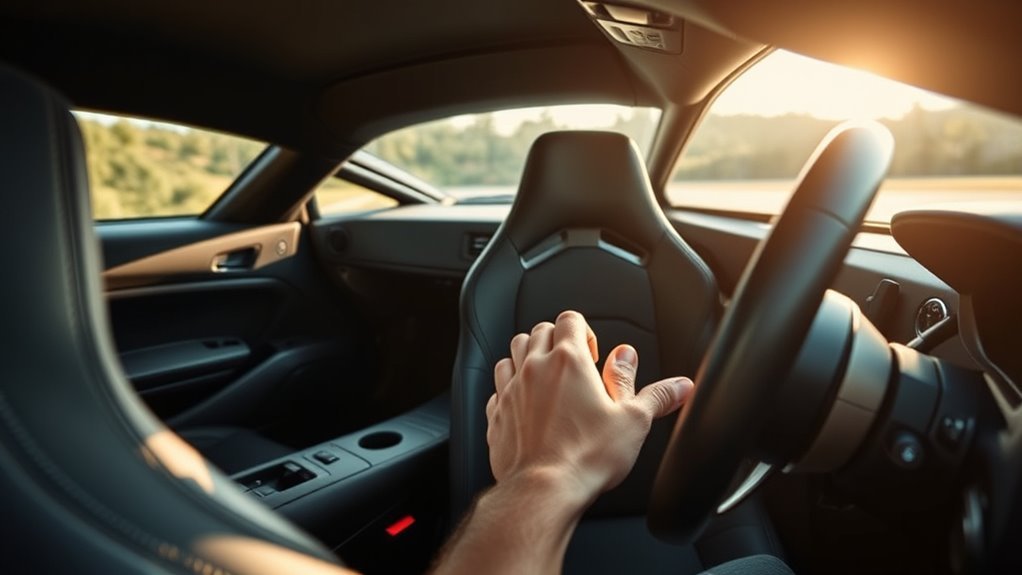
Pedal reach determines the seat’s fore-aft position. Steering reach is adjusted afterward with the tilt-and-telescoping column. Do not move the seat closer merely to reach the wheel if the pedals are already in the correct position.
How Far Forward Should the Supra Seat Be?
Press the brake pedal firmly to its normal maximum travel. In a manual Supra, fully depress the clutch as well. Your hips should remain against the backrest, and the working knee should remain slightly bent. You should not need to point your toes, rotate your hips, or slide forward in the seat.
- Move forward if the knee locks or the hip lifts away from the backrest.
- Move rearward if the knees remain sharply bent or contact the lower dashboard or steering column.
- Recheck both legs on a manual-transmission model because clutch travel usually sets the limiting distance.
- Confirm that the seat locks after every manual fore-aft adjustment.
How Should the Supra Steering Wheel Be Positioned?
Release the steering-column lock only while parked. Move the wheel toward you until your shoulders can remain against the backrest while your hands hold the rim at 9 and 3 with relaxed elbows. Set wheel height so you can see the complete instrument display without placing the rim against your thighs.
As a secondary reach check, extend one arm and place the wrist over the top of the wheel while keeping the shoulder against the backrest. You should not need to lean forward. Return both hands to 9 and 3 before driving and lock the column firmly.
NHTSA recommends maintaining at least 10 inches between the center of the steering-wheel airbag cover and the driver’s breastbone where the driver can still reach the pedals comfortably. If your body size or mobility makes that impossible, seek a professional driver-fit or mobility evaluation rather than compromising pedal control.
How Much Leg Clearance Do You Need?
Check knee clearance with the pedals released and fully depressed. Your knees should not contact the steering wheel, steering column, dashboard, or hard trim. Do not use a fixed 90-degree target; body proportions and pedal travel vary. The practical goal is full control without locking the leg or lifting the hips.
Adjust Lumbar and Backrest to Prevent Fatigue
Set the backrest as upright as practical while keeping your shoulders supported and your neck neutral. Excessive recline can move the shoulders away from the seat, force the arms to reach, and reduce effective seat-belt positioning. Avoid choosing a backrest angle solely because it matches a generic numerical recommendation.
Add lumbar support gradually. The support should fill the natural space behind the lower back without pushing the pelvis forward or exaggerating the spinal curve. If the seat has backrest-width or bolster adjustment, narrow the supports only until the torso feels stable. They should not pinch the ribs, shoulders, or hips.
| Symptom | Try this while parked |
|---|---|
| Lower back feels unsupported | Increase lumbar support one small step |
| Lumbar pad feels like a hard lump | Reduce the support or move it vertically if equipped |
| Shoulders leave the backrest while turning | Bring the wheel closer or make the backrest slightly more upright |
| Bolsters pinch the torso | Widen the backrest supports |
| Chin is pushed toward the chest | Recheck backrest angle and integrated head-restraint distance |
Set Mirrors and Integrated Head Restraints for Visibility and Safety
Adjust the mirrors only after the seat and steering wheel are finalized. Center the interior mirror on the rear window. Angle the exterior mirrors outward enough to reduce unnecessary overlap with the interior mirror while preserving a continuous view of vehicles moving from behind you into the adjacent lane.
NHTSA’s blind-zone mirror method uses a deliberately outward mirror position. Even with properly adjusted mirrors and an available Blind Spot Monitor, look in the appropriate mirror and check the adjacent lane directly before changing lanes.
On equipped Supra models, the Automatic Curb Monitor can tilt the passenger-side exterior mirror downward when reverse is selected. Use your exact owner’s manual to confirm how the mirror-selector switch enables or disables the feature.
Can the Supra Head Restraint Be Adjusted?
The A90/A91 GR Supra’s front head restraints are integrated into the seatbacks. Their height cannot be adjusted, and they are not designed to be removed. Adjust the backrest angle so the restraint sits as close as practical to the back of your head without forcing your head forward.
Do not attach a pillow, hanger, thick seat cover, or unapproved accessory to the restraint or seatback. An accessory can change head position, interfere with the seat belt, or affect a seat-mounted safety system.
Manual-Transmission Setup: Clutch, Pedal Reach, and Knee Alignment
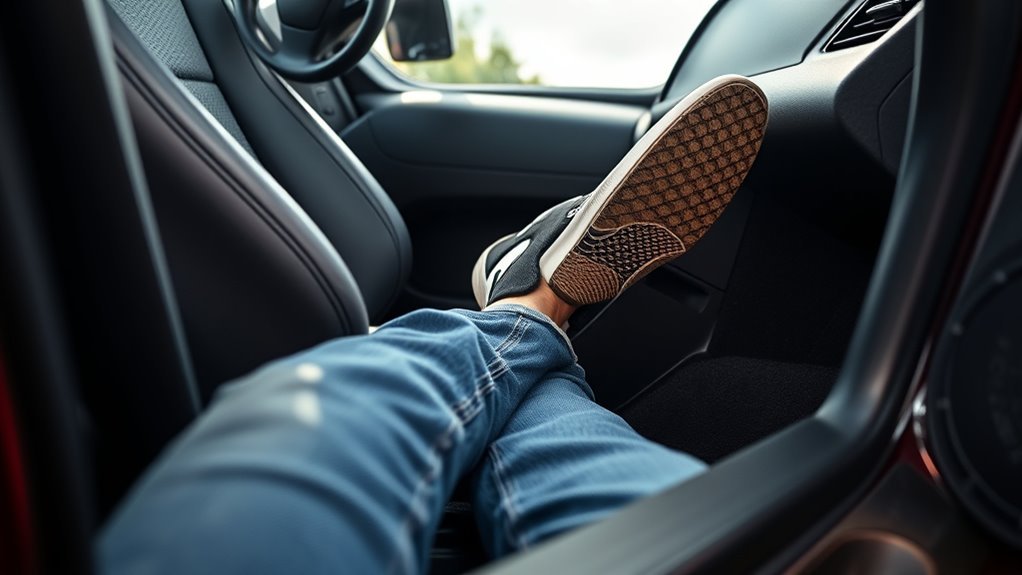
In a manual-transmission Supra, use full clutch travel as the main fore-aft test. Press the clutch to the floor while keeping your hips and lower back against the seat. The left knee should remain slightly bent, and you should not need to rotate the pelvis or stretch the toes to reach the end of travel.
After setting clutch reach, confirm that the right leg can move smoothly between the accelerator and brake. Then test shifter reach with your shoulders still against the backrest. The site’s Supra rev-matching guide explains how the manual model’s iMT assistance affects shifting, but it does not replace correct clutch-pedal reach.
[Products Worth Considering]

This premium leather seat gap filler helps stop dropped items from disappearing between your seat and console while adding convenient storage to your cabin. Its universal fit is designed for most sedans, SUVs, and trucks, and the slim profile helps preserve legroom while keeping essentials close at hand. Built-in card slots and cable management make it a practical upgrade for everyday driving.
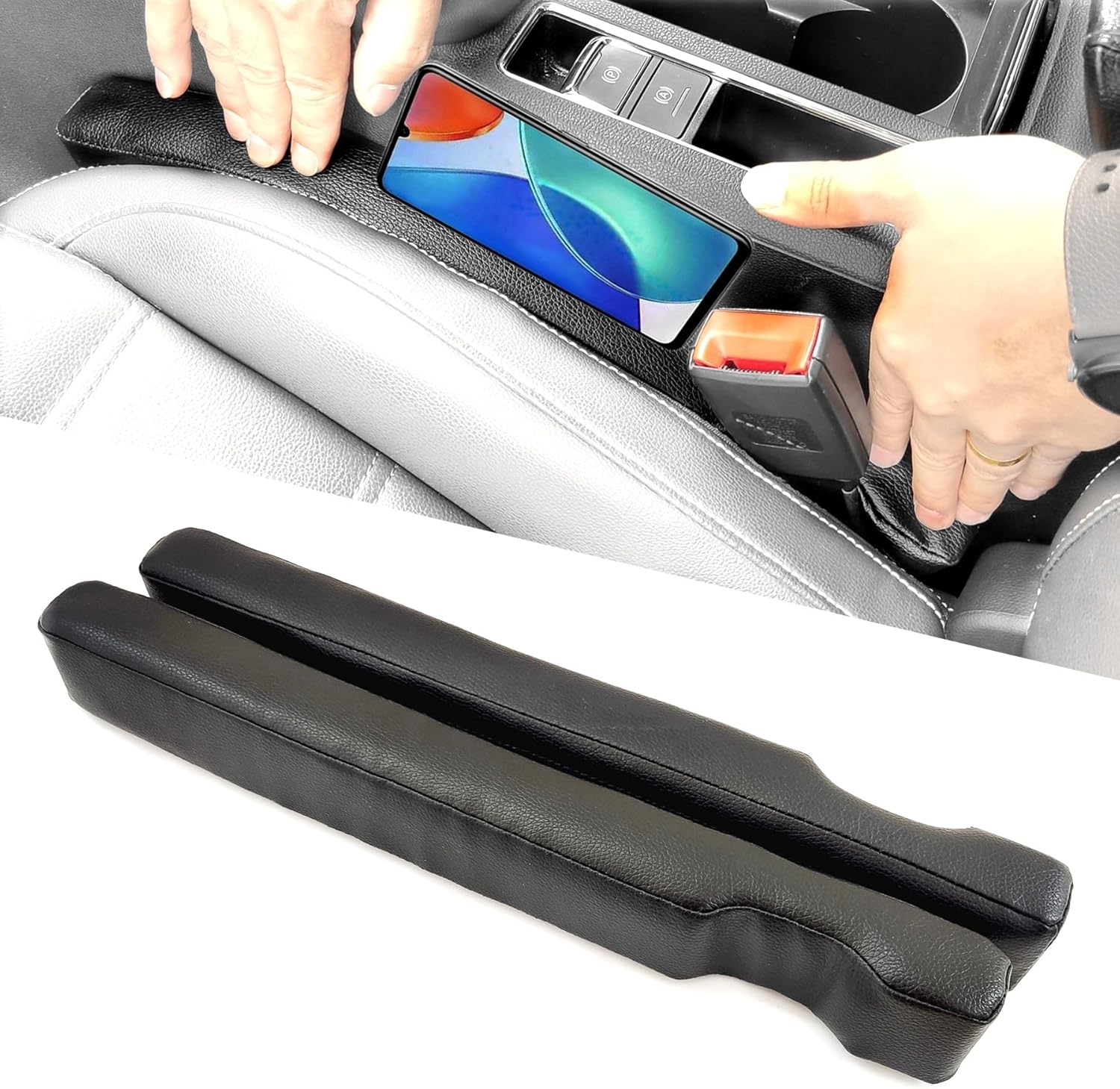
This universal car seat gap filler helps block the space between your seat and console to stop keys, phones, food, and small items from falling through. Made with durable PU leather and a sponge core, it offers a premium look, waterproof protection, and easy installation for most cars, SUVs, and trucks.

Thread Spec: This unit uses M12x1.25 standard thread, fitting most manual passenger cars with a height increase of roughly 4 inches. Note that this shifter extension is for manual transmissions only—automatic vehicles cannot accept it. Measure your thread diameter and pitch before ordering
How Should Your Foot Meet the Clutch Pedal?
Use a natural foot position that allows the pedal to travel straight through its range. Do not deliberately angle the foot outward as a universal correction. A forced foot angle can transfer strain to the knee or hip. Change the seat position first if the leg must twist to operate the clutch.
- Keep the heel stable enough to guide the leg smoothly.
- Confirm that the floor mat does not touch the pedal.
- Move the seat forward if the knee locks at full clutch travel.
- Move the seat rearward if the knee remains excessively compressed.
- Pull over before making another adjustment after a test drive.
How Should the Knee and Thigh Be Aligned?
The thigh should remain supported without being trapped against the front cushion edge. The knee should travel in a comfortable line toward the pedal rather than collapsing noticeably inward or outward. If correct clutch reach creates poor steering-wheel reach, leave the seat in the pedal-safe position and move the steering wheel instead.
| Check | Correct result |
|---|---|
| Clutch fully depressed | Knee remains slightly bent |
| Hips and lower back | Remain against the seatback |
| Thigh support | Even contact without pressure behind the knee |
| Floor mat | Secured and clear of every pedal |
| Shifter reach | No shoulder lift or forward lean |
When Should You Stop and Stretch on a Long Drive?
Do not stretch, perform foot exercises, change the seat angle, or recall a memory setting while driving or waiting briefly in active traffic. For a long trip, plan a safe rest stop about every two hours or 100 miles. Stop sooner whenever pain, cramping, numbness, stiffness, or drowsiness begins.
Use a real rest stop for movement. A traffic light or slow-moving queue is not a safe substitute.
After parking in a safe location, get out of the vehicle and walk briefly. Gentle ankle movement, calf stretching, hip movement, and a change of posture can reduce the effects of prolonged sitting. Do not continue driving when drowsy. NHTSA advises pulling over in a safe place, and short-term alertness measures do not replace adequate sleep.
Diagnose Common Seat Problems and When to Seek Repair
Separate a position problem from a mechanical problem. Discomfort that changes immediately when you alter seat height, fore-aft travel, lumbar support, or bolster width is often a fit issue. Binding, looseness, uneven movement, failed switches, clicking, exposed wiring, or an SRS warning requires inspection.
| Symptom | First check | When to stop adjusting |
|---|---|---|
| Pressure behind knees | Cushion-front height and seat distance | Persistent numbness or circulation symptoms |
| Lower-back pressure | Reduce lumbar support and recheck backrest angle | Pain radiates into a leg or continues outside the car |
| Chin pushed forward | Backrest angle and torso position | A safe shoulder and belt position cannot be achieved |
| Seat moves unevenly or binds | Look for an obstruction under the seat without reaching into moving parts | Motor strains, track is loose, or wiring is damaged |
| Memory position is incomplete | Remember that lumbar and backrest width are not stored | The main seat or mirror position does not recall correctly |
| SRS or airbag warning appears | Do not add or remove seat accessories | Arrange qualified diagnosis promptly |
Generation note: This control guide applies to the A90/A91 GR Supra. A60, A70, and A80 seats use different mechanisms and must be checked against their generation-specific manuals.
Do not install a generic cover, thick cushion, seat-base extension, or head-restraint accessory unless its manufacturer confirms compatibility with your exact seat and the accessory does not interfere with the seat belt, integrated head restraint, occupancy sensing, or airbags.
If the original seat cannot provide safe pedal reach, steering reach, belt fit, and visibility, seek an assessment from Toyota, a qualified seat or restraint technician, or a certified driver-rehabilitation specialist. Persistent numbness, weakness, or radiating pain also warrants advice from a healthcare professional.
[Products Worth Considering]

【COMPATIBILITY】- Compatible with 2007-2014 Cadillac Escalade, 2007-2014 Cadillac Escalade ESV, 2007-2014 Cadillac Escalade EXT, 2007-2014 Chevrolet Avalanche, 2007-2014 Chevrolet Silverado 1500, 2007-2014 Chevrolet Silverado 2500 HD, 2007-2014 Chevrolet Suburban 1500, 2007-2014 Chevrolet Tahoe, 2007-2014 GMC Sierra 1500, 2007-2014 GMC Sierra 2500 HD, 2007-2014 GMC Yukon.

1. Rated voltage: DC12V.Worm motor, electric seat motor. Can be operated in any forward and reverse direction. Can be used for DIY production.

[Compatible Models-1]:Compatible with Cadillac Escalade ESV/EXT 2007 2008 2009 2010 2011 2012 2013 2014
Frequently Asked Questions
How do I know if my Supra seat is set correctly?
Your hips and shoulders should remain against the seat while you operate the pedals and steering wheel. At full brake or clutch travel, the knee should remain slightly bent. Your hands should reach 9 and 3 with relaxed elbows, the complete instrument display should remain visible, and the seat belt should cross the chest and sit low across the hips.
Does the Toyota Supra have memory seat settings?
Power-seat GR Supra models can have driver-seat memory, while manually adjusted versions such as the 2021 U.S. Supra 2.0 do not use power-seat memory. To save an equipped model, set the seat and mirrors while parked, press the memory/store control, and then press 1 or 2 while the indicator is illuminated. Lumbar support, backrest width, and the manually adjusted steering wheel are not stored.
Can the Supra headrest be raised or lowered?
No. On the A90/A91 GR Supra, the head restraint is integrated into the seatback and its height cannot be adjusted. Use backrest tilt to place the restraint as close as practical to the back of your head without forcing your chin forward.
Why does my lower back hurt after driving the Supra?
Common fit-related causes include too much or too little lumbar support, excessive backrest recline, poor thigh support, or a wheel position that pulls the shoulders away from the seat. Make one small adjustment while parked and retest. Seek professional advice if pain persists, radiates, causes numbness or weakness, or continues when you are not driving.
How far should I sit from the Supra steering wheel?
Sit far enough back to maintain airbag clearance while still reaching every pedal fully. NHTSA recommends at least 10 inches between the center of the steering-wheel airbag cover and the driver’s breastbone where comfortable pedal reach is still possible. Adjust the wheel toward you instead of moving the seat unnecessarily close.
Does a manual-transmission Supra have manually adjusted seats?
Not necessarily. Seat type and transmission type are separate. Current manual-transmission Supra models use power-adjustable seats. Some earlier four-cylinder models, including the 2021 U.S. Supra 2.0, used manually adjusted seats.
What seat limitations does the Toyota Supra have?
The A90/A91 Supra has a low roof, integrated non-adjustable head restraints, strong side bolsters, and a compact cockpit. These features can create headroom, hip-pressure, entry, or visibility concerns for some drivers. Review the site’s Supra cockpit dimensions and complete an extended fit test before buying or modifying the seat.
Conclusion
A safe Supra driving position begins with pedal reach, not steering-wheel reach. Set the seat height and cushion angle, move the seat until the brake or clutch reaches full travel with a bent knee, support the shoulders with the backrest, and then bring the steering wheel to your hands. Finish with lumbar and bolster support, mirrors, seat-belt fit, and memory.
Remember the Supra-specific limitations: its head restraints are integrated, lumbar and backrest-width settings are not saved in memory, and every adjustment must be made while parked. After a short test drive, pull over before correcting any pressure point or reach problem.
References
- 2026 Toyota GR Supra Owner’s Manuals — Toyota USA
- 2026 GR Supra Brochure — Toyota USA
- 2021 GR Supra Model and Seat Equipment — Toyota USA Newsroom
- Vehicle Air Bags and Driver Position — National Highway Traffic Safety Administration
- Blindzone Glare Elimination Mirror Method — National Highway Traffic Safety Administration
- Drowsy Driving Safety Guidance — National Highway Traffic Safety Administration
- Drowsy Driving Tip Sheet — Centers for Disease Control and Prevention