Last updated: August 21, 2026 · Reviewed for accuracy
To find your Toyota Supra paint code, look for the C/TR or COLOR/TRIM code on the factory identification label. Start with the driver-side door jamb or latch-side pillar, then check the firewall or engine-bay data plate on older Celica Supra and Supra models. Use the stamped code, not the visible body color, before ordering touch-up paint or judging originality.
Quick Answer
Your Toyota Supra paint code is usually listed beside C/TR on the vehicle identification label. Check the driver-side door jamb first, then inspect the firewall or engine-bay data plate on older generations. Use the exact factory code to order paint, compare brochure records, or spot repaint history.
Toyota Supra Paint Codes: Quick Reference
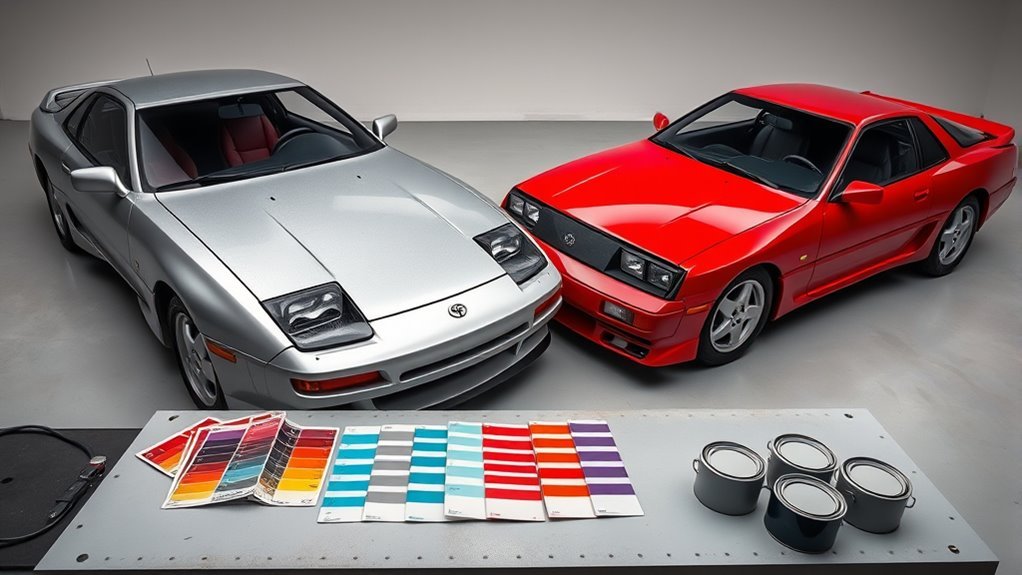
Your Supra’s factory paint code is more reliable than photos, seller descriptions, or faded exterior panels. Toyota generation names and model years vary by market, so always pair the code with your car’s VIN, build plate, and market-specific brochure.
| Supra generation | Common model-year range | Where to check first | Verification note |
|---|---|---|---|
| MKI Celica Supra / A40-A50 | 1979-1981 in many North American references | Driver-side identification label or engine-bay data plate | |
| MKII Celica Supra / A60 | 1982-1986 in many North American references | Driver-side label, firewall plate, or color/trim plate | 1986 can overlap with late A60 inventory, so confirm the chassis code. |
| MKIII Supra / A70 | 1986-1993 production, with U.S. model-year listings often ending at 1992 | Driver-side label and factory data plate | Check brochures for your country because A70 colors differed by market. |
| MKIV Supra / A80 | 1994-1998 in North America; global production continued later | Driver-side door jamb label | Do not treat the U.S. 1998 end date as the global A80 end date. |
| GR Supra / A90-A91 marketing name, J29/DB platform | 2020-2026 U.S. model years (2026 is the final model year) | Driver-side certification label and Toyota owner resources | Toyota has confirmed GR Supra production ends in March 2026; verify color availability against the specific model-year brochure rather than a generic “current” build page. |
Important
A paint code identifies the factory color formula. It does not prove the car still wears original paint, and it does not account for fading, prior blends, or panel repairs.
Reading Your Supra’s Paint Code: Locating the C/TR Tag
The C/TR label means color and trim. The paint code appears before the slash or near the color field, while the trim code identifies the original interior color or material group. On many Toyotas, this label sits on the driver-side door jamb or latch-side pillar. A typical entry reads something like C/TR: 1G3/FB22 — in that format, the characters before the slash are the exterior paint code and the characters after it are the interior trim code.
Older Supra and Celica Supra models may also use an engine-bay data plate or firewall plate. If you see more than one plate, write down the VIN, model code, color code, and trim code before comparing records. This avoids mixing a paint code from one market with a brochure from another market.
How to Confirm the Factory Color by Generation
Use the paint code as the starting point, then confirm that color was available for your generation, market, and production period. The same color name can appear across Toyota models, but availability can change by country and model year. When a color list conflicts with your car’s label, trust the label first and verify with a factory brochure or Toyota service reference.
- MKI and MKII: Treat Celica Supra references separately from later standalone Supra references.
- MKIII: Confirm whether you are reading an A70 market guide, not an A60 or A80 color list.
- MKIV: Separate North American 1994-1998 model-year information from later global A80 production.
- GR Supra: Check the exact model year because special editions and current build pages can list different colors. Toyota has confirmed GR Supra (A90/A91) production ends in March 2026, so treat any Toyota color page published after that as describing a different, future generation rather than the current one.
For the full year-by-year color list across every generation, see this site’s Supra paint colors by model year guide. For a deeper look at exact production spans, see the Supra production-year timeline and the full Supra generation history.
MKIII and MKIV Color Lineup and History
After you identify the C/TR code, match it to the correct generation instead of relying on a broad “Supra paint codes” list. MKIII usually refers to the A70 generation, while MKIV refers to the A80 generation. Mixing those terms can lead you to the wrong paint name, especially when a seller lists a car by registration year rather than chassis generation.
For MKIV buyers, remember that 1998 was the final North American model year, not the end of worldwide A80 production. Imported cars may follow Japanese, European, or other market color availability. Ask for the chassis plate, export documents, or market-specific brochure before treating any color as original.
[Products Worth Considering]

This low profile hydraulic floor jack is designed for cars, coupes, hatchbacks, and sedans with limited ground clearance, making it a practical choice for garages and home maintenance. It lifts smoothly up to a useful height range with a single piston quick-lift pump, while the steel construction, rotating saddle, and overload protection help improve stability and safety during use.

OEM color match: Formulated to match the original factory-applied automotive coating on compatible import and domestic vehicles

Color Pitfalls: Spotting Mismatches and Repaints

The C/TR tag confirms the factory color, but it does not guarantee your car still wears that original paint. Inspect hidden areas like the engine bay, underside of the trunk lid, spare-wheel well, and door jamb edges for matching finishes. A consistent finish in these areas supports originality better than an exterior walkaround alone.
Watch for overspray on rubber seals, sanding marks, uneven orange peel, and inconsistent clearcoat texture across panels. These signs often point to prior repairs or a non-factory respray. Always consult a qualified paint or bodywork professional before making major purchase or restoration decisions based on paint condition.
[Products Worth Considering]
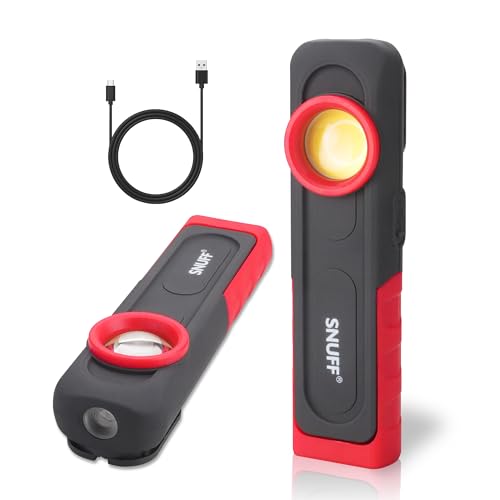
Three Color Temperatures: Choose from 2700K, 4500K, or 6500K color temperatures for precise detailing, paint correction, and color matching. 95+ CRI mimics natural sunlight to reveal true colors and surface flaws

Restore Headlight Clarity: This headlight restoration kit effectively removes yellowing and oxidation marks from lenses, improving nighttime driving safety and visibility. Get clearer, brighter headlights for optimal performance with this headlight cleaning and restoration kit

Handheld Detailing Light: Illuminate your work area with 1350 lumens of powerful light by using our handheld LED work light. This silicone rubber battery powered work light ensures you never miss a paint defect, swirl mark, or imperfection.
What If the C/TR Tag Is Missing or Damaged?
If the C/TR tag is missing, do not guess from the exterior color. Start by checking whether another factory plate exists in the engine bay or firewall area. Then compare the VIN and chassis details with Toyota service records, original brochures, owner-community archives, and any paperwork that came with the car.
You can also give a Toyota dealer’s parts department your VIN — many dealers can look up the factory paint code even when the physical label is unreadable or missing.
A missing or replaced tag should make you more cautious during a purchase inspection. It does not automatically prove fraud, but it does remove the easiest factory reference. Ask the seller for repaint invoices, accident records, and close photos of jambs, hinges, hatch edges, and under-hood seams.
Sourcing High-Resolution Archives and Factory References
Factory brochures, Toyota owner resources, and service references are stronger than random paint-code lists. For current and late-model Toyota vehicles, use Toyota’s official manuals and warranty resources. For older cars, Toyota’s technical information system or printed manuals may be necessary.
Enthusiast brochure archives can help you compare color chips and period-correct names, but treat them as supporting evidence. Scans may be incomplete, market-specific, or mislabeled. If a scan conflicts with your car’s physical C/TR label, use the label as the primary source and verify the conflict before buying paint.
Sources to check: Toyota Manuals and Warranties · Toyota GR Supra official page · Toyota Technical Information System
Steps for Restoration and Color Matching
Once you verify your C/TR code, use it to guide the restoration process. Even with the correct formula, aged paint can shift because of sun exposure, polishing, repairs, and clearcoat wear. That is why a code match still needs a real spray-out test.
Professional paint shops often use digital color-matching tools and spray-out cards to adjust the formula before blending. Follow these steps before committing to a full panel or full-car paint job:
- Record the VIN, chassis code, C/TR code, and trim code.
- Confirm the code against a factory brochure or Toyota service reference for your market.
- Inspect hidden panels for evidence of repainting or color changes.
- Order professional-grade paint using the verified factory code.
- Test the paint on a spray-out card or separate metal panel.
- Blend new paint into adjacent panels when the aged finish requires it.
Always consult a qualified professional before making paint, restoration, or purchase decisions based on this information.
[Products Worth Considering]

Accurate Color Matching – Ideal for automotive refinishing, these 4" x 6" spray out cards let you test paint colors before full application.

Pack of 50 Paint Color Matching Spray Out Metal Panel Cards. Premium metal test spray-out panels are ideal for checking and achieving an accurate paint color match with automotive refinishing paint and other coatings

Hands-Free Operation: Tired of getting paint on your hands while spraying metal samples? Our magnetic holder eliminates this messy problem by securely holding the metal spray samples in place, allowing you to spray with confidence and precision without touching the samples directly.
Frequently Asked Questions
Where is the paint code on a Toyota Supra?
Look for the C/TR or COLOR/TRIM code on the driver-side door jamb or latch-side pillar first. On some older Celica Supra and Supra models, you may also need to check the firewall or engine-bay data plate.
What colors did the classic Supra come in?
Classic Supra colors varied by generation, market, and model year. Red, black, white, blue, gray, silver, teal, and pearl finishes appear across different periods, but you should verify your specific car through the C/TR code and a market-correct factory brochure.
Why is the 1998 Supra highly valued?
The 1998 model year is highly valued in North America because it marked the final U.S. model year for the A80/MKIV Supra. Worldwide A80 production continued after that, so imported cars need market-specific verification.
What colors were available for the 2020 Supra?
2020 GR Supra colors vary by market, trim, and special edition. Check the official 2020 brochure or Toyota owner resources for your country before relying on a current Toyota build page or a generic color list.
Is the Toyota GR Supra still in production?
No. Toyota has confirmed that GR Supra (A90/A91) production ends in March 2026, with the 2026 model year — sold as the MkV Final Edition — closing out the current generation. If you’re checking colors on a Toyota build page after that date, confirm whether it’s describing this generation or a future successor.
Does the paint code prove my Supra has original paint?
No. The paint code proves the factory color assigned to the car, but it does not prove the current panels still wear that paint. Inspect hidden panels, panel edges, overspray, clearcoat texture, and repair records before judging originality.
Ensuring Authenticity in Your Restoration
Your Supra’s paint code acts as the starting point for restoration accuracy. Pair the C/TR label with factory references, hidden-panel inspection, and professional color matching before you order paint or value a car as original. That process protects your budget, improves the repair result, and preserves the car’s history for future owners.