Last updated: September 16, 2026 — corrected for the two-seat 2020–2026 GR Supra layout and Toyota passenger-airbag guidance.
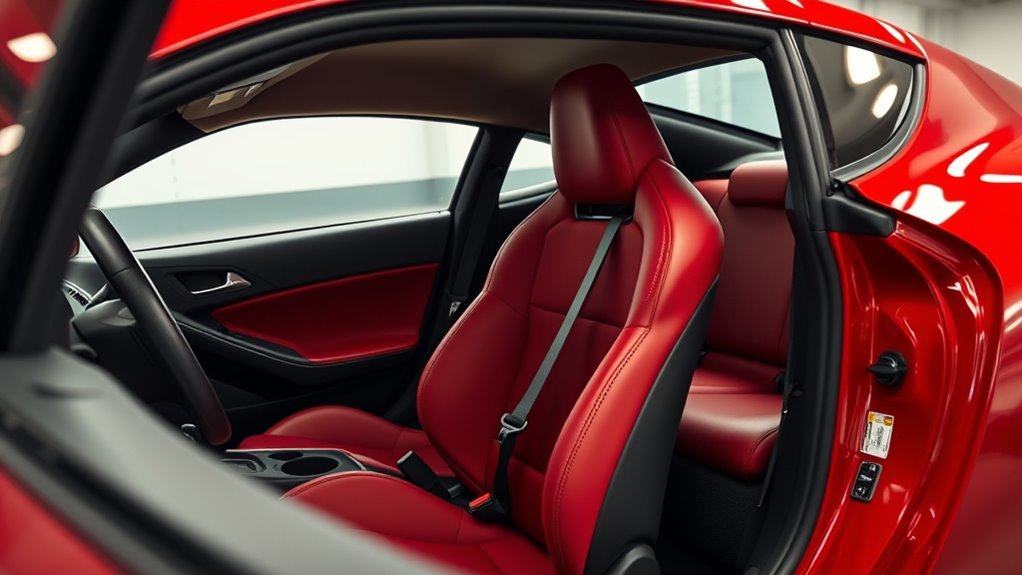
The 2020–2026 U.S.-market Toyota GR Supra is a two-seat sports car with no rear seating position. That changes the child-seat question completely: a child restraint can only use the front passenger position when your exact Supra owner’s manual and the restraint manufacturer permit it. Toyota requires the passenger-side airbags to be deactivated for a child restraint, while the National Highway Traffic Safety Administration (NHTSA) recommends that children under 13 ride in a rear seat. For routine child transport, a vehicle with an appropriate rear seat is therefore the more practical choice.
What’s in This Article
- Can a Toyota GR Supra Safely Carry a Child Seat?
- Which Child-Seat Types Can Work in the GR Supra?
- Check the Supra Seat Belt, Tether, and Market-Specific Anchors
- Step by Step: Install a Child Restraint in the GR Supra
- Fit Rules: What Not to Add Under or Around the Seat
- Why Older Supra Child-Seat Recommendations Can Mislead
- Troubleshooting and When to Use Another Car
- Frequently Asked Questions
Quick Answer
Yes, the 2020–2026 GR Supra has a passenger-side child-restraint provision, but it has no rear seat. Install a restraint only in the front passenger position when both manuals permit it, verify that the PASSENGER AIRBAG OFF status remains on, use the approved belt/tether method, and confirm that the restraint moves no more than 1 inch at its belt path. Because NHTSA recommends the rear seat for children under 13, a vehicle with a proper rear seat is preferable for regular child transport.
| Check | 2020–2026 U.S.-Market GR Supra |
|---|---|
| Seating capacity | Two seats; no rear seating position |
| Child-restraint location | Front passenger seating position, subject to both manuals |
| Passenger airbags | Must be deactivated for the child restraint; verify the PASSENGER AIRBAG OFF indication |
| Primary attachment guidance | Follow Toyota’s passenger-seat safety-belt procedure and use the top tether when required and approved |
| Lower anchors / ISOFIX | Do not assume availability; hardware and approval differ by market |
| Installed movement | No more than 1 inch side-to-side or front-to-back at the belt path |
Key Takeaways
- The modern GR Supra has two seats and no rear child-seat position.
- Use the front passenger position only when your exact vehicle and restraint manuals permit it.
- Confirm the passenger-side airbags are deactivated and the PASSENGER AIRBAG OFF indication remains on.
- Do not assume a U.S. Supra has the same ISOFIX or lower-anchor hardware as a Supra sold in another market.
- NHTSA recommends that children under 13 ride in a rear seat, so a different vehicle is preferable for regular child transport.
Can a Toyota GR Supra Safely Carry a Child Seat?
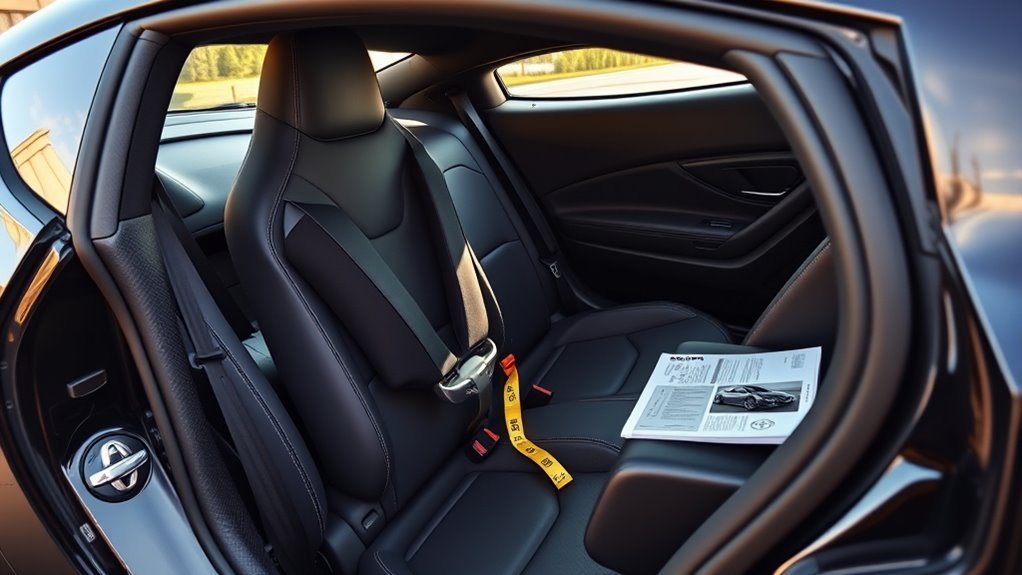
A modern Toyota GR Supra can accommodate a child restraint in its front passenger position when the exact restraint, vehicle manual, airbag status, and attachment method all allow it. Toyota lists the current GR Supra as a two-seat vehicle, so there is no rear seat to use. Toyota also lists a child-restraint system on the passenger side.
The Supra-specific issue is the passenger airbag system. Toyota instructs owners to make sure the front, knee, and side airbags on the passenger side are deactivated when a child restraint is installed. The PASSENGER AIRBAG OFF indication must show the required deactivated state before you transport the child.
Warning: Do not transport a child in a restraint in the GR Supra if the required passenger-airbag OFF status cannot be established. Follow the owner’s manual for your exact model year and market.
NHTSA recommends that children under 13 ride in a rear seat and warns against placing a rear-facing restraint in front of an active passenger airbag. Because the GR Supra has no rear seating position, a vehicle with an appropriate rear seat is the better choice for routine infant and child transportation. A certified Child Passenger Safety Technician can also inspect the restraint and installation before you rely on the setup.
This guide addresses U.S.-market 2020–2026 GR Supra fit and manufacturer guidance. Child-restraint laws vary by state, province, and country, so also check the legal requirements where you drive.
Which Child-Seat Types Can Work in the GR Supra?
Physical fit is only one part of choosing a restraint for the GR Supra. Your child’s age, height, weight, restraint limits, approved seating position, attachment method, and the Supra’s passenger-airbag status all matter.
- Rear-facing restraints: Infants and young children should remain rear-facing until they reach the restraint manufacturer’s rear-facing height or weight limit. In the GR Supra, there is no rear seat, so never treat a physical front-seat fit as automatic approval. A rear-facing restraint must never be placed in front of an active passenger airbag. Follow the exact Supra and restraint manuals before using this configuration.
- Forward-facing harnessed restraints: A forward-facing restraint may be possible when its manufacturer permits the passenger position and the Supra’s approved belt and tether requirements can be met. Passenger-airbag status still must follow Toyota’s instructions.
- Booster seats: A booster is appropriate only after the child meets the booster’s stated requirements. The lap belt must remain low across the hips and the shoulder belt must cross the center of the shoulder, not the neck. NHTSA still recommends a rear seating position for children under 13.
Do not choose a restraint simply because another Supra owner says it “fits.” A different model year, country, child-restraint revision, attachment system, or airbag configuration can change compatibility.
[Products Worth Considering]

This smart color coded tire tread depth gauge makes it easy to check tread wear at a glance with clear red, yellow, and green ranges. Calibrated from 0 to 1 inch in 1/32 inch increments, it helps you quickly assess tire condition for safer driving and timely replacements. The pocket clip design makes it convenient to carry and use on trucks, motorcycles, cars, and other passenger vehicles.

This custom-fit cargo mat is designed for 2025-2026 Toyota Camry models to provide full trunk coverage and reliable protection. Its non-slip design helps keep items secure during daily driving, while the all-weather TPE construction resists spills, dirt, pet hair, and heavy use. Easy to install and simple to clean, it offers a practical upgrade for keeping your cargo area neat and protected.
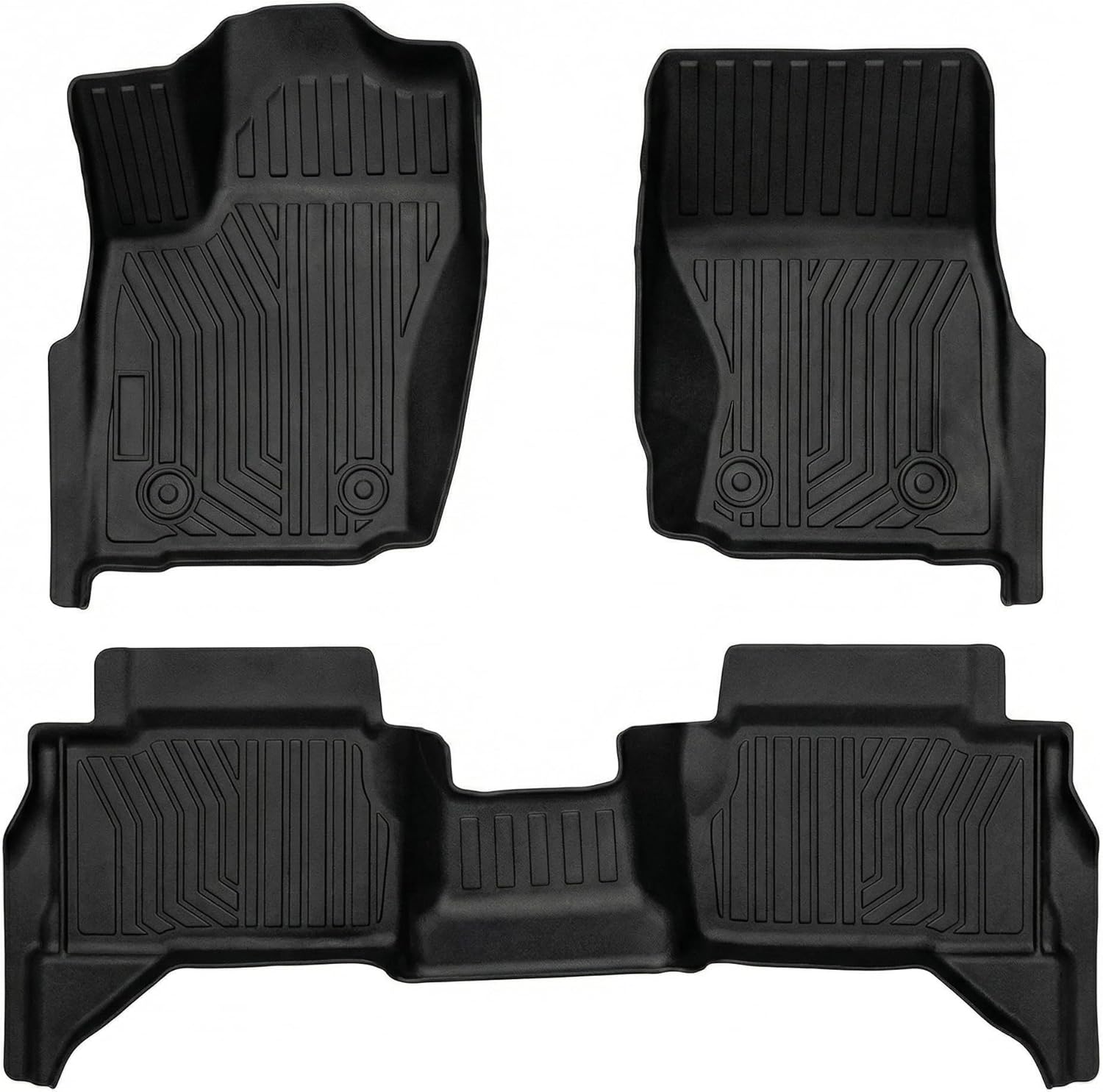
These custom-fit floor mats are designed for 2024-2026 Toyota Tacoma 4th Gen models, delivering full coverage and a precise fit for supported trims. Made from durable TPE, they help protect your interior from rain, snow, mud, sand, and everyday spills while deep grooves and raised edges trap debris for easier cleanup. The non-slip surface and retention clips keep the mats securely in place, and the full front and rear set provides reliable all-weather protection for your truck cabin.
Check the Supra Seat Belt, Tether, and Market-Specific Anchors
Before buying a restraint for a GR Supra, identify the car’s exact model year and sales market. Toyota’s U.S. manual describes securing a child restraint with the passenger safety belt and provides guidance for an upper retaining strap. ISOFIX and lower-anchor availability differs in other markets, so do not transfer European, U.K., Canadian, or other-market advice to a U.S. car without checking the correct manual.
[Products Worth Considering]

Custom-designed for Toyota RAV4 gasoline models from 2013 to 2018, this full-coverage interior protection set includes front and rear floor mats, a cargo liner, seat back protectors, and door sill guards. Built with odorless TPE and 3D laser fit precision, it helps block spills, dirt, pet hair, and daily wear while staying securely in place for a clean, family-friendly cabin.

This OSHA-compliant first aid kit is designed to help handle minor injuries at home, in the office, on job sites, or in vehicles. It includes 260 essential supplies such as bandages, gauze, burn cream, antiseptic towelettes, gloves, scissors, and tweezers, all organized in a durable case with a clear cover and easy-access compartments. Sized to support up to 50 people, it offers a practical, portable solution for staying prepared in everyday and emergency situations.

1.0" wide Seatbelt belt, fully adjustable from 22" to 32".
Check Anchor Types
Look for the labels and attachment points described in your exact owner’s manual. If your child restraint requires a top tether, use only the marked, approved tether anchorage and route the strap exactly as Toyota and the restraint manufacturer specify.
Do not attach a tether or child-restraint connector to a cargo fitting, brace, seat structure, or other convenient-looking point. An attachment point intended for another purpose is not a substitute for an approved child-restraint anchor.
Seatbelt Routing Options
The GR Supra’s passenger safety belt can be used to secure an approved restraint according to Toyota’s procedure. Toyota instructs owners to pull the belt out completely, secure the restraint with the belt, then allow the belt to retract and tighten against the restraint so the belt remains locked.
Route the belt through the restraint’s correct belt path with no twists. After tightening, test movement at the belt path rather than pulling on the top of the restraint. NHTSA says the installed restraint should not move more than 1 inch side-to-side or front-to-back at that point.
Do not use a seat-belt extension as a workaround for poor child-restraint compatibility unless both the vehicle manufacturer and restraint manufacturer explicitly approve that exact use. If the standard belt path does not work as required, choose a compatible restraint or another vehicle rather than improvising.
Step by Step: Install a Child Restraint in the GR Supra
Use these steps only as a checklist alongside the Supra owner’s manual and the child-restraint manual. The manuals control if any instruction differs.
Pro tip: Before buying, ask whether the retailer allows a test fit in your exact GR Supra. Confirm not only physical size but also belt routing, tether routing, passenger-seat position, and airbag detection.
- Confirm the exact car and restraint. Check the Supra model year, sales market, child-restraint model, child’s size, and approved seating orientation.
- Clear the passenger seat. Remove unapproved cushions, covers, electronics, and loose objects that could affect the seat or passenger-detection system. Do not place objects under the passenger seat.
- Position the restraint. Place it on the front passenger seat exactly as its manufacturer specifies. If the Supra has adjustable backrest width, follow Toyota’s child-restraint instructions before installation.
- Use the approved attachment method. For a U.S.-market belt installation, route the passenger belt through the correct child-restraint belt path without twists and lock the belt as Toyota directs.
- Tighten the restraint. Remove slack while keeping the restraint in the position specified by its manufacturer. Do not force it into the seat with excessive body weight or bend components to make it fit.
- Attach the top tether when required. For a restraint that requires or specifies a tether, connect it only to the approved Supra tether anchorage and tighten it according to both manuals.
- Set the passenger-seat position. Follow Toyota’s child-restraint instructions for seat position and height. Toyota directs the passenger seat to be moved as far rearward as possible after installation and, where possible, brought to the specified height while maintaining proper belt routing.
- Verify the passenger airbags are off. Confirm the required PASSENGER AIRBAG OFF indication. If the airbags do not deactivate as Toyota specifies, do not transport the child in that position.
- Perform the 1-inch test. Grip the restraint at its belt path. It should move no more than 1 inch side-to-side or front-to-back.
- Check the child’s harness or vehicle-belt fit. Follow the restraint manufacturer’s harness-height, chest-clip, buckle, recline, and fit instructions for your child’s size.
Repeat the installation checks whenever the restraint has been removed and reinstalled. After a crash, follow the child-restraint manufacturer’s replacement rules and Toyota’s guidance; do not assume that a restraint or fastening system exposed to a collision is still usable.
[Products Worth Considering]

ISOFIX ADAPTER: Enables secure installation of ISOFIX safety seats in vehicles WITHOUT built-in ISOFIX anchors. Give older vehicles modern safety upgrades.

Made of high quality soft silicone. Sturdy and durable. Quantity::2 pack

Enhanced Safety & Superior Durability - Crafted from tough plastic-steel material, our chest harness clip guard for car seat is stronger than standard plastic clips and built to last. It reliably keeps seat belts securely positioned, offering peace of mind with every use.
Fit Rules: What Not to Add Under or Around the Seat
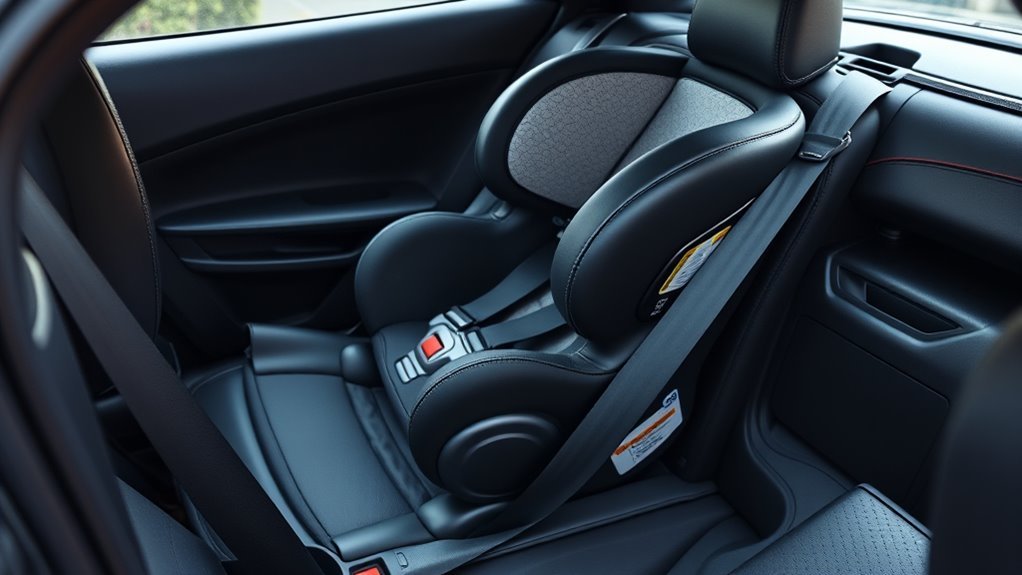
The GR Supra’s passenger seat is part of the airbag-detection system, so accessories should never take priority over correct restraint fit or occupant detection. Keep the setup as close to the manufacturer-approved configuration as possible.
Leveling a Rear-Facing Restraint
Some child-restraint manufacturers permit a tightly rolled towel or pool noodle to establish the correct rear-facing recline angle; others permit only their built-in adjustment system. Use an added leveling aid only when the child-restraint manual specifically allows it and the Supra instructions do not prohibit it.
Never add padding simply because the seat looks uneven. After any approved adjustment, repeat the belt-path movement test and confirm the required passenger-airbag status.
Do Not Use a Belt Extension to Fix a Poor Fit
A seat-belt extension changes buckle position and belt geometry. It should not be used as a generic child-seat fitting tool. If the restraint cannot be installed using the approved belt configuration, stop and check both manuals rather than altering the belt path.
A different restraint or a vehicle with a more suitable seating position is safer than an improvised installation.
Protecting the Seat Without Interfering With Detection
Do not place a thick protector, cushion, folded towel, electronic device, or other unapproved item on the passenger seat simply to prevent pressure marks. Toyota’s passenger-seat detection system needs the seat area to operate as designed.
- Use no protector unless both the vehicle and child-restraint instructions permit it.
- Keep electronics and loose objects off the passenger seat while the restraint is installed.
- Do not place objects under the passenger seat that can press against the seat from below.
- Keep the seat area dry and verify the PASSENGER AIRBAG OFF indication before every trip with the restraint installed.
Why Older Supra Child-Seat Recommendations Can Mislead
Online Supra discussions often span several generations. Some older Mk3 and Mk4 cars use different seating layouts and restraint hardware, including rear seating positions that do not exist in the 2020–2026 GR Supra. A child seat reported to fit an older Supra therefore does not establish compatibility with the Mk5.
The safest way to build a shortlist is to match five things: your exact Supra model year, sales market, approved passenger-seat hardware, child-restraint model, and the restraint manufacturer’s permitted installation method. Then test the actual restraint in the actual car.
Owner reports can still identify products worth investigating, but treat them as anecdotes rather than proof. A useful report should state the Supra generation and market, restraint model and revision, attachment method, child’s applicable size range, passenger-seat position, tether use, and passenger-airbag status. Without those details, “it fits my Supra” is not enough information for a safety decision.
Troubleshooting and When to Use Another Car
The GR Supra can be an awkward vehicle for child transport because the only passenger position is in front. If any required part of the restraint, belt, tether, seat position, or passenger-airbag system cannot be set exactly as instructed, use another vehicle.
A child restraint is not correctly installed in a GR Supra merely because it physically fits. The seating position, attachment method, passenger-airbag status, and restraint fit all have to be correct together.
- PASSENGER AIRBAG OFF does not remain on: Do not transport the child. Recheck the installation and the exact Toyota instructions. If the required state cannot be established, have the system checked.
- The restraint moves more than 1 inch: Recheck the correct belt path, locking procedure, and approved attachment method. If you still cannot secure it, try a compatible restraint or another vehicle.
- The belt or buckle sits at a poor angle: Do not add an extender or reroute the belt unless the manufacturers specifically approve that configuration.
- The restraint requires hardware your car does not provide: Do not substitute another anchor point. Use a restraint/install method approved for that seating position or use another vehicle.
- A rear-facing setup is difficult or uncertain: Do not rely on physical fit alone. NHTSA recommends rear seating for children, and a vehicle with an appropriate rear seat avoids the front-passenger-airbag problem.
- Daily loading feels rushed or error-prone: Use a more practical vehicle. A setup that is technically possible but difficult to repeat correctly is a poor choice for regular family transportation.
Frequently Asked Questions
Does the 2020–2026 GR Supra Have Back Seats?
No. The fifth-generation 2020–2026 GR Supra has two seating positions and no rear seat. Some older Supra generations use different seating layouts, which is why older child-seat discussions can be misleading for Mk5 owners.
Can You Fit Four People in a Supra?
Not in a 2020–2026 GR Supra. Toyota lists the modern GR Supra as a two-seat vehicle. Advice about carrying passengers or child restraints in rear seats refers to a different Supra generation.
Is the Rear Middle Seat the Best Place for a Child Seat in a GR Supra?
The modern GR Supra has no rear seat or rear-middle seating position. A restraint can only use the front passenger position when the vehicle and restraint instructions permit it. NHTSA recommends that children under 13 ride in a rear seat, so another vehicle is preferable when one is available.
Can You Put a Rear-Facing Infant Seat in a GR Supra?
Do not place a rear-facing restraint in front of an active passenger airbag. Because the GR Supra has no rear seat, check the exact Toyota owner’s manual and the restraint manual before considering a rear-facing installation in the passenger position. The required passenger-airbag OFF status must be established. For routine infant transport, a vehicle with an appropriate rear seat is the better choice.
Should You Use LATCH, ISOFIX, or the Seat Belt in a GR Supra?
Use only the attachment method approved for your exact Supra model year, market, and child restraint. Toyota’s U.S. GR Supra guidance describes securing a restraint with the lockable passenger safety belt and using an approved top tether when required. ISOFIX or lower-anchor hardware differs by market, so do not assume another country’s Supra has the same setup as yours.
Does the Passenger Airbag Need to Be Off With a Child Restraint?
Yes. Toyota instructs GR Supra owners to ensure that the front, knee, and side passenger airbags are deactivated when a child restraint is installed. Verify the PASSENGER AIRBAG OFF indication before transporting the child. If the required airbag state cannot be established, do not use that seating position for the child.
When Should You Pick Another Car Instead?
Use another vehicle if the required passenger-airbag OFF status cannot be established, the restraint cannot pass the 1-inch movement test, the belt or tether cannot be routed exactly as approved, or the restraint requires hardware the Supra does not provide. A vehicle with an appropriate rear seat is also preferable for routine transport of children under 13 because that is the seating position NHTSA recommends.
Safety Disclaimer: This article provides general information for the U.S.-market 2020–2026 GR Supra and does not replace the owner’s manual, child-restraint instructions, local law, or an inspection by a certified Child Passenger Safety Technician. Requirements can differ by model year, market, and restraint.
Conclusion
The key fact is simple: the 2020–2026 Toyota GR Supra has two seats and no rear child-seat position. A restraint can use the front passenger position only when the exact vehicle and restraint instructions permit it, the approved belt and tether setup is correct, the restraint passes the 1-inch test, and Toyota’s required PASSENGER AIRBAG OFF status is established. Because NHTSA recommends rear seating for children under 13, a vehicle with an appropriate rear seat remains the better option for regular child transport.
References
- 2026 Toyota GR Supra specifications and seating capacity — Toyota
- GR Supra MkV Final Edition safety and convenience information — Toyota USA Newsroom
- 2026 GR Supra Owner’s Manual — Toyota
- Car Seat Installation Tips — National Highway Traffic Safety Administration
- Vehicle Air Bags and Child-Passenger Guidance — National Highway Traffic Safety Administration
- Car Seat Safety Checkup — American Academy of Pediatrics