The MkV Toyota GR Supra uses underbody panels, liners, shields, ducts, and braces to protect the underside of the car and help manage airflow. This guide focuses on the modern GR Supra platform often called A90/A91/J29, but the same inspection logic also helps when checking older Supra models. Always use the current Toyota owner and service information for your exact model year before removing panels, replacing fasteners, or tightening hardware.
Quick Answer
Toyota Supra underbody panels protect the engine bay, drivetrain, exhaust area, brake ducts, and lower chassis from road debris while helping smooth airflow under the car. Inspect them for missing fasteners, sagging edges, cracks, scrape damage, heat damage, and corrosion around mounting points.
Key Takeaways
- Supra underbody panels are not just cosmetic; they protect components and help preserve the car’s engineered airflow path.
- The most common problems are missing clips, stripped screws, cracked tabs, sagging panel edges, scrape damage, and corrosion around metal hardware.
- Temporary zip ties or tape should only be used to get the car safely to proper repair, never as a long-term or track-use fix.
- Use VIN-specific OEM parts diagrams and Toyota service information before replacing fasteners or tightening panels.
At a Glance
| Time Required | 10–20 minutes for a visual check; longer if panels must be removed |
| Difficulty | Easy for inspection; moderate for removal and fastener replacement |
| Tools Needed | Flashlight, gloves, eye protection, trim-clip tool, torque driver, replacement clips, and safe lift or jack stands |
| Cost | Low for clips or screws; higher for full panels, heat shields, braces, or professional repair |
What Supra Underbody Panels Do (Quick Overview)
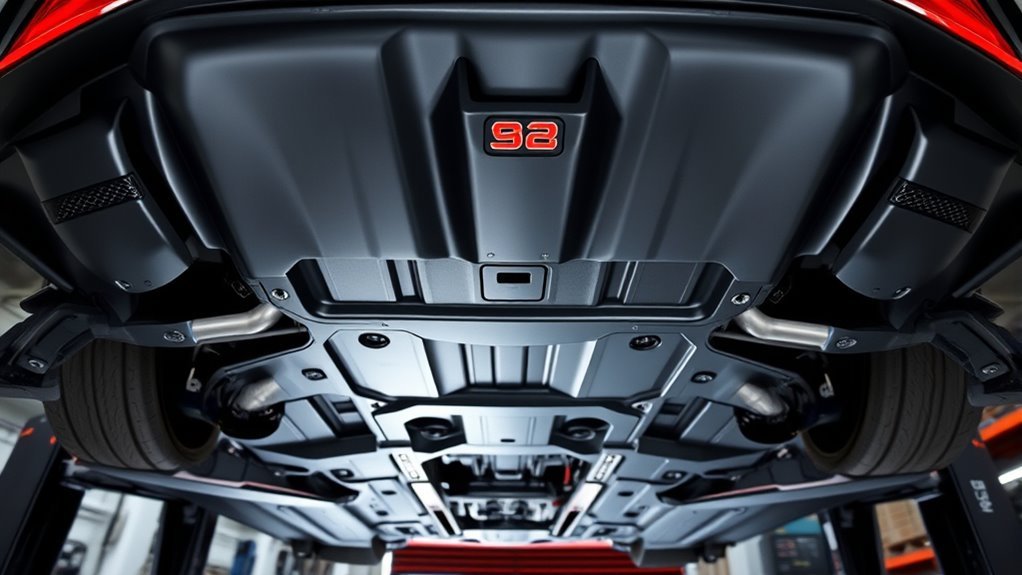
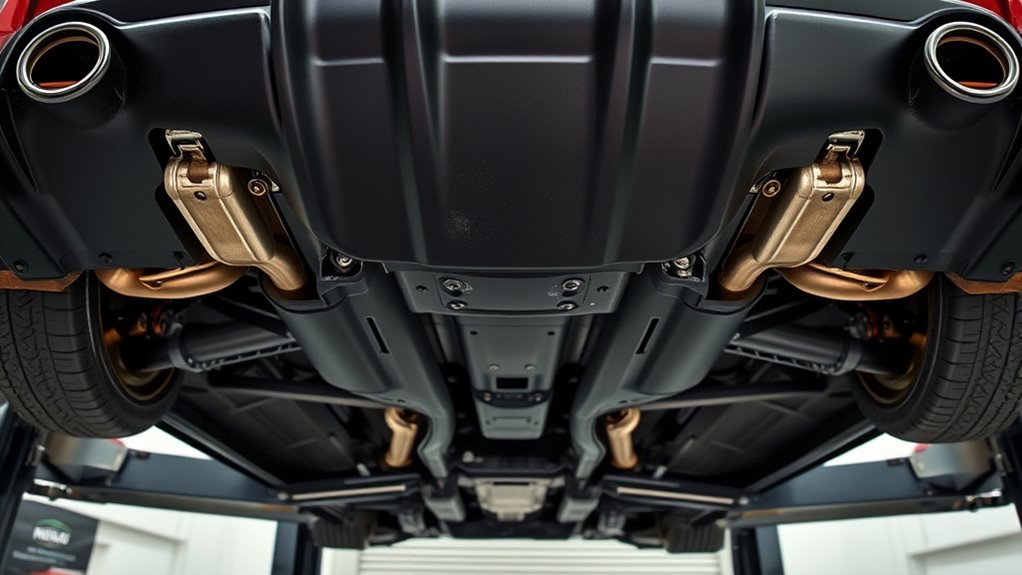
Supra underbody panels help do three jobs at once: they protect parts, guide air, and reduce exposed edges under the car. Depending on the model year and location, the underside can include molded plastic undercovers, wheel-liner sections, center tunnel shields, metal heat shields, aero pieces, and bracing. Toyota’s official GR Supra launch material notes that the car was designed for front-to-rear aerodynamic balance, and the 2026 MkV Final Edition added aerodynamic changes and a stronger under-body brace for sharper handling feel.
| Area | What It Helps Do | What to Check |
|---|---|---|
| Front undertray | Smooths air entering under the car and shields the lower engine bay | Scrapes, missing clips, sagging edges, loose corners |
| Wheel-liner and side sections | Controls splash, debris, and airflow around the tires | Cracked tabs, rubbing, torn liners, loose fasteners |
| Center tunnel and heat shields | Helps manage heat around the exhaust and transmission area | Heat distortion, rattles, bent shields, corrosion around bolts |
| Rear underbody and diffuser area | Helps air leave the underside cleanly and protects rear components | Impact damage, missing hardware, panel gaps, loose edges |
Note: Do not assume every Supra underbody part uses the same material or fastener. Check Toyota service information or a VIN-specific Toyota Genuine Parts diagram before ordering clips, screws, shields, or undercovers.
Before You Inspect: Safety, Tools, and Jacking
Because the Supra sits low, a proper inspection is easier and safer on a lift. If you work at home, use the correct lifting points, quality jack stands, wheel chocks, and a flat surface. Let the exhaust cool before reaching near heat shields or the tunnel area.
Warning: Never crawl under a Supra supported only by a floor jack. Use properly rated jack stands or a professional lift, keep your hands away from hot exhaust parts, and do not drive at highway speed or on track with a loose underbody panel.
For a basic check, gather a flashlight, gloves, eye protection, a trim-clip removal tool, a small pick, a hand screwdriver, and replacement clips or screws that match the original hardware. If you remove a panel, use a torque driver only after confirming the correct torque specification for your exact model year and fastener.
Quick Checks and Urgent Fixes for Supra Underbody Panels
Start with the car safely parked on level ground. Look from the front lip rearward and check whether any panel hangs below the surrounding surface. A loose panel can scrape, buzz, disturb cooling airflow, or catch road debris. If the panel is hanging low, secure it only well enough to move the car slowly to a proper repair location.
[Products Worth Considering]
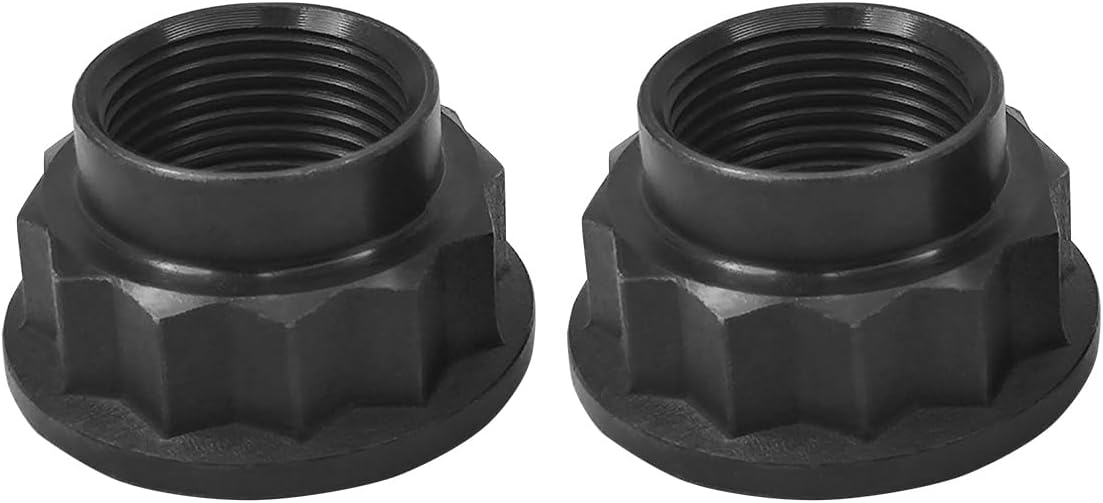
This pair of front axle shaft nuts is designed to secure CV joints and wheel bearings on compatible Toyota and Lexus front drive axles. Built from heat-treated carbon steel for durability and corrosion resistance, it helps maintain proper torque and reliable power transfer. It is a direct replacement for several factory part numbers and is recommended for paired replacement.

This damaged screw extractor set helps remove stripped, broken, and rusted screws or bolts with ease. Designed for use with most drills, it works across a wide range of sizes and is made from hardened high-speed steel for durability and reliable performance. It also makes a practical gift for DIYers, homeowners, dads, husbands, and anyone who likes useful tools.

KUST Custom Fit Trunk Mat is designed for 2020-2026 Toyota GR Supra models to help protect the cargo area from dirt, spills, and daily wear. Its TPE construction offers a fresh, odor-free feel, while the raised-edge design adds extra coverage for all-weather protection. Lightweight and easy to remove, it makes cleaning simple and helps keep the trunk neat and protected.
Check Fastener Integrity
Inspect each visible underbody fastener for security, damage, and missing hardware. A single missing clip may not look serious, but it can let airflow pull on the panel until more clips fail.
- Verify fastener condition: Look for cracked push clips, stripped screw heads, bent retainers, missing washers, or empty holes.
- Match the original hardware: Do not force a universal fastener into a hole that needs a Toyota-specific clip or screw.
- Use correct torque: Tighten threaded hardware only to the specification in Toyota service information. Over-tightening can crack plastic tabs or distort panels.
- Replace damaged clips promptly: Reusing broken clips often causes the same panel to loosen again.
Inspect Panel Alignment
After checking fasteners, inspect how each underbody panel sits against the chassis. Run your hand along the seams and use a flashlight to check for gaps, warped edges, protruding corners, or parts touching the exhaust. The panels should sit flat and secure, with openings, ducts, and drains unobstructed.
Pay special attention to jacking points and the areas behind the front wheels. These zones often see curb scrapes, road debris, and lift-arm contact. If a panel edge has shifted, document the gap and the missing or damaged fastener locations before removing anything.
Temporary Securing Options
If a Supra underbody panel comes loose away from home, stabilize it only as a short-term measure. UV-resistant zip ties, replacement clips, or strong automotive tape can keep a loose edge from dragging, but they are not permanent repairs.
- Keep zip ties and tape away from the exhaust, driveshaft area, suspension movement, steering movement, and brake components.
- Do not cover drain openings, cooling ducts, or airflow openings.
- Use tape only as a short-distance hold, not as a structural repair.
- After any temporary fix, drive gently to a service location and replace the damaged panel or hardware.
Pro Tip: Keep a small bag of OEM-style clips, a trim tool, and a few heavy-duty zip ties in the car if you regularly drive on rough roads or attend track days. Use them for temporary stabilization only.
Materials and What They Mean for Repairs (Plastic, Composites, Metal Shields, Mounts)
The Supra underbody is not one single part. It is a group of panels, shields, mounts, and braces. Some pieces are flexible molded plastic. Others may be composite-style undercovers, metal heat shields, brackets, or braces. Each material fails differently.
- Molded plastic panels: These usually fail through cracked tabs, torn holes, scraping, or heat warping. Small scratches are usually cosmetic; broken mounting tabs often require replacement.
- Composite-style panels: These can be light and stiff, but cracks around fastener holes can spread if the panel is forced into place.
- Metal heat shields: These can rattle when bent or when corrosion loosens a bolt or washer. A loose shield near the exhaust should be repaired quickly.
- Braces and structural mounts: Do not bend, drill, or modify bracing without service information. If a brace is damaged, use professional diagnosis.
When in doubt, replace the panel or fastener rather than forcing damaged parts back together. A panel that no longer holds its shape can create noise, scrape the road, or fail again at speed.
How Panels Shape Aerodynamics and Engine Cooling
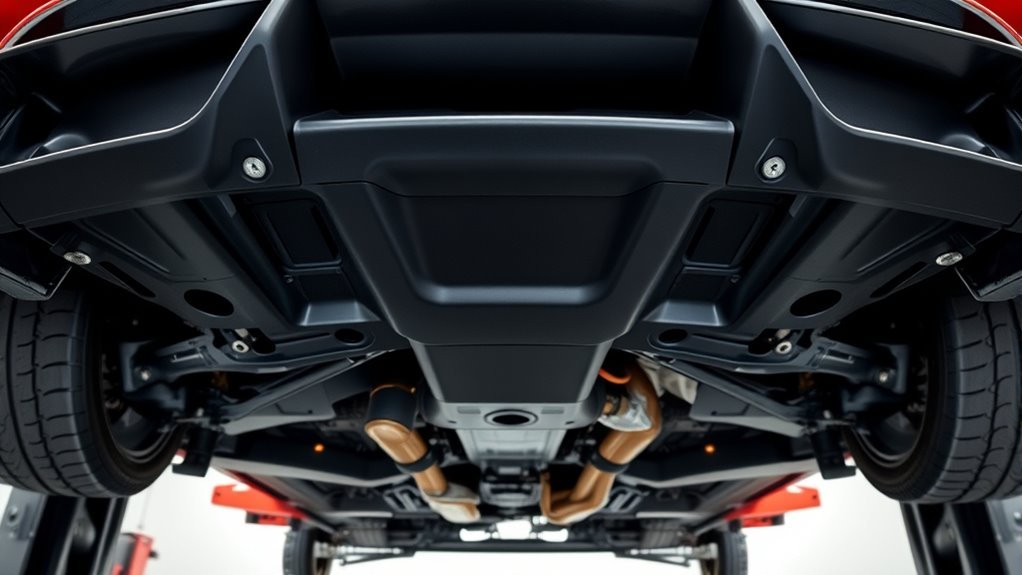
The Supra’s underside may look simple, but the panels help guide air under and around the car. A flat, secure undertray can reduce turbulence compared with an exposed underside. Wheel-liner sections help control air and spray around the tires. Heat shields help separate hot exhaust areas from nearby parts.
This matters because Toyota designed the GR Supra around handling balance, low center of gravity, and aerodynamic stability. Toyota also noted that the 2026 GR Supra MkV Final Edition added aero updates such as front wheel arch flaps, higher front tire spats, and a stronger under-body brace to improve the driving experience.
A loose underbody panel is not just a noise problem. It can disturb airflow, expose parts to debris, and get worse quickly once air starts pulling on the loose edge.
Maintenance: Cleaning, Winter Protection, and Corrosion Control
If you drive your Supra in winter conditions, clean the underside regularly. Road salt can accelerate corrosion on vehicle undercarriages, suspension parts, brackets, fasteners, and exposed metal areas. AAA recommends washing the vehicle, especially the undercarriage, after exposure to road salt.
| Action | Purpose |
|---|---|
| Undercarriage rinse after salted roads | Removes salt and grit before it sits around fasteners and seams |
| Gentle snow foam or pH-balanced wash | Loosens grime without aggressive scrubbing under panels |
| Compatible corrosion inhibitor | Adds a barrier on suitable metal areas when used correctly |
| Lift or professional service | Allows full access behind large panels and shields |
Do not spray heavy coatings over the exhaust, oxygen sensors, brakes, rubber bushings, drain holes, or electrical connectors. If you use a product such as Bilt Hamber or another corrosion inhibitor, follow the product instructions and avoid areas that should stay clean, dry, or heat-safe.
Note: Pressure washing can help remove salt, but keep the nozzle at a safe distance. Do not blast directly into panel seams, electrical connectors, bearings, or sensitive brake components.
Common Damage, Repair Limits, and Safe Removal Methods
When you inspect Supra underbody panels, focus on impact damage, missing hardware, heat damage, and corrosion around adjacent metal fasteners. The most common failure modes are cracked plastic, broken mounting tabs, stripped screw holes, bent heat shields, and panels that sag after a curb scrape or road-debris hit.
- Inspect for cracks and scrape marks: Light surface scuffs are usually less serious than cracks through a mounting point.
- Check mounting tabs: A panel with broken tabs may not stay secure even with new clips.
- Use the correct removal tools: A trim-clip tool reduces the chance of enlarging holes or snapping plastic retainers.
- Replace single-use or damaged hardware: If Toyota service data marks a fastener as non-reusable, replace it.
- Stop if the attachment point is unclear: If a brace, shield, or structural mount is damaged, use professional repair.
[Products Worth Considering]

This 4-piece automotive electrical disconnect pliers set helps safely remove stubborn push-tab connectors from mass air flow sensors, fuel injectors, and ignition coils without damaging delicate tabs. It includes straight and 60-degree angled pliers, a hose clamp plier, and a dual-ended terminal pin remover to handle a wide range of under-hood wiring tasks. Organized in a rugged storage case, it is built for mechanics and DIYers who need reliable access to tight engine bay spaces.

This low profile hydraulic floor jack is designed for cars, coupes, hatchbacks, and sedans with limited ground clearance, making it a practical choice for garages and home maintenance. It lifts smoothly up to a useful height range with a single piston quick-lift pump, while the steel construction, rotating saddle, and overload protection help improve stability and safety during use.

This low profile hydraulic floor jack is built for quick and efficient vehicle lifting, making it a practical choice for garage and shop use. Its dual pump design helps raise loads faster, while the steel construction and safety features support reliable performance over time. With a wide lifting range, smooth-rolling casters, and a detachable handle, it offers convenient maneuverability and dependable support for automotive maintenance tasks.
Repair or Replace Decision Guide
| Condition | Safe Next Step |
|---|---|
| Light scuffs with all fasteners tight | Monitor during regular inspections |
| One or two missing clips, panel still flat | Replace with matching clips and recheck alignment |
| Cracked tab or enlarged fastener hole | Replace the panel or use an OEM-approved repair method |
| Panel sagging, dragging, or touching exhaust | Do not continue normal driving; secure temporarily and repair immediately |
| Bent brace, damaged mounting point, or severe corrosion | Have a qualified technician inspect it before driving hard |
[Products Worth Considering]
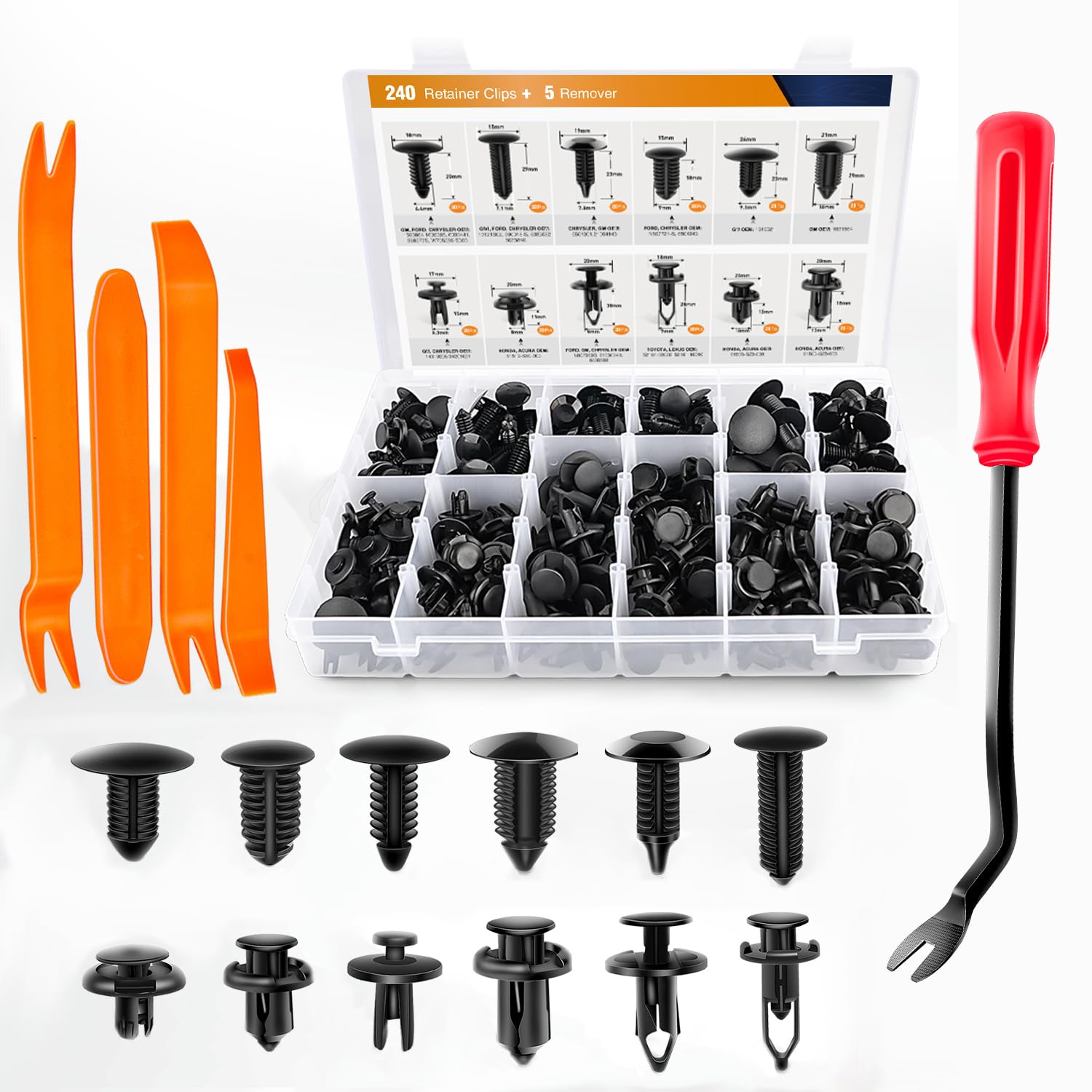
This universal automotive retainer clip assortment provides a convenient replacement solution for common body fasteners used on doors, fenders, bumpers, and splash shields. With a wide mix of popular sizes and an included organizer box, it helps save time by keeping the right clips on hand for quick repairs and maintenance. The durable construction is designed to resist cracking during installation and everyday use.

This car clip pliers set makes it easy to remove stubborn fasteners, trim clips, push pins, and panel buckles without damaging surfaces. The spring-loaded design and ergonomic non-slip handle help reduce hand strain while improving control during automotive interior and exterior disassembly. Built for durability and versatility, it is also useful for bike tire removal and other general pulling tasks.

This custom-fit car cover is designed for Toyota Supra and GR Supra models, offering dependable all-weather protection for both indoor and outdoor use. Built with durable Oxford fabric and a soft cotton lining, it helps shield your vehicle from rain, sun, snow, dust, and UV exposure while protecting the paint finish. Windproof straps, dual air vents, reflective details, and included security accessories add convenience and peace of mind.
Troubleshooting Loose or Damaged Supra Underbody Panels
| Symptom | Likely Cause | What to Do |
|---|---|---|
| Scraping at low speed | Sagging panel edge or broken clip | Stop and inspect before the panel tears off |
| Buzzing or rattling near the tunnel | Loose heat shield or fastener | Inspect after the exhaust cools |
| Whistling or new wind noise at speed | Panel gap or misalignment | Check seams, fasteners, and front undertray alignment |
| Repeated clip loss | Damaged hole, wrong clip, or warped panel | Use VIN-specific hardware and inspect the mounting tab |
| Rust staining around hardware | Corroded fastener or adjacent bracket | Replace affected hardware and treat compatible metal areas |
Frequently Asked Questions
Does the Supra from Fast and Furious have underglow?
The famous orange Mk4 Supra from the Fast & Furious era is closely associated with neon-style underglow and tuner lighting. That is a show-car and movie-culture detail, not a factory feature of the MkV GR Supra. Underglow laws vary by location, so check local rules before installing lights on a street-driven car.
Why does the Supra interior look like BMW?
The MkV GR Supra was co-developed with BMW and shares major systems and components with the BMW Z4, so many controls, infotainment elements, switchgear, and cabin details feel BMW-like. Toyota still tuned the Supra’s driving character, chassis response, and exterior identity around its own GR performance goals.
What is so special about the Toyota Supra?
The Supra is known for its rear-wheel-drive layout, inline-six heritage, compact sports-car proportions, strong tuning culture, and motorsport connection. On the MkV GR Supra, Toyota focused on low center of gravity, balanced handling, strong braking, and aerodynamic stability rather than just straight-line speed.
What chassis is the Supra built on?
The modern MkV GR Supra shares major architecture and components with the BMW Z4, and both were assembled by Magna Steyr in Graz, Austria. It is more accurate to describe it as a Toyota-tuned joint sports-car platform than to reduce it to a single generic BMW platform label.
Can I drive with a loose Supra underbody panel?
Only drive far enough to reach a safe repair location, and keep speed low. A loose panel can scrape, fold under the car, hit hot exhaust parts, disturb airflow, or tear away. Do not use the car for highway driving, spirited driving, or track use until the panel is properly secured.
Are zip ties okay for Supra underbody panels?
Zip ties are acceptable only as a temporary get-home measure if they are kept away from heat, moving parts, brakes, steering, and airflow openings. Replace broken clips, screws, or panels with the correct hardware as soon as possible.
Do underbody panels affect Supra cooling?
Yes, they can. Underbody panels and ducts help guide air around hot areas and toward designed openings. A missing or sagging panel may change airflow around the engine bay, exhaust tunnel, brakes, or rear underbody area.
Should I remove Supra underbody panels for winter cleaning?
Usually, a careful undercarriage rinse is enough for routine cleaning. Remove panels only when you need deeper inspection, rust treatment, or repair access, and only if you have the correct fasteners, tools, and service information for reinstallation.
Conclusion
Supra underbody panels protect components, guide airflow, and help the car keep the handling and cooling behavior Toyota engineered into it. Treat damage as more than cosmetic. Check fasteners, seams, tabs, shields, and jacking-point areas after curb strikes, winter driving, or track use. If a panel is cracked, sagging, touching the exhaust, or loose at a mounting point, replace the damaged hardware or panel with the correct parts before the next hard drive.
Sources
- Toyota USA Newsroom: 2020 GR Supra Ready for the Road — supports GR Supra chassis, aerodynamic balance, handling, and assembly context
- Toyota USA Newsroom: 2026 GR Supra MkV Final Edition — supports 2026 aero, under-body brace, chassis, and final-edition updates
- Toyota Owners: 2026 Supra Owner’s Manual — official owner-manual access for model-specific instructions
- Toyota Genuine GR Supra Parts — supports use of OEM and VIN-specific replacement parts
- AAA: Protecting Your Car from Road Salt Damage — supports winter undercarriage cleaning and salt-corrosion prevention
- Transportation Research Board: Effects of Road Salt on Motor Vehicles and Infrastructure — supports the corrosion risk of road salt on vehicles