You should use 87 octane in your 2016 RAV4 SE. The engine’s calibration and ignition mapping are built around that level of knock resistance, so higher-octane fuel won’t give you routine power or efficiency gains. Octane prevents knock by allowing the right timing. If you experience persistent pinging under load, check for carbon buildup or fuel quality issues first. Occasional premium can help during towing or at high elevation. Read on for specific troubleshooting, costs, and when to visit a Toyota service center.
Quick Answer
- Toyota specifies 87 AKI (regular unleaded) for the 2016 RAV4 SE.
- Higher-octane fuel (89 or 93) offers no measurable improvement in power or fuel economy for this engine.
- Midgrade or premium can help if you tow heavy loads, drive at high altitude, or hear persistent knocking.
- Sticking with 87 octane saves you roughly $250–$350 per year compared to using 93 octane.
- Toyota also recommends using Top Tier gasoline for better engine cleanliness.
What Octane Means for Your RAV4
Octane rating measures how resistant a fuel is to pre-ignition, which is when the air-fuel mixture ignites too early under compression. For most Toyota RAV4 engines, 87 octane delivers the intended combustion characteristics, efficiency, and engine longevity.
Your RAV4’s compression ratio (10.4:1 for the 2.5L 2AR-FE engine) and ignition timing are designed to match regular 87 octane fuel. Going higher rarely gives you measurable gains in power or economy. Higher octane blends are made for specific high-compression engines, not as a universal upgrade. Using lower-than-recommended fuel risks knock, reduced efficiency, and long-term engine stress.
Choose the fuel type listed in your owner’s manual, and you’ll preserve performance while avoiding unnecessary expense.
Toyota’s Recommendation: 87 Octane for the 2016 RAV4 SE
You can pour premium into the tank, but Toyota specifies 87 AKI for the 2016 RAV4 SE. The engine calibration, compression ratio, and knock control are all optimized for regular gasoline. Using 89 or 93 gives no measurable power or efficiency gains and only increases your fuel cost.
The SE’s control systems are tuned to pull peak thermal efficiency from 87 AKI. Alternative fuel grades don’t change combustion timing or torque delivery in any meaningful way.
Choosing 87 also keeps your operating costs down while preserving reliability. Going below the recommendation risks knock, which can impair components over time and complicate maintenance. Stick with manufacturer-specified fuel to get the most out of your service intervals and component life. For extra peace of mind, document your fuel purchases and keep up with routine inspections of spark plugs, knock sensors, and the fuel system.
[Products Worth Considering]

This replacement fuel door spring clip restores proper opening and closing action for select Toyota and Lexus vehicles. It is designed as a direct snap-in replacement for the original clip, helping fix loose, stuck, or poorly closing fuel filler doors. With wide model compatibility and durable construction, it offers a simple solution for renewing reliable fuel door operation.
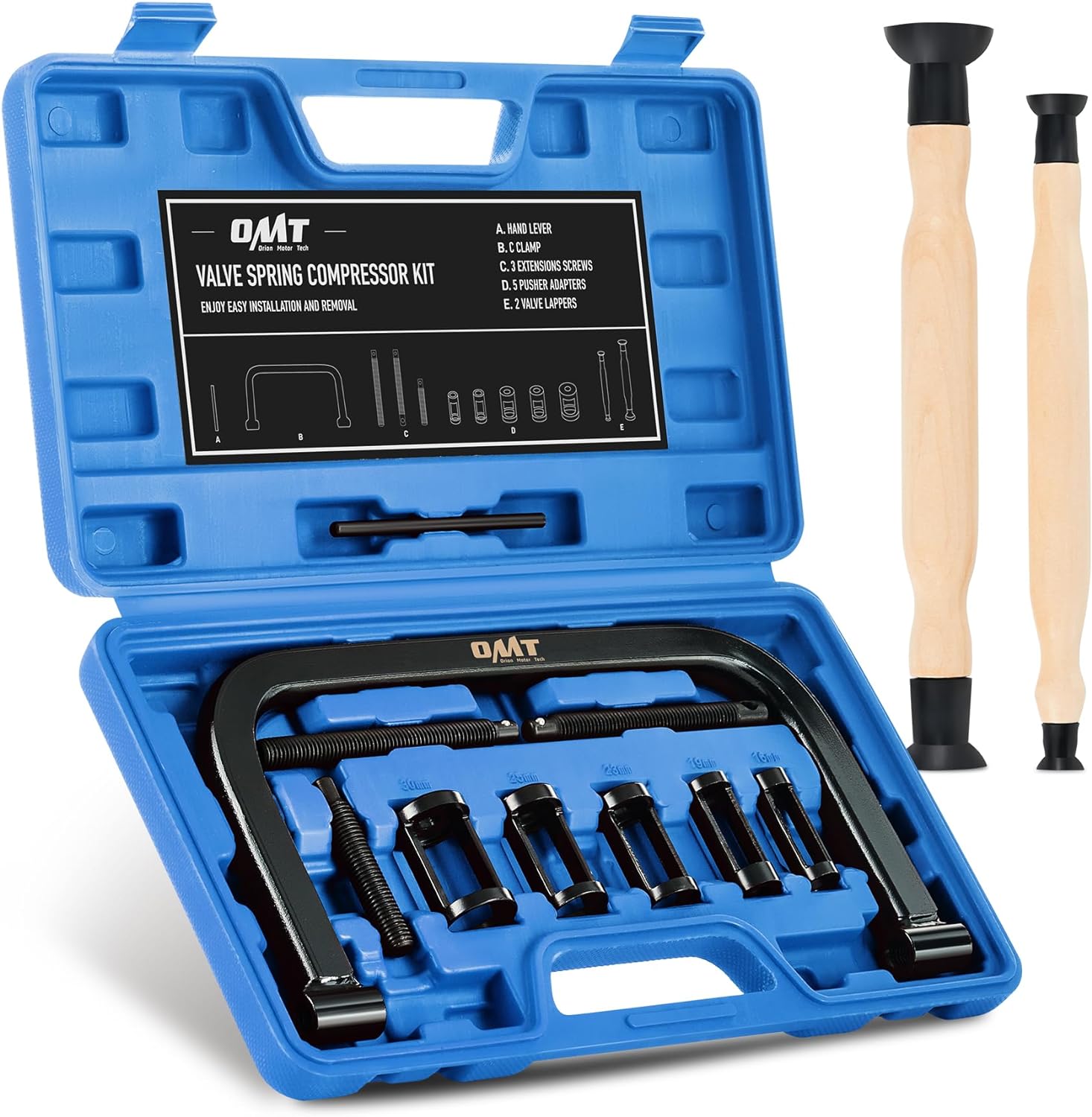
This Orion Motor Tech valve spring compressor kit is designed to make valve spring removal and installation safer and easier on motorcycles, ATVs, cars, and other small engines. It includes multiple adapters, extension rods, and a hand lever to help fit different cylinder heads and spring sizes, while the durable steel construction supports repeated shop use. The organized carrying case also keeps all parts neat and ready for transport or storage.

NGK Iridium IX spark plugs are designed to deliver a stable spark, reliable ignition, and long-lasting performance for compatible Toyota Camry 2.5L engines. The fine-wire iridium center electrode helps improve durability and efficient combustion, making these plugs a smart replacement choice for maintaining smooth engine operation. Sold in a convenient four-pack, they are built for consistent performance and dependable fitment.
How Octane Affects Knocking and Performance
You’ll prevent engine knock by using fuel with enough octane to resist premature ignition under high pressure and temperature. Higher-octane fuel lets the engine hold more advanced ignition timing and ideal spark control, which preserves power and efficiency. If you routinely use lower-than-recommended octane, the ECU (engine control unit) will retard timing to avoid knock. That reduces performance and can increase long-term stress on engine parts.
Preventing Engine Knock
When your engine experiences knock, the air-fuel mixture is detonating too early. This raises pressures and can damage pistons, rings, and bearings over time. To prevent it, use the manufacturer-recommended octane. The RAV4 runs properly on 87 under normal conditions, while high-compression performance engines need 91+ octane.
Monitor engine maintenance and only consider targeted fuel additives when deposits or sensor errors call for them. Additives won’t substitute for correct octane. Modern knock sensors will retard timing or enrich the mixture to protect hardware, but that reduces efficiency and power. Persistently using low octane in an engine that needs higher resistance increases mechanical stress and repair costs. Match your fuel to your engine’s compression characteristics, and service sensors promptly.
Octane and Engine Timing
Because octane rating measures a fuel’s resistance to premature detonation, it directly affects the timing strategies the engine control unit uses to avoid knock. Lower octane forces the ECU to retard timing and enrich the mixture. This protects components but reduces efficiency and power.
Modern RAV4 systems detect knock and adapt, compensating for fuel characteristics. That’s why 87 octane typically works just fine. Persistently using fuel below requirements raises the risk of uncontrolled knock, mechanical stress, and long-term damage. On the flip side, higher octane in an engine designed for regular often leaves unburned fuel and wastes money. Choose fuel that matches the design spec to preserve performance and mechanical integrity.
When Midgrade or Premium Helps (Towing, Altitude, Persistent Knock)
If you’re towing heavy loads, operating frequently at high elevation, or hearing persistent knock, switching to midgrade or premium octane can reduce pre-ignition and protect the engine under increased thermal and mechanical stress.
During towing, you raise the safety margin against detonation. Higher octane fuel resists knock when combustion temperatures and cylinder pressures climb during hauling. This preserves timing and reduces component stress.
At high altitude, thinner air changes combustion characteristics and raises pre-ignition risk. Midgrade or premium can smooth operation where air density drops.
If you hear persistent knocking or pinging, higher octane often helps right away and prevents cumulative damage. Regular high-stress use, like frequent heavy hauling or spirited driving, also justifies occasional premium to maintain performance and reliability.
You don’t need premium for routine, low-load commuting in a RAV4. But strategic use of midgrade or premium under these specific conditions is a practical step toward engine longevity.
[Products Worth Considering]

This Bosch Workshop Engine Air Filter is designed to help protect compatible Toyota RAV4 engines from harmful airborne particles while supporting strong performance and efficiency. It uses high-pleat construction, 98% filtration efficiency, and high-velocity cellulose media to reduce air resistance and help maintain clean airflow. The polyurethane foam seal adds reliable sealing against water and heat intrusion for dependable engine protection.

This A-Premium engine air filter is designed to help maintain clean airflow for compatible Lexus and Toyota vehicles, supporting better engine performance and efficiency. It uses fine filtration media to capture debris while minimizing airflow restriction, making it a practical replacement for routine maintenance. With fitment for multiple popular models and a convenient boxed single-pack design, it offers a straightforward solution for keeping your engine protected.

This plug-and-play OBD2 scanner helps drivers quickly read and clear engine error codes while providing live data, freeze frame information, I/M readiness, and MIL status for more confident troubleshooting. It adds a built-in voltage test and clear status indicators to support electrical checks and faster diagnostics, making it a practical choice for home users, car enthusiasts, and repair professionals. Compatible with most OBDII vehicles since 1996 and designed with an easy-to-use interface, it offers broad coverage and simple operation in one compact tool.
How Your RAV4’s Engine Controls Adapt to Lower Octane

Your RAV4’s engine control unit (ECU) uses closed-loop feedback to handle different fuel qualities. Knock sensors detect pre-ignition events, and the ECU adjusts ignition timing and fuel injection duration to suppress knock. This control logic preserves combustion stability and prevents damaging detonation while you run 87 octane.
You may notice small reductions in peak power or throttle response when the ECU pulls timing to avoid knock, but the system keeps operation smooth and safe. Toyota’s specification of 87 octane reflects the ideal balance of performance and durability, and the adaptive controls give you fuel-choice flexibility without immediate harm.
Avoid using fuels below the recommended rating long term. Persistent timing retard and richer mixtures can reduce efficiency and, over time, stress engine components.
Fuel Economy and Cost Trade-Offs: 87 vs. 89/93
When you compare fuel costs and efficiency for the RAV4, 87 octane typically gives the best value. On average, you can save roughly $250 to $350 per year versus filling with 93 octane, depending on your location and local price spread. You won’t see a consistent gain in performance or mileage from premium because the engine’s tuning and ECU are optimized for regular fuel.
Higher-octane options (89/93) often keep alive old performance myths. Real-world tests and owner reports show inconsistent mileage improvements and minimal power increases in engines calibrated for regular fuel. Engine control logic compensates for knock and operating conditions, so paying a premium rarely translates to measurable benefit.
Marketing claims about additive superiority rarely justify the cost difference either, since most U.S. gasoline contains comparable detergent packages (look for Top Tier certified brands for better deposit control). If you want to keep costs down and maintenance straightforward, choose 87 octane, track your real-world MPG for your driving pattern, and skip the premium fuel markup unless your specific situation calls for it.
[Products Worth Considering]

This ignition coil and iridium spark plug kit is designed to restore smooth engine performance, reliable starts, and efficient combustion for compatible Toyota models. Built for a precise fit across select Camry, RAV4, Sienna, Highlander, and Venza applications, it helps improve idle stability, fuel economy, and emissions. The kit includes durable replacement parts backed by a one-year unlimited-mileage guarantee for added confidence on the road.
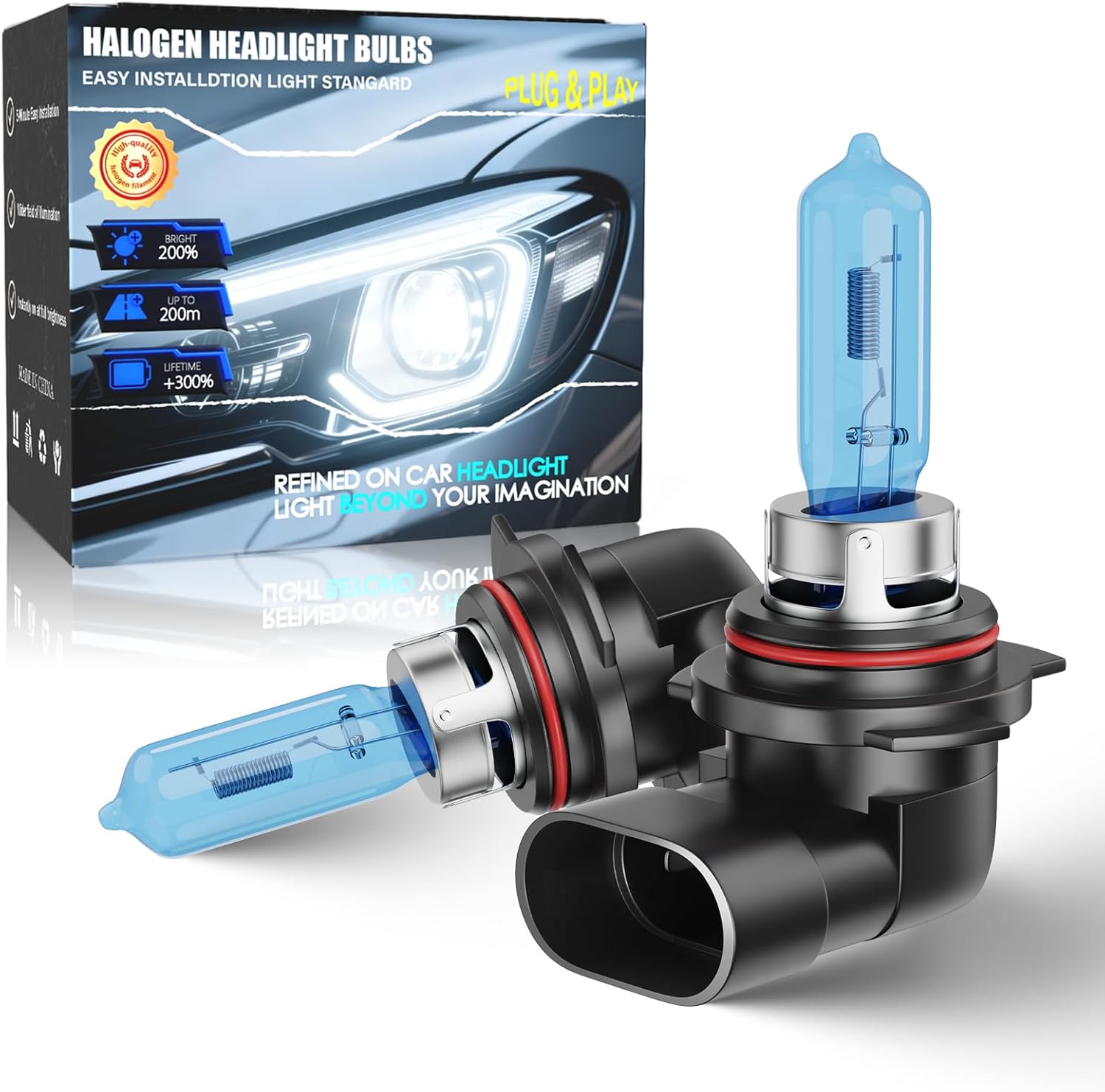
Upgrade your nighttime driving with these halogen headlight bulbs designed for 2016-2019 Toyota RAV4 models. The HIR2/9012 high and low beam combo delivers a brighter white light, a safer beam pattern, and broader road coverage for improved visibility. With plug-and-play installation and durable construction, this two-bulb set is built for a fast, hassle-free replacement.

This ignition coil and spark plug set is designed to restore reliable starting, smooth engine performance, and efficient combustion for compatible Toyota, Lexus, Scion, and Pontiac models. Built with durable materials and engineered to meet or exceed OE design standards, it offers dependable fitment and long-lasting operation. The package includes four ignition coils and four double iridium spark plugs for a complete tune-up solution.
Premium Fuel Claims vs. Reality for the RAV4
Now that we’ve covered why 87 octane usually gives the best value, let’s look at claims that premium fuel delivers measurable advantages for the RAV4.
- Premium fuel myths: Promises of cleaner deposits or higher MPG rarely hold up for engines designed around 87 octane.
- Octane misconceptions: Octane resists knock. It is not a measure of energy content or overall performance for this vehicle.
- Cost-benefit math: Paying more yields minimal gains, costing you roughly $250–$350 per year extra with no real return.
- Manufacturer guidance: Only consider higher octane if persistent knocking appears, which is uncommon in RAV4s built for regular fuel.
You’ll save money and avoid unnecessary expense by trusting the design spec and real-world results.
Why Top Tier Gasoline Matters
While octane level is what prevents knock, the detergent additive package in your gasoline affects long-term engine cleanliness. Toyota recommends using Top Tier Detergent Gasoline, which meets voluntary deposit-control standards developed by automakers including Toyota, GM, BMW, Ford, and Honda.
Top Tier fuel helps prevent carbon buildup on intake valves, fuel injectors, and combustion chambers. This matters more for long-term reliability than switching to a higher octane. Major brands like Costco, Shell, Chevron, ExxonMobil, and many others carry Top Tier certification. You can find a full list of licensed brands at toptiergas.com.
Top Tier fuel is available at all octane levels, so you can still fill up with 87 octane and get the extra detergent protection.
How to Spot, Troubleshoot, and Stop Engine Knock
If you hear a sharp knocking or pinging under acceleration, you’re likely dealing with pre-ignition (engine knock). Act promptly to protect your engine. You’ll notice abnormal sounds and reduced power.
First, confirm symptoms: knock under load, roughness, or loss of acceleration. Then troubleshoot: check your octane history, drain a low-octane fill if you mixed fuels, and inspect for carbon buildup. The knock sensor and modern ECU will retard timing to reduce knock, but that won’t erase the risk of damage. Prevent recurrence by using the manufacturer-recommended octane (87 for most RAV4s), avoiding low-quality fuels, and maintaining a clean combustion chamber.
| Symptom | Likely Cause | Immediate Action |
|---|---|---|
| Knocking under load | Low octane fuel | Use recommended octane; avoid heavy throttle |
| Pinging at acceleration | Pre-ignition | Reduce load; restart with proper fuel |
| Power loss | ECU timing retard | Inspect fuel history and filters |
| Rough idle | Ongoing damage | Service intake and combustion components |
| Recurring knock | Carbon buildup | Decarbonize; correct fueling practice |
When to See a Toyota Service Center (Warranty and Diagnostics)
Because engine knock or a check-engine light can signal issues tied to fuel octane, you should bring your RAV4 to a Toyota service center promptly for warranty-safe diagnostics and repair. Certified technicians can run standardized diagnostic tests and interpret fault codes to pinpoint the issue. Regular dealership maintenance keeps calibrations within factory tolerances and protects your warranty coverage.
- If you hear sustained knock or pinging after refueling, schedule diagnostic tests to separate octane-related causes from mechanical faults.
- When the check-engine light comes on, have a Toyota service center scan codes right away. Waiting too long can jeopardize warranty coverage.
- Use scheduled maintenance at the dealership to verify fuel system integrity, ignition timing, and sensor function.
- Take advantage of service specials at your local Toyota dealer to get expert inspection, parts, and repairs while keeping costs in check.
Frequently Asked Questions
What Octane Gas Does a Toyota RAV4 Take?
Your RAV4 takes 87 octane regular gasoline. You’ll rarely need anything higher. Using 87 preserves RAV4 performance and fuel efficiency. If knocking occurs, try higher octane briefly, then address maintenance to get things back to normal.
What’s the Benefit of Using High Octane Gas on a Toyota?
For a standard RAV4, almost none. You won’t improve engine performance or fuel efficiency because the engine management system already optimizes combustion for 87 octane. High octane is designed for high-compression and turbocharged engines like the GR Supra or GR Corolla.
What Type of Fuel Does a Toyota RAV4 Use?
Your RAV4 uses regular 87 octane unleaded gasoline. You’ll preserve fuel efficiency and reliable engine performance this way. Don’t pay for premium unless you hear knocking. Stick to the manufacturer’s spec, and ideally choose a Top Tier gasoline brand for better deposit control.
Conclusion
Think of octane like the shock absorbers on a bike: 87 octane is Toyota’s engineered baseline for the 2016 RAV4 SE, designed to run smoothly under normal load. You’ll only need 89/93 for persistent knock, heavy towing, or high altitude. Using higher octane rarely improves power or economy in this engine. Choose based on actual symptoms, not marketing.