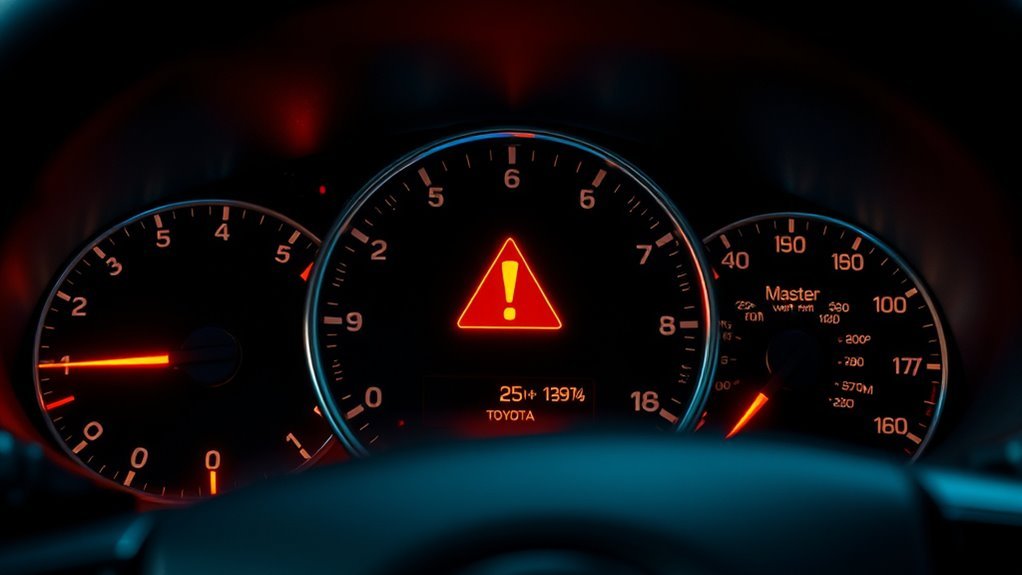
When your Toyota RAV4’s yellow/orange triangle with an exclamation point comes on, treat it as a general warning that needs attention, not as a diagnosis by itself. The real cause is usually shown by a message, second warning light, or icon in the multi-information display. Check the display first, then decide whether the issue is a simple fix, a cautious drive-to-service situation, or a stop-now problem.
Quick Answer
The RAV4 master warning light means the vehicle has detected a condition that needs your attention. Read the dashboard message first. If a red brake, oil pressure, charging, or temperature warning appears with it, pull over safely and stop. If it is tied to a door, tire pressure, low fuel, or maintenance message, correct that issue and recheck the light.
Key Takeaways
- The master warning light is a general alert; the dashboard message or companion icon tells you what is actually wrong.
- Red warnings usually need immediate attention. Yellow or amber warnings often mean “check soon,” but they should not be ignored.
- Common simple causes include an open door or hatch, low fuel, low tire pressure, a weak key fob battery, low washer fluid, dirty sensors, or a maintenance reminder.
- If the RAV4 drives abnormally, smells hot, leaks fluid, overheats, loses braking assist, or shows an oil pressure/brake warning, stop and arrange service or towing.
- A basic OBD-II scanner may not read every Toyota body, chassis, or driver-assist system warning, so persistent alerts may need Toyota-capable diagnostics.
At a Glance
| Time Required | 5–15 minutes for basic checks |
| Difficulty | Easy for visual checks; moderate if scanning codes |
| Tools Needed | Owner’s manual, tire pressure gauge, flashlight, optional OBD-II scanner |
| Cost | Often $0 for basic checks; repair and diagnostic costs vary by fault |
What the RAV4 Master Warning Light Means
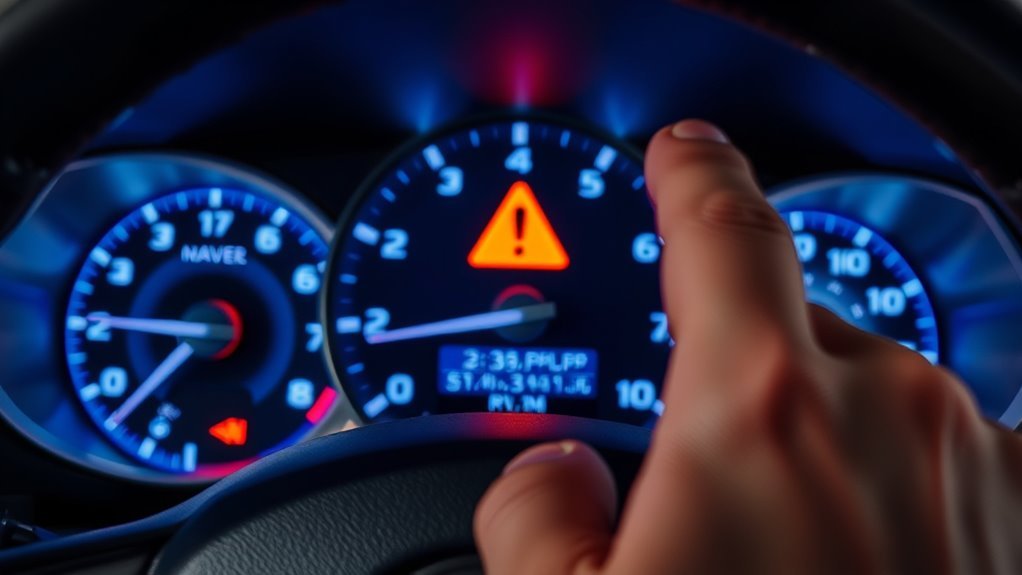
The RAV4 master warning light is usually shown as a triangle with an exclamation point. It can appear during the normal startup bulb check, but if it stays on, returns, flashes, or appears with a warning buzzer, the RAV4 is asking you to read the message or icon that comes with it.
On Toyota vehicles, warning colors matter. Toyota’s owner resources explain that yellow icons indicate an item of importance, while red icons indicate a condition that requires immediate attention. That means the same master warning symbol can point to something minor, such as an open door, or something more serious when paired with a red system warning. Toyota’s warning light guide and your exact RAV4 Owner’s Manual should be the final reference for your model year.
Note: RAV4 warning messages, icons, and wording can vary by model year, trim, market, gasoline/hybrid/Prime version, and installed options. Always match the message on your own display to the manual for your exact vehicle.
Read the Dashboard Message Before Guessing
The master warning light does not identify the failed part by itself. Start by checking the multi-information display for a written warning, symbol, or stored message. On many RAV4 models, you can use the steering wheel controls to scroll through the display and view current warnings.
If the message tells you to close a door, refuel, add washer fluid, check tire pressure, clean a sensor, or replace the key battery, handle that specific item first. If the message says to stop, check the Owner’s Manual, or visit a Toyota dealer, treat it as a higher-priority fault.
Pro Tip: Take a clear photo of the warning message before turning the RAV4 off. Intermittent alerts can disappear after a restart, and the photo helps a technician identify the system involved.
Common Causes of the RAV4 Master Warning Light
These are the most common areas to check first. Not every item below will trigger the master warning light on every RAV4, but each one can create a dashboard warning or companion message that may appear with the triangle alert.
| Dashboard message or symptom | Likely cause | First check | Can you keep driving? |
|---|---|---|---|
| Door, hatch, or hood open | Latch not fully closed or latch sensor issue | Close every door and the rear hatch firmly | Do not drive until secure |
| Seat belt warning | Occupant belt unfastened or item on passenger seat | Buckle occupants; remove heavy items from seat | Correct before driving |
| Tire pressure warning | Low tire pressure, temperature change, puncture, or TPMS fault | Check cold tire pressure at the door-jamb placard value | Only after checking for a flat or damage |
| Low fuel | Fuel level is near reserve | Refuel soon | Yes, but refuel promptly |
| Low washer fluid | Washer reservoir is low | Add washer fluid | Usually yes |
| Key battery low | Weak electronic key/fob coin cell | Replace the fob battery listed in your manual | Usually yes, but fix soon |
| Parking assist, camera, radar, or safety system unavailable | Dirty sensor, snow, ice, heavy rain, direct sun, or system fault | Clean sensors, windshield camera area, and bumpers | Use caution; service if it remains |
| Maintenance required | Scheduled service reminder | Check maintenance interval and service history | Usually yes, but schedule service |
| Check engine light also on | Engine, emissions, fuel cap, or sensor fault | Check fuel cap only if safe; scan codes | Depends on symptoms and whether the light flashes |
| Brake, oil, battery/charging, or temperature warning | Potential safety or engine-damage issue | Pull over safely and stop | No, not until assessed |
Urgent vs. Minor: How to Tell
Use the color, message, and vehicle behavior together. A yellow triangle by itself does not always mean the RAV4 is unsafe to drive, but a red warning, strong smell, abnormal noise, smoke, overheating, or poor braking changes the situation immediately.
Warning: Stop in a safe place and shut the vehicle down if the master warning light appears with a red brake warning, low oil pressure warning, high engine coolant temperature warning, charging system warning, smoke, fluid leakage, loss of power, or abnormal braking/steering feel.
Usually Urgent
- Red brake warning, especially with low brake fluid, poor braking feel, or a warning buzzer
- Oil pressure warning or oil pressure message
- High engine coolant temperature or overheating message
- Charging system warning or repeated 12-volt battery warnings
- Flashing check engine light, rough running, or strong fuel/exhaust smell
- Any message that tells you to stop the vehicle or contact a Toyota dealer immediately
Often Minor, But Still Needs Action
- Open door, rear hatch, or seat belt reminder
- Low washer fluid
- Low fuel
- Maintenance reminder
- Low key fob battery
- Temporary driver-assist sensor unavailable message due to snow, dirt, mud, or heavy weather
Quick On-Road Checklist: Immediate Steps to Stay Safe
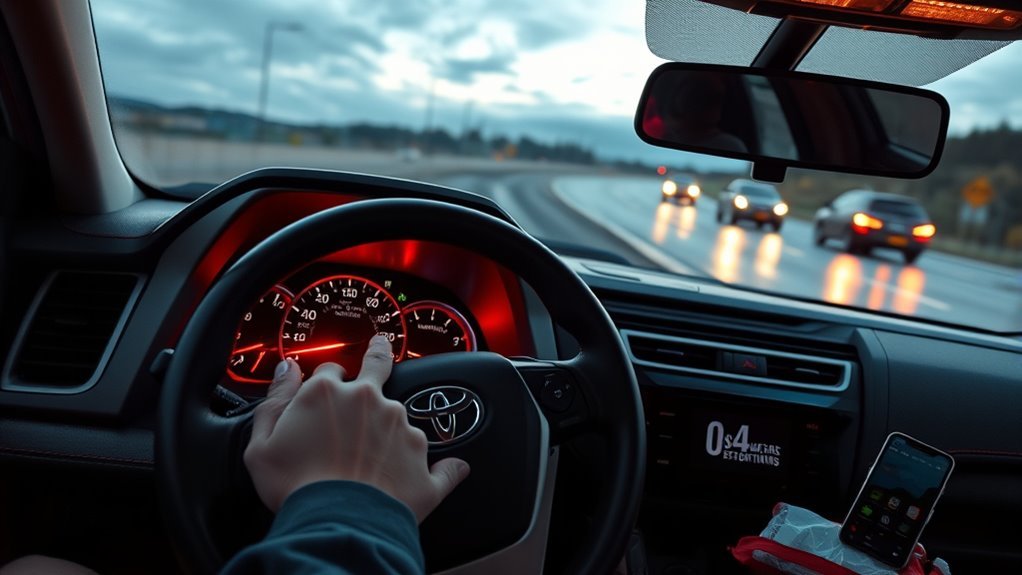
If the master warning light comes on while you are driving, do not keep guessing at highway speed. Use this checklist to decide what to do next.
| Step | Action | Goal |
|---|---|---|
| 1 | Stay calm and check how the RAV4 feels | Identify power loss, braking issues, overheating, noises, or smells |
| 2 | Read the dashboard message | Find the system behind the master warning light |
| 3 | Look for red companion warnings | Decide whether to stop immediately |
| 4 | Pull over safely if urgent or unclear | Avoid making a possible mechanical or safety issue worse |
| 5 | Check simple items | Doors, hatch, fuel, tire pressure, fluids, visible leaks, and sensor blockage |
| 6 | Restart only if it is safe | See whether a corrected minor warning clears |
| 7 | Call for service if the alert returns | Get proper diagnostics before driving farther |
Use hazard lights if you stop near traffic. Set the parking brake, keep passengers away from traffic, and do not open the hood in an unsafe shoulder position.
[Products Worth Considering]
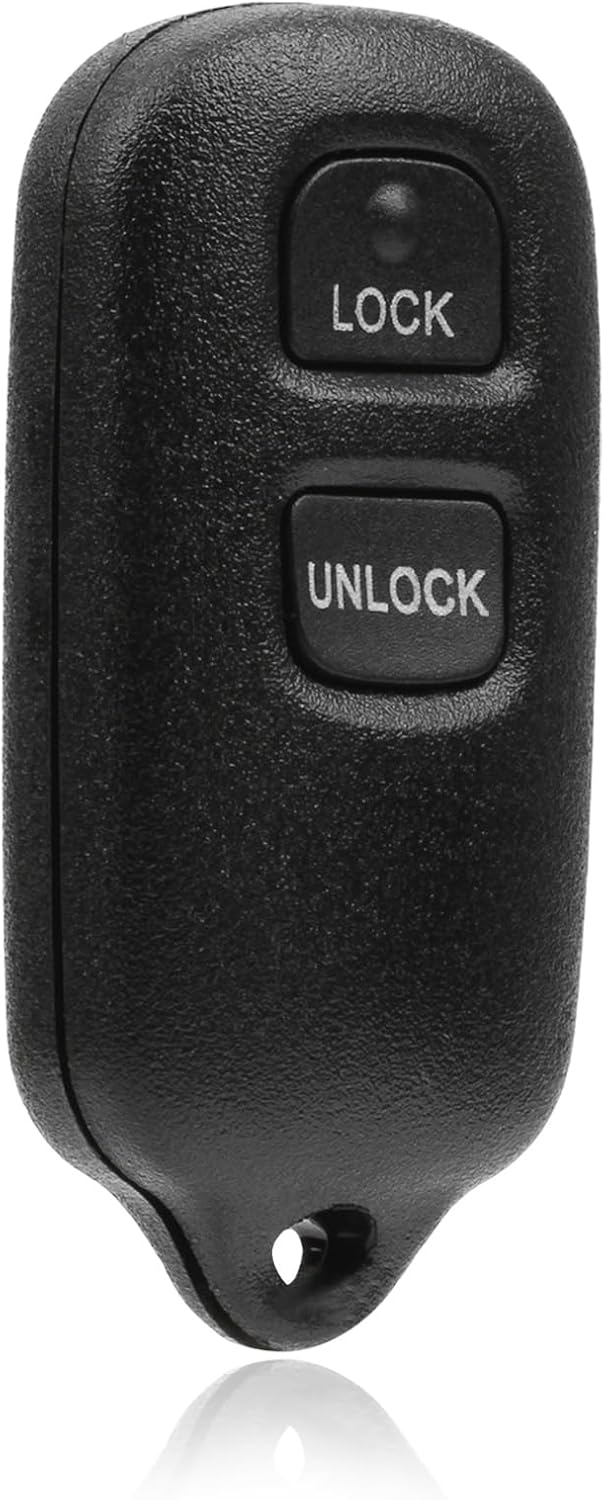
This USARemote key fob replacement provides convenient keyless entry for a wide range of Toyota and Scion vehicles. It is programmable, ready to use, and designed to help restore remote locking and unlocking functionality for compatible models. The compact black remote offers dependable everyday use for drivers needing a simple replacement solution.
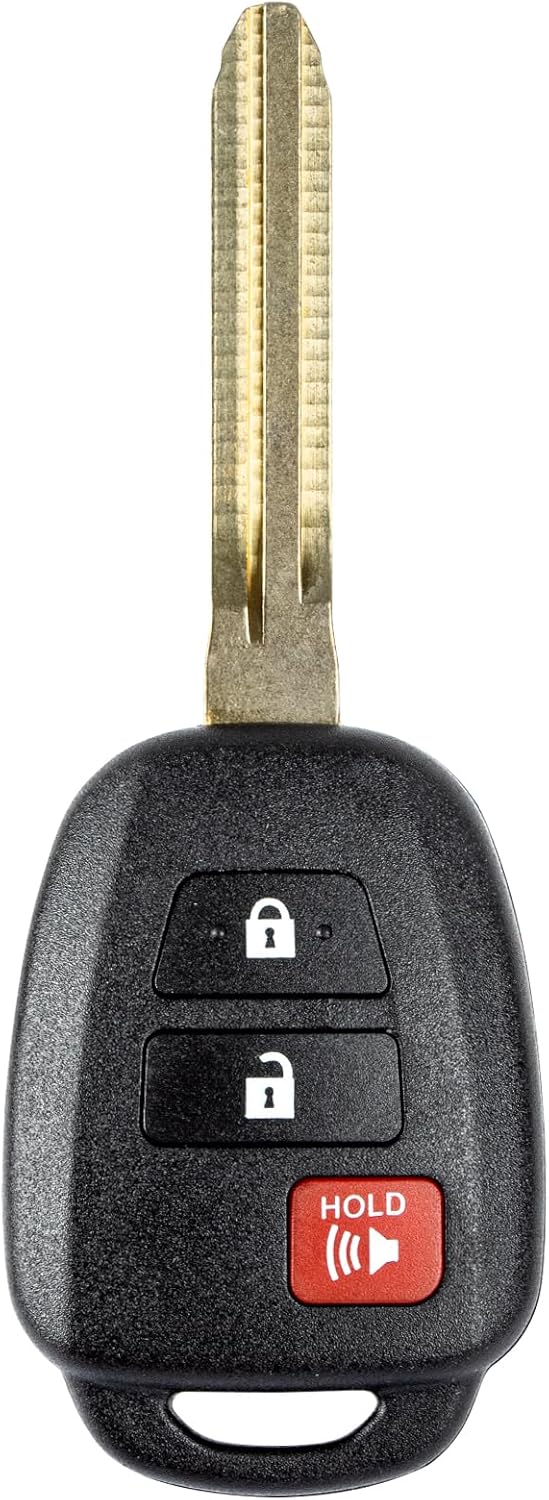
This replacement key fob is designed for select Toyota models and provides reliable keyless entry functionality with a factory-like fit and operation. It comes pre-tested with electronics and battery installed, making it a convenient solution when your original remote is lost, damaged, or worn out. Professional programming and cutting are required, and compatibility should be confirmed against the original remote and vehicle fitment details.

These Click&Fit windshield washer nozzles are designed to replace worn or damaged sprayers on a wide range of Toyota models, helping restore reliable windshield cleaning performance. The dual spray outlets provide broad fluid coverage for improved visibility and more efficient washer fluid use. Built for easy installation, they offer a quick way to refresh your vehicle's washer system and maintain clear driving conditions.
Home Checks When No Codes Are Stored
A persistent master warning light with no generic OBD-II code can still be real. Many inexpensive scanners read engine/emissions codes only. They may miss body, chassis, ABS, SRS, parking assist, smart key, hybrid, and Toyota Safety Sense-related data. Before scheduling service, run these safe checks at home.
[Products Worth Considering]

This A-Premium windshield washer pump is designed to restore reliable windshield cleaning performance across a wide range of compatible vehicles. It supports numerous Toyota, Honda, Lexus, Mazda, Ford, Lincoln, and other models, making it a versatile replacement choice for maintaining clear visibility in all driving conditions. Built for straightforward fitment, it helps ensure consistent washer fluid delivery when you need it most.

This front windshield washer nozzles kit is designed to help restore proper spray performance for a wide range of Toyota, Lexus, and Scion vehicles. Made from durable plastic for reliable replacement use, it offers an easy way to refresh worn or damaged washer nozzles and improve windshield cleaning coverage. The kit includes two nozzles and is a practical fitment solution for many popular models and years.

[Easy to Use—Work Out of the Box] + [FOXWELL 2026 New Version] FOXWELL NT604 Elite scan tool is the 2026 new version from FOXWELL, designed for car owners who want to figure out the cause of issues before fixing car problems by scanning common systems like ABS, SRS, engine, and transmission. The NT604 Elite obd2 scanner diagnostic tool comes with the latest software—no need to waste time downloading software first. Plug the scanner into the OBDII port with OBDII cable to start the diagnosis.
Check Doors, Hatch, and Latches
Open and close every door and the rear hatch. Look for a cargo mat, seat belt, debris, or ice that prevents a latch from fully closing. If the door-ajar message flickers while driving, the latch or sensor may need inspection.
Check Tire Pressure Correctly
Use the tire pressure label on the driver’s door jamb, not the number molded into the tire sidewall. NHTSA recommends checking tire pressure monthly and notes that TPMS is not a substitute for regular tire maintenance. Newer vehicles use TPMS to warn when tires are significantly underinflated, but cold weather can make borderline pressure drop enough to trigger a warning. NHTSA’s TireWise guide explains how to check cold tire pressure and what a TPMS warning means.
A TPMS light means at least one tire may already be significantly underinflated. Check with a gauge as soon as possible rather than relying on a visual inspection.
Check Fluid Levels and Leaks
When the RAV4 is parked safely and the engine area is cool enough to inspect, check visible fluid levels according to the Owner’s Manual. Look underneath for fresh fluid. Do not remove a hot coolant cap. If an oil pressure or high-temperature warning appeared, do not continue driving just because the fluid level looks acceptable.
Check the 12-Volt Battery and Connections
A weak 12-volt battery or loose/corroded terminal can cause strange electrical warnings, especially after cold weather, short trips, or a long parking period. Visually inspect the terminals for looseness or corrosion. If the RAV4 starts slowly, shows multiple unrelated warnings, or recently needed a jump-start, have the battery and charging system tested.
Clean Driver-Assist Sensors
If the warning is tied to parking assist, blind spot monitoring, pre-collision, lane tracing, or radar/camera availability, clean the windshield area in front of the camera, the Toyota emblem/radar area if equipped, parking sensors, and bumper areas. Snow, ice, mud, heavy rain, direct sunlight, or blocked sensors can temporarily limit driver-assist features. If the message stays after cleaning and normal weather returns, service is needed.
Check the Fuel Cap Only If the Check Engine Light Is Also On
A loose or damaged fuel cap is more commonly tied to an emissions or check engine warning than the master warning light alone. If the check engine light is also on, make sure the cap is present, tightened until it clicks, and not cracked. If the light remains after several normal trips, scan the codes instead of replacing parts at random.
Drive, Roadside, or Tow: What to Do Next
Use the warning message and vehicle behavior to choose the safest next step.
[Products Worth Considering]

CEL Doctor: The ANCEL AD310 is one of the best-selling OBD II scanners on the market and is recommended by Scotty Kilmer, a YouTuber and auto mechanic. It can easily determine the cause of the check engine light coming on. After repairing the vehicle's problems, it can quickly read and clear diagnostic trouble codes of emission system, read live data & hard memory data, view freeze frame, I/M monitor readiness and collect vehicle information.
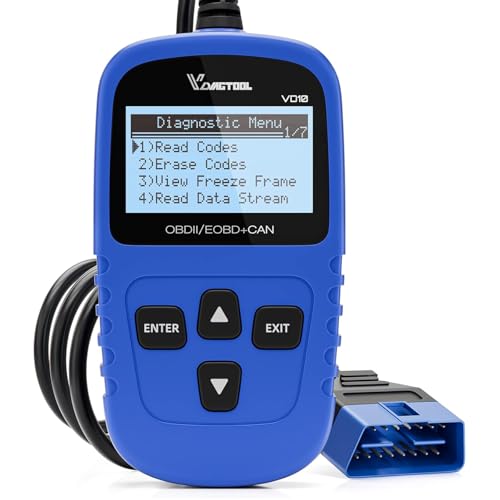
【A MUST-HAVE TOOL FOR DIYERS】 - VDIAGTOOL VD10 car code reader is an incredibly useful obd scanner for each car owner or hobbyist, even for those with little to no experience when it comes to vehicle mechanics! Similar to a fixd car diagnostic tool, using this car diagnostic scanner is extremely easy. All you have to do is attach it to your car OBDII port and you can diagnose car problems in seconds! Read Codes (DTCs); Clear Codes; Live Data; View Freeze Frame; I/M Readiness; Vehicle Information.
You May Be Able to Drive Cautiously If:
- The message identifies a minor item such as washer fluid, low fuel, maintenance, or a corrected door/seat belt issue.
- No red warning lights are present.
- The RAV4 accelerates, brakes, steers, and shifts normally.
- There is no smoke, burning smell, leak, overheating, or abnormal noise.
Pull Over and Call for Help If:
- The message says to stop, check the manual immediately, or contact a dealer.
- A red brake, oil pressure, charging, or temperature warning appears.
- The check engine light flashes or the engine runs rough.
- The RAV4 loses power, overheats, leaks fluid, smells hot, or feels unsafe.
- The alert returns immediately after you correct the obvious cause.
For persistent warnings, ask the shop or dealer to scan all relevant Toyota systems, not only generic engine codes. Request the stored codes, freeze-frame data if available, and a written estimate before authorizing repairs.
How to Prevent Repeat Master Warning Light Alerts
- Check tire pressure monthly and before long trips, using the driver’s door-jamb placard.
- Keep washer fluid, engine oil, and coolant at the proper levels.
- Replace the key fob battery when the “key battery low” warning appears.
- Keep the windshield camera area, parking sensors, radar area, and bumpers clean.
- Follow the maintenance schedule in the Toyota Owner’s Manual for your exact model year.
- Do not ignore repeated intermittent warnings; intermittent electrical or sensor faults can become harder to diagnose after more systems are affected.
- Use Toyota’s official manuals and warranties page to confirm the correct instructions for your RAV4.
Frequently Asked Questions
Can the RAV4 master warning light reset itself after restarting the car?
Yes. If the warning was caused by a temporary condition or a simple item you corrected, such as an open door or low fluid message, the light may go out after a restart. If it returns, flashes again, or appears with another warning, treat it as unresolved and diagnose the cause.
Is the master warning light the same as the check engine light?
No. The master warning light is a general warning symbol, while the check engine light is tied mainly to engine and emissions-related faults. They can appear together, but they do not mean the same thing. Always read the message and scan codes when the check engine light is involved.
Why is the master warning light on but my OBD-II scanner shows no codes?
A basic OBD-II scanner may read only powertrain/emissions codes. The warning may be stored in another module, such as ABS, SRS, body control, smart key, parking assist, hybrid control, or driver-assist systems. A Toyota-capable scan tool may be needed.
Will low tire pressure trigger the RAV4 master warning light?
Low tire pressure normally triggers the tire pressure warning symbol, and some RAV4 displays may also show a related warning message. Check all tires with a gauge, inflate them to the cold pressure on the door-jamb placard, and inspect for punctures or sidewall damage.
Can a low key fob battery cause a master warning message?
Yes, some RAV4 models can show a key battery or electronic key warning message when the fob battery is weak. This is about the small coin-cell battery inside the key fob, not the RAV4’s main 12-volt battery. Replace the fob battery specified in your Owner’s Manual.
Can aftermarket electronics cause the master warning light to illuminate?
Yes. Poorly installed dash cams, remote starters, audio equipment, alarms, lighting kits, tracking devices, or hardwired accessories can cause voltage drops, communication errors, or sensor interference. Disconnect recent add-ons only if you can do so safely, then have wiring inspected if the warning began after installation.
Does the master warning light affect warranty coverage?
The warning light itself does not void warranty coverage. However, damage caused by ignoring a warning, skipping required maintenance, or using improper parts may be handled differently than a covered defect. Keep service records, document the warning, and have persistent alerts inspected promptly.
Is it safe to drive long distances with the master warning light on?
Do not start a long trip with an unresolved master warning light. If the cause is clearly minor and corrected, such as an open door or low washer fluid, you can continue after confirming the light clears. If the cause is unknown, recurring, red, or tied to drivability, braking, oil pressure, charging, or temperature, get service first.
Conclusion
The RAV4 master warning light is your prompt to slow down, read the display, and act based on the specific warning message. Start with simple checks like doors, hatch, seat belts, fuel, tire pressure, washer fluid, key fob battery, and blocked sensors. If the warning is red, recurring, unclear, or tied to braking, oil pressure, overheating, charging, drivability, or safety systems, stop guessing and get proper diagnostics. The fastest fix is usually not replacing random parts; it is reading the exact message and responding to the system the RAV4 is warning you about.
Sources
- Toyota Owners — Warning Lights — backs up Toyota warning light color guidance and the need to consult the Owner’s Manual.
- Toyota Owners — 2024 RAV4 Warning Lights and Indicators — backs up RAV4-specific warning light and indicator reference guidance.
- Toyota Owners — Manuals and Warranties — backs up using the exact Owner’s Manual for model-year-specific warnings, maintenance, and warranty information.
- Toyota Owners — 2024 RAV4 Wireless Remote Control/Electronic Key Battery — backs up key fob battery maintenance and electronic key battery guidance.
- NHTSA TireWise — Tire Safety Ratings and Awareness — backs up tire pressure checks, TPMS guidance, and the importance of monthly tire maintenance.
- eCFR — 49 CFR 571.138 Tire Pressure Monitoring Systems — backs up federal TPMS requirements and warning behavior for significant underinflation or TPMS malfunction.