Toyota Camry Wipers Streaking: Causes and Fixes
What’s in This Article
- Signs Your Wiper Blades Cause Streaking
- What Causes Wiper Streaking in Your Toyota Camry?
- What You Need Before You Start
- Clean Your Windshield and Wipers Effectively
- The Best Wiper Blades for Your Toyota Camry
- Proven Tips to Prevent Windshield Wiper Streaks
- Common Wiper Issues and How to Fix Them
- When Should You Seek Professional Help for Wiper Problems?
Streaking wipers can turn a short drive into a safety risk fast. If your Toyota Camry’s wipers smear water, skip across the glass, or leave hazy lines, the problem often starts with worn rubber, dirty glass, weak arm pressure, or poor washer fluid. This guide shows you how to spot the cause, clean the right parts, choose better blades, and know when a mechanic should inspect the system.
Quick Answer
Your Toyota Camry’s wipers usually streak because the blades have worn out, the windshield has oil or grime on it, or the wiper arms don’t press evenly. Clean the glass and rubber first, then replace blades that still smear, chatter, crack, or skip. Toyota says wiper blades often last 6 to 12 months, but weather, blade quality, and use can shorten that range.
Key Takeaways
- Clean your windshield and wiper rubber before you replace the blades.
- Replace wiper blades when they streak, squeak, chatter, crack, or skip.
- Check your Camry owner’s manual or parts catalog before buying blade sizes.
- Keep washer fluid topped off because dry wiping can make smears worse.
- Ask a technician to inspect the arms, motor, or glass if new blades still streak.
Signs Your Wiper Blades Cause Streaking
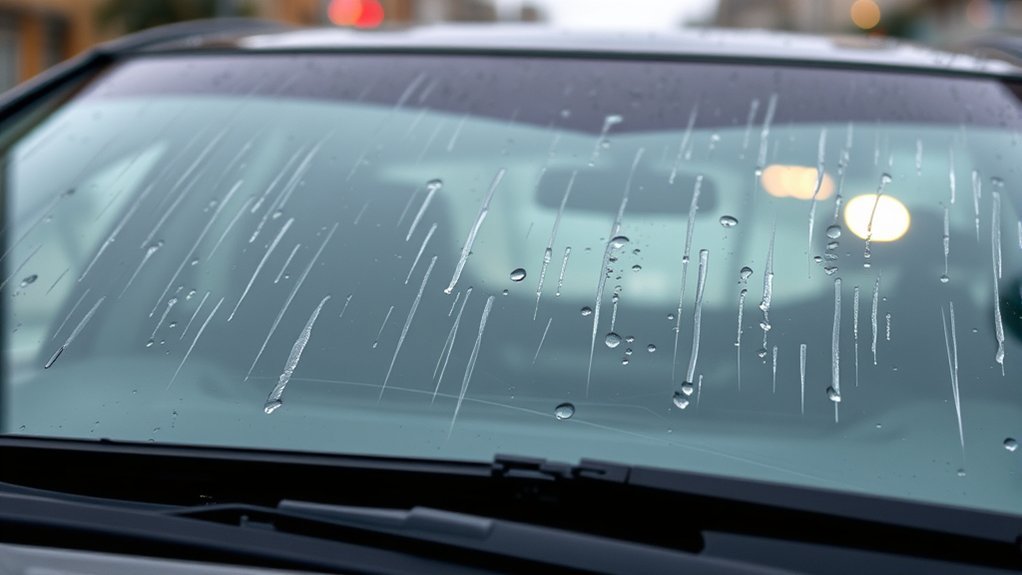
Your wiper blades often tell you when they need attention. Watch for streaks, smears, squeaks, chattering, skipped spots, cracked rubber, or blades that no longer sit flat against the windshield.
Worn rubber can’t keep firm, even contact with the glass. Dirt, oil, tree sap, bugs, road film, or leftover wax can also make the blades slide over grime instead of clearing water.
Check the wiper arms too. Rust, weak spring tension, bent arms, or a loose connector can stop the blade from pressing evenly across the windshield.
What Causes Wiper Streaking in Your Toyota Camry?
Wiper streaking in your Toyota Camry usually comes from three places: worn blades, dirty glass, or poor blade contact. You should rule out simple cleaning issues first because grime can mimic a bad blade.
Worn Wiper Blades
Worn wiper blades cause many streaking problems. Sun, heat, ice, road salt, dust, and age can harden or crack the rubber edge, so it no longer wipes cleanly.
Inspect the blade edge with the wipers lifted away from the glass. Replace the blades if you see cracks, missing rubber, rounded edges, bent frames, or uneven pressure marks.
Toyota notes that many wiper blades last 6 to 12 months, but that range can change based on blade quality, use, and climate. Replace them sooner if visibility drops.
Windshield Contamination Issues
Dirt, oil, wax, silicone residue, and road film can make good wiper blades streak. Clean glass gives the rubber a smooth surface and helps the blade push water away.
Focus on these windshield maintenance steps:
- Clean the glass: Use automotive glass cleaner and a clean microfiber cloth.
- Wipe the rubber: Clean each blade edge with soapy water or rubbing alcohol on a cloth.
- Remove oily film: Use an isopropyl alcohol and water mix for stubborn residue.
- Avoid wax on the glass: Keep car wax and oily trim products off the windshield.
- Watch road grime: Clean the windshield more often after dusty drives, bugs, pollen, or highway trips.
What You Need Before You Start
You can fix most streaking issues with basic supplies. Gather everything first so you can clean, inspect, and test the wipers in one pass.
- Automotive glass cleaner
- Clean microfiber cloths
- Mild soap and water
- Isopropyl alcohol for oily residue
- Correct washer fluid for your weather
- Replacement blades that match your Camry
- Your owner’s manual or a reliable parts lookup
Note: Some newer Toyota models need the wipers placed in a service position before you lift the arms, so check your manual first.
[Products Worth Considering]

【PREMIUM WIPER BLADES】: High quality automotive replacement windshield wiper blades, improve driving visibility and safety, to achieve smooth, clean wiping effect.

【PREMIUM WIPER BLADES】: High quality automotive replacement windshield wiper blades, improve driving visibility and safety, to achieve smooth, clean wiping effect.

Conventional Wiper Blade: Rain-X Weatherbeater windshield wiper blade set in 24 inch and 20 inch lengths, built to meet or exceed original equipment manufacturer standards for durability, quality and construction
Clean Your Windshield and Wipers Effectively
Start with the windshield because dirty glass can make new blades look bad. Spray automotive glass cleaner on the glass, then wipe in overlapping passes with a microfiber cloth.
Lift each wiper arm gently and clean the rubber edge. Use mild soapy water first, then use a small amount of rubbing alcohol on a cloth if the rubber still leaves black residue.
Clean the lower windshield area where the wipers rest. Leaves, grit, and dirt collect there and can move back onto the blade during the first wipe.
Use fine 0000 steel wool only as a last step on plain exterior glass, and only if you understand the risk. Follow it with glass cleaner and a clean microfiber cloth.
Warning: Don’t use steel wool on tinted, coated, cracked, or damaged glass because it can scratch or harm the surface.
The Best Wiper Blades for Your Toyota Camry
The best wiper blades for your Toyota Camry fit the arm connector, match the correct length, and keep even pressure across the windshield. Check your owner’s manual or a reliable parts catalog before you buy.
These options can work well when they match your Camry’s model year and trim:
- Bosch Icon: A beam-style blade known for strong all-weather wiping and firm pressure.
- PIAA Silicone Wipers: A silicone option that can help reduce chatter and streaking.
- OEM Blades: Toyota original equipment blades help match the factory fit and connector type.
- Aftermarket Options: Brands like Anco and Valeo can work well when you confirm the size and connector.
Install both front blades as a set when both have similar age. One worn blade often means the other blade has the same rubber age, even if it streaks less.
[Products Worth Considering]

[FITMENT] Compatible with Toyota Highlander 2008-2019, Compatible with Toyota Camry 2021-2022, Compatible with Acura MDX 2015-2020, Compatible with Toyota Avalon 2019-2020, Compatible with Dodge Grand Caravan 2008-2019. Fitment varies by model year. Check AmazonConfirmedFit before ordering.

Conventional Wiper Blade: Rain-X Weatherbeater windshield wiper blade set in 26 inch and 20 inch lengths, built to meet or exceed original equipment manufacturer standards for durability, quality and construction

【PREMIUM WIPER BLADES】: High quality automotive replacement windshield wiper blades, improve driving visibility and safety, to achieve smooth, clean wiping effect.
Proven Tips to Prevent Windshield Wiper Streaks

You can prevent many streaks with a simple routine. Clean the windshield and blade edges during each wash, especially after pollen, bugs, dusty roads, or freezing weather.
Check your washer fluid level often. Toyota says washer fluid helps clear road grime, bugs, snow, dust, and other debris from your field of vision.
Use washer fluid that matches your climate. Choose a winter-rated fluid for freezing weather and avoid plain water in cold conditions because it can freeze in the system.
Don’t run the wipers across dry glass when you can avoid it. Spray washer fluid first so the blades don’t drag grit across the windshield.
Pro tip: Wipe the blade edge with a damp cloth every time you clean the windshield to stop grime from returning.
Common Wiper Issues and How to Fix Them
When your Toyota Camry’s wipers start to act up, match the symptom to the most likely cause. Start with the easiest fixes before you replace parts.
- Streaks or smears: Clean the windshield and blade edges, then replace blades that still leave lines.
- Skipping or chattering: Clean oily film from the glass and check that the blade sits flat.
- Squeaking: Add washer fluid, clean debris from the rubber, and replace hardened blades.
- Missed areas: Inspect the wiper arm, connector, and spring pressure for loose or bent parts.
- Washer spray feels weak: Top off washer fluid and check the spray nozzles for blockage.
A damaged windshield can also make wipers streak. Chips, heavy pitting, and scratches can interrupt smooth blade contact and leave water behind.
[Products Worth Considering]

【Original Fit Replacement 】5 Plus Wiper Blades Replacement For Toyota Camry 2024 2023 2022-2018/Highlander 2019-2008/Grand Highlander 2024-2026/Avalon 2022-2019/Sienna 2026-2021 Wiper Blades(Set of 2)

Conventional Wiper Blade: Rain-X Weatherbeater windshield wiper blade set in 26 inch and 16 inch lengths, built to meet or exceed original equipment manufacturer standards for durability, quality and construction
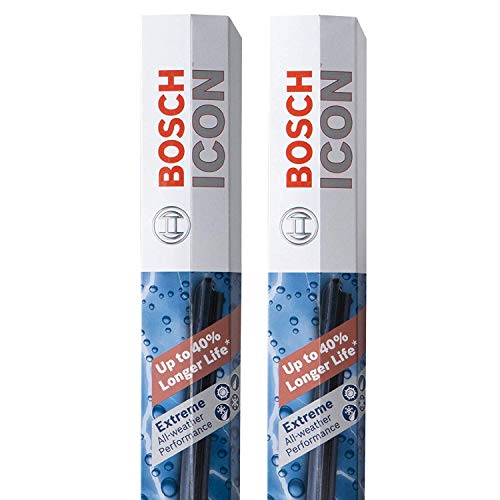
Bosch ICON makes windshield wiper replacement simple and easy with 2-pack bundles that include popular driver and passenger side blade length combinations designed to fit specific vehicles
When Should You Seek Professional Help for Wiper Problems?
Get professional help if streaking continues after you clean the glass and install the correct new blades. A technician can check the wiper arms, linkage, motor, washer system, and windshield condition.
Ask for an inspection if the wipers move unevenly, stop mid-swipe, slap the trim, or fail to park correctly. Those signs can point to a motor, linkage, or arm alignment problem.
You should also seek help when the wiper arms look rusty, bent, loose, or weak. Proper arm pressure matters because even high-quality blades need firm contact with the glass.
Frequently Asked Questions
How do you fix streaking windshield wipers?
Clean the windshield with automotive glass cleaner, then wipe the rubber blade edges with soapy water or rubbing alcohol. Replace the blades if they still streak, chatter, crack, or skip after cleaning.
Why does your windshield leave streaks of water after you changed the wipers?
New blades can still streak if the windshield has oil, wax, road film, or pitting on it. Clean the glass deeply, confirm the blade size and connector, and check that the wiper arms press evenly.
Should you put WD-40 on windshield wipers?
Don’t put WD-40 on your windshield wipers. It can leave an oily film on the glass and rubber, which may make smearing worse instead of fixing it.
How often should you replace Toyota Camry wiper blades?
Plan to inspect them often and replace them when visibility drops. Toyota says wiper blades usually last 6 to 12 months, but heat, cold, sun, salt, and heavy use can shorten that range.
Can washer fluid cause wiper streaks?
Old, diluted, or poor-quality washer fluid can leave residue and fail to cut through grime. Use the right washer fluid for your climate and refill the reservoir before it runs low.
Safety Disclaimer: This article is for informational purposes only and does not replace advice from a qualified automotive technician. If your wipers fail, visibility drops, or the system acts unpredictably, stop driving when safe and get professional help.
Conclusion
Clear wipers help you see the road, react sooner, and drive with more confidence in bad weather. Start with a clean windshield, clean blade edges, full washer fluid, and properly fitted blades.
If streaks remain after those steps, inspect the wiper arms and windshield surface. Fix small wiper problems early so rain, road spray, or snow doesn’t turn into a bigger safety issue.
References
- How to Change Windshield Wiper Blades — Toyota, accessed 2026
- Changing Your Windshield Washer Fluid — Toyota, accessed 2026
- When to Replace Your Windshield Wipers and Why It Matters — AAA, 2026