
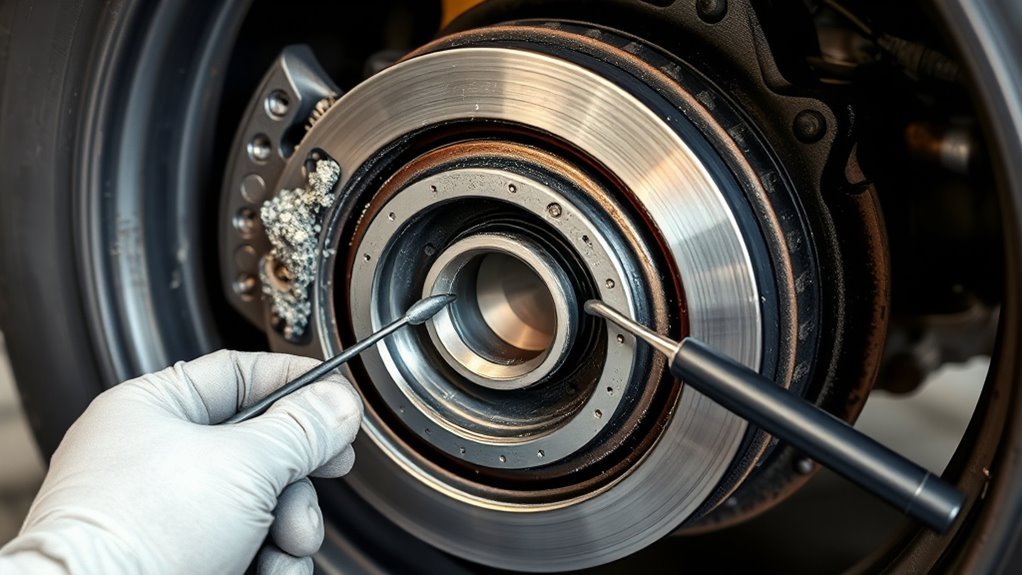
Camry Wheel Bearing Lifespan, Warning Signs, and Cost
Affiliate Disclosure: Auto Review Nest may earn a commission from qualifying purchases through links or product modules on this page, at no extra cost to you.
What’s in This Article
- Camry Wheel Bearing Lifespan
- Camry Wheel Bearing Warning Signs
- Wheel Bearing vs Tire, Brake, and CV Noise
- Quick Checklist: Do You Need a Replacement Now?
- Symptom-to-Action Guide
- Test a Camry Bearing at Home
- What Happens If You Keep Driving on a Bad Bearing
- Why Camry Wheel Bearings Fail Early
- OEM vs Aftermarket Camry Bearings
- Camry Bearing Replacement Cost and Repair Scope
- Frequently Asked Questions
Toyota does not publish a routine wheel-bearing replacement interval for the Camry. Sealed bearings can last 100,000 miles or more, but pothole impacts, water, road salt, installation errors, and operating conditions can cause much earlier failure. The clearest early clue is a hum, growl, or rumble that follows road speed and may change during a gentle turn. Because cupped tires, brakes, CV joints, and suspension faults can sound or feel similar, confirm the cause before buying parts. Stop driving when safe if the wheel wobbles, grinding becomes loud, one corner smokes or overheats, or braking changes.
Quick Answer
A Camry wheel bearing has no fixed replacement mileage. Inspect it when a humming, growling, or rumbling noise rises with road speed, changes during turns, or appears with steering vibration or wheel play. One persistent speed-related noise is enough to justify an inspection. Loud grinding, wheel wobble, smoke, severe heat, or changed braking means you should stop driving when safe and arrange a tow or urgent professional diagnosis.
Key Takeaways
- Use road speed, turning load, braking input, tread condition, and wheel play together instead of diagnosing from one symptom.
- A steady hum or growl that becomes louder with vehicle speed is one of the strongest early clues.
- Turn direction can help reproduce the noise, but it does not prove which side has failed.
- Uneven tire wear alone is a weak bearing clue; inspect pressure, balance, alignment, and suspension too.
- Use jack stands on solid, level ground before touching or spinning a lifted wheel.
- Grinding, wobble, smoke, severe heat, or changed braking requires urgent professional attention.
Camry Wheel Bearing Lifespan
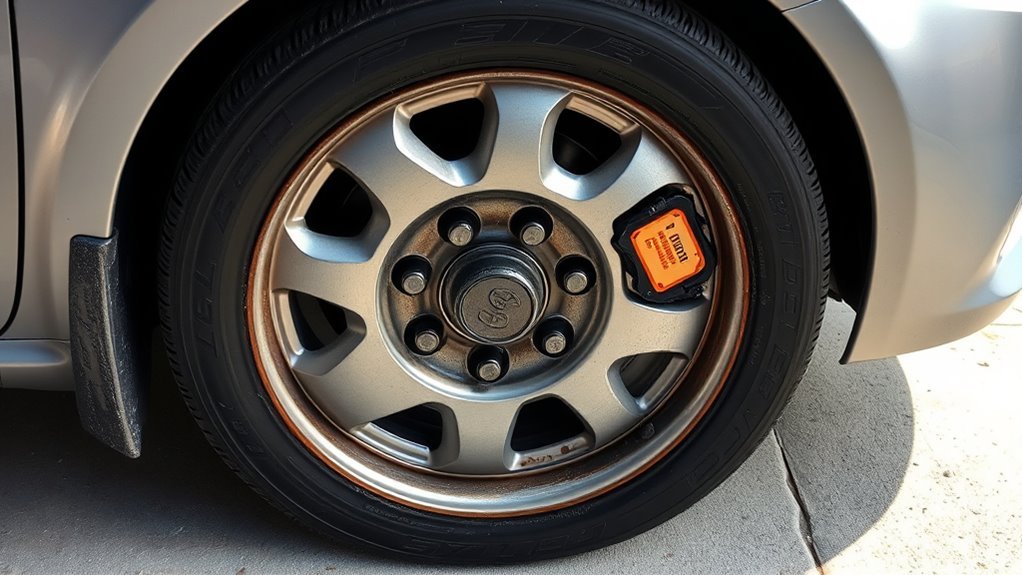
A Camry wheel bearing does not have a scheduled replacement mileage. Kelley Blue Book says wheel bearings do not follow a standard replacement schedule like oil changes or tire rotations.1 RepairPal says most modern vehicles use sealed bearings that require no routine maintenance and may last 100,000 miles or more.2 Treat that mileage as a possibility, not a promise.
Service life depends on road impact, water and salt exposure, vehicle loading, wheel and tire fitment, seal condition, part quality, mounting-surface condition, and installation technique. A bearing can fail early after a hard curb or pothole strike, and another bearing may remain quiet well beyond 100,000 miles.
Use tire rotations, brake service, and scheduled inspections as opportunities to check for wheel noise, hub looseness, abnormal heat, damaged seals, and uneven tread. Follow the verified Camry maintenance schedule for your model year, but replace a wheel bearing based on diagnosis rather than odometer mileage.
Camry Wheel Bearing Warning Signs
The strongest warning sign is a steady humming, growling, roaring, or rumbling noise that tracks road speed. Steering vibration, loose handling, wheel play, ABS faults, and abnormal heat can strengthen the diagnosis, but none proves a bad bearing by itself. Tire defects, brakes, CV joints, alignment faults, and Camry control arm bushings can create overlapping symptoms.
What Does a Bad Camry Wheel Bearing Sound Like?
A bad Camry wheel bearing most often creates a low hum, growl, roar, rumble, whirr, or grinding sound that becomes faster or louder as road speed increases. The pitch may change during a gentle left or right turn because cornering shifts load across the wheel bearings.3
- Listen for a steady noise that follows vehicle speed rather than engine rpm.
- Note the speed at which the sound first appears and where it becomes loudest.
- Check whether a gentle left-right load shift changes the pitch or volume.
- Notice whether braking changes the noise, which may point toward the brakes instead.
- Treat loud grinding, roughness, or rapidly worsening noise as an urgent warning.
Clicking during powered turns more often points toward an outer CV joint, while grinding that appears mainly when you press the brake pedal more strongly suggests a brake problem. A road test and lift inspection should confirm the source.
Which Side Has the Bad Bearing?
A gentle turn can help reproduce a load-sensitive bearing noise, but turn direction alone does not conclusively identify the failed side. Sound can travel through the body, tires can change tone under cornering load, and more than one component may be noisy.
Record whether the noise becomes louder in a left or right bend and give that information to the technician. The shop should confirm the corner by comparing all four tires, listening at each hub, checking wheel play, inspecting the brakes and suspension, and reviewing wheel-speed data when appropriate. Do not order a left or right hub only from what you hear in the driver’s seat.
Steering Wheel Vibration
A worn front wheel bearing may contribute to steering-wheel vibration when hub movement or rough rotation becomes significant. The vibration may change with road speed or cornering load, and the Camry may begin to feel loose or less settled during lane changes.
Vibration alone is not a reliable bearing diagnosis. Tire imbalance, bent wheels, tire defects, control-arm wear, tie-rod or ball-joint play, and brake problems are common alternatives. Use the dedicated Camry highway-speed vibration guide if the car shakes without a clear humming or growling noise.
Uneven Tire Wear
Uneven tire wear alone is a weak wheel-bearing clue. Tire pressure, alignment, balance, worn dampers, and loose suspension parts are more common causes. Bearing-related wear becomes more concerning when the same corner also has speed-related noise, measurable wheel play, or unstable handling.
- Compare tread depth and wear patterns across all four tires.
- Check for cupping, scalloping, feathering, exposed cords, or one-sided shoulder wear.
- Confirm tire pressure against the driver-door placard.
- Inspect alignment and suspension before replacing an otherwise usable tire.
- Have the hub checked if unusual tread wear appears with growling noise or looseness.
NHTSA recommends regular tire-pressure checks, rotation, balancing, and alignment attention to support tire safety and service life.7
ABS Light, Wheel Wobble, and Brake Changes
An ABS warning light does not automatically mean the bearing has failed. Some hub assemblies incorporate a wheel-speed sensor, and bearing looseness, sensor damage, wiring faults, tone-ring problems, or signal loss may trigger an ABS or traction-control fault.4
- Scan the ABS module before replacing the bearing or sensor.
- Check whether the code consistently identifies one wheel-speed circuit.
- Inspect for wheel wobble, hub looseness, damaged wiring, and connector corrosion.
- Inspect the brakes if the pedal feels soft, pulses abnormally, or stopping performance changes.
- Stop driving when grinding, wobble, smoke, severe heat, and brake changes occur together.
Is It the Wheel Bearing, Tire, Brake, or CV Joint?
Use symptom timing to narrow the diagnosis before replacing parts. The table below is a screening guide, not final proof.
|
Possible source |
Typical pattern |
Best next check |
|---|---|---|
|
Wheel bearing or hub |
Hum, growl, roar, rumble, or grind that follows road speed and may change during a gentle turn |
Road-test the car, compare turning load, inspect hub play, and listen at each wheel. |
|
Cupped or uneven tire |
Roaring or droning that changes with pavement type and may remain after a tire rotation |
Inspect the tread by sight and touch, confirm pressure, and compare tire wear. |
|
Brake pad, rotor, shield, or caliper |
Scrape, squeal, or grind that changes when the brake pedal is applied; one wheel may smell hot |
Inspect pad thickness, rotor condition, dust-shield clearance, and signs of brake drag. |
|
Outer CV joint |
Repeated clicking or popping during powered, tighter turns |
Inspect the CV boot for splitting or grease loss and test during low-speed turns. |
|
Suspension or steering joint |
Clunk, knock, wandering, or looseness over bumps, during braking, or when steering direction changes |
Inspect ball joints, tie rods, control-arm bushings, strut mounts, and fasteners. |
If the Camry pulls without a clear bearing noise, use the Camry pulling-to-one-side diagnosis before assuming the hub is responsible.
Quick Checklist: Do You Need a Replacement Now?
One persistent speed-related bearing symptom is enough to justify an inspection. Replacement should follow a diagnosis that identifies the affected corner and rules out tires, brakes, CV joints, and suspension looseness.
- You hear humming, growling, roaring, rumbling, or grinding that rises with road speed.
- The noise changes during a gentle left-right load shift.
- Steering vibration appears with the same speed-related wheel noise.
- You feel or see abnormal wheel play during a properly supported lift check.
- The ABS light appears with a repeatable wheel-speed code, hub noise, or looseness.
- One wheel area becomes unusually hot or produces a burning smell after normal driving.
- The steering feels loose or the Camry wanders with hub noise or wheel movement.
Warning: If you hear loud grinding, feel wheel wobble, see smoke, notice severe heat, or experience poor braking, stop driving when safe. Arrange a tow or urgent professional inspection, and do not touch the hot wheel, rotor, or caliper.
Symptom-to-Action Guide
Use this table to decide how quickly to act. It cannot confirm the failed part, but it separates routine diagnosis from urgent safety concerns.
|
What you notice |
Likely concern |
Best next step |
|---|---|---|
|
Low hum or growl that rises with speed |
Possible wheel bearing, hub, or uneven tire noise |
Limit unnecessary driving and book an inspection soon. |
|
Noise changes during gentle left or right turns |
Load-sensitive bearing, tire, or suspension issue |
Record which turn changes the sound, but have the shop confirm the corner. |
|
Wheel play during a safe lift check |
Bearing, ball joint, tie rod, hub, or suspension looseness |
Avoid high-speed driving and have the hub and joints checked together. |
|
ABS light with wheel noise or wobble |
Wheel-speed sensor signal, wiring, tone ring, or bearing play |
Scan the ABS module and inspect the identified corner before replacing parts. |
|
Noise mainly changes with brake-pedal pressure |
Brake pad, rotor, caliper, or shield problem |
Inspect the brake system before condemning the bearing. |
|
Loud grinding, smoke, severe heat, wobble, or poor braking |
Advanced bearing, hub, wheel-fastener, or brake-related safety fault |
Stop when safe and arrange a tow or urgent inspection. |
Test a Camry Bearing at Home (And What Pros Check)
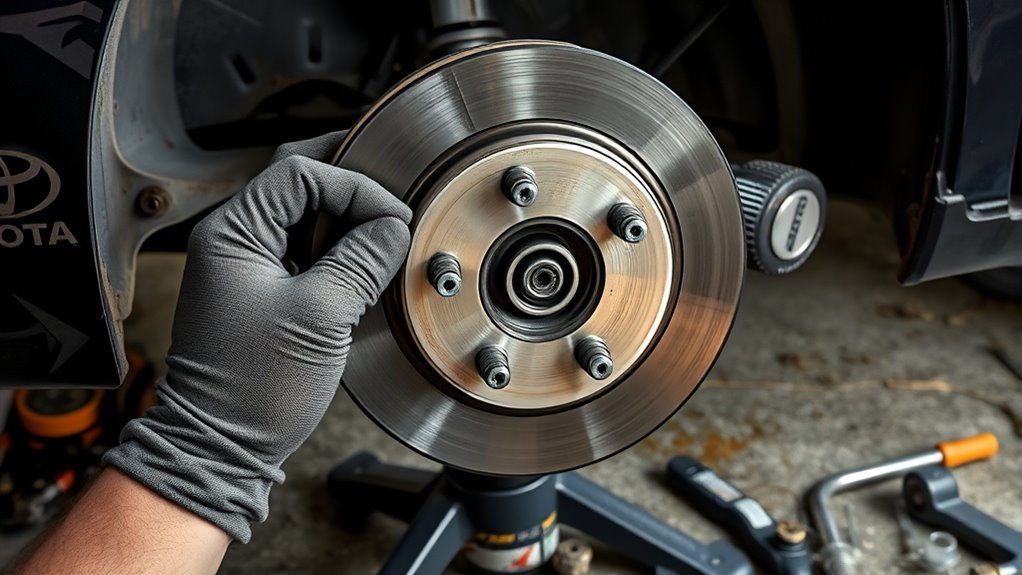
You can perform a basic sound, play, and spin check if you have suitable equipment and understand safe lifting. These checks may reveal a serious fault, but they cannot fully clear a bearing because some problems become noticeable only when the vehicle’s weight loads the hub during a road test.
[Products Worth Considering]

This color coded tire tread depth gauge helps you quickly check tire wear and monitor when replacement is needed. Calibrated in easy-to-read 32nds with clear red, yellow, and green ranges, it offers fast visual results for cars, trucks, motorcycles, and other passenger vehicles. The pocket clip makes it simple to keep on hand for routine maintenance and safety checks.

This bearing press kit makes it easy to install bearing races and seals quickly without damaging the axle housing. It includes nine dual-sided adapters to fit a wide range of standard races and seals, plus a knurled handle for controlled, slip-resistant use. Built from durable aluminum alloy and stored in a compact case, it is a practical solution for automotive bearing installation jobs.
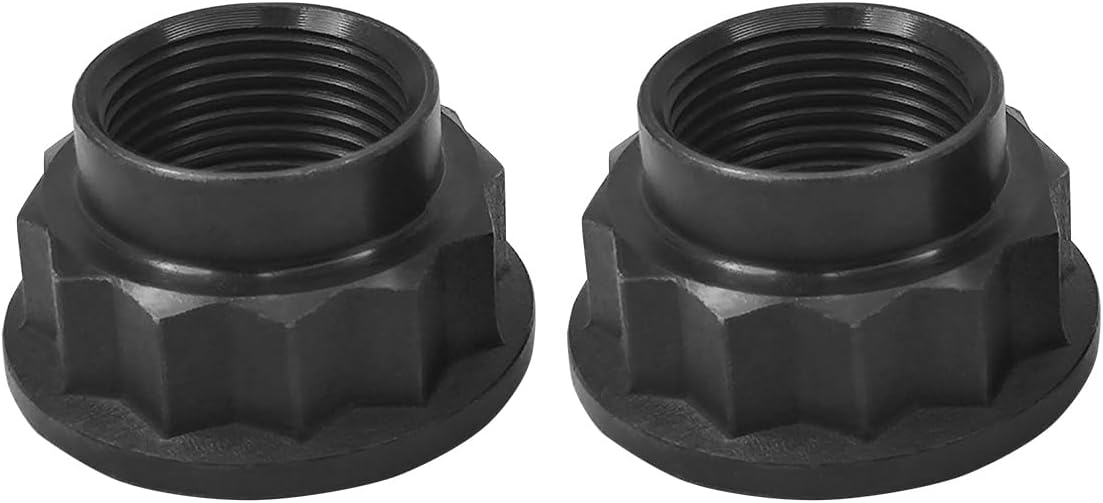
This pair of front axle shaft nuts is designed to secure CV joints and wheel bearings on compatible Toyota and Lexus front drive axles. Built from heat-treated carbon steel for durability and corrosion resistance, it helps maintain proper torque and reliable power transfer. It is a direct replacement for several factory part numbers and is recommended for paired replacement.
Lift and Secure the Vehicle
Park on flat, solid ground, set the parking brake, chock the wheels that remain on the ground, and use the factory lift points for your exact Camry model year. Toyota provides model-specific owner’s manuals and lifting information through Toyota Owners.8 Support the vehicle with properly rated jack stands before touching the wheel or reaching underneath it.
- Use level, solid ground away from moving traffic.
- Chock the wheels that remain on the ground.
- Use the lift and support points specified for your Camry year.
- Place jack stands on stable supporting surfaces.
- Confirm the vehicle is stable before starting the test.
Warning: Never get under or place part of your body beneath a vehicle supported only by a jack.
Check Wheel Play
After securing the Camry, grasp the tire at the 12 and 6 o’clock positions and rock it in and out. Repeat at the 3 and 9 o’clock positions. A clear clunk, visible movement, or noticeably greater play than the opposite side requires further inspection.
Wheel play does not automatically prove that the bearing has failed. Movement at 12 and 6 o’clock can also involve a ball joint or other suspension part, while movement at 3 and 9 o’clock may involve tie rods or steering components. Watch the hub and nearby joints while a helper moves the wheel, but keep hands away from pinch points.
Listen for Noise
Spin the lifted wheel by hand and listen near the hub. Roughness, scraping, grinding, or a dry sound may indicate bearing wear, but brake-pad contact, a bent dust shield, surface rust, or tire noise can interfere with the test.
- Spin the wheel slowly and listen for roughness.
- Compare the sound with the wheel on the opposite side.
- Check whether the rotor dust shield touches the rotor.
- Note whether the sound matches what you heard during the road test.
- Stop immediately if the vehicle shifts or the support feels unstable.
A quiet hand-spin and no obvious play do not fully rule out a bearing problem. Some faults are easier to reproduce with the vehicle loaded and moving.
What Pros Check
A professional diagnosis normally begins with a road test to verify the speed, direction, load, and braking conditions that produce the noise. RepairPal says technicians may then lift the vehicle, rotate the wheel, listen at the hub, and check for excessive play.2
The technician should also compare tire tread, inspect the brakes and suspension, verify wheel-fastener condition, and scan ABS data when warning lights are present. Electronic listening equipment or wheel-speed data may help identify the correct corner before parts are removed.
What Happens If You Keep Driving on a Bad Bearing
A worn wheel bearing normally becomes noisier and looser as damage progresses. Continued driving can damage the hub, brake components, wheel-speed sensor, tire, steering knuckle, or related mounting surfaces. In a severe failure, the wheel assembly can become dangerously loose or separate from the vehicle.12
Heat or smoke at one wheel can also come from a dragging brake, so do not assume the bearing is the only possible cause. Stop safely, avoid touching the wheel or brake parts, and arrange an inspection. See the Camry brake-caliper warning-sign guide when heat, pulling during braking, or a burning smell is present.
Early diagnosis can prevent a bearing or hub repair from expanding into tire replacement, brake work, sensor replacement, steering-knuckle work, or alignment correction.
Why Camry Wheel Bearings Fail Early
Camry wheel bearings can fail early when impact, contamination, excessive loading, incorrect fitment, or installation damage compromises the bearing, seals, or mounting surfaces.
- Water, road salt, mud, grit, or sand can pass a damaged seal and contaminate the grease.
- Potholes, curbs, collision damage, and severe road impacts can damage a bearing or hub.
- Incorrect pressing force can damage a press-in bearing during installation.
- Wrong axle-nut, hub-fastener, or wheel-nut torque can create damaging load or looseness.
- Dirty, rusty, bent, or damaged mounting surfaces can prevent the replacement part from seating correctly.
- Overloading or incompatible wheel, tire, and suspension changes can increase bearing stress.
- Low-quality or incorrectly matched parts can create fit, sealing, sensor, or durability problems.
Avoid hard curb strikes, stay within the Camry’s load limits, use properly matched wheels and tires, and insist on model-specific repair procedures. Correct installation matters as much as the replacement part itself.
OEM vs Aftermarket Camry Bearings: Which to Choose
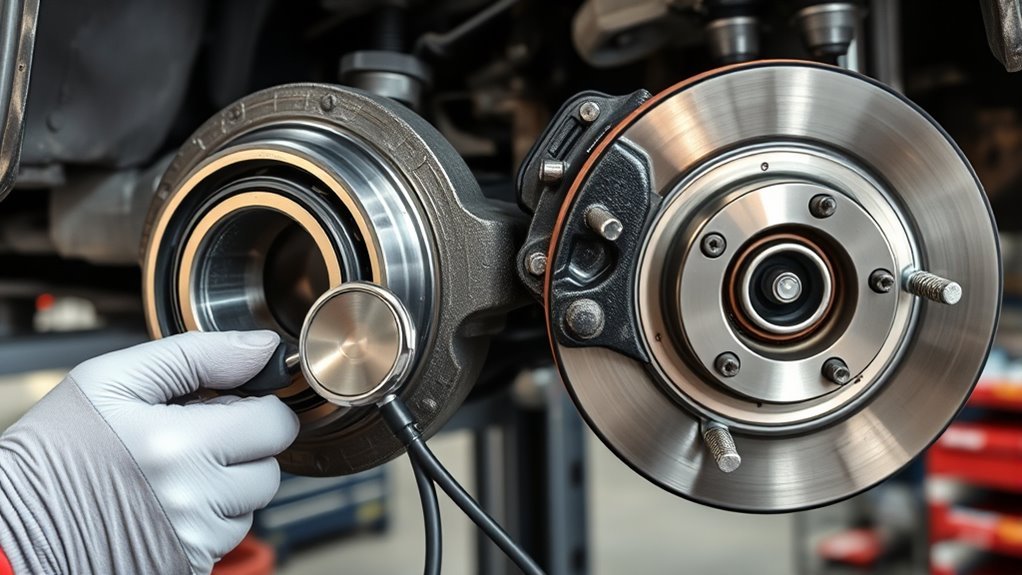
Toyota OEM and reputable aftermarket bearings can both be suitable, but the part must match the exact Camry configuration. Do not order from the vehicle name alone. Confirm the model year, VIN, engine, drivetrain, hybrid or gas application, front or rear position, left or right position where specified, ABS configuration, and whether the repair requires a bearing, hub assembly, or complete knuckle.
|
Option |
Main advantage |
What to confirm |
|---|---|---|
|
Toyota OEM |
Lower fitment uncertainty when ordered by VIN through a Toyota parts source |
Part number, supersessions, included hardware, warranty, and whether the sensor is included |
|
Reputable aftermarket |
More price and assembly choices, including bearing-only, hub, or complete-knuckle options |
Exact application, manufacturer warranty, sensor compatibility, included hardware, and installer approval |
|
Shop-supplied part |
The repair shop takes responsibility for sourcing and fitment |
Part brand, labor warranty, parts warranty, and policy if the replacement part fails |
Avoid choosing only by the lowest purchase price. Labor can exceed the cost of the bearing, and replacing an early-failing part may require paying for the same disassembly twice. Ask whether the shop warranties both the part and labor and whether customer-supplied parts change that coverage.
Press-in bearings require correct support and pressing force. Bolt-on hub assemblies still require clean mounting surfaces, correct fastener torque, careful sensor handling, and a final road test. Wrong installation can damage either an OEM or aftermarket part.
Match the part to the VIN and repair position, confirm what the assembly includes, and use the exact Toyota service procedure and torque specifications for the vehicle.
[Products Worth Considering]
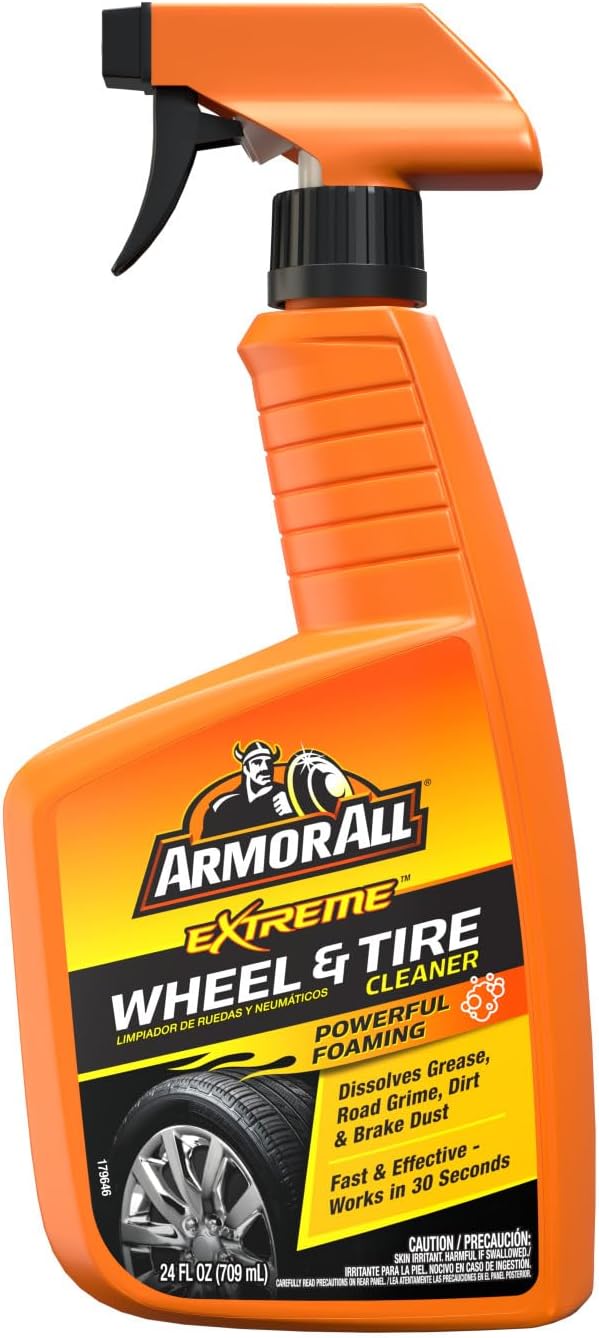
Armor All Extreme Wheel and Tire Cleaner is a powerful spray designed to cut through stubborn dirt, grease, tar, and brake dust on wheels and tires. It is safe for use on factory and aftermarket finishes, including alloy, steel, chrome, and plastic wheel trims, while its fast-acting formula works in just seconds. The deep-cleansing action helps reach hard-to-clean areas and leaves wheels looking clean and shiny.

This dial type tire tread depth gauge helps you quickly check tread wear on motorcycles, cars, trucks, and buses with easy-to-read 1/32-inch increments. Its colorful zone markings make it simple to assess tire condition for safer driving in different weather, while the durable zinc cast body and legible dial provide dependable everyday use.

This LUMITECO tire tread depth gauge set makes it easy to monitor tire wear and maintain safer driving performance. The color-coded scale provides quick, easy-to-read measurements, while the compact pocket-size design and included clip make it convenient to keep in your vehicle or toolbox. Suitable for cars, trucks, motorcycles, and more, it offers a simple reusable way to check tread depth whenever needed.
Camry Bearing Replacement: Cost, Repair Scope, and Prevention Tips
As of July 25, 2026, RepairPal lists an average Toyota Camry wheel-bearing replacement cost of approximately $311 to $527 before taxes, fees, location differences, and related repairs.2 RepairPal separately lists approximately $517 to $800 for Camry wheel-hub-assembly replacement.5
The two estimates are not interchangeable. A quote may cover a bearing pressed into an existing knuckle, a complete bolt-on hub, a hub with an integrated wheel-speed sensor, or a larger steering-knuckle assembly. Model year, axle position, drivetrain, corrosion, local labor rates, and damage to nearby parts can change the total. Kelley Blue Book also notes that local repair pricing depends on the vehicle details and ZIP code.1
Ask for a written estimate that identifies:
- The wheel or corner being repaired.
- Whether the job uses a bearing, hub assembly, or complete knuckle.
- The part manufacturer and part warranty.
- Whether the labor warranty covers a supplied or customer-provided part.
- Whether new axle nuts, seals, snap rings, or mounting hardware are included.
- Whether the ABS sensor or tone ring is part of the assembly.
- Whether alignment, tire replacement, brake work, or sensor repair is also needed.
- Taxes, shop fees, and corrosion-related labor.
- Confirm the noise source and affected corner before authorizing replacement.
- Use an OEM or reputable aftermarket part that matches the exact Camry.
- Replace damaged seals, hardware, hubs, or sensors when inspection supports it.
- Correct tire, wheel, brake, or suspension faults that contributed to the symptoms.
- Use factory procedures and torque specifications for all fasteners.
- Road-test the Camry after repair and confirm that warning lights and noise are gone.
Pro tip: Inspect the opposite side when one bearing fails, but do not automatically replace both. Replace the other bearing only when testing shows wear, noise, looseness, leakage, or damage.
[Products Worth Considering]

This digital tire tread depth gauge helps you check tire wear quickly and accurately with fractional inch, decimal inch, and millimeter readouts. Its large LCD screen, zero reset function, and automatic shutoff make it easy to use for cars, motorcycles, SUVs, trucks, and pickups. Designed for clear readings and dependable measurement, it is a practical tool for routine tire safety checks.

This smart tire tread depth gauge provides quick, accurate readings from 0 to 1 inch in 1/32-inch increments, helping drivers assess tire wear with confidence. Its color-coded display makes it easy to see tread condition at a glance, while the pocket clip adds convenient portability for garages, glove boxes, and on-the-go inspections. Designed for use on trucks, motorcycles, automobiles, and other passenger vehicles, it is a simple tool for safer tire maintenance.

This GM TPMS relearn tool helps reset tire sensors, clear warning lights, and match tire positions after rotation quickly at home. Designed for Chevrolet, GMC, Cadillac, and Buick vehicles, it offers one-button operation, fast activation, and broad compatibility with many GM models. It is best suited for OE/OEM sensors and includes paper instructions plus video guidance for easier DIY use.
Frequently Asked Questions
What Are the Signs That a Wheel Bearing Is Failing?
The strongest early sign is humming, growling, roaring, or rumbling that follows road speed and may change during turns. Other possible signs include steering vibration, loose handling, wheel play, abnormal heat, wheel wobble, uneven tire wear, or an ABS warning light. Confirm the cause because tires, brakes, CV joints, and suspension parts can create similar symptoms.
What Does a Bad Camry Wheel Bearing Sound Like?
A bad Camry wheel bearing often sounds like a low hum, growl, roar, rumble, whirr, or grind that becomes louder or faster as vehicle speed increases. The tone may change during a gentle turn as the load shifts across the wheel bearings.
At What Mileage Do Wheel Bearings Fail?
There is no fixed failure mileage. Sealed wheel bearings can last 100,000 miles or more, but impact, contamination, excessive loading, part quality, and installation errors can cause earlier failure. Replace the bearing when inspection confirms a fault, not only because the odometer reaches a particular number.
Can I Drive My Camry With a Noisy Wheel Bearing?
Limit unnecessary driving and arrange an inspection when a persistent speed-related bearing noise begins. Do not continue driving if the noise becomes a loud grind or the car develops wheel wobble, smoke, severe heat, loose steering, or changed braking. Stop safely and arrange a tow.
Does an ABS Light Always Mean a Bad Wheel Bearing?
No. A loose bearing or damaged hub can affect a wheel-speed signal, but the light can also come from the sensor, wiring, connector, tone ring, low system voltage, or another ABS fault. Scan the ABS module and inspect the identified circuit before replacing the bearing.
Should I Replace One Camry Wheel Bearing or Both Sides?
Replace the failed bearing if the opposite side tests normal. Wheel bearings do not have to be replaced in pairs. Inspect both sides closely when the Camry has high mileage, corrosion exposure, flood or water damage, or a major road impact.
How Do Mechanics Confirm a Bad Wheel Bearing?
Mechanics normally reproduce the noise during a road test, compare how it changes with speed and turning load, lift the vehicle, rotate the wheels, listen at each hub, and check for excessive play. They also inspect the tires, brakes, suspension, wheel fasteners, and ABS data to avoid replacing the wrong part.
How Do I Tell Wheel Bearing Noise From Tire Noise?
Both can create a hum or roar that follows road speed. Tire noise often changes with pavement type and is usually accompanied by visible cupping or uneven tread. Bearing noise may change more noticeably during a gentle turn and may appear with hub roughness, play, vibration, or an ABS fault. Inspect both before replacing parts.
Does Turning Identify Which Wheel Bearing Is Bad?
Turning can help reproduce a load-sensitive noise, but it does not prove which side has failed. Sound travels through the body, and tires or suspension parts can also change tone during turns. Use turn direction as a diagnostic clue and have the corner confirmed on a lift.
Can a Wheel Bearing Be Bad Without Obvious Wheel Play?
Yes. A bearing can become noisy or rough before a basic hand check reveals obvious looseness. A quiet driveway spin and no noticeable play do not fully rule it out because some faults appear mainly when the vehicle’s weight loads the bearing during a road test.
Safety Disclaimer: This article provides general information and does not replace diagnosis by a qualified mechanic. If your Camry makes loud grinding noises, pulls severely, wobbles, smokes, develops extreme heat at one wheel, brakes poorly, or shows multiple brake and ABS warnings, stop driving when safe and arrange professional service.
Conclusion
A Camry wheel bearing does not need replacement at a fixed mileage. Inspect it when a hum, growl, roar, or rumble follows road speed, especially when the sound changes during turns or appears with vibration or wheel play. Compare the bearing with tire, brake, CV-joint, and suspension symptoms before buying parts. Loud grinding, wheel wobble, smoke, severe heat, loose steering, or changed braking requires an immediate stop and professional inspection. Early diagnosis helps prevent damage to the hub, tire, brakes, wheel-speed sensor, and nearby suspension parts.
References
- Toyota Camry Wheel Bearing Replacement Prices and Cost Estimates – Kelley Blue Book, accessed July 31, 2026
- Toyota Camry Wheel Bearing Replacement Cost Estimate – RepairPal, updated July 25, 2026
- Grinding Noises When Driving – MOOG Parts
- All About Wheel Hub Assemblies – MOOG Parts
- Toyota Camry Wheel Hub Assembly Replacement Cost Estimate – RepairPal, 2026
- Wheel Bearing Noise vs Tire Noise – CarParts.com, medically reviewed-style technical review by an ASE-certified master technician, 2025
- Tire Safety Ratings and Awareness – National Highway Traffic Safety Administration
- Owner’s Manuals and Warranty Information – Toyota Owners


[…] thick-looking part. Do not use thin sheet metal, plastic covers, the oil pan, or an unconfirmed suspension or wheel-bearing area. The jack saddle must sit squarely on the specified point without touching nearby brackets, covers, […]