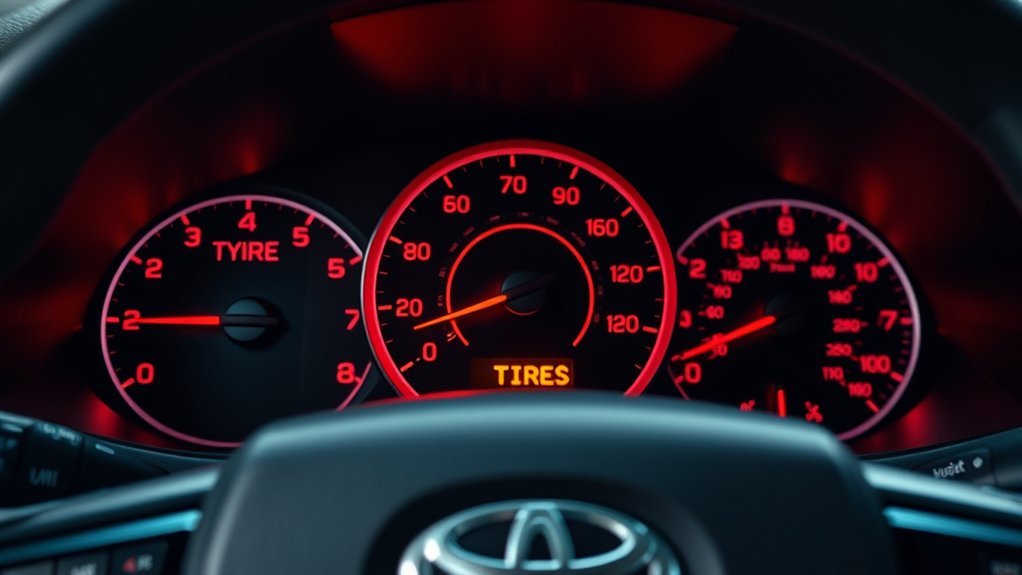
If your Toyota Camry’s tire pressure light is blinking, it points to a possible issue with the Tire Pressure Monitoring System (TPMS). This could be due to dead sensor batteries, faulty sensors, or incorrect programming. While a solid light indicates low tire pressure, a blinking one signals a malfunction that needs immediate attention. Ignoring it could lead to safety risks. Learn more about the steps you should take to address this issue and keep your vehicle safe.
What Does a Blinking Tire Pressure Light Indicate?
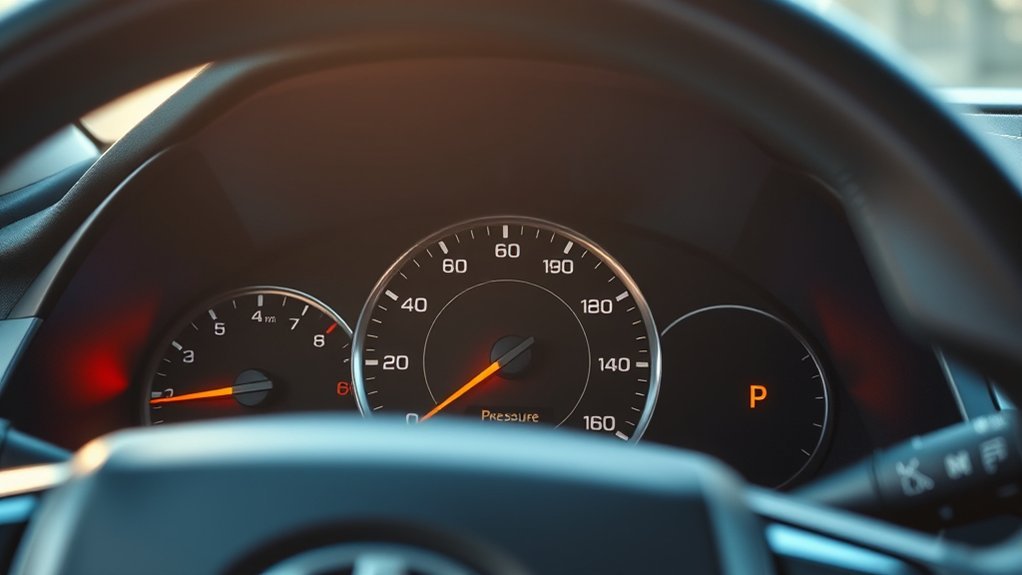
When you notice a blinking tire pressure light on your Toyota Camry, it’s not just a signal for low tire pressure; rather, it points to a potential issue with the Tire Pressure Monitoring System (TPMS). This blinking light typically lasts for 60-90 seconds before turning solid, indicating that the system needs attention. The causes could be dead TPMS sensor batteries, broken sensors, or incorrect programming of the sensors. It’s vital to seek professional inspection at a Toyota service center, especially since many models, including the 2013 Camry, lack a manual reset option. Ignoring this warning can lead to unresolved sensor issues, raising significant safety concerns that may affect your vehicle’s performance. Addressing the blinking light promptly not only guarantees accurate tire pressure readings but also keeps you safe on the road. Don’t underestimate the importance of a fully functioning TPMS for your driving experience.
Understanding the Tire Pressure Monitoring System (TPMS) and Its Role in Tire Pressure Light Alerts
The Tire Pressure Monitoring System (TPMS) plays an essential role in keeping your tires at the right pressure, alerting you to any issues. When you understand how TPMS works and recognize common problems, you can respond quickly to maintain safety and efficiency. Regular checks can help you avoid malfunctions and guarantee your tires last longer.
TPMS Functionality Overview
Understanding how the Tire Pressure Monitoring System (TPMS) works is essential for maintaining your Toyota Camry’s performance and safety. The TPMS continuously monitors the air pressure in each tire, alerting you when levels drop below the recommended PSI. A solid TPMS light signals low tire pressure, while a blinking light could indicate a problem with the TPMS sensors or battery. This system aims to enhance safety by preventing under-inflation, which can lead to poor fuel efficiency and uneven tire wear. If the TPMS light blinks for 60-90 seconds and then stays on, it suggests a malfunction that needs professional inspection. Regular checks of your TPMS guarantee its reliability in alerting you to tire pressure issues.
Common TPMS Issues
A blinking TPMS light can be frustrating, especially when you’re unsure of what it means. This warning typically signals a fault in the Tire Pressure Monitoring System, rather than low tire pressure. You might be facing a sensor malfunction where a damaged or non-communicating sensor triggers the alert. Alternatively, battery issues in the TPMS sensor could also be the culprit, leading to inaccurate readings. Ignoring this light can compromise your vehicle’s safety and efficiency, increasing the risk of tire blowouts and uneven tire wear. By addressing these common TPMS issues promptly, you can maintain peak tire performance and enhance your driving experience. Stay aware, and don’t let a blinking light be a mystery on your dashboard!
Importance of Regular Checks
Regular checks of your tire pressure are essential for maintaining your vehicle’s safety and efficiency. The Tire Pressure Monitoring System (TPMS) alerts you when tire pressure drops, helping prevent wear and improve fuel efficiency. Seasonal changes can cause significant drops in PSI, especially in cold weather, making it crucial to monitor your tires regularly.
| Condition | Action Needed | Potential Outcome |
|---|---|---|
| Low Tire Pressure | Inflate to recommended PSI | Improved safety and fuel efficiency |
| Blinking TPMS Light | Inspect TPMS and sensors | Prevent potential tire failure |
| Uneven Tire Wear | Check for leaks or damage | Extend tire lifespan |
| Seasonal Temperature | Adjust pressure accordingly | Maintain peak performance |
| Regular Maintenance | Schedule tire rotations | Guarantee balanced wear and handling |
Top Causes for a Blinking TPMS Light in Your Camry
When the TPMS light in your Toyota Camry starts blinking, it often signals an issue with the tire pressure monitoring system instead of low tire pressure. One common cause is a dead sensor battery, which can prevent the system from accurately detecting tire conditions. Damaged sensors can also trigger this warning, disrupting communication within the TPMS. Additionally, programming issues may arise, especially if the system hasn’t been calibrated correctly after a tire change or rotation.
If the blinking persists for 60-90 seconds before turning solid, it’s a sign that the system needs professional inspection. Keep in mind that the 2012 Camry lacks a manual reset option for the TPMS, so seeking help from a qualified technician is essential. Regular maintenance checks can help prevent these issues, ensuring your TPMS remains functional and your tires stay in prime condition. Stay proactive to keep your Camry safe and reliable!
Checking Tire Pressure and Inspecting for Damage
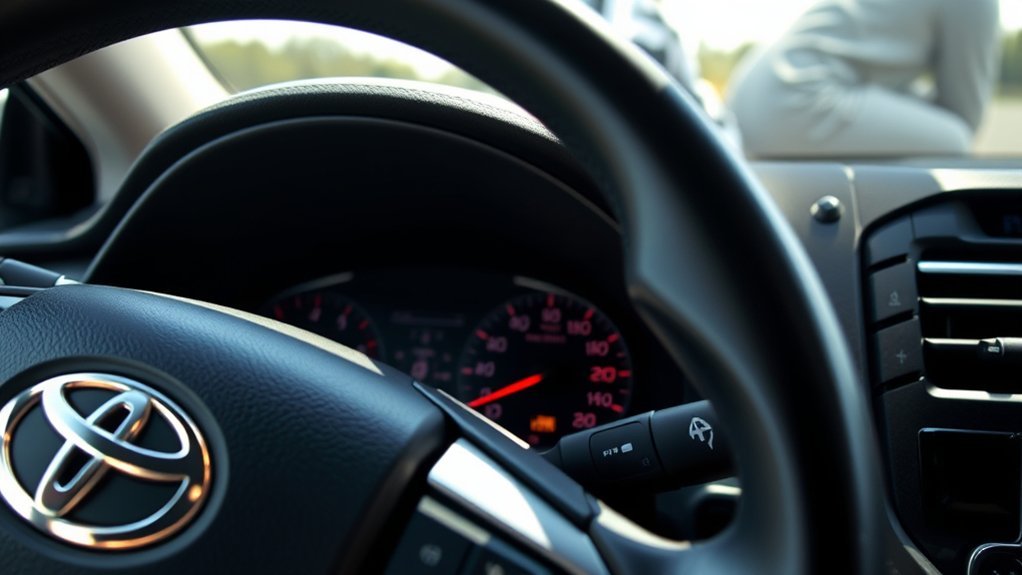
Checking your tire pressure and inspecting for damage is essential for maintaining your Toyota Camry’s performance and safety. Start with a reliable pressure gauge when your tires are cold, as temperatures affect tire pressure. Next, conduct a visual inspection for any cuts, punctures, or bulges that could lead to air leaks. Don’t forget the valve stems—damaged stems can cause a loss of tire pressure.
Here’s a quick checklist to guide you:
| Inspection Item | Action |
|---|---|
| Tire Pressure | Use a gauge when cold |
| Visual Damage | Look for cuts or bulges |
| Valve Stems | Check for leaks |
| Inflate Tires | To recommended PSI |
| TPMS Reset | Confirm it reflects new pressures |
Steps to Reset the Tire Pressure Light
To reset the tire pressure light on your Toyota Camry, it’s important to follow a few straightforward steps. First, you can drive at 50 mph for about ten minutes, which may automatically reset the system. If that doesn’t work, turn the ignition key to the “on” position and hold the TPMS reset button until the light blinks three times, then release it.
Another effective method involves disconnecting the positive battery cable for a few minutes. Afterward, honk the horn for three seconds to discharge stored power before reconnecting the cable.
If the tire pressure light continues to blink after these reset techniques, it might indicate a problem with the TPMS sensors or battery. In that case, consult your owner’s manual for specific instructions and seek professional help if necessary. Keeping your tire pressure monitored guarantees a safer, smoother ride.
When Should You Call a Professional for Your TPMS?
If your tire pressure light starts blinking, it’s a clear sign that something’s not right with the TPMS. Don’t ignore it; here’s when you should call a professional:
- Blinking Light Duration: If the light blinks for 60 to 90 seconds, head to a service center immediately for TPMS diagnostics.
- Sensor Replacement: If you’ve replaced a TPMS sensor but the light remains on, the sensor may not be properly programmed. Get it checked.
- Tire Pressure Checks: If you can’t manually check tire pressures or notice unusual dashboard behavior, don’t hesitate to consult an expert.
- Routine Inspect: Regular checks are essential, especially after tire issues or repairs, to guarantee all sensors are functioning correctly.
Taking action now can save you from bigger problems later. Trust the professionals to handle your TPMS needs!
Why Regular Tire Maintenance Matters
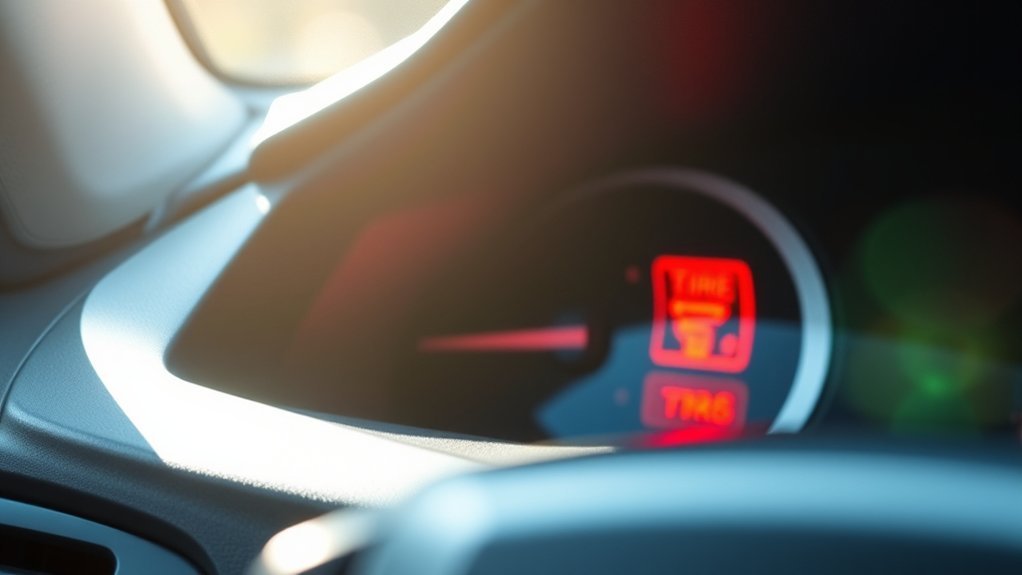
While it may seem easy to overlook tire maintenance, staying on top of it is vital for your vehicle’s performance and safety. Regular tire upkeep guarantees ideal tire pressure, enhancing fuel efficiency and promoting tire longevity by preventing uneven wear. For Toyota models, keeping your tires between 32-35 PSI greatly reduces the risk of blowouts, providing essential safety benefits.
Seasonal changes can impact tire pressure, so checking and adjusting your tires regularly helps counteract any pressure loss due to temperature fluctuations. Routine inspections for visible damage or wear not only prevent costly repairs but also create safer driving conditions. Plus, maintaining proper tire pressure improves handling, traction, and overall driving comfort. By prioritizing tire maintenance, you empower yourself to drive confidently and safely, enjoying every journey without unnecessary worries.
Conclusion: Keeping Your Camry’s Tire Pressure in Check
Keeping your Toyota Camry’s tire pressure in check is essential for both safety and performance. Proper tire pressure not only enhances tire safety but also boosts your fuel efficiency. Here are four key steps to guarantee your tires are at their best:
- Check Pressure Regularly: Aim for 32-35 PSI, especially during temperature changes.
- Monitor the Tire Pressure Light: If it blinks, it might indicate a battery or sensor issue needing professional help.
- Reset the TPMS: Drive at 50 mph for ten minutes or use the reset button if necessary.
- Stay Informed: Know that proper pressure promotes even tire wear and improves driving comfort.
Frequently Asked Questions
Can I Drive With a Blinking Tire Pressure Light?
You shouldn’t drive with a blinking tire pressure light. It’s an essential warning light indicating potential tire safety issues. Ignoring it may lead to dangerous situations, so check your tire pressure and address any problems immediately.
How Often Should I Check My Tire Pressure?
You should check your tire pressure at least once a month and before long trips. Regular tire maintenance tips aren’t just smart; they’re essential safety precautions that keep you and your passengers safe on the road.
What Tools Do I Need to Check Tire Pressure?
To check tire pressure, you’ll need a tire pressure gauge or digital monitor. Did you know that properly inflated tires can improve fuel efficiency by up to 3%? Keeping tools handy guarantees your safety and savings.
How Does Temperature Affect Tire Pressure?
Temperature affects tire pressure considerably. As it drops, pressure decreases; as it rises, pressure increases. For effective tire maintenance, check pressure regularly, especially during seasonal tire care changes, ensuring your safety and ideal performance.
Are There Specific Tire Pressure Settings for My Camry Model?
If you drive a 2020 Camry, it needs tire pressure settings around 32 psi. Check your owner’s manual for exact Camry specifications, ensuring ideal performance and safety while you enjoy the freedom of the road.
Conclusion
Ignoring that blinking tire pressure light could lead to trouble. Picture yourself cruising down the road, only to hear a sudden thud as a tire blows out. Regularly checking your tire pressure isn’t just smart; it’s essential for safety and performance. Stay proactive—make those checks part of your routine. By keeping your Camry’s tires in top shape, you’ll not only avoid headaches but also enjoy a smoother, safer ride. Don’t let that light dim your journey!