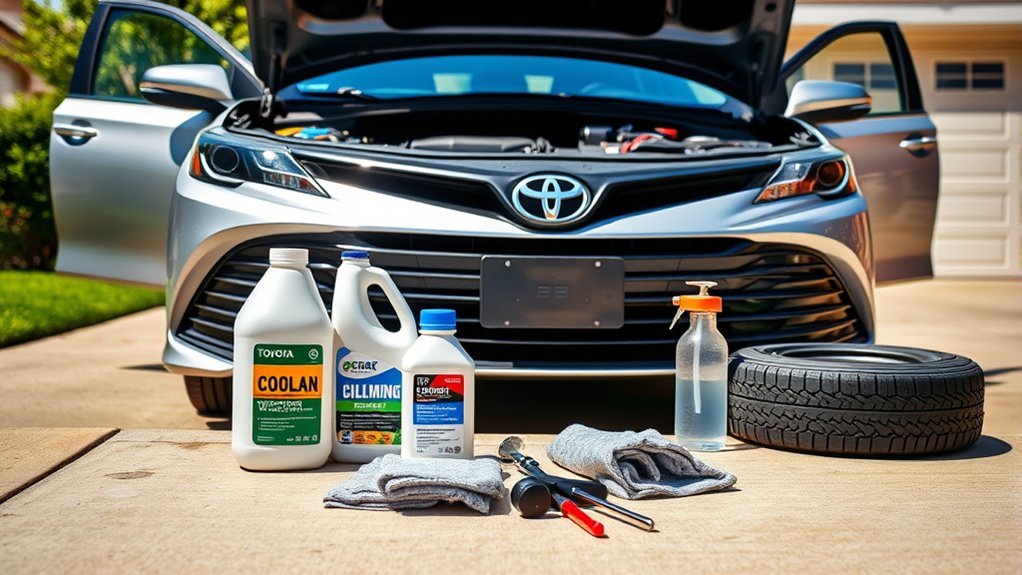
Summer heat is hard on a Toyota Camry’s A/C, cooling system, tires, battery, wipers, belts, and brakes. Before a long drive or a stretch of hot weather, use this checklist to catch small problems early, confirm the correct service intervals for your model year, and decide what you can safely check yourself versus what should go to a Toyota dealer or qualified technician.
Quick Answer
To get a Toyota Camry summer-ready, check A/C performance, coolant level, tire pressure and tread, brakes, battery condition, wipers, belts, filters, and all major fluids. Use the owner’s manual, tire placard, and under-hood labels for exact specs, and have refrigerant, brake, coolant, or hybrid-system issues handled by a qualified technician.
Key Takeaways
- Check A/C cooling, cabin airflow, coolant level, tire pressure, tire tread, and wipers before the hottest weather arrives.
- Use the tire pressure listed on the driver-side doorjamb placard or owner’s manual, not the maximum PSI printed on the tire sidewall.
- Do not guess on refrigerant type, coolant type, or fluid capacities; confirm them in your Toyota owner’s manual, maintenance guide, or under-hood label.
- Stop driving and get help if the temperature warning light comes on, the brake pedal feels soft, a tire has a bulge, or the car shows a battery/charging warning.
At a Glance
| Time Required | 30–60 minutes for basic checks; longer if service is needed |
| Difficulty | Easy for visual checks; professional help recommended for A/C, brake, coolant, and hybrid-system service |
| Tools Needed | Tire pressure gauge, tread depth gauge or penny, flashlight, gloves, clean rag, owner’s manual |
| Cost | $0–$50 for DIY checks; more if the car needs fluid, tires, brake parts, battery, or A/C service |
Summer-Ready Checklist for Your Camry
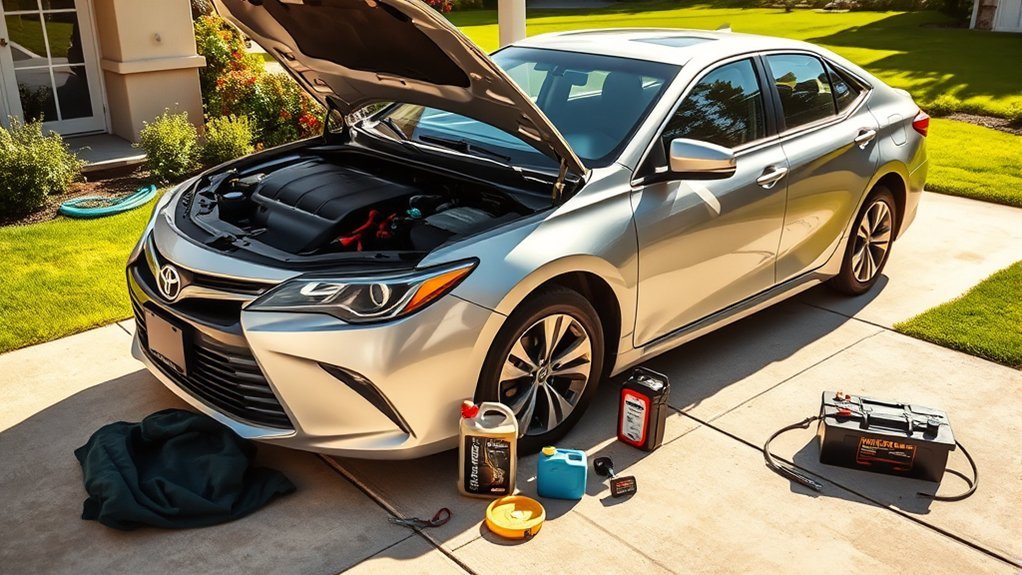
Start with the basics: test the air conditioning, check coolant and oil levels, inspect tire pressure and tread, look over the brakes, test the battery, confirm all lights work, and replace worn wiper blades. These simple checks help your Camry handle hot pavement, stop-and-go traffic, and long road trips with fewer surprises.
Warning: If you drive a Camry Hybrid or newer hybrid-only Camry, do not touch orange high-voltage cables, connectors, or service plugs. Keep DIY work limited to owner-approved checks and have hybrid electrical issues handled by a Toyota dealer or qualified hybrid technician.
Before you begin, open your Toyota owner’s manual and warranty/maintenance guide. Exact tire pressure, coolant type, refrigerant, fluid capacity, spark plug interval, and hybrid maintenance items vary by model year, engine, trim, and market.
| Check | What to Do | DIY or Pro? |
|---|---|---|
| A/C | Run on coldest setting and confirm cold, steady airflow. | DIY check; pro for leak/recharge. |
| Coolant | Check reservoir level only when the engine is cool. | DIY level check; pro for flush/leaks. |
| Tires | Check cold pressure, tread depth, sidewalls, and uneven wear. | DIY check; shop for alignment/damage. |
| Brakes | Listen for squeal/grinding and note vibration, pulling, or soft pedal feel. | Pro inspection recommended. |
| Battery | Check for corrosion, loose terminals, swelling, weak starts, or warning lights. | DIY visual check; pro load test. |
| Filters, belts, wipers | Inspect for dirt, cracking, glazing, streaking, and weak airflow. | Many are DIY; belts are best inspected during service. |
Test and Service Your Camry’s A/C
Run the A/C before the first major heat wave. Turn the fan up, set the temperature to the coldest setting, and let it run for several minutes. The airflow should be steady, the air should cool quickly, and you should not hear grinding, clicking, or rapid compressor cycling.
[Products Worth Considering]

This A-Premium AC expansion valve is a direct replacement designed to restore proper refrigerant flow and improve cooling performance across a wide range of compatible vehicles. Built to meet or exceed OEM quality standards, it features precision internal components for reliable operation and long-lasting durability. It is supported by an unlimited-mileage warranty for added peace of mind.
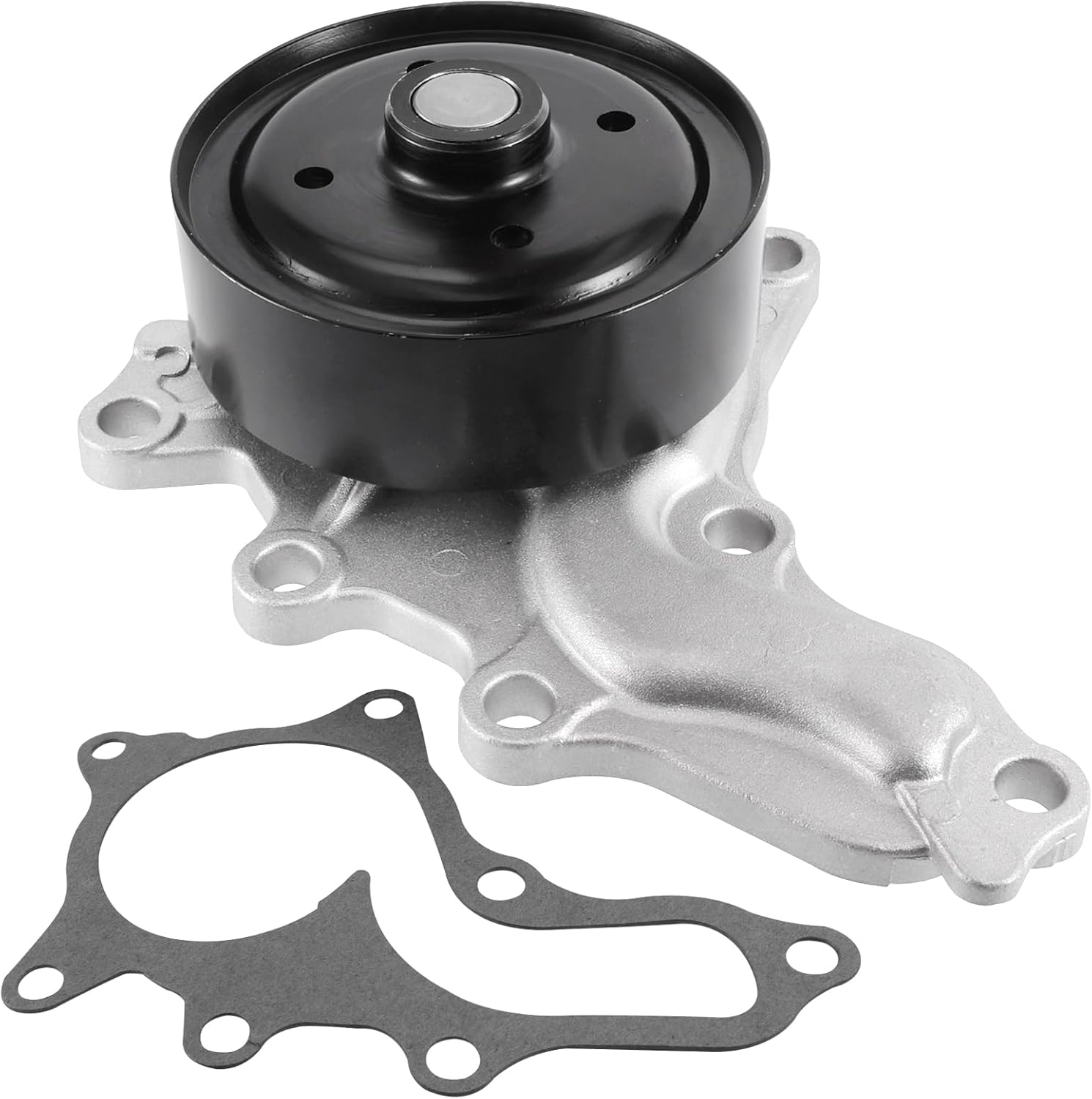
This AW6252 water pump is designed for a wide range of Toyota, Scion, and Lexus applications, helping maintain reliable engine cooling across compatible models. It features case hardened bearings for durability, a graphite-impregnated gasket for a secure seal, and 100% function and leakage testing for dependable performance. Built in TS16949 certified facilities, it offers a strong replacement option backed by service support.
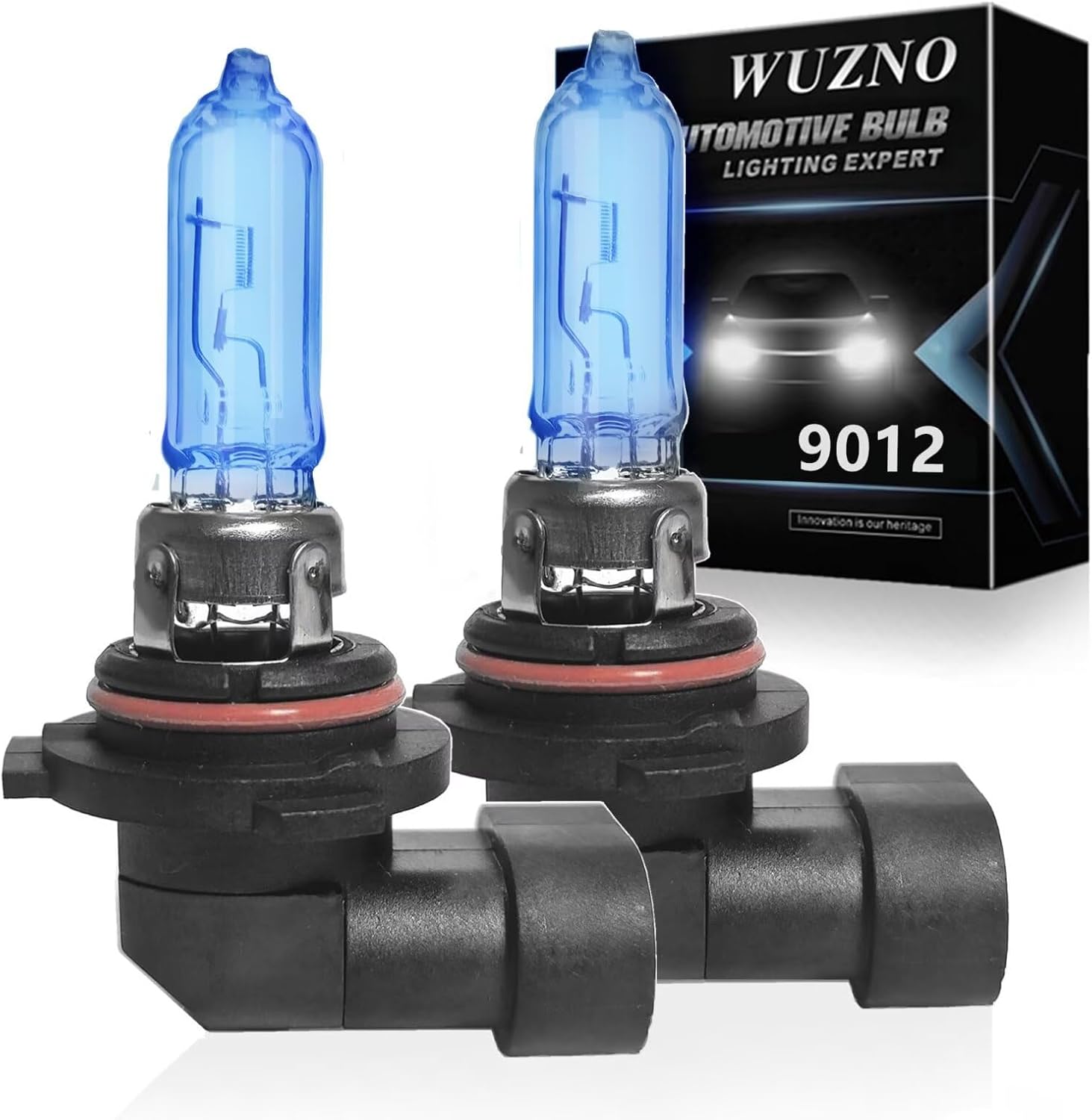
These halogen headlight bulbs are designed as a direct replacement for compatible Toyota models, offering plug-and-play installation with the same base and connector as the original bulbs. They deliver brighter, whiter light for improved visibility and a more modern look while helping reduce eye fatigue during night driving. Built for long life and reliable performance, this two-pack is ideal for restoring or upgrading your vehicle's headlight output.
A/C Performance Check
If your Camry’s A/C blows warm, cools only while driving, smells musty, or has weak airflow, start with the cabin air filter. A clogged filter can reduce airflow and make the A/C feel weaker than it really is. If airflow is strong but the air is not cold, the system may have low refrigerant, a leak, a failing compressor, a blocked condenser, or an electrical issue.
Pro Tip: Test the A/C before a road trip, not on the morning you leave. If it needs leak diagnosis or parts, a shop may need time to pressure-test the system and order the correct components.
Refrigerant Level Inspection
Do not assume your Camry uses a specific refrigerant or a universal charge amount. Check the under-hood A/C label and owner information for the correct refrigerant type and capacity. Motor vehicle A/C refrigerant must also be handled properly; the U.S. EPA’s MVAC rules prohibit intentional venting and require certified equipment and certified technicians for paid A/C service.
If cooling is weak, ask for leak diagnosis before any recharge. Adding refrigerant without fixing a leak can waste money, reduce performance again quickly, and may damage system components if the charge is wrong.
System Leak Detection
A qualified technician can check pressure, look for dye traces, inspect hoses and fittings, and test the condenser, evaporator, and compressor. Common warning signs include oily residue near A/C fittings, hissing noises, compressor cycling on and off rapidly, or cold air that fades after a few days.
- Check cabin airflow and replace a dirty cabin filter first.
- Have the system inspected for leaks before adding refrigerant.
- Recharge only to the capacity shown on the vehicle label or service information.
Check Coolant & Fluids (Type, Levels, When to Flush)
Coolant is one of the most important summer checks because it helps prevent overheating in traffic, on hills, and during long highway drives. When the engine is completely cool, check the coolant reservoir level and look for dried residue, puddles, cracked hoses, or a sweet smell around the engine bay.
Warning: Never remove the radiator cap or open a pressurized cooling system when the engine is hot. Hot coolant can spray out and cause serious burns.
Use the coolant specified by Toyota for your model year. Many modern Camrys call for Genuine Toyota Super Long-Life Coolant or an equivalent coolant that meets Toyota’s requirements, but you should verify the exact specification in your manual or maintenance guide. Do not mix random coolant colors or types.
For many recent Camry maintenance schedules, engine or intercooler coolant replacement is listed around 100,000 miles or 120 months first, then at shorter follow-up intervals. Older Camrys may differ, so use your model-year maintenance guide rather than a generic rule.
Also check these fluids before summer trips:
- Engine oil: Confirm the oil level is within range and the oil-change interval is current.
- Brake fluid: Low, dark, or contaminated brake fluid should be inspected by a technician.
- Transmission fluid: Many late-model transmissions are sealed; do not guess on fluid type or service method.
- Windshield washer fluid: Fill it before travel and carry extra on long trips.
Camry Tires: Pressure, Tread Depth & Rotation
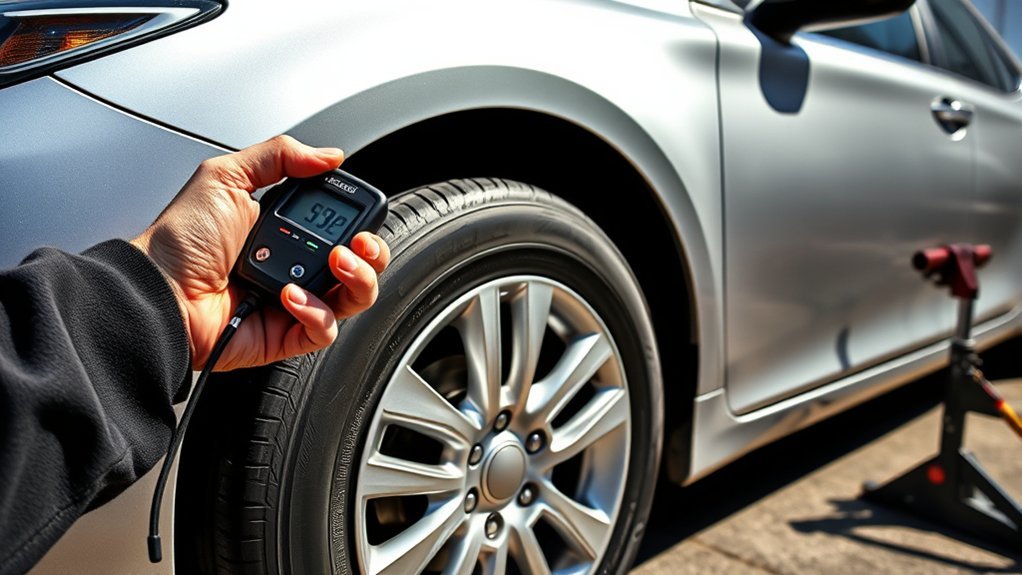
Hot pavement makes tire maintenance even more important. Check pressure when the tires are cold, ideally before driving or after the car has been parked for at least three hours. Use the recommended PSI on the Tire and Loading Information Label on the driver-side doorjamb or in the owner’s manual, not the maximum pressure printed on the tire.
Inspect tread depth at least monthly. A tread depth gauge is best, but the penny test works for a quick screen: place a penny into the tread with Lincoln’s head upside down. If you can see the top of Lincoln’s head, the tire is worn to the replacement point. Also replace or professionally inspect tires with bulges, exposed cords, deep cracks, punctures near the sidewall, or uneven wear.
- Check all four tires and the spare if your Camry has one.
- Look for nails, cuts, cracking, bubbles, or uneven shoulder wear.
- Rotate tires at the interval in your Toyota maintenance guide, often around every 5,000 miles on many Camry schedules.
- Schedule alignment if the car pulls, the steering wheel is off-center, or the tires are wearing unevenly.
Note: A tire-pressure monitoring system is helpful, but it is not a substitute for monthly pressure checks with a gauge. The warning light usually appears only after pressure is already significantly low.
[Products Worth Considering]

This three-piece windshield wiper set is designed for compatible Toyota RAV4 and Highlander models to help deliver clear visibility in everyday driving. The natural rubber blades feature a graphite-treated surface for quiet, smooth wiping performance and reliable weather resistance. Installation is quick and tool-free, making it easy to replace worn blades on the front and rear of your vehicle.

Bendix Premium Ceramic Front Brake Pads are engineered to match original equipment fit, form, and function for a straightforward replacement. Built with durable materials to help resist wear and corrosion, they support consistent braking performance and reduced brake fade for everyday driving. These pads are a dependable choice for compatible Pontiac, Scion, Toyota, and related vehicles.

1. Accurate Measurement:This tire tread depth gauge features a dial design,accurately measures Reads in 1/32 inch increments,Ensures you can easily and confidently monitor tire condition for optimal safety and performance of your cars and trucks.
Brakes: Summer Wear Signs & Service Triggers
Summer heat, mountain driving, heavy traffic, and loaded road trips can make brake problems show up faster. During your summer check, listen for squeaking, grinding, scraping, or clicking. Pay attention to vibration, a pulsing pedal, pulling to one side, longer stopping distance, or a soft/spongy pedal.
Ask the shop for measured brake pad thickness, rotor condition, and brake fluid condition during service. Heat-stressed brakes may show glazing, uneven pad wear, rotor scoring, or rotor runout. If the brake warning light comes on, the pedal sinks, or you hear grinding, do not keep driving as if it is normal.
Warning: Grinding brakes, a soft brake pedal, brake fluid leaks, or a brake warning light are safety issues. Have the Camry inspected before continuing a long trip.
Battery & Electrical Checks for Summer Reliability
High temperatures can expose a weak 12-volt battery, especially after short trips, accessory use, or long periods parked in the sun. Check that the battery is secure, the case is not swollen or leaking, and the terminals are clean and tight. If your Camry cranks slowly, shows a battery warning light, or needs repeated jump-starts, get a battery and charging-system test.
Battery Health Inspection
Look for corrosion around the terminals, loose hold-down hardware, swelling, leaking, or a rotten-egg smell. If the battery is older, weak, or struggling in hot weather, a professional load test is more useful than guessing from age alone.
Charging System Test
The charging system should keep the battery charged while the engine is running. If the battery tests good but the warning light stays on, the headlights flicker, or accessories behave oddly, ask a technician to test the alternator, belt condition, wiring, and ground connections.
| Item | Quick check |
|---|---|
| Battery case | No swelling, leaks, or damage |
| Terminals | Clean, tight, corrosion-free |
| Charging system | No warning light, weak starts, or flickering accessories |
Corrosion And Terminal Care
Corrosion can reduce electrical contact and leave you stranded. If you see white or greenish buildup, have it cleaned safely or clean it only if you are comfortable following proper battery precautions. Wear eye protection and gloves, avoid shorting the terminals with tools, and make sure the battery connections are tight afterward.
- Inspect terminals monthly in hot weather.
- Clean corrosion before it spreads to cables and clamps.
- Replace a weak battery before a long summer trip.
Filters, Belts & Spark Plugs: Summer Replacement Guide
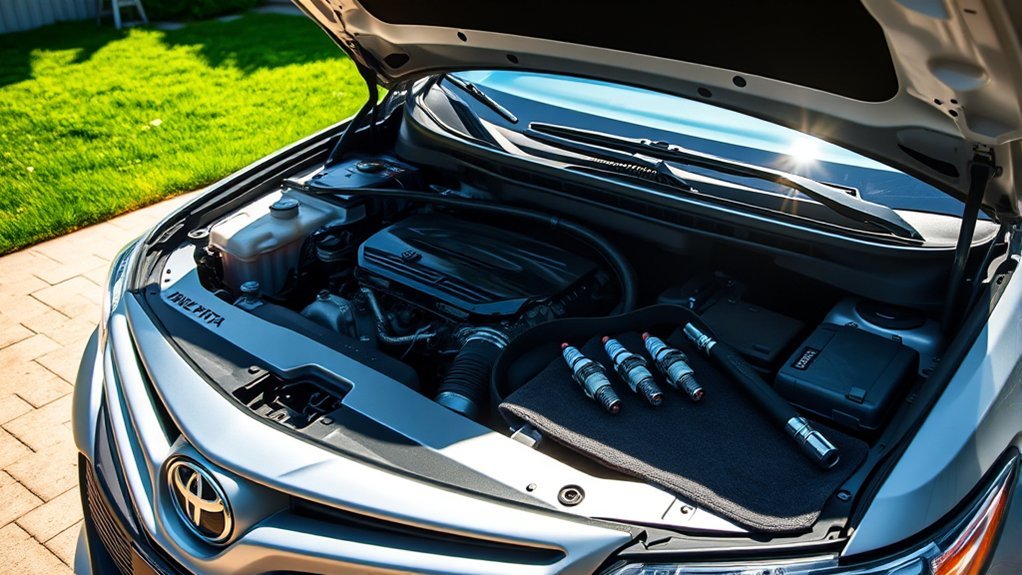
Dust, pollen, heat, and stop-and-go driving can make filters and rubber parts wear faster. Check the engine air filter, cabin air filter, serpentine belt, wipers, and spark plug interval before summer travel.
| Item | Action |
|---|---|
| Engine Air Filter | Inspect for dirt, oiliness, damage, and heavy debris |
| Cabin Air Filter | Replace if airflow is weak, odor is present, or dust/pollen is heavy |
| Serpentine Belt | Inspect for cracks, glazing, fraying, chirping, or accessory noise |
| Spark Plugs | Replace at the model-year interval in the Toyota maintenance guide |
| Wiper Blades | Replace if streaking, skipping, torn, or hardened by sun |
For current hybrid Camry models, also check the maintenance guide for the HV battery cooling intake filter. A blocked intake can reduce hybrid-system cooling performance. Clean it only according to the owner’s manual procedure, and do not open high-voltage components.
Camry Summer Service Intervals to Confirm
Use this table as a planning guide, then confirm the exact schedule for your model year in the Toyota maintenance guide.
| When | What to Check |
|---|---|
| Monthly | Cold tire pressure, tread, lights, wipers, visible leaks, washer fluid, battery terminals. |
| Before a road trip | A/C performance, coolant level, oil level, tires, emergency kit, recalls, navigation/route, phone charger. |
| Around 5,000 miles / 6 months | Common Camry maintenance interval for tire rotation, fluid checks, inspections, and maintenance reminder reset. |
| 30,000–60,000 miles | Deeper inspections may include filters, brake components, drivetrain checks, and severe-service items. |
| 100,000 miles / 120 months | Many recent schedules list initial engine/intercooler coolant replacement around this point, but verify your model year. |
| 120,000 miles and beyond | Spark plugs, coolant follow-up intervals, hybrid filter cleaning, and drivetrain fluids may apply depending on model and use. |
Summer Emergency Kit, Driving Tips & When to Visit the Dealer
If you are heading out in summer heat, pack a compact emergency kit and do a quick vehicle walkaround before leaving. The NHTSA summer driving checklist recommends carrying items such as a cell phone and charger, first-aid kit, flashlight, flares or a white flag, jumper cables, tire pressure gauge, jack, gloves, basic tools, duct tape, water, nonperishable food, medicines, extra washer fluid, maps, and blankets or towels.
- Check weather, traffic, and road conditions before you leave.
- Avoid overloading the vehicle; extra weight stresses tires, brakes, and cooling systems.
- Use rest stops on long drives, especially when heat and traffic increase fatigue.
- Never leave children, pets, or vulnerable passengers in a parked vehicle.
A summer-ready Camry is not about one big repair. It is about small checks done early: cold tire pressure, clean airflow, correct coolant, healthy brakes, a tested battery, and a stocked emergency kit.
Visit a dealer or qualified shop before a long trip if you notice warning lights, overheating, weak A/C, brake noise, uneven tire wear, battery problems, coolant loss, or any hybrid-system warning. It is also smart to check for open safety recalls using the VIN before a road trip.
Frequently Asked Questions
What is the 30-60-90 rule for car maintenance?
For most cars, the useful version of the 30-60-90 rule means deeper service checks around 30,000, 60,000, and 90,000 miles, not every 30, 60, and 90 days. For a Toyota Camry, always follow the mileage/time schedule in the Toyota maintenance guide because intervals vary by model year, engine, hybrid system, and driving conditions.
What should I keep in my car in the summer?
Keep a phone charger, first-aid kit, flashlight, tire pressure gauge, jumper cables, jack, gloves, basic tools, water, nonperishable snacks, medicines, extra washer fluid, and roadside-assistance information. For long trips, add paper towels, towels or blankets, maps, and a small amount of extra drinking water for passengers.
How often should I rotate Toyota Camry tires?
Many Camry maintenance schedules call for tire rotation around every 5,000 miles, but you should confirm the interval and rotation pattern in your owner’s manual. Rotate sooner if you see uneven wear, and get an alignment check if the car pulls or the steering wheel is off-center.
Can I recharge my Camry’s A/C myself?
It is safer to have a qualified A/C technician diagnose weak cooling. The system may have a leak, the wrong pressure, or another fault. The refrigerant type and charge amount must match the vehicle label, and refrigerant must be handled according to EPA MVAC rules.
When should I stop driving if my Camry overheats?
Stop as soon as it is safe if the temperature gauge rises into the hot zone, the temperature warning light comes on, steam appears, or you smell coolant. Turn off the A/C, pull over safely, shut the engine down if overheating continues, and do not open the cooling system while it is hot.
Conclusion
A summer-ready Camry starts with prevention: cold tire-pressure checks, solid tread, healthy brakes, correct coolant level, strong A/C airflow, clean filters, good wipers, and a tested battery. Use your Toyota owner’s manual for exact specifications, handle refrigerant and hybrid components safely, and schedule service early if anything feels weak, noisy, hot, or unusual. A short inspection now can prevent an uncomfortable and expensive roadside stop later.
Sources
- Toyota Owners Manuals and Warranties — owner’s manuals, model-year maintenance guides, and vehicle-specific specifications.
- Toyota 2025 Camry Warranty & Maintenance Guide — Camry maintenance intervals, coolant guidance, tire rotation schedule, spark plug interval, and hybrid safety precautions.
- NHTSA TireWise — tire pressure, tread depth, penny test, tire rotation, and tire safety guidance.
- NHTSA Summer Driving Tips — summer vehicle checks and emergency roadside kit recommendations.
- U.S. EPA MVAC System Servicing Requirements — A/C refrigerant handling, venting prohibition, certified equipment, and technician requirements.