A Toyota Camry starter can last a long time, but “starter problem” does not mean the same thing on every Camry. Older gas Camrys use a conventional starter motor and solenoid. Camry Hybrid models, and the 2025+ U.S. Camry lineup, use a hybrid starting system where a weak 12-volt battery can look like a starter failure. Start with basic electrical checks before buying parts.
Quick Answer
Many Toyota Camry starters last around 100,000–150,000+ miles, but failure becomes more likely after about 75,000 miles and often appears around the 125,000-mile range. A single click, slow crank, intermittent start, whirring sound, or burning smell can point to starter trouble, but test the battery, cables, grounds, relay, and safety switches first.
Key Takeaways
- A single click is not proof of a bad starter; low battery voltage, corroded terminals, a weak ground, or a bad relay can cause the same symptom.
- A healthy 12-volt battery should usually read about 12.6–12.8 volts at rest; below 12.4 volts, charge and test the battery before blaming the starter.
- For 2025+ Camry models and Camry Hybrids, treat no-start symptoms differently because the hybrid system depends heavily on the 12-volt battery and Toyota-specific diagnostics.
- Current Toyota Camry starter replacement estimates commonly run about $439–$535 before taxes, fees, and local shop-rate differences.
At a Glance
| Time Required | 10–30 minutes for basic checks; 1–3 hours for replacement depending on model year and engine |
| Difficulty | Beginner for battery checks; intermediate to advanced for starter removal |
| Tools Needed | Digital multimeter, socket set, wrench set, safety glasses, gloves, battery terminal brush |
| Cost | Often $439–$535 for professional replacement; varies by year, engine, location, and part choice |
Which Camry Starter System Do You Have?
Before diagnosing anything, identify your Camry type:
- Gas-only Camry models: These use a conventional starter motor, solenoid, battery cables, relay, and related control circuit.
- Camry Hybrid models: A no-start can come from the 12-volt battery, hybrid control system, key/immobilizer, brake switch, or high-voltage system. Do not assume there is a simple bolt-on starter problem.
- 2025+ U.S. Camry models: Toyota made the Camry lineup exclusively hybrid for 2025, and the current 2026 Camry is marketed with an all-hybrid powertrain. Check the owner’s manual and service information for your exact model year.
Note: If your Camry is a hybrid, do not probe, disconnect, or touch orange high-voltage cables. For hybrid no-start problems beyond the 12-volt battery and fob checks, use Toyota service information or a qualified hybrid technician.
Signs Your Camry Starter Is Failing (Quick Checklist)
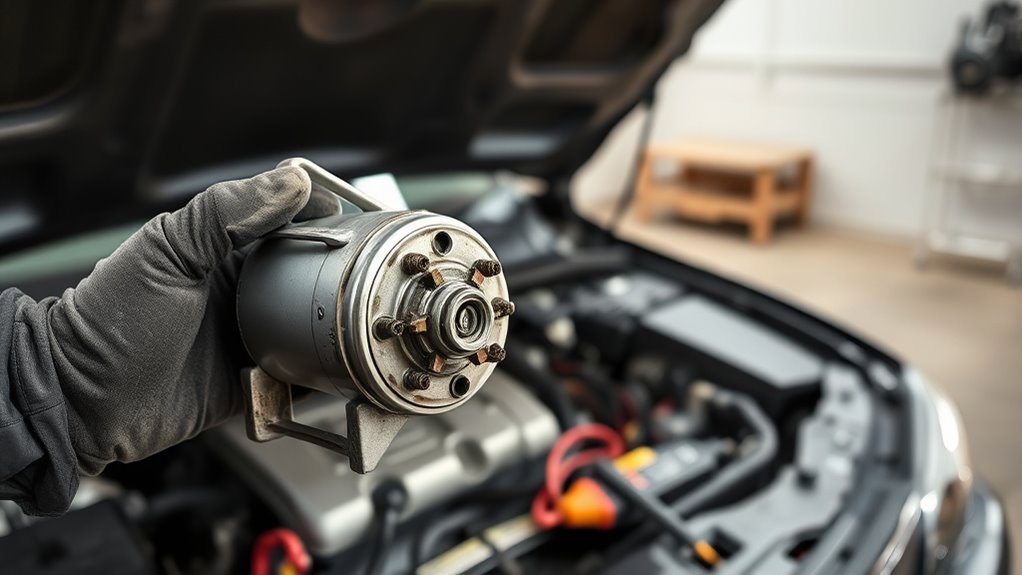
Starter problems usually show up as a no-crank or weak-crank condition. The dashboard lights may turn on, but the engine may not rotate. Use the symptom pattern to decide what to test next.
| Symptom | What It May Mean | First Check |
|---|---|---|
| Single click | Solenoid is trying to engage, but the starter, battery, cable, or ground may not carry enough current. | Battery voltage, terminals, ground strap, starter relay |
| Rapid clicking | Usually low battery charge or high resistance at the terminals. | Charge/test battery and clean terminals |
| No sound at all | Starter control circuit may not be receiving the start command. | Fuses, relay, Park/Neutral switch, brake switch, ignition switch, key fob |
| Slow cranking | Weak battery, dragging starter, poor cable connection, or engine mechanical resistance. | Battery load test and voltage-drop test |
| Whirring or free-spinning | Starter drive gear may not be engaging the flywheel correctly. | Starter drive and flywheel inspection |
| Burning smell or smoke | Overheated starter, shorted wiring, or repeated cranking damage. | Stop cranking and inspect wiring safely |
Quick Checks to Run Before Blaming the Starter
Do these checks before replacing the starter. A weak battery or bad connection can imitate a failed starter so closely that many good starters get replaced unnecessarily.
Warning: Starter wiring carries high current. Keep tools away from the positive battery terminal and starter battery stud. Disconnect the negative battery cable before removing the starter. On hybrid Camrys, avoid orange high-voltage cables and stop if you are not trained for hybrid service.
Check Battery Voltage
Use a digital multimeter at the battery posts, not the cable clamps. A fully charged conventional 12-volt battery usually reads about 12.6–12.8 volts at rest. According to VARTA battery testing guidance, about 12.8 volts is ideal and a reading below 12.4 volts should be recharged as soon as possible.
- 12.6–12.8 V: Good starting point, but still load-test if the starter drags.
- 12.4–12.5 V: Partly charged; charge and retest before condemning the starter.
- Below 12.4 V: Charge the battery and test battery health.
- Voltage drops sharply while cranking: Battery may be weak, cables may have high resistance, or the starter may be drawing excessive current.
Inspect Starter Wiring
Inspect the battery terminals, ground cable, engine ground strap, starter battery cable, and starter signal wire. Look for corrosion, loose clamps, oil contamination, frayed insulation, or heat damage. Clean and tighten visible battery connections, then retest.
Pro Tip: Measure voltage at the battery posts and again at the cable clamps. If the post reading is good but the clamp-side reading is lower during cranking, the terminal connection is part of the problem.
Check Fuses, Relay, and Safety Switches
If the starter is silent, the starter may not be receiving the start signal. Check the basics:
- Move the shifter firmly into Park, then try Neutral.
- Confirm the brake pedal switch works on push-button-start models.
- Try a spare key fob or hold the fob near the start button if the fob battery is weak.
- Inspect starter-related fuses and the starter relay.
- Check for immobilizer or security warnings on the dash.
- For model-specific issues, check recalls or manufacturer communications through NHTSA’s recall lookup.
How the Camry Starter Works and Why a Bad One Won’t Start the Car
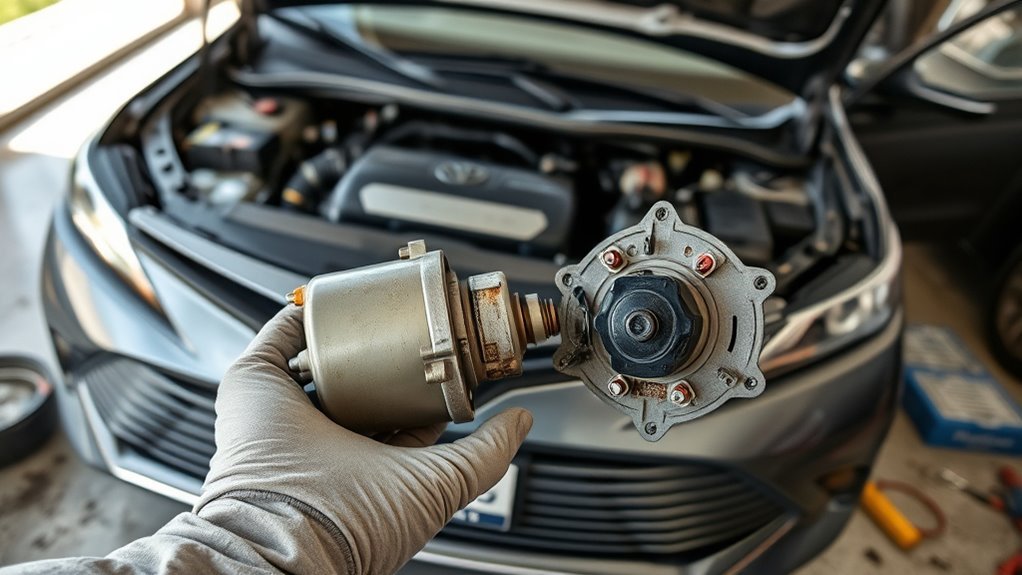
On a conventional gas Camry, the starter is a high-torque electric motor. When you turn the key or press the start button, the control circuit energizes the starter solenoid. The solenoid pushes a small pinion gear into the flywheel or flexplate and allows battery power to flow to the starter motor. The motor spins the engine until combustion takes over.
If the solenoid contacts are worn, the brushes are weak, the drive gear sticks, or the motor windings fail, the engine may not crank. But the same symptom can also come from a weak battery, dirty battery terminals, a poor ground, a bad relay, or a failed neutral safety switch. RepairPal’s starter guidance also notes that dirty or loose battery connections and switches can mimic starter failure.
On hybrid Camrys, the diagnosis can be different. Toyota’s 2025 Camry uses the fifth-generation Toyota Hybrid System, and current Camry models are all-hybrid. If the 12-volt battery is discharged, Toyota’s owner information explains that the hybrid system may need a jump-start procedure before the vehicle can start. Use the correct Toyota manual for your model year.
Test Starter Voltage, Solenoid, and Connections Step by Step
Use this sequence for a conventional starter system. If you own a Camry Hybrid and the basic 12-volt battery checks do not solve the issue, use Toyota service information or a hybrid-qualified technician.
- Confirm battery state of charge. Charge and test the battery if it is below 12.4 volts at rest.
- Listen to the symptom. Single click, rapid click, silence, slow crank, and whirring point to different checks.
- Check voltage at the starter battery terminal. The large starter cable should have battery voltage. If it does not, inspect the positive cable and connections.
- Check the starter signal terminal. The small signal wire should receive power only when the key or start button commands cranking. No signal points toward the relay, fuse, ignition switch, Park/Neutral switch, brake switch, or control circuit.
- Perform a voltage-drop test. A static voltage reading can look fine even when a cable fails under load. During cranking, compare voltage loss across the positive cable and ground side. Voltage-drop testing guidance commonly treats excessive loss in the starter circuit as a sign of high resistance.
- Check the ground path. Test between the battery negative post, engine block, and starter housing. A weak ground can cause clicking, slow cranking, or no crank.
- Bench-test the starter if wiring passes. If the battery, cables, relay, grounds, and signal circuit all test correctly but the starter does not operate, remove and bench-test the starter or replace it.
A starter should be diagnosed under load. A battery or cable can show normal voltage at rest and still fail when the starter demands high current.
Common Camry Starter Failures and How to Prevent Them
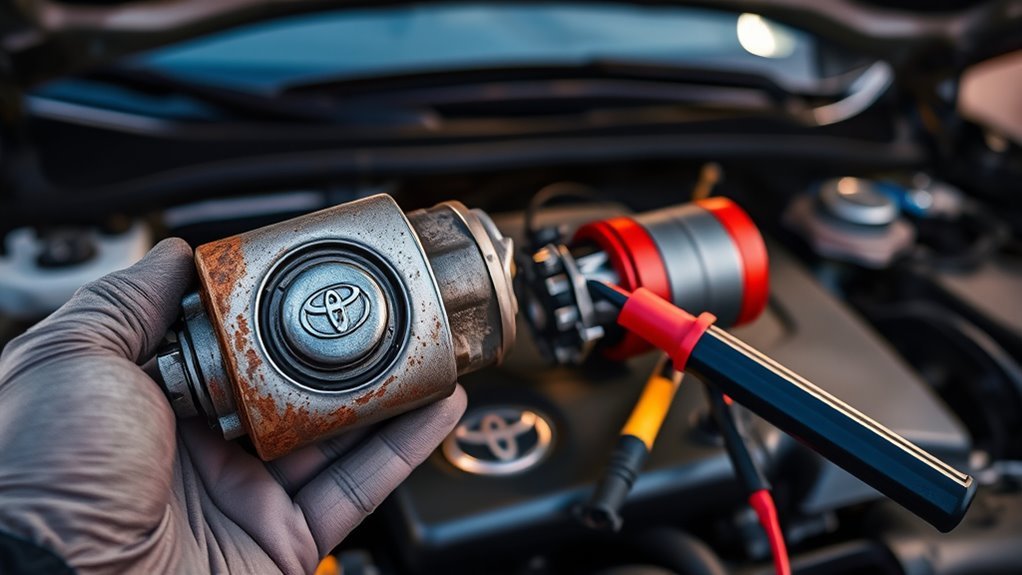
Most starter-related problems fall into one of two groups: the starter assembly itself is worn, or the starter is not receiving clean power and ground. The second group is cheaper and easier to fix, so rule it out first.
Common Failure Points
- Worn solenoid contacts: Can cause a single click or intermittent cranking.
- Weak brushes or motor wear: Can cause slow cranking or dead spots where the starter works only after several tries.
- Sticking starter drive: Can cause whirring, grinding, or failure to engage the flywheel.
- Corroded battery terminals: Can block current and mimic a failed starter.
- Bad engine ground: Can cause weak or inconsistent cranking.
- Heat damage: Can affect wiring, solenoid operation, and starter performance.
Preventive Maintenance Tips
You cannot make a starter last forever, but you can reduce avoidable stress:
- Keep battery terminals clean and tight.
- Test the 12-volt battery before winter and before long trips.
- Repair oil leaks that drip onto the starter or wiring.
- Inspect the engine ground strap when diagnosing slow cranking.
- Avoid repeated long cranking attempts; let the starter cool between attempts.
- Use a high-quality replacement starter when the original unit fails. DENSO, an original-equipment supplier for many Toyota electrical components, describes its remanufactured starters as bench-tested with wear items replaced or inspected.
When to Repair vs. Replace a Camry Starter: Costs and Decision Guide
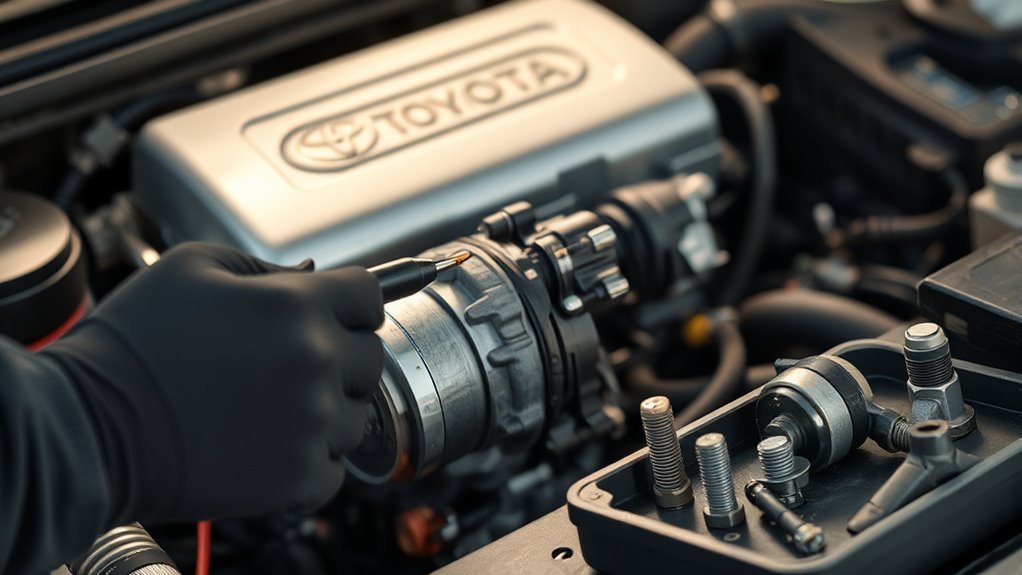
Professional replacement is the most common fix once a starter assembly is confirmed bad. RepairPal’s Toyota Camry starter estimate, last updated January 28, 2026, lists an average replacement range of $439–$535, with labor estimated at $154–$226 and parts at $284–$309. Taxes, fees, location, model year, engine, and related repairs can change the final price.
| Situation | Best Choice | Why |
|---|---|---|
| Loose or corroded terminals | Repair connection | A good starter cannot work through high resistance. |
| Bad ground strap or damaged cable | Repair cable/ground | Cheaper than replacing a starter and often fixes clicking or slow cranking. |
| Older starter with intermittent dead spots | Replace starter | Internal wear is likely to return even if it works occasionally. |
| Worn solenoid contacts on a rebuildable unit | Repair or replace | Some older units can be repaired, but many shops prefer full replacement for warranty and reliability. |
| Burning smell, smoke, heavy corrosion, or repeated failures | Replace and inspect wiring | The starter may be damaged, and the root cause may also be electrical. |
[Products Worth Considering]

This new starter is designed to fit a wide range of Toyota, Lexus, Pontiac, and Scion vehicles for reliable engine starting performance. It features a 12V PMGR design with 13 teeth and counterclockwise rotation, and it is built from quality-tested components to meet OEM standards. Backed by a one-year free replacement warranty, it offers dependable fitment and peace of mind.
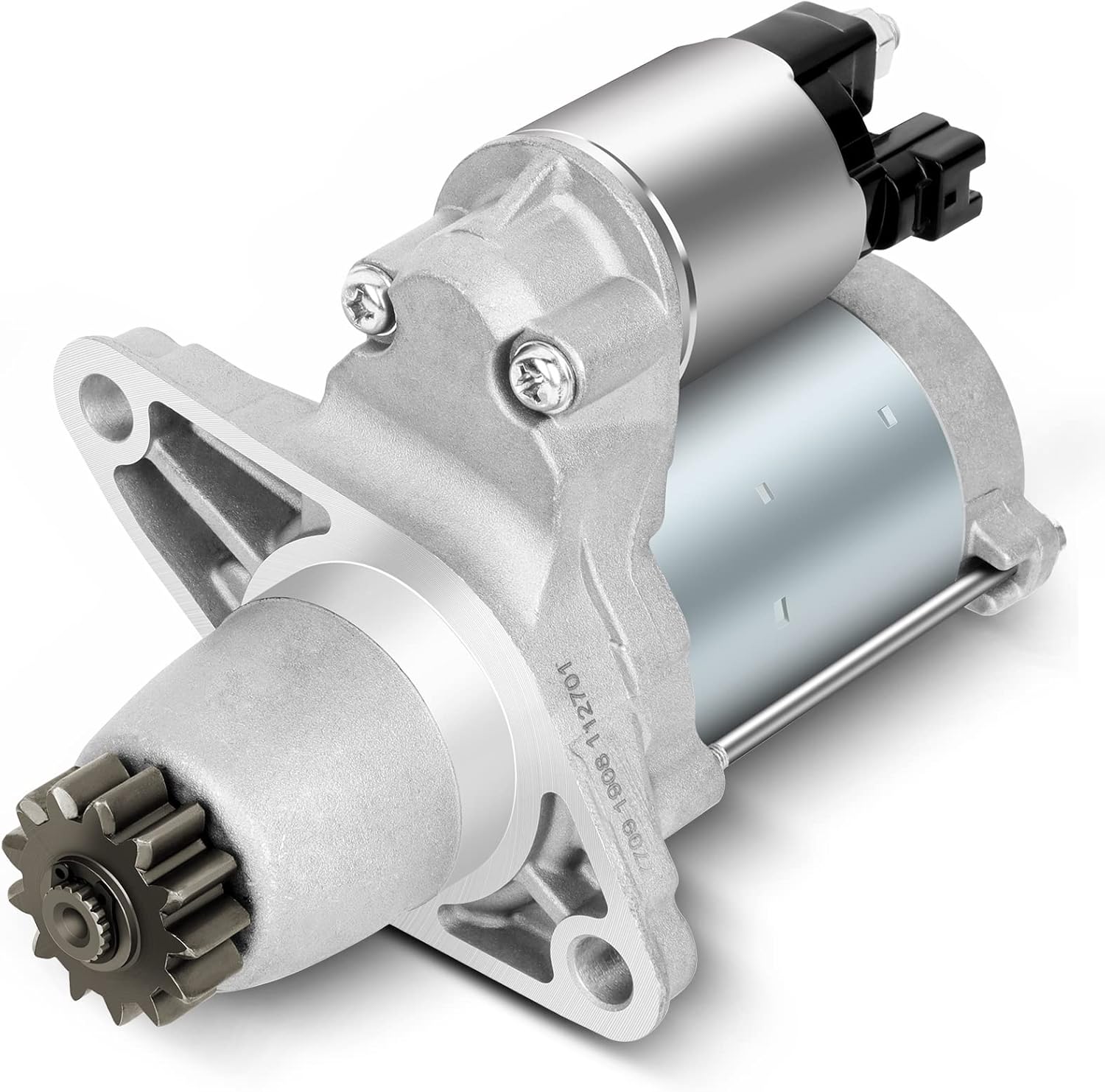
This replacement starter motor is designed for a wide range of Toyota, Lexus, and Scion vehicles, helping restore reliable engine cranking and dependable daily starting performance. It features a 12V PMGR design with a 10-tooth pinion, clockwise rotation, and durable internal components engineered for efficient flywheel engagement, low noise, and consistent operation. Built to match multiple OEM part numbers and vehicle applications, it offers a practical solution for replacing a failing starter.

【Professional】We have been specialized in manufacture on auto starter and parts of starter for more than 20 years. - Click into our shop to see more models.
Choosing a Replacement: OEM vs. Remanufactured vs. Aftermarket
The best replacement depends on how long you plan to keep the car, your budget, and how difficult the starter is to access.
- OEM Toyota / DENSO-style unit: Best fit and lowest compatibility risk. Usually the safest choice if labor access is difficult.
- Quality remanufactured unit: Often a strong value if it comes from a reputable brand and has been properly tested. DENSO says its remanufactured starters are high-voltage tested, refinished, and bench-tested for factory-original performance.
- Budget aftermarket unit: Lowest upfront cost, but quality varies. A cheap starter that fails early can cost more once you pay labor twice.
Match the replacement by exact year, engine, transmission, and trim. Starter location, connector type, tooth count, and mounting pattern can vary.
[Products Worth Considering]

[Replacement Part Numbers] 117825, 1-17825, 17825, 17825N, 19046, 19047, 19171, 19172, 19316, 19318, 2280009900, 228000-9900, 2280009901, 228000-9901, 2280009902, 228000-9902, 281000A010, 28100-0A010, 281000A01084, 28100-0A010-84, 281000A010C, 28100-0A010-C, 281000A011, 28100-0A011, 281000A01184, 28100-0A011-84, 281000H090, 28100-0H090, 281000H091, 28100-0H091, 281000H09184, 28100-0H091-84, 281000P031, 28100-0P031, 281000P032, 28100-0P032, 281000P080, 28100-0P080, 281000P08084, 28100-0P080-84
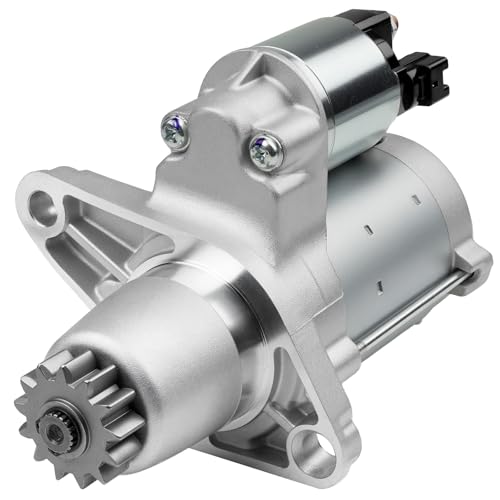
【Replacement Part Numbers】17825,17825N, 117825, 1-17825, 19046, 19047, 19171, 19172, 19316, 19318, 2280009900, 228000-9900, 2280009901, 228000-9901, 2280009902, 228000-9902, 281000A010, 28100-0A010, 281000A01084, 28100-0A010-84, 281000A010C, 28100-0A010-C, 281000A011, 28100-0A011, 281000A01184, 28100-0A011-84, 281000H090, 28100-0H090, 281000H091, 28100-0H091, 281000H09184, 28100-0H091-84, 281000P031, 28100-0P031, 281000P032, 28100-0P032, 281000P08084, 28100-0P080-84, 281000P080, 28100-0P080

[OEM Part Numbers] 117825, 1-17825, 17825, 17825N, 19046, 19047, 19171, 19172, 19316, 19318, 2280009900, 228000-9900, 2280009901, 228000-9901, 2280009902, 228000-9902, 281000A010, 28100-0A010, 281000A01084, 28100-0A010-84, 281000A010C, 28100-0A010-C, 281000A011, 28100-0A011, 281000A01184, 28100-0A011-84, 281000H090, 28100-0H090, 281000H091, 28100-0H091, 281000H09184, 28100-0H091-84, 281000P031, 28100-0P031, 281000P032, 28100-0P032, 281000P080, 28100-0P080, 281000P08084, 28100-0P080-84.
What to Expect During Professional Starter Replacement
A technician should confirm the diagnosis before removing the starter. That usually means checking the battery, charging system, cables, grounds, relay, and starter command circuit. Once the starter is confirmed faulty, the general process is:
- Disconnect the negative battery cable.
- Raise and support the vehicle if access requires it.
- Remove covers, brackets, or intake components as needed for that model year.
- Disconnect the starter signal wire and main battery cable.
- Remove the starter mounting bolts and starter assembly.
- Compare the replacement unit with the old one before installation.
- Install the starter and tighten fasteners to the model-year service specification.
- Reconnect wiring with clean contact points.
- Reconnect the battery and verify normal cranking.
Do not rely on a universal bolt size or torque value. Use the Toyota service manual for your exact Camry. Toyota explains that official repair manuals, wiring diagrams, owner’s manuals, and technical service bulletins are available through Toyota Technical Information System resources.
[Products Worth Considering]
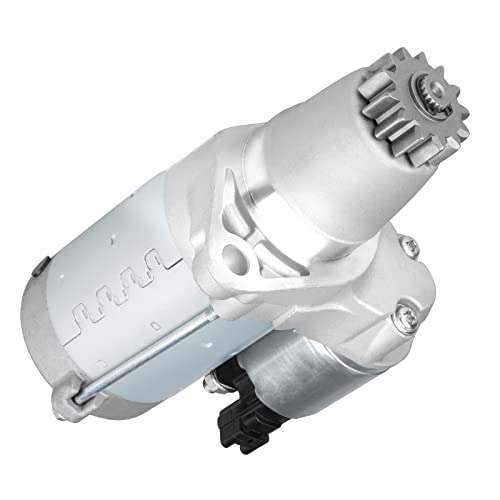
Fitment for Toyota: This Starter fits for Camry 2.4L 2002-2009, Camry 2.5L 10-17, Camry 3.0L 02-06, Camry 3.3L 04-06, Camry 3.5L 07-17; Sienna 2.7L 2011-2013, Sienna 3.3L 04-06, Sienna 3.5L 07-16; Highlander 2.4L 2004-2007, Highlander 2.7L 09-19, Highlander 3.3L 04-07, Highlander 3.5L 08-16; Avalon 3.5L 2005-2018; Rav4 2.4L 2006-2008, Rav4 2.5L 09-18, Rav4 3.5L 06-12; Solara 2.4L 2002-2008, Solara 3.0L 02-03, Solara 3.3L 04-08; Venza 2.7L 3.5L 2009-2015; Matrix 2.4L 09-13; Corolla 2.4L 09-10

【OE Number】17825N,117825, 1-17825, 17825, 19046, 19047, 19171, 19172, 19316, 19318, 2280009900, 228000-9900, 2280009901, 228000-9901, 2280009902, 228000-9902, 281000A010, 28100-0A010, 281000A01084, 28100-0A010-84, 281000A010C, 28100-0A010-C, 281000A011, 28100-0A011, 281000A01184, 28100-0A011-84, 281000H090, 28100-0H090, 281000H091, 28100-0H091, 281000H09184, 28100-0H091-84, 281000P031, 28100-0P031, 281000P032, 28100-0P032, 281000P080, 28100-0P080, 281000P08084, 28100-0P080-84
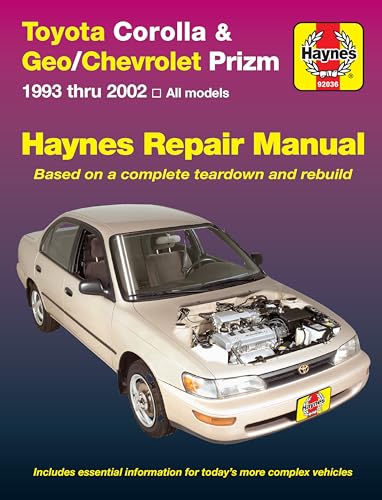
Step-by-step procedures written from a complete teardown and rebuild, giving you the confidence to tackle repairs at any skill level.
Maintenance Tips to Extend Your Camry Starter’s Life
Starter life depends on battery health, wiring condition, heat exposure, driving pattern, and part quality. These habits help reduce unnecessary wear:
- Keep the battery healthy: A weak battery forces the starter to work harder.
- Clean corrosion early: White, green, or blue buildup at terminals increases resistance.
- Fix slow-crank symptoms quickly: Slow cranking can overheat wiring and starter windings.
- Limit repeated cranking: If the engine does not start, pause between attempts instead of holding the key or button.
- Inspect grounds: A loose engine ground can act like a bad starter.
- Use correct parts: Match the starter to the exact Camry model year and engine.
Frequently Asked Questions
How long do Toyota Camry starters last?
Many Camry starters last around 100,000–150,000+ miles, and some last much longer. Failure becomes more likely after about 75,000 miles, especially with frequent short trips, weak batteries, heat, corrosion, or repeated cranking.
What are the first signs of a bad Camry starter?
Common signs include a single click, intermittent no-crank, slow cranking, whirring without engine rotation, grinding, or a burning smell after repeated start attempts. Always test the battery, terminals, grounds, relay, and starter signal circuit before replacing the starter.
Can a weak battery make it seem like the starter is bad?
Yes. A weak or partly charged battery can cause clicking, slow cranking, or no crank. Check battery voltage at the posts, charge the battery if it is below 12.4 volts, and load-test it before replacing the starter.
How much does Toyota Camry starter replacement cost?
A current RepairPal estimate lists Toyota Camry starter replacement at about $439–$535 on average, before taxes, fees, and local differences. Your final price depends on model year, engine, part quality, labor rate, and whether other wiring or battery repairs are needed.
Do Camry Hybrid models have the same starter problem?
Not always. Camry Hybrid models use a hybrid starting system, so a no-start may involve the 12-volt battery, hybrid controls, fob, brake switch, or high-voltage system rather than a conventional starter motor. Start with the 12-volt battery and owner’s manual procedure, then use hybrid-qualified service if needed.
Conclusion
A Camry starter can last well past 100,000 miles, but starter symptoms should be diagnosed instead of guessed. Start with the battery, terminals, grounds, relay, fuses, and starter signal circuit. If those checks pass and the starter still clicks, drags, whirs, or fails intermittently, replacement is usually the most reliable fix. For Camry Hybrid and 2025+ models, use the correct Toyota manual because the starting system is different from older gas Camrys.
Sources
- Toyota USA Newsroom — 2025 Camry hybrid-only lineup and Toyota Hybrid System information
- Toyota 2026 Camry — current Camry all-hybrid powertrain information
- Toyota Owners Manual — discharged 12-volt battery jump-start guidance for Camry Hybrid
- VARTA Automotive Batteries — battery voltage and state-of-charge testing guidance
- RepairPal — Toyota Camry starter replacement cost and starter diagnostic notes
- DENSO Auto Parts — starter and remanufactured starter testing information