You can prevent your Camry from overheating in hot weather by keeping the cooling system optimized: check coolant level and 50/50 mix when cool, inspect hoses, cap and radiator for cracks or debris, verify fan operation and thermostat response, and bleed trapped air to restore flow. Monitor cabin heat and temperature gauge for rapid rises. Maintain scheduled flushes, avoid heavy A/C or aggressive driving in traffic, and carry emergency coolant and tools — keep going to see detailed diagnostics and fixes.
Quick Actions When Your Toyota Camry Overheats
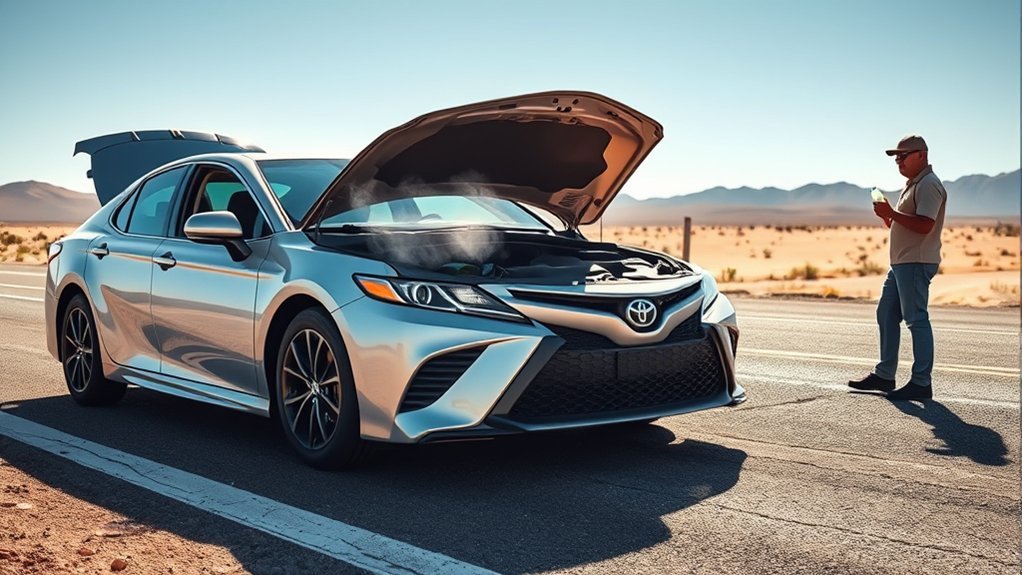
Pull over immediately to a safe spot and shut the engine off to prevent further damage; let it cool for 15–30 minutes before you do any hands-on checks. You’ll recognize overheating symptoms—rising temperature gauge, steam from under the hood, or loss of power—and you must treat them as emergency procedures. Keep occupants safe, enable hazard lights, and avoid driving further. With the engine cooled, don’t open the radiator cap; instead observe the coolant reservoir level and external leakage points without touching hot surfaces. Switch the heater to max to bleed heat from the engine bay while you monitor gauge response; this diagnostic step can reduce core temperature enough to move the vehicle safely. If steam or visible leaks persist, or the gauge stays elevated, stop attempts to self-repair and call for professional assistance. Continued operation risks head gasket failure and catastrophic engine damage; choose freedom from mechanical bondage by prioritizing safety and timely professional diagnosis.
Safely Check Coolant Level and Radiator
Before touching anything, let the engine cool 15–30 minutes to avoid burns, then check the coolant reservoir and confirm the level sits between the MIN and MAX marks. If low, add a 50/50 coolant-to-water mix and inspect radiator hoses and the radiator cap for cracks, bulges, or leaks. Never open the radiator cap while the engine is hot; perform a visual check of the radiator for obvious damage once cooled.
Check Coolant Safely
If the engine’s been off long enough to cool (15–30 minutes), check the coolant reservoir level—it should sit between the “MIN” and “MAX” marks—and never open the radiator cap while the engine is hot. You’ll verify coolant safety and basic engine cooling function by visually confirming level and concentration. Use a 50/50 coolant-to-water mix; that ratio optimizes boiling and freezing points. Monitor levels regularly during heat; a dropping reservoir indicates a leak or system pressure loss. When levels are low, top with correct mixture; don’t dilute with plain water long-term. Secure caps and clamps, and note abnormal odors or discoloration as diagnostic clues. These checks keep you empowered to prevent overheating and preserve freedom from roadside breakdowns.
Inspect Radiator Visually
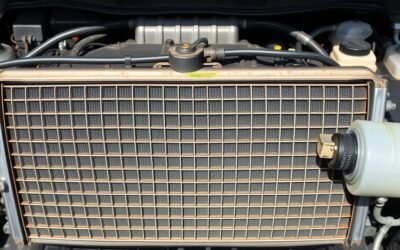
Inspect the radiator visually at regular intervals, checking for cracks, corrosion, and damaged fins that can cause leaks or reduce airflow. During radiator inspection, stand clear of hot surfaces; only open the cap when the engine is cold. You’ll examine the reservoir level against marked MIN/MAX lines and top off with manufacturer‑specified coolant if low. Scan under the vehicle and around the radiator for coolant stains or puddles—these signal active coolant leaks that demand prompt repair. Clear debris from fins with compressed air or a soft brush to restore airflow and cooling efficiency. Verify the radiator cap seats properly and shows no warping or corrosion so system pressure remains stable. These steps free you from preventable overheating risks.
How to Check and Bleed Air Pockets in the Cooling System
Locate the bleeder valve(s) on the thermostat housing or near the radiator before you start. With the radiator cap off, run the engine and set the heater to full so coolant circulates and air bubbles rise to the surface. Loosen the bleeder(s) slightly to release trapped air until flow is steady, then top off the reservoir and check the temperature gauge for stable readings.
Locate Bleeder Valve(s)
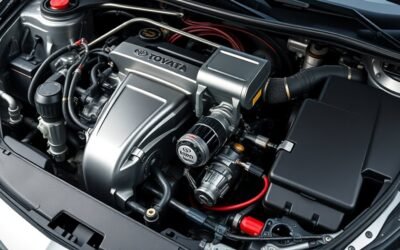
When you’re preparing to bleed the cooling system, start with the engine cold and identify the bleeder valve(s)—typically on the engine block or adjacent to the thermostat housing—so you can vent trapped air efficiently. Locate bleeder valve locations visually; consult the service manual for model-year variations. With the radiator cap removed and the expansion tank at proper level, inspect each valve for corrosion, correct fitting, and access for a wrench or hose. Open the primary bleeder slowly to check for air pockets; you’ll know air exits by sputtering then steady coolant flow. Monitor coolant level continuously to prevent new pockets. After flow stabilizes, close valves securely and top off the reservoir. Regularly include this step in cooling system maintenance to prevent overheating.
Run Engine And Heater
After you’ve filled the system and opened the bleeders, start the engine and set the heater to maximum so warm coolant and trapped air are drawn into the heater core and expelled; monitor the temperature gauge closely to keep the engine within its normal range while you work. With heater settings full hot and blower on low, observe air circulation through vents — this confirms heater core flow. Watch the upper radiator hose: when the engine reaches operating temperature, steady coolant surges indicate pockets are gone. If the reservoir is low, add a 50/50 coolant/water mix while running to maintain level and aid bleeding. If temperature trends upward or circulation doesn’t stabilize, stop and consult a professional; persistent overheating suggests a deeper fault.
Release Trapped Air
Because air pockets can cause hot spots and overheating, you should bleed the cooling system before driving the Camry after any coolant service. With the engine cool, locate the bleed valve near the thermostat housing and prepare a 50/50 coolant-water mix. Start the engine briefly and open the bleed valve while watching for steady coolant flow; trapped air will escape first. Monitor the reservoir level as air purges and top off as needed to maintain proper level and system pressure. Close the valve once flow is continuous and free of bubbles. Inspect the bleed valve and hose connections for leaks; any leak lets air re-enter and defeats coolant maintenance. Regularly check levels after servicing to keep air pocket formation from repeating.
Diagnosing Camry Cooling Fan, Thermostat, and Water Pump Issues
How can you quickly pinpoint whether the Camry’s cooling fan, thermostat, or water pump is at fault for overheating? Start by observing overheating symptoms and confirming coolant level and radiator function. At ~220°F the fan motor should run; if it doesn’t, suspect electrical issues—check relays, fuses, wiring, and fan operation directly. For thermostat testing, watch temperature response: rapid spikes or constant high readings suggest a stuck-closed valve; remove and bench-test or replace if uncertain. Inspect the water pump for coolant leaks, grinding noise, or a loose pulley that indicates impeller or bearing failure disrupting circulation. If fan motor, thermostat, and pump appear functional but overheating persists, evaluate for coolant blockage or trapped air in the cooling system; pressure-test and flush as needed. Follow maintenance tips: regular flushes, component inspection, and timely part replacement. Diagnose methodically, document findings, and act decisively to restore cooling system freedom and prevent repeat failures.
Signs a Clogged Radiator or Bad Coolant Flow
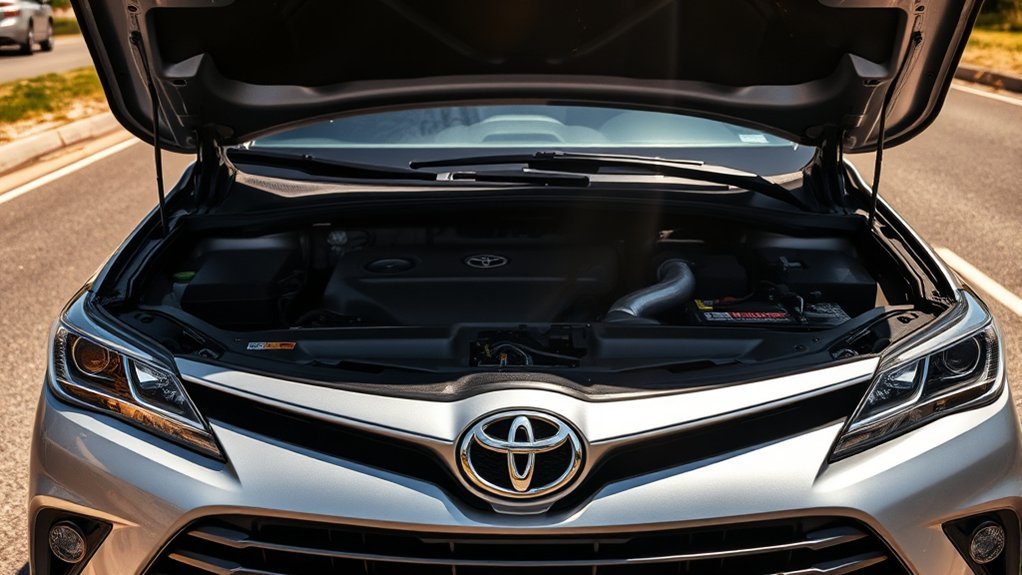
If your Camry shows a temperature gauge pegged high or you see steam from under the hood, you’re likely facing reduced coolant flow from a clogged radiator core. Restricted passageways or debris buildup will cause the radiator core to overheat and the engine to run hotter than normal. Check for flow reduction and consider a radiator flush or thermostat check to restore proper circulation.
Reduced Coolant Flow
When your temperature gauge climbs into the red within a few minutes of driving, you’re likely seeing reduced coolant flow from a clogged radiator or restricted hoses. You must diagnose coolant circulation quickly: poor flow raises engine temperature, kills heater output, and can indicate radiator blockages or hose collapse. Check for undercarriage leaks and monitor temperature rise during city versus freeway driving; loss of heater heat often accompanies low flow. Flush intervals and visual inspection prevent recurrence. If you detect stagnation, act to restore flow before damage occurs.
- Rapid temp rise after 3–4 minutes of driving
- No cabin heat despite hot engine
- Visible coolant puddles or crusted deposits under car
Restore flow deliberately to reclaim control.
Overheated Radiator Core
Because a clogged radiator core restricts coolant flow, you’ll see steady temperature rise—especially in traffic—and localized hot spots that degrade performance and risk engine damage. Diagnose by monitoring the temperature gauge for persistent red-zone readings and observing power loss or surging under load. Visually inspect the radiator for debris, corrosion, bent fins, or leaks; feel hoses for reduced flow and uneven heat distribution. These signs indicate impaired coolant efficiency and imminent overheating if unaddressed. Restore hydraulic balance with targeted radiator maintenance: flush to remove scale and contaminants, replace degraded coolant, and repair or replace damaged cores. Act decisively to reclaim control of your vehicle’s thermal system—preventive service preserves performance, avoids catastrophic failure, and keeps you free from roadside immobilization.
How A/C, Tires, and Driving Habits Raise Engine Temperature

Although the cabin A/C, tires, and your driving style serve different systems, they all increase engine load and heat generation in measurable ways: You’ll notice higher coolant temperatures when the A/C compressor cycles under hot ambient conditions — the A/C impact directly raises accessory load on the alternator and engine. Under-inflated tires increase rolling resistance; poor Tire maintenance raises frictional heat and forces the engine to output more power. Your Driving techniques matter: hard launches, aggressive acceleration, and prolonged idling with A/C amplify combustion rates and limit radiator airflow, elevating core temperatures.
Cabin A/C, tires, and driving habits all raise engine load and heat—manage them to prevent overheating.
- Monitor A/C impact: excessive compressor duty cycles correlate with higher engine load and operating temp.
- Prioritize Tire maintenance: correct psi reduces rolling resistance, fuel use, and secondary heat transfer to the powertrain.
- Adjust Driving techniques: smooth throttle control, reduced idling, and moderated speeds lower instantaneous engine load and the risk of overheating.
Diagnose changes quantitatively; reduce loads to reclaim thermal control and freedom from heat-related failures.
Routine Summer Maintenance Checklist for Camry Cooling Systems
Start with a simple weekly check: inspect coolant level and color, verify radiator and hose integrity, confirm cooling-fan operation, and monitor tire pressure to keep your Camry’s cooling system functioning reliably through summer heat. You’ll top off the coolant with the correct mixture, watch for contamination or discoloration that signals corrosion or head-gasket issues, and consider approved coolant additives if corrosion control or seal conditioning is needed. Visually examine radiator fins and hose connections for hairline leaks, bulges, or soft spots; replace compromised hoses before heat amplifies failure. Test fans by running the engine to operating temperature and confirming the fan cycles; a faulty relay, sensor, or motor demands immediate repair. Schedule a radiator flush at manufacturer intervals or sooner if coolant appears degraded to restore flow and heat rejection. Track tire pressure as ambient temps climb—overinflation alters handling and increases strain on the cooling system during evasive maneuvers. Use these summer tips to keep control and avoid breakdowns.
Can You Keep Driving? Safety Steps and Emergency Supplies
After you’ve kept up with summer checks, the next question is whether you can keep driving when your Camry starts to overheat. You’ll monitor overheating symptoms—rising temp gauge, steam, loss of power—and decide quickly. If the gauge spikes or you see steam, pull over, shut the engine off, and let it cool; driving risks head gasket or warp damage. If temperature climbs slowly and no steam appears, you may drive slowly to a safe stop or shaded area, running the heater to draw heat from the engine.
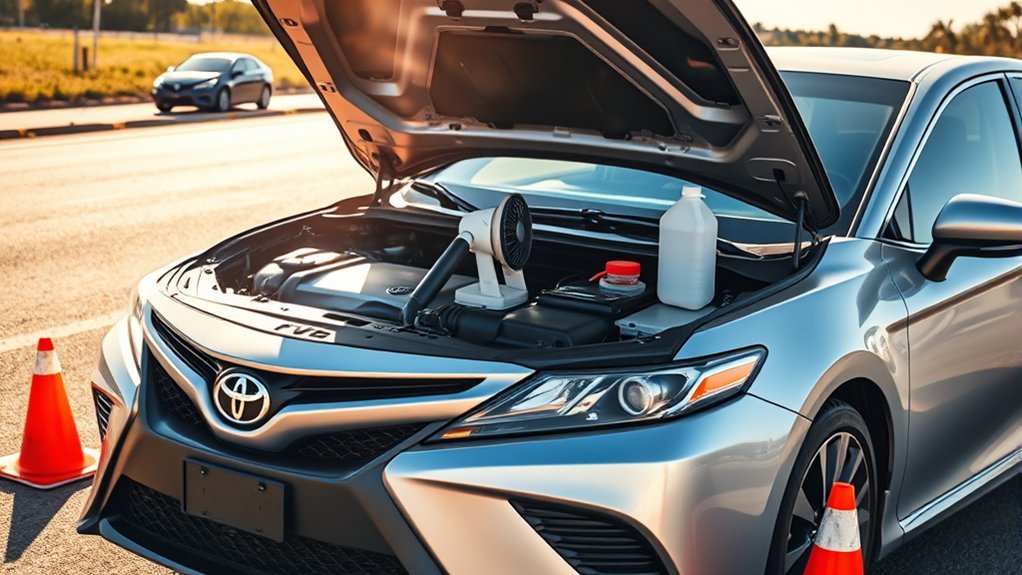
Keep an emergency kit and appropriate fluids; know compatible coolant types for your Camry before adding any. Always carry bottled water for hydration and temporary topping off if you’re out of approved coolant.
- Bottle of water, basic tools, snacks for delay.
- Flashlight, gloves, and a lightweight rag for hot components.
- Small container of approved coolant and funnel; know correct coolant types.
Act decisively, prioritize safety, and use your kit to regain control without unnecessary risk.
When to See a Toyota Technician (Long Island Guidance)
When should you take your Camry to a Toyota technician on Long Island? If your Camry frequently overheats despite proper coolant levels, seek professional diagnosis to identify underlying overheating causes rather than guessing. Visit a Toyota service center when the temperature gauge fluctuates during normal driving, when the needle repeatedly approaches or enters the red zone, or when you must top off coolant regularly due to persistent leaks.
A qualified technician will perform pressure tests, inspect the cooling system, thermostat, water pump, radiator, hoses, and engine sensors. Confirm technician qualifications — Toyota-trained, ASE-certified, with documented experience on Camry models — so repairs target root causes and protect engine integrity. Regular dealership service checks spot early signs and prevent escalation, preserving your freedom to travel without breakdowns. On Long Island, prioritize scheduled diagnostics over temporary measures; get precise fault codes and a written action plan before approving repairs.
Temporary Fixes and Recommended Products : What Helps and What to Avoid
If a technician visit isn’t immediately available, you’ll need practical temporary measures and reliable products to keep a Camry running safely until proper repairs are made. You’ll focus on temporary fixes that buy time without causing long-term damage: check the coolant reservoir and top off with a 50/50 mix of water and proper coolant, monitor the temperature gauge, and avoid driving if it nears the red zone. Use proven additives like Rislone Hy-per Cool Super Coolant to reduce operating temperature; it can lower temps up to 30°F and reduce overheating risk. Don’t substitute plain water or one-off sealants that mask symptoms and promote corrosion.
- Top off with a 50/50 coolant/water mix; monitor levels and gauge closely.
- Use Rislone Hy-per Cool Super Coolant for short-term temperature reduction.
- Inspect A/C function; a failing A/C can increase engine load and heat.
These steps free you from immediate danger while you secure permanent repair.
Frequently Asked Questions
How to Stop a Car Overheating in Hot Weather?
Check cooling system immediately: top coolant, inspect radiator maintenance for leaks, flush old fluid, tighten hoses, monitor tire pressure, limit A/C and idling, and drive assertively so you’ll reclaim control and prevent heat-induced breakdowns.
How to Stop Overheating in Hot Weather?
A neighbor fixed a failing radiator fan and regained freedom from breakdowns; you’ll prevent overheating by prioritizing cooling systems maintenance, doing regular thermostat checks, inspecting hoses, limiting A/C under extreme heat, and scheduling routine diagnostics.
Why Does My Toyota Camry Keep Overheating?
Your Camry’s overheating is likely from cooling system faults: radiator issues, thermostat failure, low fluid levels, or fan/electrical problems causing engine strain; inspect leaks, radiator flow, thermostat operation, and coolant circulation immediately.
Why Does My Car Act up When It’s Hot Outside?
Like a marathoner slowing in a furnace, your car struggles when it’s hot because heat management falters and engine performance drops; check coolant, hoses, belts, AC, and fuel system so you can reclaim driving freedom.
Conclusion
If your Camry overheats in summer, act fast: pull over, shut the engine, and let it cool. Coincidentally, the same corner you turn to avoid traffic is often where you’ll find a safe spot to check coolant, fans, and hoses. Don’t open the radiator cap hot—use gloves and a rag—bleed air pockets, inspect the thermostat, and look for leaks or a failing water pump. If unsure, get Toyota tech help immediately.