
By Daxon Steele · Last updated: July 31, 2026
Editorial scope: This guide explains the general U.S.-market Toyota Camry immobilizer and Smart Key principles. Indicator behavior, battery type, messages, key-registration limits, and service procedures vary by model year, trim, and key system. Check the owner’s manual and repair information for your exact Camry before ordering a key or authorizing programming.
What’s in This Article
- What Is the Toyota Camry Immobilizer System?
- How Does the Toyota Camry Immobilizer Work?
- What Does the Camry Security Light Mean?
- Does the Toyota Camry Immobilizer Prevent Theft?
- How Do You Check a Camry Immobilizer Problem?
- When Should You Call a Dealer or Locksmith?
- What Should You Know Before Replacing a Camry Key?
- How Do You Maintain a Toyota Camry Key Fob?
- What Should You Do Next?
- Frequently Asked Questions
- Sources
The Toyota Camry immobilizer system checks the electronic identity of a registered transponder key or Smart Key before it authorizes the engine or hybrid system to start. A flashing security light while the vehicle is parked is usually normal. A no-start condition can instead come from an unrecognized key, weak Smart Key battery, signal interference, low 12-volt battery, damaged key, or a vehicle-side fault.
Quick Answer
If your Camry will not start, first confirm the vehicle is in Park, the brake pedal is pressed, and the 12-volt battery can power the dash normally. Move other chip keys and metal objects away, try a known registered spare, and use the owner-manual emergency Smart Key method if the fob battery is weak. Do not pay for an immobilizer reset until those checks separate a key problem from a vehicle-power or starting-system problem.
Key Takeaways
- A key can unlock the door yet fail to start the vehicle if its transponder is missing, incompatible, damaged, or unregistered.
- A security indicator that flashes after shutdown normally shows that the immobilizer is set.
- Remote-button programming and immobilizer registration are separate jobs on many Camry key systems.
- A basic OBD-II reader may not access immobilizer or Smart Key data; security-capable Toyota diagnostic equipment may be required.
- All-keys-lost work should be handled by a Toyota dealer or qualified automotive locksmith with proof-of-ownership and model-specific tools.
| What You See | What It Usually Points To | Best First Check |
|---|---|---|
| Security light flashes only while parked | Normal armed immobilizer status on many models | No repair unless the vehicle also has a start problem |
| Smart Key not detected | Weak fob battery, interference, disabled setting, damaged fob, or receiver fault | Use the emergency recognition method and try the spare key |
| Dash is dim or resets during starting | Weak 12-volt vehicle battery or poor connection | Test vehicle-battery voltage and connections |
| Remote locks work, but engine will not start | Remote transmitter works, but transponder registration may not | Try a known registered key and verify key compatibility |
| No registered key works | Vehicle power, antenna, wiring, control-unit, or immobilizer fault | Use model-specific professional diagnosis |
What Is the Toyota Camry Immobilizer System?
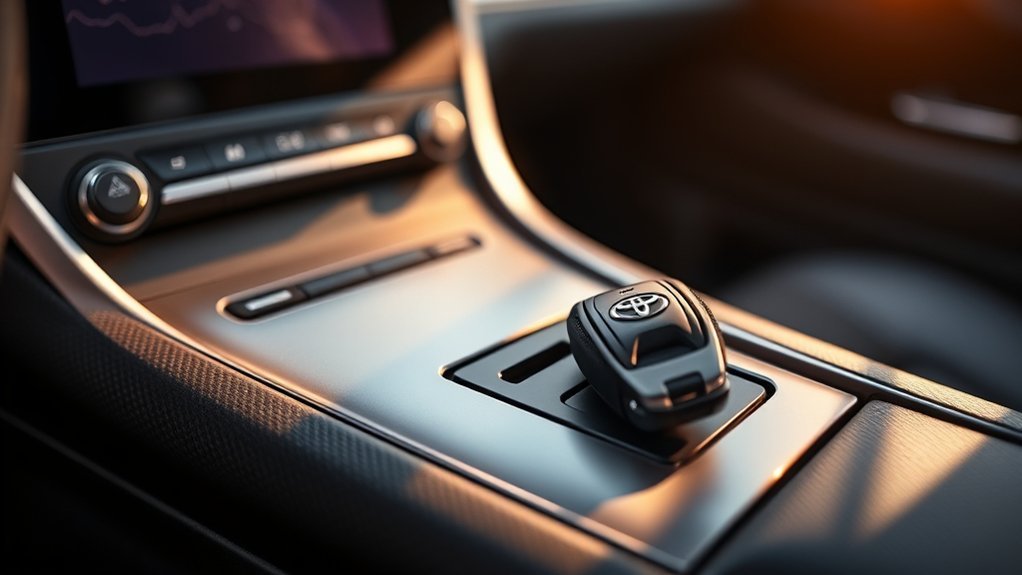
The Toyota Camry immobilizer is a passive theft-deterrent system. A transponder inside the registered key or Smart Key sends an identification code to the vehicle. The vehicle compares that code with stored key data before it authorizes starting.
The immobilizer is not the same as the door-lock remote. On many key designs, the remote transmitter handles lock, unlock, trunk, and panic functions, while the transponder authorizes engine starting. That is why a key may operate the doors but still fail the start check.
Toyota’s owner-manual guidance says the system helps prevent theft but does not guarantee protection against every theft method. Lock the vehicle, remove the key, keep spare keys secure, and use other theft-deterrent practices where appropriate. Review the Toyota Camry owner-manual library for the exact wording and procedures for your model year.
How Does the Toyota Camry Immobilizer Work?
When you insert a registered transponder key or attempt to start a Smart Key-equipped Camry, the vehicle reads the key’s electronic identity. If the stored and received codes match, the vehicle authorizes the engine or hybrid system to start. If they do not match, the start request remains blocked.
A failed recognition check does not automatically mean the immobilizer control unit is bad. Common causes include an unregistered replacement key, a damaged transponder, a weak Smart Key battery, radio-frequency interference, another transponder key touching the active key, a metal object against the key grip, low 12-volt power, or a vehicle-side communication fault.
Important distinction: Replacing a fob battery restores transmitter power; it does not register a new transponder or Smart Key to the vehicle.
For push-button models with a depleted electronic-key battery, many Camry owner manuals direct the driver to press the brake, touch the Toyota-emblem side of the electronic key to the engine switch, wait for detection, and then press the switch. Follow the exact emergency-start sequence in your own manual because the procedure can vary.
What Does the Camry Security Light Mean?
On many Camry models, a flashing security indicator after the key is removed or the engine switch is turned off is normal. It shows that the immobilizer is active. The indicator normally stops flashing when the vehicle recognizes a registered key and enters the proper ignition mode.
The light becomes diagnostically useful when its behavior changes during a start attempt. If it keeps indicating an active security condition while you use a known registered key, try the spare key and remove other chip keys or metal objects from the immediate area. If both registered keys fail, check vehicle-battery power before assuming the immobilizer needs replacement.
Indicator icons and flash patterns differ across Camry generations. Use the exact owner’s manual rather than treating one internet “reset” sequence as universal.
Does the Toyota Camry Immobilizer Prevent Theft?
The immobilizer makes a simple metal key copy or forced ignition attempt less useful because the vehicle also requires a recognized electronic identity. It raises the effort needed to start the vehicle without an authorized key, but it does not prevent every form of theft, towing, key theft, relay attack, or electronic attack.
NHTSA describes immobilizing devices as systems that make ignition bypass or hot-wiring more difficult. Its current theft-prevention page reports that more than 650,000 vehicles were stolen in the United States in 2025, or about one every 48 seconds. NHTSA still recommends taking the key, locking windows and doors, hiding valuables, and parking in well-lit areas. See NHTSA vehicle theft prevention guidance.
What the Immobilizer Does Well
- Checks an electronic key identity instead of relying only on the cut metal blade.
- Works automatically in the background on equipped vehicles.
- Helps block starting when an unauthorized or unregistered key is used.
- Lets a technician remove lost or stolen Smart Keys from supported vehicle systems.
What It Does Not Replace
- Locking the doors and taking every key with you.
- Keeping spare keys and proof-of-ownership documents secure.
- Using a visible steering-wheel lock or other layered deterrent where theft risk is high.
- Reporting a lost key promptly when you want it removed from vehicle memory.
How Do You Check a Camry Immobilizer Problem?
Do not start by buying a key or replacing an immobilizer module. Use the checks below to separate a key-recognition problem from a weak vehicle battery, starter problem, or other no-start condition.
- Confirm normal start conditions. Put the transmission in Park, press the brake firmly on push-button models, and make sure the steering lock is not binding.
- Check 12-volt power. Dim lights, clicking, resetting displays, or weak accessories point toward the vehicle battery or its connections rather than the key alone.
- Move possible interference away. Separate the active key from other transponder keys, large metal objects, and strong electronic devices.
- Try a known registered spare. A working spare strongly points to a problem with the main key or fob. If neither key works, the fault may be vehicle-side.
- Use the emergency Smart Key method. Follow the exact owner-manual procedure for a weak electronic-key battery.
- Replace the fob battery only with the correct type. Match the number and polarity shown on the removed battery or in the exact manual. Do not assume every Camry fob uses the same coin cell.
- Read the security indicator and messages. Record the exact icon, message, and behavior before disconnecting power or clearing codes.
- Escalate only after the basic checks. A Toyota dealer or qualified automotive locksmith can test key registration, antennas, wiring, control units, and immobilizer communication.
Avoid generic reset videos: Door cycles, ignition cycles, battery disconnects, and “leave the key on for 10 minutes” instructions are not universal Camry immobilizer procedures. The wrong sequence can waste time, erase settings, or distract from a low 12-volt battery or incompatible key.
For a focused push-button diagnosis, see Camry Smart Key Not Detected: Causes and Fixes. For remote lock/unlock programming on eligible older systems, see Toyota Camry key fob programming. Remote-button programming does not register an immobilizer transponder.
[Products Worth Considering]
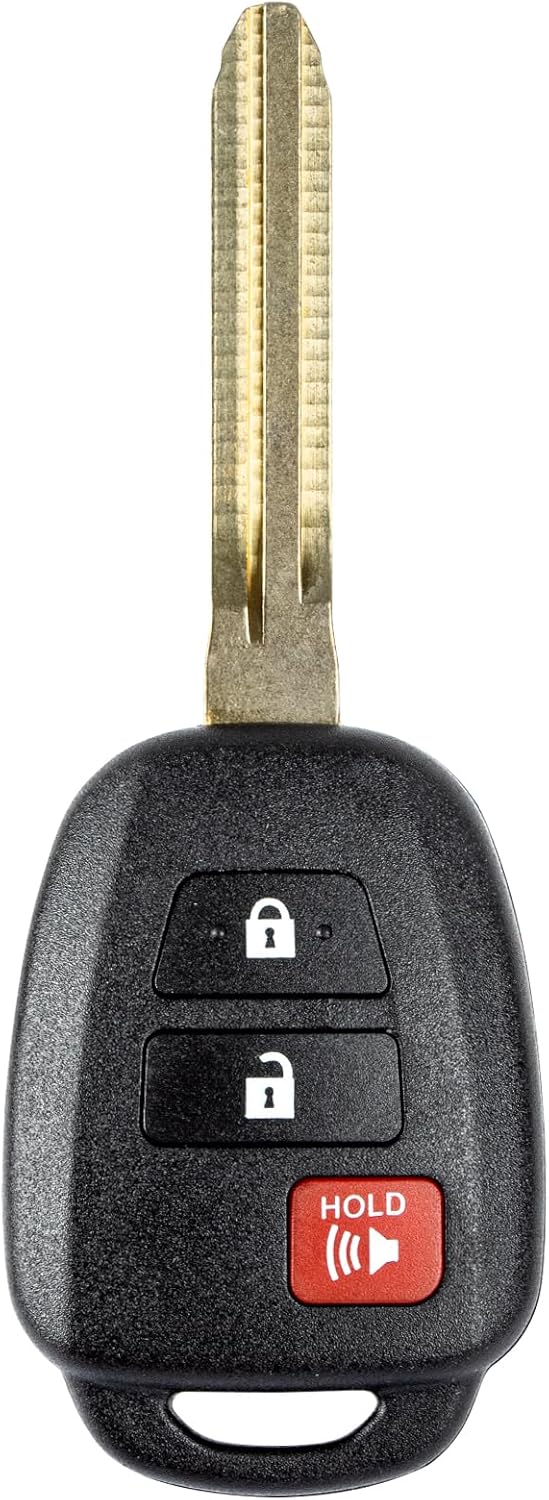
This replacement key fob is designed for select Toyota models and provides reliable keyless entry functionality with a factory-like fit and operation. It comes pre-tested with electronics and battery installed, making it a convenient solution when your original remote is lost, damaged, or worn out. Professional programming and cutting are required, and compatibility should be confirmed against the original remote and vehicle fitment details.

This keyless entry remote replacement is designed for a wide range of Toyota, Scion, and Lexus-compatible vehicles, offering a convenient way to restore remote locking and unlocking functions. Each fob is pre-tested, comes with the battery and electronics already installed, and is ready to be programmed for supported standard-key vehicles. It is a practical replacement choice for drivers who need a reliable, compatible remote for everyday use.
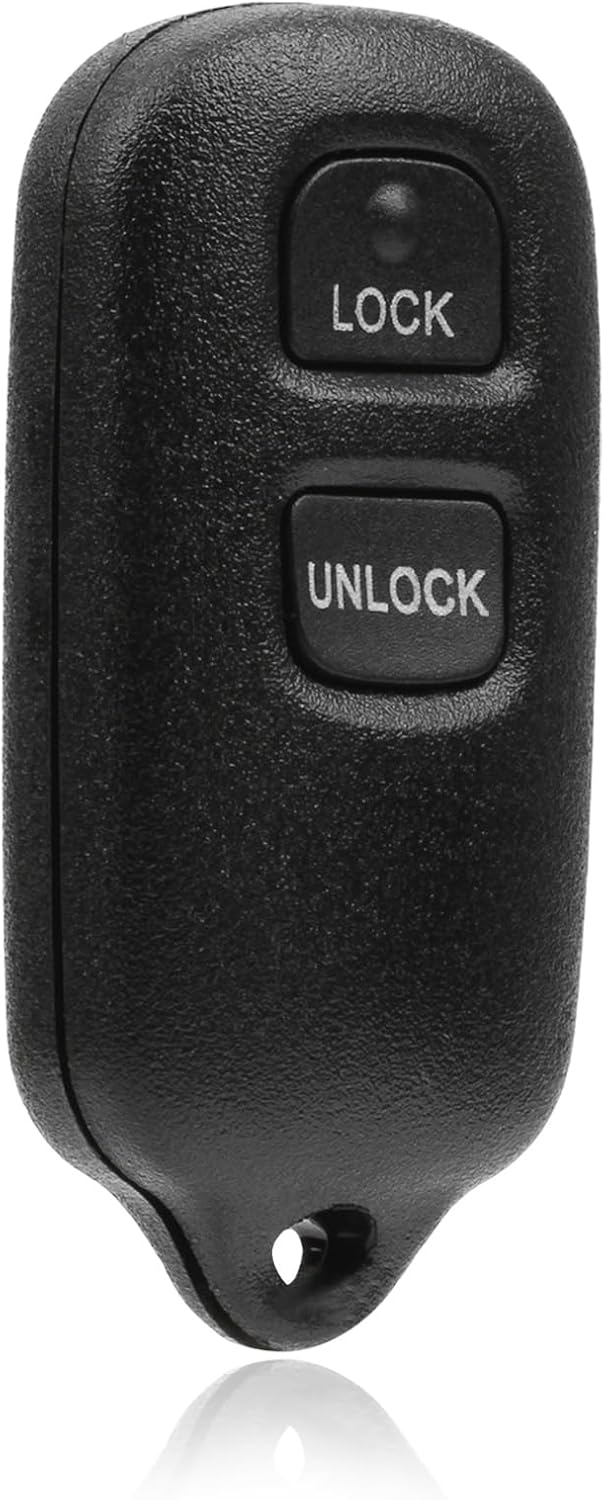
This USARemote key fob replacement provides convenient keyless entry for a wide range of Toyota and Scion vehicles. It is programmable, ready to use, and designed to help restore remote locking and unlocking functionality for compatible models. The compact black remote offers dependable everyday use for drivers needing a simple replacement solution.
When Should You Call a Dealer or Locksmith?
Get professional help when all registered keys are lost, a lost or stolen key must be removed, no known registered key works, the security indicator remains abnormal with good vehicle power, or the key and vehicle need registration after control-unit replacement.
Toyota service bulletin T-SB-0013-24 Rev1 covers Smart Key immobilizer reset and key-management procedures for specific vehicles, including 2023-2025 Camry and Camry Hybrid models. It requires Toyota service systems, security authorization, and compatible diagnostic equipment. Older Camry model years can use different procedures, so the bulletin should not be treated as a universal Camry reset guide.
A basic OBD-II code reader may read powertrain faults but may not access immobilizer, certification ECU, or Smart Key registration data. The technician needs Toyota-compatible, security-capable diagnostic equipment and the model-specific repair procedure.
Warning: Do not bypass, remove, or defeat the immobilizer. Bypass attempts can reduce theft protection, create electrical faults, and make later diagnosis harder.
[Products Worth Considering]

This keyless entry remote replacement is designed for select Toyota models and comes pre-tested with battery and electronics installed for ready-to-program convenience. It supports compatible part numbers and FCC IDs, making it a practical solution for replacing a lost or damaged fob. Programming and cutting by a qualified locksmith or dealership are required, and it is intended for regular key vehicles rather than push-start systems.

This replacement key fob set is designed for select Toyota RAV4 and XB models with regular key systems, offering lock, unlock, and panic functions in a convenient two-pack. Each remote comes pre-tested with battery and electronics installed, and it must be cut and programmed by a qualified dealer or locksmith for proper use. Built from durable materials and backed by warranty support, it provides a reliable solution when replacing worn or missing remotes.

Compatibility: Compatible with 2009 - 2019 Toyota. FCC ID: HYQ14ACX; PN: 89904-35010; Board: 271451-5290; Frequency: 315MHz
What Should You Know Before Replacing a Camry Key?
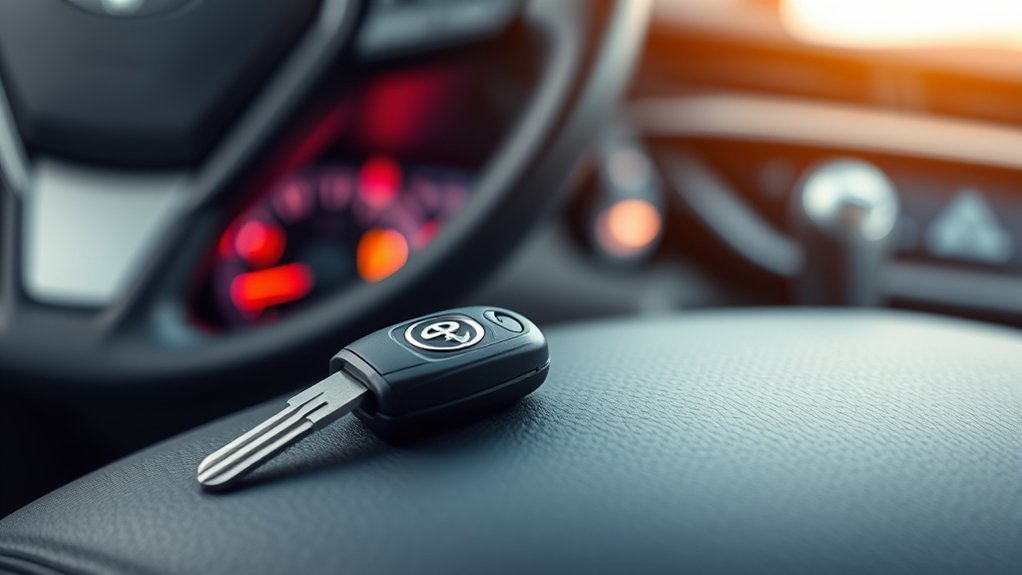
A replacement Toyota Camry key may involve three separate requirements: a correctly cut mechanical blade, a compatible remote transmitter, and a transponder or Smart Key identity registered to the vehicle. Not every key uses all three in the same way.
Before buying a replacement, verify the model year, trim, market, ignition type, Toyota part number or FCC identifier where applicable, button layout, and whether the key is new, used, or previously registered. A key that looks identical can still be electronically incompatible.
Ask the dealer or locksmith these questions before authorizing work:
- Does this exact key match my VIN and key system?
- Will the job cut the blade, program the remote buttons, register the immobilizer, or all three?
- Will any existing keys be erased or permanently removed?
- Do I need to bring every working key?
- What proof of ownership and identification are required?
- Will the new key be tested for door, trunk, panic, and engine-start functions?
Key cost varies widely by model year, key type, region, and provider. Compare a written dealer quote with a qualified automotive-locksmith quote, but do not choose a key only because its shell and buttons look correct.
[Products Worth Considering]

【Replacement】For FCC ID:HYQ12BBY; P/N:89070-06232, 1511A-12BBY, 4D-67; Frequency:315 MHz; Please Make Sure That Your Original Remote Has the Same Buttons on it

Replacement: For keyless entry remote Car key FCC ID: HYQ12BDM, Part Numbers:89070-06420; Chip:4D72 G CHIP
How Do You Maintain a Toyota Camry Key Fob?
Replace the electronic-key battery when remote range drops, response becomes intermittent, or the vehicle displays a low-key-battery warning. Toyota does not use one universal battery type or replacement interval across every Camry key design, so confirm the cell number and polarity before installation.
Keep the fob dry and protect it from hard impacts. A cracked case can admit moisture, a bent contact can interrupt battery power, and a worn button pad can make the remote appear dead even when the transponder still starts the vehicle.
Battery and Spare-Key Checks
| Action | When to Do It | What It Confirms |
|---|---|---|
| Check remote range | When response becomes shorter or intermittent | Whether the fob battery or transmitter may be weakening |
| Replace the coin cell | After a low-battery warning or weak remote response | Rules out low transmitter power |
| Test the spare key | Periodically and before a long trip | Separates a main-key fault from a vehicle fault |
| Inspect the case and contacts | After impact, moisture exposure, or a battery change | Finds physical damage or poor battery contact |
Cleaning Your Key Fob
Wipe the outside with a soft, lightly damp cloth. Do not soak the fob or spray cleaner into the buttons. If the case is opened for a battery change, remove loose debris carefully and let every part dry before reassembly.
If you see significant corrosion, a swollen battery, cracked electronics, or liquid damage, stop using the fob and have it inspected. Keep coin-cell batteries away from children and pets.
What Should You Do Next?
If the security light flashes only while your Camry is parked and the vehicle starts normally, the immobilizer is probably operating as designed. If the vehicle will not start, check Park, brake input, 12-volt power, interference, the spare key, and the emergency Smart Key method before paying for programming.
Use a Toyota dealer or qualified automotive locksmith when every registered key is lost, a stolen key must be removed, both keys fail, or security-capable diagnosis is required. Bring proof of ownership, your VIN, and every working key so the provider can choose the correct procedure and test the complete result.
Frequently Asked Questions
Is a flashing Toyota Camry security light normal?
It is usually normal when the Camry is off and parked. On many models, the flashing indicator shows that the immobilizer is set. Investigate when the light remains abnormal during a start attempt, the vehicle shows a key warning, or a known registered key does not work.
Can I disable the immobilizer system temporarily?
You should not disable or bypass it. Diagnose the key, fob battery, 12-volt battery, interference, and vehicle-side system instead. A Toyota dealer or qualified automotive locksmith can perform authorized key or immobilizer work when needed.
How often should I replace my Toyota Camry key fob battery?
There is no single replacement interval for every Camry fob. Replace the battery when range drops, response becomes intermittent, or the vehicle gives a low-key-battery warning. Match the exact battery number and polarity shown in the fob or owner’s manual.
Will a dead key fob battery affect the immobilizer?
A depleted Smart Key battery can prevent normal wireless detection on a push-button model. Many Camry owner manuals provide a temporary close-range recognition method using the electronic key near the engine switch. A keyed-ignition transponder may still authorize starting even when its remote buttons do not work.
Can I use a non-Toyota key with the immobilizer?
A compatible aftermarket key may work when its blade, electronics, frequency, transponder, and programming match the exact Camry system. A random copy may unlock a door but fail to start the vehicle. Confirm compatibility with the provider who will cut and register it before purchase.
Can I reset the Toyota Camry immobilizer myself?
Do not assume a generic DIY reset applies. Some older remote-control systems allow owner programming for lock and unlock buttons, but that is not the same as immobilizer or Smart Key registration. All-keys-lost and security-reset procedures normally require model-specific service tools, authorization, and proof of ownership.
Sources
- Toyota Manuals and Warranties: 2023 Camry — owner-manual access and model-specific operating guidance.
- NHTSA Vehicle Theft Prevention — current theft statistics, immobilizing-device explanation, and prevention advice.
- NHTSA Vehicle Theft Prevention Month guidance — 2024 theft total and prevention recommendations.
- Toyota T-SB-0013-24 Rev1 mirror — 2023-2025 Camry applicability and authorized Smart Key immobilizer reset/key-management procedures.



[…] involve the smart key antenna, receiver, related wiring, control system, or key registration. The Camry immobilizer system can also block starting when the vehicle cannot confirm a registered […]
[…] Next, scan for diagnostic trouble codes before clearing anything. Codes such as P0335 or P0339 point toward the crankshaft position sensor circuit, while B2799 changes the test path toward the immobilizer. Misfire, cam/crank correlation, and fuel-trim codes can also change the test order. If the scan tool will not power up or communicate, verify the data-link connector and ECM power feeds before focusing on the pump. See the site’s Toyota Camry OBD-II port and communication guide for that branch. For immobilizer and key-recognition symptoms like B2799, use the Camry immobilizer diagnosis guide. […]