
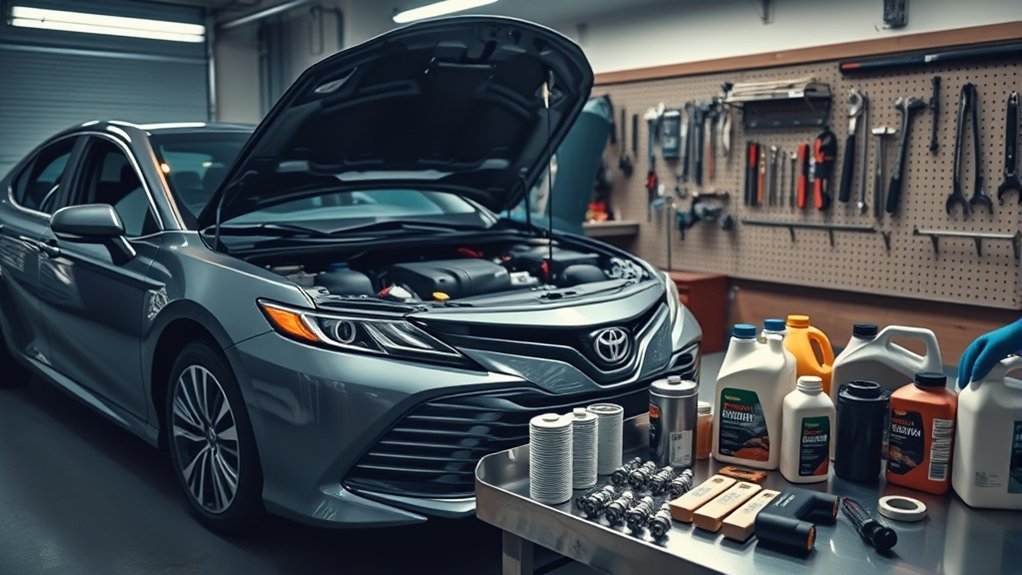
Last updated: July 23, 2026. This guide was checked against Toyota’s 2024 and 2025 Camry Warranty & Maintenance Guides and Toyota’s current 2026 Camry model information.
By Automotive Editorial Team | Technical review referenced from Toyota Motor Sales, U.S.A. Publications T-MMS-24Camry and T-MMS-25Camry. [VERIFY: Add specific author credentials/byline]
A Toyota Camry severe-driving maintenance schedule is model-year specific. Toyota recommends scheduled maintenance every 5,000 miles or 6 months, but the extra work depends on the special operating conditions listed in your exact Warranty & Maintenance Guide. For example, the 2024 guide can move oil and filter service to 5,000-mile intervals for dusty-road use, permitted heavy loading or towing, repeated short freezing trips, and extensive idling or low-speed commercial use. The 2025 guide uses a different severe-use chart, so do not apply the earlier checklist automatically.
Quick Answer
The Toyota Camry severe-driving maintenance schedule maintains a base check every 5,000 miles or 6 months, but shortens engine oil and filter replacement from 10,000 miles to 5,000 miles only when operating under factory-defined special conditions. In 2024 models, qualifying conditions include dusty roads, heavy loads/towing, sub-freezing short trips, and commercial idling. In 2025–2026 hybrid models, the 5,000-mile oil interval applies primarily to dirt, dust, mud, or melted-snow roads. Drivetrain fluid replacements (such as transmission and rear differential fluid) occur at 60,000-mile severe intervals where specified.
Key Takeaways
- Toyota’s additional severe-use services apply when the majority of your driving falls under a listed special operating condition, not when the condition occurs occasionally.
- A standard 5,000-mile/6-month visit includes tire rotation, fluid checks, wiper inspection, and brake inspection. Extra oil, filter, fastener, or drivetrain-fluid work depends on the model-year chart.
- Do not use one universal Camry schedule. The 2024 gasoline (2.5L, 3.5L V6), hybrid, and mechanical AWD schedules differ from the all-hybrid, electronic-AWD 2025–2026 Camry schedule.
- Toyota specifies “inspect” or “replace” procedures with genuine fluids (such as Toyota Genuine ATF WS or TGMO 0W-16 / 0W-8). Avoid unauthorized chemical power flushes.
- To maintain factory powertrain warranty protection under severe driving schedules, retain itemized receipts showing mileage, dates, and API SP / ILSAC GF-6A fluid specifications.
At a Glance
| Best For | Camry owners whose primary driving matches special operating conditions in their official Warranty & Maintenance Guide |
| Base Check Interval | Every 5,000 miles or 6 months, whichever comes first |
| Normal Oil Pattern | 10,000 miles or 12 months using Toyota Genuine synthetic oil |
| Severe Oil Pattern | 5,000 miles or 6 months (only when qualifying conditions apply) |
| Main Requirement | Match VIN, powertrain (Gas, V6, or Hybrid), and drivetrain (FWD or AWD) before authorizing extra service |
| Estimated Cost | $80–$140 for 5k oil/tire visits; $250–$600+ for 30k/60k severe milestone inspections and fluid renewals |
When Should You Use the Toyota Camry Severe-Driving Schedule?

Use the Toyota Camry severe-driving schedule when most of your driving matches a special operating condition listed in the Toyota Warranty & Maintenance Guide for your model year. Toyota says the additional services are not necessary when you encounter those conditions only occasionally.
The exact categories changed between the 2024 and 2025 guides. This distinction matters because an operating condition that shortens the oil interval on one model year may not appear in the next model year’s severe-use chart.
| Guide | Conditions That Can Add 5,000-Mile Oil Service | Other Important Severe-Use Items |
|---|---|---|
| 2024 Camry | Driving primarily on dirt or dusty roads; permitted towing, car-top-carrier use, or heavy vehicle loading; repeated trips under five miles below 32°F/0°C; or extensive idling/low-speed long-distance use such as taxi, police, or delivery operation. | At 60,000 miles, towing/heavy loading adds automatic transmission fluid, rear differential oil, and transfer case oil replacement where applicable. Extensive idling/low-speed use adds automatic transmission fluid replacement. |
| 2025 Camry | Driving primarily on dirt, dusty, muddy, or melted-snow roads. | Towing, car-top-carrier use, or heavy loading adds chassis/body fastener retightening and, at 60,000 miles, automatic transaxle fluid replacement plus rear differential carrier oil replacement on electronic-AWD models. |
| 2026 Camry | Driving primarily on dirt, dusty, muddy, or melted-snow roads (continues 9th-generation all-hybrid platform specifications). | Always verify the exact maintenance chart through Toyota Owners using the vehicle’s model year and 17-digit VIN. |
Important Distinction: “Stop-and-go traffic” during a typical suburban commute is considered normal operation by Toyota. It does not automatically mandate 5,000-mile oil changes unless it involves commercial low-speed stop-and-start delivery or extensive patrol idling as defined in the specific guide.
How Do You Verify the Correct Camry Maintenance Guide?
Before booking service, confirm the Camry’s model year, powertrain, and drivetrain. A schedule for a 2024 Camry with a 3.5L V6 is not interchangeable with the schedule for a 2025 or 2026 hybrid Camry. Look up the official guide for the vehicle through Toyota Owners manuals and warranties.
| Camry Type | Key Technical Differences |
|---|---|
| 2024 Gas & Hybrid Models | Lineup included 2.5L four-cylinder (A25A-FKS), 3.5L V6 (2GR-FKS), hybrid (A25A-FXS), FWD, and mechanical AWD. Spark plug intervals vary (60k on V6 vs. 120k on 4-cylinder), and mechanical AWD models require transfer-case and rear-differential fluid inspections. |
| 2025 Hybrid Models | Exclusively features the 5th-generation Toyota Hybrid System (THS 5). Includes HV battery cooling intake filter maintenance, dual inverter and engine coolant circuits, and electronic on-demand AWD (e-Four) with an isolated electric rear drive unit. |
| 2026 Hybrid Models | Maintains the all-hybrid powertrain architecture. Follow the 2026 Warranty & Maintenance Guide to confirm exact factory inspection schedules and parts numbers. |
For the broader normal-service timeline, see the Toyota Camry maintenance schedule by mileage. This guide focuses on the additional work triggered by special operating conditions.
What Changes Between Standard and Severe-Driving Service?
The base Camry maintenance rhythm remains every 5,000 miles or 6 months. Severe use does not replace the normal schedule; it advances or adds specific inspection and fluid replacement items assigned to that condition in the model-year guide.
| Service Item | Normal Operating Pattern | Severe-Use Service Change |
|---|---|---|
| Engine Oil & Filter | Every 10,000 miles or 12 months (TGMO 0W-16 or 0W-8 synthetic) | Advanced to every 5,000 miles or 6 months under qualifying severe operating conditions |
| Tire Rotation & Wear | Rotate every 5,000 miles or 6 months | Same 5,000-mile cadence, with mandatory cold-inflation and tread-depth checks under heavy loads |
| Engine & Cabin Air Filters | Replace every 30,000 miles or 36 months | Inspect every 5,000 to 15,000 miles on dirt/dusty roads; replace when restricted |
| Transmission / eCVT Fluid | Inspect for leakage at scheduled visits; lifetime nominal fill | Replace at 60,000 miles or 72 months under permitted towing, heavy loading, or commercial delivery |
| AWD Differential & Transfer Fluids | Inspect at 30,000-mile checkpoints | Replace rear differential (and transfer case on mechanical AWD) oil at 60,000 miles under severe load |
| Chassis & Body Fasteners | Inspect if road noise or looseness develops | Re-torque chassis, drive shaft, and suspension fasteners every 5,000 miles during heavy towing/roof carrier use |
[Products Worth Considering]

This Toyota replaceable air filter element is designed to help keep your engine intake clean by effectively removing contaminants. Built for reliable fit and routine maintenance, it supports cleaner airflow and helps protect engine performance over time. It is a practical replacement part for drivers looking to maintain proper filtration in compatible Toyota vehicles.

This coolant electric water pump is designed as a replacement for select Toyota vehicles, helping maintain proper engine cooling performance and reliable temperature control. Built to OE specifications, it offers fitment support for compatible Avalon, Camry, and RAV4 models with 2.5L L4 engines. It also includes cross-reference part numbers for easier matching and comes with after-sales support for covered defects.
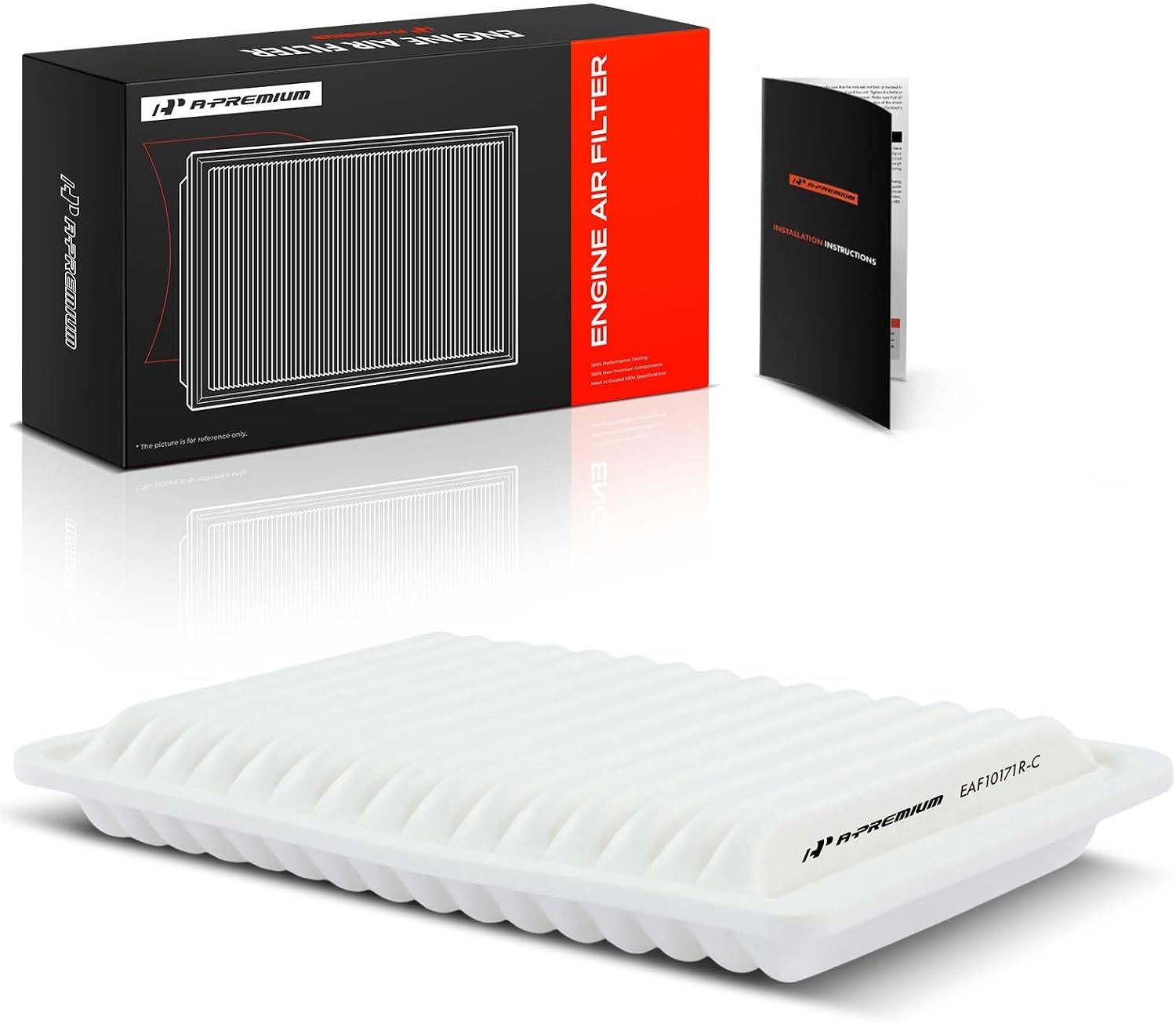
This A-Premium engine air filter is designed to help Toyota Camry and Venza models maintain cleaner airflow and stronger engine performance. Its fine filtration media captures debris while keeping air moving efficiently, and the rectangular, front-mounted design offers a direct replacement fit for select vehicles. Replace it regularly to support engine efficiency and cleaner intake air.
What Is Due Every 5,000 Miles or 6 Months?
At every 5,000-mile or 6-month visit, Toyota’s Camry guides prescribe foundational maintenance checks regardless of operating severity:
Severe Maintenance Rule: Severe use does not mean purchasing an arbitrary dealer service bundle. It requires adding only the specific factory-mandated inspections, oil renewals, or fastener checks assigned to your operating condition.
- Fluid Level Inspection: Check and adjust engine oil, engine coolant, inverter coolant (hybrid), brake fluid, and washer fluid.
- Tire Inspection & Rotation: Rotate tires front-to-rear/cross-pattern and measure cold pressure (refer to the driver-door B-pillar placard), tread wear patterns, and sidewalk damage.
- Brake System Visual Check: Inspect brake pads, rotors, calipers, and parking brake mechanism for excessive or uneven lining wear.
- Driver Floor Mat: Verify proper installation and retention clip engagement.
- Severe Condition Additions (Dust/Dirt): Inspect engine air filter element, ball joint dust covers, steering linkage boots, and drive shaft boots.
- Severe Condition Additions (Heavy Loads/Towing): Re-torque propeller shaft bolts (2024 AWD) or drive shaft nuts/body bolts where specified.
Pro Tip: Keep a digital copy of your model-year Warranty & Maintenance Guide on your phone. Highlight your exact operating condition before speaking to the service advisor to prevent unnecessary upsells.
[Products Worth Considering]

KAX CA10171 premium engine air filter is designed as a direct replacement for select Toyota Camry and Venza models, helping maintain clean airflow to protect critical engine components. Its high-performance filter media delivers strong filtration efficiency and long service life for dependable everyday driving. With a precise rectangular fit and easy replacement design, it supports better acceleration, consistent performance, and improved fuel economy.

This replacement filter set is designed for a range of Toyota hybrid vehicles, including popular models like RAV4 Hybrid, Camry Hybrid, Highlander Hybrid, Sienna, Venza, and more. It combines cabin and engine filtration to help support cleaner airflow, reduce dust and odors, and protect your HVAC and engine systems. Built for easy installation and extended service life, it offers a convenient maintenance upgrade for compatible hybrid and gas-only Corolla models.

Castrol EDGE 0W-20 advanced full synthetic motor oil is engineered for drivers seeking strong wear protection, excellent viscosity control, and thermal stability. It delivers superior performance in critical engine areas, including fuel economy, high-temperature protection, sludge control, and wear defense. Designed for extended oil-change intervals, it helps keep modern engines running smoothly under demanding conditions.
What Changes at the 15,000-Mile Checkpoint?
The 15,000-mile (or 18-month) checkpoint is primarily a comprehensive inspection visit. Unless an operating condition dictates otherwise, routine items like spark plugs, coolant, and transmission fluid are not yet due for replacement.
- Suspension & Steering: Inspect ball joints, steering gear rack, linkage boots, and tie rod ends for looseness, excessive play, or grease leakage.
- Hydraulic Brake Lines: Check hard metal lines and flexible hoses for chafing, cracks, corrosion, and leaks.
- Drivetrain Boots: Inspect CV drive shaft boots and clamps for tears or grease expulsion.
- Cooling System: Inspect radiator, condenser, hybrid inverter cooler, and coolant hoses for debris blockage, corrosion, or leaks.
- Exhaust System: Inspect exhaust pipes, catalytic converters, heat shields, and hangers for leaks or loose mountings.
- Severe Dirt/Dust Addition: Inspect and clean the cabin air filter and engine air filter element; replace if airflow restriction is observed.
What Should Be Checked at 30,000 Miles?
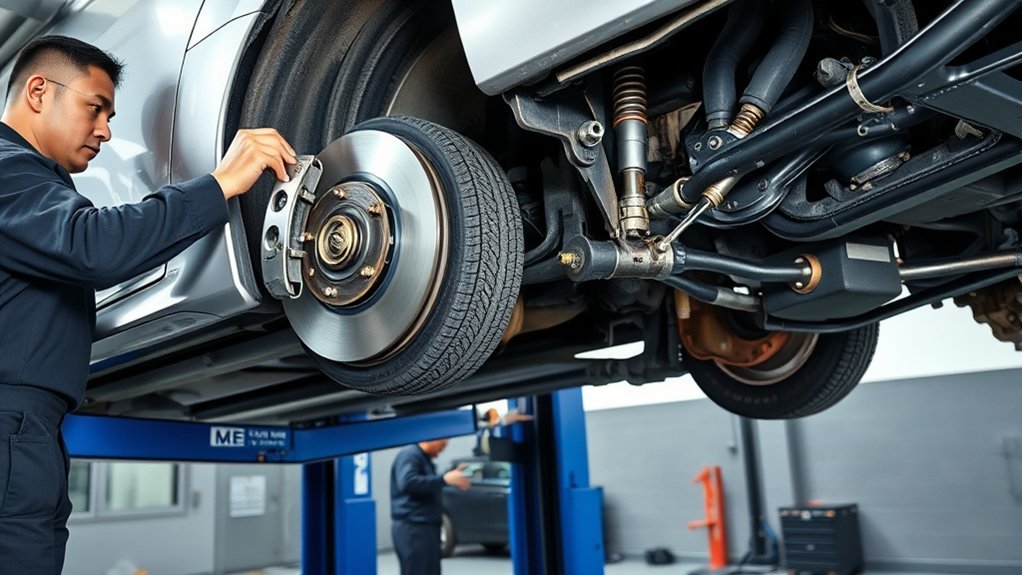
The 30,000-mile (or 36-month) visit combines routine consumables replacement with in-depth chassis diagnostics. Under normal conditions, this visit includes engine oil, engine oil filter, engine air filter, and cabin air filter replacements.
- Consumables Replacement: Replace engine oil, oil filter, engine air filter, and cabin pollen filter.
- Brake Hardware Diagnostics: Perform detailed inspection of front and rear brake pads, discs, lines, and caliper sliding pins.
- Fuel & Evaporative System: Inspect fuel lines, fuel tank vapor vent system hoses, and fuel tank cap gasket for deterioration.
- Transmission & Drivetrain: Inspect automatic transmission/eCVT cooler hoses and connections for seepage. Inspect AWD rear differential and transfer case oil levels.
- Severe Service Additions: Re-tighten drive shaft nuts and body/chassis mounting bolts on vehicles subjected to heavy cargo or roof-carrier operation.
Payload Warning: Do not assume a Camry is rated for heavy trailering. Check the vehicle tire and loading placard on the driver’s door jamb and the Owner’s Manual for the Gross Vehicle Weight Rating (GVWR) before towing or using maximum roof carrier capacity.
At 60,000 Miles: V6 Spark Plugs, Belt Inspection, and Severe-Use Drivetrain Fluids
The 60,000-mile (or 72-month) checkpoint is one of the most critical powertrain-specific milestones. Depending on whether your Camry is a 2024 V6, 2024 4-cylinder, or a 2025–2026 Hybrid, service requirements diverge significantly.
| Maintenance Item | Factory Requirement by Model & Severity |
|---|---|
| Spark Plugs | 2024 3.5L V6 (2GR-FKS): Replace at 60,000 miles. 2.5L 4-Cylinder & All Hybrids: Scheduled at 120,000 miles. |
| Drive Belts | Inspect accessory drive belt for rib cracking, wear, and automatic tensioner alignment (gas models only; hybrids lack conventional alternator/power steering belts). |
| Automatic Transmission / eCVT Fluid | Severe Driving Requirement: Replace transmission fluid (Toyota Genuine ATF WS for 8-speed automatic; Toyota Genuine eCVT fluid for hybrid transaxles) at 60,000 miles if used for towing, roof racks, heavy loading, or extensive low-speed commercial duty. |
| AWD Drivetrain Fluids | Severe Driving Requirement: Replace rear differential carrier oil (and transfer case oil on 2024 mechanical AWD) using Toyota Genuine Differential Gear Oil LT 75W-85 under severe loading. |
Always request a factory drain-and-fill procedure adhering to Toyota Service Information rather than authorizing an aftermarket chemical power flush, which can damage internal transaxle seals and valves.
[Products Worth Considering]

NGK Iridium IX spark plugs are designed to deliver a stable spark, reliable ignition, and long-lasting performance for compatible Toyota Camry 2.5L engines. The fine-wire iridium center electrode helps improve durability and efficient combustion, making these plugs a smart replacement choice for maintaining smooth engine operation. Sold in a convenient four-pack, they are built for consistent performance and dependable fitment.
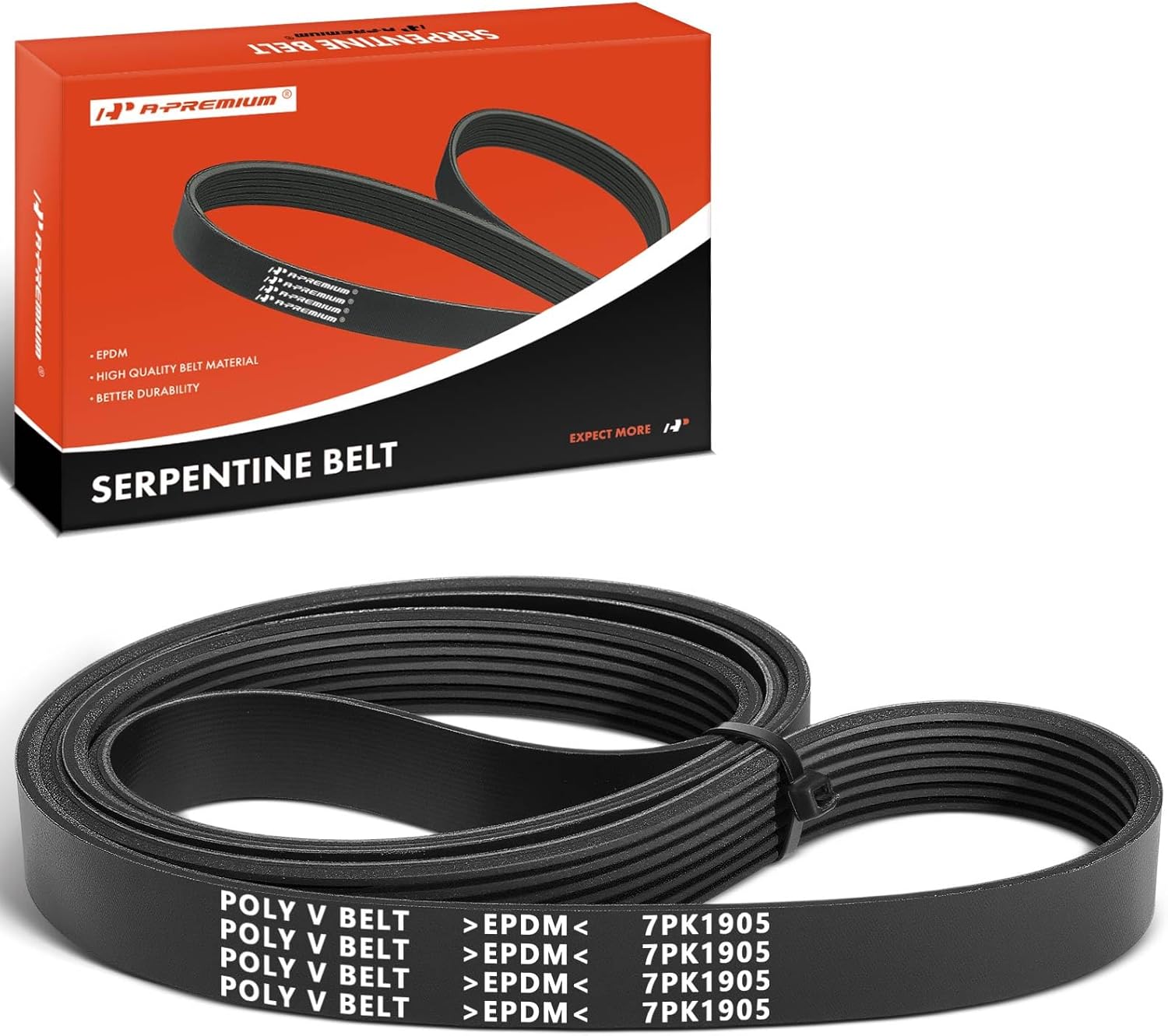
This A-Premium serpentine belt is engineered for select Toyota, Scion, and Pontiac vehicles with the L4 2.4L gas engine, delivering dependable air conditioning drive performance. Made with durable EPDM and precision dimensions, it helps resist cracking, reduce noise, and maintain stable tension for smooth operation. It's designed for straightforward installation and backed by a one-year unlimited-mileage guarantee for added confidence.

This cabin and engine air filter kit is designed for a wide range of compatible Toyota, Scion, and Pontiac models, helping improve airflow and keep your HVAC and engine systems cleaner. The activated carbon cabin filter helps reduce odors and trapped debris, while the engine air filter supports efficient performance with extended service life. It is easy to install and offers a convenient replacement solution for routine vehicle maintenance.
90,000+ Miles: Coolant, Spark Plugs, Vacuum Pump, and Hybrid Items
Beyond 90,000 miles, maintenance demands exact model-year compliance to avoid premature component failure.
Drive Belt Inspection & Replacement
On gasoline Camry models equipped with serpentine accessory belts, inspect the belt at 60,000 miles and every 15,000 miles thereafter. Technicians must inspect for rib separation, glazing, cracking exceeding 3 cracks per inch, edge fraying, and tensioner dampening resistance. Hybrid models utilize electric water pumps and air conditioning compressors, eliminating traditional serpentine belts.
Vacuum Pump & Brake Booster
On 2024 Camry models with the 2.5L A25A-FKS engine, inspect the brake booster vacuum pump at 120,000 miles. On 2024 3.5L V6 models, the vacuum pump requires replacement at 120,000 miles. Hybrid Camrys utilize an electronic brake booster and accumulator, which do not follow this mechanical pump schedule.
Coolant, Spark Plugs, and Hybrid System Care
Toyota Super Long Life Coolant (SLLC pink) requires initial engine/intercooler replacement at 100,000 miles or 120 months, followed by 50,000-mile or 60-month intervals. On hybrid models, the separate inverter/intercooler cooling circuit requires initial replacement at 150,000 miles or 180 months (repeating every 50,000 miles).
Iridium spark plugs on 2.5L gas and hybrid powertrains are replaced at 120,000 miles. In addition, 2025–2026 Camry hybrids require periodic visual inspection and lint/dust cleaning of the high-voltage (HV) battery cooling intake filter located near the rear passenger seating area.
High-Voltage Safety Notice: Never disconnect or probe bright orange high-voltage cables, the hybrid service disconnect plug, the inverter assembly, or the lithium-ion traction battery pack. High-voltage DC components carry lethal electric charge. All hybrid drivetrain service must be performed by Toyota-certified hybrid technicians.
How Do Different Severe Conditions Change Camry Maintenance?
Dirt, Dust, Mud, and Melted-Snow-Road Inspections
Abrasive dust and brine cause accelerated wear on flexible rubber boots and air filtration systems. When operating primarily on unpaved roads:
- Inspect engine air filter element every 5,000 miles; replace if packed with dirt.
- Inspect cabin air ventilation filter every 10,000 miles.
- Examine steering tie rod boots, lower ball joint dust covers, and CV axle boots for micro-tears or abrasive scouring.
- Inspect front and rear brake disc backing plates and caliper slider pins for grit contamination.
Heavy Loads, Roof Carriers, and Permitted Towing
Carrying maximum payload or roof cargo increases thermal strain on transmission fluid and stresses chassis joints:
- Replace automatic transmission or eCVT transaxle fluid at 60,000 miles.
- Replace rear differential carrier oil (and transfer case fluid on 2024 AWD) at 60,000 miles.
- Re-torque suspension, chassis member, and propeller shaft bolts every 5,000 miles.
- Maintain cold tire inflation pressures strictly according to the driver-door B-pillar placard.
Repeated Short Trips in Freezing Weather
The 2024 guide mandates 5,000-mile engine oil changes for repeated trips under 5 miles in sub-freezing temperatures (below 32°F/0°C) because internal engine temperatures remain below the threshold required to evaporate condensed moisture and raw fuel blow-by from the crankcase. The 2025–2026 hybrid guide does not list this condition due to the THS 5 system’s automated thermal management strategies.
Extensive Idling and Low-Speed Delivery Use
In 2024 models, commercial low-speed operation (taxis, police cruisers, door-to-door delivery) triggers 5,000-mile engine oil changes and 60,000-mile transmission fluid replacements due to accumulated engine runtime hours occurring without airflow-assisted cooling.
What Should You Tell the Technician?

Do not ask the service desk for a vague “severe driving package.” Provide the service writer with your exact model year, powertrain, odometer reading, and specific operating condition, requesting work strictly by the book.
Service Counter Script: “Please perform the factory-scheduled maintenance for my model year and mileage, plus only the specific severe-service items triggered by [Insert: dusty roads / towing / commercial delivery] as documented in the Toyota Warranty & Maintenance Guide. Please separate all dealer-recommended fluid flushes or fuel services from factory-required items.”
Why Should You Keep Detailed Service Records?
Under the Magnuson-Moss Warranty Act, vehicle manufacturers cannot void warranty coverage simply because maintenance was performed by an independent repair facility or completed DIY, provided the work was performed to factory specifications and documented properly.
Warranty Documentation Best Practice: Maintain a dedicated service log containing date, exact mileage, repair order receipts, fluid purchase invoices showing OEM specification ratings (API SP / ILSAC GF-6A; 0W-16 or 0W-8), and Toyota OEM filter part numbers.
Frequently Asked Questions
What are the major service intervals for a Toyota Camry?
Toyota schedules standard Camry maintenance at 5,000-mile or 6-month intervals for inspections and tire rotations. Major fluid and component milestones occur at 10,000 miles (standard oil change), 30,000 miles (air filters and brake checks), 60,000 miles (V6 spark plugs and severe-use transmission/differential fluids), 100,000 miles (engine coolant), 120,000 miles (4-cylinder and hybrid spark plugs), and 150,000 miles (hybrid inverter coolant).
What are Toyota severe driving conditions?
Toyota defines severe driving conditions as special operating environments that accelerate component wear. In 2024 models, this includes driving on unpaved/dusty roads, heavy vehicle loading or towing, repeated trips under 5 miles in below-freezing temperatures, and extended idling or low-speed commercial duty. In 2025–2026 hybrid models, the severe oil schedule centers on dirt, dust, mud, and melted-snow roads, alongside heavy cargo/towing fastener and fluid checks.
At what mileage does Toyota recommend a transmission flush?
Toyota does not recommend aftermarket pressurized chemical transmission flushes. Instead, Toyota guides prescribe fluid inspection or drain-and-fill replacement. Under severe driving conditions (towing, roof carrying, heavy loading, or commercial delivery), transmission/eCVT fluid replacement is recommended at 60,000 miles or 72 months using Toyota Genuine ATF WS or approved eCVT fluid.
Should I change Camry oil every 5,000 miles?
Change your engine oil and filter every 5,000 miles or 6 months only if your driving matches the special operating conditions in your model-year Warranty & Maintenance Guide. Under normal highway and suburban driving with genuine full-synthetic 0W-16 or 0W-8 oil, Toyota’s factory interval is 10,000 miles or 12 months.
When are Toyota Camry spark plugs due?
Spark plug replacement intervals depend on engine type. On 2024 Camry models equipped with the 3.5L V6 (2GR-FKS), spark plugs are due at 60,000 miles. On 2.5L four-cylinder gasoline engines and all 2024–2026 Camry Hybrid models, long-life iridium spark plugs are replaced at 120,000 miles or 144 months.
Does severe driving mean I need every service the dealer recommends?
No. Dealerships frequently offer proprietary service packages that include unneeded chemical fuel induction cleanings, brake flushes, and engine flushes. Severe driving only requires the specific factory-mandated items listed in Toyota’s official Warranty & Maintenance Guide for your vehicle’s operating conditions.
Conclusion
A Toyota Camry severe-driving schedule works only when it matches the correct model year and operating condition. Keep the normal 5,000-mile/6-month visit on your calendar, then add only the oil, filter, fastener, or drivetrain services shown in the applicable Toyota chart. Bring the correct guide to the service counter and ask the shop to list Toyota-scheduled work separately from dealer-recommended extras. That prevents both missed maintenance and unnecessary upsells.
Sources
- Toyota Owners Manuals & Warranties — official lookup source for model-year owner’s manuals and warranty/maintenance guides.
- 2024 Toyota Camry Warranty & Maintenance Guide — supports the 5,000-mile/6-month cadence, 2024 special operating conditions, V6 spark-plug timing, transmission-fluid replacement conditions, vacuum-pump items, and mechanical-AWD notes.
- 2025 Toyota Camry Warranty & Maintenance Guide — supports the redesigned severe-use chart, hybrid cooling-system intervals, 120,000-mile spark plugs, HV battery cooling intake filter service, transmission-fluid service, and electronic-AWD notes.
- Toyota USA Newsroom: 2025 Camry Goes Exclusively Hybrid — supports the 2025 model-year powertrain change.
- Toyota: 2026 Camry — confirms the current 2026 U.S. Camry’s all-hybrid powertrain and available electronic AWD.
- NHTSA TireWise — supports tire-pressure, tread, rotation, damage, and load-limit safety reminders.



[…] Keeping your Toyota Camry owner’s manual online gives you quick access when you need to check a warning, feature setting, maintenance requirement, pairing instruction, or operating procedure. For maintenance-specific questions, you can also compare the manual with our Toyota Camry severe-driving maintenance schedule. […]