Editorial Team · Last updated: August 31, 2026 · Toyota/NHTSA source documents rechecked for this update
A Toyota Camry oil leak can come from the oil filter or drain plug after service, a valve or head cover gasket, timing cover, oil pan, oil-pressure switch, VVT-i oil hose on certain engines, or a crankshaft seal. Check the dipstick first, then trace fresh oil to the highest wet point. If the oil level falls but the engine and parking area stay dry, the Camry may be burning or consuming oil internally instead of leaking externally.
Stop driving if the low-engine-oil-pressure warning stays on, oil is pouring out, the dipstick level drops quickly, smoke is rising from the engine bay, or oil is reaching hot exhaust parts. For a minor seep or slow leak, record the oil level and mileage, inspect recent service points, clean the wet area, and trace fresh oil to its highest visible source before buying parts.
What’s in This Article
- How Do You Know If Your Toyota Camry Is Leaking Oil?
- Quick Diagnosis: Is It a Leak, Seep, or Internal Oil Consumption?
- Which Camry Oil-Leak Sources Should You Check First?
- Can a Bad PCV Valve Cause or Worsen an Oil Leak?
- How Do You Locate a Camry Oil Leak With Cleaning and UV Dye?
- Should You Use Oil Stop-Leak or External Sealant?
- When Should You Take It to a Shop, and What Affects Cost?
- Warranty, Dealer Claims, and Leak Documentation
- How to Reduce the Risk of Future Oil Leaks
- How to Choose the Correct Oil and Repair Parts
- Frequently Asked Questions
- Conclusion
Quick Answer
Check the dipstick first, then inspect the oil filter, drain plug, valve or head cover, timing cover, oil pan, PCV system, and the area between the engine and transmission. Trace oil to the highest fresh wet point because oil can run across shields and engine surfaces. A thin, dry film may be seepage, but forming droplets or dripping indicates an active leak. Stop the engine immediately if the low-oil-pressure warning stays on.
Key Takeaways
- A falling oil level can come from an external leak or internal oil consumption.
- The low-engine-oil-pressure warning requires an immediate stop; it is not a routine top-off reminder.
- Check the filter, drain plug, filler cap, and spilled oil first if the problem started after service.
- Do not diagnose a rear main seal only from the puddle’s location; trace fresh oil from the top down.
- Use oil that matches the exact year, engine, and market listed in your Camry owner’s manual.
| What You Notice | What It May Mean | Best Next Step |
|---|---|---|
| Oil level drops and fresh wet oil or spots appear | Likely external leak | Clean the area and trace oil to the highest fresh source |
| Oil level drops but the engine and parking area stay dry | Possible internal consumption | Check for blue exhaust smoke and have the PCV system and engine condition evaluated |
| Leak begins immediately after an oil change | Filter, filter gasket, drain plug, washer, filler cap, or spilled oil | Shut the engine off and inspect the serviced areas before driving farther |
| Thin dark film with no forming droplets | Possible seepage or old residue | Document it; clean only if needed to confirm whether fresh droplets form |
| Oil-pressure warning, rapid loss, smoke, or a growing puddle | Urgent lubrication or fire risk | Stop the engine and arrange professional assistance |
How Do You Know If Your Toyota Camry Is Leaking Oil?
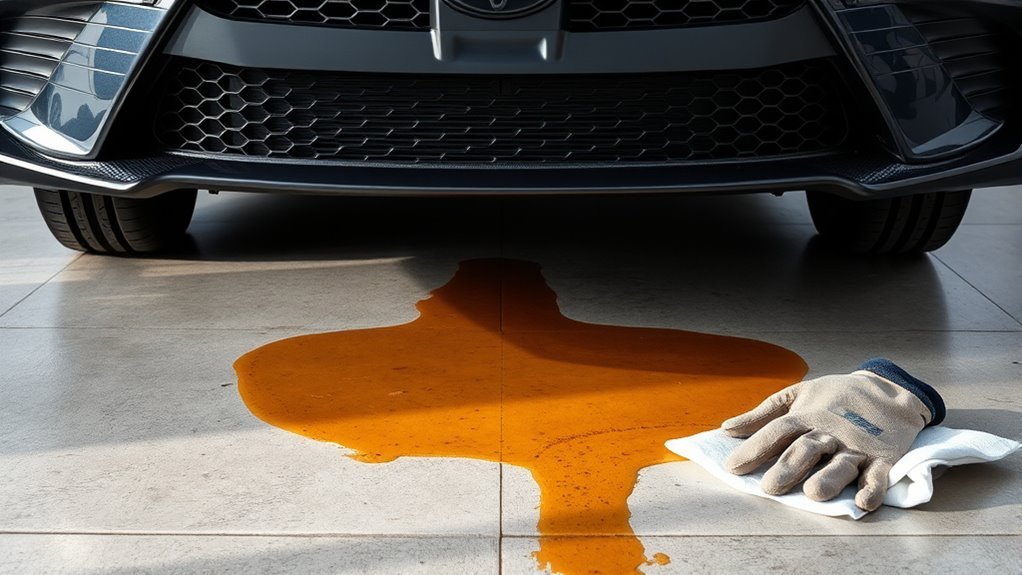
A Camry may have an external oil leak if the dipstick level keeps falling and you find fresh wet oil on the engine, underbody panels, or parking surface. Other clues include an oily smell, smoke from the engine bay, oil-coated dirt, and droplets forming around a gasket or fitting.
Park on level ground and follow the oil-check procedure in the owner’s manual. In general, shut the engine off, allow time for the oil to drain into the pan, remove and wipe the dipstick, reinsert it fully, and check again. Record the mileage and level instead of relying on memory.
A falling level without visible wetness may point toward internal consumption rather than an external leak. Look for blue exhaust smoke, oily spark-plug deposits, or repeated top-offs with no ground spots.
Warning: The low-engine-oil-pressure warning is not a routine oil-level reminder. If it stays on while driving, stop safely, shut the engine off, and arrange assistance. Do not keep driving or restart the engine only because the dipstick still shows some oil.
For more detail about the warning itself, see this guide to the Camry oil-pressure warning.
Quick Diagnosis: Is It a Leak, Seep, or Internal Oil Consumption?
Start by deciding whether you have an active leak, light seepage, spilled oil, or internal consumption. Toyota bulletin T-SB-0008-20, which lists 2000–2020 Toyota applications including Camry and Camry Hybrid, defines a leak as pooling fluid with droplets or dripping. It defines seepage as a thin film or damp coating without active dripping and says seepage should be documented for future inspection rather than automatically repaired.
Is the Wet Area an Active Leak or Old Seepage?
Old residue often looks dark and attracts dirt, but it may not be wet. An active leak usually becomes shiny again after cleaning and may form a hanging droplet. Photograph the area before cleaning, then compare it after a short, controlled test period.
Do not judge severity only by how dirty the engine looks. A small amount of oil can spread across a large surface, while a pressurized leak can lose oil quickly without coating every nearby part.
Did the Oil Appear After an Oil Change?
If the leak started immediately after service, shut the engine off and inspect the serviced points first:
- Confirm the oil filler cap is installed and tight.
- Check whether oil was spilled around the filler opening.
- Inspect the filter and filter housing for fresh oil.
- Check the drain plug and sealing washer.
- Look for oil running from an underbody panel that trapped a service spill.
A loose filter, damaged filter seal, doubled filter gasket, incorrect drain-plug washer, or loose drain plug can cause rapid oil loss. If the area stays dry with the engine off but becomes wet while it runs, give extra attention to pressurized points such as the filter or housing, oil-pressure switch, and—on applicable 2GR-FE engines—the VVT-i oil supply hose. Do not simply tighten a part as hard as possible. Use the correct component and service-manual torque specification.
What Can a Spot on the Ground Tell You?
Park over clean cardboard and mark the front of the vehicle on the cardboard. The pattern can help you monitor the leak, but it does not prove which part failed. Oil can move along splash shields, seams, wiring, and the engine block before it reaches the ground.
Trace the wet path upward to its highest fresh point. Oil near the transmission bellhousing does not automatically confirm a rear main seal because a valve-cover or timing-cover leak can run down from above.
Which Camry Oil-Leak Sources Should You Check First?
The most useful inspection order starts with recently serviced and easy-to-see parts before moving to labor-heavy seals. Check the oil filter, drain plug, valve or head cover, timing cover, oil pan, oil-pressure switch, VVT-i oil lines where applicable, and the engine-to-transmission area.
| Possible Source | Typical Clue | Diagnostic Caution |
|---|---|---|
| Oil filter, housing, drain plug, or washer | Fresh oil after service | Verify the correct filter, seal, washer, and torque |
| Valve or head cover gasket | Oil starts high on the engine and runs downward | Check the entire perimeter and spark-plug wells where accessible |
| Timing cover or front crank/cam seal | Wetness near the belt or timing side of the engine | Oil from above can mimic a timing-cover leak |
| Oil pan or pan sealing surface | Oil forms along the lower pan seam | Check for impact damage and oil running down from higher components |
| Oil-pressure switch or sensor | Wetness centered around the sensor body or threads | Confirm the fluid is engine oil and not residue from another source |
| Rear main seal | Fresh oil emerges from the engine-transmission junction | Rule out leaks from above before approving transmission-removal labor |
[Products Worth Considering]

This precision straight edge is designed for accurate engine block and cylinder head inspections, helping machinists and mechanics check flatness with confidence. Made from thick cold rolled steel and finished with a protective powder coat, it offers durability, rigidity, and long-term reliability in demanding shop environments. A reusable edge cover and hang hole add convenience for storage and care.

These genuine Toyota oil drain plug gaskets are designed to help maintain a reliable seal during oil changes, reducing the chance of leaks and supporting proper engine maintenance. With an OEM fit and trusted Toyota quality, they are a practical choice for routine service on compatible vehicles. The convenient quantity pack is ideal for keeping multiple maintenance intervals covered.

This 12-pack oil filter and drain plug washer set is designed for a wide range of Toyota and Scion vehicles, helping support clean oil flow and dependable engine performance. It replaces several common OE part numbers and offers an easy-fit solution for routine maintenance. Built with corrosion-resistant materials and efficient filtration, it helps keep engine contaminants out and supports longer service life.
Valve or Head Cover Gasket
Inspect the highest edge of the cylinder head and cover. A failed gasket may let oil move down the front, rear, or side of the engine. Clean the perimeter and look for the first point where fresh oil reappears.
Tightening cover bolts is not a universal fix. Over-tightening can distort a cover, damage threads, or prevent the gasket from sealing evenly. Follow the engine-specific sequence and torque specification.
Oil Pan, Timing Cover, and Crankshaft Seals
Inspect the pan for impact damage and check whether oil begins at the pan seam or arrives from above. Timing-cover and crankshaft-seal repairs can involve substantial disassembly, so confirm the source with cleaning, observation, and dye when needed.
A rear main seal should be diagnosed only after upper-engine leaks have been excluded. Because replacement can require separating the engine and transmission, ask the shop to show where fresh oil first appears.
Camry Model-Year and Engine Clues
Certain 2007–2009 Camry and 2007–2011 Camry Hybrid vehicles with a 2AZ engine: Toyota’s ZE7 program addressed excessive internal oil consumption. Toyota’s published policy gave primary coverage through October 31, 2016, then secondary coverage for 10 years from first use or 150,000 miles, whichever came first. Those published time limits have passed for these model years, but the VIN and service history can still show whether the vehicle was affected or previously repaired.
Certain 2007–2010 Camry V6 models with the 2GR-FE engine: Toyota documented degradation of the rubber section of a VVT-i oil supply hose. The condition could cause oil leakage, abnormal engine noise, and an oil-pressure warning. The LSC 90K extension ended December 31, 2021, so use the VIN and service history to confirm whether the campaign repair was completed rather than assuming current no-charge coverage.
Certain 2020–2022 North American-produced A25A-FKS/FXS applications: Toyota Tech Tip T-TT-0702-22 said some vehicles could leak around the head or valve-cover gasket and asked dealers to photograph the leak origin before diagnosis or repair. The Tech Tip expired October 29, 2022 and described an issue under investigation at that time; it should not be presented as current warranty or campaign coverage.
Use Toyota’s official VIN recall and service-campaign lookup and ask a dealer to review completed campaign history. An online lookup may show open campaigns, while previously completed work may require the vehicle’s service records.
| Camry / Engine | Toyota Document | What It Means in 2026 |
|---|---|---|
| Certain 2007–2009 Camry and 2007–2011 Camry Hybrid, 2AZ | ZE7 oil-consumption warranty enhancement | Historical internal-consumption program; published coverage windows have expired, so use VIN and service history for prior applicability and repairs |
| Certain 2007–2010 Camry V6, 2GR-FE | LSC 90K VVT-i oil-hose campaign | Campaign extension ended December 31, 2021; check whether the hose update was completed |
| Certain 2020–2022 NAP A25A-FKS/FXS Camry / Camry Hybrid | T-TT-0702-22 head/valve-cover leak Tech Tip | Expired Tech Tip documenting an issue under investigation; not proof of current warranty coverage |
Can a Bad PCV Valve Cause or Worsen an Oil Leak?
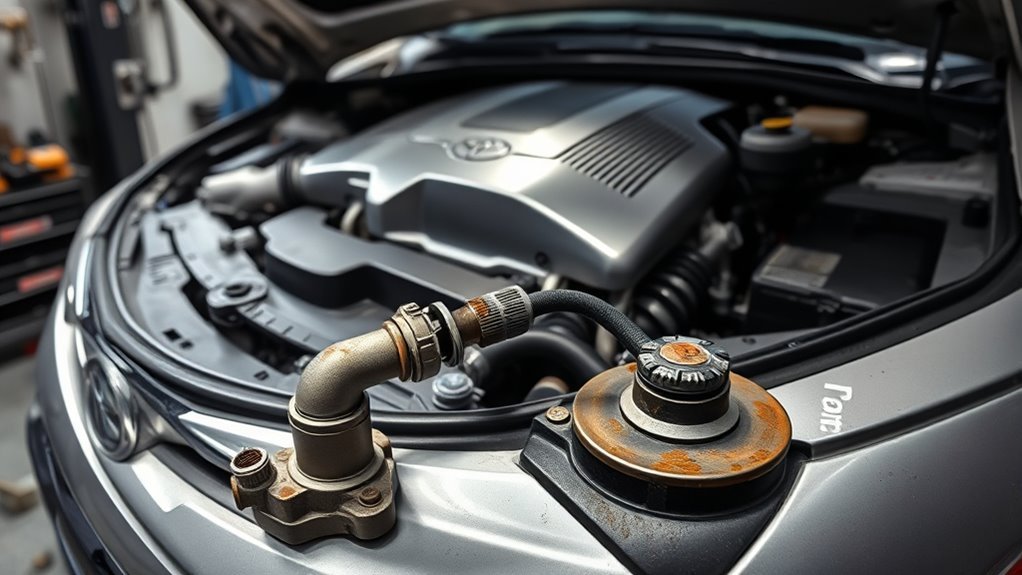
The positive crankcase ventilation system routes crankcase vapors back into the intake. If the PCV valve or a connected hose becomes restricted, crankcase pressure may rise and contribute to oil being pushed past a weak gasket or seal.
A PCV problem can also be associated with rough idle, whistling, oil in the intake tract, or abnormal oil use, but those symptoms do not prove the valve has failed. Inspect the valve, hoses, fittings, and engine-specific test procedure before replacing parts. For a deeper diagnostic sequence, see the Camry PCV valve guide.
Do not assume a new PCV valve will repair a gasket that already leaks. Correct any ventilation fault, then clean and reinspect the engine. Replace the failed gasket or seal if fresh oil continues to appear.
[Products Worth Considering]

This A-Premium cartridge engine oil filter is designed for a wide range of Toyota and Lexus vehicles, helping support cleaner oil flow and dependable engine protection. With high filtration efficiency and included O-rings, it offers a practical replacement solution for routine maintenance. Built for extended service intervals, it is suitable for conventional or synthetic oil applications.

This PCV valve and hose kit is designed as a direct replacement for select Toyota, Scion, and Lexus applications, helping restore proper crankcase ventilation and engine performance. Built with durable NBR rubber and made for straightforward installation, it offers a reliable fit for compatible 2.4L models. It is a practical maintenance part for addressing worn or failing PCV components while supporting smoother engine operation.

The Funnel King 32950 Oil Drain Pan is a compact fluid catch basin designed for clean, easy draining during routine maintenance. Its open shape and pour edge help transfer used oil, coolant, and other shop fluids with less mess, while the lightweight polypropylene construction stands up to common automotive chemicals. Sized to fit under many cars and small engines, it is a practical choice for garages, workshops, and DIY oil changes.
How Do You Locate a Camry Oil Leak With Cleaning and UV Dye?
You can locate many external leaks by documenting the original wet area, cleaning it safely, and checking where fresh oil first returns. Use UV dye only when ordinary inspection does not reveal the source and only when the dye is labeled as compatible with engine oil.
The source is usually the highest point where fresh oil reappears after the old residue has been removed.
Useful inspection tools include:
- A bright flashlight and inspection mirror
- Gloves and eye protection
- An engine-safe degreaser and absorbent towels
- Cardboard for tracking the drip pattern
- Engine-oil-compatible UV dye and a matching UV lamp
- The correct service information for shields, fasteners, and torque values
- Record the baseline: Photograph the wet area, dipstick level, mileage, and parking-surface pattern.
- Let the engine cool: Do not spray cleaner onto a hot exhaust, rotating belt, alternator, or exposed electrical connector.
- Clean the suspected area: Remove enough residue to distinguish old staining from fresh oil.
- Recheck without dye first: Run the engine only as needed and inspect for the first returning wet point.
- Add dye only if needed: Follow the product quantity and operating instructions. Do not overfill the crankcase.
- Inspect from top to bottom: Check the cover gasket, filter, oil-pressure switch, timing cover, pan, drain plug, and bellhousing area.
- Monitor the dipstick: Stop the test if the level drops, droplets form quickly, or smoke appears.
Never crawl under a vehicle supported only by a jack. Use properly rated ramps or jack stands on a stable surface, or have a shop inspect the underside on a lift.
Pro tip: Take one wider photo that identifies the component and one close-up that shows the exact point where fresh oil forms.
Should You Use Oil Stop-Leak or External Sealant?
Oil stop-leak additives and sealant applied to the outside of a component are not substitutes for finding the failed part. They cannot tighten a loose filter, replace a damaged drain-plug washer, repair a cracked pan, restore a split oil hose, or correct a severely worn seal.
External sealant also will not bond reliably to an oily, moving, or pressurized joint unless the component is disassembled and the specified sealant is applied according to the repair manual. Smearing sealant over the outside can hide the source and make later diagnosis harder.
The safest temporary step is usually to maintain the oil at the correct level with the exact specified oil while arranging a proper repair. This is only reasonable when the leak is slow, the oil-pressure warning remains off, no oil reaches the exhaust, and you can check the level frequently.
Do not use thicker oil to disguise the leak unless the viscosity is permitted by Toyota’s instructions for that exact engine and operating condition. A thicker grade does not repair the failed gasket or seal.
[Products Worth Considering]
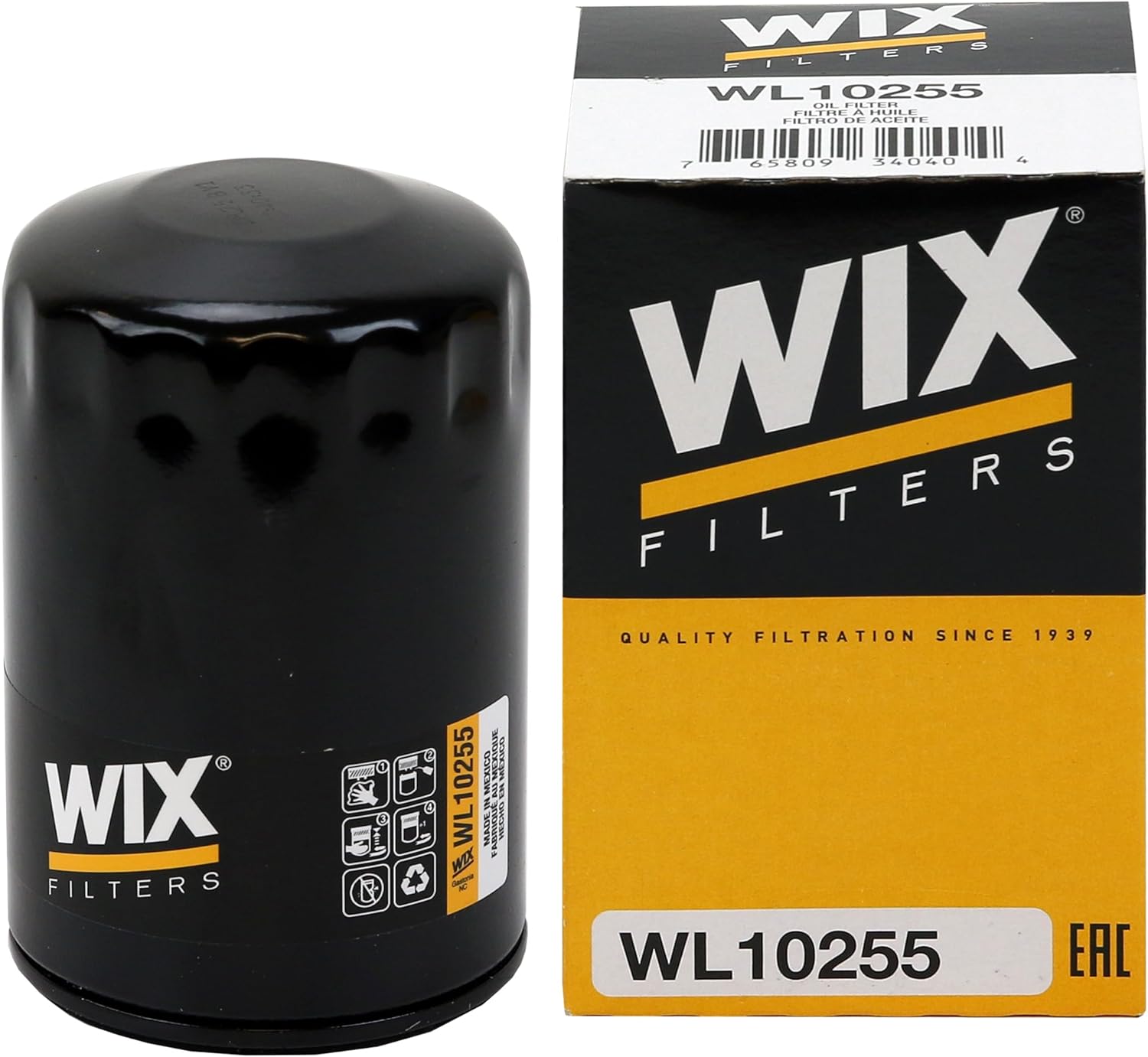
WIX WL10255 is a premium oil filter designed for synthetic and high-mileage oils, delivering reliable protection in everyday driving, towing, stop-and-go traffic, and long highway trips. Its advanced blended media captures fine contaminants with high efficiency, while the silicone anti-drainback valve helps prevent dry starts and supports dependable engine performance over extended service intervals.

This Fel-Pro valve cover gasket set is designed to help restore a reliable seal on compatible Toyota, Lexus, and Scion engines. It uses a proprietary cork-rubber formulation that conforms well to imperfect sealing surfaces, and each set includes the parts needed for the repair. Real-world testing helps ensure dependable performance and long-lasting sealing confidence.

Castrol EDGE 0W-20 advanced full synthetic motor oil is engineered for drivers seeking strong wear protection, excellent viscosity control, and thermal stability. It delivers superior performance in critical engine areas, including fuel economy, high-temperature protection, sludge control, and wear defense. Designed for extended oil-change intervals, it helps keep modern engines running smoothly under demanding conditions.
When Should You Take It to a Shop, and What Affects Repair Cost?
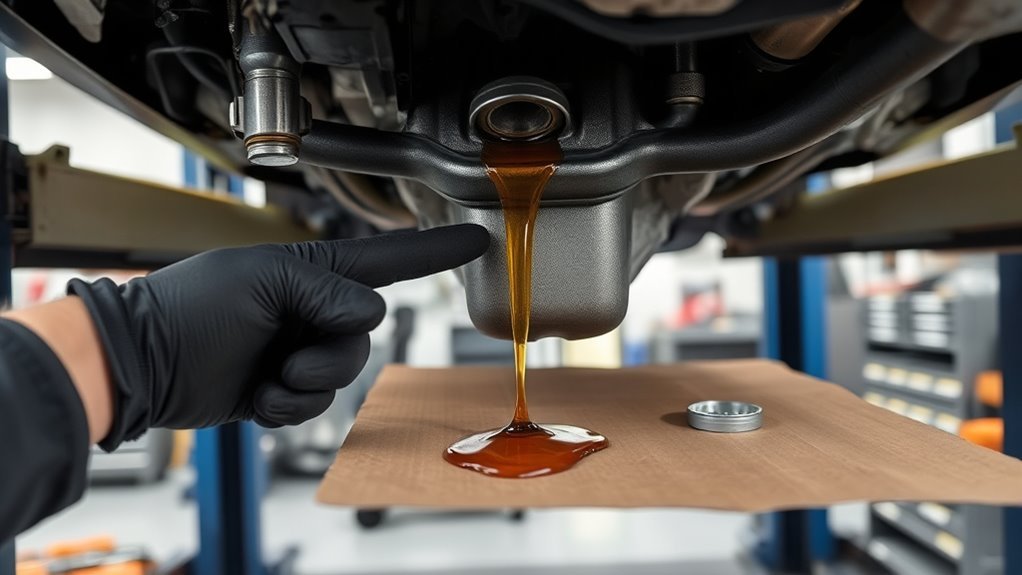
Take the Camry to a shop when the source is hidden, the leak returns quickly after cleaning, oil reaches the exhaust, the dipstick level drops between short checks, or the repair requires removing major components. Stop driving and arrange assistance when the oil-pressure warning stays on, a puddle grows rapidly, the engine makes new mechanical noise, or smoke rises from the engine bay.
A shop should clean the area, identify whether it is an active leak or seep, trace the highest fresh source, and confirm the repair after the engine has run. Ask to see the evidence before approving a labor-heavy seal replacement.
What Affects the Repair Estimate?
Repair cost depends more on access and labor than on the price of the gasket itself. A drain-plug washer or accessible filter seal may take little time. A timing-cover reseal, rear main seal, or deeply located V6 cover gasket can require extensive disassembly.
A useful written estimate should include:
- The exact source and whether it is leaking or only seeping
- The diagnostic method used to confirm the source
- Parts, fluids, seals, and labor listed separately
- Whether related one-time-use seals or fasteners are required
- The warranty on the repair
- Confirmation that the area will be cleaned and retested
What Should the Shop Document?
Ask for wide and close-up photographs before the repair, the vehicle mileage, the measured oil level, and notes describing where droplets formed. Toyota’s warranty guidance for leak repairs calls for clear photo documentation of the active leak before repair work begins.
For a large estimate, ask whether oil from a higher component could be reaching the suspected part. This question is especially important before approving a rear main seal or timing-cover repair.
Which Repairs Are Reasonable for DIY Work?
A careful owner with the correct service information may be able to correct an accessible filter, drain-plug washer, PCV valve, or simple cover gasket. The repair still requires the correct part, clean mating surfaces, the proper tightening sequence, and a torque wrench where specified.
Leave the job to a professional when the vehicle needs lifting beyond your equipment, the leak is near the exhaust, the source is hidden behind the timing cover, the transmission must be removed, or the engine has a pressure warning or mechanical noise.
Warranty, Dealer Claims, and Documenting Leaks for Service
Document the condition before anyone cleans or repairs it. Record the date, mileage, dipstick level, amount added, warning lights, odor, smoke, and the size and position of any spot under the vehicle. Take both wide and close-up photographs.
What Should You Know About Warranty Coverage?
Coverage depends on the failed component, vehicle age, mileage, warranty terms, campaign status, maintenance history, and the cause of the failure. A technical service bulletin does not automatically create free lifetime coverage, and an expired campaign document does not prove that a current repair is covered.
In the United States, the Federal Trade Commission explains that using an independent repair shop or an aftermarket or recycled part does not by itself cancel the vehicle warranty. However, coverage can be denied for damage caused by an improper repair or a defective outside part. Keep receipts showing the date, mileage, oil grade, filter, and work performed.
Owners outside the United States should check the warranty rules, campaign history, and consumer law for their country or market.
How Should You Document the Leak?
Create a simple oil-loss log with these fields:
- Date and mileage
- Dipstick level before adding oil
- Amount and viscosity added
- Location and size of the ground spot
- Whether droplets, smoke, odor, or warning lights appeared
- Recent oil changes or engine repairs
- Dealer or shop findings
Use file names that include the date and mileage. Keep the original photographs as well as any annotated copies.
How Should You Handle a Dealer Claim?
- Check the VIN: Review open recalls and service campaigns through Toyota’s official lookup.
- Bring organized evidence: Provide photographs, the oil-loss log, receipts, and earlier repair orders.
- Request written findings: Ask the dealer to identify the failed part and explain whether coverage applies.
- Ask for the denial reason: If coverage is denied, request the specific warranty term or cause in writing.
- Seek another diagnosis when needed: A second opinion can help before a labor-heavy repair.
How to Reduce the Risk of Future Oil Leaks
Inspect the engine and parking surface during routine maintenance. Catching fresh dampness before it forms droplets gives you time to document and schedule the repair without waiting for the oil level to become unsafe.
After every oil change, check the filter area, drain plug, filler cap, and parking surface. Recheck the dipstick after the engine has been run and the oil has settled according to the owner’s-manual procedure.
Use the correct filter, drain-plug washer, oil specification, and tightening torque. Over-tightening can damage threads or sealing surfaces, while under-tightening can allow oil to escape.
Keep the PCV system and its hoses in good condition, but do not replace parts only because a leak exists. Test or inspect the system according to the engine-specific service procedure.
Clean only enough residue to make new wetness visible. Avoid aggressive pressure washing around connectors, ignition components, the alternator, and seals.
How to Choose the Correct Oil and Repair Parts
Use the oil grade and viscosity listed for your exact Camry year, engine, and market. Camry specifications have changed across generations, and a viscosity recommended for one engine may not apply to another. Check the owner’s manual before topping off or changing oil; this Camry oil top-off guide explains the basic level-check and fill sequence.
The replacement oil should also meet the required API or ILSAC specification shown in the manual. When topping off, avoid mixing products unnecessarily and never add enough oil to raise the level above the full mark.
Genuine Toyota parts are one fitment option, but a quality aftermarket part can also be suitable when it is specified for the exact engine and application. Compare the gasket material, filter dimensions, sealing surfaces, included washers, and manufacturer instructions rather than choosing only by price.
Replace damaged seals and one-time-use sealing washers instead of relying on extra tightening. Clean the mating surfaces without gouging them, apply sealant only where the service procedure specifies it, and follow the correct tightening sequence.
Note: Do not apply a general 0W-20 recommendation to every Camry. Oil viscosity varies by year, engine, hybrid system, and market.
Frequently Asked Questions
Why Is My Toyota Camry Leaking Oil?
A Toyota Camry may leak oil from the filter, drain plug, valve or head cover gasket, timing cover, oil pan, oil-pressure switch, VVT-i oil hose on certain engines, crankshaft seal, or rear main seal. Start with recently serviced and upper-engine parts, then trace fresh oil downward.
Which Toyota Camry Years Had the 2AZ Oil-Consumption Program?
Toyota’s ZE7 program addressed excessive oil consumption in certain 2007–2009 Camry and 2007–2011 Camry Hybrid vehicles equipped with a 2AZ engine. It covered internal oil consumption, not an external oil leak. Toyota’s published coverage windows have expired for these model years, but the VIN and service history can still confirm whether the vehicle was included or repaired.
Can I Drive My Camry If It Is Leaking Oil?
A minor seep or slow leak may be driven only as far as needed for service when the oil level remains safely within range, no oil reaches the exhaust, and the oil-pressure warning stays off. Do not drive if oil forms a growing puddle, the level drops quickly, the warning stays on, smoke appears, or the engine makes new mechanical noise; arrange a tow instead.
How Do I Know If My Camry Is Leaking Oil or Burning Oil?
An external leak usually leaves fresh wet engine surfaces, droplets, or spots under the vehicle. Internal oil consumption may lower the dipstick level without visible external wetness and can produce blue exhaust smoke or oily spark-plug deposits.
Why Is My Camry Losing Oil When I Cannot Find a Leak?
If the engine and parking surface stay dry, the oil may be entering the combustion chambers or intake system. Possible causes include a PCV-system fault, worn piston rings, or worn valve-stem seals. Confirm the rate of loss and have the engine tested instead of assuming the oil is leaking externally.
Why Does My Camry Leak Oil Only When the Engine Is Running?
A leak that appears mainly with the engine running can point toward a pressurized oil path, such as the filter or housing, oil-pressure switch, or an oil-supply hose on an applicable engine. It can also make an existing seal leak faster. Clean the area, watch where fresh oil first appears, and shut the engine off if the leak becomes rapid.
Is an Oil Seep the Same as an Active Oil Leak?
No. Toyota T-SB-0008-20 defines a leak by pooling fluid with droplets or dripping, while seepage is a thin film or damp coating without active dripping. For vehicles covered by that bulletin, Toyota says seepage should be documented and checked again at a later service rather than automatically repaired.
Will Thicker Oil or Stop-Leak Fix a Camry Oil Leak?
Thicker oil or a stop-leak additive may appear to slow some seepage, but neither repairs a loose filter, damaged washer, split hose, cracked pan, or failed gasket. Use only a viscosity permitted for the exact engine and repair the confirmed source.
Conclusion
Start a Camry oil-leak diagnosis with safety and evidence. Stop the engine for an oil-pressure warning, rapid loss, smoke, or oil on the exhaust. Otherwise, record the dipstick level and mileage, inspect the filter and drain plug if service was recent, distinguish active droplets from dry seepage, and trace fresh oil to its highest source before approving parts.
Model year and engine matter. Certain 2AZ vehicles had an internal oil-consumption program, certain 2GR-FE V6 models had a VVT-i oil-hose campaign, and Toyota documented head or valve-cover leakage on certain A25A applications. Confirm the VIN, engine, service history, and exact oil specification before choosing a repair.
References
- T-SB-0008-20: Oil Leak Diagnosis and Repair — Toyota Motor Sales, U.S.A.
- Warranty Enhancement Program ZE7: 2AZ Engine Oil Consumption — Toyota Motor Sales, U.S.A.
- Limited Service Campaign 90K: 2GR-FE VVT-i Oil Hose — Toyota Motor Sales, U.S.A.
- T-TT-0702-22: Head/Valve Cover Gasket Oil Leaks — Toyota Motor Sales, U.S.A.
- 2007 Camry Owner’s Manual: Low Engine Oil Pressure Warning — Toyota
- Warranty and Owner’s Manuals — Toyota
- Safety Recall and Service Campaign VIN Lookup — Toyota
- Auto Warranties and Auto Service Contracts — Federal Trade Commission
- Warranty Policy Bulletin POL14-12: ZE7 Coverage Terms — Toyota Motor Sales, U.S.A.