A Toyota Camry can run past 200,000 miles when you match maintenance to its exact model year, engine, drivetrain, and use. Start with the Toyota Warranty & Maintenance Guide, build a 5,000-mile or six-month inspection rhythm, use the specified fluids, and fix leaks, overheating, brake problems, rust, and warning lights before they spread.
Last updated: July 14, 2026
Research scope: This guide was checked against Toyota’s 2025 U.S. Camry maintenance guide, Toyota support material, NHTSA tire and recall guidance, FuelEconomy.gov, and FTC warranty guidance. Older Camry schedules can differ, so confirm every interval for your VIN and model year.
Quick Answer
To keep a Toyota Camry past 200,000 miles, use the official guide for its exact year and powertrain. Toyota’s 2025 U.S. Camry guide schedules maintenance every 5,000 miles or six months, with oil and filter replacement at 10,000 miles or 12 months under normal use and 5,000 miles or six months under listed special conditions. Keep tires, brakes, cooling, transmission, suspension, rust, recalls, leaks, and warning lights on the same documented plan.
Key Takeaways
- Use your exact Camry Warranty & Maintenance Guide as the source of truth because intervals vary by year, engine, hybrid system, drivetrain, and driving conditions.
- A 5,000-mile or six-month maintenance rhythm is the backbone of the current U.S. Camry schedule, but the exact work due changes by mileage and operating conditions.
- Do not assume every Camry has a timing belt. Many modern Camrys use timing chains; older belt-equipped engines need belt service at the manual-specified interval.
- Transmission fluid service is not one-size-fits-all. Sealed transmissions should be inspected and serviced according to the model-year schedule and severe-use conditions.
- At high mileage, rust, suspension wear, oil leaks, cooling-system neglect, and ignored warning lights are often bigger threats than the engine itself.
At a Glance
| Time Required | 15 minutes monthly for checks; 1–3 hours for routine service; longer for major high-mileage repairs. |
| Difficulty | Beginner for visual checks and logs; intermediate/professional for brakes, suspension, transmission, cooling-system, and hybrid-related work. |
| Tools Needed | Owner’s manual, maintenance log, tire-pressure gauge, flashlight, tread-depth gauge, OBD-II scan tool, basic hand tools, and Toyota-approved fluids. |
| Cost | Varies by model, mileage, labor rate, and parts choice. Budget for routine oil/filter/rotation service plus larger 100k–150k fluid, plug, brake, tire, and suspension work. |
How to Reach 200,000 Miles in a Toyota Camry
Confirm Your Exact Camry Schedule First
Before using any mileage chart, identify the details that change the service plan:
- Model year and VIN: Use them to open the correct Toyota owner documents and recall record.
- Powertrain: Gasoline, hybrid, and engine families can have different oil, coolant, spark-plug, and timing-component requirements.
- Drivetrain: AWD models can add rear differential, transfer-related, axle, and seal inspections.
- Operating conditions: Towing, heavy loading, repeated short trips, dusty roads, extensive idling, and extreme temperatures can shorten intervals.
- Service history: If records are missing, inspect and measure first instead of assuming every fluid or part is overdue.
The realistic path to 200,000 miles is a repeatable inspection and service plan. Check tire pressure, tread, fluid levels, lights, wipers, and the ground under the car each month. At scheduled maintenance visits, record tire rotation, brake condition, fluid levels, steering and suspension findings, torn boots, loose shields, seepage, and corrosion.
For oil changes, do not use a universal rule such as “every 3,500 km” for every Camry. Toyota’s oil interval depends on model year, engine, oil specification, and driving conditions. Some Toyota vehicles that require 0W-20 synthetic oil have a 10,000-mile/12-month oil-change interval, while some applications and severe-use patterns call for shorter service. Always confirm the correct interval in your Toyota Warranty & Maintenance Guide or Toyota owner account.
Driving style matters too. Smooth acceleration, steady cruising, and early braking reduce stress on the engine, transmission, brakes, tires, and suspension. FuelEconomy.gov notes that aggressive driving can lower gas mileage by roughly 15% to 30% at highway speeds and 10% to 40% in stop-and-go traffic, so gentle driving saves fuel and wear at the same time.
Note: The schedule below is a planning framework, not a replacement for the guide for your exact year, engine, hybrid system, drivetrain, and market. If Toyota’s documentation and this article differ, follow Toyota’s documentation.
Editorial method: This is a source-based maintenance guide, not a claimed hands-on test of one vehicle. The milestone examples below come from Toyota’s 2025 U.S. Camry maintenance log, then expand into condition-based checks that matter on older, higher-mileage cars.
Camry Maintenance Timeline: What to Do and When
Use this table to plan inspections and verify what is due. The 2025 U.S. Camry examples are exact to that guide; older gasoline and hybrid Camrys may follow different schedules.
| Planning Point | Main Tasks | What to Verify |
| Monthly | Check tire pressure and tread, exterior lights, wipers, oil and coolant levels, visible leaks, unusual smells, and battery-terminal condition. | Use the door-jamb tire pressure, not the maximum pressure printed on the tire sidewall. |
| Every 5,000 miles / 6 months | Obtain scheduled maintenance, rotate tires when specified, inspect fluid levels and wipers, review brake condition, and reset the reminder after completed service. | Toyota’s 2025 guide uses 5,000 miles or six months, whichever comes first, as the maintenance rhythm. |
| Oil and filter | Use the viscosity and specification in the owner’s manual. Check the level between changes as mileage rises. | The 2025 guide calls for 10,000 miles or 12 months under normal use and 5,000 miles or six months under listed special conditions. |
| 30,000 miles | Perform a deeper inspection of the engine air filter, automatic transmission fluid, brakes, ball joints, boots, steering, exhaust, fuel-system lines, and cooling components. | The 2025 guide replaces the engine air filter at 30,000 miles and inspects automatic transmission fluid at selected milestones. |
| 60,000–90,000 miles | Inspect brake lines, suspension, steering, tires, engine mounts, charging system, transmission behavior, and drivetrain seals. | Do not apply a universal transmission-fluid replacement interval. Follow the exact guide and special-use notes. |
| 100,000 miles / 120 months | Plan a major condition review and confirm coolant history. | The 2025 guide lists initial engine/intercooler coolant replacement at 100,000 miles or 120 months, then every 50,000 miles or 60 months. |
| 120,000 miles | Confirm spark-plug, engine-air-filter, brake, steering, suspension, transmission-fluid inspection, and hybrid cooling-filter work. | The 2025 guide lists spark-plug replacement at 120,000 miles. |
| 150,000 miles | Repeat the full inspection and confirm coolant, drivetrain, mounts, bearings, brakes, tires, and rust condition. | The 2025 guide lists inverter/intercooler coolant replacement at 150,000 miles and another engine/intercooler coolant replacement. |
| 200,000 miles | Create a full condition report covering codes, leaks, mounts, suspension, brakes, cooling, exhaust, rust, wheel bearings, tires, charging, hybrid cooling, and transmission operation. | Base repairs on measured condition, service history, safety, and total repair stacking, not the odometer alone. |
Camry 0–100k Maintenance Checklist
The first 100,000 miles are where you build the service record that guides the next 100,000. Save receipts and record the date, mileage, oil specification, filters, tire position, brake measurements, fluid work, recalls, and repairs. A complete log helps you spot changes instead of relying on memory.
From 0–100k, focus on these basics:
- Oil and filter: Use the correct Toyota-approved viscosity and specification, and change it at the interval for your exact model and use.
- Tires: Rotate on schedule, maintain the door-jamb pressure, check tread depth, and inspect for uneven wear that may signal alignment or suspension issues.
- Brakes: Inspect pad thickness, rotor condition, caliper operation, brake hoses, and brake-fluid condition.
- Filters: Replace engine and cabin filters when scheduled or sooner in dust, pollen, wildfire smoke, or heavy urban driving.
- Cooling system: Watch coolant level and temperature. Do not ignore sweet smells, overheating, crust around hoses, or coolant stains.
- Battery and charging: Test the 12-volt battery before winter and before long trips, especially once it is several years old.
- Recall status: Check the VIN through Toyota’s recall and service-campaign lookup and NHTSA’s recall lookup.
- Unknown history: If you bought the car without records, establish a measured baseline for fluids, brakes, tires, leaks, codes, rust, and drivability before authorizing a blanket list of services.
Pro Tip: Keep a simple maintenance log in your glove box or phone. Record mileage, date, parts, fluids, tire position, and any symptoms. That one habit can prevent repeated work and help a technician diagnose problems faster.
[Products Worth Considering]
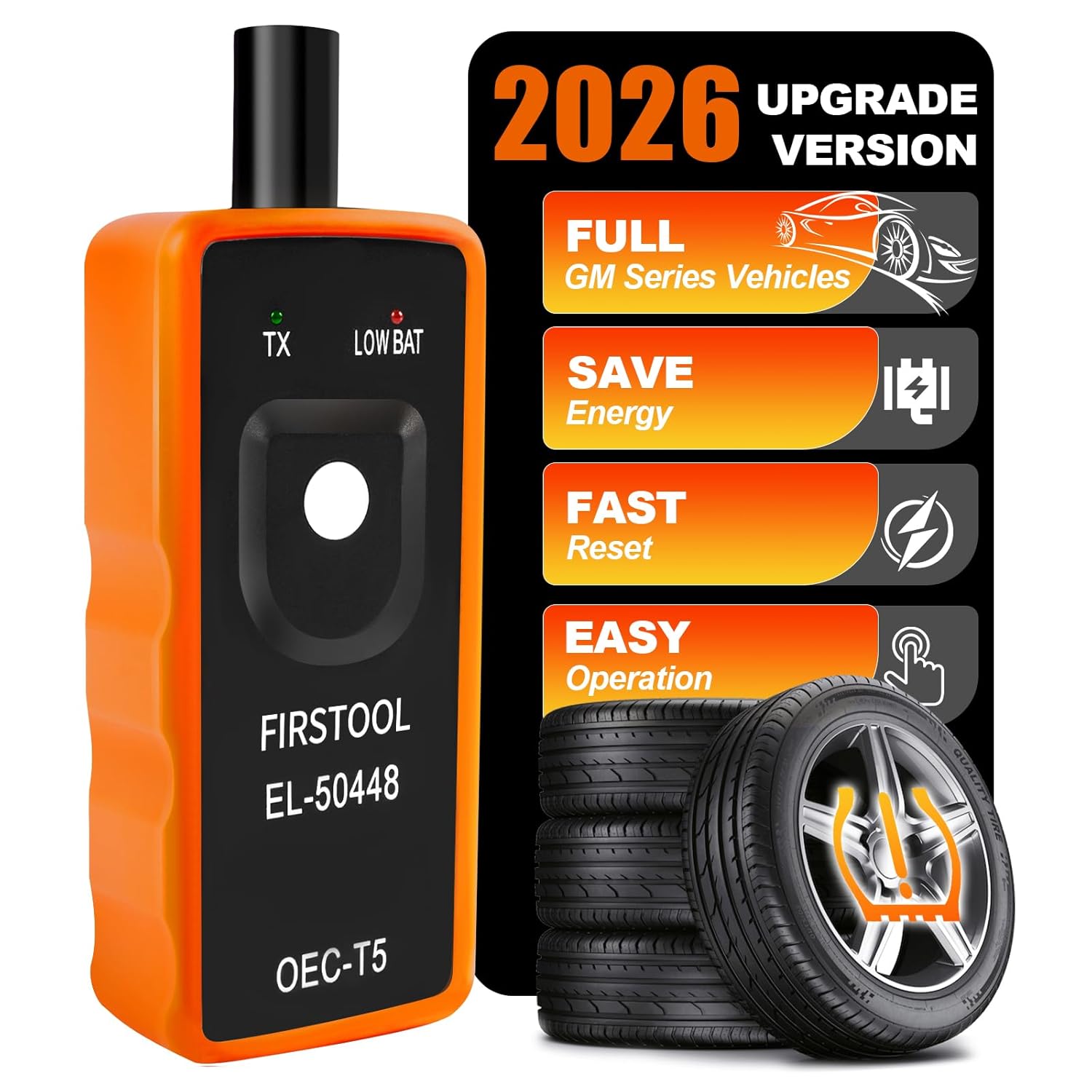
This EL-50448 TPMS relearn tool helps quickly activate and reset tire pressure sensors so your vehicle’s monitoring system stays accurate after tire rotations, sensor replacement, or seasonal tire changes. Designed for many GM-related vehicles and compatible with common 315 and 433 MHz TPMS systems, it offers simple one-button operation and reliable performance for clearing warning lights and relearning sensor positions.

The ANCEL AD410 PRO combines engine diagnostics and 12V battery testing in one easy-to-use tool, helping you read and clear check engine codes while checking battery health, cranking, and charging performance. It also provides live data, freeze frame details, and I/M readiness checks to help you diagnose issues faster and prepare for emissions testing. With plug-and-play operation, a clear screen, and broad vehicle compatibility, it is a practical solution for home mechanics and everyday drivers.
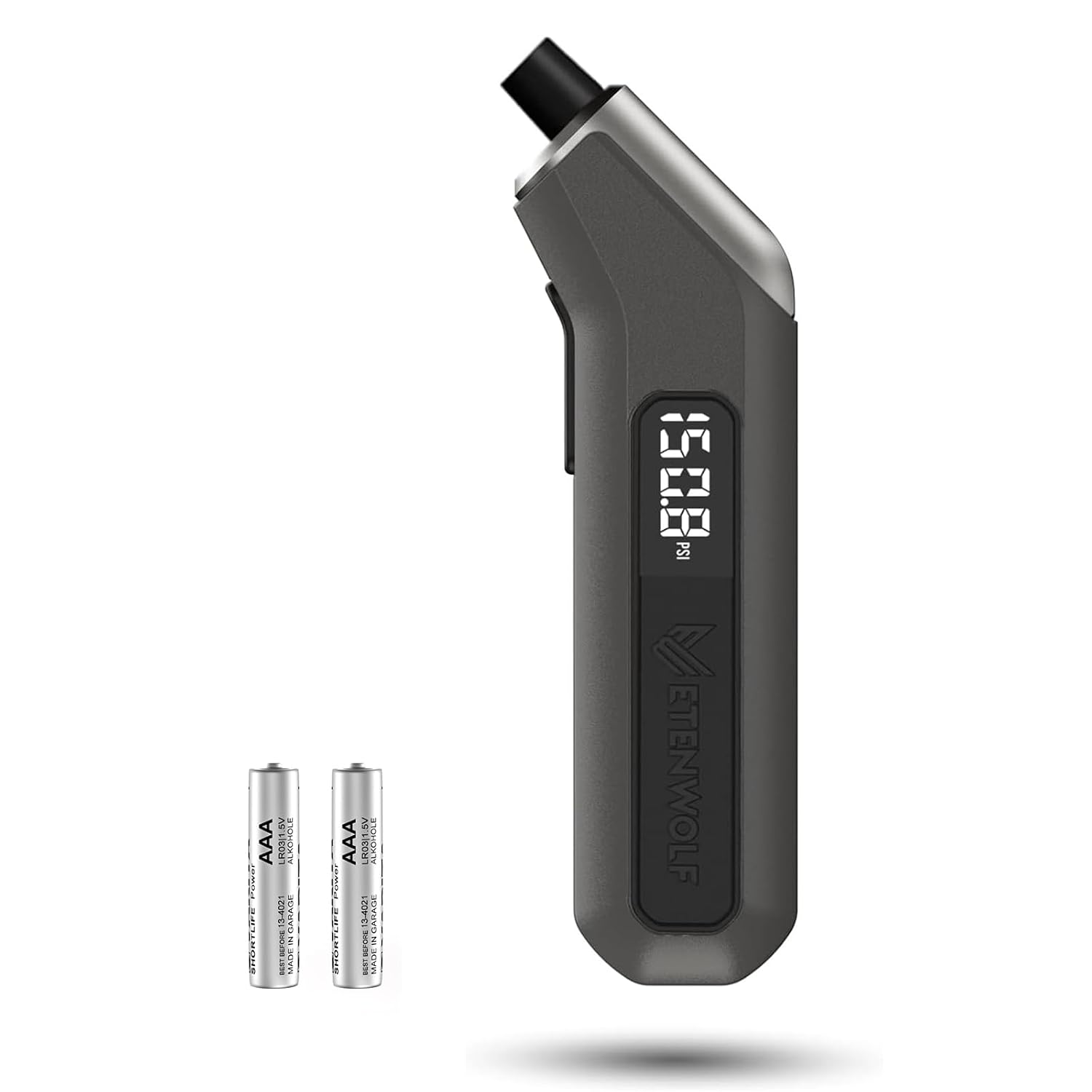
The ETENWOLF T300 digital tire pressure gauge delivers precise readings for cars, RVs, trucks, bikes, and heavy-duty vehicles with a wide measuring range and consistent accuracy. It is built to perform in extreme temperatures, includes a bright LED light for low-visibility use, and uses replaceable AAA batteries for convenient long-term operation. Durable enough to withstand rugged use, it is a practical tool for maintaining proper tire pressure across a variety of vehicles.
Must-Do Services From 100k to 200k Miles
After 100,000 miles, your Camry needs less guesswork and more inspection. Parts that looked fine at 60,000 miles can age quickly once rubber hardens, seals shrink, mounts soften, and suspension bushings crack. This is the phase where preventative maintenance saves money.
From 100k to 200k, prioritize:
- Coolant service: Replace coolant at the scheduled interval. On current Camry guides, initial engine/intercooler coolant replacement may be listed around 100,000 miles/120 months, with repeat service after that.
- Spark plugs: Replace at the scheduled mileage using the correct specification. Misfires can damage catalytic converters if ignored.
- Belts, hoses, and seals: Inspect for cracking, swelling, seepage, oil contamination, or coolant crust.
- Suspension: Check struts, shocks, ball joints, tie rods, control-arm bushings, sway-bar links, and wheel bearings.
- Mounts: Worn engine or transmission mounts can cause vibration, clunks, and extra drivetrain stress.
- Transmission behavior: Watch for delayed engagement, flare shifts, slipping, shuddering, whining, or fluid leaks.
- Rust: Inspect rocker panels, wheel wells, brake lines, subframe areas, suspension mounting points, and the rear underbody.
[Products Worth Considering]

EPAuto CP134 is a premium cabin air filter designed to help keep the air inside your vehicle cleaner and fresher. It includes activated carbon to help reduce odors and support a more comfortable ride for drivers and passengers. Built as a replacement option for many Honda and Acura models, it offers broad compatibility and dependable cabin air filtration.

Rain-X WeatherBeater wiper blades are conventional replacement blades designed to meet or exceed OEM standards for quality, durability, and dependable performance. The pre-installed multi-adapter helps simplify installation on many vehicles, while the natural rubber squeegee and galvanized steel frame deliver a clean wipe, rust resistance, and long-lasting all-weather reliability.
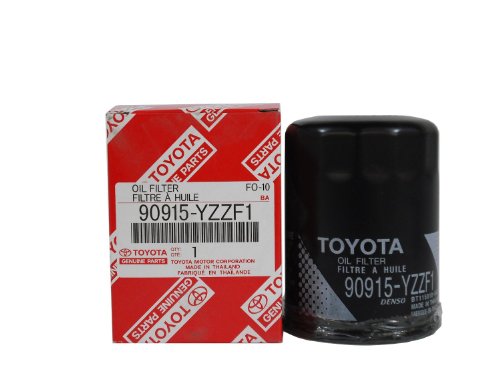
Item Package Dimension: 13.69L x 6.019W x 4.20H inches
Prioritize High-Mileage Repairs by Risk
- Stop driving and arrange diagnosis: Overheating, loss of braking, a flashing check-engine light, severe steering looseness, fuel leakage, or a transmission that will not engage normally.
- Schedule promptly: Coolant or oil leaks, torn CV boots, noisy wheel bearings, suspension clunks, brake pulsation, uneven tire wear, or growing rust on brake lines and mounting points.
- Measure and monitor: Stable minor seepage, gradual oil use, aging cosmetic parts, and surface rust that has not affected structure or lines.
Warning: Never work under a Camry supported only by a jack. Use rated jack stands on solid ground, let hot fluids cool before service, and leave brake, airbag, and hybrid high-voltage work to qualified technicians if you are not trained.
Engine Care: Oil, Timing Components, and Fuel System
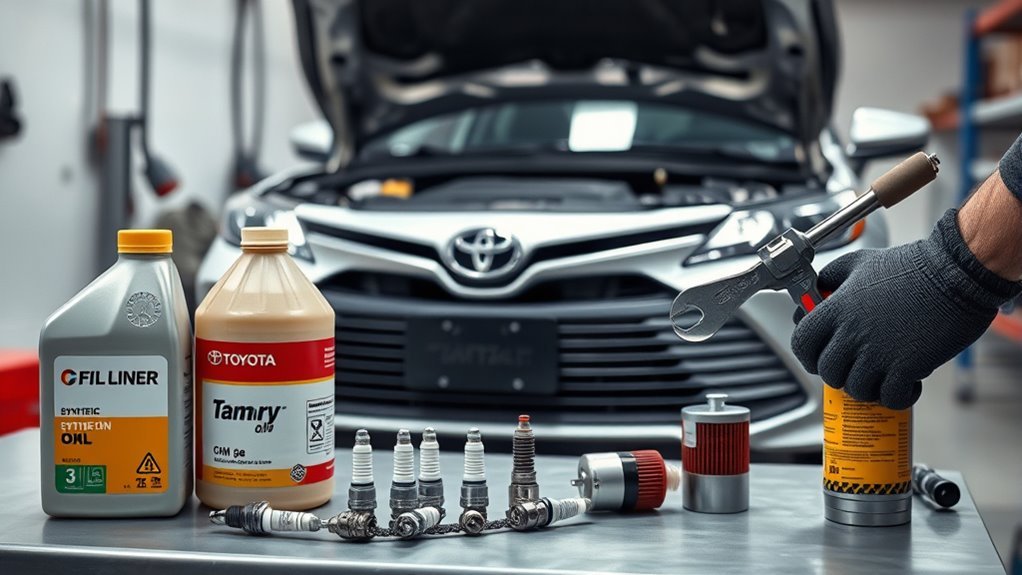
Engine life depends on correct oil, controlled temperature, clean airflow, and early diagnosis. The most damaging mistakes are using the wrong oil, stretching service under harsh conditions, ignoring leaks, overheating the engine, or assuming every Camry year uses the same parts.
Use Toyota Genuine Motor Oil or an equivalent oil that meets the exact grade and specification in the manual. Check the oil level between changes, especially as mileage rises. If the engine begins using oil, record how much it uses per 1,000 miles and ask a technician to inspect for leaks, PCV issues, worn valve-cover gaskets, or internal wear.
[Products Worth Considering]

AISIN's Water Pump/Timing Belt Service Kit is the common-sense combo as these components should always be replaced at the same time regardless of which component needs replacement

AISIN's Water Pump/Timing Belt Service Kit is the common-sense combo as these components should always be replaced at the same time regardless of which component needs replacement

AISIN's Water Pump/Timing Belt Service Kit is the common-sense combo as these components should always be replaced at the same time regardless of which component needs replacement
Timing Belt vs. Timing Chain
Do not automatically schedule a timing belt just because the odometer is near 100,000 miles. Some older Camry engines use timing belts, while many later Camrys use timing chains. A timing chain normally does not have the same routine replacement interval as a belt, but it still depends on clean oil and proper tensioner operation.
If your Camry is belt-equipped, replace the timing belt at the interval in the Warranty & Maintenance Guide. It is also common to inspect or replace related parts such as tensioners, idlers, cam/crank seals, and the water pump when access overlaps. If your Camry is chain-equipped, listen for cold-start rattles, check for timing-related codes, and keep oil service on schedule.
Fuel System Care
A modern Camry usually does not need random fuel-system cleaners on a fixed schedule. Instead, use quality fuel, replace filters only where serviceable and scheduled, and diagnose symptoms before adding chemicals. Rough idle, hard starting, poor throttle response, misfires, or a sudden fuel-economy drop deserve a scan and inspection before guessing.
Transmission & Drivetrain: Fluids, Mounts, and Wear Signs
The transmission is one area where “more service” is not always the same as “better service.” A sealed unit still needs the inspections listed in its maintenance guide, but fluid level and condition may require the correct temperature procedure, equipment, and Toyota-specified fluid. Some schedules add fluid service only under special operating conditions such as towing or heavy loading.
For long transmission life:
- Follow the exact schedule: Use the model-year guide, not a universal 30,000-mile rule.
- Use the correct fluid: Toyota automatic transmission fluid specifications are not interchangeable.
- Inspect for leaks: Even a small seep can become a low-fluid problem over time.
- Pay attention to shift quality: Delayed engagement, shudder, slipping, harsh shifts, or whining should be diagnosed early.
- Check mounts and axles: Torn CV boots, worn mounts, and loose suspension parts can feel like transmission problems.
- Diagnose before adding chemicals: Do not use cleaners, friction modifiers, or stop-slip products as a substitute for finding the cause of abnormal shifting.
AWD Camrys may also have rear differential or transfer-related service items. If your Camry is AWD, read the AWD-specific maintenance lines and inspect those fluids and seals more carefully.
Brakes, Suspension & Steering: Safety and Ride-Quality Upkeep
Brakes, suspension, steering, and tires decide whether a high-mileage Camry still feels safe and controlled. NHTSA TireWise recommends monthly pressure and tread checks, following the vehicle maker’s rotation guidance, and replacing tires when tread reaches 2/32 inch. Good tires still cannot compensate for worn struts, poor alignment, weak brakes, or loose steering parts.
At each routine service, inspect:
- Brake pad thickness and rotor scoring
- Brake-fluid level and condition
- Brake hoses and hard lines, especially in rust-prone climates
- Struts, shocks, and mounts
- Ball joints, tie rods, and steering linkage
- Control-arm bushings and sway-bar links
- Wheel bearings and uneven tire wear
A Camry with 160,000 miles may still drive smoothly, but worn struts and bushings can increase stopping distance, reduce tire life, and make the car wander in wind or rain. Replace worn chassis parts in pairs when appropriate, align the car after suspension work, and use parts that match the vehicle’s safety requirements.
Corrosion & Exterior Care: Washing, Waxing, and Rust Prevention

Rust can end a Camry before the engine gives up. Road salt, ocean air, mud, and trapped debris attack brake lines, subframes, suspension mounts, exhaust parts, and lower body seams. If you live where roads are salted, underbody washing is not cosmetic; it is part of the maintenance plan.
- Wash the body, wheel wells, rocker panels, and underside regularly during winter.
- Rinse behind wheels and around suspension mounting areas where salt collects.
- Repair paint chips quickly before bare metal rusts.
- Keep drain holes clear so doors, rocker panels, and trunk areas do not hold water.
- Inspect brake and fuel lines for corrosion at every high-mileage service.
- Wax or seal the paint a few times per year to protect the clear coat.
If you see bubbling paint, flaking underbody metal, or heavy brake-line corrosion, do not wait. Structural rust and brake-line failure are safety problems, not appearance problems.
OEM vs. Aftermarket: Parts and Fluids to Insist On
For fluids, filters, ignition parts, sensors, brakes, and drivetrain components, the safest rule is simple: use Toyota Genuine parts or high-quality equivalents that meet the exact Toyota specification. The fluid chemistry matters, especially for engine oil, coolant, brake fluid, transmission fluid, hybrid components, and AWD drivetrain fluids.
That does not mean an aftermarket part automatically voids your warranty. FTC guidance says companies cannot deny warranty coverage solely because you used a third-party part or independent repair shop. Damage caused by a defective part, incorrect fluid, or poor installation can still be excluded.
Use OEM or Toyota-approved parts when fit, calibration, fluid chemistry, or safety is critical. Carefully chosen aftermarket parts can be reasonable for older vehicles, especially for non-critical trim or wear items, but avoid bargain parts with unknown quality, poor fit, or no clear specification.
Hybrid Camry Maintenance Notes
Camry powertrains vary by model year. The 2025 U.S. Camry maintenance guide is hybrid-specific, while older generations may be gasoline-only or hybrid. A hybrid still needs engine oil, coolant, spark plugs, filters, and inspections, and it also depends on clean battery-cooling airflow and correct high-voltage diagnostics.
- Keep the hybrid battery cooling intake area clean and unobstructed.
- Inspect or clean the HV battery cooling intake filter when your schedule calls for it.
- Do not spray water or cleaners into hybrid vents.
- Do not touch orange high-voltage cables or hybrid components unless you are trained.
- Have warning lights, reduced hybrid performance, or battery cooling warnings checked promptly.
Warning: Hybrid high-voltage systems can be dangerous. Leave orange-cable, inverter, traction-battery, and high-voltage diagnostic work to trained hybrid technicians.
Driving Habits, Troubleshooting, and When to See a Toyota Technician
Good driving habits reduce wear, but good troubleshooting prevents small problems from becoming expensive ones. Pay attention to changes in sound, smell, vibration, braking, steering, shifting, temperature, and fuel economy. A high-mileage Camry usually gives warning signs before a major failure.
Safe Driving Practices
- Accelerate smoothly instead of flooring the throttle when the engine is cold.
- Avoid hard braking by looking farther ahead in traffic.
- Use cruise control on open highways when safe.
- Do not overload the car or tow unless your owner’s manual allows it.
- Slow down on potholes, railroad crossings, and rough roads to protect tires and suspension.
- Let the engine reach normal temperature before demanding full power.
Common Trouble Signs
Do not ignore these symptoms:
- Check engine light: Scan the code soon, even if the car feels normal.
- Temperature rising: Stop safely and investigate. Overheating can ruin an engine quickly.
- Oil or coolant leaks: Identify the source before the level drops dangerously low.
- Grinding or pulsating brakes: Inspect pads, rotors, calipers, and fluid.
- Steering wander or clunks: Check alignment, tie rods, ball joints, bushings, and struts.
- Transmission slip or delayed engagement: Avoid hard driving and schedule diagnosis.
- Fuel economy drop: Check tire pressure, air filter, brakes dragging, alignment, spark plugs, and stored codes.
When To Seek Help
See a qualified Toyota technician or trusted independent shop if the car overheats, shifts abnormally, loses braking performance, leaks coolant or transmission fluid, makes loud suspension noises, shows hybrid warnings, or has a flashing check engine light. A diagnostic visit is cheaper than replacing parts blindly.
The best 200,000-mile Camrys are not the ones that never needed repairs. They are the ones whose owners caught wear early, used the right fluids, and never ignored the first warning sign.
Check Recalls and Service Campaigns by VIN
Maintenance cannot correct an open safety recall or service campaign. Enter the 17-character VIN in Toyota’s recall lookup to see Toyota safety recalls and service campaigns, then check NHTSA’s database for unrepaired safety recalls and related records.
Check at purchase, after an ownership transfer, and at least twice a year. Save completed campaign paperwork with the maintenance log so the next technician or owner can distinguish repaired items from open work.
What to Check at 200,000 Miles
At 200,000 miles, do not think of maintenance as one big “200k service.” Think of it as a full condition report. The car may be excellent, tired, or somewhere in between. The inspection tells you what is worth repairing now and what can wait.
- Scan all modules for stored and pending codes.
- Inspect for oil, coolant, transmission, brake-fluid, and power-steering leaks where applicable.
- Check engine mounts, transmission mounts, and exhaust hangers.
- Inspect struts, shocks, springs, ball joints, tie rods, bushings, and wheel bearings.
- Measure brake pads and rotors; inspect brake hoses and hard lines for cracking or rust.
- Inspect radiator, water pump area, thermostat housing, hoses, and cooling fans.
- Check spark plug history and ignition coil condition.
- Inspect CV axles, boots, and drivetrain seals.
- Look carefully for structural rust underneath.
- Review tire age, tread depth, alignment wear, and spare-tire condition.
Is a 200,000-Mile Camry Worth Repairing?
| Decision | Evidence to Look For |
| Keep maintaining | Solid structure, controllable oil use, stable coolant temperature, normal shifting, safe brakes and steering, and repairs that are isolated rather than stacked. |
| Diagnose before spending | Unknown service history, warning lights, intermittent overheating, fluid loss, shift changes, wheel-bearing noise, or multiple worn suspension parts. |
| Consider replacement | Structural corrosion, unsafe brake-line rust, repeated overheating, major transmission failure, or several safety-critical repairs arriving together. |
The odometer alone does not decide the answer. Compare the written diagnosis, safety risk, body condition, recent repair history, and likely next repairs before investing heavily.
Frequently Asked Questions
Can a Toyota Camry last 200,000 miles?
Yes. A Toyota Camry can last past 200,000 miles when it receives scheduled maintenance, correct fluids, regular inspections, safe driving habits, and timely repairs. The biggest threats are ignored leaks, overheating, rust, worn suspension, neglected brakes, and delayed diagnosis.
What maintenance needs to be done at 200,000 miles?
At 200,000 miles, inspect the engine, cooling system, transmission, brakes, suspension, steering, wheel bearings, mounts, tires, exhaust, rust-prone areas, and all fluid leaks. Also confirm whether coolant, spark plugs, transmission service, brake fluid, and filters are current.
Does every Toyota Camry need a timing belt replacement?
No. Some older Camry engines use timing belts, while many newer Camrys use timing chains. Belt-equipped engines need belt replacement at the interval listed in the owner’s maintenance guide. Chain-equipped engines usually do not have routine timing-belt replacement because there is no belt.
How often should I change oil in a Toyota Camry?
Use the interval in the Warranty & Maintenance Guide for your model year and oil specification. Some Toyota synthetic-oil applications allow 10,000 miles or 12 months, while severe service, older specifications, or certain usage patterns may require 5,000 miles or 6 months.
Should I change Camry transmission fluid every 30,000 miles?
Not automatically. Transmission-fluid intervals vary by year, transmission type, and driving conditions. Some sealed transmissions are inspected under normal use and serviced under special operating conditions. Use the correct Toyota fluid and follow the model-specific guide.
Will aftermarket parts void my Toyota warranty?
No, not by themselves. FTC guidance says a warranty cannot be denied solely because you used a third-party part or independent repair shop. However, if the part is defective, incorrect, or installed badly and causes damage, that specific damage may not be covered.
How do I find the exact maintenance schedule for my Camry?
Use the VIN and model year to open the Toyota owner documents for your exact vehicle. Confirm the engine or hybrid system, FWD or AWD drivetrain, oil specification, and any special operating conditions before using a mileage interval.
Is 200,000 miles too high to buy a used Toyota Camry?
Not automatically. A documented 200,000-mile Camry with a solid body, stable cooling system, normal transmission operation, safe brakes, and no structural rust may be a better purchase than a lower-mileage car with neglected maintenance. Arrange a pre-purchase inspection and VIN recall check.
Conclusion
Start with the VIN, open the correct Toyota maintenance guide, and record the car’s current condition. Then follow the 5,000-mile or six-month inspection rhythm that applies to your model, use the specified oil and fluids, confirm timing-belt or timing-chain requirements, protect the underbody, check recalls, and diagnose leaks or warning lights early. At 200,000 miles, let measured condition and safety decide the next repair, not the odometer alone.
Sources
- Toyota 2025 Camry Warranty & Maintenance Guide — backs up maintenance-log intervals, coolant timing, tire rotation, inspections, and special operating conditions.
- Toyota Support: Synthetic Oil Change Intervals — backs up Toyota’s oil-interval guidance.
- Toyota Support: Timing Belt or Timing Chain — backs up the need to verify whether a Camry uses a belt, chain, or gear.
- NHTSA TireWise — backs up tire pressure, rotation, tread, labeling, aging, and tire-safety guidance.
- FuelEconomy.gov: Driving More Efficiently — backs up the fuel-economy impact of aggressive driving.
- FTC Consumer Advice: Warranty Restrictions — backs up warranty rights related to third-party parts and independent repair shops.
- Toyota Recall and Service Campaign Lookup — checks open Toyota safety recalls and service campaigns by VIN or license plate.
- NHTSA Recall Lookup — checks unrepaired safety recalls and related vehicle safety records.