Last updated: September 2026. Fluid specs and part numbers vary by production date — always cross-check against your own VIN or owner’s manual before buying. [VERIFY: confirm exact spec against your specific 4Runner’s owner’s manual/VIN]
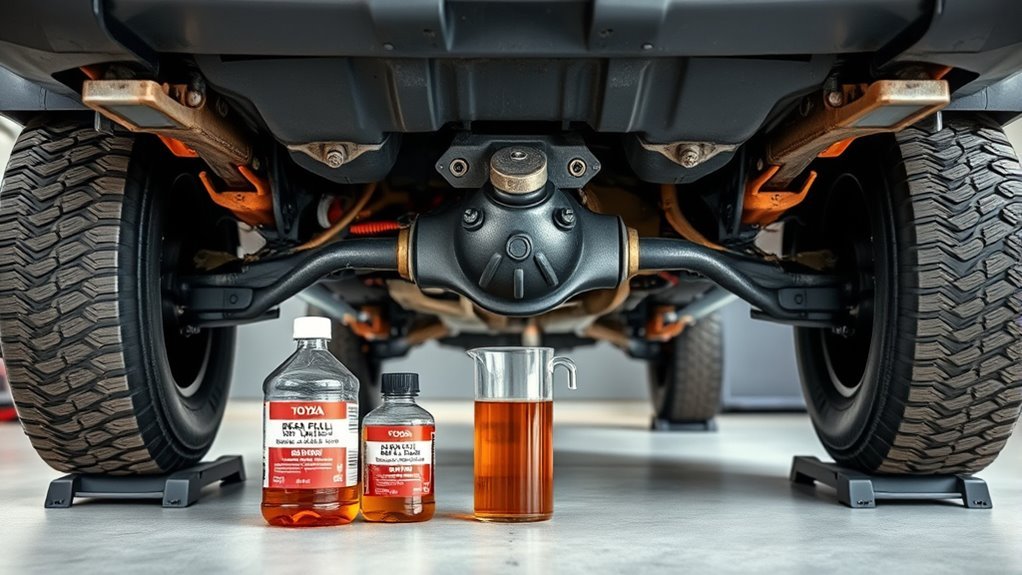
Toyota’s current-generation (2010‑and‑newer, 5th‑ and 6th‑gen) 4Runner transfer case calls for Genuine Toyota Transfer Gear Oil LF, SAE 75W (part number 08885‑81080, also listed as 08885‑01806) — a light-viscosity fluid that Toyota does not print an API GL rating on. If you want an aftermarket GL‑4 gear oil instead, Red Line MT‑LV 70W/75W GL‑4 is the option Red Line itself cross-references directly to the Toyota part; Royal Purple Synchromax is a comparable light-viscosity alternative, though it isn’t itself GL‑4 or GL‑5 rated. 4Runners built before 2010 use a different, heavier 75W‑90 GL‑4 or GL‑5 gear oil instead — check your VIN or manual to confirm which spec applies to your truck. Capacity runs roughly 1.1 quarts (part-time 4WD) or 1.5 quarts (full-time 4WD) [VERIFY]. Warm the unit before draining, check the drain-plug magnet for metal, and refill to the fill-hole level. Toyota’s factory schedule calls for inspecting this fluid at 30,000-mile intervals and replacing it sooner if you tow, drive off-road, or cross water regularly — more detail follows below.
Quick Answer: Which Transfer Case Fluid Does a Toyota 4Runner Need?
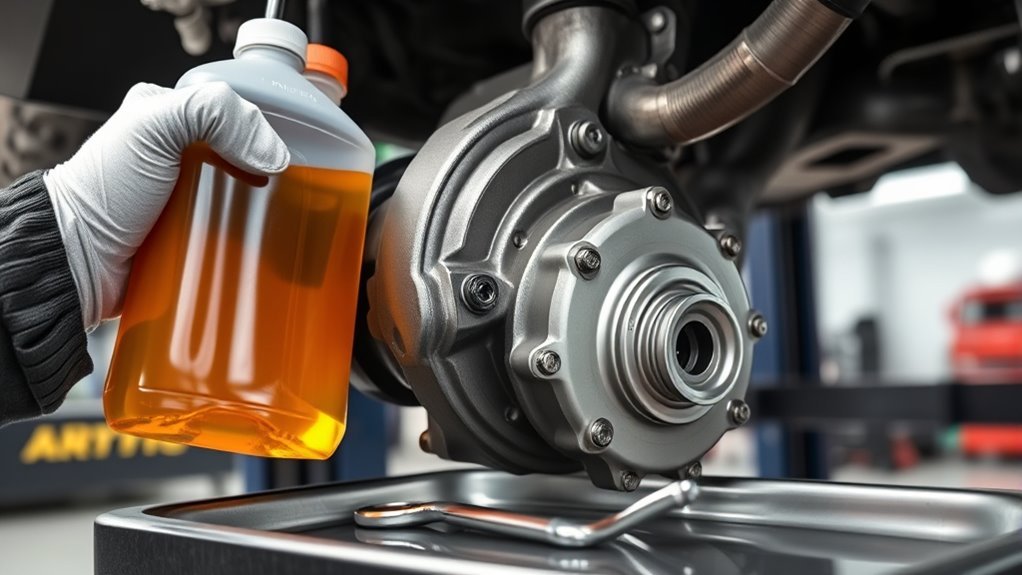
Toyota 4Runners from 2010 onward take Genuine Transfer Gear Oil LF, SAE 75W, or a fluid the maker specifically lists as a match for that spec. Earlier 4Runners (pre-2010) use a heavier 75W‑90 gear oil rated GL‑4 or GL‑5 instead, so confirm which generation you have before buying anything. [VERIFY: confirm generation and exact spec against your owner’s manual]
Acceptable substitutes include Red Line MT‑LV 70W/75W GL‑4, which Red Line cross-references directly to the Toyota part number, or Royal Purple Synchromax, a light-viscosity fluid built for transfer cases that call for an ATF-type or similarly thin lubricant (it doesn’t carry a GL rating itself, so don’t rely on that label when shopping for it).
Toyota’s factory guidance is to inspect the transfer case fluid every 30,000 miles and replace it sooner if you tow, drive off-road, or drive on dusty or dirty roads regularly; under normal daily driving, replacement is based on the fluid’s condition rather than a fixed mileage. Many owners still choose to replace it outright at 30,000 miles as cheap insurance — either approach is defensible. [VERIFY: confirm your model year’s exact interval]
When you drain the old fluid, check it for metal particles and a burnt smell, and inspect the drain-plug magnet. Use a calibrated pump to avoid overfilling, and log the product, batch, and mileage for your own records.
[Products Worth Considering]

These genuine Toyota oil drain plug gaskets are designed to help maintain a reliable seal during oil changes, reducing the chance of leaks and supporting proper engine maintenance. With an OEM fit and trusted Toyota quality, they are a practical choice for routine service on compatible vehicles. The convenient quantity pack is ideal for keeping multiple maintenance intervals covered.

This flexible oil funnel is designed to make fluid changes cleaner and easier by guiding oil around obstacles like skid plates and crossmembers. Its shape-retaining core and silicone body can be molded for custom positioning, while the heat-resistant, leak-proof design helps prevent spills during draining and filter removal. Reusable and easy to clean, it works well for cars, trucks, motorcycles, and other hard-to-reach fluid fill or drain applications.

Castrol GTX Full Synthetic 5W-30 motor oil is designed to deliver maximum engine protection in severe driving conditions. It helps fight wear, control sludge, and resist viscosity breakdown while supporting longer intervals between oil changes. Formulated to meet or exceed key industry and vehicle manufacturer specifications, it offers dependable performance for modern engines.
Best Transfer-Case Fluids (OEM and Aftermarket)
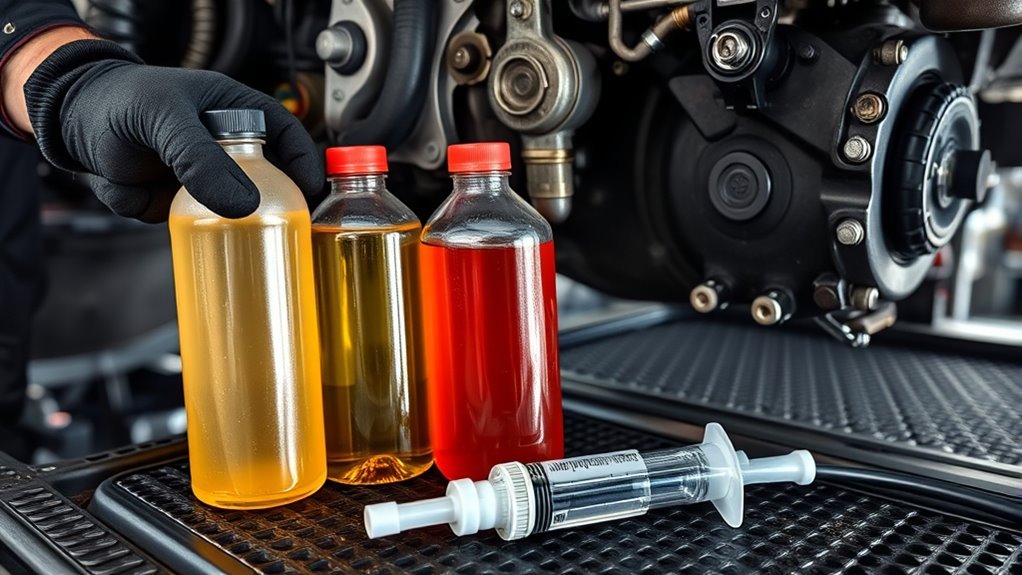
Genuine Toyota Transfer Gear Oil LF (SAE 75W) is the safest baseline for 2010-and-newer 4Runners, since it’s the exact fluid the transfer case was engineered and warrantied around. For aftermarket options, Royal Purple Synchromax is built for transmissions and transfer cases that specify a light-viscosity or ATF-type fluid — but note it is not GL‑4 or GL‑5 certified the way Royal Purple’s separate Max‑Gear line is, so treat “Synchromax” and “GL‑4 gear oil” as two different things rather than interchangeable labels. See Royal Purple’s own Synchromax product page for the manufacturer’s application guidance.
Red Line MT‑LV 70W/75W GL‑4 is a direct-replacement choice that Red Line itself cross-references to the Toyota Genuine Gear Oil LF part numbers (see the published spec sheet), and it’s a popular swap among 4Runner owners who want a GL‑4-rated fluid without paying Toyota-dealer prices. If your particular 4Runner’s manual instead calls for the older 75W‑90 GL‑4/GL‑5 spec, Red Line’s MT‑90 75W‑90 GL‑4 is the equivalent match for that application. Whichever you choose, confirm the GL rating (if any) and SAE grade against your own owner’s manual or VIN before buying, since Toyota has used more than one transfer case spec across 4Runner generations. [VERIFY: cross-check against your VIN]
Transfer-Case Viscosity and Gear Spec: 75W, 75W‑85, 75W‑90; GL‑4 vs GL‑5
The right viscosity for your 4Runner depends on which generation you own. 2010-and-newer trucks spec a thin SAE 75W fluid with no printed GL rating; pre-2010 trucks spec a thicker 75W‑90 gear oil rated GL‑4 or GL‑5. Using the wrong viscosity for your generation can affect cold-weather engagement and shift feel, so don’t assume the two specs are interchangeable just because the numbers look similar.
Viscosity Comparisons Explained
Although the numbers look similar, 75W, 75W‑85 and 75W‑90 describe how the fluid flows at cold start and at operating temperature, and choosing the right one affects shift feel and gear protection in your 4Runner’s transfer case.
- Cold start: a lower “W” number lets the transfer case engage smoothly in cold weather; too thick a fluid can cause delayed engagement.
- Operating temperature: the second number (where present) reflects film strength and wear protection at heat; a higher number generally means more protection under load.
- Synthetic base oils: typically offer better shear stability and a wider temperature range than conventional gear oil, which can extend the practical interval between changes.
GL‑4 Versus GL‑5
If your 4Runner’s spec does call for a GL-rated fluid — as pre-2010 trucks do — match it exactly rather than guessing. GL‑4 fluids are formulated to be safe around yellow metals like brass, bronze, and copper, which matters if your transfer case or its synchronizers use those materials. GL‑5 fluids carry more extreme-pressure additive and are the right call only where your specific owner’s manual allows or requires it; using GL‑5 where GL‑4 is specified is a common source of forum debate, so when in doubt, follow the manual over general internet consensus.
| Item | Guidance |
|---|---|
| 2010+ 4Runner | SAE 75W, Genuine Toyota LF or a confirmed match (no printed GL rating) [VERIFY] |
| Pre-2010 4Runner | SAE 75W‑90, GL‑4 or GL‑5 per owner’s manual [VERIFY] |
| Use GL‑4 when | Your manual specifies it, or yellow-metal (brass/bronze/copper) compatibility matters |
| Use GL‑5 when | Your specific owner’s manual explicitly allows or requires it |
How to Read Toyota Transfer-Case Specs and Part Numbers
Before buying fluid, check your VIN or production date against your owner’s manual to identify the exact spec, viscosity, and GL rating (if any) Toyota calls for. On 2010-and-newer 4Runners, the Genuine fluid’s part number is commonly listed as 08885‑81080 (also cross-referenced as 08885‑01806, or 08885‑81081 on Europe-market cans) [VERIFY: confirm current part number with a dealer parts department, as Toyota does periodically supersede part numbers]. Typical capacity is about 1.1 quarts for part-time 4WD models or 1.5 quarts for full-time 4WD models [VERIFY].
- Check your VIN/production date and owner’s manual for spec, viscosity, and GL rating.
- Match the Toyota genuine part number to your spec, noting that pre-2010 and 2010+ trucks use different fluids entirely.
- Cross-reference any aftermarket oil’s own published spec sheet — not just its marketing copy — against what your manual calls for.
Insist on exact matches rather than “close enough” substitutes, and log the fluid spec and part number in your maintenance records — see our full Toyota 4Runner maintenance schedule for every other interval on the truck.
Step-by-Step: Draining and Refilling the 4Runner Transfer Case
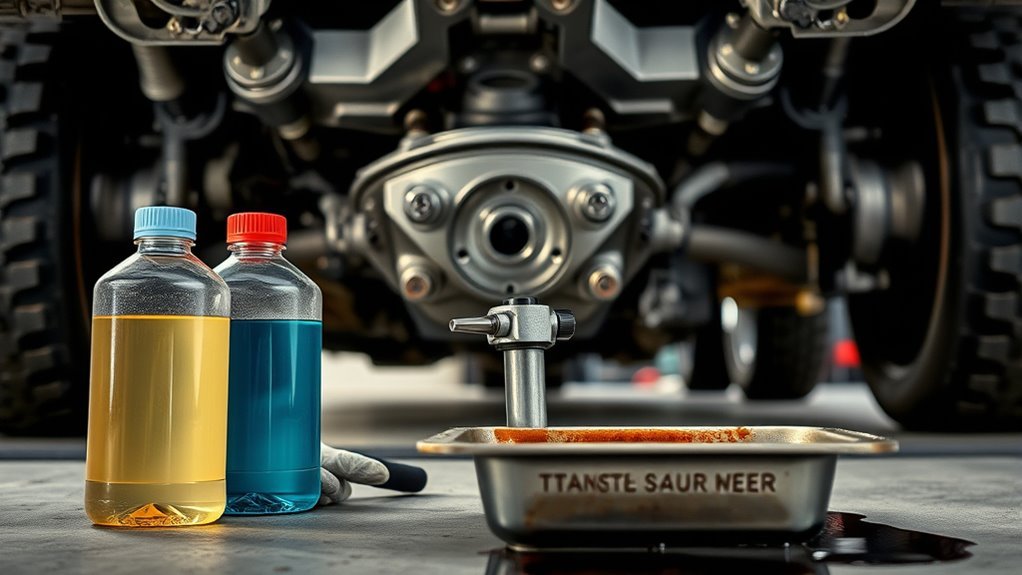
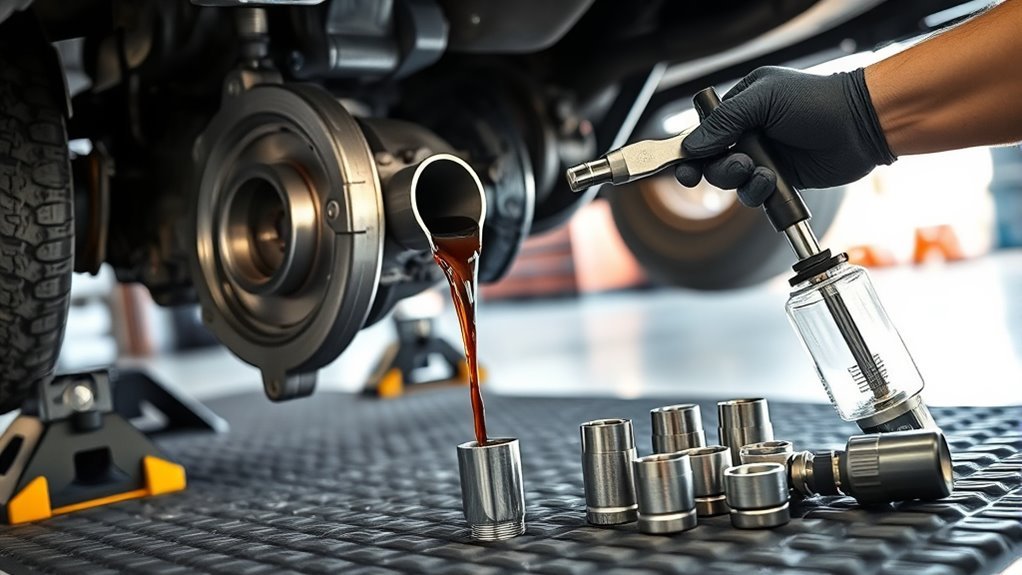
Start by warming the 4Runner with a 5–10 mile drive so the transfer case fluid flows and drains cleanly. Park on level ground, secure the vehicle, and remove the fill plug first so air can enter and the case will drain completely — if you drain first and the fill plug won’t budge, you’re stuck with an empty case. On 5th-generation trucks, both the fill and drain plugs typically use a 24mm 6-point socket, torqued to roughly 27 ft-lb [VERIFY: confirm socket size and torque spec for your generation in the factory service manual].
Remove the drain plug and collect the old fluid, then inspect and clean the drain-plug magnet for metal shavings as a wear indicator — more than a light coating of fine metallic fuzz is worth mentioning to a shop. Reinstall the drain plug with a new crush washer and torque to spec. Refill through the fill hole with your chosen fluid until it just begins to drip out, then refit the fill plug with a new crush washer, torque it, and wipe down both connections. Take a short, controlled drive, then recheck both plugs for seepage.
[Products Worth Considering]

Castrol EDGE 0W-20 advanced full synthetic motor oil is engineered for drivers seeking strong wear protection, excellent viscosity control, and thermal stability. It delivers superior performance in critical engine areas, including fuel economy, high-temperature protection, sludge control, and wear defense. Designed for extended oil-change intervals, it helps keep modern engines running smoothly under demanding conditions.

This 12-pack oil filter and drain plug washer set is designed for a wide range of Toyota and Scion vehicles, helping support clean oil flow and dependable engine performance. It replaces several common OE part numbers and offers an easy-fit solution for routine maintenance. Built with corrosion-resistant materials and efficient filtration, it helps keep engine contaminants out and supports longer service life.

This front left door lock actuator assembly is a direct replacement for select Toyota and Lexus models, helping restore reliable power door locking and latch operation. Built as an OEM-quality aftermarket part, it includes the latch assembly and is factory tested for dependable performance. It is designed for driver-side front door fitment across a wide range of compatible vehicles and comes with replacement support for added peace of mind.
Troubleshooting After a Fluid Change (Leaks, Noise, 4WD Engagement)
After you’ve refilled and torqued the plugs, inspect and test before calling the job done. Clean the area, run the vehicle, and recheck the fill and drain bolts and crush washers for seepage. Verify the differential breathers are unobstructed, since a blocked breather can cause pressure-driven leaks and let contamination in.
After refilling and torquing plugs, clean, run, and recheck for leaks — make sure breathers are clear to prevent contamination and pressure-related leaks.
- Check ABS/traction lights and 4WD engagement: if warning lights come on or 4WD won’t engage, confirm no harnesses or sensors were left unplugged, and test the front differential actuator for proper operation.
- Listen for new noise: chattering or growling after a fluid change usually points to a fluid-compatibility mismatch — confirm the GL rating and viscosity you used actually match your spec, and switch fluids if it doesn’t.
- Re-inspect after a short road test: look for fresh leaks, listen for abnormal sounds, and confirm 4WD engages and disengages cleanly.
Document what you find, correct any faults before considering the job finished, and don’t drive on a transfer case that isn’t engaging or disengaging cleanly.
Cost, Availability, and When to Choose OEM vs Cheaper Alternatives
Genuine Toyota 75W transfer case fluid typically runs somewhere in the $50–$90 per liter/quart range depending on retailer, and dealers don’t always stock it [VERIFY: pricing changes frequently — check current listings]. That price gap is the main reason owners look at Red Line MT‑LV or Royal Purple Synchromax instead. Weigh it this way: OEM fluid guarantees you’re running exactly what Toyota engineered and warrantied the transfer case around; a confirmed aftermarket match can save real money over the life of the truck if you verify the spec sheet — not just the marketing copy — against your manual. Check the product’s actual datasheet for viscosity, additive package, and any stated compatibility with your transfer case before buying, and give it 100–500 miles after a change to confirm shift feel and noise are normal.
Frequently Asked Questions
What Kind of Oil Does a Toyota 4runner Transfer Case Take?
2010-and-newer 4Runners take Genuine Toyota Transfer Gear Oil LF, SAE 75W, or a fluid specifically cross-referenced to that part number, such as Red Line MT‑LV 70W/75W GL‑4. Pre-2010 4Runners take a heavier 75W‑90 gear oil rated GL‑4 or GL‑5 instead. Check your VIN or owner’s manual to confirm which applies, and plan on inspecting the fluid at every 30,000-mile service, replacing it outright if you tow, off-road, or cross water regularly.
What Kind of Diff Fluid Does a 2011 Toyota 4runner Take?
A 2011 4Runner’s front and rear differentials take Toyota Genuine Differential Gear Oil LT, 75W‑85, rated GL‑5 (75W‑90 GL‑5 is an acceptable alternative). This is a different fluid from the transfer case’s 75W LF oil, so don’t assume one bottle covers both jobs — see our 4Runner differential fluid change guide for the full procedure. Drain, inspect for metal shavings, replace the crush washers, and refill at each scheduled fluid change.
What Oil Should I Use for My Transfer Case?
Use whatever your owner’s manual specifies for your exact model year — for most 4Runners built since 2010, that’s SAE 75W Genuine Toyota Transfer Gear Oil LF or a confirmed cross-reference like Red Line MT‑LV. Inspect it at every 30,000-mile service and replace it sooner under severe use, and always verify viscosity and GL rating (if any) against your manual rather than a generic recommendation.
Is Toyota Transfer Case Fluid GL-4 or GL-5?
It depends on your 4Runner’s age. 2010-and-newer trucks use a 75W fluid that Toyota doesn’t assign a GL rating to at all — owners who want a GL-rated aftermarket substitute generally choose GL‑4 for its yellow-metal compatibility. Pre-2010 4Runners spec a 75W‑90 gear oil rated GL‑4 or GL‑5, and either is acceptable per Toyota’s own manual for those model years. [VERIFY: confirm against your specific owner’s manual, since sourcing on this question is genuinely mixed across dealers and forums]
How Much Fluid Does a 4Runner Transfer Case Hold?
Capacity is roughly 1.1 quarts for part-time 4WD models and 1.5 quarts for full-time 4WD models, though the safest method is always to fill to the bottom of the fill hole rather than relying on a fixed quart count. [VERIFY: confirm exact capacity for your model against the factory service manual]
Conclusion
Match the fluid to your 4Runner’s actual generation and spec — Genuine Toyota 75W (or a confirmed GL‑4 cross-reference) for 2010-and-newer trucks, 75W‑90 GL‑4/GL‑5 for older ones — and don’t mix the two up. Keep fill levels exact, torque the plugs to spec, and don’t guess on GL rating when your manual gives you a straight answer. Drain, inspect, refill, and confirm clean 4WD engagement afterward; skip that last step and a real problem can go unnoticed until it’s expensive.
[Products Worth Considering]
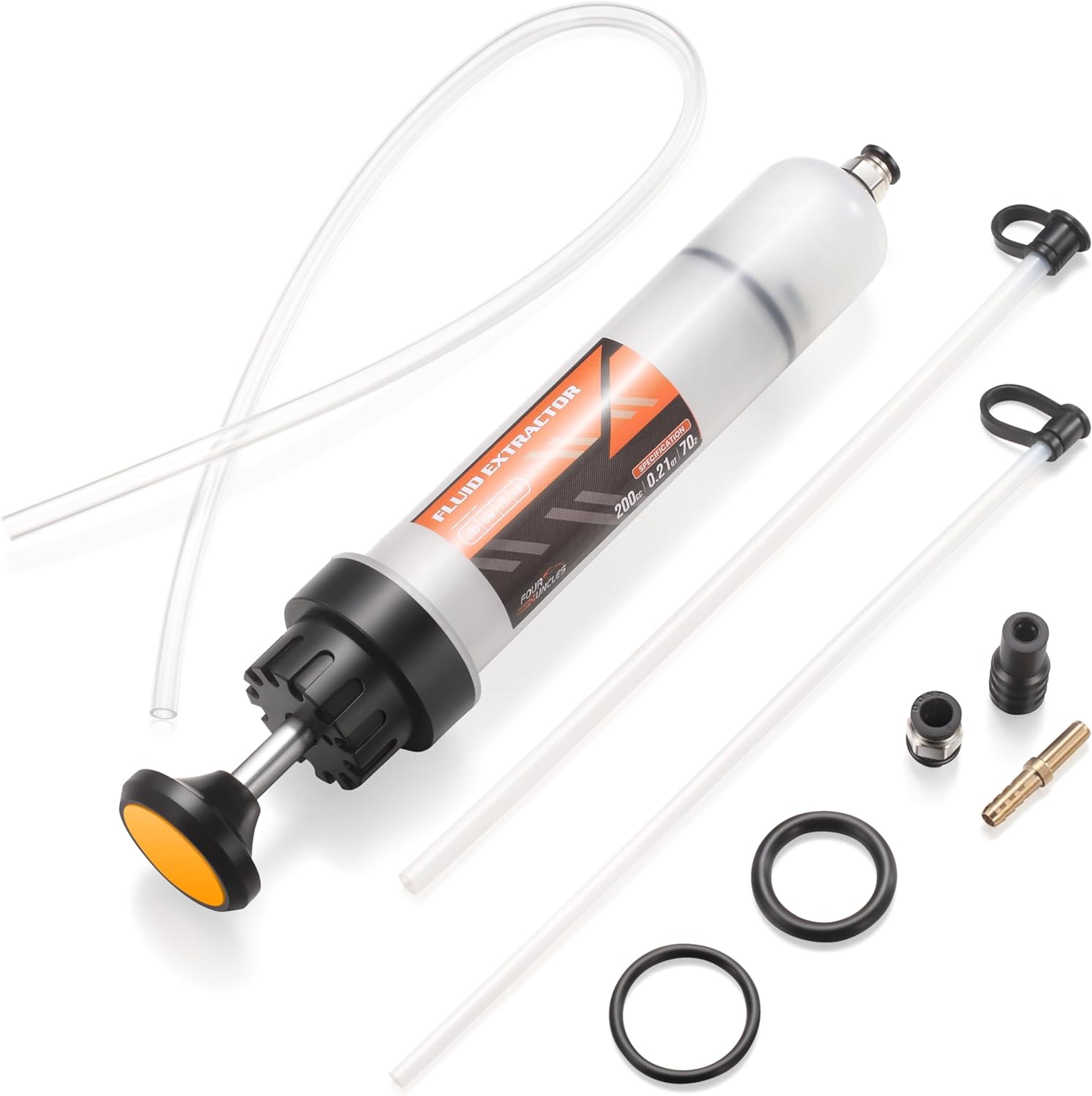
This fluid transfer syringe with flexible hose helps you reach tight service points for cleaner, more controlled automotive fluid changes. The transparent barrel and smooth plunger make it easier to monitor flow and reduce spills while working in engine bays, transmissions, differentials, and other confined areas. It is a versatile DIY garage essential for transferring compatible fluids in cars, motorcycles, ATVs, marine equipment, and more.

Upgrade your Toyota 4Runner with these heavy duty roof rack cross bars designed for raised side rails and secure cargo transport. The aluminum construction, anti-theft locking system, and tie-down loops help keep gear stable on the road while the low-profile design helps reduce wind noise. Easy to install with no drilling required, they provide a durable and convenient solution for road trips, hauling, and outdoor adventures.
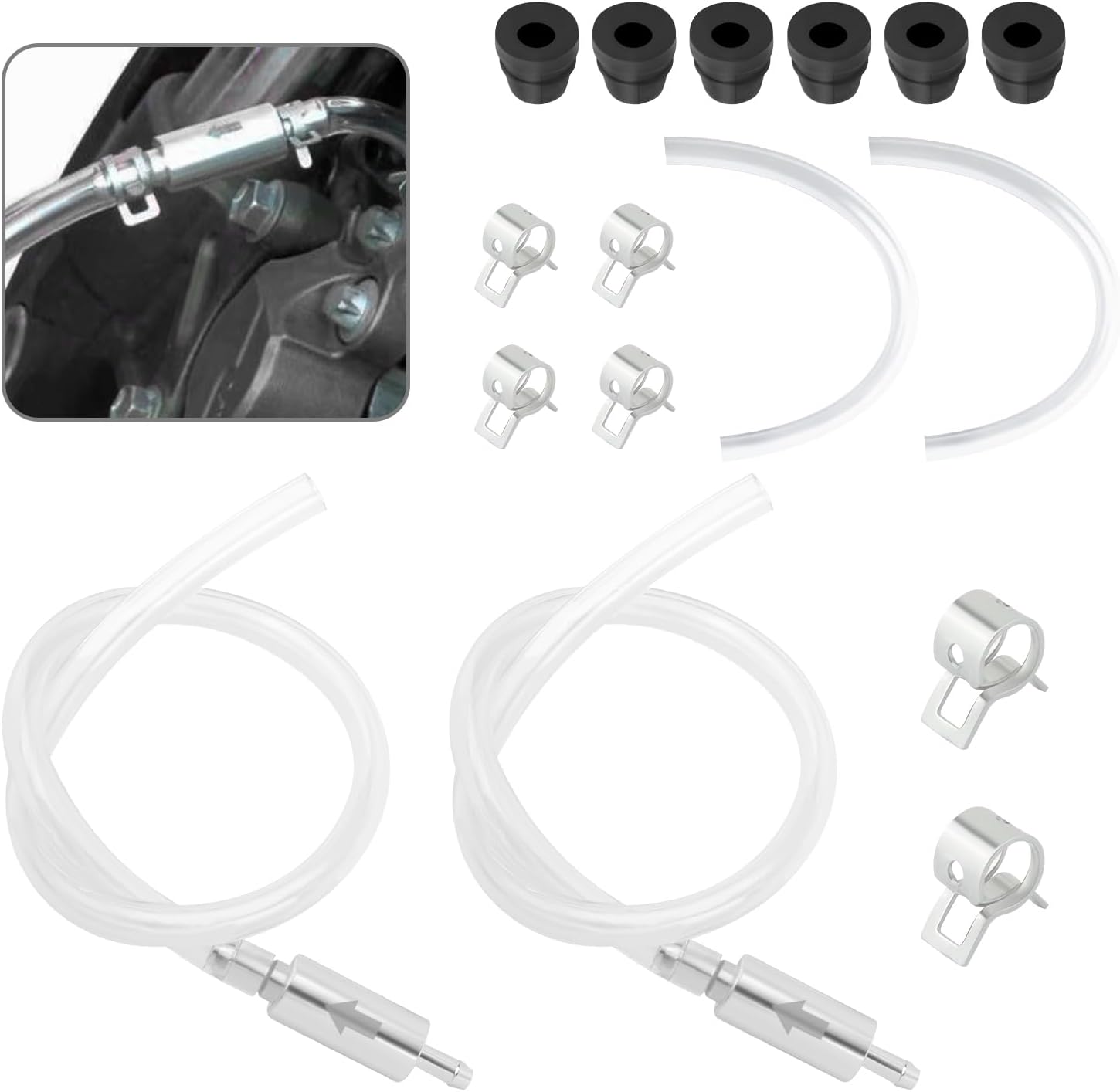
This brake bleeder kit helps make hydraulic brake bleeding easier on motorcycles, cars, and bikes with a simple one-way valve setup that helps prevent air and contamination from entering the system. It includes multiple hoses, clamps, and dust-proof screw caps for a cleaner, more controlled bleeding process. Durable rubber tubing and rust-resistant valves support repeated use and flexible installation around different brake layouts.