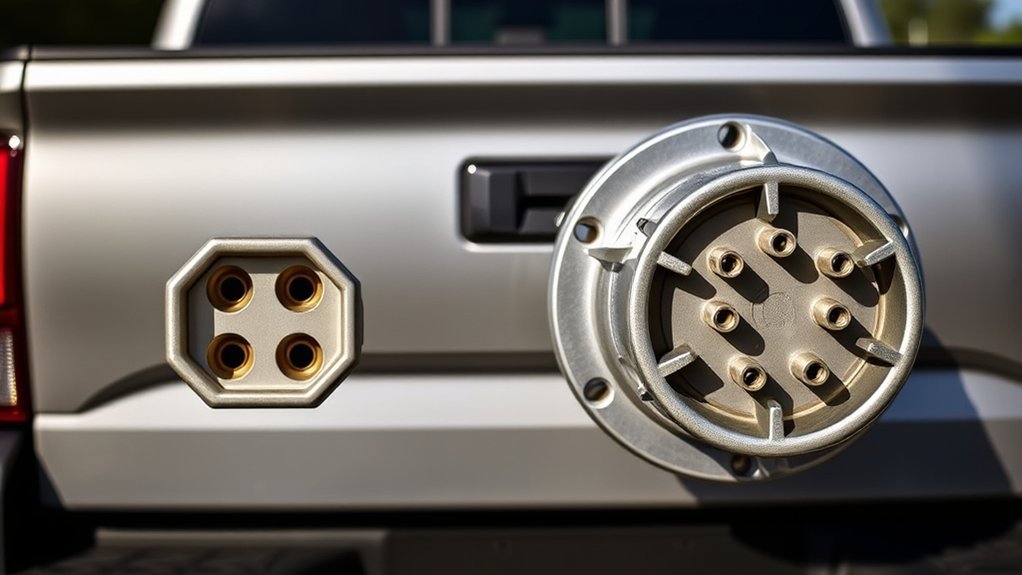
Choosing between a 4-pin and 7-pin trailer connector on a Toyota Tacoma comes down to what your trailer needs, not just what plug fits the bumper. A 4-pin connector handles basic trailer lights. A 7-pin connector adds circuits for electric trailer brakes, auxiliary 12-volt power, reverse lights, and future towing upgrades. For safe Tacoma towing, match the connector to the trailer’s loaded weight, brake system, and your owner’s manual.
Quick Answer
Use a 4-pin connector for small trailers that only need lights. Use a 7-pin connector when the trailer has electric brakes, reverse lights, a breakaway battery, or auxiliary power. For heavier trailers, check your Tacoma manual, trailer rating plate, and state brake laws before towing.
Key Takeaways
- A 4-pin, also called a 4-flat, powers running lights, brake lights, turn signals, and ground only.
- A 7-pin, also called a 7-way RV blade connector, can support electric trailer brakes, 12-volt auxiliary power, and reverse lights.
- A 7-pin plug does not always mean your Tacoma has an active brake controller. Some model years and trims require an aftermarket controller.
- Trailer brake requirements vary by state and by loaded trailer weight, so do not rely on one universal weight number.
- Always test trailer lights and brakes before driving, especially after using an adapter or installing new wiring.
At a Glance
| Time Required | 10–20 minutes to inspect or test; 1–3 hours for a typical connector or brake-controller install |
| Difficulty | Easy for testing and adapters; moderate for brake-controller installation |
| Tools Needed | Test light or multimeter, dielectric grease, basic hand tools, trim tool, wiring harness, and the correct trailer adapter if needed |
| Cost | Low for adapters and testers; moderate for a quality brake controller and vehicle-specific harness |
Understanding Tacoma Trailer Wiring: 4-Pin vs. 7-Pin Connectors
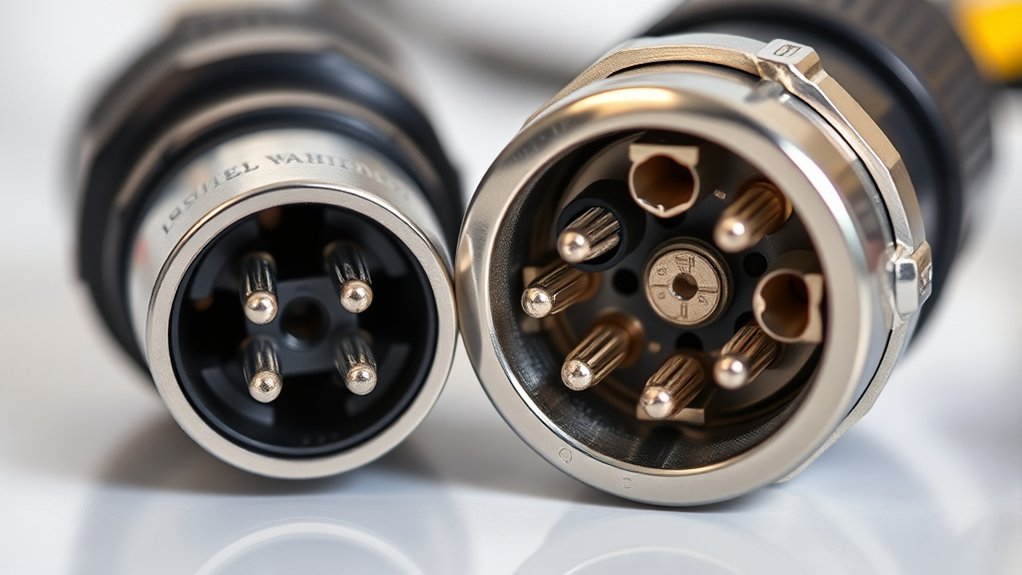
When it comes to Tacoma trailer wiring, the difference between a 4-pin and 7-pin connector is simple: the 4-pin connector is mainly for lighting, while the 7-pin connector adds circuits needed for more advanced trailer functions. According to Tekonsha’s 7-way and 4-way connector guide, a 4-flat output supports taillights, brake lights, and turn signals, while a 7-way RV blade adds reverse lights, electric brakes, and auxiliary power.
A 4-pin connector is usually enough for small utility trailers, jet ski trailers, lawn trailers, and other light-duty trailers that only need road-legal lighting. It does not carry a dedicated electric brake-control circuit. That matters because trailers with electric brakes need a brake controller signal from the tow vehicle.
A 7-pin connector is the better choice for trailers with electric brakes, a breakaway battery, reverse lights, or onboard 12-volt accessories. The current 7-way RV blade connector is covered by the SAE J2863 trailer tow connector standard, which defines requirements for the seven-position automotive trailer interface.
Note: Toyota Tacoma equipment varies by model year, trim, and tow package. Toyota’s 2024 and 2026 Tacoma owner information says the trailer brake controller, if equipped, controls trailer brakes through the 7-pin connector. Older or differently equipped Tacomas may have a 7-pin connector without an integrated factory brake controller.
Key Functions of a 4-Pin Connector for Tacoma Trailers
A 4-pin connector is the simplest Tacoma trailer wiring setup. It is built for the lighting circuits most small trailers need:
- Running or tail lights: make the trailer visible when your headlights or parking lights are on.
- Left turn and brake signal: powers the left turn signal and left brake-light function.
- Right turn and brake signal: powers the right turn signal and right brake-light function.
- Ground: completes the electrical circuit and prevents weak or flickering lights.
On many 4-flat trailer harnesses, the common color pattern is white for ground, brown for running lights, yellow for left turn/brake, and green for right turn/brake. However, wiring colors are not a substitute for testing. Used trailers, repairs, aftermarket harnesses, and imports can have non-standard colors.
Pro Tip: Before towing, use a 4-pin tester or multimeter to confirm each circuit. Do not rely only on wire color, especially on older trailers or a trailer you just bought used.
The Risks of Using a 4-Pin Connector for Heavy Trailers
Using a 4-pin connector on a trailer that needs electric brakes creates a safety problem because the connector has no dedicated brake-control circuit. The lights may work, but the trailer brakes will not receive the controller signal they need.
This can increase stopping distance, make downhill braking harder, and put more heat into your Tacoma’s brakes. Toyota’s 2024 Tacoma towing guidance warns that towing affects handling, performance, braking, durability, and fuel consumption, and that drivers must not overload the vehicle or trailer.
A trailer connector can make the lights work and still be the wrong connector for the trailer. If the trailer has electric brakes, you need a 7-pin circuit and a working brake controller.
Many guides mention 2,000 or 3,000 pounds as a point where trailer brakes become important, but the legal threshold is not the same everywhere. The AAA Digest of Motor Laws towing-law chart shows that state trailer-brake rules vary by gross trailer weight, stopping-distance rules, and other conditions. Always check the law for the state where you tow and use the trailer’s loaded weight, not just its empty weight.
Warning: Never assume a 4-pin adapter is safe for a braked trailer. If your trailer has electric brakes, a breakaway battery, or a manufacturer label requiring trailer brakes, use a 7-pin setup with a properly adjusted brake controller.
4-Pin vs. 7-Pin Tacoma Connector Comparison
| Feature | 4-Pin / 4-Flat | 7-Pin / 7-Way RV Blade |
|---|---|---|
| Best for | Small trailers that only need lights | Trailers with brakes, batteries, reverse lights, or accessories |
| Running lights | Yes | Yes |
| Brake and turn lights | Yes | Yes |
| Electric trailer brakes | No | Yes, with a working brake controller |
| 12-volt auxiliary power | No | Often supported, depending on vehicle wiring |
| Reverse-light circuit | No | Often supported, depending on vehicle and trailer wiring |
| Adapter friendly | Can plug into a 7-way vehicle with the right adapter | Can be adapted for lights only, but brake functions may not pass through |
[Products Worth Considering]

These oil-based battery terminal protectors help stop corrosion by sealing out acid fumes that can damage battery connections. The saturated felt washers are designed to last without drying out, helping maintain cleaner terminals and better electrical contact for stronger starting performance. Their universal design works with both top-post and side-post batteries, making them a practical choice for routine battery maintenance.

Adam's Advanced Graphene Ceramic Coating delivers long-lasting protection for your vehicle with a durable 10H-rated surface that helps defend against weather, chemicals, UV exposure, and everyday grime. Its patented UV tracing technology makes application easier and more precise, while the slick, high-gloss finish enhances depth of color and repels water for easier maintenance.

This trailer coupler lock provides visible, dependable protection for your trailer with a rugged all-metal build and bright yellow finish that helps deter theft. Its universal adjustable design fits common coupler sizes and offers multiple locking positions for a secure, convenient setup. Built for all-weather use, it features protective rubber caps and anti-corrosion plating to help keep the locking mechanism working reliably.
Installing 4-Pin or 7-Pin Connectors on Your Tacoma
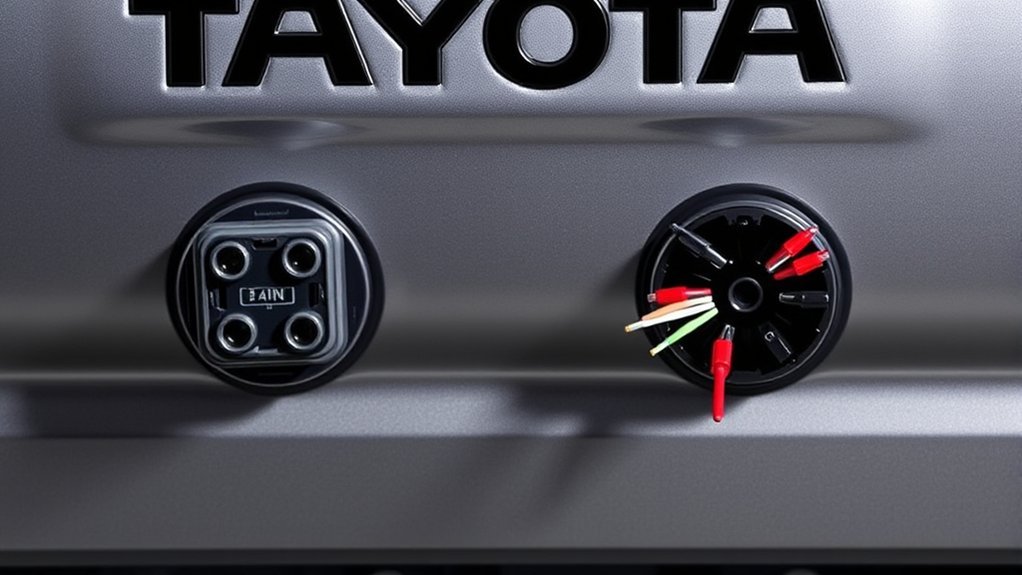
Before installing a connector, confirm what your Tacoma already has. Some Tacomas have a factory tow package with a rear connector. Others may need a vehicle-specific wiring kit. Also check whether your trailer uses a 4-flat plug, 5-flat plug, 6-round plug, or 7-way RV blade plug.
[Products Worth Considering]

SYLVANIA H11 XtraVision halogen headlight bulbs are designed to improve down-road visibility without adding extra glare. Built with a robust filament and proprietary gas mixture, they deliver reliable performance and durable illumination for high beam, low beam, or compatible fog light applications. Replacing headlight bulbs in pairs helps maintain balanced lighting and optimal driving confidence.

This versatile car fuse assortment kit includes multiple fuse sizes and current ratings to help keep vehicles protected and ready for quick repairs. With organized color-coded fuses, a fuse puller, and installation guidance, it offers a convenient backup solution for a wide range of automotive and recreational vehicles. It's ideal for drivers who want a practical emergency replacement set for everyday use and travel.

Vehicle-Specific:: This custom 4-way flat vehicle side Tacoma trailer hitch tow wire is designed for 1989 - 1995 Toyota Pickup (X Excluding 1993-1995 Toyota Pickup T100) and 1996 - 2004 Toyota Tacoma (X Excluding 1995 5 Mid-Year model Toyota Tacoma)
Before You Start
- Check your Tacoma owner’s manual and tow-rating label.
- Confirm the trailer’s loaded weight, gross vehicle weight rating, and tongue weight.
- Look at the trailer plug and whether the trailer has electric brakes.
- Inspect the Tacoma’s rear connector for corrosion, bent pins, loose mounting, or damaged wiring.
- Use the correct harness for your model year and tow package.
Basic 4-Pin Installation Checks
A 4-pin setup is usually straightforward when you use a vehicle-specific harness. Once connected, test the running lights, left turn signal, right turn signal, brake lights, and hazard lights. If one side is dim or flickers, check the trailer ground first.
Basic 7-Pin Installation Checks
A 7-pin setup needs more attention because it may include brake output, auxiliary power, reverse lights, and ground. Toyota’s 2026 Tacoma brake-controller guide explains that, when equipped, the Tacoma trailer brake controller can control electric or electric-over-hydraulic trailer brakes through the 7-pin connector and lets the driver adjust gain.
If your Tacoma does not have an integrated controller, an aftermarket controller is the usual solution. REDARC lists Toyota Tacoma-specific Tow-Pro brake-controller kits, including plug-and-play wiring options, on its official Tacoma towing solutions page.
Note: Brake-controller connector locations can vary by Tacoma generation. Many installations place the controller wiring under the dash or behind lower kick-panel trim, but always verify the location with your model-year instructions before removing panels.
Top Wiring Mistakes for Tacoma Trailers and How to Prevent Them
Trailer wiring problems are usually caused by a bad ground, the wrong adapter, corroded pins, crossed circuits, or assuming the connector does more than it actually does. The good news is that most of these issues are easy to prevent with a few checks.
Common Wiring Errors
One common error is matching wires by color without testing the circuit. Standard colors are helpful, but they are not guaranteed. Use a tester to identify the function of each pin before splicing or replacing a connector.
Another common mistake is connecting a 4-way trailer to a 7-way vehicle and assuming all functions will work. A 7-way-to-4-way adapter normally passes lighting circuits only. It will not create electric trailer brakes on a 4-pin trailer plug.
Inadequate Ground Connections
Inadequate ground connections are one of the most common causes of dim, flickering, or intermittent trailer lights. The ground wire should connect to clean, bare metal on the trailer frame. Paint, rust, loose screws, and corrosion can all weaken the circuit.
For 4-pin connectors, the white wire is commonly used as ground. A 7-pin connector also needs a reliable ground because the extra brake and auxiliary circuits depend on it. If a trailer has several electrical functions, a dedicated ground wire from the trailer plug to the trailer frame is better than relying on the coupler and hitch ball.
Incorrect Connector Types
Choosing the wrong connector can make a trailer look road-ready when it is not. A 4-pin connector can power lights on a braked trailer, but it cannot operate electric brakes. A 7-pin connector can support electric brakes, but only if the Tacoma has a working brake controller and the brake-output circuit is wired correctly.
Corroded or Loose Connector Pins
Moisture, road salt, mud, and dust can damage trailer plugs over time. If the lights work only when you wiggle the plug, inspect the pins and socket. Clean light corrosion with electrical contact cleaner, replace damaged plugs, and use a small amount of dielectric grease to help protect the connection.
Skipping the Pre-Trip Test
The EPA trailer towing pre-trip checklist recommends confirming the wiring connection, running lights, brake lights, turn signals, hazard lights, trailer brakes, and breakaway lanyard before towing. A quick walk-around test can catch a wiring issue before you are on the road.
Upgrade Your Tacoma With Aftermarket Brake Controllers
If your trailer has electric brakes and your Tacoma does not have a working integrated brake controller, an aftermarket brake controller is the key upgrade. It sends a controlled braking signal through the 7-pin connector so the trailer brakes work with the truck instead of pushing against it.
Popular Tacoma brake-controller options include proportional controllers, such as the REDARC Tow-Pro Liberty and Tow-Pro Elite. Proportional controllers use vehicle movement to apply trailer braking more smoothly than basic time-delay controllers. REDARC’s Toyota Tow-Pro harness information lists a Tacoma-suitable harness designed to connect REDARC Tow-Pro controllers into supported Toyota vehicles.
[Products Worth Considering]
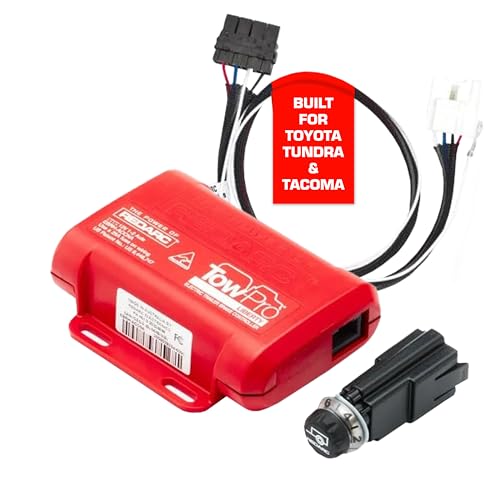
Proportional Mode Brake Kit for Everyday Towing: The Tow-Pro Liberty delivers Proportional Mode braking for smooth on-road control. Easy to install and use, the system reduces push and pull for ultimate towing confidence on roads and highways

【Embodiment of Best Quality Brake Controllers】: The Rizz-Man 8507111 Brake Controller is designed with cutting-edge technology and premium materials, offering superior braking control for various towing vehicles. Built for durability and safety, it ensures reliable performance even under heavy loads and tough driving conditions.

Dual Mode Brake Kit for Any Terrain: The Tow-Pro Elite delivers Proportional Mode braking for smooth on-road control, and User-Controlled Mode for precise off-road braking. Switch between modes with a simple dash dial for ultimate towing confidence
What a Brake Controller Does
- Controls brake output: sends the correct amount of current to the trailer brakes.
- Lets you adjust gain: increases or decreases trailer braking force for the load.
- Provides manual trailer braking: lets you apply trailer brakes by hand to test or stabilize the trailer.
- Improves control: helps reduce strain on the Tacoma’s brakes when towing a properly equipped trailer.
How to Test After Installation
- Connect the trailer on level ground.
- Confirm the 7-pin plug locks into the socket securely.
- Check running lights, brake lights, turn signals, and hazards.
- Set the brake controller to a low or middle gain setting according to its instructions.
- Use the manual brake control at low speed in a safe area to confirm the trailer brakes engage.
- Make small gain adjustments until braking feels smooth and controlled without trailer wheel lockup.
Pro Tip: Recheck brake-controller gain whenever the trailer load changes. An empty trailer and a fully loaded trailer can need different brake settings.
When a 7-Pin to 4-Pin Adapter Makes Sense
A 7-pin to 4-pin adapter is useful when your Tacoma has a 7-way socket and the trailer only has a 4-flat plug. In that case, the adapter usually passes the basic lighting circuits: running lights, brake lights, turn signals, and ground.
The adapter does not turn a 4-pin trailer into a braked trailer. It also does not add auxiliary charging or reverse-light circuits to a 4-flat plug. If you need those functions, the trailer wiring must be upgraded to the correct connector and circuit layout.
Troubleshooting Tacoma Trailer Wiring Problems
If your Tacoma trailer lights or brakes are not working, start with the easiest checks before replacing parts.
| Problem | Likely Cause | What to Check |
|---|---|---|
| No trailer lights | Bad ground, blown fuse, loose plug, or dead circuit | Ground wire, Tacoma trailer-light fuse, connector pins, and tester output |
| One side does not blink | Failed bulb, poor ground, or crossed turn-signal wire | Bulb, socket, yellow or green circuit, and trailer-side ground |
| Lights flicker | Loose plug or corroded ground | Connector fit, pin tension, frame ground, and corrosion |
| Trailer brakes do not work | No brake controller, inactive brake-output circuit, or trailer brake wiring fault | 7-pin brake pin, controller power, gain setting, trailer brake magnets, and breakaway battery |
| Fuse blows repeatedly | Short circuit or damaged trailer wiring | Pinched wires, exposed copper, wet connectors, and incorrect splices |
Frequently Asked Questions
Is there a 7-pin to 4-pin adapter?
Yes. A 7-pin to 4-pin adapter lets a Tacoma with a 7-way socket connect to a trailer with a 4-flat plug. It normally carries basic lighting circuits only. It will not add electric trailer brakes, auxiliary power, or reverse-light functions to a 4-pin trailer.
Do I need a 7-pin connector to tow with a Tacoma?
You do not need a 7-pin connector for every trailer. A small trailer that only needs lights can use a 4-pin connector. You need a 7-pin connector when the trailer has electric brakes, auxiliary power, reverse lights, or a breakaway system that depends on 7-way wiring.
Does a 7-pin connector mean my Tacoma has a brake controller?
Not always. A 7-pin connector provides the physical circuit path, but the truck also needs a working brake controller. Some newer Tacomas may have an integrated controller if equipped, while many older or differently equipped Tacomas need an aftermarket controller.
Can I tow a trailer with electric brakes using only a 4-pin connector?
No. A 4-pin connector does not have the brake-output circuit required for electric trailer brakes. The trailer lights may work, but the brakes will not operate through a standard 4-pin plug.
What is the most common cause of Tacoma trailer light problems?
A poor ground connection is one of the most common causes. Check the white ground wire, clean the trailer-frame contact point, tighten the connection, and inspect the plug for corrosion or loose pins.
Conclusion
For Tacoma trailer wiring, the right choice is the connector that matches your trailer’s actual equipment. A 4-pin connector is simple, affordable, and suitable for small trailers that only need lights. A 7-pin connector is the better setup for trailers with electric brakes, auxiliary power, reverse lights, or heavier towing demands.
The safest approach is to check three things before you tow: your Tacoma owner’s manual, the trailer’s loaded weight and brake requirements, and the trailer plug itself. If the trailer has electric brakes, do not rely on a 4-pin connector or a simple adapter. Use a 7-pin setup with a properly installed and tested brake controller.
Sources
- Toyota Owners: 2024 Tacoma Trailer Towing — supports Tacoma towing safety, load, braking, handling, and owner-manual guidance.
- Toyota Owners: 2026 Tacoma Trailer Brake Controller — supports 7-pin brake-controller function and gain adjustment when equipped.
- SAE J2863 Automotive Trailer Tow Connector Standard — supports seven-position trailer connector standard information.
- Tekonsha 7-Way and 4-Way Connector Functions — supports 4-flat lighting functions and 7-way added circuits.
- REDARC Toyota Tacoma Towing and Power Solutions — supports Tacoma-compatible aftermarket brake-controller options.
- EPA Trailer Towing Pre-Trip Safety Checklist — supports pre-trip checks for wiring, lights, brakes, and breakaway systems.