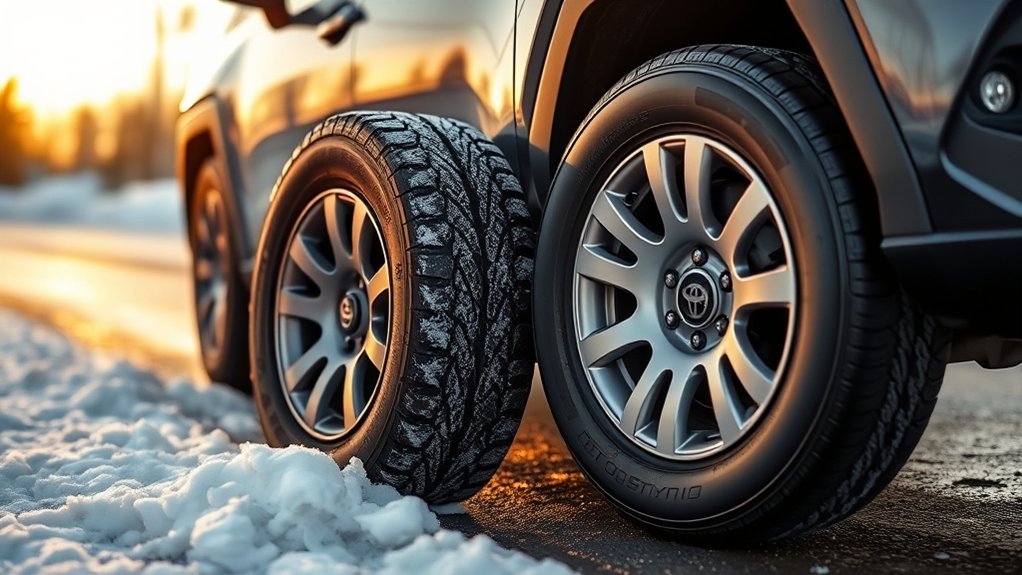
If you drive a Toyota RAV4 where temperatures regularly fall below 45°F/7°C, or you often see snow, slush, black ice, steep hills, rural roads, or slow plowing, dedicated 3PMSF winter tires are the safest choice. AWD helps the RAV4 get moving, but it does not make all-season rubber grip ice better when you brake or turn.
Quick Answer
A RAV4 does not always need snow tires, but it should use dedicated winter tires if you drive in frequent snow, ice, or temperatures below 45°F/7°C. For mild city winters, 3PMSF all-weather tires can be a practical year-round compromise. Standard all-season tires are best saved for light, occasional winter weather.
Key Takeaways
- Use dedicated winter tires if your RAV4 regularly sees snow, ice, freezing rain, mountain roads, or long stretches below 45°F/7°C.
- AWD is not a substitute for winter tires. It helps with acceleration, but braking and steering still depend on tire grip.
- Look for the Three-Peak Mountain Snowflake (3PMSF) symbol, not just M+S, when winter traction matters.
- Install winter tires in a set of four with the correct size, load index, and speed rating for your RAV4.
- All-weather 3PMSF tires can work for mild mixed climates, but dedicated winter tires remain better for severe ice and packed snow.
Quick Decision: Which Tire Should My RAV4 Use This Winter?

Use this simple rule: if winter roads where you live are often white, icy, slushy, or below freezing, choose dedicated winter tires. If your winter is mostly wet pavement with a few light snow days, choose 3PMSF all-weather tires. If you only see rare flurries and roads are plowed quickly, high-quality all-season tires may be enough.
| Your Winter Driving | Best Tire Choice | Why |
|---|---|---|
| Regular snow, ice, freezing rain, mountain roads, rural roads, or long subfreezing stretches | Dedicated 3PMSF winter tires | Best grip, braking, and control in true winter conditions |
| Mixed climate with cold rain, slush, light snow, and mostly plowed roads | 3PMSF all-weather tires | One-set convenience with verified severe-snow capability |
| Mild winter, rare snow, mostly above freezing, quick road treatment | Premium all-season tires | Comfortable year-round option when winter risk is low |
| Snowy gravel roads, light trails, and winter commuting | 3PMSF all-terrain tires | Better dirt-road durability, but usually not as strong on ice as a true winter tire |
For safety-first RAV4 owners, dedicated winter tires are the best winter setup. They use cold-weather rubber compounds and dense siping to stay flexible, bite into snow, and maintain control when all-season compounds start to harden. Transport Canada notes that all-season and summer tires begin losing elasticity below 7°C, while winter tires keep their grip at much lower temperatures. Transport Canada
[Products Worth Considering]
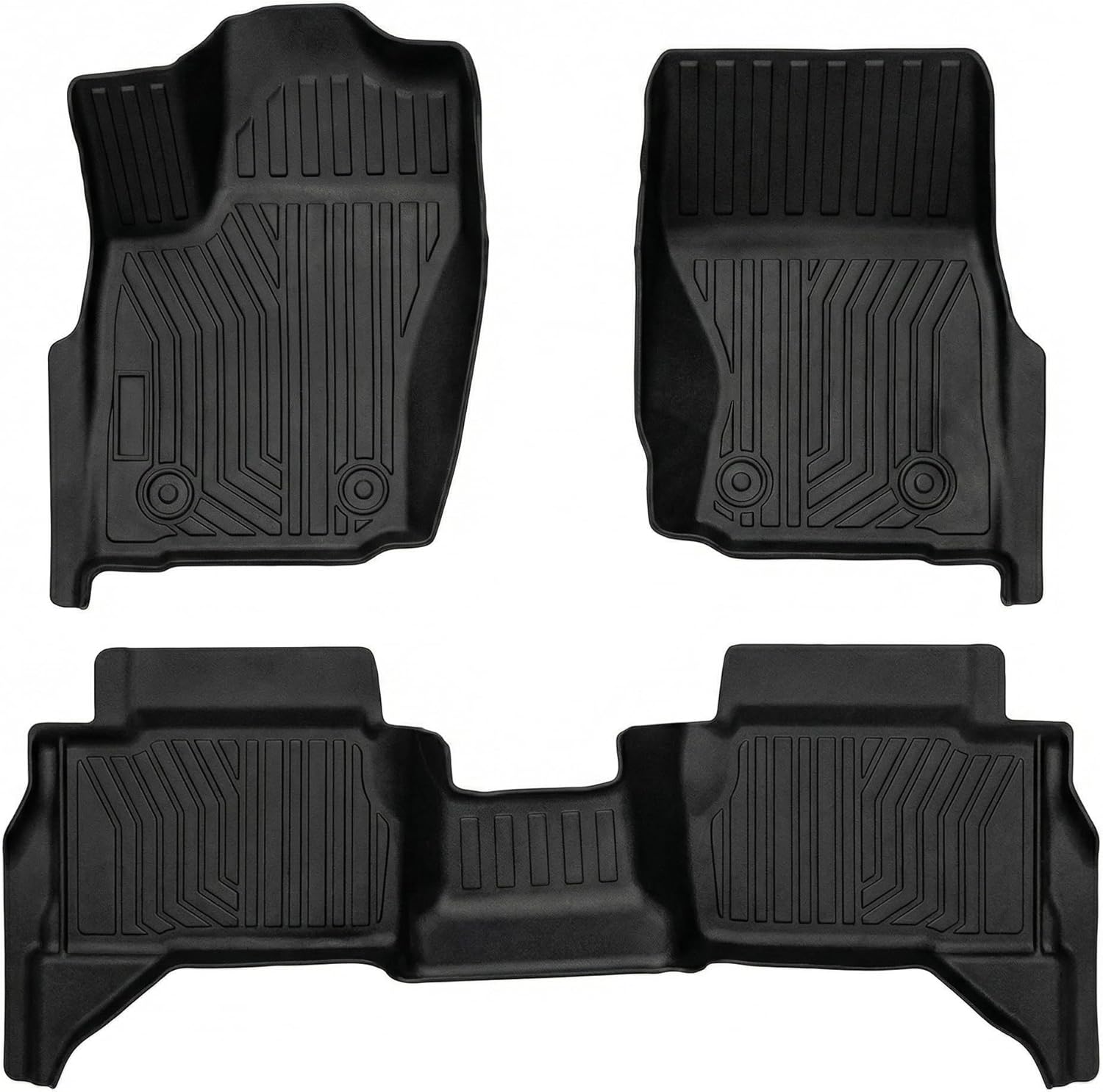
These custom-fit floor mats are designed for 2024-2026 Toyota Tacoma 4th Gen models, delivering full coverage and a precise fit for supported trims. Made from durable TPE, they help protect your interior from rain, snow, mud, sand, and everyday spills while deep grooves and raised edges trap debris for easier cleanup. The non-slip surface and retention clips keep the mats securely in place, and the full front and rear set provides reliable all-weather protection for your truck cabin.
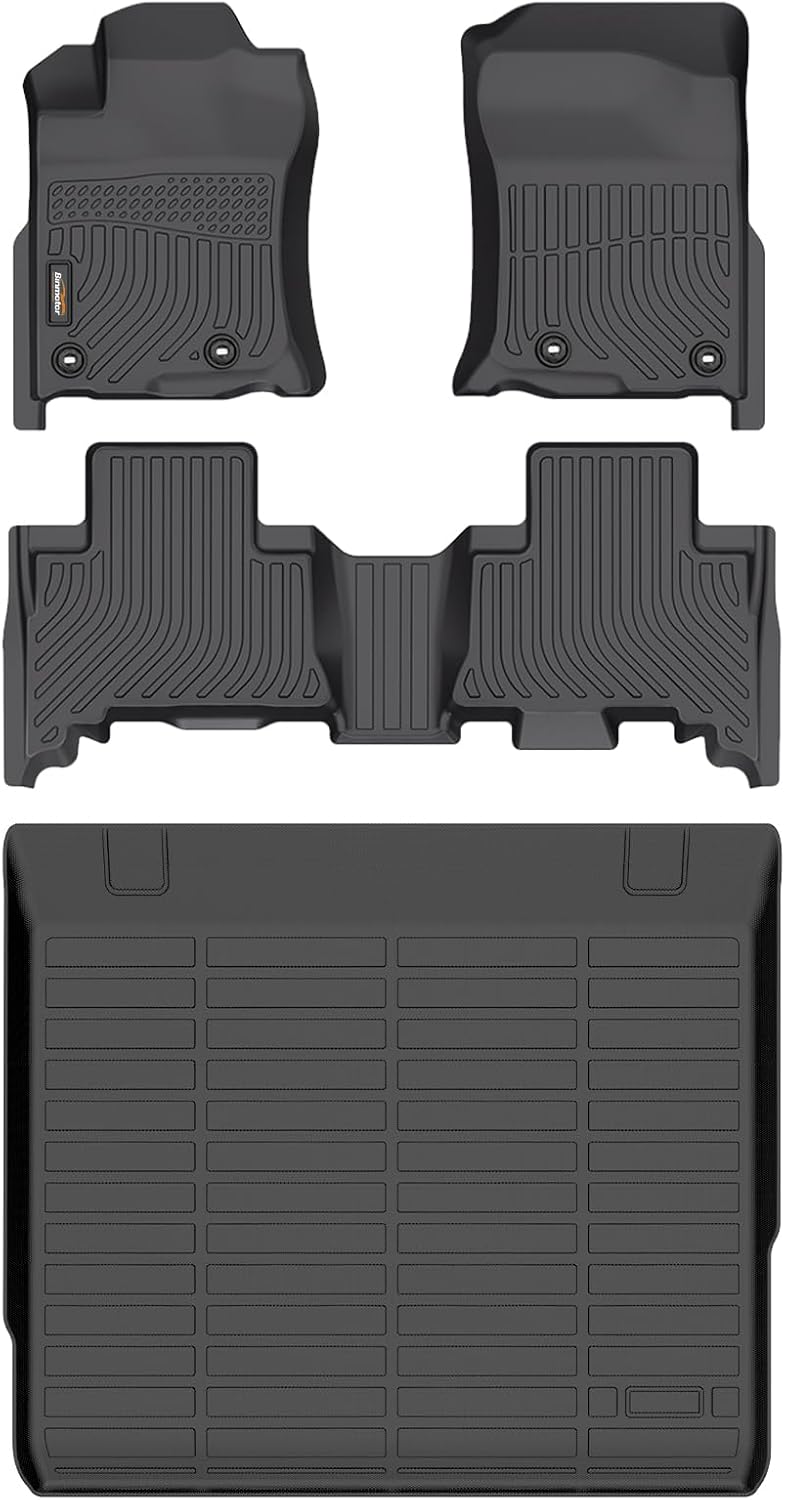
These custom-fit floor mats and cargo liner are designed for select Toyota 4Runner models and provide full-coverage protection for your interior. Made from durable TPE material with raised edges and non-slip buckles, they help contain dirt, spills, snow, and debris while staying securely in place. The waterproof design is easy to clean, making them a practical all-weather upgrade for everyday driving.

Protect your vehicle’s original carpet with custom-fit all-weather floor mats designed to help trap dirt, mud, snow, slush, and spills before they reach your interior. A ribbed channel surface, perimeter lip, and nib backing work together to help keep debris contained and the mats securely in place, while the front mats include a molded vehicle logo for a factory-correct look.
How Severe Is Your Winter Where You Live?
Your local winter matters more than the RAV4 badge on the liftgate. A RAV4 in Phoenix, Portland, Toronto, Denver, Minneapolis, Quebec City, and rural Vermont does not need the same tire strategy.
Choose dedicated snow tires if you deal with any of these conditions:
- Temperatures below 45°F/7°C for weeks at a time
- Regular snowstorms, packed snow, or freezing rain
- Black ice on bridges, shaded roads, hills, or ramps
- Mountain passes or roads with chain-control rules
- Rural roads that are plowed late or treated lightly
- A long commute where you cannot simply stay home during storms
All-season tires can be reasonable in mild winter areas where snow is rare, temperatures rebound quickly, and you mostly drive on treated city streets. The problem is that “all-season” does not mean “best in every season.” Many all-season tires are designed for long tread life, quiet ride, wet grip, and light snow—not for repeated ice braking or deep snow.
Note: Winter tires are not only for deep snow. Cold pavement, freezing rain, slush, and morning black ice are often the real reasons to switch.
Can RAV4 AWD Replace Snow Tires?
No. RAV4 AWD helps distribute power when you accelerate, but it does not create extra grip between the tire and the road. Whether your RAV4 is front-wheel drive, mechanical AWD, or hybrid electronic AWD, the vehicle still brakes and turns through four small tire contact patches.
That is why AWD can feel helpful when leaving a snowy driveway but still leave you sliding when you need to stop at an icy intersection. Winter tires improve the actual rubber-to-road connection. AWD manages power; tires provide grip.
Warning: Do not rely on AWD as your winter safety plan. AWD may help you get moving faster, which can create false confidence, but it does not shorten braking distance on ice the way better tire grip can.
Toyota’s own RAV4 winter-driving guidance says to fit four snow tires or use tire chains where appropriate, and it also warns that tire size and chain compatibility matter. Some RAV4 tire sizes cannot use chains, so always check your owner’s manual and door-jamb tire placard before buying winter tires, wheels, chains, or cables. Toyota Owners
Why Winter Compounds and Sipes Matter
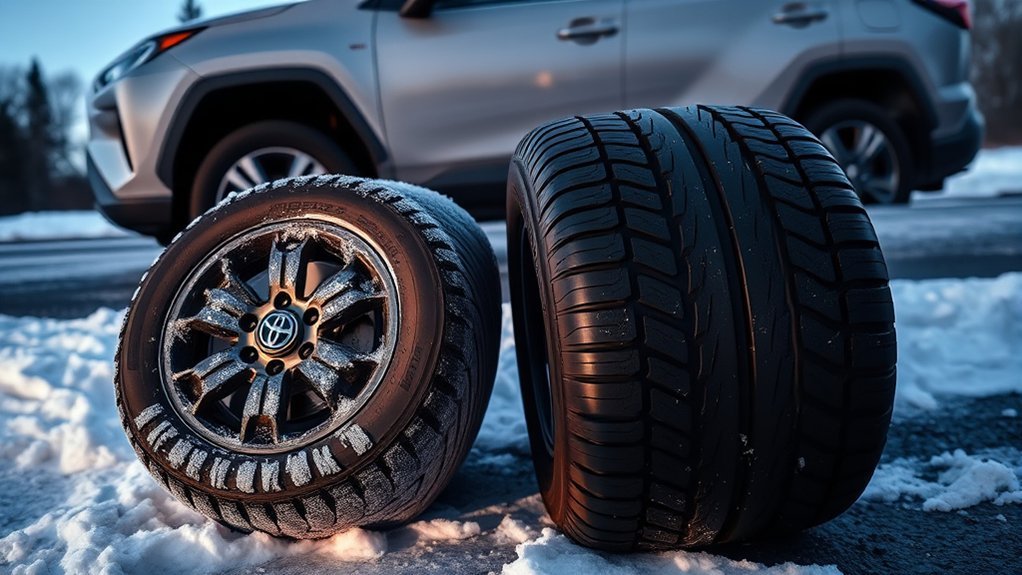
Winter tires work because they are built differently. The rubber compound, tread blocks, voids, and sipes are all designed for cold weather. On a RAV4, that means more predictable braking, steering, and cornering when roads are cold or slick.
Winter Rubber Flexibility
Cold weather makes many standard tire compounds stiffer. As rubber stiffens, the tread cannot conform as well to tiny surface texture in ice and pavement. Winter tires use low-temperature compounds that stay more flexible, which helps the tread maintain contact and traction.
This is especially important for heavier crossovers like the RAV4 because momentum builds quickly on downhill streets, freeway ramps, and stop-and-go traffic. A tire that stays flexible gives the stability-control and anti-lock braking systems better grip to work with.
Tread Sipes Benefit
Sipes are the thin slits cut into tread blocks. On winter tires, dense siping creates many biting edges that grab packed snow and help evacuate slush and water from the contact patch. This is one reason winter tires can feel calmer and more predictable on slick roads.
Deeper grooves also help move slush out from under the tire. That matters because slush can behave like a heavy, slippery layer between the tire and pavement. The better the tread clears it, the more control you keep.
Winter tire safety comes from the full design: cold-flexible rubber, tread depth, siping, and the correct tire size—not AWD alone.
All-Weather & 3PMSF Tires for RAV4
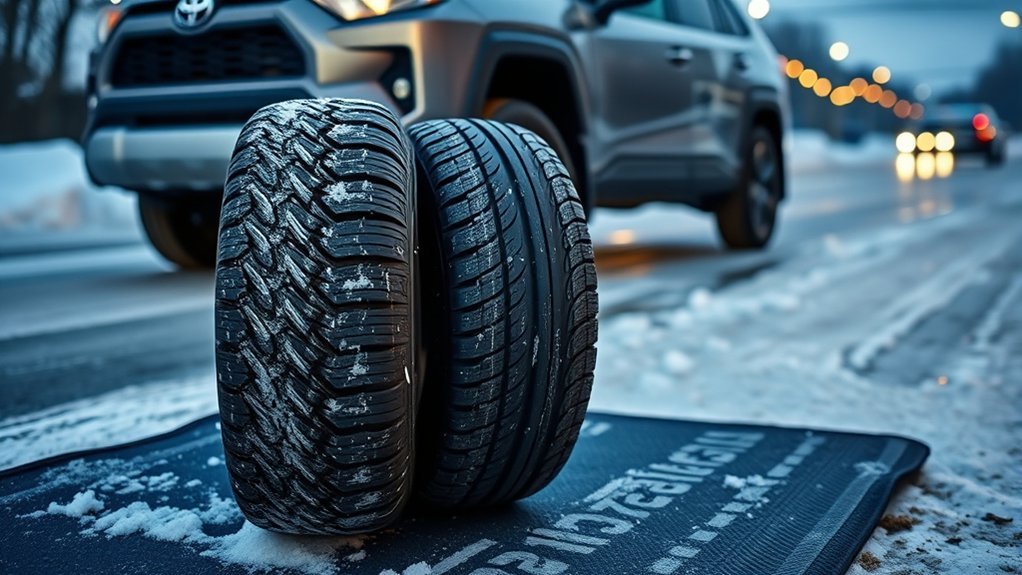
All-weather tires sit between all-season tires and dedicated winter tires. They are designed for year-round use and carry the Three-Peak Mountain Snowflake symbol when they meet severe-snow traction requirements. For many RAV4 drivers in mixed climates, a 3PMSF all-weather tire is the most convenient “one set all year” option.
[Products Worth Considering]
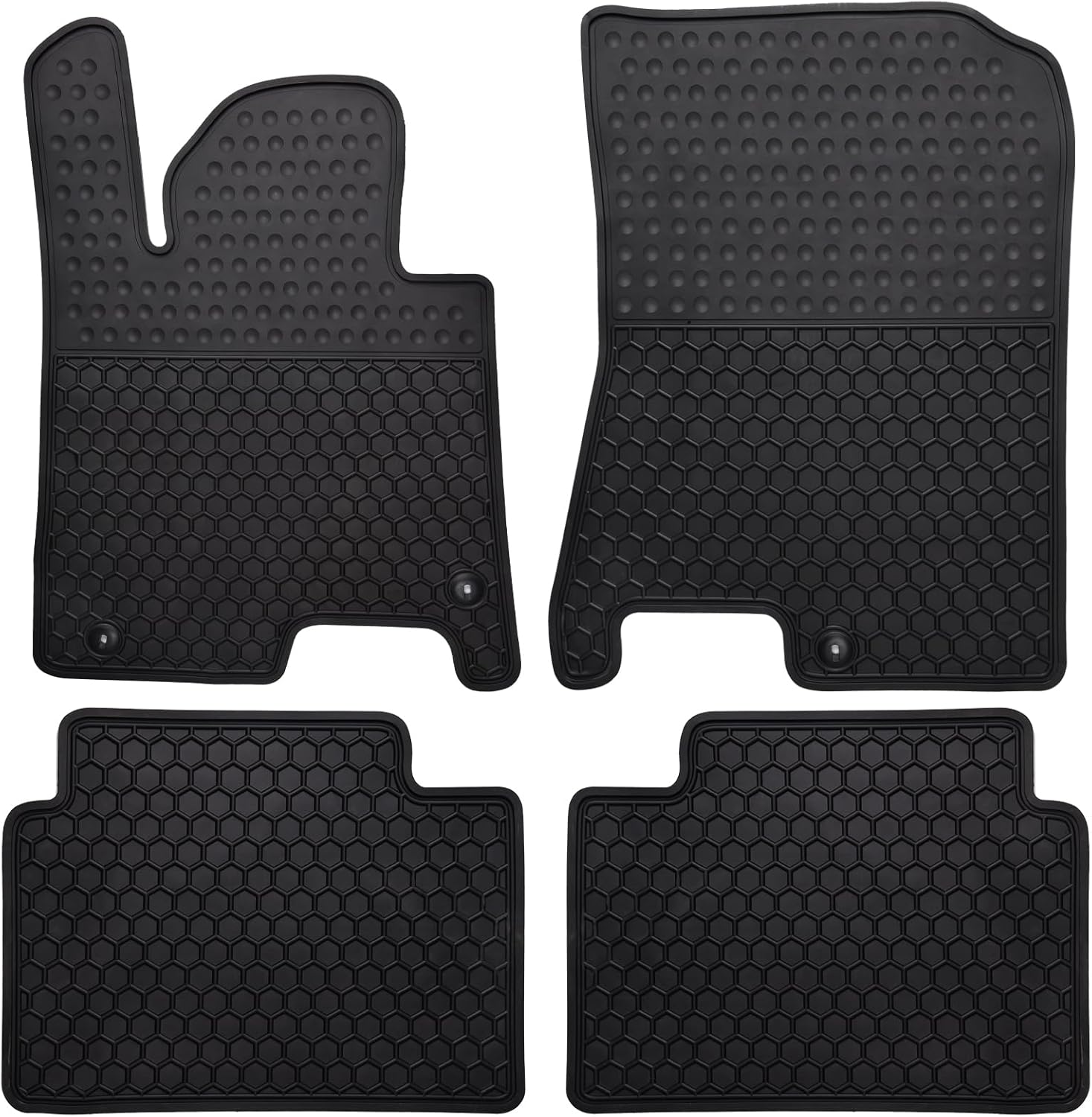
These custom-fit all-weather floor mats are designed for compatible Hyundai Sonata and Kia K5 models to help protect your vehicle's interior from mud, slush, dirt, and spills. Made from odorless, durable rubber with a deep hexagon pattern, they offer reliable anti-slip coverage and are easy to remove and clean with water or a damp towel. The set is built for long-lasting use in every season and helps keep your car looking clean while supporting resale value.

NGK Iridium IX spark plugs are designed to deliver a stable spark, reliable ignition, and long-lasting performance for compatible Toyota Camry 2.5L engines. The fine-wire iridium center electrode helps improve durability and efficient combustion, making these plugs a smart replacement choice for maintaining smooth engine operation. Sold in a convenient four-pack, they are built for consistent performance and dependable fitment.
3PMSF Certification Meaning
The Three-Peak Mountain Snowflake symbol means the tire has met a defined severe-snow traction requirement. USTMA states that severe-snow-use tires qualify for the mountain/snowflake marking when they meet specific snow grip index criteria using ASTM F1805 snow traction testing or properly correlated methods. U.S. Tire Manufacturers Association
Still, do not treat 3PMSF as a magic badge. It confirms a minimum snow-traction standard, but it does not mean every 3PMSF tire performs the same on ice, in deep snow, on wet roads, or as it wears. A dedicated winter tire, a 3PMSF all-weather tire, and a 3PMSF all-terrain tire can all carry the symbol while feeling very different on a RAV4.
Year-Round Traction Benefits
A 3PMSF all-weather tire can be a smart choice if you do not want seasonal swaps and your winter is moderate. Examples to compare in the correct RAV4 size include Michelin CrossClimate2 and Nokian Remedy WRG5, both positioned as year-round tires with 3PMSF capability. Availability changes by size, trim, and market, so confirm fitment before buying.
Choose all-weather tires if your roads are usually plowed, you see more slush than deep snow, and you want one set of tires for every season. Choose dedicated winter tires if you face repeated ice, hard-packed snow, mountain travel, or long cold snaps.
Traction, Braking, Handling: Snow vs All-Season
Winter driving is not one single condition. Your RAV4 may face dry cold pavement in the morning, wet slush at lunch, packed snow after work, and black ice at night. That range is where tire choice matters.
Dedicated winter tires usually give the strongest winter performance because they are optimized for cold, snow, and ice. All-season tires are more of a compromise. They often ride quietly, last longer, and handle mild weather well, but many lose performance as temperatures drop and roads get slick.
| Condition | Dedicated Winter Tire | 3PMSF All-Weather Tire | Standard All-Season Tire |
|---|---|---|---|
| Ice and black ice | Best choice | Better than many all-seasons | Weakest choice |
| Packed snow | Best choice | Good for moderate snow | Limited |
| Cold wet roads | Good, depending on model | Often very good | Good if temperatures stay mild |
| Warm dry roads | Not ideal; wears faster | Designed for year-round use | Good |
| Convenience | Requires seasonal swap/storage | One set all year | One set all year |
Transport Canada testing with identical vehicles showed extended stopping distance when using all-season tires in icy conditions compared with winter tires. The exact distance depends on tire model, tread depth, speed, temperature, road surface, and vehicle load, but the safety lesson is consistent: winter tires give your RAV4 more control in winter conditions. Transport Canada winter tire test
Best Tires for RAV4: Safety, Comfort, Off-Road, Value
The best RAV4 winter tire depends on your mission. Start with safety, then balance comfort, cost, noise, tread life, and off-road needs.
| Priority | Recommended Type | Examples to Compare |
|---|---|---|
| Maximum winter safety | Studless 3PMSF winter tire | Bridgestone Blizzak DM-V2, Michelin X-Ice Snow, Nokian Hakkapeliitta R5 SUV |
| One set for mixed weather | 3PMSF all-weather tire | Michelin CrossClimate2, Nokian Remedy WRG5 |
| Comfort and mild winter driving | Premium all-season touring tire | Choose only if snow and ice are rare |
| Gravel, trailheads, and winter dirt roads | 3PMSF all-terrain tire | Verify ice performance, noise, weight, and fuel-economy tradeoffs |
Before buying, confirm three things: tire size, load index, and speed rating. The door-jamb placard on your RAV4 is the final authority for the original tire size and pressure. If you use a winter wheel package, make sure the wheel diameter, bolt pattern, offset, brake clearance, and TPMS compatibility are correct.
Pro Tip: Many RAV4 owners buy a second set of winter wheels. It costs more upfront, but it can reduce seasonal mounting fees, protect factory wheels from salt, and make swaps faster.
[Products Worth Considering]

Built to Keep You Working Through the Winter
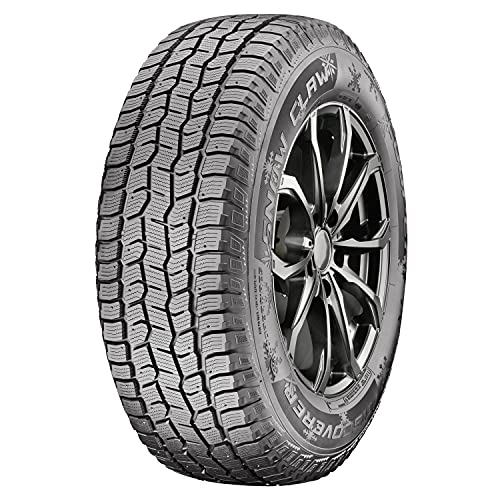
Premium Winter tire for Pickup Trucks and SUVs

Enhanced Traction: Exclusively crafted for Toyota RAV4 with 17" 18" and 19" wheels, our custom-fit snow chains are designed to match tire sizes 225/65 R17 235/55 R18 225/60 R18 and 235/55 R19, enhancing traction on wintry roads.
Cost, Mounting, Storage, and Lifespan
Winter tires cost more than simply keeping the factory all-seasons on the vehicle, but the cost should be compared with the safety benefit and the fact that each set is only used part of the year. When winter tires are installed, your all-season or all-weather tires are not wearing at the same time.
Budget for:
- Four winter tires
- Mounting and balancing
- TPMS sensors if using a separate wheel set
- Seasonal swaps
- Storage bags or professional tire storage
- Possible alignment if wear is uneven
Store off-season tires in a cool, dry, dark place away from direct sunlight, heaters, electric motors, and ozone sources. Clean and dry them before storage, mark their previous position, and keep unmounted tires upright. Mounted tire-and-wheel assemblies can be stacked or hung safely if supported correctly.
Check pressure monthly and when the tires are cold. USTMA says tire pressure can change by one to two psi for every 10°F of temperature change, and NHTSA recommends using the vehicle manufacturer’s cold tire pressure listed on the door placard or owner’s manual rather than the maximum pressure on the sidewall. USTMA tire care NHTSA TireWise
Decision Checklist: Pick the Right Winter Tire for Your RAV4
Use this checklist before you buy winter tires for a RAV4:
- Check your climate: frequent freezing, snow, or ice means dedicated winter tires are the safer choice.
- Check your roads: hills, rural routes, bridges, and mountain passes increase the need for winter grip.
- Check the sidewall: look for the 3PMSF symbol when winter traction matters.
- Check your RAV4 placard: confirm tire size and cold inflation pressure on the driver’s door label.
- Check the load index: use a tire that meets or exceeds the factory load requirement.
- Check the speed rating: winter tires may have a different speed rating; follow tire-shop and vehicle guidance.
- Buy four matching tires: do not mix winter tires with all-season tires on the same RAV4.
- Inspect tread depth: winter traction drops as tread wears; Transport Canada advises not using tires close to 4 mm/5/32 inch on snow-covered roads.
- Plan storage: tire storage matters for aging, cracking, and long-term performance.
If you are unsure, choose the safer option. For a RAV4 that sees real winter, four dedicated winter tires are a better safety upgrade than relying on AWD, traction control, or confidence alone.
Frequently Asked Questions
Can you put snow tires on a RAV4?
Yes. A RAV4 can use snow tires as long as they match the correct tire size, load index, speed rating, and wheel fitment. Install them in a set of four for stable braking, steering, and traction.
Does a RAV4 need snow tires if it has AWD?
Yes, if you drive in frequent snow or ice. AWD helps with acceleration, but it does not make all-season tires grip better during braking or cornering. Winter tires improve the traction your AWD system depends on.
Are all-weather tires good enough for a RAV4 in winter?
All-weather 3PMSF tires can be good enough for mild or moderate winters with mostly plowed roads. They are not the best choice for repeated ice, deep snow, rural roads, or mountain driving, where dedicated winter tires are safer.
What tire size should I buy for RAV4 winter tires?
Use the size listed on your RAV4’s driver-side door placard or in the owner’s manual. RAV4 tire sizes vary by model year, trim, wheel package, hybrid version, and market, so do not rely on a generic online size list without confirming your vehicle.
Can I use only two snow tires on a RAV4?
No. Use four matching winter tires. Mixing two winter tires with two all-season tires can upset the vehicle’s balance, especially during emergency braking, lane changes, and downhill turns on slick roads.
Can I run winter tires all year?
It is not recommended. Winter tires are made for cold conditions and can wear faster, feel softer, and lose efficiency in warm weather. Switch back to all-season, summer, or all-weather tires when winter conditions are over.
Do RAV4 snow tires need tire chains?
Usually not for normal winter driving, but some mountain roads may require chains or cables during storms. Follow your RAV4 owner’s manual because chain placement and compatibility vary, and some tire sizes cannot safely use chains.
Conclusion
If your RAV4 lives in a mild climate, high-quality all-season tires may be enough. If your winter is mixed but not extreme, 3PMSF all-weather tires can be a convenient year-round solution. But if you regularly drive in freezing temperatures, snow, ice, hills, rural roads, or mountain conditions, fit four dedicated 3PMSF winter tires. They are one of the most effective safety upgrades you can make for winter RAV4 driving.
Sources
- Toyota Owners: RAV4 Winter Driving Tips — RAV4 snow tire, chain, and winter preparation guidance.
- Transport Canada: Using Winter Tires — 3PMSF symbol, 7°C guidance, four-tire installation, tread depth, and pressure advice.
- U.S. Tire Manufacturers Association: Severe Snow Conditions Bulletin — 3PMSF severe-snow-use performance criteria.
- NHTSA TireWise — tire pressure, tread depth, tire age, and general tire safety guidance.
- Tire and Rubber Association of Canada: Winter Stopping Distances — winter tire traction and stopping-distance education.