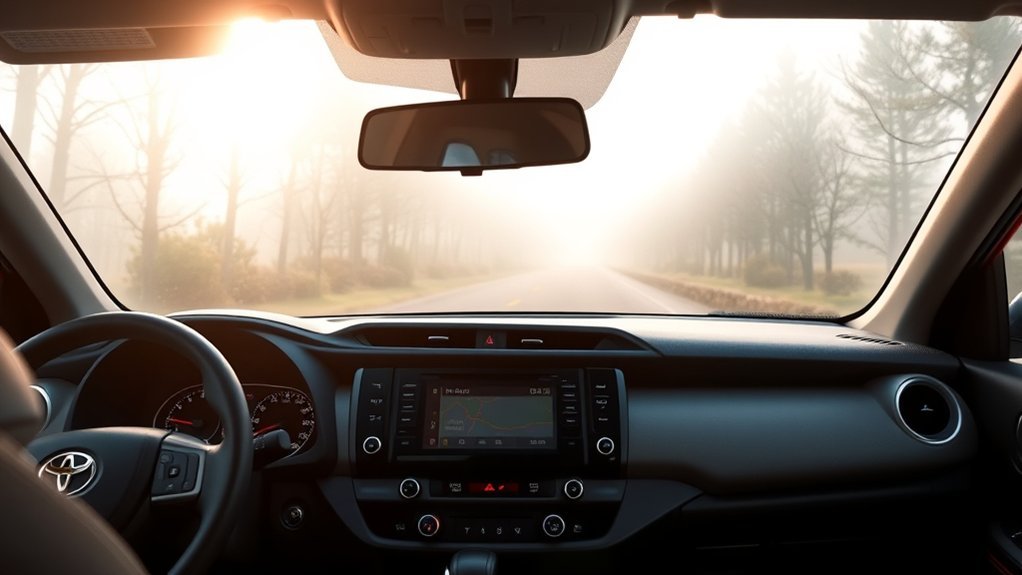
Foggy windows in a Toyota RAV4 usually mean there is too much moisture inside the cabin, the glass is cooler than the air around it, or the HVAC settings are trapping humid air instead of drying it. The fastest fix is to use the windshield defogger with fresh outside air, A/C dehumidification, higher fan speed, and enough heat to warm the glass.
Quick Answer
To stop foggy windows in a Toyota RAV4, press the windshield defogger, turn A/C on, switch recirculation off, raise the fan speed, and use warm air directed at the windshield. Then remove moisture sources such as wet mats, damp carpets, clogged filters, and leaky seals.
Key Takeaways
- Use outside air, not recirculation, when you need to clear interior fog quickly.
- Keep A/C on during defogging because it helps remove moisture from the air, even when you are using heat.
- Dry wet mats, shoes, clothing, cargo liners, and carpets before they raise cabin humidity.
- A dirty cabin air filter, blocked vents, water leaks, or a weak HVAC system can make fogging return again and again.
- Anti-fog products can help, but they work best after the glass is cleaned and the moisture problem is controlled.
At a Glance
| Time Required | 30 seconds for quick defogging; 10–30 minutes for cleaning and moisture checks |
| Difficulty | Easy |
| Tools Needed | Microfiber cloth, glass cleaner, optional anti-fog treatment, optional moisture absorber |
| Cost | Usually $0–$20, unless a leak, HVAC fault, or cabin filter replacement is needed |
Understanding Why Windows Fog Up
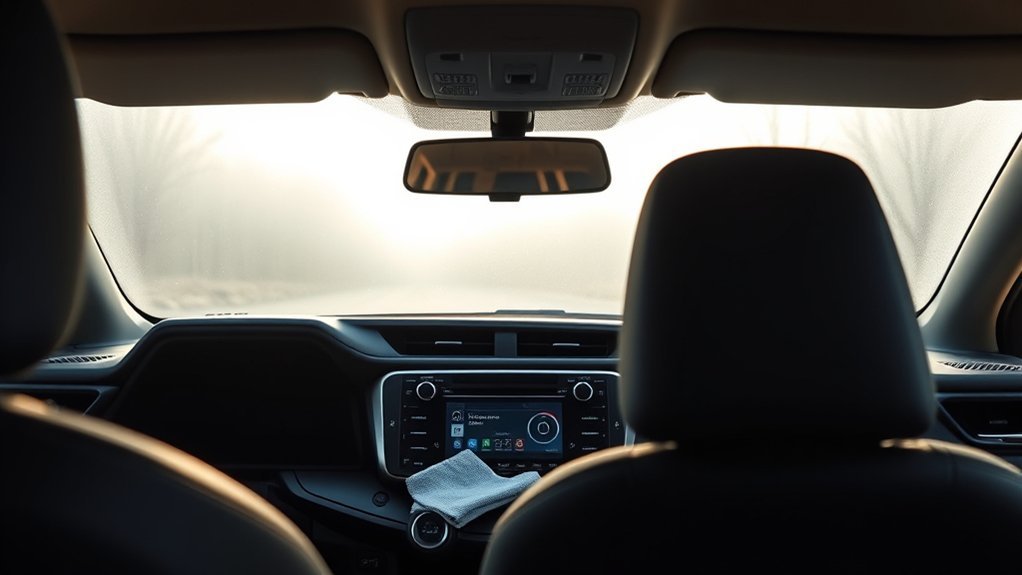
Fog forms when moist air touches cooler glass and the water vapor condenses into tiny droplets. In a RAV4, that moisture often comes from breathing, wet shoes, damp floor mats, snowy clothing, rain-soaked cargo, or water trapped in the carpet. If the glass temperature is near or below the air’s dew point, condensation becomes much more likely.
The fix is simple in theory: dry the air, warm the glass, and let humid air escape. Your RAV4’s HVAC system does this by combining the windshield defogger, outside-air mode, air conditioning dehumidification, fan speed, and heat.
Note: Fog on the inside of the glass points to cabin humidity. Fog or mist on the outside of the glass usually means the windshield surface is colder than the outside air, which can happen in warm, humid weather when the A/C is cooling the glass.
Quick Fixes for Foggy Windows
When your RAV4 windows fog up while driving, clear visibility comes first. Use this order:
- Press the windshield defogger button. This directs air to the windshield and front side windows.
- Turn A/C on. The A/C system helps dry the air before it hits the glass.
- Turn recirculation off. Use fresh outside air so humid cabin air is not trapped and reused.
- Increase fan speed. More airflow clears the glass faster.
- Raise the temperature. Warm air helps heat the glass and reduce condensation.
- Crack a window slightly if needed. A small opening can help moisture escape quickly, especially after passengers enter with wet clothing.
- Use the rear defogger for the back glass. If your RAV4 has heated outside mirrors, the same control may also help clear mirror moisture.
Warning: If fog returns faster than you can clear it, pull over safely and wait until the glass is clear. Do not keep driving with blocked windshield or side-window visibility.
[Products Worth Considering]

This KAX HEPA cabin air filter is designed to help keep your vehicle interior air cleaner by capturing fine particles and reducing airborne contaminants. Its multi-layer structure with activated carbon supports strong filtration performance while helping improve HVAC airflow for more efficient heating and cooling. Built for a wide range of Toyota, Lexus, Subaru, and Mazda models, it offers a practical replacement option for maintaining fresher cabin air.

This CF10285 cabin air filter is designed to help keep your vehicle's interior air cleaner by capturing dust, pollen, soot, and road grime. It is compatible with a wide range of Toyota, Lexus, Jaguar, Land Rover, Subaru, Scion, and Pontiac models, making it a versatile replacement choice. The activated carbon design and easy glove-box installation make it a practical upgrade for fresher driving comfort.

ECOGARD XA5786 is a premium engine air filter designed to help protect your engine by trapping dust, dirt, pollen, and road particles before they enter the intake system. It supports smooth airflow for consistent engine response and fuel efficiency, and it is intended for regular replacement to help maintain reliable performance and engine longevity.
Identifying Sources of Interior Moisture
If your RAV4 fogs up every morning or every time it rains, do not blame the defroster first. Look for moisture hiding inside the cabin. Even a small amount of trapped water can keep fog coming back.
| Moisture Source | Inspection Method | Action Required |
|---|---|---|
| Wet carpets or floor mats | Press with a dry towel and check for dampness | Remove mats, dry the carpet fully, and find the water source |
| Wet shoes, jackets, umbrellas, or cargo | Check what enters the cabin after rain or snow | Shake off water, use rubber mats, and remove wet items overnight |
| Leaky windshield, door, hatch, or sunroof seals | Look for water stains, musty odor, or damp trim after rain | Have damaged seals, drains, or weatherstripping inspected |
| Clogged cabin air filter | Check for weak airflow, musty smell, or heavy debris | Replace the filter according to your maintenance guide or sooner in dusty areas |
| Blocked dash vents | Check that papers, mats, accessories, or dash covers are not blocking airflow | Clear the vents so defogging air reaches the glass |
| Coolant leak or heater-core issue | Watch for sweet odor, greasy film on glass, coolant loss, or damp passenger footwell | Stop using quick fixes and have the RAV4 inspected by a qualified technician |
How to Adjust Your HVAC Settings for Clear Windows
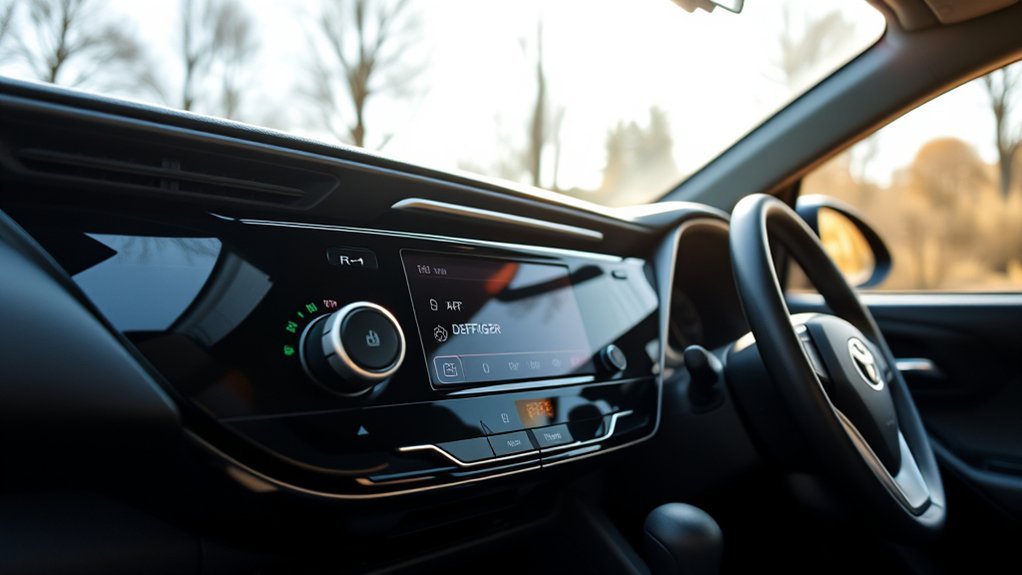
Your RAV4’s climate controls are the main tool for clearing fog. The exact buttons vary by model year and trim, but the principle is the same: windshield airflow, fresh air, dry air, and enough heat.
Use a Warm, Stable Temperature
A temperature around 68–72°F (20–22°C) is a comfortable starting point, but it is not a fixed rule. If the windshield is heavily fogged, turn the temperature higher until the glass clears. Avoid constantly changing settings, because steady airflow and steady glass temperature usually work better than rapid adjustments.
Use Fresh Air Mode
Fresh air mode brings outside air into the cabin and helps push humid cabin air out. Recirculation can be useful for cooling the cabin quickly, but it often makes interior fog worse because it keeps reusing the same moist air. For defogging, switch recirculation off unless your owner’s manual or the system’s automatic logic changes it temporarily.
Keep A/C On While Defogging
Many drivers turn A/C off in cold weather, but A/C is useful for defogging because it helps remove moisture from the air. You can use A/C and heat together: the system dries the air, then warms it before sending it to the windshield.
Do Not Ignore Weak Airflow
If the fan is loud but little air reaches the windshield, check for a clogged cabin air filter, blocked vents, or an HVAC problem. A clean filter and open vents let the defogger move enough air across the windshield to clear it efficiently.
Pro Tip: After the windshield clears, keep the system in fresh-air mode for a few more minutes. This helps remove leftover humidity instead of trapping it for the next drive.
Choosing Anti-Fog Products to Prevent Foggy Windows
Anti-fog products can help reduce interior fogging, but they are not a cure for wet carpets, leaks, or poor airflow. Use them after you clean and dry the interior glass.
- Choose an interior-glass anti-fog product. Products such as Rain-X Interior Glass Anti-Fog are designed for interior automotive glass. Avoid using exterior water-repellent treatments on the inside unless the label says they are safe for that use.
- Clean the glass first. Smoke film, dust, skin oils, and plastic interior residue give moisture something to cling to.
- Apply a thin, even layer. Use a clean microfiber or lint-free cloth. Heavy application can leave haze or streaks.
- Buff until clear. If the glass looks cloudy after application, wipe again with a clean dry cloth.
- Reapply as needed. Anti-fog coatings wear down from cleaning, humidity, and time.
Budget tricks such as shaving cream are popular online, but they can smear, leave residue, and make night glare worse if not fully buffed. For a windshield you rely on every day, a proper interior-glass cleaner and a product made for automotive anti-fogging is the safer choice.
[Products Worth Considering]

JOGOAUTO H10285 is a replacement cabin air filter designed to help keep vehicle interiors fresher and cleaner by filtering airborne particles and reducing odors. Its dual-filtration design uses activated carbon and melt blown fabric for improved cabin air quality, and it is made to fit a wide range of compatible Toyota, Subaru, Lexus, and other supported models. Installation is straightforward, making it a convenient maintenance part for regular filter replacement.

ECOGARD XC10621C is a premium cabin air filter designed to help keep your vehicle’s interior air cleaner by trapping dust, pollen, pet dander, and other airborne debris. Its activated carbon layer also helps reduce common odors from traffic and outside air while supporting steady HVAC airflow for reliable climate system performance. It is engineered for a wide range of Toyota, Lexus, and Subaru applications.

Stay Ahead of Fog: Defy foggy windows with Rain-X Interior Glass Anti-fog spray. Say yes to crystal-clear visibility in any weather, keeping your view unobstructed and your journey safe.
Keeping Your Interior Clean for Better Visibility
A dirty windshield fogs faster because film and dust help moisture spread unevenly. Cleaning the inside glass is one of the cheapest fixes for a RAV4 that always looks hazy in the morning.
- Use automotive glass cleaner. Spray the cloth, not the dashboard, so cleaner does not drip onto trim or screens.
- Wipe in two directions. Clean the inside vertically and the outside horizontally. If streaks remain, you will know which side needs another pass.
- Dry with a second cloth. A clean, dry microfiber removes residue that causes glare.
- Clean the rear glass carefully. Do not scrape across rear defroster lines with abrasive pads.
- Keep the cabin dry. Remove damp towels, sports gear, pet blankets, and wet cargo liners instead of letting them sit overnight.
If the glass is clean but fog keeps returning, the problem is usually moisture control, airflow, or a hidden leak—not the windshield itself.
Regular Maintenance Tips for Your RAV4
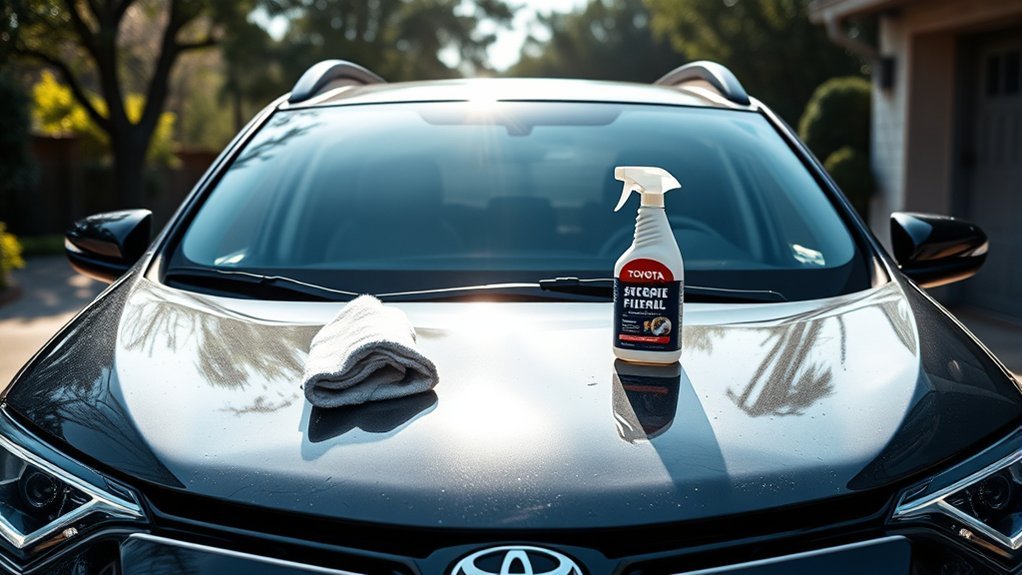
Regular maintenance helps your RAV4 clear fog faster and prevents moisture problems from becoming bigger repairs. Focus on the systems that affect airflow, water sealing, and visibility.
Replace or Inspect the Cabin Air Filter
A clogged cabin air filter can reduce HVAC airflow and make the defogger less effective. Check your Toyota Warranty & Maintenance Guide for the correct interval for your model year, and inspect sooner if you drive on dusty roads, park under trees, or notice weak airflow or musty odors.
Check Weatherstripping and Drains
Door seals, hatch seals, sunroof drains, cowl drains, and windshield sealing can all let water into the cabin. If one floor area stays damp after rain, dry it fully and trace the leak instead of masking the smell with air freshener.
Keep Vents and the Dash Clear
Do not place papers, towels, accessories, or dash covers over defroster outlets. Blocked vents reduce airflow to the windshield and make the system work harder.
Watch for HVAC or Coolant Warning Signs
If the windshield gets an oily film, the cabin smells sweet, coolant level keeps dropping, or the passenger-side carpet is damp, have the vehicle inspected. Those symptoms can point to a heater-core or cooling-system issue, not ordinary condensation.
User-Shared Tips Specifically for RAV4 Owners
RAV4 owners often notice fog after snow, heavy rain, car washes, or short trips with several passengers. These habits help in real-world use:
- Start with Auto mode, then override if needed. Auto climate control can manage airflow well, but if the windshield is fogged, press the windshield defogger and make sure fresh air and A/C are active.
- Use rubber mats in wet seasons. They hold water on the surface so you can dump it out instead of soaking the carpet.
- Dry the cargo area after hauling wet gear. Snow brushes, camping gear, sports bags, and pet towels can raise humidity for days.
- Leave the cabin slightly aired out when parked safely. In a dry, secure garage, brief ventilation can help moisture escape.
- Use a moisture absorber carefully. Place it where it cannot spill or interfere with pedals, seats, airbags, or cargo movement.
Troubleshooting Fog That Keeps Coming Back
If your RAV4 fogs up again minutes after you clear it, use this quick diagnosis:
| Symptom | Likely Cause | Best Next Step |
|---|---|---|
| Fog appears only with several passengers | Normal moisture from breathing plus limited ventilation | Use fresh air, A/C, and higher fan speed |
| Fog appears after rain even when parked | Possible water leak or damp carpet | Check floors, cargo area, seals, and drains |
| Fog has a greasy film | Possible coolant/heater-core issue or interior residue | Check coolant level and have the vehicle inspected |
| Defogger is weak on all settings | Cabin air filter, blower, vent, or HVAC issue | Inspect filter and airflow path |
| Outside of windshield fogs in humid weather | Glass is being cooled below outside dew point | Reduce A/C intensity, warm the windshield slightly, or use wipers |
[Products Worth Considering]

Enhanced Air Quality: Soda woven combined with activated carbon effectively captures contaminants that cause odors and ensures that the air inside the vehicle is fresh and clean. The activated carbon layer provides slight sound absorption, reducing noise levels for a quieter cabin environment. It can also reduce the likelihood of window fogging and improve visibility.

Enhanced Air Quality: Soda woven combined with activated carbon effectively captures contaminants that cause odors and ensures that the air inside the vehicle is fresh and clean. The activated carbon layer provides slight sound absorption, reducing noise levels for a quieter cabin environment. It can also reduce the likelihood of window fogging and improve visibility.

【Fitment for Hyundai Models】fit for Elantra 2021-2025 2026, Ioniq 5 2022-2025 2026, Ioniq 5 N 2025-2026, Ioniq 9 2026, Santa Fe 2021-2026, Santa Cruz 2022-2026, Sonata 2020-2026, Tucson 2022-2026, Ioniq 6 2023-2025, Elantra N 2022-2026, Kona 2024-2026, Kona Electric 2024-2026
Frequently Asked Questions
How do I defog the windows in a Toyota RAV4 quickly?
Press the windshield defogger, turn A/C on, turn recirculation off, raise the fan speed, and use warm air. This dries the air, warms the glass, and pushes moisture out of the cabin.
Should I use hot or cold air to clear foggy RAV4 windows?
Use warm air with A/C on for interior fog. The A/C helps remove moisture, while warm air raises the glass temperature so condensation clears faster.
Why do my RAV4 windows fog up even with the defroster on?
The most common causes are recirculation being on, A/C being off, wet floor mats, damp carpet, blocked vents, a clogged cabin air filter, or a hidden water leak.
Is recirculation bad for defogging?
Recirculation is usually bad for interior defogging because it traps humid cabin air. Use fresh outside air when clearing the windshield and side windows.
Can a dirty cabin air filter cause foggy windows?
Yes. A clogged cabin air filter can reduce airflow through the HVAC system, which makes the windshield defogger slower and less effective.
Conclusion
Foggy windows in a Toyota RAV4 are usually easy to fix once you control moisture and use the HVAC system correctly. For quick clearing, use the windshield defogger with A/C on, recirculation off, higher airflow, and warm air. For long-term prevention, keep the cabin dry, clean the inside glass, replace a clogged cabin air filter, and repair leaks before they soak the carpet. Clear glass is not just a comfort feature; it is a basic safety requirement every time you drive.
Sources
- Toyota Owners: 2024 RAV4 Manual Air Conditioning System — windshield defogger, outside-air mode, A/C, fan, and temperature guidance
- Toyota Owners: RAV4 Automatic Air Conditioning System — automatic climate-control defogging notes and humidity warning
- Toyota Owners: 2024 RAV4 General Maintenance — maintenance checks and recommendation to address problems with a qualified shop
- NOAA JetStream: The Hydrologic Cycle — condensation and dew point explanation
- U.S. EPA: A Brief Guide to Mold, Moisture and Your Home — moisture control, condensation, and drying guidance
- Rain-X Interior Glass Anti-Fog — interior automotive glass anti-fog product use case