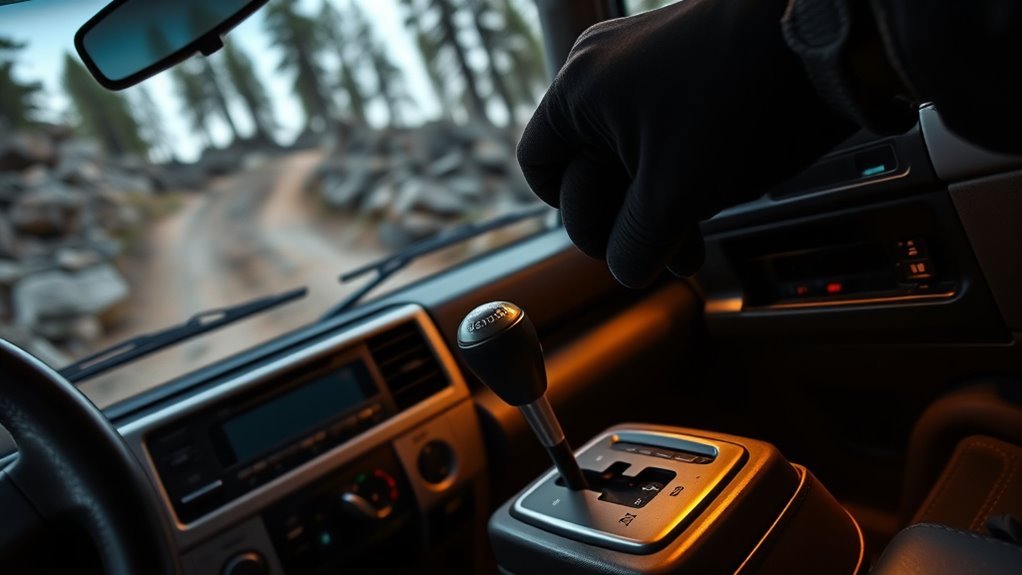
Use 4L—also called 4LOW, 4LO, or L4 on different Toyota Land Cruiser models—when you need slow, controlled movement with maximum pulling power. It is made for steep climbs, controlled descents, rocks, sand, mud, deep snow, and other low-speed situations where normal high range does not give enough control. Because Land Cruiser 4WD controls vary by year, market, and trim, always confirm the exact procedure in your owner’s manual before using low range.
Quick Answer
To shift a Land Cruiser into 4L, stop completely, keep your foot on the brake, shift the transmission to Neutral, then move the 4WD control to L4/4LO with one firm, smooth motion. Wait for the low-speed 4WD indicator to confirm engagement before driving slowly.
Key Takeaways
- Use 4L for low-speed control, not normal road driving.
- Stop fully and shift to Neutral before selecting 4L on Toyota Land Cruiser models that require it.
- Do not force a stuck shifter or switch. Relieve drivetrain bind and inspect the linkage or actuator if it still will not engage.
- Low range is not the same as a differential lock. Use center or rear diff locks only when your manual says the surface allows tire slip.
- Check transfer case and differential fluid on the schedule for your exact model, especially after towing, mud, water, dust, or road salt.
At a Glance
| Time Required | 30–60 seconds for normal shifting; longer if the drivetrain is bound or the indicator keeps flashing. |
| Difficulty | Easy, as long as the vehicle is stopped, in Neutral, and the system is working correctly. |
| Tools Needed | No tools for normal use. Keep the owner’s manual handy; use a flashlight only if inspecting linkage or leaks. |
| Cost | $0 to shift into 4L. Service costs vary if linkage, actuator, fluid, or transfer case repairs are needed. |
Warning: Do not shift into 4L while driving unless your specific Land Cruiser manual clearly allows a rolling shift. For most Land Cruiser low-range procedures, stop completely, shift to Neutral, and wait for the indicator to confirm engagement before moving.
How 4L (4LOW) Works in a Land Cruiser
 off-road driving“>
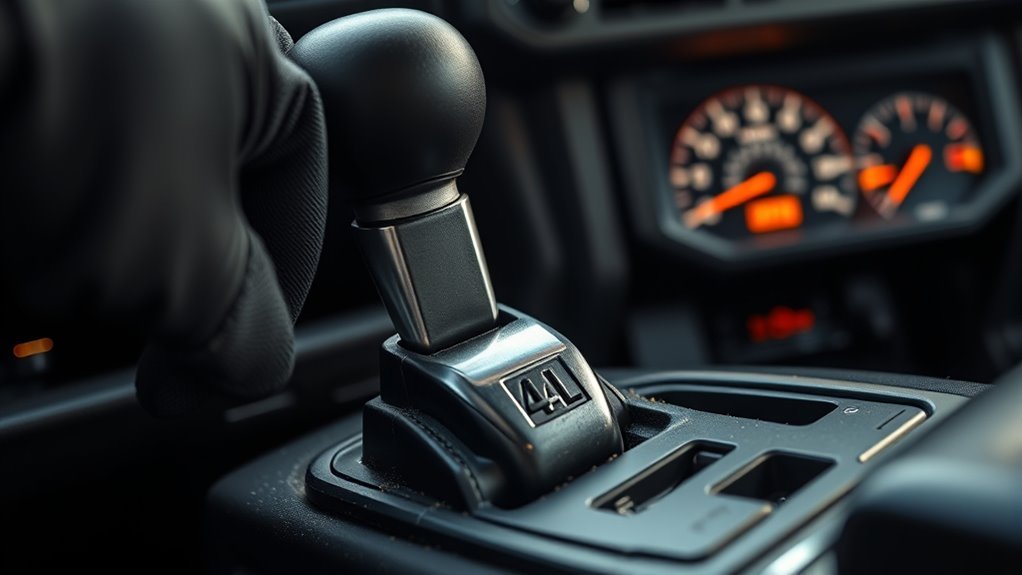
When you shift into 4L, the transfer case changes to a lower gear range. That lower range multiplies torque at the wheels and slows vehicle speed, which helps you crawl over obstacles without stabbing the throttle or riding the brakes. Toyota describes L4 as the low-speed setting for maximum power and traction in situations such as steep hills, off-road driving, sand, and mud in its Land Cruiser owner’s manual guidance.
Low range is a gear-range change. It is not always the same thing as locking a center or rear differential. On many Land Cruisers, the 4WD low-range control and the center differential lock are separate controls. Toyota’s 2018 Land Cruiser Quick Reference Guide shows a separate center differential lock/unlock switch and says to lock the center differential when the wheels are stuck or when driving on slippery or bumpy surfaces.
Note: Land Cruiser 4WD systems differ by generation. Some use a lever, some use a rotary switch, and some have electronic indicators. The safest rule is to follow the exact H4/L4 procedure for your model year.
When and Why to Use 4L
Use 4L when the vehicle needs controlled, low-speed power rather than speed. The goal is to keep the tires moving slowly and steadily while the engine and transfer case do the hard work.
Best Conditions for 4L
| Situation | Use 4L? | Why It Helps |
|---|---|---|
| Steep rocky climb | Yes | More control and less wheel spin |
| Slow descent | Yes | Better engine braking and speed control |
| Deep mud or sand | Often | More pulling power at low speed |
| Deep snow or ruts | Often | Steady torque without sudden throttle |
| Normal dry pavement | No | Use H4 for normal roads |
When Not to Use 4L
Do not use 4L for normal highway driving, parking-lot cruising, or dry-road commuting. It is a low-speed range. Once the trail, snow, mud, or steep grade ends, shift back to H4 using the correct procedure for your model.
Pro Tip: Pick 4L before the obstacle, not in the middle of it. It is easier and safer to shift on level ground before you reach the climb, mud hole, rut, or descent.
Safety Checklist Before Shifting Into 4L
Before shifting into 4L, slow down, stop in a safe place, and make sure the vehicle is stable. Rushing the shift can cause grinding, flashing indicators, or partial engagement.
[Products Worth Considering]
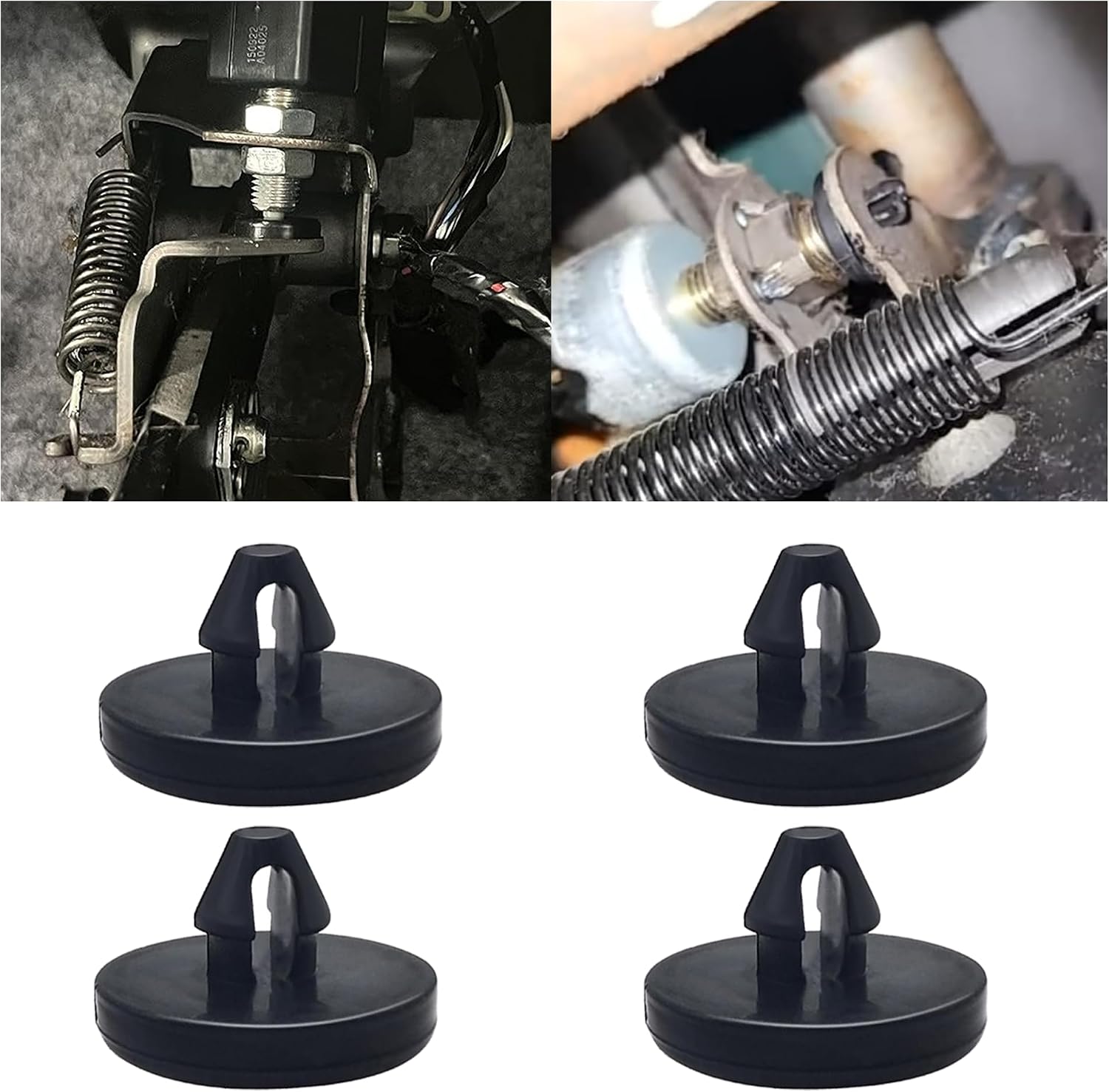
This brake pedal stop pad set is designed as an OEM replacement for compatible Toyota, Lexus, and Scion models, helping restore proper brake light switch function when the brake light stays on. Made from durable nylon, these compact stoppers are built for reliable long-term use and quick, tool-free installation. The set includes multiple pieces for convenient replacement and sharing.

These custom floor mats are designed to fit the Toyota Land Cruiser GX550 with a 5-seat layout for a precise, secure install. Made from durable TPE, they help shield your interior from spills, mud, snow, dirt, sand, pet hair, and everyday debris while making cleanup quick and easy.

Custom-fit floor mats and cargo liner designed to provide edge-to-edge protection for the Toyota Land Cruiser Prado. Made from durable TPE material, they offer all-weather defense against rain, slush, snow, mud, and everyday dirt while remaining easy to install, clean, and maintain. The odorless, non-slip design helps keep your interior safer, cleaner, and more comfortable in every season.
Verify Transmission Is Neutral
For Toyota Land Cruiser procedures that require a stopped shift, use this checklist:
- Stop the vehicle completely.
- Keep your foot on the brake pedal.
- Move the transmission shift lever to Neutral.
- Let the engine idle; do not rev the engine.
- Move the 4WD control to L4 / 4LO / 4L.
- Wait for the low-speed 4WD indicator to stop flashing or confirm engagement.
Secure Vehicle Stability
| Checkpoint | Action | Why It Matters |
|---|---|---|
| Vehicle position | Stop on stable ground if possible | Reduces drivetrain bind |
| Transmission | Shift to Neutral | Allows the transfer case to engage cleanly |
| Brake | Hold the brake pedal | Prevents unwanted movement |
| Indicator | Wait for confirmation | Avoids driving with partial engagement |
| Surface | Avoid dry normal-road use | Protects the drivetrain |
Quick Steps: Shift Into 4L
The exact control may be a lever, dial, or switch, but the safe low-range routine is similar on many Land Cruisers.
- Stop completely. Choose a safe, stable spot.
- Shift the transmission to Neutral. Keep the brake applied.
- Select L4 / 4LO / 4L. Use one smooth, deliberate motion. Do not pause halfway between ranges.
- Wait for the indicator. If the low-speed 4WD light flashes, hold the condition until it confirms engagement.
- Shift back into Drive or the correct gear. Move slowly and test for low-range torque before entering difficult terrain.
On newer Land Cruiser models, Toyota’s procedure for shifting from H4 to L4 is to stop completely, shift to N, push and shift the 4WD control to L4, and maintain that condition until the low-speed 4WD indicator turns on. On older switch-style models, Toyota’s quick reference guide says to shift to N when stopped, then push and turn to L4.
[Products Worth Considering]

These X-BULL recovery traction tracks help drivers get unstuck from sand, snow, mud, or ice with a stable U-shaped elastic design and a wavy ramp that makes tire entry easier. Built from reinforced nylon, they are flexible, impact-resistant, and designed to perform in extreme temperatures while providing reliable emergency traction for a wide range of vehicles.

These off-road traction boards are designed to help vehicles recover from mud, sand, and snow with reliable grip and easier ramp-up. Their double-sided diamond construction, cross-shaped teeth, and contoured ramps improve traction while the durable polypropylene build stays flexible in harsh conditions. Convenient mounting points, ergonomic handles, and a visible leash make them practical to carry, store, and retrieve when recovery is needed.
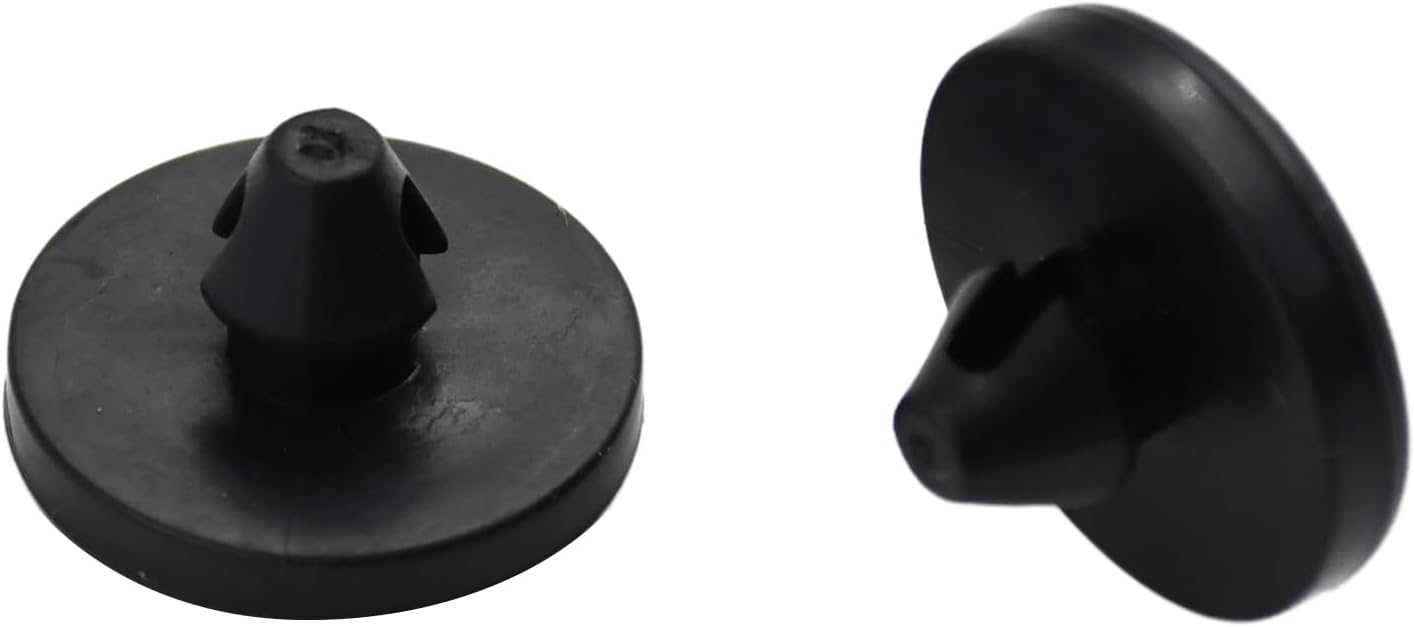
This brake switch stopper set helps restore proper brake pedal and brake light switch operation on a wide range of Toyota, Lexus, and Scion vehicles. Designed as a direct replacement part, it supports reliable pedal contact and can help fix worn or missing stoppers that affect brake light function. The package includes two stoppers for convenient replacement or spare use.
How to Shift Back Out of 4L
When the low-speed section is finished, shift back to H4 before returning to normal driving speeds.
- Stop in a safe, level place if possible.
- Hold the brake pedal and shift the transmission to Neutral.
- Move the 4WD control from L4/4LO back to H4.
- Wait for the low-speed 4WD indicator to turn off or confirm the change.
- Shift back into Drive and accelerate gently.
Warning: If the indicator keeps flashing or the vehicle feels like it is binding, do not accelerate hard. Stop, shift back to Neutral, and try the procedure again on a flatter surface.
[Products Worth Considering]

This upgraded engine oil funnel kit makes oil changes cleaner and easier with a spill-proof design, flow control valve, and transparent body for precise filling. Built from durable polycarbonate and equipped with 12 adapters, two 45-degree elbows, and a debris filter, it fits a wide range of vehicles and works well in tight engine spaces. The secure, hands-free setup helps reduce mess while improving control during oil filling and fluid transfers.

This brake switch stopper helps restore proper brake light operation by providing a precise pedal stopping point, reducing issues where brake lights stay on. Made from durable nylon, it is designed for easy installation and dependable fitment across many Toyota, Lexus, and Scion models. The multi-pack supply makes it convenient to replace worn stoppers and keep spares on hand for future maintenance.

This Yuirote universal car motor diagnostic tool helps drivers quickly detect engine fault codes and identify system issues for routine inspections and maintenance. It also supports electronic parking brake reset and emergency release functions, making it useful for handling EPB-related problems without a repair shop visit. Its compact, ergonomic design and broad vehicle compatibility make it a practical choice for car owners and DIY repair enthusiasts.
Shift Tips to Avoid Grinding
Grinding usually happens when gears are not aligned, the vehicle is still loaded against the drivetrain, or the shift is made too slowly through the transfer-case gate. Use a confident motion, but never force the control.
| Action | Why It Helps | Best Practice |
|---|---|---|
| Stop fully | Reduces gear speed difference | Brake, then Neutral |
| Keep engine at idle | Avoids loading the transfer case | Do not rev |
| Use one smooth motion | Avoids partial engagement | Firm, not forced |
| Relieve bind | Lets gears line up | Reposition gently if safe |
If 4L Beeps or Won’t Engage
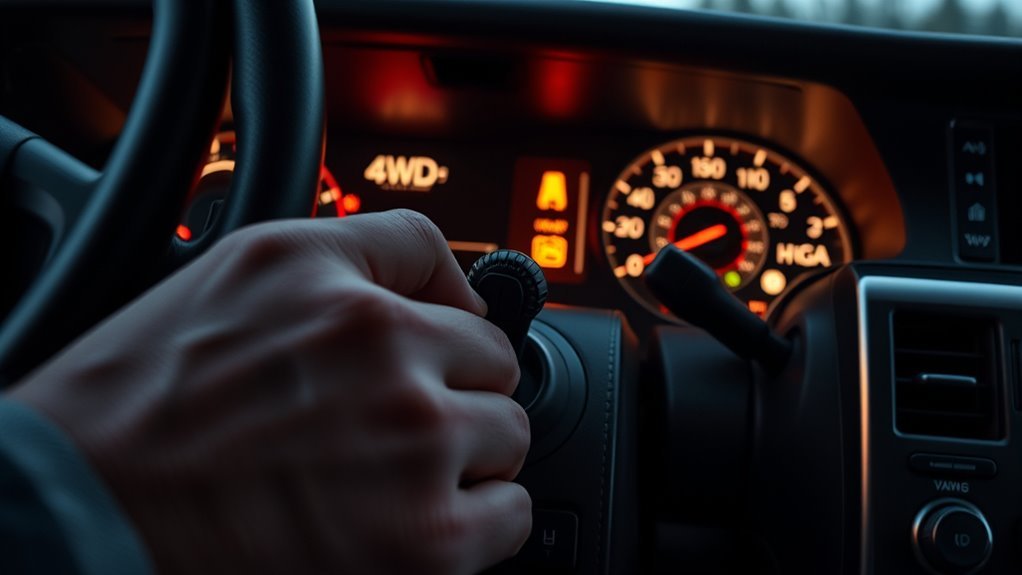
A beep, flashing 4LO light, or refusal to engage usually means the vehicle has not met the shift conditions or the driveline is under load. Start with the simple checks before assuming the transfer case has failed.
| Symptom | Likely Cause | What to Do |
|---|---|---|
| 4LO light keeps flashing | Shift not completed | Stay stopped, keep transmission in Neutral, and wait briefly |
| Beeping when selecting 4L | Vehicle not stopped or not in Neutral | Stop fully, brake, shift to Neutral, retry |
| Shifter feels stuck | Drivetrain bind or corroded linkage | Do not force it; move slightly forward or backward if safe, then retry |
| Grinding noise | Partial engagement or moving parts not aligned | Stop, shift to Neutral, return to H4, then retry carefully |
| No indicator change | Switch, actuator, wiring, or transfer-case fault | Check manual warnings and schedule diagnosis |
Note: A small amount of drivetrain bind can happen when the tires are loaded against the ground. Repositioning the vehicle a few inches may help, but only do this slowly, safely, and away from obstacles or people.
Common Mechanical Causes of 4L Failures
If the procedure is correct but 4L still will not engage, look for mechanical or electrical problems. The common causes are usually linkage corrosion, actuator problems, old fluid, low fluid, or internal transfer-case wear.
Corroded Shift Linkage
Older Land Cruisers with mechanical linkage can develop rust, seized pivots, worn bushings, or bent rods. This is more common after winter road salt, deep water, mud, or long periods without using low range.
- Inspect the linkage, pivots, boots, and bushings for rust or damage.
- Clean light corrosion and apply appropriate lubricant to external moving points.
- Replace worn bushings or bent linkage parts.
- Do not use excessive force; a stuck linkage can bend or break.
Worn Transfer Case or Low Fluid
A transfer case with worn internal parts, contaminated fluid, or low lubricant may hesitate, grind, or fail to complete the shift. If the vehicle has been used in water, mud, towing, sand, or heavy off-road work, check service records and inspect for leaks.
Toyota’s Land Cruiser Warranty & Maintenance Guide lists transfer case oil, front differential oil, and rear differential oil as scheduled inspection or replacement items depending on mileage and operating conditions.
Simple DIY Fixes for a Stuck Shifter
Try simple checks only if the vehicle is safely parked, the parking brake is set, and you are not on a dangerous slope. If the shifter or switch will not move normally, stop before you damage parts.
- Repeat the correct shift sequence. Stop, brake, Neutral, idle, then select L4.
- Relieve drivetrain bind. If safe, move the vehicle a few inches forward or backward, stop again, shift to Neutral, and retry.
- Inspect visible linkage. Look for rust, damaged boots, missing bushings, or bent rods.
- Lubricate external linkage only where appropriate. Do not spray electrical switches or sealed actuators unless the service manual allows it.
- Check for leaks. Wetness around the transfer case or differentials can point to low fluid or seal problems.
- Stop if grinding continues. Repeated grinding means the system needs diagnosis, not more force.
When to Change Transfer Case & Differential Fluid
There is no single interval that fits every Land Cruiser. The correct schedule depends on model year, engine, drivetrain, market, and how the vehicle is used. Follow the maintenance guide for your exact VIN and shorten service when you tow, carry heavy loads, drive on dirt or dusty roads, operate in mud or melted snow, cross water, or drive where road salt is used.
| Component | What to Check | Why It Matters |
|---|---|---|
| Transfer case | Fluid level, leaks, metal particles, shift quality | Low or dirty fluid can make 4L engagement difficult |
| Front differential | Fluid condition, seals, vent condition | Contamination can accelerate gear and bearing wear |
| Rear differential | Fluid condition, leaks, abnormal noise | Heavy loads and off-road use increase stress |
If 4L engagement feels worse after mud, water, towing, or road-salt exposure, inspect the transfer case, differential oils, linkage, and electrical connectors before the next trail day.
Dealer Diagnostics: What They’ll Check and When to Go

Go to a Toyota dealer or qualified 4WD technician if 4L will not engage after the correct procedure, the warning light keeps flashing, the vehicle grinds repeatedly, the shifter is seized, or there is fluid leakage.
- Shift-condition verification: The technician confirms the vehicle recognizes Neutral, brake input, and correct 4WD command.
- Transfer-case inspection: They check actuator operation, mechanical movement, internal wear, and abnormal noises.
- Linkage and bushing check: Older mechanical systems are inspected for rust, seized pivots, bent rods, or worn bushings.
- Fluid inspection: Transfer case and differential oils are checked for level, contamination, metal, and leaks.
- Electrical diagnosis: Switches, sensors, wiring, and warning-light behavior are checked on electronically controlled systems.
Frequently Asked Questions
Can you switch into 4L while driving?
For most Land Cruiser low-range procedures, no. Stop completely, shift the transmission to Neutral, select L4/4LO, and wait for the indicator to confirm engagement. Follow your exact owner’s manual if your model has a different procedure.
What does 4L mean in a Land Cruiser?
4L means four-wheel-drive low range. It uses a lower transfer-case gear ratio to multiply torque and reduce vehicle speed, giving better control for steep hills, rocks, mud, sand, snow, and slow off-road driving.
How do you switch to 4L?
Stop the vehicle, press the brake, shift the transmission to Neutral, move the 4WD control to L4/4LO/4L, and wait for the low-speed 4WD indicator to confirm engagement. Then shift back into Drive or the correct gear and move slowly.
Why does my Land Cruiser beep when I try to engage 4L?
A beep often means the vehicle has not met the shift conditions, such as being fully stopped or in Neutral. Stop safely, keep the brake applied, shift to Neutral, and retry. If it continues, check the owner’s manual and schedule service.
Can I use 4L on pavement?
Do not use 4L for normal dry-road driving. Use H4 for normal roads. Low range is meant for low-speed power and traction, and differential locks should only be used on surfaces where the tires can slip as your manual allows.
Is 4L the same as locking the differential?
No. 4L changes the transfer case to a lower gear range. A differential lock forces wheels or axles to turn together for traction. Depending on the Land Cruiser model, center and rear differential locks may be separate controls.
Conclusion
4L is one of the Land Cruiser’s most useful off-road tools, but it works best when you use it deliberately. Stop completely, shift to Neutral, select L4/4LO, wait for the indicator, and drive slowly. Do not force a stuck shifter, do not use low range for normal dry-road driving, and keep the transfer case, differential oils, linkage, and actuators maintained. Used correctly, 4L gives your Land Cruiser the slow, controlled torque it needs for difficult terrain.
Sources
- Toyota 2026 Land Cruiser Owner’s Manual — Four-wheel drive system — backs up H4/L4 use, low-range purpose, and indicator-based shifting guidance.
- Toyota 2018 Land Cruiser Quick Reference Guide — backs up stopped Neutral-to-L4 procedure and center differential lock guidance.
- Toyota 2025 Land Cruiser Warranty & Maintenance Guide — backs up transfer case and differential oil inspection/replacement guidance.
- Toyota Manuals & Warranties — Land Cruiser — model-specific owner manual lookup.