
You’ll use Crawl Control when you want your Toyota 4Runner to manage throttle and braking for slow, technical off-road driving. You’ll use Low Range, also called 4LO, L4, or L4L depending on model year and drivetrain, when you need low gearing, more wheel torque, and stronger engine braking. The two systems overlap because Crawl Control normally works only after Low Range is engaged, but they are not the same tool.
Quick Answer
Crawl Control is an electronic off-road aid that automatically meters throttle and brakes at very low speed so you can focus on steering. Low Range is the transfer-case gear setting that multiplies torque for steep climbs, descents, rocks, mud, sand, and deep snow. Use 4LO first; add Crawl Control only when steady, pedal-free creeping helps.
Key Takeaways
- Low Range is the foundation: it changes the drivetrain gearing for maximum low-speed power and control.
- Crawl Control is the helper: it works at low speed to control acceleration and braking while you steer.
- Use plain 4LO when you want direct pedal control, momentum, or wheel spin in mud, snow, sand, or a climb.
- Use Crawl Control in 4LO for slow rocks, ledges, uneven descents, or traction-sensitive sections where smooth inputs matter.
- Check your owner’s manual: exact controls, speed thresholds, Multi-Terrain Select modes, and rear-locker behavior vary by model year and trim.
At a Glance
| Time Required | About 1–2 minutes to select the right mode before an obstacle |
| Difficulty | Beginner to intermediate; terrain judgment still matters |
| Tools Needed | No tools; use the 4WD selector, Crawl Control switch/dial, and vehicle display |
| Cost | $0 if your 4Runner is equipped with the feature |
Crawl Control vs Low Range: Quick Comparison
Crawl Control and Low Range both help off-road, but they solve different problems. Low Range changes the transfer-case gearing so the 4Runner can move slowly with more controlled torque. Crawl Control then uses electronic throttle and brake control to help the vehicle maintain a slow crawl without constant pedal input.
| Feature | Crawl Control | Low Range / 4LO / L4 |
|---|---|---|
| What it is | Electronic low-speed throttle and brake control | Mechanical transfer-case low gearing |
| Main benefit | Smooth, steady crawling with less pedal work | More low-speed torque and engine braking |
| Best for | Rocks, ledges, steep descents, uneven technical lines | Climbs, descents, deep mud, sand, snow, heavy pulling |
| Driver input | You steer; the system handles most speed control | You control throttle, braking, and momentum |
| Relationship | Usually requires low range to be selected first | Can be used by itself without Crawl Control |
Think of it this way: 4LO gives the 4Runner its low-speed muscle. Crawl Control decides how gently to apply that muscle. If you want maximum control from your own right foot, stay in 4LO and drive manually. If the trail calls for a slow, consistent creep, add Crawl Control.
How Crawl Control Works: Automatic Throttle and Brakes
Crawl Control is designed for very rough, low-speed off-road surfaces. Toyota describes it as a system that allows the vehicle to travel at a fixed low speed without pressing the accelerator or brake pedal, helping reduce wheel slip on slippery or uneven terrain. On equipped 4Runners, the system uses a switch or dial, and the driver selects a crawl-speed setting while steering the vehicle through the obstacle.
- It controls speed: Crawl Control applies throttle and brake inputs to help the vehicle maintain a slow crawl.
- It reduces pedal juggling: instead of constantly switching between gas and brake, you can focus on tire placement and steering.
- It reacts to wheel slip: the system can brake individual wheels and adjust power to help keep the vehicle moving steadily.
- It has limits: if vehicle speed gets too high, a door is opened, the transmission is shifted into Park or Neutral, the system overheats, or a fault is detected, Crawl Control can cancel or pause.
Note: Crawl Control noises, pulsing, brake vibration, and motor sounds can be normal while the system is working. They feel odd the first time, but they do not automatically mean something is broken.
Use Crawl Control when smoothness matters more than momentum. It is especially helpful on bumpy rock gardens, rutted descents, loose ledges, and slow off-camber sections where a sudden throttle jab can spin a tire or slide the vehicle off line.
What Low Range 4LO Actually Does
Low Range is not an automatic driving mode. It is a transfer-case gear range that gives the 4Runner greater mechanical advantage at low speed. In Toyota’s part-time 4WD wording, L4 is the low-speed four-wheel-drive position used for maximum power and traction, including steep hills, off-road driving, and hard pulling through sand, mud, or deep snow.
That lower gearing helps in three important ways:
- More controlled torque: the wheels get usable low-speed pulling power without needing as much throttle.
- Better engine braking: the drivetrain helps hold the vehicle back on descents, reducing the need to ride the brake.
- Slower vehicle speed: the 4Runner can move carefully over obstacles while the engine stays in a more useful power range.
Warning: Do not shift into or out of 4LO while the wheels are slipping or while you are moving fast. In most 4Runners, you should stop, keep your foot on the brake, shift the transmission to Neutral, select 4LO/L4, and wait for the indicator to confirm the shift.
Low Range also changes how the vehicle’s stability and traction systems behave. For example, VSC may be disabled or reduced in 4LO, while off-road traction functions may remain active depending on model year, trim, and selected mode. That is why the indicator lights matter: confirm the 4LO, VSC OFF, Crawl Control, Multi-Terrain Select, and rear-locker indicators before entering the obstacle.
How to Choose Between Crawl Control and 4LO
Choose based on one question: Do you want the 4Runner to manage speed, or do you want direct pedal control? If the trail needs steady, careful crawling, use Crawl Control. If the trail needs momentum, wheel speed, or a precise throttle feel, use 4LO manually.
Use Crawl Control When
- You are crawling over rocks, ledges, holes, or uneven steps.
- You are descending a rough hill and want steady speed without riding the brake.
- You are new to off-roading and want help avoiding jerky throttle inputs.
- The surface is loose enough to punish sudden throttle, but not so deep that you need wheel speed.
- You need to focus on steering line, tire placement, and spotting instructions.
Use 4LO Manually When
- You need momentum through mud, sand, or deep snow.
- You want to deliberately modulate throttle and brake on a climb.
- You need engine braking but do not want automatic brake intervention.
- You are towing, pulling, or easing through a high-load low-speed situation.
- You are an experienced driver who wants to feel traction changes directly.
Use Both Together When
Use 4LO and then enable Crawl Control when the obstacle is slow, rough, and traction-sensitive. Low Range supplies the gearing. Crawl Control supplies steady speed management. This combination is useful for rock crawling, controlled descents, diagonal ruts, and shelf-road sections where a sudden brake or throttle mistake could upset the vehicle.
Low Range is the gear advantage. Crawl Control is the speed manager. On a technical trail, the best choice is often 4LO first, then Crawl Control only if smooth automatic modulation helps more than direct pedal control.
How to Engage 4LO and Crawl Control Safely
The exact buttons and display messages vary between 5th-generation and 6th-generation 4Runners, and between part-time and full-time 4WD systems. Use your owner’s manual for your specific model, but the safe workflow is usually similar.
[Products Worth Considering]

This steering clock spring is designed to restore reliable steering wheel controls across a wide range of Toyota models. It supports audio, cruise control, and other multifunction commands while matching OEM part numbers for confident replacement fitment. Built for dependable signal transfer and straightforward installation, it is an effective solution for repairing steering column control issues.

This plug-and-play AC button switch is designed to replace a faulty factory air conditioner switch in compatible Toyota vehicles. It installs easily without tools and is made to match the original part for a seamless fit and reliable operation. Built from durable ABS plastic, it offers a dependable replacement backed by warranty support and fitment guidance.
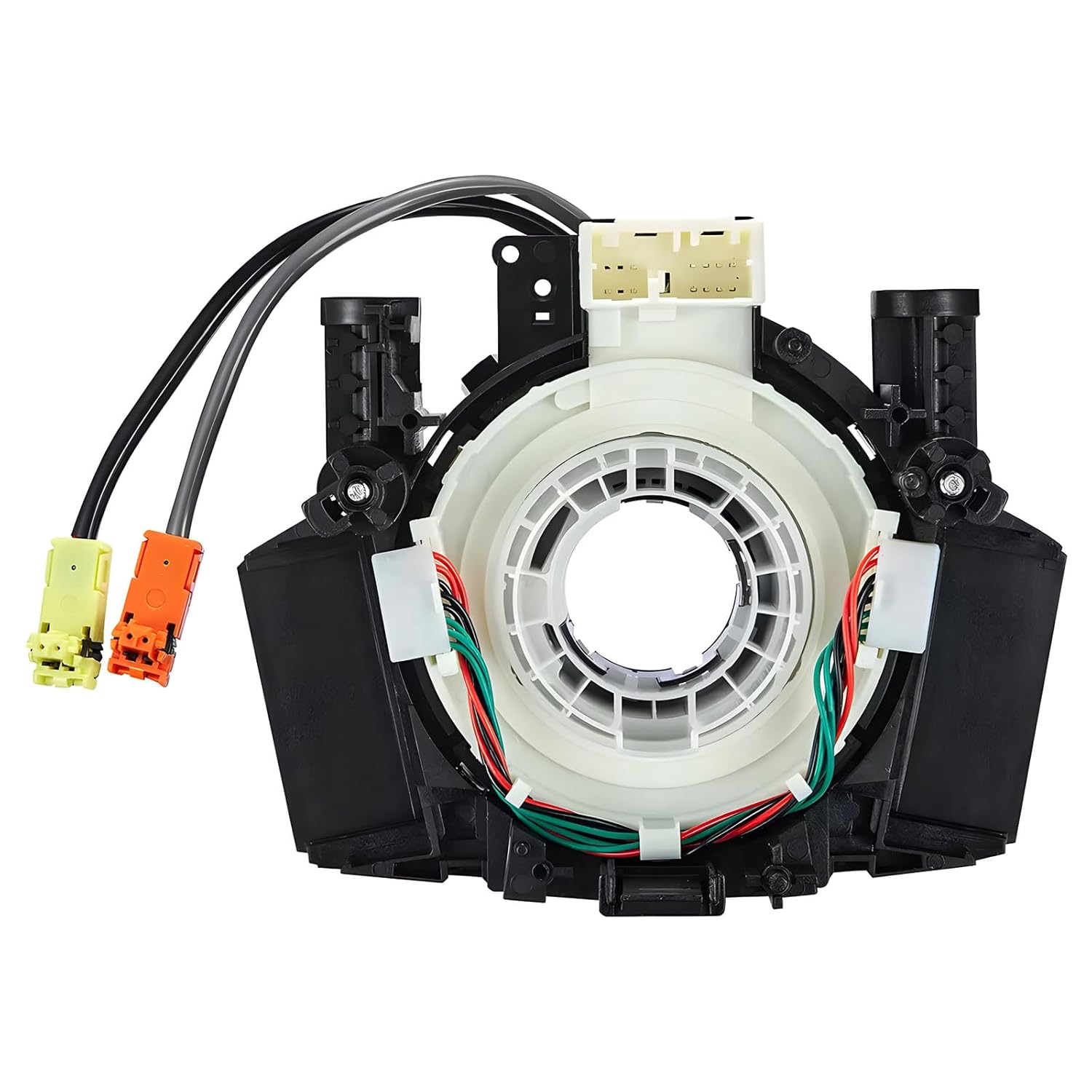
This steering clock spring assembly is an OEM-style replacement designed to restore steering wheel controls and related electronic functions in compatible Nissan vehicles. It supports audio, cruise control, and multi-function button operation while matching multiple factory part numbers for a reliable fit. Built for direct installation with vehicle-specific connectors, it helps return steering column electronics to proper working order.
Basic 4LO Engagement Steps
- Stop the vehicle in a safe, straight position before the obstacle.
- Keep your foot firmly on the brake.
- Shift the transmission to Neutral.
- Select 4LO, L4, or L4L with the transfer-case lever, switch, or dial.
- Wait for the 4LO indicator to stay solid rather than flashing.
- Shift back into Drive or the appropriate gear, then move slowly.
Basic Crawl Control Steps
- Engage 4LO/L4 first.
- Confirm the vehicle is not in Park or Neutral and the driver’s door is closed.
- Press the Crawl Control button or DAC/CRAWL switch, depending on your model.
- Select a low crawl setting for rocks or steep descents; increase only if the terrain is smoother.
- Take your feet off the pedals gradually and steer. Be ready to brake or cancel the system if needed.
Pro Tip: Pick your crawl speed before the hardest part of the obstacle. Changing settings mid-obstacle can distract you from the line, especially if a spotter is guiding your tires.
Crawl Control Settings and Terrain Choice
Most Crawl Control systems give you several speed settings rather than one fixed speed. Use the lowest settings for the slowest and sharpest obstacles, then move up only when the terrain opens up.
| Terrain | Better Choice | Why |
|---|---|---|
| Rock garden | 4LO + low Crawl Control setting | Smooth brake and throttle inputs help prevent bouncing and tire spin. |
| Steep rocky descent | 4LO + Crawl Control, or 4LO manual with engine braking | Both help keep speed down; Crawl Control reduces pedal work. |
| Deep mud | 4LO manual | Mud often needs momentum and wheel speed, not constant braking. |
| Soft sand | Usually 4HI or 4LO manual, depending on depth and speed | Momentum is important; Crawl Control can be too slow for many sand sections. |
| Deep snow | 4LO manual or appropriate Multi-Terrain Select mode | You may need careful throttle plus enough wheel speed to avoid bogging. |
| Ruts and moguls | 4LO + Crawl Control if slow; 4LO manual if momentum is needed | The right choice depends on whether traction or momentum is the bigger problem. |
[Products Worth Considering]

This metal replacement center console latch is designed to restore secure closing performance for a wide range of Toyota and Scion vehicles. Built as an upgraded metal part, it helps solve broken latch issues and provides a more durable alternative to the original component. It is compatible with many popular models and includes the needed screws and screwdriver for installation.
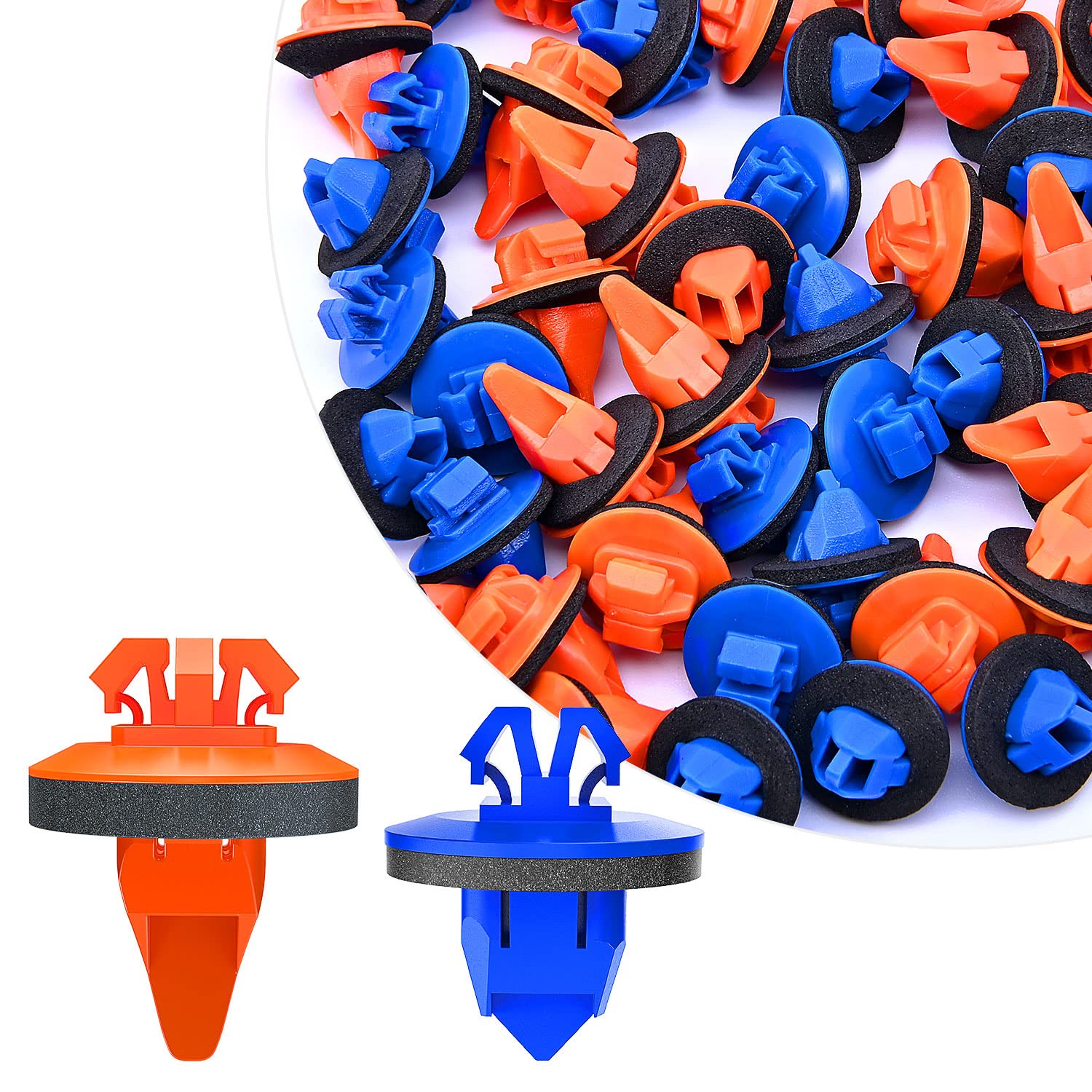
These replacement fender flare clips are designed to restore secure body trim mounting on compatible Toyota vehicles. The kit includes both rocker moulding and wheel flare moulding clips with sealers, helping ensure a proper fit for common applications on 4Runner, FJ Cruiser, Highlander, RAV4, and Tacoma models. With a mixed 100-piece assortment, this set is ideal for repairs, trim replacement, and maintenance.
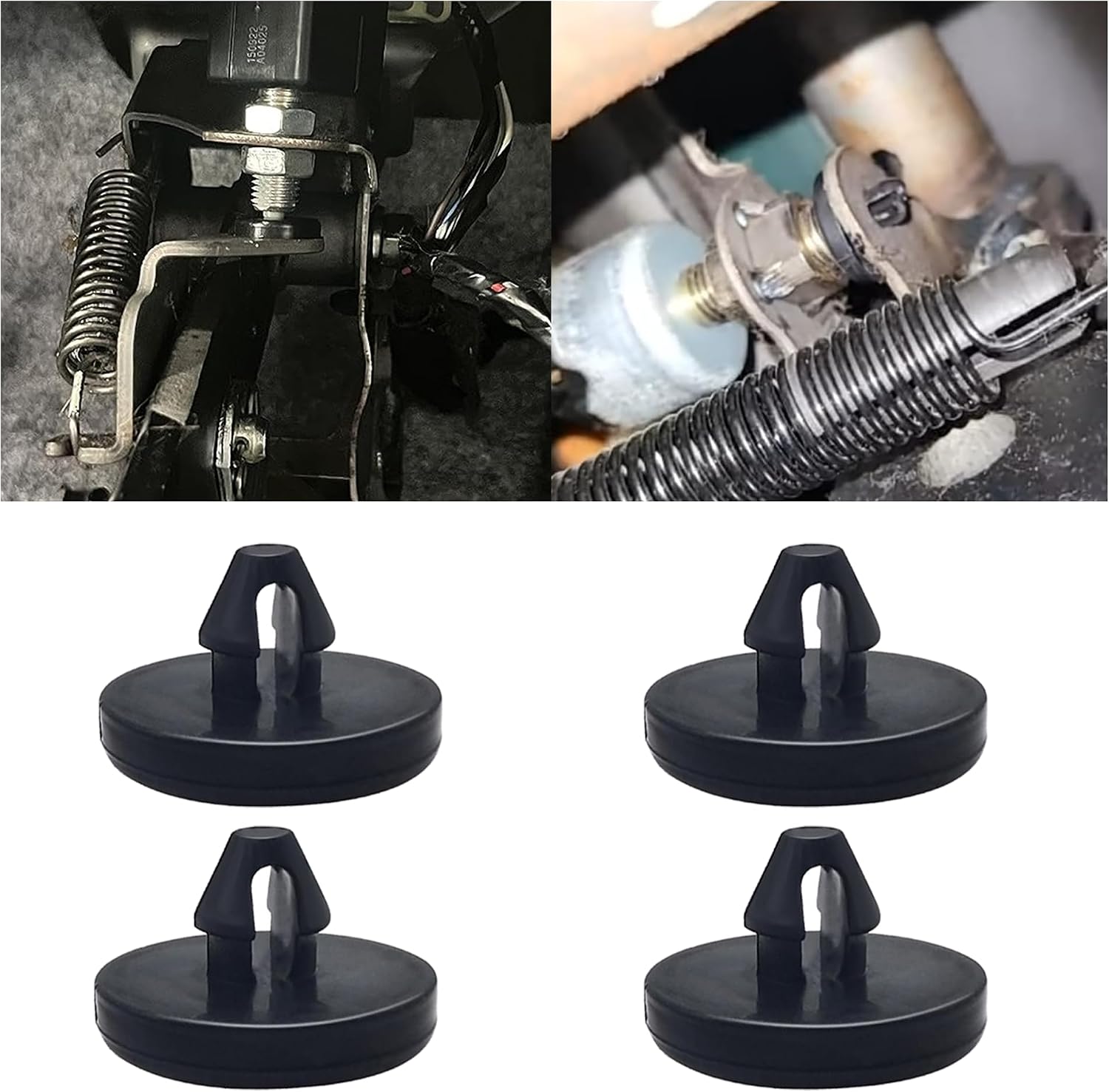
This brake pedal stop pad set is designed as an OEM replacement for compatible Toyota, Lexus, and Scion models, helping restore proper brake light switch function when the brake light stays on. Made from durable nylon, these compact stoppers are built for reliable long-term use and quick, tool-free installation. The set includes multiple pieces for convenient replacement and sharing.
Multi-Terrain Select, Rear Locker, and Other Interactions
Multi-Terrain Select, Crawl Control, and the rear differential lock all help off-road, but they do different jobs. Multi-Terrain Select changes throttle, braking, and traction-control behavior for surfaces such as mud, sand, loose rock, moguls, or rock, depending on model year. The rear locker forces both rear wheels to rotate together, which can help when one rear tire is light, lifted, or on a slick patch.
Do not assume every system can be stacked at the same time. On many 4Runner manuals, Multi-Terrain Select is not activated while Crawl Control is operating. On newer 4Runners with a rear locker, Crawl Control behavior can also change when the rear differential is locked, including lower speed thresholds or reduced powertrain control in some situations. The safe rule is simple: choose the single system that best matches the obstacle, then confirm the display before moving.
- Use Multi-Terrain Select when you want the vehicle to tune traction response for the surface while you still drive with the pedals.
- Use the rear locker when one rear tire is spinning or lifting and you need both rear wheels to pull together.
- Use Crawl Control when steady low-speed movement matters more than your own throttle modulation.
- Use plain 4LO when you need full manual control, momentum, or deliberate wheel spin.
Note: The rear locker can reduce turning smoothness because both rear wheels are forced to rotate together. Use it only where traction demands it, then turn it off when the obstacle is finished.
[Products Worth Considering]

These grille retainer clips provide a reliable replacement for the OEM Toyota 90467-12040 part number, helping restore secure body panel attachment on compatible vehicles. Designed for a tight push-in fit, they are made from durable black nylon to resist wear, corrosion, and cracking during everyday use. This set of 10 is ideal for keeping spare clips on hand for grille and trim repairs.

This custom-fit windshield sun shade is designed for Toyota 4Runner models to help block sunlight, reduce interior heat, and protect against harmful UV rays. Its double-layer reflective construction and secure velcro strap support a snug fit, while the foldable design and included storage pouch make it easy to use and store. It is a practical way to keep your vehicle cooler and help preserve the interior.

This brake switch stopper helps restore proper brake light operation by providing a precise pedal stopping point, reducing issues where brake lights stay on. Made from durable nylon, it is designed for easy installation and dependable fitment across many Toyota, Lexus, and Scion models. The multi-pack supply makes it convenient to replace worn stoppers and keep spares on hand for future maintenance.
Common Mistakes to Avoid
- Using Crawl Control in deep mud or sand: the system may fight the momentum you need to stay on top of the surface.
- Relying on electronics instead of line choice: Crawl Control cannot add ground clearance, fix poor tire placement, or overcome unsafe terrain.
- Driving too fast in low range: 4LO is for slow, high-control driving, not normal trail cruising.
- Ignoring flashing indicators: a flashing 4LO, Crawl Control, or locker light can mean the system has not fully engaged.
- Turning sharply with the rear locker on: this can bind the driveline and make steering harder.
- Using part-time 4WD on dry pavement: part-time H4 and L4 are intended for loose or slippery surfaces where tire slip can relieve driveline bind.
Frequently Asked Questions
What do H2, H4, and L4 mean in a Toyota 4Runner?
H2 is high-range two-wheel drive for normal dry-road driving on part-time 4WD models. H4 is high-range four-wheel drive for loose, slippery, icy, snowy, or off-road surfaces. L4 is low-range four-wheel drive for maximum low-speed power and traction on steep hills, rocks, mud, sand, or deep snow.
When should I use 4LO in a 4Runner?
Use 4LO when you need slow-speed torque, engine braking, and control. Good examples include steep climbs, steep descents, rock crawling, deep ruts, slow mud sections, deep snow, sand recovery, or pulling through rough terrain. Do not use 4LO for normal driving or high-speed trail travel.
Is Crawl Control the same as 4LO?
No. 4LO is the low-range gear setting in the transfer case. Crawl Control is an electronic driver aid that controls throttle and braking at low speed. Crawl Control usually requires 4LO first, but 4LO can be used without Crawl Control.
Can I use Crawl Control and Multi-Terrain Select together?
On many 4Runners, Multi-Terrain Select and Crawl Control are separate modes, and Multi-Terrain Select is not active while Crawl Control is operating. The exact behavior varies by model year, so check the owner’s manual and the instrument-cluster indicators before relying on either system.
Does Crawl Control work with the rear differential locker?
It depends on model year and conditions. Some newer 4Runner manuals describe Crawl Control limitations when the rear differential is locked, including lower speed thresholds or limited powertrain control. Use the locker only when you need it, watch the indicators, and follow the instructions for your specific 4Runner.
Should beginners use Crawl Control?
Yes, Crawl Control can help beginners because it smooths throttle and brake inputs, but it is not a substitute for safe spotting, tire placement, recovery gear, and good judgment. Start on easy terrain first so you understand the sounds, vibrations, and response before using it on a harder trail.
Conclusion
Choose Low Range when you need the 4Runner’s low-speed gearing, torque multiplication, and engine braking. Choose Crawl Control when you are already in 4LO and want the vehicle to handle steady throttle and brake modulation while you steer. For technical rocks and rough descents, Crawl Control can be a big help. For mud, sand, snow, climbs, towing, or any situation that needs momentum and pedal feel, 4LO manual control is usually the better tool.
Sources
- Toyota 2025 4Runner Hybrid Owner’s Manual — Crawl Control — Crawl Control operation, limitations, speed thresholds, and rear-locker-related behavior.
- Toyota 2025 4Runner Hybrid Owner’s Manual — Multi-Terrain Select — Multi-Terrain Select function and system interaction guidance.
- Toyota 2025 4Runner Hybrid Owner’s Manual — Four-Wheel Drive System — L4L/low-range use for maximum power and traction.
- Toyota Customer Support — Multi-Terrain Select and Crawl Control — Toyota’s plain-language explanation of Crawl Control and Multi-Terrain Select.
- Toyota 2024 4Runner eBrochure — TRD Off-Road and TRD Pro Crawl Control, Multi-Terrain Select, rear locker, and off-road safety disclosures.

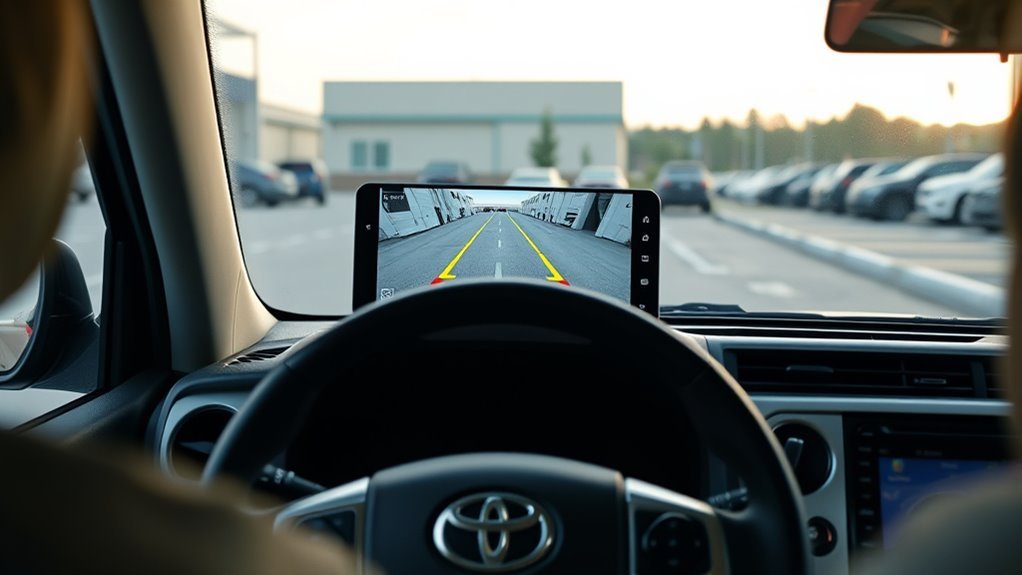

[…] On the referenced 2025–2026 4Runner systems, the same DAC/CRAWL control supports two different functions. The transfer mode and multi-information display determine which feature is active, so confirm the downhill icon or Crawl Control display before moving. For more detail, see the 4Runner Crawl Control guide and the comparison of Crawl Control vs. 4LO. […]