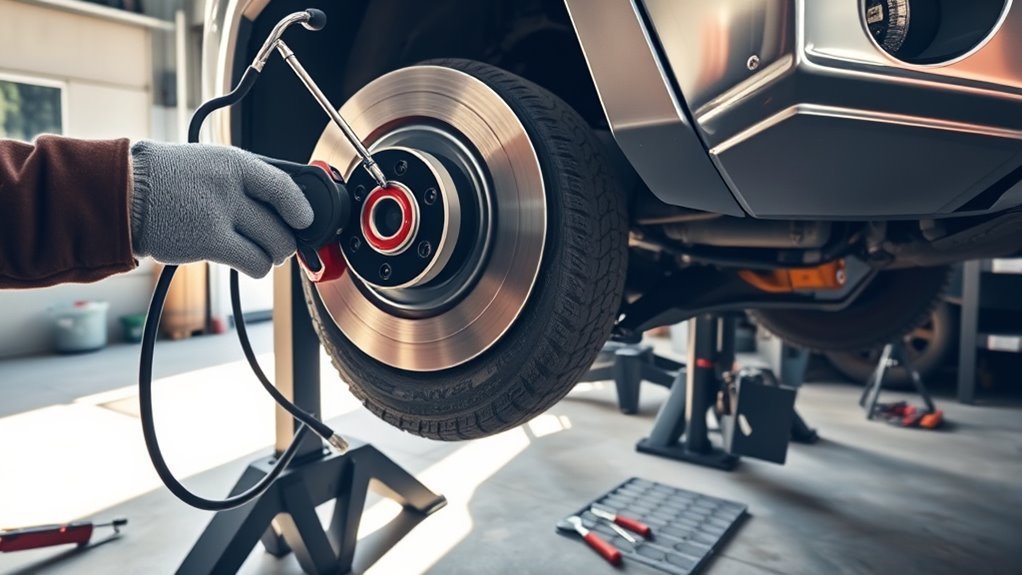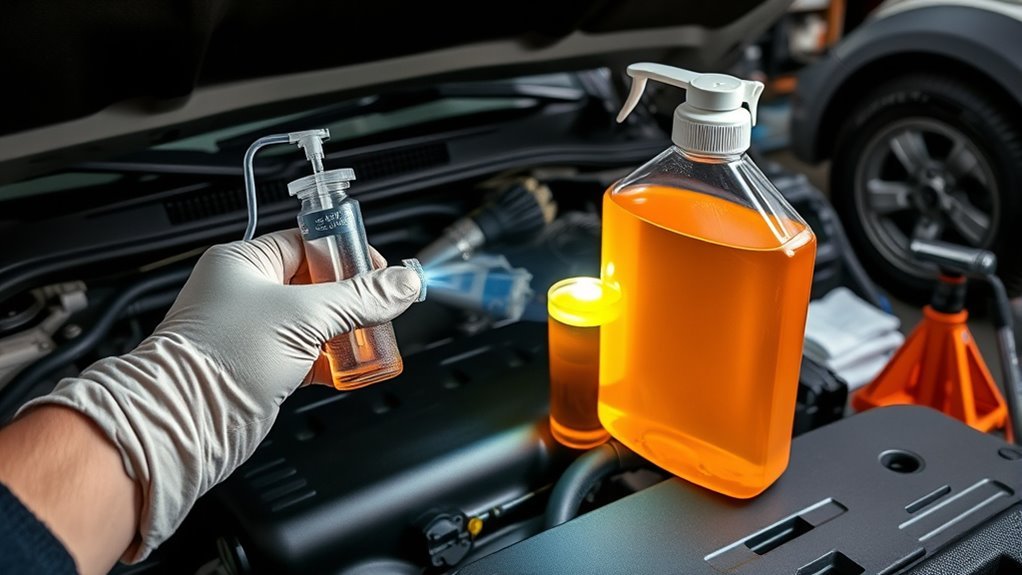
There is no single mileage that fits every truck, but a good 4Runner brake fluid change interval is every 2 to 3 years, and sooner if you tow, drive in the mountains, or live somewhere humid. Recent U.S. Toyota maintenance schedules treat brake fluid as an inspection item (level and condition) rather than listing a fixed replacement mileage, so check the Warranty & Maintenance Guide for your model year and region. Replace the fluid right away if a test shows high moisture or depleted additives, or if the pedal feels soft.
Quick Answer: 4Runner Brake Fluid Change Interval
| How you use the 4Runner | Suggested interval |
|---|---|
| Normal commuting, dry climate | Every 2–3 years, or when a test shows it is due |
| Humid or coastal climate | About every 2 years; test yearly |
| Regular towing or mountain driving | Every 1–2 years |
| Off-road with water crossings | Test after deep crossings; change if contaminated |
| After brake fade, a soft pedal, or caliper/master cylinder work | Flush and bleed now |
These are common shop and owner practices, not a Toyota requirement. Your Warranty & Maintenance Guide (or a Toyota dealer with your VIN) is the final word for your truck.
What Toyota’s Schedule Says
Recent U.S. 4Runner maintenance schedules call for inspecting brake fluid level and condition at routine service visits. They do not list a fixed replacement mileage the way they do for engine oil or air filters.
Toyota schedules in some other countries do list a time-based brake fluid replacement, and older guides differ by year. Because schedules change, confirm with the guide that came with your truck.
Why Brake Fluid Wears Out
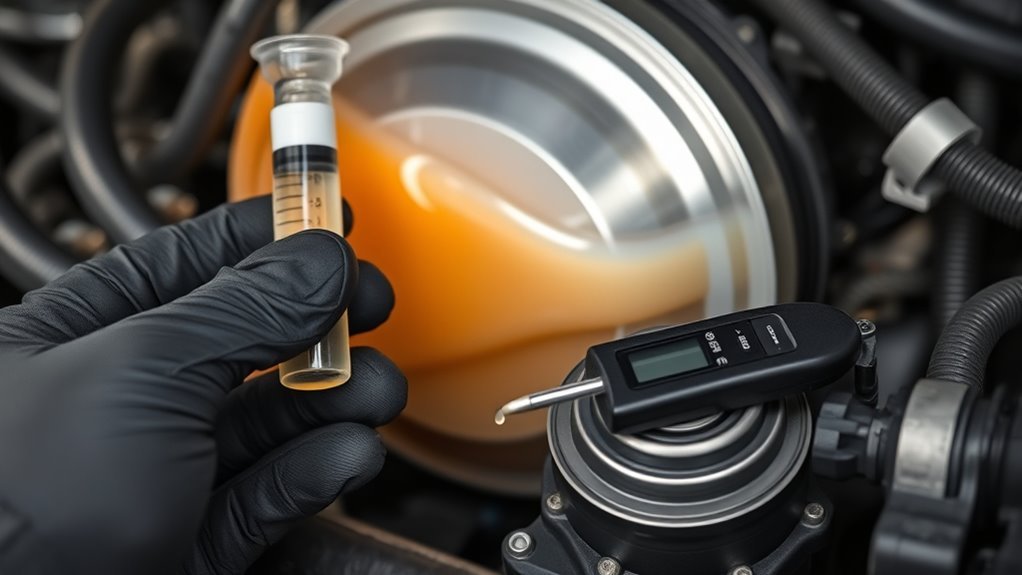
Glycol-based brake fluid (DOT 3 and DOT 4) is hygroscopic, which means it slowly absorbs moisture through hoses and seals. Water lowers the boiling point, so the fluid can boil during long downhill braking and leave you with a soft pedal.
The corrosion inhibitors in the fluid also wear out over time. Old fluid can then corrode calipers, brake lines, and the ABS unit from the inside.
| Fluid | Minimum dry boiling point | Minimum wet boiling point |
|---|---|---|
| DOT 3 | 401°F (205°C) | 284°F (140°C) |
| DOT 4 | 446°F (230°C) | 311°F (155°C) |
Values are the U.S. federal (FMVSS No. 116) minimums. “Wet” means fluid that has absorbed about 3.7% water, which is why old fluid is much less heat-tolerant.
Which Brake Fluid Does a 4Runner Use?
Fifth-generation (2010–2024) 4Runners call for DOT 3 fluid, and the spec is printed on the reservoir cap and in the owner’s manual. For a 2025+ sixth-generation model, check the cap and manual for your truck rather than assuming.
- A quality DOT 4 fluid is glycol-based and compatible with DOT 3 systems, and it has a higher boiling point.
- Never use DOT 5 (silicone). It does not mix with glycol fluids.
- Use fluid from a sealed bottle; an opened bottle absorbs moisture too.
For a deeper look at the ratings, see our 4Runner brake fluid DOT ratings guide.
How to Check If Your Brake Fluid Is Due
- Check the level. It should sit between MIN and MAX. A dropping level usually means worn pads or a leak.
- Look at the color. New fluid is clear to light amber; dark brown fluid is old. Color is a rough guide only.
- Use a test strip. Copper-based strips show when the corrosion inhibitors are used up, which is a good “change it” signal.
- Use a boiling-point tester if you want an exact number. Many shops have one.
- Write down the date and result so you can see the trend at the next check.
Signs Your Brake Fluid Needs Attention Now
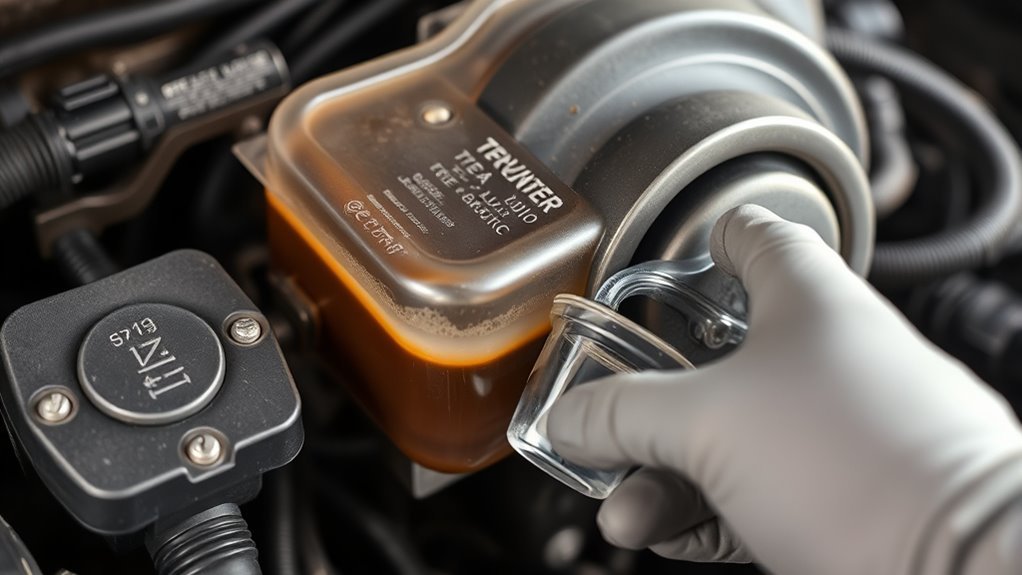
- Brake warning light on: often low fluid. Check the level and look for leaks before driving further.
- Soft or spongy pedal: air, boiled fluid, or a hydraulic fault. If the pedal also sinks, read our guide to 4Runner brake master cylinder symptoms.
- Pedal goes soft on long descents: classic sign of fluid boiling. Change the fluid and use a lower gear downhill.
- Visible wetness at a caliper, hose, or wheel: stop and have it inspected.
How a 4Runner Brake Fluid Flush Is Done
A flush pushes new fluid through every line until the old fluid is gone. It is a reasonable DIY job if you are comfortable with brakes, but the procedure varies by generation.
- Remove old fluid from the reservoir with a clean syringe and refill with fresh fluid.
- Bleed each wheel in the order given in the factory repair manual for your year. Some 4Runner generations bleed the rear circuit with the ignition on so the brake actuator pump can help.
- Never let the reservoir run low during bleeding, or you will pull air into the ABS unit.
- Continue at each wheel until clean, bubble-free fluid comes out.
- Top up to MAX, check for a firm pedal, and test at low speed before driving normally.
Brake fluid damages paint, so cover nearby surfaces and dispose of old fluid at a parts store or recycling center. If the pedal is still soft or the ABS light comes on afterward, have a shop with a scan tool finish the job.
Related 4Runner Brake Guides
- 4Runner brake inspection checklist (do this when you check the fluid)
- 4Runner brake pedal pulsation causes and fixes
- How to inspect brake pads and rotors at home
Bottom Line
Toyota’s U.S. schedule asks you to inspect 4Runner brake fluid rather than replace it at a set mileage, so plan on a change every 2 to 3 years, more often with towing or humidity. Test the fluid, use the type printed on your reservoir cap, and flush it right away if the pedal goes soft.
Frequently Asked Questions
How often should I change the brake fluid on my 4Runner?
Most shops and owners change it every 2 to 3 years, or sooner with towing, mountain driving, or a humid climate. Recent U.S. Toyota schedules list brake fluid as an inspection item, so confirm with the Warranty & Maintenance Guide for your year.
Does Toyota require brake fluid changes on the 4Runner?
Recent U.S. 4Runner schedules call for inspecting brake fluid level and condition rather than replacing it at a fixed mileage. Some markets outside the U.S. list a time-based replacement, so check the guide for your region.
What brake fluid does a 4Runner take?
Fifth-generation 2010–2024 4Runners use DOT 3, as printed on the reservoir cap and in the owner's manual. A quality DOT 4 is compatible, but never use DOT 5 silicone fluid. For 2025+ models, check the cap and manual.
Can I just top off old brake fluid instead of changing it?
Topping off restores the level but does not remove absorbed moisture or restore used-up additives. A low level can also mean worn pads or a leak, so find the cause first.
How do I know if my 4Runner brake fluid is bad?
Dark color, a failed copper test strip, a low boiling-point reading, or a soft pedal on long descents are all signs. Replace the fluid if any of these show up.