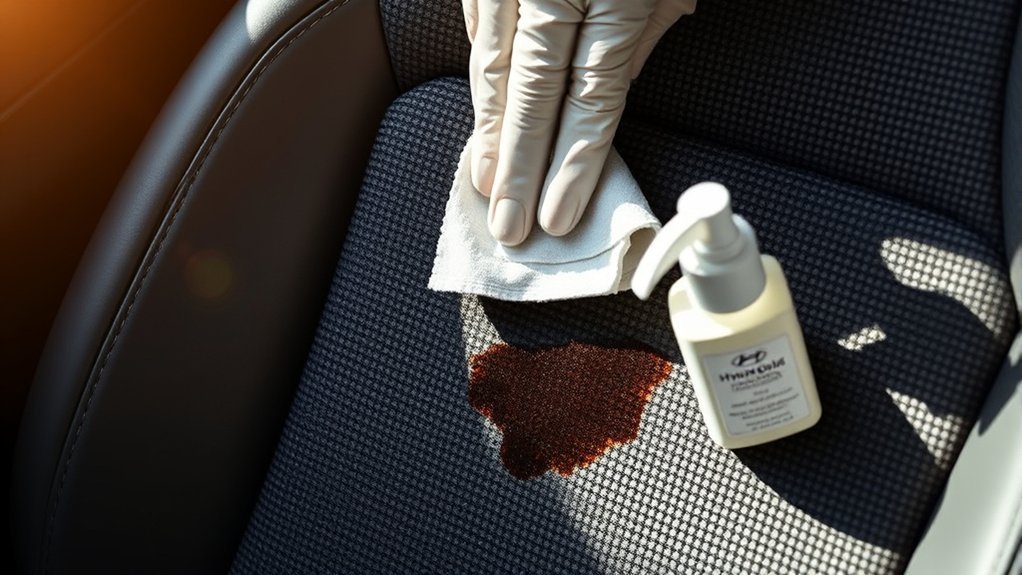
To remove stains from Hyundai Sonata upholstery, first identify the seat material, vacuum loose dirt, and blot fresh spills instead of rubbing them. For compatible cloth seats, use a small amount of mild soap solution recommended for upholstery or carpet or a suitable fabric spot cleaner. Avoid soaking the seat, especially around seams, heaters, ventilation components, and other electronics, and let the upholstery dry completely before use.
Last updated: September 16, 2026
Quick Answer
To remove a stain from Hyundai Sonata cloth upholstery, vacuum loose debris, blot fresh liquid with a clean absorbent cloth, then lightly clean the affected area with a mild soap solution recommended for automotive upholstery or carpet. Work gently from the outside of the stain inward, remove cleaner residue, and let the seat dry completely before using it.
Key Takeaways
- Check whether your Sonata has cloth, microfiber-insert, leather, or another seat material before choosing a cleaner.
- Hyundai recommends vacuuming fabric and using a mild soap solution intended for upholstery or carpets, with prompt treatment of fresh spots.
- Blot rather than aggressively scrub, and do not saturate the seat.
- Do not assume vinegar, lemon juice, bleach, concentrated detergent, solvents, or other household mixtures are safe for automotive upholstery.
- Persistent stains, mold, soaked padding, torn upholstery, or damaged airbag seams are good reasons to seek professional help.
At a Glance
| Time Required | Varies by stain size and severity; allow additional time for complete drying |
| Difficulty | Easy for fresh, surface-level stains |
| Tools Needed | Vacuum, upholstery attachment, clean microfiber or absorbent cloths, soft brush if appropriate, mild upholstery-safe soap or fabric spot cleaner |
| Cost | No special equipment is required for basic spot cleaning if you already have a vacuum, clean cloths, and compatible cleaner |
Warning: Sonata seat materials vary by model year and trim. Do not apply a cloth-seat cleaning recipe to leather or microfiber inserts without checking your owner’s manual and the cleaner label first. Hyundai also warns that liquids should not contact interior electrical or electronic components.
Why You Should Clean Your Hyundai Sonata Upholstery
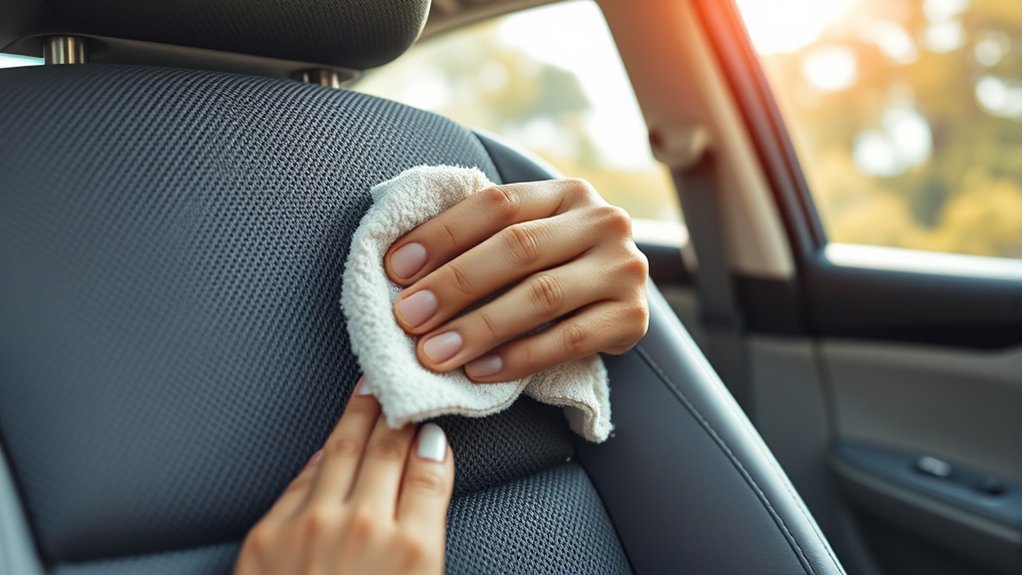
Keeping your Hyundai Sonata upholstery clean helps preserve its appearance and reduces the chance that ordinary spills, dirt, body oils, and food residue will become permanent stains. Dirt and grit can also work into fabric fibers and contribute to visible wear over time.
Prompt stain treatment is particularly important on light-colored seats because discoloration is easier to see. Hyundai’s interior-care guidance states that fresh spots on fabric should be handled promptly because neglected stains may affect the fabric’s color.
There is also a material-care reason to use the correct products. Hyundai warns that cleaners or procedures other than those recommended for the upholstery may affect the fabric’s appearance and its fire-resistant properties. That is why a manufacturer-first cleaning method is safer than experimenting with strong household chemicals.
Check Your Sonata Upholstery Material First
Before treating a stain, identify what the seat is actually made from. Hyundai Sonata upholstery is not identical across every trim or model year. For the 2026 U.S.-market Sonata, Hyundai lists premium cloth, N Line sport seats with microfiber inserts, and leather seating surfaces, depending on trim.
Look at your window sticker, trim specifications, or the owner’s manual for your exact model year. If you are unsure, use the Hyundai Digital Owner’s Manual and select the correct Sonata model and year before applying anything beyond basic vacuuming and blotting.
Note: For reference, Hyundai’s current Sonata specifications list different seating surfaces depending on trim. Always let your exact vehicle’s owner’s manual override generic cleaning advice.
Cloth Upholstery
For ordinary fabric seats, Hyundai’s standard guidance is straightforward: remove dust and loose dirt with a vacuum or soft broom, use a mild soap solution recommended for upholstery or carpet, and address fresh spots promptly with a fabric spot cleaner.
Leather Upholstery
Leather requires a different approach. Hyundai recommends neutral detergents or suitable leather-care products and warns that high-alcohol, acidic, or alkaline cleaners may discolor or strip leather surfaces. Do not automatically use a cloth upholstery cleaner on leather.
For a dedicated material-specific routine, see our Hyundai Sonata leather-seat cleaning guide.
Microfiber or Sport Seat Inserts
Microfiber-type sport inserts may react differently to liquid, brushing, and stain removers. Use the instructions for your exact seat material instead of assuming that a household upholstery recipe is suitable.
Essential Cleaning Supplies for Your Upholstery
You do not need an oversized detailing kit for most small cloth-seat stains. A few appropriate tools are enough:
- Vacuum with an upholstery or crevice attachment: Removes crumbs, sand, dust, pet hair, and other loose contamination before moisture is introduced.
- Clean absorbent or microfiber cloths: Useful for blotting spills, applying cleaner in a controlled amount, and removing residue.
- Mild upholstery-safe soap solution: Hyundai specifies a mild soap solution recommended for upholstery or carpets for fabric cleaning.
- Fabric spot cleaner: Appropriate for fresh spots when the label confirms compatibility with the seat material.
- Soft upholstery brush: Optional for durable cloth when light agitation is necessary. Avoid aggressive brushing on delicate inserts.
- Clean water: Useful in small amounts to remove soap residue where appropriate.
Before using any cleaner, read its instructions and test it on a concealed part of the upholstery. Watch for color transfer, fading, stiffening, rings, or texture changes before treating a visible section.
Pro Tip: Put cleaner on your cloth or applicator when possible instead of flooding the seat directly. This gives you more control over moisture and reduces the chance of soaking the foam beneath the upholstery.
[Products Worth Considering]
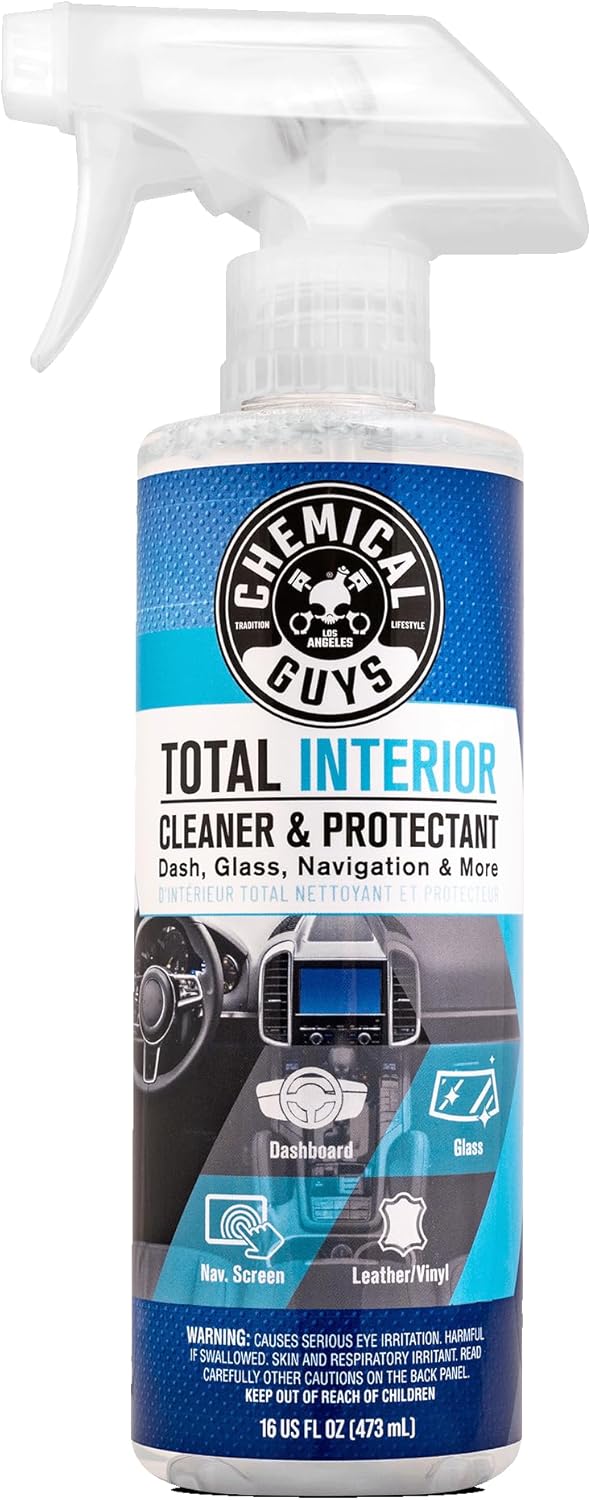
Chemical Guys Total Interior Cleaner, Protectant & Car Detailer is an all-in-one solution for cleaning and protecting your vehicle's interior surfaces. It safely lifts dirt, dust, body oils, and grime from leather, vinyl, plastic, rubber, glass, dashboards, door panels, seats, trim, and screens while leaving a fresh, natural-looking finish. Designed for quick spray-and-wipe use, it helps resist everyday wear and keeps interiors looking clean, streak-free, and factory fresh.

Chemical Guys Lightning Fast Carpet & Upholstery Stain Extractor is a professional-strength cleaner designed to quickly break down and lift stains, dirt, and odors from carpet, fabric, and upholstery. Its fast-acting formula is safe for natural and synthetic fibers, making it a versatile choice for automotive interiors, furniture, rugs, and other fabric surfaces. Easy spray-and-scrub application helps deliver deep-cleaning results with a fresh, renewed finish.

Armor All Multi-Purpose Car Cleaner Spray delivers an all-in-one clean for interior surfaces, helping restore that just-detailed look throughout your vehicle. It is designed for dashboards, vinyl, fabric, carpet, clear plastic, and consoles, and it helps remove tough dirt, dust, grime, and stubborn stains while providing odor control. Scientifically engineered for automotive surfaces, this cleaner helps refresh your car interior without drying out or damaging delicate materials.
Step-by-Step Guide to Vacuuming Your Seats
Vacuuming should come before stain treatment. Adding cleaner while grit, crumbs, or sand remain on the seat can turn loose debris into muddy residue and make the job harder.
[Products Worth Considering]

Keep your vehicle looking freshly detailed with this all-in-one car care wipe kit from Armor All. It includes cleaning, protectant, and glass wipes to remove dirt, defend against UV damage, and deliver a streak-free shine on interior and glass surfaces. Convenient, lint-free, and disposable, these wipes make everyday car interior cleaning fast and simple.

This heavy-duty car ramp set provides a stable, reliable lift for routine maintenance like oil changes, tire rotations, brake work, and undercarriage inspections. Built from high-impact poly with a non-skid tread and rubber feet, it helps keep vehicles secure while offering a lightweight, corrosion-resistant alternative to steel ramps. The wide, gradual design supports a broad range of vehicles, from compact cars to trucks, SUVs, and vans.
Tools Needed For Vacuuming
Use a vacuum with an upholstery attachment and, if available, a narrow crevice tool. A soft brush can help loosen dry dirt from durable cloth before vacuuming, but do not scrub delicate microfiber or damaged fabric.
Remove loose objects from the seats and check the gaps near the seatback, center console, and seat rails. Vacuum the broad seat surfaces first and then work into seams and crevices.
Proper Vacuuming Techniques
| Step | Action | Why |
|---|---|---|
| 1 | Remove loose items | Exposes hidden crumbs and debris |
| 2 | Vacuum broad surfaces | Removes loose dust before wet cleaning |
| 3 | Use a crevice attachment | Reaches seams and seat gaps |
| 4 | Make overlapping passes | Improves debris removal without aggressive brushing |
| 5 | Empty the vacuum as needed | Helps maintain suction |
There is no Hyundai requirement that every owner vacuum on an exact weekly schedule. Clean often enough to prevent visible grit and dirt from accumulating, with more frequent attention if children, pets, outdoor equipment, or frequent passengers regularly use the vehicle.
How to Remove Stains From Hyundai Sonata Upholstery
For a fresh spill on cloth upholstery, speed matters more than aggressive scrubbing.
- Remove solids first. Lift crumbs or other material carefully without pushing them deeper into the fabric.
- Blot liquid immediately. Press a clean absorbent cloth onto the spill. Do not rub back and forth.
- Vacuum once loose debris is dry enough to remove. This is especially useful for dirt, crumbs, and dried food particles.
- Patch-test the cleaner. Test an inconspicuous area before treating the visible stain.
- Apply a small amount of appropriate cleaner. For fabric, use a mild soap solution recommended for upholstery/carpet or a suitable fabric spot cleaner.
- Work from the outside inward. This can help reduce spreading.
- Blot away soil and cleaner. Rotate to a clean section of the cloth as residue transfers.
- Remove excess residue. If the cleaner instructions call for it, lightly blot with a clean damp cloth.
- Dry completely. Leave the seat ventilated and unused until the treated area is fully dry.
For Hyundai fabric upholstery, the safest default is simple: vacuum loose dirt, use a mild upholstery-safe soap solution, treat fresh spots promptly, and avoid unapproved cleaners or procedures.
Solutions for Common Upholstery Stains (e.g., Food, Beverages, Dirt)
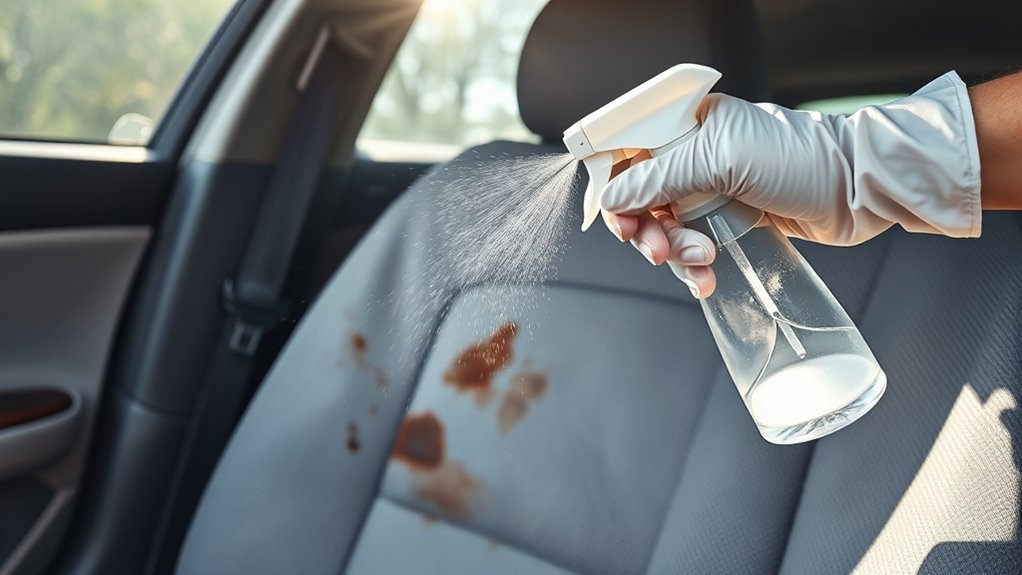
The correct approach depends on the contaminant and seat material. The following guidance is intended primarily for compatible cloth upholstery.
| Stain | First Action | Cleaning Approach | Avoid |
|---|---|---|---|
| Water, coffee, or soft drink | Blot immediately | Use a small amount of mild upholstery-safe soap or fabric spot cleaner after patch-testing | Soaking or scrubbing aggressively |
| Food | Lift solids, then blot | Vacuum remaining particles and spot-clean the fabric | Grinding food deeper into the fibers |
| Mud or dirt | Allow heavy mud to dry if blotting would spread it | Vacuum dry soil first, then lightly spot-clean any remaining mark | Turning loose dirt into a wet slurry |
| Grease or oily residue | Blot with an absorbent cloth | Use a spot cleaner specifically labeled for the upholstery material | Strong solvents unless explicitly approved |
| Unknown stain | Blot and identify the seat material | Begin with the least aggressive manufacturer-compatible method | Mixing several cleaners together |
If your Sonata has leather seating, use the leather-specific instructions in the owner’s manual instead. Hyundai’s leather guidance differs by contaminant; for example, it recommends prompt removal of spills and material-appropriate treatment rather than the generic fabric process.
DIY Cleaning Solutions for Stubborn Stains
Household stain-removal recipes are popular, but they should not automatically be used on Hyundai Sonata upholstery. Advice that treats baking soda paste, vinegar spray, lemon juice with club soda, or concentrated laundry detergent as universal fixes is too broad for vehicle seats.
Automotive upholstery can have dyes, coatings, backing materials, flame-resistance treatments, adhesives, heating elements, ventilation passages, and foam beneath the visible surface. A mixture that appears harmless on household furniture may not be appropriate for a vehicle seat.
| DIY Product or Method | Safer Approach |
|---|---|
| Vinegar or other acidic mixtures | Do not use as a default. Choose a cleaner specifically compatible with your upholstery material. |
| Lemon juice | Avoid treating it as a universal stain remover because acidity may affect some materials or dyes. |
| Baking soda paste | Do not grind abrasive paste into upholstery without material-specific approval. |
| Concentrated laundry detergent | Use an upholstery-safe mild soap solution instead; concentrated residue can be difficult to remove. |
| Bleach | Do not use on ordinary Sonata upholstery unless the vehicle/material manufacturer specifically authorizes it. |
| Strong solvent or high-alcohol cleaner | Avoid unless specifically approved for the material; Hyundai particularly cautions against inappropriate products on leather. |
Warning: Never mix cleaning chemicals. If one product fails, remove its residue and allow the upholstery to dry before considering another compatible method. Mixing cleaners can damage materials and may create hazardous fumes depending on the products involved.
Best Practices for Fabric Care
- Vacuum before wet cleaning. Removing grit first reduces abrasion and prevents loose dirt from spreading.
- Treat fresh spots promptly. Waiting makes discoloration and residue harder to remove.
- Use the least aggressive suitable cleaner. Start with the manufacturer’s recommended method instead of jumping to strong chemicals.
- Patch-test. Test cleaners on a concealed area and let the test area dry before deciding it is safe.
- Control moisture. Upholstery should be cleaned, not soaked.
- Blot rather than aggressively rub. Heavy rubbing can spread stains, distort the fabric, or roughen the surface.
- Let the seat dry completely. Avoid trapping moisture beneath a seat cover or sitting on a still-damp seat.
How to Dry Your Sonata Seats After Cleaning
Drying is part of the cleaning process. Leaving excess moisture in the upholstery can produce water rings, odor, slow drying, and moisture in the foam beneath the fabric.
After cleaning, press a dry absorbent towel against the area to remove as much moisture as possible. Ventilate the vehicle in a safe, dry location. Moderate airflow can help, but avoid excessive heat that could affect upholstery, adhesives, or trim.
Do not pour water into the seat or saturate seams in an attempt to rinse out cleaner. Hyundai warns that water and other liquids must not contact interior electrical or electronic components.
If a stain or ring reappears after the seat dries, contamination or cleaner residue may still be deeper in the upholstery and move back toward the surface as moisture evaporates. Let the seat dry fully, then repeat the same material-compatible blotting process lightly. If the mark keeps returning, stop adding moisture and consider professional extraction.
Note: If the seat foam has been heavily soaked by a large spill, floodwater, an open window, or an overly wet cleaning machine, surface drying may not be enough. Professional water extraction and drying may be appropriate.
When Should You Call in the Pros for Upholstery Cleaning?
Professional cleaning becomes worthwhile when the problem extends beyond an ordinary surface stain. A stubborn mark does not automatically mean the seat is permanently damaged, but repeated unsuccessful cleaning can make further DIY experimentation risky.
Signs Of Severe Staining
Consider professional treatment when:
- the stain remains after one or two careful, material-compatible cleaning attempts;
- the affected area is large or has penetrated deeply into the cushion;
- a strong odor returns after the upholstery dries;
- the stain came from oil, paint, ink, bodily fluids, or another contaminant you cannot safely identify or remove;
- the seat was heavily saturated with water;
- visible mold or recurring musty odor is present.
The U.S. Environmental Protection Agency notes that porous materials can be difficult to clean completely once mold has grown into them and recommends considering a specialist when an item is difficult to clean or valuable. See the EPA mold cleanup guidance.
Damage Beyond Repair
A stain and physical upholstery damage are not the same problem. Use this distinction when deciding what kind of service you need:
| Condition | Best Next Step | Reason |
|---|---|---|
| Persistent cosmetic stain | Professional upholstery cleaning | May respond to equipment or products not appropriate for casual DIY use |
| Fraying or torn fabric | Upholstery repair | Cleaning cannot restore missing or damaged material |
| Seat foam remains wet | Professional extraction/drying | Moisture may be trapped below the visible upholstery |
| Visible mold or persistent musty odor | Professional assessment | Porous materials can be difficult to remediate completely |
| Damage near a side-airbag seam or seat-mounted airbag | Authorized Hyundai service | The seat is part of a safety system area |
| Leather cracking, peeling, or severe discoloration | Leather/upholstery specialist | This may require restoration or material replacement rather than cleaning |
Time Constraints And Effort
Professional detailing can also make sense when several seats need deep cleaning, a large spill has soaked into the cushion, or you do not have appropriate extraction and drying equipment. A professional should still follow material-safe procedures rather than simply using the strongest available chemical.
What to Do About Mold or a Water-Soaked Seat
A moldy or waterlogged seat requires more caution than an ordinary coffee stain. First, correct the source of the moisture. Then determine whether the upholstery and padding can be thoroughly dried.
The EPA emphasizes moisture control and notes that mold can penetrate porous materials, making complete removal difficult. Upholstered items that stay wet can require professional water extraction, drying, or restoration.
If the seat has visible mold, extensive water damage, contaminated floodwater exposure, or a strong odor that returns after drying, professional remediation is preferable to repeatedly adding more cleaner and moisture.
If the seat is dry but the cabin still smells musty, use our Hyundai Sonata interior odor guide to check other moisture sources such as carpets and HVAC components.
Preventing Future Stains on Your Sonata Upholstery
Prevention is mainly about controlling dirt and responding quickly to spills:
- Vacuum loose debris before it becomes ground into the fabric.
- Keep clean absorbent cloths in the vehicle for quick spill response.
- Avoid leaving open drink containers where they can tip onto the seats.
- Clean sunscreen, cosmetics, food, beverages, and oily contamination promptly.
- If using a fabric protectant, confirm that it is suitable for your exact upholstery and follow both the product instructions and vehicle manual.
- Keep the upholstery dry instead of covering damp seats.
Warning: Do not assume accessory seat covers are suitable for the front seats. Hyundai warns that accessory seat covers can interfere with side-airbag effectiveness. Check the safety instructions for your exact Sonata before adding any cover around an airbag-equipped seat.
Tips for Keeping Your Upholstery Looking New
Long-term care does not require aggressive cleaning. Consistency matters more.
Regular Cleaning Routine
Vacuum whenever visible grit, crumbs, or dirt begins to accumulate. Treat spills when they happen rather than waiting for a scheduled deep-cleaning day. For ordinary cloth care, use the mildest manufacturer-compatible process that gets the job done.
Avoid making routine steam cleaning mandatory. Extraction or steam equipment may be useful in some circumstances, but the machine, upholstery material, moisture level, and drying process all matter. If you use such equipment, confirm that it is suitable for the seat and avoid saturating the cushion.
Protective Treatments Application
A fabric protectant may help some compatible upholstery resist spills, but it should not be treated as universally required. Read the protectant label, verify that it is appropriate for automotive upholstery, patch-test it, and follow any restrictions in your Sonata owner’s manual.
For leather, use leather-specific care rather than a fabric protectant. For microfiber or specialty sport-seat inserts, follow the exact material instructions.
Frequently Asked Questions
How do I get stains out of Hyundai Sonata cloth upholstery?
Vacuum loose debris first, blot fresh liquid, test your cleaner on a concealed area, and use a small amount of mild soap solution recommended for upholstery or carpet or a compatible fabric spot cleaner. Blot away the stain and residue without saturating the seat, then let the upholstery dry completely.
How do I remove a stubborn stain from Sonata upholstery?
Repeat the compatible spot-cleaning process cautiously rather than switching immediately to stronger chemicals. If the stain remains after careful cleaning, a professional automotive upholstery cleaner may be safer than aggressive scrubbing or combining several products.
What is the best stain remover for Hyundai Sonata upholstery?
There is no single best product for every Sonata because seat materials vary. For fabric, Hyundai recommends a mild soap solution intended for upholstery or carpets and prompt use of an appropriate fabric spot cleaner. Leather and microfiber inserts require material-specific care.
Can I use vinegar on Hyundai Sonata cloth seats?
Vinegar should not be treated as a universal Hyundai upholstery cleaner. Hyundai recommends mild upholstery/carpet soap and compatible fabric spot cleaner for fabric. Because acidic cleaners can affect some materials or dyes, use vinegar only if the instructions for the exact upholstery and product clearly permit it.
Can I steam-clean Hyundai Sonata seats?
Do not assume routine steam cleaning is suitable for every Sonata seat. Upholstery material, heating or ventilation components, moisture level, and drying all matter. If using extraction or steam equipment, verify material compatibility and avoid soaking the seat or nearby electrical components.
Why did the stain return after the seat dried?
A returning stain can happen when contamination or cleaner residue remains deeper in the upholstery and moves back toward the surface as moisture evaporates. Re-blotting with a compatible cleaning method may help, but repeated recurrence can justify professional extraction.
Can I use the same cleaner on Sonata leather and cloth seats?
No. Cloth, leather, and microfiber-type inserts have different care requirements. Hyundai cautions against inappropriate high-alcohol, acidic, or alkaline products on leather, so first identify the seating material and use the instructions for that material.
Can I use seat covers to prevent future stains?
Do not put an accessory cover over an airbag-equipped front seat unless your exact Hyundai instructions permit it. Hyundai warns that accessory seat covers may reduce or prevent proper side-airbag effectiveness. Follow the safety guidance for your Sonata model year.
Conclusion
Removing stains from Hyundai Sonata upholstery is usually straightforward when you match the method to the seat material and avoid overcomplicating the process. For compatible cloth seats, start with vacuuming, prompt blotting, and a mild upholstery-safe soap or fabric spot cleaner. Use as little moisture as necessary and allow the seat to dry completely.
Avoid treating household vinegar, lemon juice, strong detergent, solvents, steam, fabric protectants, or accessory seat covers as universally safe solutions. Sonata seat materials and safety equipment vary by trim and model year, so your exact Hyundai owner’s manual should always take priority. When staining is severe, the padding is soaked, mold appears, or the upholstery is physically damaged, professional cleaning or repair is the better choice.
Sources
- Hyundai 2026 Owner’s Manual — Interior Care — official guidance for fabric, leather, approved cleaning methods, and keeping liquids away from electrical/electronic components.
- Hyundai USA — 2026 Sonata Features & Specifications — confirms premium cloth, N Line microfiber inserts, and leather seating surfaces depending on trim.
- Hyundai 2026 Owner’s Manual — Airbag Location — warns against accessory seat covers that can reduce or prevent side-airbag effectiveness.
- U.S. Environmental Protection Agency — Mold Cleanup — guidance for moisture control, porous materials, mold, and when specialist help may be appropriate.