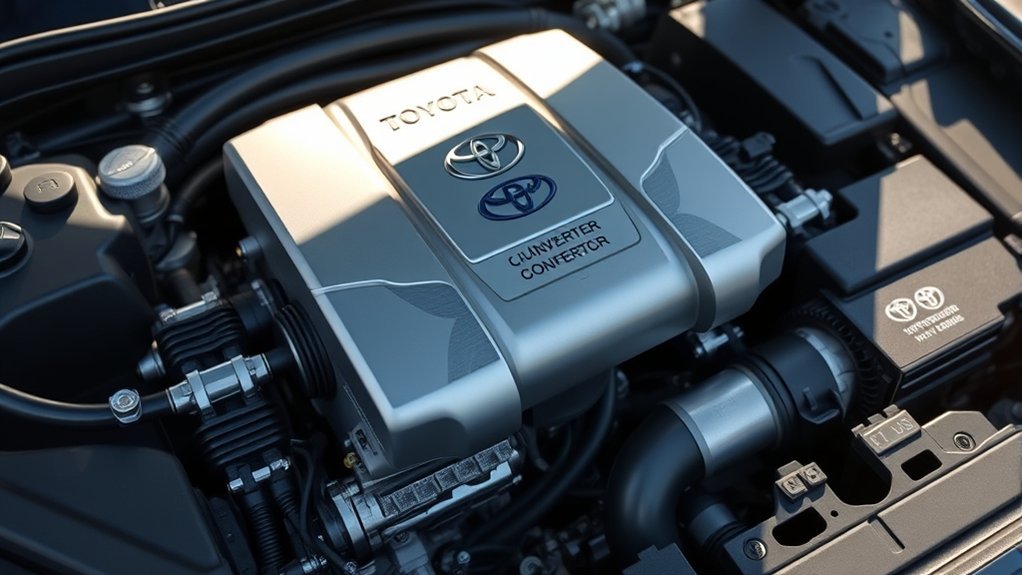
Traction control and Vehicle Stability Control (VSC) work together in a Toyota RAV4, but they do different jobs. Traction control helps when the tires spin during acceleration. VSC helps when the vehicle starts sliding, plowing wide, or rotating away from the direction you are steering. Both are safety aids, not a substitute for slowing down on wet, icy, gravel, or uneven roads.
Quick Answer
In a RAV4, traction control, often shown as TRAC, limits wheel spin when you accelerate. VSC helps correct a skid or loss of directional control when the RAV4 does not follow your steering input. Traction control manages grip at the drive wheels; VSC manages vehicle stability by using braking and torque control.
Key Takeaways
- Traction control helps stop tire spin when you accelerate on slick pavement, snow, mud, or gravel.
- VSC helps correct skidding, understeer, or oversteer when the RAV4 is not following the path you are steering.
- Both systems use brake and powertrain control, and they work closely with ABS and other Toyota driving-assist systems.
- A flashing slip indicator usually means a system is actively working; a light that stays on can mean a fault or that a system has been turned off.
- You may turn traction control off briefly if the RAV4 is stuck in snow, mud, or dirt, but normal driving should be done with the system on.
At a Glance
| Main Question | Traction control vs. VSC in a Toyota RAV4 |
| Best Default Setting | Keep both systems on for normal driving |
| When to Turn TRAC Off | Only briefly when stuck in mud, dirt, or snow and you need wheel spin to rock the vehicle free |
| When to Get Service | If the ABS, slip indicator, TRAC OFF, or VSC warning stays on after restarting the vehicle |
Traction Control vs VSC in the RAV4

Think of traction control as the RAV4’s wheel-spin manager and VSC as its skid-correction system. Traction control steps in when one or more drive wheels spin faster than expected during acceleration. VSC steps in when the vehicle’s actual movement does not match the direction the driver is trying to go.
According to Toyota’s owner information for the RAV4, the driving-assist systems include ABS, brake assist, VSC, TRAC, Trailer Sway Control, and related controls that may operate together depending on the situation. Toyota also notes that the slip indicator light flashes when TRAC, ABS, VSC, Trail Mode, or Trailer Sway Control is operating. Toyota RAV4 Hybrid Owner’s Manual: Driving Assist Systems
| System | What It Helps With | Typical Trigger | What You May Feel |
|---|---|---|---|
| Traction Control / TRAC | Limits wheel spin during acceleration | Starting on ice, wet pavement, snow, mud, dirt, or gravel | Reduced engine power, brake pulsing, flashing slip indicator |
| VSC | Helps correct skidding or loss of directional control | Swerving, cornering too fast, understeer, oversteer, slippery turns | Selective braking, reduced torque, flashing slip indicator |
| ABS | Helps prevent wheel lock during hard braking | Panic braking or braking on slippery surfaces | Brake pedal vibration or pulsing |
[Products Worth Considering]

This GM TPMS relearn tool helps reset tire sensors, clear warning lights, and match tire positions after rotation quickly at home. Designed for Chevrolet, GMC, Cadillac, and Buick vehicles, it offers one-button operation, fast activation, and broad compatibility with many GM models. It is best suited for OE/OEM sensors and includes paper instructions plus video guidance for easier DIY use.

This all-in-one recovery kit provides a reliable towing solution for roadside emergencies and off-road adventures. It includes a heavy-duty tow strap, two D-ring shackles, and a storage bag for convenient transport and quick access. Built for demanding recovery tasks, it is designed to help with towing trucks, SUVs, ATVs, UTVs, and boats in tough weather conditions.

Custom-fit floor mats designed for 2022-2026 Toyota Tundra CrewMax Cab models, offering full front and rear row coverage with raised edges for dependable all-weather protection. Made from non-toxic TPE, they resist water, dirt, salt, and spills while helping keep your truck interior clean, comfortable, and easy to maintain. The anti-slip surface and simple rinse-clean design make them a practical upgrade for everyday driving and tough conditions.
How Traction Control Works in the RAV4
Traction control watches for drive-wheel spin. If the system detects that a tire is spinning instead of gripping, it can reduce power and use braking control to help the tire regain traction. This is most noticeable when you accelerate from a stop on wet pavement, packed snow, loose dirt, or gravel.
Wheel-Speed Monitoring
The system relies on wheel-speed information to compare how fast each wheel is rotating. If one wheel spins much faster than the others while you are accelerating, the RAV4 can recognize that grip is being lost. Because traction control works with ABS-related hardware, a fault in the brake or wheel-speed system can affect more than one safety feature.
Throttle and Brake Control
When traction control activates, you may feel the RAV4 hesitate, reduce power, or pulse the brakes. That does not automatically mean something is broken. It usually means the system is trying to reduce wheel spin so the tire can bite again.
Note: If the slip indicator flashes briefly while you are accelerating on a slick surface, the system is likely operating normally. If the light stays on, or if it appears with ABS, brake, check engine, or warning messages, treat it as a possible fault and have the vehicle scanned.
How VSC Stability Control Works in the RAV4
VSC, short for Vehicle Stability Control, is Toyota’s stability-control system. It is designed to help the driver control skidding when swerving suddenly or turning on slippery road surfaces. In a RAV4, VSC works with other systems such as ABS, TRAC, and electric power steering support, depending on model year and trim.
What VSC Is Watching
VSC compares what you are asking the vehicle to do with how the vehicle is actually moving. In simple terms, it looks for a mismatch between your steering input and the RAV4’s motion. If the front tires push wide in a turn, that is understeer. If the rear of the vehicle begins to rotate outward, that is oversteer. VSC can respond by reducing driving torque and applying braking force to selected wheels.
Brake and Torque Intervention
VSC does not simply “add traction.” It helps stabilize the vehicle’s path. For example, if the RAV4 starts to slide during a wet turn, VSC may brake one or more wheels and reduce torque to help bring the vehicle back toward the intended direction. You may notice a flashing slip indicator, a change in engine response, or brake pulsing.
Electronic stability control is not just a convenience feature. IIHS summarizes research showing that ESC reduces fatal single-vehicle crash risk by about half, and NHTSA’s 2025 update found ESC-equipped vehicles were 51.6% less likely on average to be in a single-vehicle, first-event rollover crash.
Traction Control vs VSC: Key Technical Differences

The key difference is the kind of problem each system is trying to solve. Traction control focuses on wheel spin during acceleration. VSC focuses on the vehicle’s path during a skid or stability event.
| Question | Traction Control / TRAC | VSC |
|---|---|---|
| Main job | Reduce wheel spin | Help correct skidding and loss of directional control |
| When it activates | Mostly during acceleration | During cornering, swerving, sliding, or sudden maneuvers |
| Common surface | Ice, snow, wet pavement, gravel, mud | Wet curves, icy turns, emergency swerves, loose surfaces |
| Driver sensation | Reduced acceleration or brake pulsing | Selective braking, reduced power, stability correction |
| Should you turn it off? | Only briefly when stuck and trying to rock free | Generally no for public-road driving |
[Products Worth Considering]

This portable 12V tire inflator delivers fast, convenient inflation for cars, SUVs, trucks, motorcycles, and other inflatables. It features a digital display, bright LED lighting, auto shutoff, and multiple nozzle adapters to help you inflate accurately and safely, even in low-light situations. The long power cord and air hose make it easy to reach all tires and handle roadside emergencies or routine maintenance.
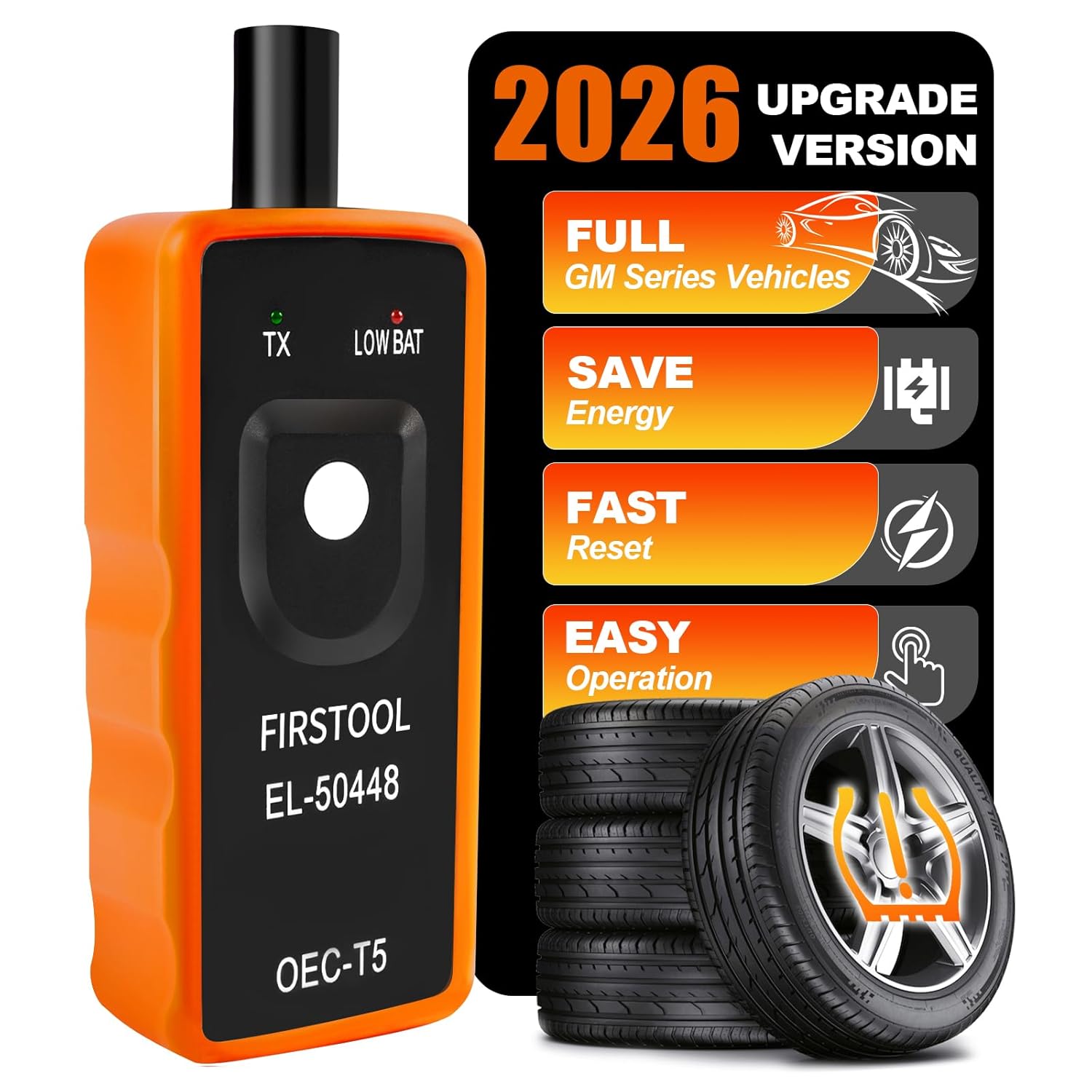
This EL-50448 TPMS relearn tool helps quickly activate and reset tire pressure sensors so your vehicle’s monitoring system stays accurate after tire rotations, sensor replacement, or seasonal tire changes. Designed for many GM-related vehicles and compatible with common 315 and 433 MHz TPMS systems, it offers simple one-button operation and reliable performance for clearing warning lights and relearning sensor positions.
How ABS, Wheel-Speed, Yaw, and Steering Sensors Support These Systems
Traction control and VSC depend on fast, accurate sensor information. Wheel-speed data helps the vehicle recognize wheel spin and braking behavior. Steering and motion data help VSC understand whether the RAV4 is following the driver’s intended path.
- Wheel-speed data: Helps detect tire spin and supports ABS, traction control, and stability control decisions.
- Steering input: Helps VSC compare where you are trying to go with where the vehicle is actually moving.
- Yaw and lateral movement: Help identify sliding, rotation, understeer, or oversteer.
- Brake actuator and control module: Apply braking force and torque changes when a correction is needed.
Warning: Do not assume the RAV4 will save a turn taken too fast. VSC can reduce risk, but it cannot overcome physics, bald tires, deep standing water, black ice, excessive speed, or abrupt steering inputs.
RAV4 Warning Lights: What Traction, VSC, and ABS Indicators Mean
Your dashboard lights tell you whether a system is active, turned off, or possibly malfunctioning. Toyota’s warning-light guidance says warning lights inform the driver of malfunctions in the indicated systems, and the RAV4 manual lists the slip indicator as related to systems such as VSC, TRAC, hill-start assist, and other brake-control features depending on equipment. Toyota RAV4 Hybrid Owner’s Manual: Warning Lights and Indicators
| Indicator | Likely Meaning | What to Do |
|---|---|---|
| Flashing slip indicator | TRAC, VSC, ABS, Trail Mode, or another related system may be operating | Ease off the accelerator, steer smoothly, and slow down for conditions |
| TRAC OFF light | Traction control has been turned off or temporarily disabled | Turn it back on for normal driving; inspect if it will not re-enable |
| VSC OFF light | VSC has been turned off or disabled | Use extra caution and restore the system before normal road driving |
| ABS light | Possible ABS or brake-assist malfunction | Have the vehicle inspected promptly |
| Multiple lights together | A shared fault may affect ABS, TRAC, VSC, engine control, or brake-control systems | Scan for diagnostic trouble codes and repair the root cause |
Real Driving Scenarios: When Traction Control or VSC Will Step In

The easiest way to understand the difference is to picture real driving situations.
Starting From a Stop on Ice
You press the accelerator and one front tire spins. Traction control reduces power and may brake the spinning wheel to help restore grip. You may feel the RAV4 lose some acceleration for a moment. That is usually normal system behavior.
Turning Too Fast on a Wet Road
You enter a curve and the RAV4 begins to push wide or rotate. VSC can reduce torque and apply brake force to selected wheels to help correct the path. This is a stability event, not just a wheel-spin event.
Driving on Gravel or Rutted Dirt
Loose surfaces can make both systems cycle. Traction control may limit spinning tires, while VSC may react if the vehicle’s path changes suddenly. Smooth steering, steady throttle, and lower speed help the systems work more effectively.
Rocking the RAV4 Out of Snow or Mud
If the RAV4 is stuck, traction control may reduce power so much that rocking the vehicle becomes difficult. Toyota notes that turning TRAC off may make it easier to rock the vehicle free when stuck in mud, dirt, or snow. Turn it back on once you are moving normally again.
Pro Tip: If traction control keeps cutting power while you are stuck, clear snow or mud from around the tires, straighten the steering wheel, use gentle throttle, and try rocking the vehicle slowly. Spinning the tires aggressively can dig the RAV4 deeper and overheat components.
Should You Turn Off Traction Control or VSC in a RAV4?
For normal driving, leave traction control and VSC on. They are designed to help when grip suddenly changes. Turning them off reduces the RAV4’s electronic safety backup, especially on public roads.
The main exception is when you are stuck in mud, dirt, or snow and need a little wheel spin to rock free. In that case, briefly turning TRAC off may help. Avoid turning VSC off for ordinary rain, snow, highway, or city driving.
[Products Worth Considering]

【Other part numbers】8498842050 15F698-0030 15F6980030,84988 42050.</br></br>The back cover of our product may be blue or gray, but regardless of the color, both can be used interchangeably.

GM-recommended replacement part for your GM vehicle’s original factory component
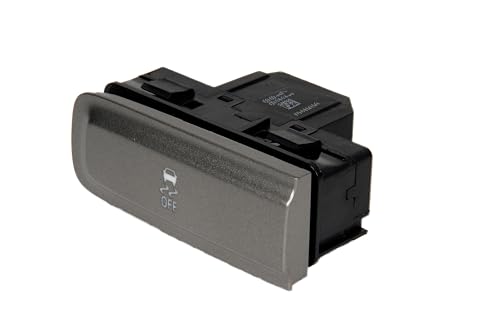
GM-recommended replacement part for your GM vehicle’s original factory component
Troubleshooting and Maintenance Tips for RAV4 Traction/VSC Issues
If your traction, VSC, slip, or ABS lights stay on, the safest approach is to diagnose the root cause rather than guessing. These systems share information, so one faulty sensor, low voltage issue, damaged wire, or brake-system fault can trigger several lights.
| Issue Area | What to Check | Why It Matters |
|---|---|---|
| Tires | Tread depth, matching size, pressure, uneven wear | Poor or mismatched tires can confuse stability control and reduce real grip |
| Wheel-speed sensors | Sensor damage, debris, wiring, corrosion | Bad wheel-speed data can affect ABS, TRAC, and VSC |
| Brake system | Brake fluid level, brake warning lights, actuator-related codes | Stability systems need reliable brake control to intervene correctly |
| Battery and charging | 12-volt battery condition and voltage | Low voltage can cause confusing warning lights and module faults |
| Diagnostic codes | Scan ABS, stability, powertrain, and body modules, not just engine codes | Generic code readers may miss brake and stability-control faults |
What to Do If the Lights Stay On
- Pull over safely if the vehicle feels unstable, braking feels abnormal, or a red brake warning appears.
- Check the obvious items: tire pressure, visible tire damage, loose fuel cap if the check-engine light is also on, and whether TRAC/VSC was manually turned off.
- Restart the vehicle once after stopping safely. If a light clears and does not return, monitor it. If it comes back, continue diagnosis.
- Scan for codes with a tool that can read ABS and stability-control modules.
- Repair the cause before clearing codes. Clearing a light without fixing the problem can hide a safety issue.
Warning: If the red brake warning light is on, brake fluid is low, the brake pedal feels abnormal, or braking performance changes, stop driving as soon as it is safe and arrange professional inspection.
Frequently Asked Questions
When should I turn off traction control in a RAV4?
Turn traction control off only briefly when the RAV4 is stuck in mud, dirt, or snow and you need some wheel spin to rock the vehicle free. For normal road driving, leave traction control on.
How does Toyota Vehicle Stability Control work?
Toyota Vehicle Stability Control helps the driver control skidding when swerving suddenly or turning on slippery roads. It compares the vehicle’s movement with the driver’s intended path, then can reduce driving torque and apply braking force to selected wheels.
What is the difference between ESC and TCS?
ESC, or electronic stability control, helps correct skids and loss of directional control. TCS, or traction control, helps reduce wheel spin during acceleration. In Toyota terms, VSC is the stability-control system and TRAC is the traction-control system.
Is it safe to drive with the VSC light on?
A steady VSC, slip, TRAC, or ABS warning means the system may be off or malfunctioning. The vehicle may still drive, but you may not have full stability or anti-lock braking support. Drive carefully and have the RAV4 inspected as soon as practical.
Why does my RAV4 lose power when the slip light flashes?
That usually means traction control or VSC is reducing torque to help regain grip or stability. It is common on slick surfaces. If the light flashes on dry pavement or stays on, check tires and scan for diagnostic codes.
Conclusion
Traction control and VSC are closely related, but they are not the same system. In your RAV4, traction control helps control wheel spin during acceleration, while VSC helps correct skidding and loss of directional control. The best everyday practice is simple: keep both systems on, slow down when conditions are poor, maintain your tires and brakes, and diagnose warning lights promptly instead of ignoring them.
Sources
- Toyota RAV4 Hybrid Owner’s Manual: Driving Assist Systems — backs up TRAC, VSC, ABS, slip indicator, and stuck-vehicle guidance.
- Toyota RAV4 Hybrid Owner’s Manual: Warning Lights and Indicators — backs up warning-light interpretation and inspection guidance.
- NHTSA: Evaluation of Electronic Stability Control, FMVSS No. 126, an Update — backs up current ESC rollover-crash effectiveness data.
- IIHS: Life-saving benefits of ESC continue to accrue — backs up ESC fatal-crash risk-reduction summary.
- NHTSA CrashStats: Statistical Analysis of the Effectiveness of ESC Systems — backs up ESC function and historical crash-reduction research.