Last updated: July 15, 2026
If you drive a Toyota RAV4 Prime, or the RAV4 Plug-in Hybrid name used for 2025, choose the powertrain mode by deciding when you want to use the plug-in charge. Use EV Mode when you want the battery to cover the current part of the trip. Use HV Mode when you want to preserve EV range for later or expect sustained load. Use Auto EV/HV when the route changes between easy and demanding driving.
Quick Answer
Use EV Mode for any trip segment you want the plug-in battery to cover now, including local trips and highway driving when conditions allow. Use HV Mode to preserve EV range or handle long freeway runs, extended grades, towing within the vehicle’s published limits, low displayed EV range, or heavy heating demand. Use Auto EV/HV for mixed or unfamiliar routes. Reserve Charge Mode for a specific later need for EV range when you cannot plug in.
Key Takeaways
- EV Mode prioritizes the traction battery, but the gasoline engine may still start when the system requires it.
- HV Mode operates as a hybrid and is useful when you want to hold plug-in range for a later part of the route.
- Auto EV/HV Mode is the easiest setting for mixed driving because the vehicle can respond to speed, grade, and power demand.
- Charge Mode converts gasoline into stored battery charge, so it is a special-use option rather than the normal way to recharge.
Best Mode by Route
| Local errands or commute | EV Mode when the available charge fits the route |
| Mixed city and freeway | Auto EV/HV for low-effort switching |
| Long freeway, grade, or load | HV or Auto EV/HV, especially when saving EV range |
| Need electric driving later | Use HV first, then EV later; use Charge Mode only for a specific need |
Which RAV4 Model Years Does This Guide Cover?
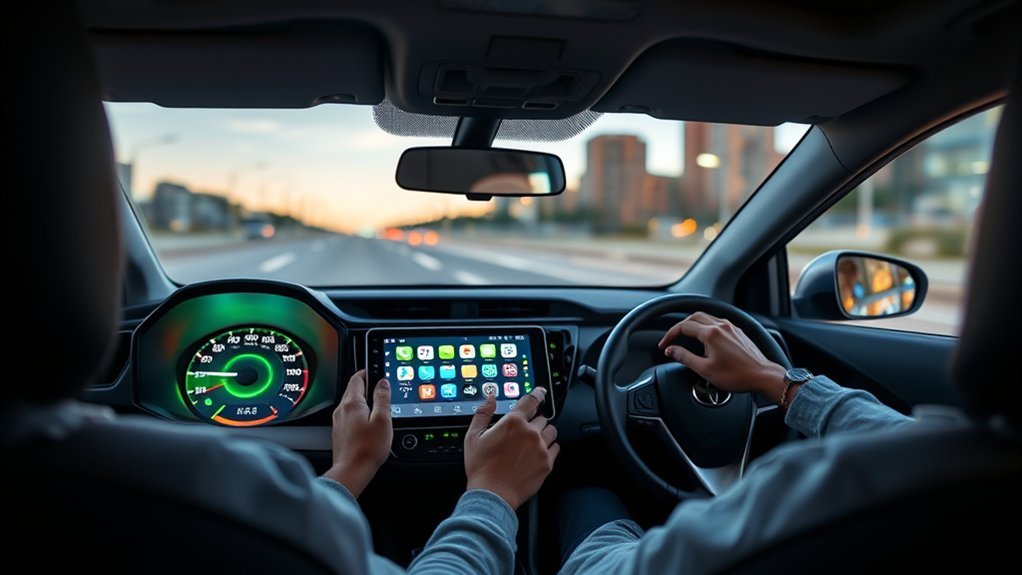
This guide focuses on U.S.-market 2021–2024 RAV4 Prime models and the 2025 RAV4 Plug-in Hybrid. Toyota retained EV, HV/EV Auto, HV, and Charge operation modes for 2025. The 2026 RAV4 Plug-in Hybrid is an all-new sixth-generation model, so do not assume every control, label, range figure, or operating detail is identical. Check the owner’s manual for your exact model year.
You will learn how each mode fits trip length, freeway driving, hills, towing, winter use, charging access, and battery state of charge. The goal is not to switch modes constantly. It is to decide whether you want to use plug-in energy now, save it for later, or let the vehicle choose.
What Is the Difference Between EV, HV, Auto EV/HV, and Charge Mode?
| Mode | What It Does | Best For | Avoid When |
|---|---|---|---|
| EV Mode | Prioritizes plug-in battery power when conditions allow. | Any route segment you want to cover with stored electricity now. | When you need to preserve EV range for a later part of the trip. |
| HV Mode | Blends gasoline-engine and electric-motor power like a hybrid. | Long drives, extended grades, heavier loads, and preserving EV range. | Very short trips when you intend to use the available plug-in charge. |
| Auto EV/HV | Lets the vehicle bring in hybrid operation as driving demand changes. | Mixed city/freeway routes, changing grades, and unfamiliar trips. | When you intentionally want to hold battery charge for a later zone. |
| Charge Mode | Runs the gasoline engine to add charge to the traction battery. | Creating EV range for a specific later section when plugging in is unavailable. | Routine recharging or driving when you can plug in soon. |
When Should You Use EV Mode vs HV Mode?
Choose EV Mode when you want to spend plug-in charge on the current trip segment. It is especially useful for commuting, errands, stop-and-go traffic, and quiet local driving, but it is not limited to low speeds. The 2025 RAV4 Plug-in Hybrid is rated by FuelEconomy.gov at 94 MPGe on electricity and 38 MPG on gasoline, with 42 miles of all-electric range under EPA test conditions.
Choose HV Mode when you want to save displayed EV range for later or expect sustained demand. Toyota lists 42 miles of manufacturer-estimated EV range and 38 MPG combined in hybrid operation for the 2025 model. HV is useful on long freeway sections, extended climbs, and heavier-load driving, but it is not automatically required whenever speed rises.
Use EV when you want to spend plug-in charge now. Use HV when you want to preserve it or share sustained load. Use Auto EV/HV when the route keeps changing.
[Products Worth Considering]

The ANCEL AD410 PRO combines engine diagnostics and 12V battery testing in one easy-to-use tool, helping you read and clear check engine codes while checking battery health, cranking, and charging performance. It also provides live data, freeze frame details, and I/M readiness checks to help you diagnose issues faster and prepare for emissions testing. With plug-and-play operation, a clear screen, and broad vehicle compatibility, it is a practical solution for home mechanics and everyday drivers.

This product is suitable for: for Toyota RAV4 2013-2019 OE Number:536300R040
How Does EV Mode Work in the RAV4 Prime?
In EV Mode, the RAV4 Prime prioritizes electricity from the traction battery instead of routine gasoline use. That gives you quiet starts, smooth electric-motor response, and electric driving when battery charge, temperature, speed, and power demand remain within the system’s operating conditions.
EV Mode works best when you drive smoothly. Easy throttle inputs, steady speeds, early braking, and regenerative braking can help stretch the available battery miles. Aggressive acceleration, high cruising speed, low tire pressure, roof cargo, hills, cold weather, and heavy HVAC use can reduce real-world range.
Note: EPA range is a test-cycle estimate, not a promise. FuelEconomy.gov notes that the 2025 RAV4 PHEV did not use gasoline for the first 42 miles in EPA testing, but it may use gasoline depending on how you drive.
When the Engine May Start Even in EV Mode
EV Mode does not guarantee that the gasoline engine will remain off. The system may start it when power demand is high, the battery is low, temperatures are very cold, defrost or heating demand is heavy, or another operating condition requires hybrid support. Check the owner’s manual for the complete model-year-specific list.
Best Uses for EV Mode
- Daily commutes: Use EV when your round trip fits the available charge and you can plug in later.
- Errands and local loops: EV works well for repeated stops where regenerative braking can recover some energy.
- Neighborhood driving: EV keeps the vehicle quiet, so stay alert for pedestrians who may not hear it approaching.
- Highway segments: EV can operate at freeway speeds when conditions allow. Use it when you have enough charge and do not need to save that range for later.
How Does HV Mode Work?
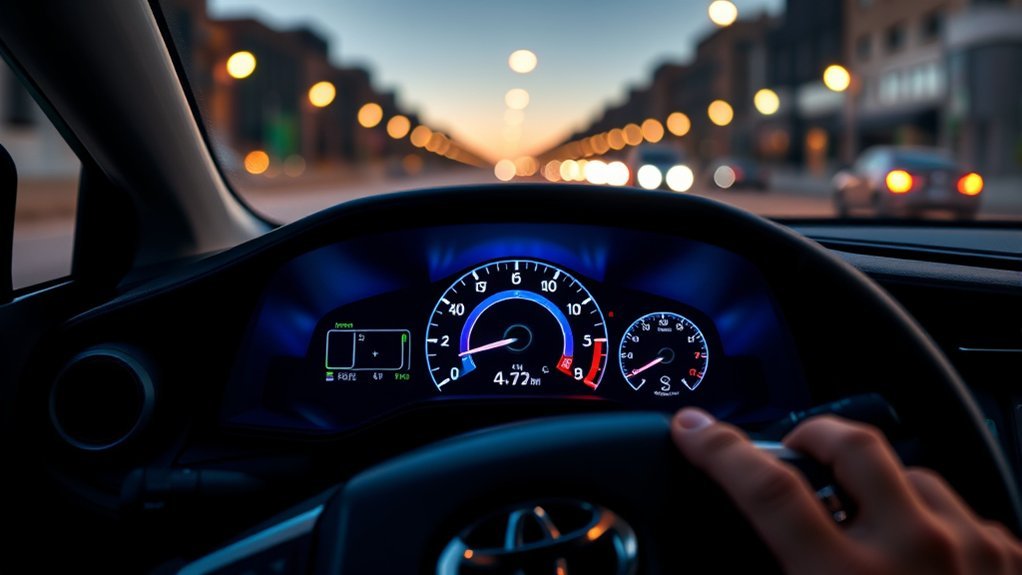
HV Mode stands for Hybrid Vehicle mode. The system automatically blends the gasoline engine and electric motors instead of prioritizing electric-only operation. The engine does not need to run continuously; the vehicle manages both power sources according to driving demand.
Toyota describes the 2025 RAV4 Plug-in Hybrid as using EV, HV/EV Auto, HV, and Charge operation modes. In HV operation, the powertrain combines engine drive force and electric-motor assistance while retaining the normal hybrid battery reserve.
Use HV when you want to hold plug-in range for later or share a long, steady load between the engine and electric motors. That makes it a practical choice before an extended freeway section, long climb, or other sustained demand.
Best Uses for HV Mode
- Long highway trips: Choose HV when you want to preserve EV range for slower roads later. EV is still valid when you intentionally want to use the charge now.
- Steep grades: HV allows the engine and electric motors to share sustained climbing demand.
- Towing or heavy cargo: HV can provide predictable hybrid support under load. Never exceed the model year’s published tow or payload limits.
- Low displayed EV range: The vehicle continues operating as a hybrid after the plug-in portion of the charge is used.
- Cold weather: HV can preserve more displayed EV range when cabin heating or defrost demand is high.
Warning: Mode selection does not change the vehicle’s towing, payload, tire, or speed limits. Follow the owner’s manual and published ratings for your model year, regardless of the selected powertrain mode.
When Should You Use Auto EV/HV or Charge Mode?
Auto EV/HV Mode is the easiest choice for mixed driving. The system can favor electric operation during lighter portions of the route and bring in hybrid operation when speed, grade, battery state, or power demand changes. It reduces the need to press a mode button throughout the trip.
Charge Mode uses the gasoline engine to generate electricity and add charge to the traction battery while driving. It can help when you need electric operation later, such as at a campsite or quiet destination, and cannot plug in first. Because it converts gasoline into stored electricity, it can increase fuel use.
Pro Tip: Plug in when practical instead of making Charge Mode your normal recharge method. Plug-in charging avoids running the gasoline engine solely to build traction-battery charge.
When Auto EV/HV Is the Best Choice
- Mixed commuting: Let Auto manage city streets, freeway ramps, and faster sections without constant button presses.
- Unfamiliar routes: Auto helps when you do not know how many hills, traffic slowdowns, or high-speed sections are ahead.
- Changing conditions: Auto can respond as speed, grade, temperature, and power demand change.
- Multiple drivers: Auto gives each driver a simple default without requiring the same manual strategy.
When Charge Mode Makes Sense
Charge Mode makes sense only when you have a clear reason to create EV range before you can plug in. Examples include saving quiet electric driving for a campsite or building charge before a specific low-noise destination. It is not the best default for routine daily driving.
Which Mode Should You Use for Short Trips, Highways, Hills, and Towing?
[Products Worth Considering]

Fitment: This Rear Light Switch Compatible with Toyota's new model, fits Tacoma 2024-2026, fits Tundra 2022-2026, fits 4Runner 2024-2026, fits Camry 2018-2026, fits Corolla 2020-2026, fits Sienna 2021-2026(Please check the following fitment list before purchasing)
Short Trips and Commutes
Use EV Mode when you have enough charge for the route and intend to use it now. Leave a range buffer if the trip includes cold weather, elevation changes, traffic, or heavy HVAC use.
Highway and Road Trips
EV Mode can work on the highway when conditions allow. Choose HV Mode instead when you want to preserve charge for city driving later or expect a long, sustained freeway load. The best choice depends on where you want the available EV miles, not on speed alone.
Hills and Mountain Driving
Choose HV Mode or Auto EV/HV before an extended climb when you want the engine and electric motors to share the load. A short hill may be handled in EV Mode. Regenerative braking can recover some energy on the descent, but it will not recover everything used while climbing.
Towing and Heavy Cargo
HV or Auto EV/HV is a practical choice when towing or carrying a heavy load because the powertrain can blend both energy sources. Mode selection does not raise the tow rating or payload capacity. Verify the limits, equipment, and procedures in the owner’s manual for your exact model year.
Which Mode Is Best in Cold Weather?
Cold weather can reduce efficiency and electric range, while cabin heat and defrost add energy demand. FuelEconomy.gov recommends that plug-in hybrid and EV drivers preheat the cabin while plugged in and use seat warmers instead of the cabin heater when practical to extend range.
Use EV for shorter winter trips when the cabin is preconditioned or heating demand is modest. Use HV or Auto EV/HV when you want to preserve displayed EV range during a long trip, extended defrost use, or sustained cold-weather driving.
Note: Preconditioning while plugged in lets wall power handle part of the initial cabin-heating load. Heated seats and a moderate cabin setting can also reduce demand while driving.
How Do You Preserve EV Range for Later?
Use HV Mode when you know a later part of the route will benefit more from electric driving. This is a route-planning choice, not a universal efficiency rule. You might save EV range for the final city section, a quiet neighborhood, or a destination where you prefer the engine to remain off when conditions allow.
A simple day-to-day pattern looks like this:
- Start in EV if you want electric driving for the first local section.
- Switch to HV before a long freeway section when you want to hold charge.
- Return to EV for the later section where you planned to use it.
- Plug in when parked instead of relying on Charge Mode for routine recharging.
What Are the Most Common Mode-Selection Mistakes?
- Treating every highway mile as an automatic HV situation: EV can work at freeway speeds. Use HV when preserving charge or sharing sustained load serves your route plan.
- Waiting until a long climb begins to choose a strategy: Select HV or Auto EV/HV before the grade when you want hybrid support from the start.
- Using Charge Mode as a daily habit: It runs the gasoline engine to create stored battery charge and is not the normal recharge method.
- Ignoring cold-weather demand: Cabin heat, defrost, low temperatures, and tire pressure can affect electric range.
- Assuming zero displayed EV range means an empty traction battery: The vehicle retains energy for normal hybrid operation after the plug-in EV portion is used.
- Confusing drive modes with powertrain modes: Eco, Normal, Sport, and Trail affect response or traction behavior; EV, HV, Auto EV/HV, and Charge manage how the powertrain uses energy.
What Changed for the 2025 and 2026 RAV4 Plug-in Hybrid?
For U.S. shoppers, “RAV4 Prime” refers to the 2021–2024 plug-in hybrid model. Toyota renamed it RAV4 Plug-in Hybrid for 2025 while retaining the established powertrain and four operation-mode choices.
For 2026, Toyota introduced an all-new sixth-generation RAV4 Plug-in Hybrid. Toyota lists manufacturer-estimated EV ranges of 52 miles for SE and XSE, 49 miles for Woodland, and 48 miles for GR SPORT. Because the generation, trim lineup, charging hardware, and controls changed, use the owner’s manual for exact 2026 mode behavior and procedures.
Frequently Asked Questions
Should I drive in EV Mode or HV Mode?
Use EV Mode when you want the plug-in battery to cover the current trip segment. Use HV Mode when you want to preserve EV range for later or share a sustained load between the engine and electric motors. Use Auto EV/HV when the route or power demand changes frequently.
What is the difference between EV and HV Mode?
EV Mode prioritizes plug-in battery power when conditions allow. HV Mode operates as a hybrid, automatically blending the gasoline engine and electric motors while preserving the normal hybrid battery reserve.
Does the gasoline engine ever start in EV Mode?
Yes. The engine may start when power demand is high, the battery is low, temperatures are very cold, heating or defrost demand is heavy, or another operating condition requires hybrid support.
Can I use EV Mode on the highway?
Yes, when conditions allow. EV Mode is not limited to city streets. Use it on the highway when you want to spend the available charge now; choose HV when you want to save that charge for later or expect sustained demand.
What happens when the displayed EV range reaches zero?
The RAV4 continues operating as a hybrid. Zero displayed EV range means the usable plug-in EV portion has been consumed, not that the traction battery has no energy left for hybrid operation.
Should I use HV Mode on the highway?
Use HV on the highway when you want to preserve EV range for later or share a long, steady load. EV Mode can also operate at freeway speeds, so the decision should follow your route plan rather than speed alone.
Is Charge Mode worth using?
Charge Mode is useful when you need to create EV range for a specific later section and cannot plug in first. It should not replace routine plug-in charging because it uses the gasoline engine to build battery charge.
Conclusion
The easiest rule is to decide when you want to use the plug-in charge. Use EV Mode when you want electric driving now, HV Mode when you want to save charge or share sustained load, and Auto EV/HV when conditions keep changing. Use Charge Mode only for a specific later need. Check the owner’s manual for your model year, especially if you drive the redesigned 2026 RAV4 Plug-in Hybrid.
Sources
- FuelEconomy.gov — 2025 Toyota RAV4 PHEV AWD — EPA fuel economy, electric range, gasoline MPG, charging time, and range notes.
- Toyota USA Newsroom — 2025 RAV4 Plug-in Hybrid name change — model name, 42-mile manufacturer-estimated EV range, 38 MPG combined hybrid rating, and operation-mode descriptions.
- Toyota USA Newsroom — 2025 RAV4 Plug-in Hybrid vehicle page — official model overview and powertrain details.
- Toyota USA Newsroom — 2026 RAV4 arrival announcement — sixth-generation model context and trim-specific manufacturer-estimated EV ranges.
- FuelEconomy.gov — Fuel Economy in Cold Weather — cold-weather efficiency, plugged-in preheating, and seat-warmer guidance.