For RAV4 air recirculation vs fresh air, use recirculation for faster cooling and temporary protection from traffic fumes, smoke, dust, or strong outside odors. Use fresh air for windshield defogging, cabin ventilation, and clearing odors that started inside the vehicle. On a hot day, vent the trapped heat first, then close the windows and switch to recirculation after the A/C begins blowing cold.
Last updated: August 17, 2026 · Reviewed against Toyota RAV4 owner information and vehicle-cabin air-quality research.
Model-year note: Control labels, button layout, and automatic climate behavior can vary by RAV4 year, trim, and market. Check the manual for your exact vehicle.
Quick Answer
Use recirculation mode in your RAV4 when the cabin is cooling, traffic fumes are nearby, or the outside air is dusty, smoky, or unpleasant. Switch to fresh air mode when the windows fog, the cabin feels stale, an odor started inside the vehicle, or you need ventilation during a longer drive.
Key Takeaways
- Recirculation mode reuses cabin air, helping the A/C cool faster and reducing intake of outside dust, exhaust, and odors.
- Fresh air mode brings in outside air, which helps clear fog, reduce stale smells, and refresh the cabin.
- For windshield defogging, Toyota instructs drivers to use outside air mode if recirculation is active.
- Do not leave recirculation on for very long periods without a ventilation break, especially with passengers, because carbon dioxide can build up in a closed cabin.
- A clean cabin air filter is essential for strong airflow, better odor control, and better HVAC performance.
At a Glance
| Best for Fast Cooling | Recirculation mode |
| Best for Defogging | Fresh air mode with A/C and windshield defogger |
| Best in Traffic | Recirculation mode, with short fresh-air breaks on longer drives |
| Best for Odors Inside the Cabin | Fresh air mode until the smell clears |
RAV4 Air Recirculation vs Fresh Air: The 30-Second Rule
Choose the mode by identifying the immediate problem:
- Cabin too hot: Vent the hottest air briefly, turn on the A/C, close the windows, then use recirculation.
- Outside air is dirty or smelly: Use recirculation temporarily, then take a short fresh-air break when conditions improve.
- Glass is fogging: Select fresh air, turn on the A/C, choose the windshield defogger, and raise the fan speed.
- Cabin air is stale or the odor is inside: Use fresh air until the cabin clears.
This switching method is more useful than treating either mode as a permanent setting. It balances cooling speed, visibility, odor control, and ventilation.
[Products Worth Considering]

This Puroma cabin air filter uses activated carbon and a close-meshed filter layer to help trap odors, smog, smoke, and microscopic particles before they enter the cabin. It supports fresher air, helps reduce window fogging, and can improve comfort while also helping maintain HVAC airflow and performance. Designed for a straightforward installation, it is a practical replacement filter for a wide range of compatible Hyundai, Kia, Chevrolet, GMC, and Saturn vehicles.

Bosch High Efficiency Cabin Air Filter is designed to help deliver cleaner, fresher air inside your vehicle for a more comfortable ride. Its HEPA-style media uses a melt-blown electrostatic layer and additional static cotton layer to improve trapping of airborne particles without added chemical odor neutralizers. Built with structural ribs for added stability, it is a smart replacement choice for maintaining cabin air quality over time.

Puroma cabin air filter helps deliver cleaner, fresher air inside your vehicle while supporting efficient HVAC airflow. Its multi-layer design helps reduce stale odors and capture airborne particles, making daily driving more comfortable. Designed for easy installation and broad fitment across many Toyota, Lexus, Mazda, and Subaru models.
Understanding Your RAV4’s HVAC System
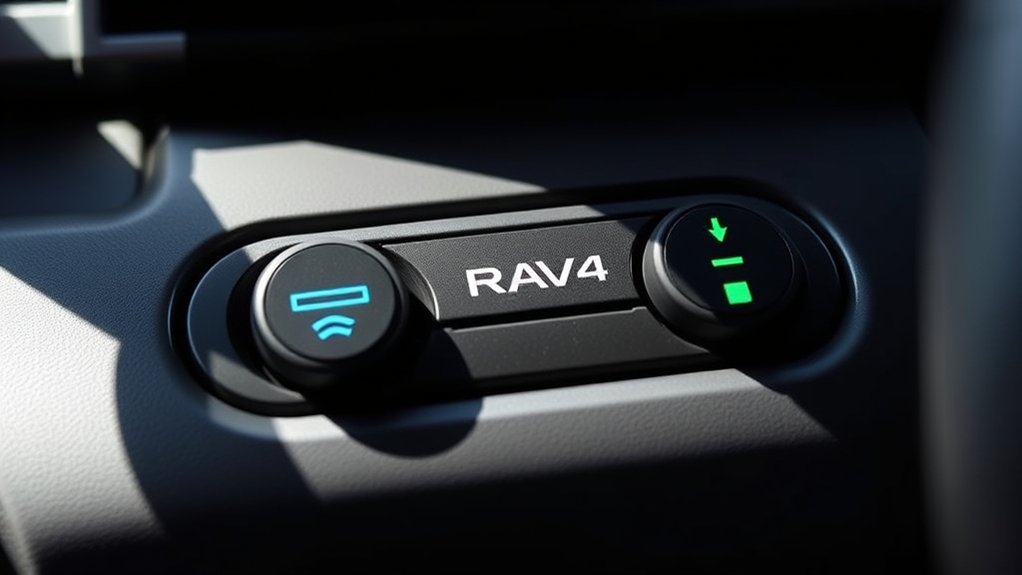
Your RAV4’s HVAC system controls heating, cooling, airflow direction, windshield defogging, rear-window defogging, and the choice between outside air and recirculated cabin air. In Toyota’s owner information, the system refers to these as outside air mode and recirculated air mode.
In hot weather, recirculation mode helps the A/C work faster because it cools air that is already inside the cabin instead of constantly pulling in hot outside air. Fresh air mode does the opposite: it lets outside air enter through the HVAC system, which helps reduce stale cabin air, clear odors, and prevent fogging in many conditions.
The RAV4 also lets you direct airflow toward the upper body, feet, windshield, or a mix of zones. On models with automatic climate control, Auto mode can adjust fan speed and vent selection for comfort. On some models, Eco drive mode or Eco air conditioning mode can reduce heating and cooling output to help improve efficiency, as Toyota notes in its RAV4 driving mode guidance.
What Is Air Recirculation Mode in Your RAV4?
Air recirculation mode closes off most outside air intake and recycles air already inside your RAV4. You usually identify it by the button with a car icon and a curved arrow inside it. When the indicator light is on, the HVAC system is using recirculated cabin air instead of mostly outside air.
This setting is useful because the A/C does not have to cool a steady stream of hot outdoor air. It also helps limit the amount of dust, smoke, exhaust, pollen, and strong outside odors entering the cabin.
Note: Recirculation mode does not make the cabin fully airtight. Owner reports and general A/C-system references indicate that many recirculation systems are designed to blend in a small amount of outside air rather than sealing it out completely [VERIFY: confirm the exact fresh-air blend percentage for current RAV4 models against Toyota engineering documentation], so some outside air can still reach the cabin even with recirculation on.
Benefits of Recirculation Mode
Recirculation mode has several practical benefits in a RAV4:
- Faster cooling: It helps the A/C cool the cabin more quickly after the interior temperature starts dropping.
- Better comfort in extreme heat: Reusing cooler cabin air helps maintain a more stable temperature.
- Less outside odor: It can reduce the smell of exhaust, smoke, skunks, farms, construction dust, or nearby traffic.
- Reduced pollutant intake: Studies of vehicle cabins show that recirculation can reduce particle exposure, though long continuous use can increase carbon dioxide levels.
- Lower A/C workload: In many hot-weather situations, the system does not have to work as hard as it would when cooling hot outside air continuously.
Ideal Situations for Use
Use recirculation mode when the outside air is hotter, dustier, smokier, or smellier than the air inside your RAV4. It is especially helpful in these situations:
- Hot summer driving after the cabin has started cooling down
- Stop-and-go traffic with exhaust around you
- Driving behind diesel trucks, buses, or construction vehicles
- Passing through smoky, dusty, or high-pollen areas
- Briefly blocking strong outside odors
Warning: Do not use recirculation as your default setting for every drive. In a closed cabin, carbon dioxide from passengers can build up over time. Switch to fresh air periodically on longer trips, especially if anyone feels drowsy, stuffy, or uncomfortable.
Benefits of Air Recirculation in Hot Weather
Hot weather is where recirculation mode shines. After your RAV4 has vented out the hottest trapped air, recirculation helps the A/C reuse air that is already cooler than the outside temperature. This can make the cabin feel comfortable sooner and help the system maintain that comfort.
[Products Worth Considering]

This cabin air filter is designed to fit a wide range of Toyota, Lexus, Subaru, Scion, Land Rover, Jaguar, and Pontiac vehicles, making replacement simple and convenient. Its activated carbon construction helps capture dust and pollen while reducing odors for a fresher cabin environment. The filter also supports smoother HVAC airflow and helps maintain comfortable temperature control during everyday driving.
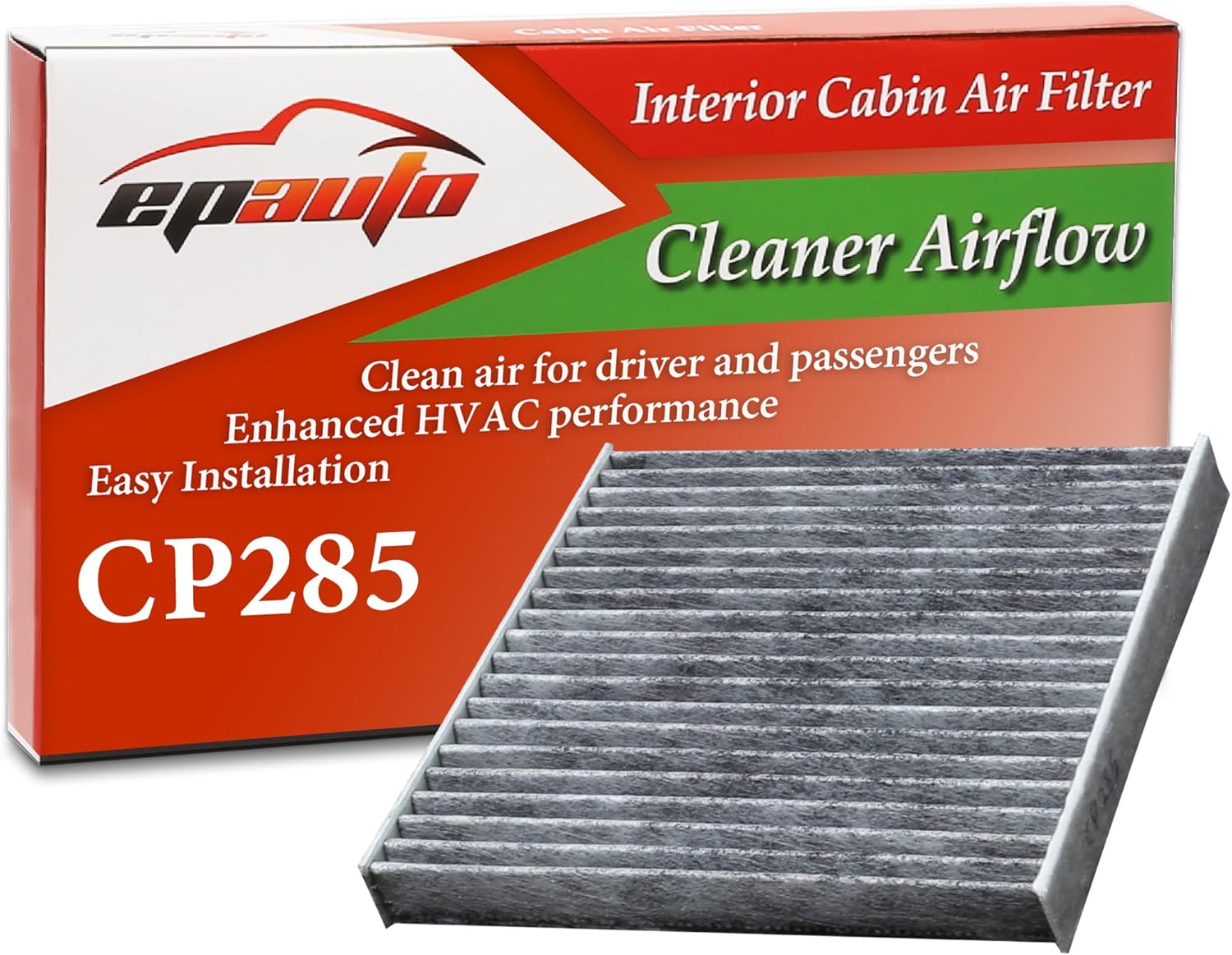
EPAuto CP285 premium cabin air filter helps keep the vehicle interior air cleaner by trapping dust and supporting fresh airflow through the HVAC system. It includes activated carbon and soda to help reduce odors while promoting better cabin comfort for drivers and passengers. Designed as a replacement filter for a wide range of compatible vehicles, it is recommended to replace it regularly for consistent performance.

This Puroma cabin air filter uses activated carbon and a close-meshed non-woven layer to help block airborne particles and reduce unwanted odors inside the vehicle. It supports cleaner cabin air and improved HVAC airflow, helping maintain comfortable heating and cooling performance. Designed for quick installation, it is compatible with a wide range of Toyota, Lexus, Mazda, and Subaru models.
Faster Cooling Efficiency
For the fastest summer cooldown, use this sequence:
- Open the doors or windows briefly to release trapped hot air.
- Start the A/C with the fan high while the hottest air escapes.
- Close the windows and switch to recirculation once the vents begin blowing cold air.
Starting with recirculation while the parked cabin is still superheated can keep that hottest air moving through the system. Venting first, then recirculating, gives the A/C cooler cabin air to work with.
Pro Tip: On very hot days, start with the fan high and the temperature set low. Once the cabin is comfortable, lower the fan speed and keep recirculation on for steady cooling.
Improved Cabin Air Quality
Recirculation can improve comfort when the air outside is polluted, dusty, smoky, or full of traffic fumes. A 2023 fractional-recirculation study published in Environmental Science and Pollution Research found that raising recirculation to 70% cut cabin PM2.5 by 55% with a new cabin air filter, and by 39% with an aged filter — confirming that filter condition changes how much protection recirculation actually provides.
In traffic, recirculation can reduce the amount of outside particulate pollution entering the cabin, but occupants continue exhaling carbon dioxide. A separate cabin air-quality study recorded CO2 climbing to roughly 3,000 ppm under continuous full recirculation, a level linked to drowsiness — and found that blending in as little as 25% fresh air brought CO2 back down significantly. On longer trips, use brief fresh-air intervals when outside conditions are acceptable. This balances lower pollutant intake with better ventilation.
The best HVAC setting is not one mode forever. Recirculation is best for heat, dust, traffic, and odors; fresh air is best for fog control, ventilation, and clearing stale cabin air.
When to Use Fresh Air Mode in Your RAV4
Fresh air mode lets outside air enter through the HVAC system. In your RAV4, this is the better choice when you need ventilation, window clearing, or odor removal from inside the cabin.
Use fresh air mode in these situations:
- When the windshield or side windows fog: Outside air helps reduce moisture trapped inside the cabin.
- When the cabin smells stale: Fresh air helps flush out odors from food, pets, damp floor mats, or long parking periods.
- On mild days: When outside air is comfortable, fresh air keeps the cabin from feeling stuffy.
- During longer drives: Switching to fresh air periodically improves ventilation.
- Before parking: Toyota notes that setting the air conditioning system to outside air mode before turning the vehicle off can help reduce potential HVAC odors.
Toyota’s RAV4 automatic air conditioning guidance specifically recommends outside air mode to let fresh air in and help reduce air conditioning odors.
How Fresh Air Mode Affects Cabin Air Quality
Fresh air mode is not always the cleanest choice if you are sitting in traffic, following a smoky vehicle, or driving through dust. But it is excellent for cabin freshness and moisture control when outside conditions are good.
When fresh air mode is active, incoming air normally passes through the cabin air filter before reaching the vents. A clean filter helps capture dust, pollen, and debris. A clogged filter can restrict airflow, which may weaken cooling and slow windshield clearing.
Fresh air mode is also important for keeping the cabin from feeling stale. If you have been using recirculation for a while, switching to fresh air for a few minutes can help refresh the cabin and reduce carbon dioxide buildup.
How Eco Mode Enhances HVAC Efficiency
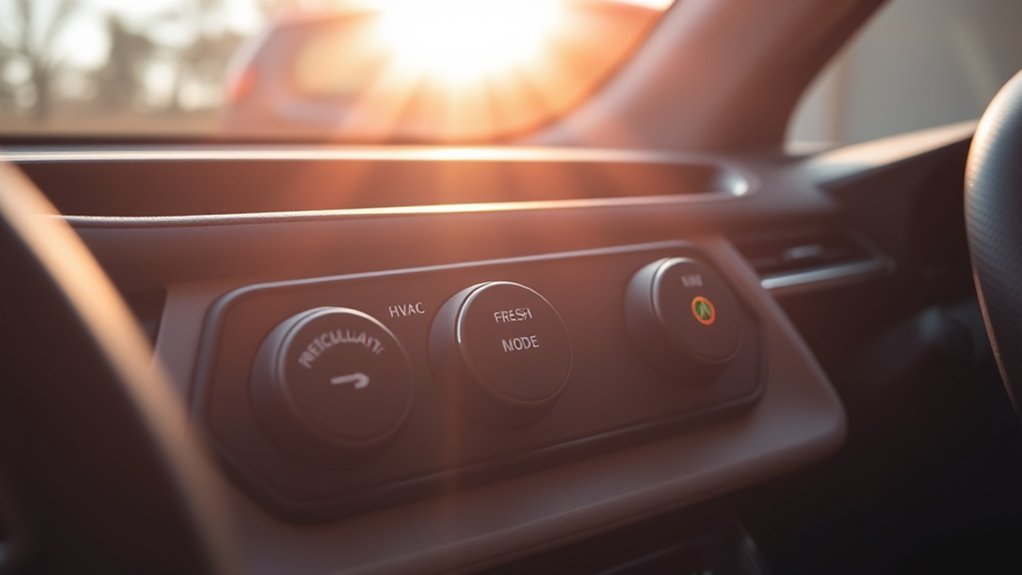
Eco mode can reduce climate-control output compared with normal operation. That tradeoff may improve efficiency, but the cabin can take longer to reach your selected temperature.
| Eco Mode Effect | What It Means for HVAC Comfort |
|---|---|
| Reduced heating/cooling demand | The cabin may warm up or cool down more gradually |
| Lower energy use | Can help improve efficiency, especially during steady driving |
| Balanced comfort | Works best once the cabin is already near your preferred temperature |
If the cabin is extremely hot or cold, use normal climate settings first for comfort. Once the cabin temperature stabilizes, Eco mode can help maintain comfort with less energy demand.
Manage Your RAV4 HVAC Air Direction for Comfort
Your RAV4 lets you choose where the air blows, and this matters just as much as choosing recirculation or fresh air. The right vent setting can cool passengers faster, warm feet in winter, or clear the windshield more effectively.
- Upper body vents: Best for quick cooling in warm weather.
- Foot vents: Best for heating in cold weather because warm air rises.
- Windshield vents: Best for defogging and clearing condensation.
- Windshield plus feet: A good winter setting when you want warmth and visibility.
For maximum comfort, combine the right airflow direction with the right intake mode. For example, upper vents plus recirculation work well for quick summer cooling, while windshield vents plus fresh air and A/C work best for fog.
Best Practices for Using Defogging Features
Fog forms when moisture inside the cabin condenses on cooler glass. The best way to clear it is to reduce humidity and direct air toward the glass. In Toyota’s RAV4 manual air conditioning instructions, drivers are told to set the outside/recirculated air mode switch to outside air mode if recirculated air mode is being used while defogging.
| Action | Why It Helps |
|---|---|
| Use fresh air mode | Helps move moist cabin air out |
| Turn on A/C | Helps dehumidify the air, even when using warm air |
| Select windshield defogger | Directs airflow where visibility matters most |
| Increase fan speed | Clears the windshield and front side windows faster |
| Check the cabin air filter | A clogged filter can reduce airflow and slow defogging |
On some RAV4 generations, selecting the windshield-plus-feet airflow position automatically switches the system to outside air mode and won’t let you switch back to recirculation until you change the vent position again — a built-in safeguard against fogging while defrosting. [VERIFY: confirm this behavior on current-generation (XA50) RAV4 models]
Warning: If visibility is blocked by fog, pull over safely before adjusting settings. Do not drive until you can clearly see through the windshield and front side windows.
Recirculation vs. Fresh Air: Which to Choose?
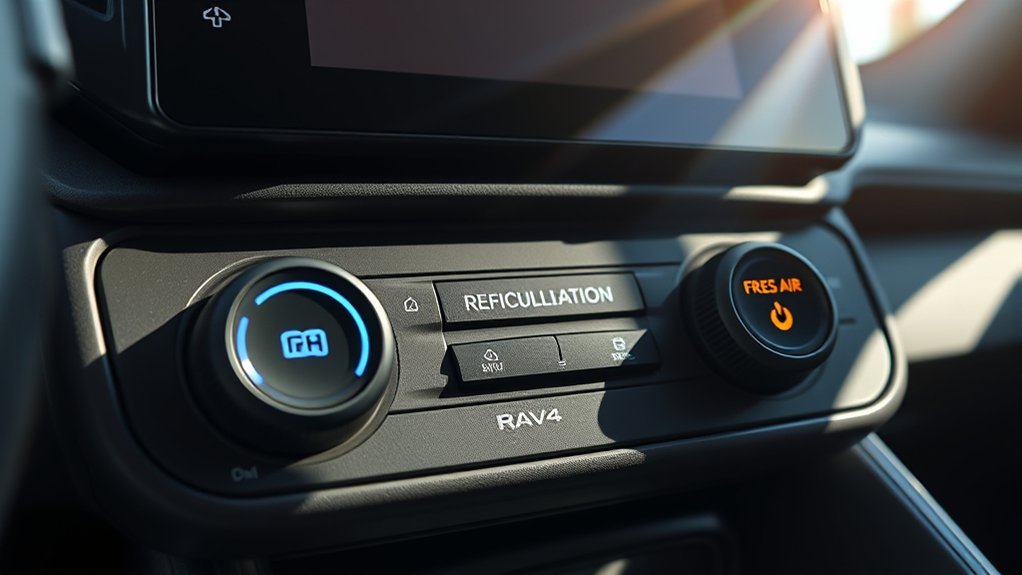
The easiest way to decide is to ask one question: is the outside air helping or hurting right now?
| Driving Situation | Best Mode | Why |
|---|---|---|
| Very hot day after cabin starts cooling | Recirculation | Cools already-conditioned air faster |
| Heavy traffic or exhaust fumes | Recirculation | Reduces outside pollutant and odor intake |
| Foggy windshield | Fresh air | Helps remove moist cabin air |
| Stale cabin smell | Fresh air | Flushes the cabin with outside air |
| Dusty road | Recirculation | Limits dust entering through the HVAC intake |
| Long highway drive in clean air | Fresh air or Auto | Keeps cabin ventilation steady |
For most everyday driving, switching between the two modes works better than leaving either one on permanently. Recirculation is a comfort and protection tool; fresh air is a ventilation and visibility tool.
[Products Worth Considering]

This vehicle-specific cabin and engine air filter combo is designed for Toyota RAV4 2.5L L4 models from 2013 through 2018, excluding hybrids. It helps improve cabin air quality by capturing pollutants while supporting engine airflow for smoother performance. With a direct replacement fit and simple home installation, it offers an easy way to maintain your vehicle.

This plug-and-play AC button switch is designed to replace a faulty factory air conditioner switch in compatible Toyota vehicles. It installs easily without tools and is made to match the original part for a seamless fit and reliable operation. Built from durable ABS plastic, it offers a dependable replacement backed by warranty support and fitment guidance.

Custom-fit floor liners, trunk mat, and backrest mat designed for Toyota RAV4 models from 2019 to 2025, including hybrid versions. The precision laser-measured design helps deliver full coverage and a secure fit, while the raised edges and grooves help contain dirt, mud, and spills. Made from durable, easy-to-clean TPE, these mats are built for all-weather protection and everyday convenience.
Common Mistakes to Avoid
Most RAV4 HVAC problems come from using the right feature at the wrong time. Avoid these common mistakes:
- Using recirculation to defog the windshield: This can trap moisture and make fog worse. Use fresh air mode instead.
- Leaving recirculation on for an entire road trip: The cabin may become stuffy, especially with multiple passengers.
- Ignoring musty A/C smells: Odors can come from moisture in the HVAC system, a dirty cabin filter, or debris in the intake area.
- Running Eco mode when you need maximum cooling: Eco mode can reduce climate output, so use normal settings first in extreme heat.
- Forgetting the cabin air filter: A clogged filter reduces airflow and can make cooling, heating, and defogging feel weak.
Maintaining Your RAV4 HVAC System: Tips and Resources
Good HVAC performance depends on more than button choices. A clean system moves air better, smells fresher, and clears glass faster.
- Check the cabin air filter: Follow the maintenance guide for your model year and replace the filter more often if you drive in dust, smoke, pollen, construction zones, or heavy city traffic.
- Use outside air before shutting the vehicle off: Toyota recommends outside air mode to help reduce potential air conditioning odors.
- Keep the cowl area clean: Leaves and debris near the windshield base can affect air intake and odors.
- Dry wet mats and cargo areas: Moisture inside the cabin can contribute to recurring window fog and stale smells.
- Do not ignore weak airflow: If fan speed is high but air output is weak, check the cabin filter first.
Note: HVAC controls and features can vary by RAV4 model year, trim, market, and whether the vehicle has manual or automatic climate control. Always check your owner’s manual for your exact vehicle.
Frequently Asked Questions
Should the RAV4 A/C be on recirculate or fresh air?
Use recirculation when you want faster cooling, better comfort in hot weather, or less outside exhaust and dust. Use fresh air when the windows fog, the cabin feels stale, or you have been driving for a long time with recirculation on.
What is the difference between recirculation and fresh air in a car?
Recirculation mode reuses air already inside the cabin. Fresh air mode brings outside air into the HVAC system. Recirculation is best for quick cooling and blocking outside odors; fresh air is best for ventilation, odor clearing, and defogging.
When should I not use the recirculation button?
Do not use recirculation when the windshield is fogging, when the cabin smells stale, or for long periods without ventilation. It can trap moisture and reduce fresh-air exchange, which may make the cabin feel stuffy.
Does recirculation mode save fuel in a RAV4?
It can help reduce A/C workload in hot weather because the system cools already-conditioned cabin air instead of hot outside air. A 2023 vehicle cabin ventilation study found that increasing recirculation lowered average climate-system power draw by up to 27% compared with fresh air mode. [VERIFY: Toyota has not published a RAV4-specific fuel-savings figure] Real-world savings will still vary by temperature, driving conditions, fan speed, and model.
Why do my RAV4 windows fog when recirculation is on?
Recirculation can trap humid air from passengers, wet clothing, damp mats, or snow inside the cabin. Switch to fresh air mode, turn on A/C, select the windshield defogger, and raise the fan speed to clear the glass.
Should I use recirculation in winter?
Use it only briefly in winter, such as to block a strong outside odor. For heating and defogging, fresh air mode usually works better because it helps control moisture and keeps the windows clearer.
Can I leave recirculation on while driving in heavy traffic?
Use recirculation while exhaust, smoke, or dust is close to your RAV4, but avoid treating it as a permanent setting. During a longer trip, switch to fresh air briefly when outside conditions improve so the cabin can ventilate.
Conclusion
In your RAV4, recirculation mode and fresh air mode are both useful, but they solve different problems. Recirculation is the right choice for fast cooling, heavy traffic, dust, smoke, and strong outside odors. Fresh air is the better choice for foggy windows, stale cabin air, and longer drives where ventilation matters.
The best habit is simple: use recirculation when the outside air is uncomfortable or polluted, then switch to fresh air when you need visibility, freshness, or ventilation. Next, check that your cabin air filter is clean and confirm the control sequence in the owner’s manual for your exact RAV4 model year and climate-control system.
Sources
- Toyota Owners: 2024 RAV4 Automatic Air Conditioning System — outside air mode, odors, Eco air conditioning notes, and climate-control operation.
- Toyota Owners: 2022 RAV4 Manual Air Conditioning System — defogging instructions and outside/recirculated air mode guidance.
- Toyota Owners: 2025 RAV4 Driving Mode Select Switch — Eco drive mode and restrained heating/cooling operation.
- PMC Research Article: Vehicle Cabin Air Quality and Air Recirculation — how recirculation affects particles, carbon dioxide, and HVAC energy use.
- PMC Research Article: CO2 and Particulate Exposure in Vehicle Cabins — tradeoffs between recirculation, particle reduction, and carbon dioxide buildup.