

Lane Keeping Assist and Lane Tracing Assist sound almost the same, but they are not the same feature. One is mainly a lane-departure safety net; the other is a lane-centering comfort feature that can help reduce steering workload when the right conditions are met. The exact name and behavior vary by automaker, model year, and trim, so always check your owner’s manual before relying on either system.
Quick Answer
Lane Keeping Assist is usually reactive: it warns you and may gently correct the vehicle if you unintentionally drift from your lane. Lane Tracing Assist is usually more proactive: when conditions are met, it helps keep the vehicle centered in the lane with continuous small steering inputs.
Key Takeaways
- Lane Keeping Assist helps prevent unintended lane departures. It may warn, vibrate the steering wheel, beep, or apply gentle steering correction.
- Lane Tracing Assist is closer to lane centering. In many Toyota systems, it works with Dynamic Radar Cruise Control and helps keep the vehicle centered.
- Both systems depend on cameras, sensors, visible lane markings, road edges, or a preceding vehicle. Bad weather, faded lines, glare, and construction zones can reduce performance.
- Neither system makes the vehicle self-driving. You remain responsible for steering, braking, watching the road, and taking over immediately.
What the Names Mean: LKA, LDA, LTA, and Lane Centering
Automakers use different names for similar driver-assistance features. Lane Keeping Assist (LKA) is the general term many drivers use for systems that help prevent unintended lane drift. Toyota often uses the name Lane Departure Alert with Steering Assist (LDA w/SA) for this type of reactive lane-departure support. Toyota describes LDA w/SA as a system that can issue audio and visual warnings when an inadvertent lane departure is detected and may provide gentle corrective steering when the driver does not take corrective action.
Lane Tracing Assist (LTA) is Toyota’s lane-centering-style feature. Toyota explains that when Dynamic Radar Cruise Control or available Full-Speed Range Dynamic Radar Cruise Control is enabled and lane markers are detected, LTA can use road lines and/or a preceding vehicle to help keep the vehicle centered in its lane. You can confirm the exact system behavior for your vehicle on the Toyota Safety Sense overview or in your model’s owner’s manual.
Note: In everyday conversation, many people say “Lane Keeping Assist” when they mean any lane-support feature. For accuracy, separate the systems by what they do: lane-departure warning/correction versus continuous lane centering.
Understanding Lane Keeping Assist: Features and Functionality
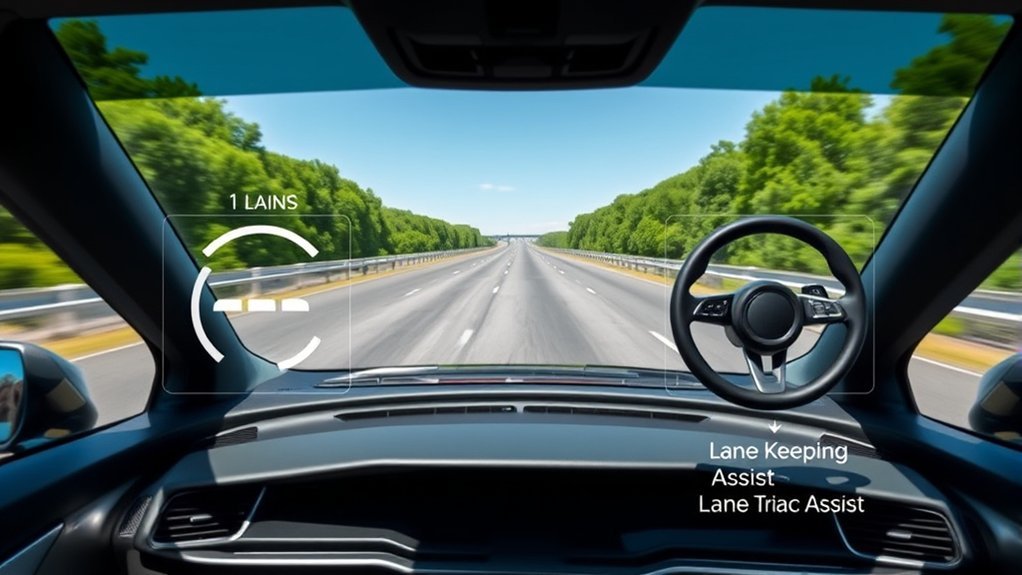
Lane Keeping Assist is designed to help when your vehicle begins to leave its lane without an intentional steering input or turn signal. According to the National Highway Traffic Safety Administration, lane keeping assistance uses lane-departure sensor information to decide whether the vehicle is about to drift from its lane and may correct steering, braking, acceleration, or a combination of those actions to help return the vehicle to its intended lane.
In real driving, LKA is best understood as a backup layer, not a steering substitute. It may alert you with a warning light, sound, steering-wheel vibration, or display message. If the system includes steering assist, it may add a brief, gentle steering correction. The goal is to reduce the chance of an unintended lane departure, especially during highway driving.
Most LKA systems need visible lane markings or a detectable road edge. Toyota’s current Safety Sense descriptions mention white or yellow lane markings and certain road-edge boundary lines for Lane Departure Alert with Steering Assist. System speed thresholds and behavior can differ by Toyota Safety Sense version, model, and market, so your owner’s manual is the final authority.
Exploring Lane Tracing Assist: Enhancements for Your Drive
Lane Tracing Assist goes beyond a brief lane-departure correction. It is designed to provide ongoing steering support that helps the vehicle stay near the center of the lane when the required conditions are met. In many Toyota vehicles, LTA works together with Dynamic Radar Cruise Control. The vehicle uses a front camera, and in some situations radar or preceding-vehicle tracking, to support lane positioning.
This makes LTA useful on long, well-marked highway drives where you are already using adaptive cruise control. It can reduce the number of small steering corrections you make, which may make steady-speed cruising feel smoother and less tiring.
Warning: Lane Tracing Assist is not self-driving. Toyota’s owner guidance says drivers should not rely solely on LTA, and the driver remains responsible for paying attention, steering, and driving safely.
The biggest practical difference is timing. LKA usually reacts when you begin drifting. LTA tries to help before that by keeping the vehicle centered. However, LTA can cancel or reduce assistance if it cannot see the lane, if the curve is too sharp, if the weather interferes with camera visibility, or if other operating conditions are not met.
Key Differences Between Lane Keeping Assist and Lane Tracing Assist
The easiest way to compare Lane Keeping Assist and Lane Tracing Assist is to ask whether the system is reacting to a lane departure or actively helping center the vehicle.
| Feature | Lane Keeping Assist / Lane Departure Assist | Lane Tracing Assist / Lane Centering |
|---|---|---|
| Main purpose | Help prevent unintended lane departures. | Help keep the vehicle centered in the lane. |
| How it feels | Warning, vibration, beep, display alert, or brief steering nudge. | Continuous small steering assistance while active. |
| Best use | Highway driving when you want a safety backup against drift. | Long highway cruising with clear markings and adaptive cruise active, depending on vehicle. |
| Typical trigger | Vehicle approaches or crosses a detected lane line without an intended lane change. | System is switched on, lane or preceding vehicle is detected, and required cruise/lane conditions are met. |
| Driver role | You steer normally; the system only assists if needed. | You keep hands on the wheel and supervise the steering support. |
| Limitations | May not work with poor markings, sharp curves, bad weather, or dirty sensors. | May disengage or feel inconsistent in curves, cut-ins, construction zones, bad weather, or unclear lanes. |
Pro Tip: If your car has both features, treat Lane Keeping Assist as the emergency “nudge” system and Lane Tracing Assist as the smoother highway-centering helper. Use the dashboard indicator to confirm which feature is actually active.
Safety and Comfort Benefits of Lane Keeping and Tracing Assist Systems
Lane support systems can improve safety and comfort, but the benefits depend on road conditions, driver attention, and system design. The Insurance Institute for Highway Safety reports that lane departure warning has reduced rates of certain police-reported single-vehicle, sideswipe, and head-on crashes, while also noting that it has not brought down insurance claim rates. In other words, the evidence is encouraging for specific crash types, but it is not a blanket guarantee that every crash risk drops.
Enhanced Driver Confidence
When used correctly, LKA and LTA can make highway driving feel more controlled. LKA can warn you before a drift becomes dangerous, and LTA can reduce the need for constant tiny steering corrections on clear, well-marked roads. This extra support can be reassuring, especially during long trips.
Reduced Fatigue Levels
Lane centering can reduce some steering workload during steady cruising. That does not mean you can relax your attention. Instead, think of LTA as help with small steering adjustments while you continue scanning traffic, checking mirrors, and preparing to take over.
Improved Safety Measures
LKA is most valuable when it catches a drift early. LTA is most valuable when it keeps the vehicle smoothly aligned before drift begins. Together, these features can support safer driving habits, but they work best when the driver stays engaged and understands the limits.
The safest way to use lane assistance is to treat it as a backup system—not as permission to stop steering, stop watching traffic, or take your hands off the wheel.
When to Use Lane Keeping vs. Lane Tracing Assist
The right feature depends on the road, traffic, weather, and how much steering support you want. Neither system is ideal for every situation.
Ideal Driving Conditions
- Use Lane Keeping Assist on highways and main roads when you want protection against unintended drift.
- Use Lane Tracing Assist on well-marked highways when adaptive cruise control is active and the system confirms lane-centering support is available.
- Use extra caution in urban areas because intersections, bike lanes, construction markings, and frequent turns can confuse lane-support systems.
- Do not rely on either system on poorly marked roads because cameras may not detect lane boundaries accurately.
System Engagement Differences
LKA may be active in the background and only intervene when the vehicle starts to drift. LTA usually needs more conditions to be satisfied. In Toyota’s RAV4 owner-manual excerpt, the lane-centering function is linked with Dynamic Radar Cruise Control with full-speed range, and the lane-centering function does not operate when that cruise-control mode is not operating. Other Toyota models and other brands may differ.
User Control Preferences
If you prefer full steering control and only want a warning if you drift, LKA is the better match. If you want smoother highway cruising with steering support, LTA may feel more helpful. Either way, your steering input overrides the assist system, and you should always be ready to guide the vehicle yourself.
What Can Make Lane Assist Systems Fail?
Lane assist systems are camera- and sensor-dependent. They can struggle when the road does not look clean and predictable to the vehicle’s software.
- Faded or missing lane markings: The system may not recognize the lane or may temporarily cancel.
- Rain, snow, fog, or road spray: AAA testing found that ADAS features, including lane keeping assistance, struggled in simulated moderate to heavy rain.
- Glare and low sun: Bright light can make markings hard for the camera to read.
- Sharp curves or hills: Steering support may be limited or may not operate if the curve is beyond system capability.
- Construction zones: Temporary markings, old lane lines, cones, and lane shifts can confuse the system.
- Dirty windshield or camera area: Dirt, ice, condensation, stickers, dash accessories, or windshield damage can block the front camera.
- Vehicle cut-ins: A vehicle suddenly entering your lane can expose limits in lane-centering and adaptive-driving assistance.
Warning: Turn off or stop relying on lane-centering support if the vehicle starts hunting between lane lines, steers toward the wrong marking, gives repeated cancellation alerts, or feels unpredictable.
[Products Worth Considering]

This auxiliary jack adapter restores a broken or missing AUX connection so you can stream audio from your device through your Toyota stereo system. It is designed for compatible Toyota models and uses an 8-pin connector for a direct plug-and-play replacement. Built for reliable audio transmission, it helps bring back clear in-car sound without complicated installation.

This steering clock spring is designed to restore reliable steering wheel controls across a wide range of Toyota models. It supports audio, cruise control, and other multifunction commands while matching OEM part numbers for confident replacement fitment. Built for dependable signal transfer and straightforward installation, it is an effective solution for repairing steering column control issues.

This dash clock spring replacement is designed for a wide range of Toyota vehicles and helps restore reliable steering wheel control functions. It supports audio controls, cruise control, and other multi-function commands while using vehicle-specific connectors for easier installation. Built with durable materials and OEM-referenced part compatibility, it is a practical solution for repairing steering wheel signal issues.
Debunking Myths About Lane Assistance Technologies
Myth 1: Lane Tracing Assist makes the car self-driving. It does not. LTA is a driver-assistance feature. You still need to steer, supervise, and respond to traffic.
Myth 2: Lane Keeping Assist and Lane Tracing Assist do the same thing. They overlap, but they are not identical. LKA is usually reactive and focused on lane-departure prevention. LTA is more proactive and focused on lane centering.
Myth 3: If the system is on, it is working. Not always. A feature may be switched on but not actively steering. Watch the instrument-panel indicators to confirm whether the system is ready, active, temporarily canceled, or asking for driver input.
Myth 4: Lane assist works equally well in all weather. Cameras and sensors can be affected by rain, snow, fog, dirt, glare, and poor lane markings.
Myth 5: Stronger steering assist always means safer driving. Not necessarily. Good lane assistance should be predictable, easy to override, and clear about when it is active.
Activating and Customizing Your Lane Assist Features
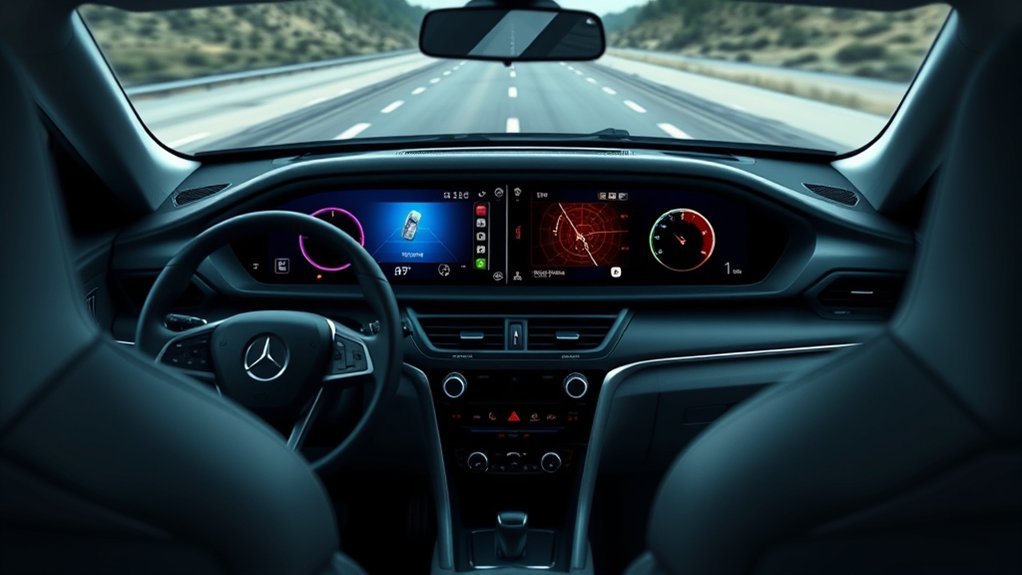
Most vehicles let you turn lane-support features on or off from the steering-wheel controls, driver-assistance menu, or vehicle settings screen. The exact steps depend on your model, but the process usually looks like this:
- Open the driver-assistance settings. Look for Safety Sense, Driver Assist, ADAS, Lane Assist, LDA, LKA, or LTA.
- Turn on the lane feature you want. Some vehicles separate lane-departure warning, steering assist, and lane centering.
- Choose the alert type. Depending on the vehicle, you may be able to choose a buzzer, steering-wheel vibration, display alert, or sensitivity level.
- Confirm the dashboard indicator. The system may show different colors or lane-line graphics when it is on, actively steering, unavailable, or asking you to take control.
- Test it only in normal driving. Never intentionally drift out of a lane to test steering assist. Follow your owner’s manual and keep control of the vehicle.
Note: In many Toyota vehicles, Lane Tracing Assist lane centering may require Dynamic Radar Cruise Control to be active. If LTA is on but not steering, the required cruise-control or lane-recognition conditions may not be met.
[Products Worth Considering]
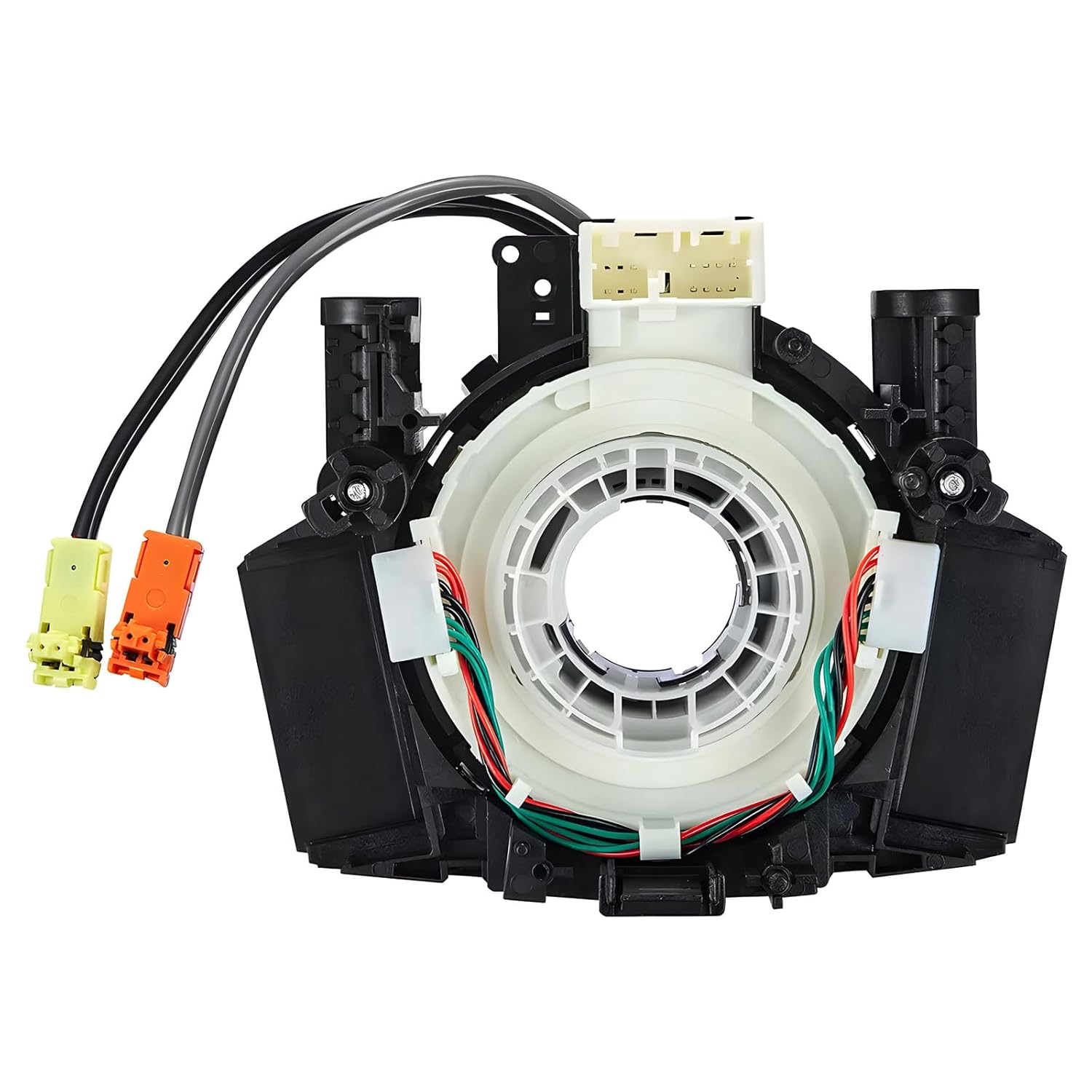
This steering clock spring assembly is an OEM-style replacement designed to restore steering wheel controls and related electronic functions in compatible Nissan vehicles. It supports audio, cruise control, and multi-function button operation while matching multiple factory part numbers for a reliable fit. Built for direct installation with vehicle-specific connectors, it helps return steering column electronics to proper working order.

These round blind spot mirrors add a wider viewing angle to help improve lane changes, passing, and everyday driving safety. The frameless convex HD glass design offers a slim, clear rear view while the adjustable swivel mount makes positioning quick and easy. Compatible with cars, SUVs, vans, and trucks, this two-pack is a simple upgrade for reducing blind spots.

This frameless convex blind spot mirror helps expand your field of view for safer lane changes, passing, and merging. The HD glass design offers a clear, wide-angle rear view, while the swivel mount supports flexible positioning for cars, SUVs, trucks, vans, and RVs. Easy to install and built for all-weather use, it is a practical upgrade for everyday driving confidence.
Maintenance, Calibration, and Troubleshooting
Lane-assistance problems are often caused by blocked sensors, poor camera visibility, or conditions outside the system’s design limits. Before assuming the system is broken, check the basics.
- Clean the windshield area in front of the camera. Dirt, ice, fogging, stickers, or dash reflections can interfere with detection.
- Keep the front camera and sensor area unobstructed. Do not place accessories where they block the camera’s view.
- Replace damaged wipers. If water is not cleared from the camera area, lane detection may suffer.
- Recalibrate after windshield replacement. Toyota owner guidance notes that the front camera must be recalibrated after windshield replacement.
- Do not ignore warning messages. If a lane-assist warning stays on after normal conditions return, schedule service.
- Check settings after another driver uses the vehicle. Some systems store driver profiles, and a feature may have been turned off or sensitivity may have been changed.
[Products Worth Considering]
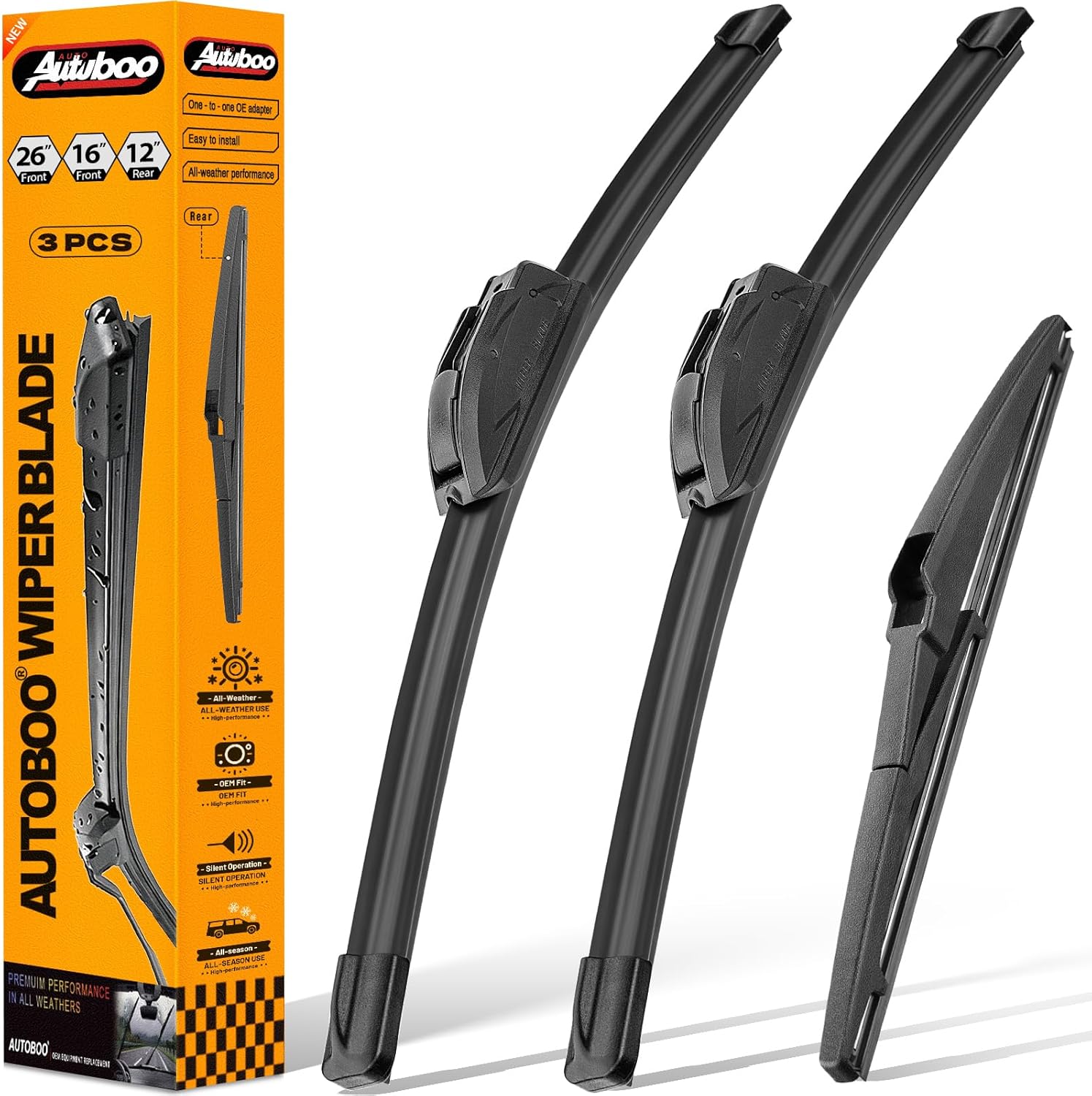
This AUTOBOO windshield wiper blade set is designed as a replacement fit for Toyota RAV4 and Mazda 5 models, delivering OE-style performance and reliable all-weather visibility. The complete three-blade set includes front and rear sizes for a precise fit, quiet operation, and easy installation using J/H attachment compatibility. Built for smooth, streak-free wiping, it helps improve driving safety in changing weather conditions.

This steering wheel cover is designed to fit a wide range of Toyota models and any standard-size wheel for a secure, comfortable upgrade. Made with nappa leather and a carbon fiber texture, it helps improve grip, reduce hand fatigue, and protect your original wheel from everyday wear, sun damage, and sweat. The anti-slip design and easy installation make it a practical interior accessory for daily driving.

This Yangday steering wheel cover is designed for a custom fit on select Toyota models, helping improve grip, comfort, and control during everyday driving. Its breathable leather construction and non-slip inner lining offer a secure feel, while the sport-inspired design adds a stylish upgrade to the car interior. The cover is easy to install and helps protect the original steering wheel from heat, wear, and seasonal discomfort.
Frequently Asked Questions
Can I disable Lane Keeping Assist and Lane Tracing Assist?
Yes. Most vehicles let you turn lane-departure alerts, steering assist, or lane-centering features on or off in the driver-assistance settings. Some systems may reset to a default state when the vehicle is restarted, so check your owner’s manual.
Are these systems effective in all weather conditions?
No. Rain, snow, fog, road spray, glare, and dirty camera areas can reduce performance. If lane markings are hard for you to see, they may also be hard for the vehicle’s camera to read.
Do lane-assistance systems require regular maintenance?
They do not usually need separate routine maintenance, but the camera, windshield, sensors, and related parts must stay clean and properly aligned. Windshield replacement, collision repair, suspension work, or camera replacement may require calibration.
Can Lane Keeping Assist or Lane Tracing Assist work on unmarked roads?
Usually not reliably. Some systems can detect certain road edges or follow a preceding vehicle in limited conditions, but clear lane markings are still the best operating environment. On unmarked roads, expect little or no assistance.
What happens if I override the steering assistance?
Your steering input takes priority. If you steer with enough force, the system will generally reduce, cancel, or allow you to override the assist. That is normal and important because the driver must always remain in control.
Is Lane Tracing Assist the same as autopilot or self-driving?
No. Lane Tracing Assist is a driver-assistance feature, not an autonomous-driving system. It can help with lane centering, but you must keep supervising the road, keep control of the vehicle, and take over whenever needed.
Which is better: Lane Keeping Assist or Lane Tracing Assist?
Neither is “better” for every situation. Lane Keeping Assist is better as a safety backup against unintended drift. Lane Tracing Assist is better for smoother lane-centering support during compatible highway cruising. Many drivers benefit from having both.
Conclusion
Lane Keeping Assist and Lane Tracing Assist both support safer, smoother driving, but they do it in different ways. Lane Keeping Assist is mainly a reactive lane-departure backup, while Lane Tracing Assist is a more continuous lane-centering helper that usually works only when specific conditions are met. Use both as assistance, not automation. Keep your hands on the wheel, watch the road, understand your vehicle’s indicators, and check your owner’s manual for the exact limits of your system.
Sources
- Toyota Safety Sense — Toyota descriptions of Lane Departure Alert with Steering Assist and Lane Tracing Assist.
- Toyota RAV4 Driving Support Systems Owner’s Manual Excerpt — LTA operating conditions, driver-responsibility warnings, camera care, and calibration notes.
- NHTSA Driver Assistance Technologies — General definitions of lane keeping assistance and lane centering assistance.
- IIHS-HLDI Advanced Driver Assistance — Research summary on lane departure warning and lane departure prevention.
- AAA: Vehicle Safety Systems Struggle to “See” in Bad Weather — Testing on how rain can affect ADAS performance.
- AAA: Active Driving Assistance, Promising Technology, Lingering Challenges — Real-world active-driving-assistance testing and lane-centering limitations.

[…] Lane Tracing Assist adds continuous lane-centering support when Full-Speed Range Dynamic Radar Cruise Control is operating. It can use detected lane markings and, under certain conditions, the path of a preceding vehicle. For a broader explanation, see the difference between lane keeping assist and Lane Tracing Assist. […]
[…] Supra’s system combines a lane-departure warning with optional brief steering intervention. It is more active than a warning-only system, but it is not the same as continuous lane centering. For a broader terminology guide, see Lane Keeping Assist vs. Lane Tracing Assist. […]
[…] On many 2019–2025 RAV4 models, press the LTA switch to turn the system on, then confirm that the Lane Center setting is enabled in the Multi-Information Display. For a broader explanation of the two functions, see the site’s guide to Lane Keeping Assist vs. Lane Tracing Assist. […]