
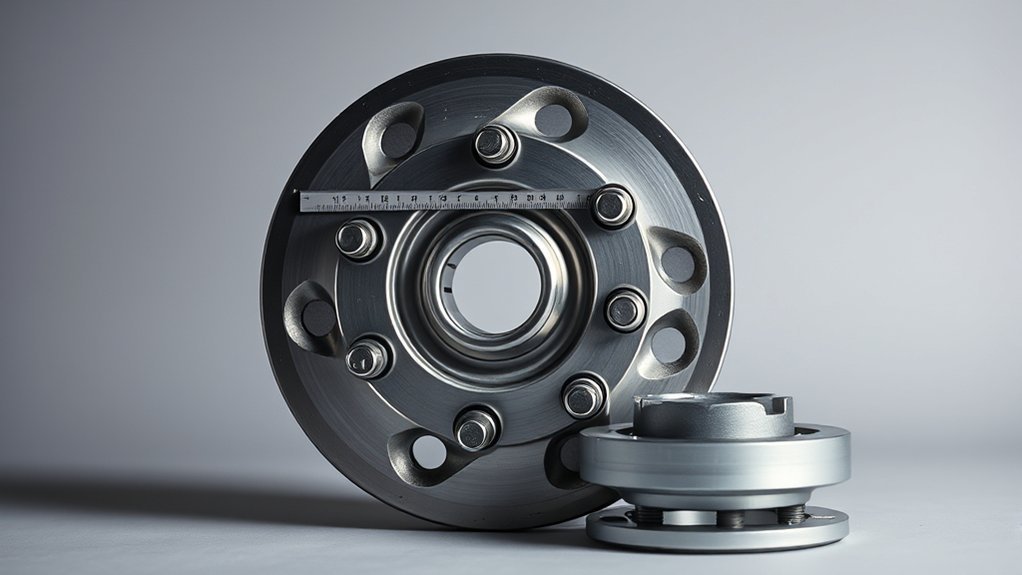
Your Camry can take a wide range of factory-style and aftermarket wheels, but safe fitment is more than matching the bolt pattern. For most U.S.-market 2018–2026 Toyota Camry models, start with a 5×114.3 bolt pattern, a 60.1 mm hub bore, M12x1.5 lug threads, and an offset that stays close to the factory wheel position. Then verify brake, strut, fender, tire-load, and speedometer clearance before you drive.
Quick Answer
Most modern Toyota Camrys use a 5×114.3 bolt pattern, a 60.1 mm center bore, M12x1.5 lug threads, and five lug nuts per wheel. For aftermarket wheels, a conservative offset around +35 to +45 mm works for many 18–20 inch setups, but wider wheels, lowering springs, spacers, and tire choice must be test-fitted.
Key Takeaways
- Use 5×114.3 wheels for most 2018–2026 Camrys, but always verify your exact year, trim, and market before buying.
- Match the 60.1 mm hub bore directly or use quality hub-centric rings when the aftermarket wheel bore is larger.
- Use the lug nuts required by the wheel seat, not just the thread size; many OEM Toyota wheels and many aftermarket wheels use different lug-seat designs.
- Toyota lists 76 ft•lbf (103 N•m) as the wheel nut torque in the 2025 Camry owner’s manual, and the nuts should be tightened in stages using a star pattern.
- Stay close to the factory wheel position unless you have measured inner strut clearance, outer fender clearance, brake clearance, and full suspension travel.
At a Glance
| Time Required | 30–60 minutes to measure and test-fit; longer if mounting tires or adjusting suspension |
| Difficulty | Moderate DIY for measuring; professional help recommended for mounting, balancing, alignment, and aggressive fitment |
| Tools Needed | Torque wrench, jack and jack stands, flashlight, tape measure, straightedge, thread gauge, tire-pressure gauge |
| Typical Cost | Free to measure; about $10–$40 for hub rings; professional mounting, balancing, or alignment varies by shop |
Camry Bolt Pattern: What 5×114.3 (5×4.5) Means
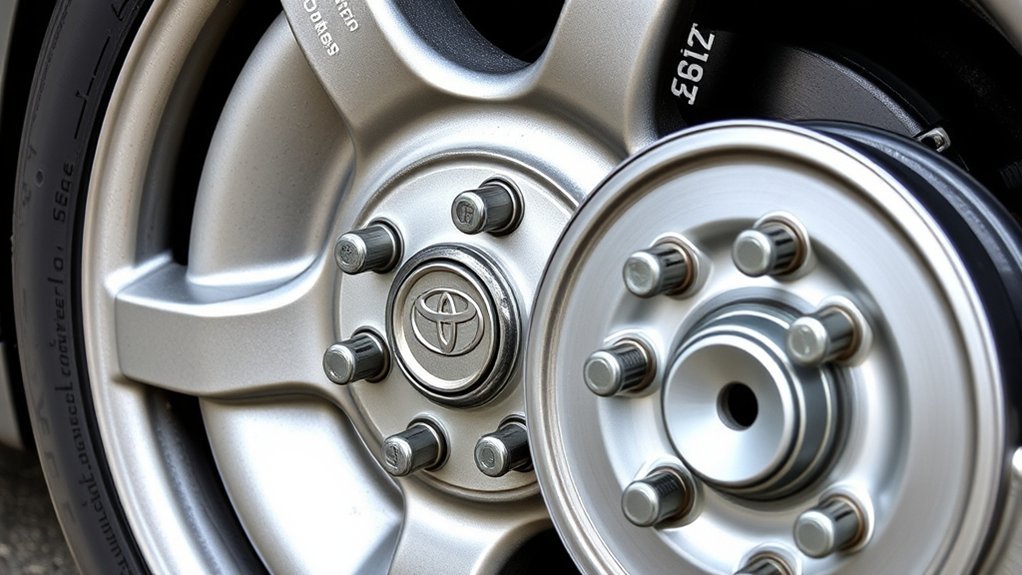
The 5×114.3 bolt pattern, also written as 5×4.5, means the wheel has five lug holes arranged on a 114.3 mm pitch circle diameter. That is the first filter for wheel compatibility. If the bolt pattern is wrong, the wheel should not be forced on, drilled at home, or installed with unsafe adapters.
Because 5×114.3 is common across many Toyota, Lexus, Honda, Nissan, Mazda, and Hyundai models, you will find plenty of aftermarket wheels that physically bolt to a Camry. That does not automatically make them safe. You still need the right center bore, offset, width, brake clearance, load rating, lug-seat style, and tire size.
Note: Camry fitment can vary by model year, trim, market, and wheel package. Use the specs here as a strong starting point, then confirm your exact vehicle by VIN, owner documentation, wheel stamping, or a Toyota dealer before purchasing wheels.
Camry Hub Bore & Lug Nuts: Why Hub-Centric Fit Matters
The Camry’s common center bore is about 60.1 mm. This is the raised center lip on the hub that helps center the wheel. A wheel with a matching 60.1 mm bore can sit hub-centric on the car. A wheel with a larger center bore needs properly sized hub-centric rings so the wheel centers on the hub rather than depending only on the lug nuts.
Hub Bore Importance
A snug hub bore helps reduce vibration because the wheel centers evenly on the hub before the lug nuts clamp it down. If the wheel is slightly off-center, you may feel a shake at highway speeds even after balancing. Correct hub fit also helps the wheel sit flat against the mounting face, which supports better steering feel and more consistent clamping force.
Before installing any aftermarket wheel, clean the hub face and the wheel mounting pad. Rust, dirt, paint buildup, or a bent mounting surface can prevent the wheel from sitting flat and may cause vibration or loose lug nuts.
Hub-Centric Rings Explained
Hub-centric rings fill the space between the Camry’s 60.1 mm hub and a larger aftermarket wheel bore. For example, if a wheel has a 73.1 mm center bore, you would use a 73.1 mm outer diameter to 60.1 mm inner diameter ring.
- They center the wheel on the hub before the lug nuts are tightened.
- They can reduce vibration caused by a wheel that is not perfectly centered.
- They should match both the wheel bore and the Camry hub size exactly.
- They should sit flush and should not crack, melt, bind, or prevent the wheel from sitting flat.
Pro Tip: Plastic hub rings are fine for many street setups when correctly sized, but aluminum rings usually tolerate repeated wheel changes and heat better. In either case, the ring must not hold the wheel away from the hub face.
Lug Nut Compatibility
Most modern Camrys use M12x1.5 lug threads. Do not buy lug nuts by thread size alone. You also need the correct seat style. Many factory Toyota alloy wheels use a mag-style washer seat, while many aftermarket wheels use a 60-degree conical seat. Some wheels use ball seats. The wrong seat can look tight but clamp incorrectly.
When replacing a wheel, Toyota’s owner information says to use wheel nuts designed for that wheel and to check for damaged bolt screws, nut threads, or wheel bolt holes. Toyota also lists 76 ft•lbf (103 N•m) as the tightening torque for the 2025 Camry after a tire replacement.
| Item | Typical Camry Spec | Why It Matters |
|---|---|---|
| Bolt pattern | 5×114.3 | Determines whether the wheel can bolt to the hub |
| Center bore | 60.1 mm | Centers the wheel and helps prevent vibration |
| Lug thread | M12x1.5 on most modern Camrys | Ensures proper thread engagement |
| Lug seat | Wheel-specific | Controls how the lug nut clamps the wheel |
| Torque | 76 ft•lbf / 103 N•m for 2025 Camry | Helps keep the wheel safely retained |
Warning: Never use oil or grease on wheel studs or lug nuts unless the vehicle manufacturer specifically instructs it. Toyota warns that oil or grease can cause the wheel nuts to be over-tightened, which may damage the wheel bolts or disc wheel.
Factory Camry Offsets: Safe Range (+35 to +45 mm) and Quick Rules
Offset is the distance between the wheel’s mounting face and the wheel’s centerline. A higher positive offset pulls the wheel inward toward the strut. A lower positive offset pushes the wheel outward toward the fender. For many Camry aftermarket setups, +35 to +45 mm is a conservative target range, especially with 8 to 8.5 inch wide wheels.
Some factory Toyota wheels may sit outside that simple range depending on year, width, and trim, so the real rule is this: keep the new wheel’s inner and outer position close to the original wheel unless you have measured clearance. Toyota’s genuine accessory wheel descriptions emphasize proper weight, offset, and brake clearance for fit and finish, which is exactly what you are trying to preserve with aftermarket wheels.
- Use +35 to +45 mm as a practical street-fitment range for many 18–20 inch Camry setups.
- Be more conservative if the car is lowered, carries passengers often, or uses wider tires.
- Recalculate the effective offset when changing wheel width or adding spacers.
- Avoid adapters unless there is no safer wheel option; adapters add thickness, hardware, and failure points.
How Offset Affects Clearance: Struts, Fenders, and Calipers
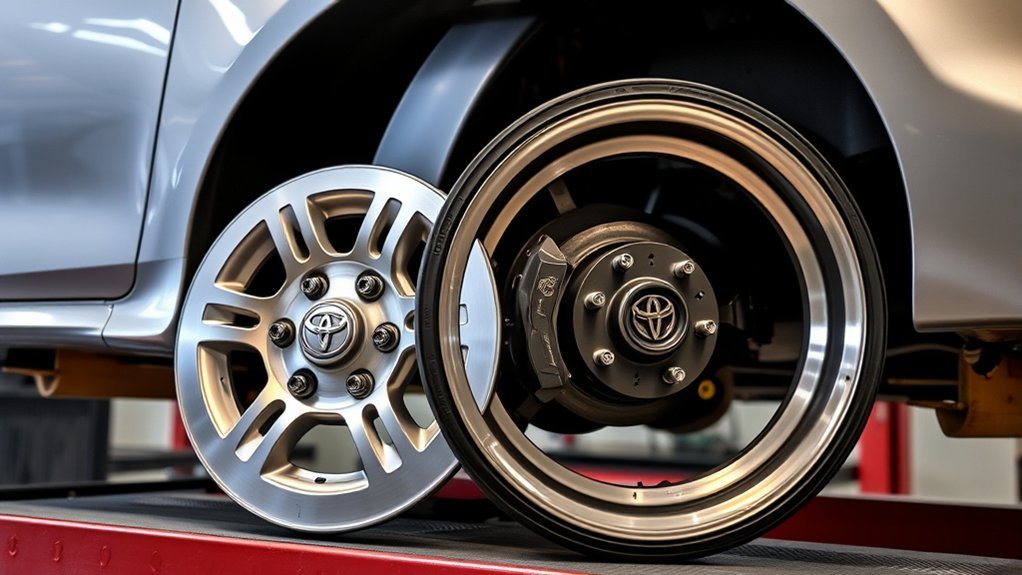
Offset changes where the wheel sits inside the wheel well. A more positive offset moves the wheel inward and may create strut, spring perch, or inner-liner contact. A lower positive offset moves the wheel outward and may create fender rubbing, especially when the suspension compresses or the steering is turned.
Brake clearance is separate from offset. Two wheels with the same offset can clear brakes differently because spoke shape, barrel shape, and pad height vary. That is why test-fitting matters. A wheel can have the correct bolt pattern, center bore, and offset and still hit the brake caliper.
Offset decides where the wheel sits, but spoke design decides whether the wheel clears the brake caliper. Check both before mounting tires.
[Products Worth Considering]

This wheel lock key set is designed to help remove and replace compatible Toyota and Lexus wheel locks with confidence. It includes four wheel lock nuts and one key, offering a practical replacement solution for many popular models while supporting secure wheel protection and reliable fitment. Built for durability and corrosion resistance, it is a useful choice when matching OE reference numbers and vehicle compatibility is important.

This wheel lock lug nut set adds an extra layer of theft protection for compatible Toyota and Lexus vehicles by securing wheels with a unique key pattern that resists common removal tools. Built to OEM-standard fitment with corrosion-resistant, triple-chrome finished construction, it is designed for direct replacement and long-lasting performance. The set includes locking nuts and a matching key for easy installation on compatible vehicles with the correct thread and cone seat specifications.
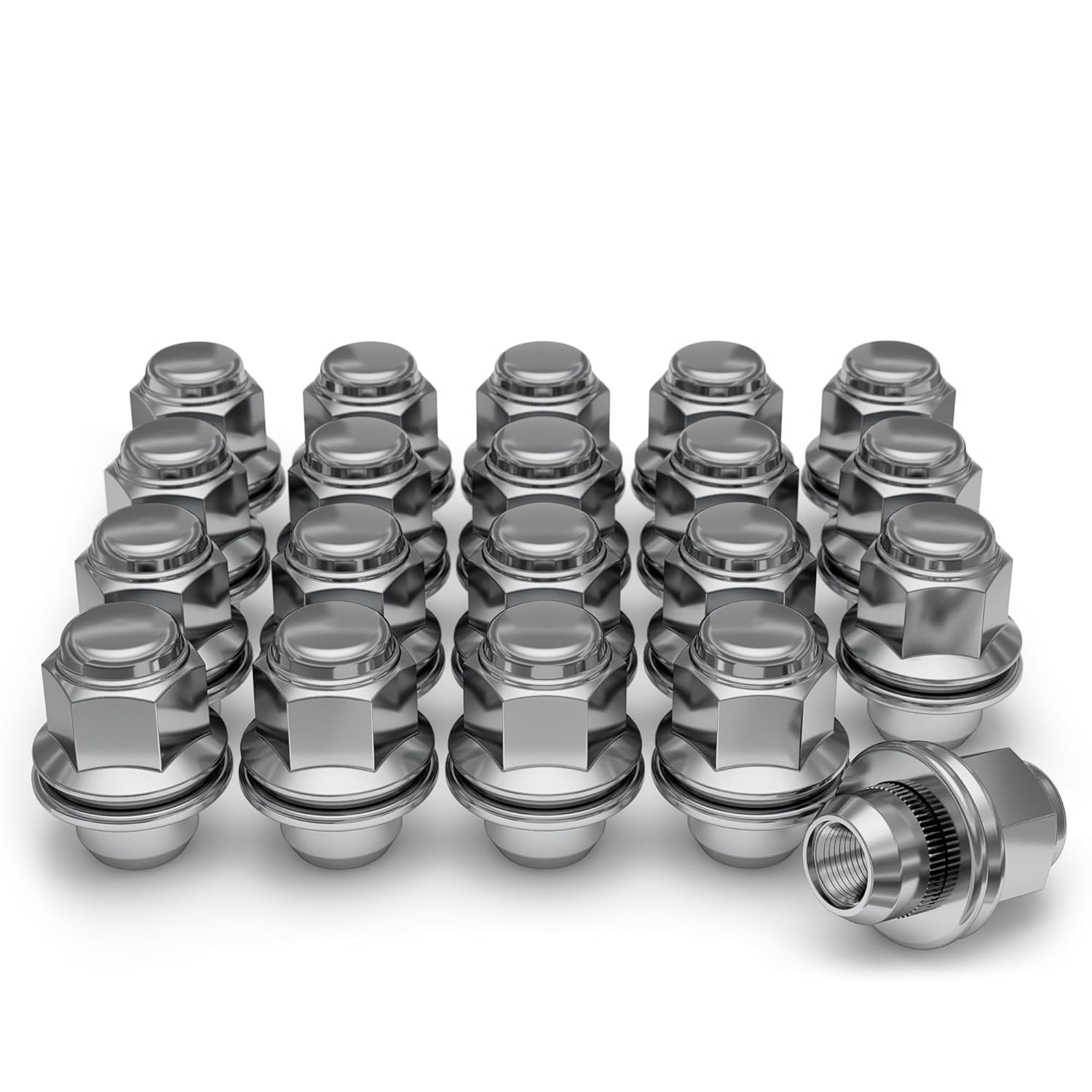
These White Knight mag-style lug nuts are designed for select Toyota, Lexus, Kia, and Genesis vehicles, delivering a secure fit and a clean factory-inspired look. Made from heat-treated cold forged carbon steel with a chrome finish, they offer durable strength, reliable corrosion resistance, and easy installation with a traditional hex-body, flat-seat design. Use them to replace worn or damaged lug nuts while maintaining proper wheel fitment and dependable performance.
Wheel Widths & Tire Sizes for 18–20 Inch Camry Wheels
The safest tire choice keeps the overall diameter, load rating, and speed rating close to the original tire on your door-jamb label. The NHTSA recommends checking the owner’s manual or Tire and Loading Information Label for the correct tire size, and that label should be your baseline before upsizing.
For 2018–2026 Camry models, common factory-style sizes include 17, 18, and 19 inch packages, depending on trim. Aftermarket 20 inch wheels can fit many Camrys, but they reduce sidewall height and make offset, tire load index, and fender clearance more critical.
[Products Worth Considering]
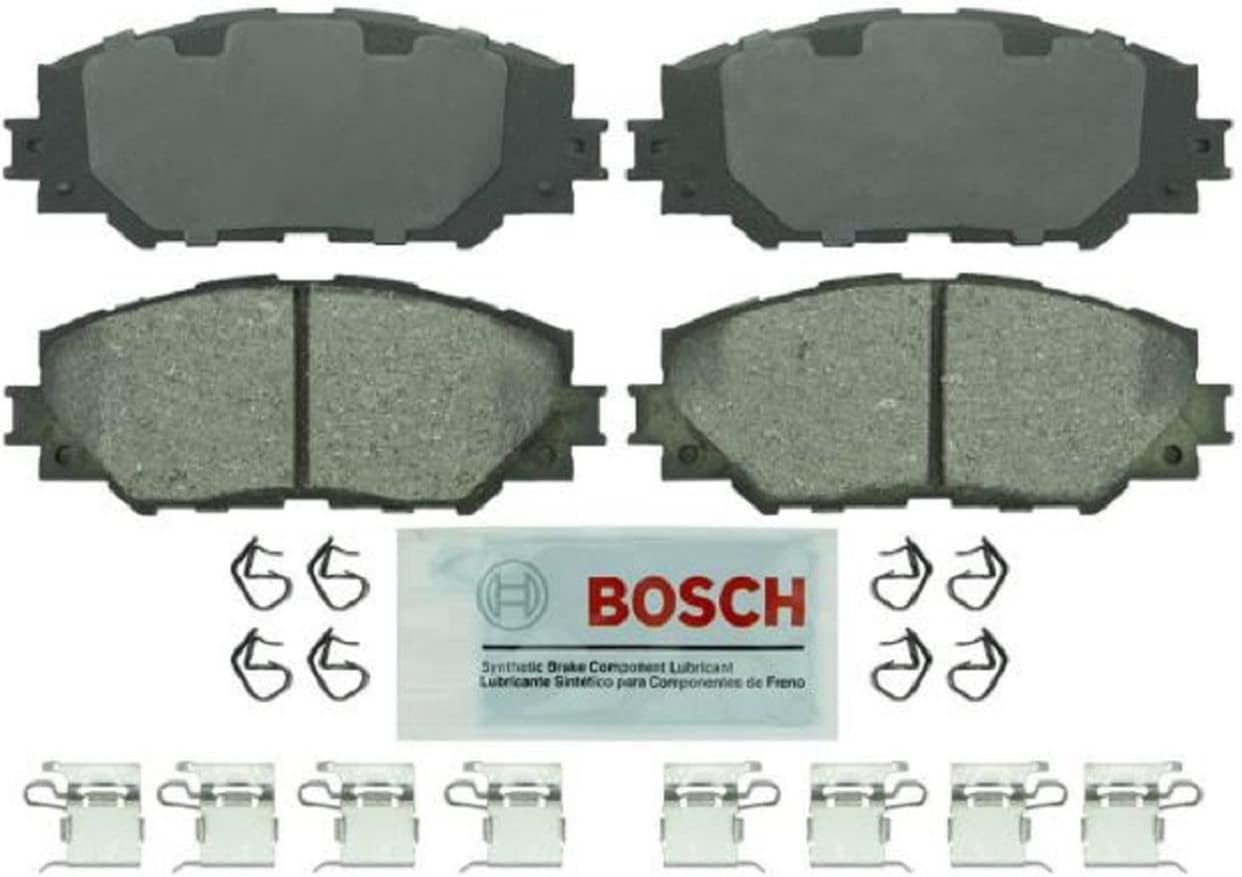
Bosch Blue ceramic front brake pads deliver dependable stopping power with platform-specific friction material designed for select Lexus, Pontiac, Scion, and Toyota vehicles. OE-style shims, slots, and chamfers help promote quiet braking, while the rust-inhibitive coating supports long-lasting performance and cleaner operation. The set includes hardware and synthetic lubricant for easier installation on one axle.
Recommended Tire Combos
| Wheel Size | Conservative Street Setup | Sportier Setup | Fitment Notes |
|---|---|---|---|
| 18×8 to 18×8.5 | 235/45R18 | 245/45R18 | Good ride quality; verify outer fender clearance with 245 width |
| 19×8 to 19×8.5 | 235/40R19 | 245/40R19 | Common sporty look; 245/40R19 may need careful offset choice |
| 20×8.5 to 20×9 | 245/35R20 | 255/35R20 | Harsher ride; lowered cars may need fender work or more conservative offset |
Before choosing any tire, confirm the tire manufacturer’s approved rim width range. Tire Rack explains that a tire’s section width changes when mounted on narrower or wider wheels, and even small section-width changes can decide whether a modified car clears the fender or rubs over bumps.
Wheel Width Guidance
Wheel width affects how the tire sits, how the sidewall flexes, and how much space you have near the strut and fender. For a clean street setup, 8 to 8.5 inches wide is the easiest range for many Camrys. A 9 inch wheel can work, but it needs a more exact offset and tire choice. Wheels wider than 9 inches are usually aggressive and may require camber, fender rolling, stretched tires, or other compromises.
Also check load rating. A wheel must be strong enough for the vehicle, and the tire must meet or exceed the load index shown on your vehicle’s tire label or owner information. Federal tire rules define tire dimensions, testing, labeling, and load-rating requirements for new pneumatic radial tires used on light vehicles.
Hub Rings, Spacers, and Studs: When and How to Use Them Safely
Hub-centric rings, spacers, and extended studs can solve fitment problems, but they can also create new ones if used carelessly. Use them only after measuring the wheel’s actual position on the car.
- Hub-centric rings: Use them when the wheel’s center bore is larger than the Camry’s 60.1 mm hub. They should fit snugly without forcing the wheel away from the mounting face.
- Slip-on spacers: These move the wheel outward and reduce effective offset. A 5 mm spacer on a +40 wheel creates an effective +35 offset.
- Extended studs: If a slip-on spacer reduces thread engagement, longer studs are needed. The lug nut must fully and safely engage the stud.
- Bolt-on spacers: These are thicker and use their own hardware. They must be hub-centric, correctly torqued, and high quality.
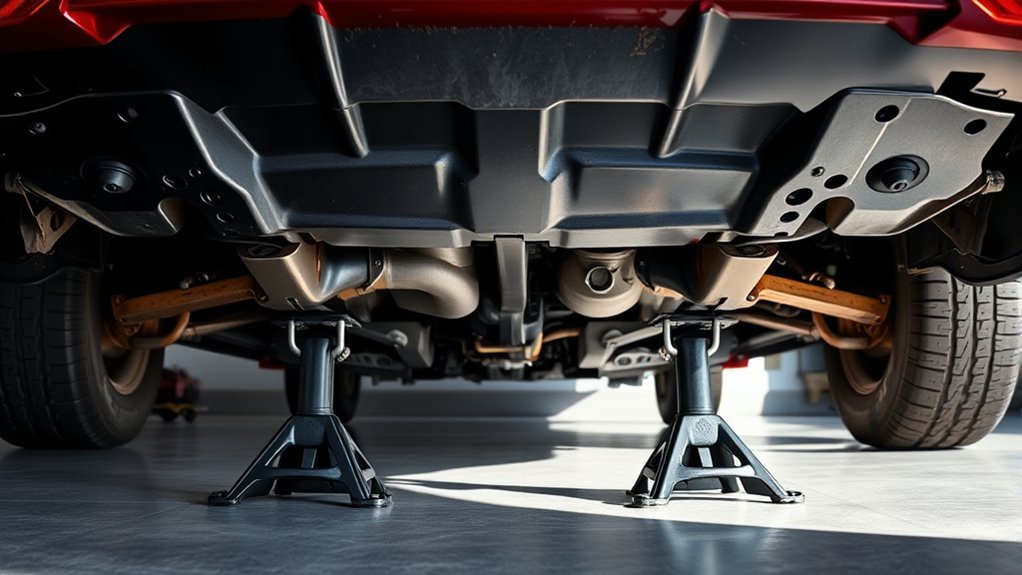
Warning: Do not stack spacers, mix mismatched lug seats, grind calipers for clearance, or drive with fewer turns of lug engagement than the hardware manufacturer requires. If you need a large spacer to make a wheel fit, the wheel specs are probably wrong for the car.
Quick Fitment Checklist: Measure, Mock-Up, and Test Before You Buy
Use this checklist before paying for wheels, tires, spacers, or suspension parts. The goal is to confirm the wheel fits the Camry mechanically, not just visually.
| Item | What to Check | Pass Criteria |
|---|---|---|
| Bolt pattern | Lug count and PCD | 5×114.3 for most modern Camrys |
| Center bore | Wheel bore vs. hub size | 60.1 mm direct fit or correct hub ring |
| Lug nuts | Thread, length, and seat style | M12x1.5 threads and wheel-correct seat |
| Offset | Inner and outer wheel position | No strut, spring, liner, or fender contact |
| Brake clearance | Caliper to spoke and barrel clearance | Clearance at all points, including wheel weights |
| Tire diameter | Overall diameter vs. factory tire | Close enough to avoid major speedometer or stability-control issues |
| Load rating | Wheel load and tire load index | Meets or exceeds vehicle requirements |
| Road test | Slow turns, bumps, braking, passengers | No rubbing, vibration, pulling, or clicking |
After installation, torque the lug nuts in a star pattern, drive gently, and recheck torque after the first short drive and again after about 50–100 miles if your wheel or hardware supplier recommends it. If you feel vibration, hear rubbing, or see fresh marks on the tire or fender liner, stop and inspect the fitment before continuing.
Common Fitment Issues & Fixes: Lowering, Rubbing, Rolling, and Tire Swaps
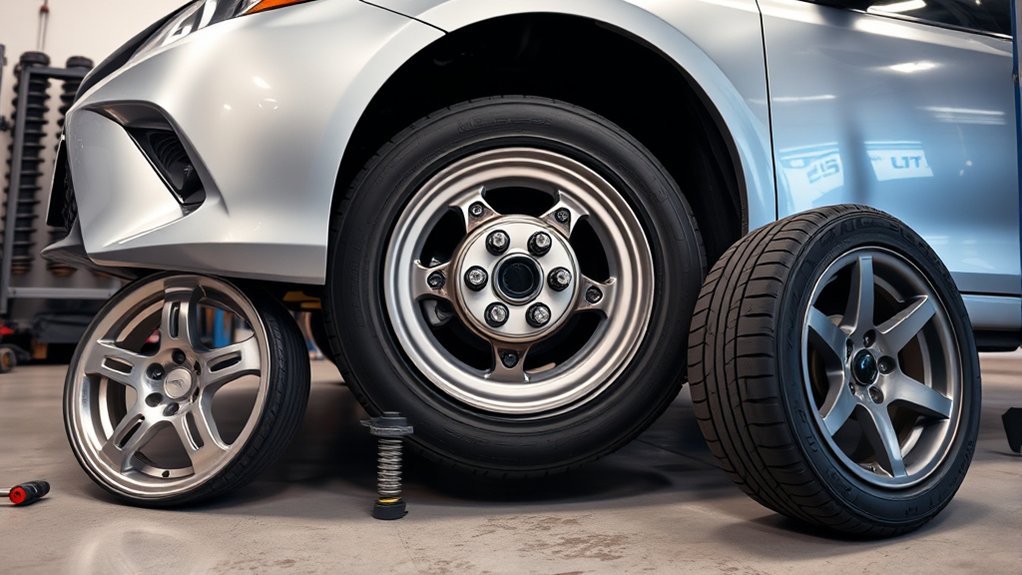
Lowering a Camry reduces the space between the tire and fender. It also changes how the tire moves during suspension compression. A setup that clears while parked may rub with passengers, luggage, a driveway angle, or a hard corner.
- Inner rubbing: If the tire touches the strut, spring perch, or inner liner, use a narrower tire, a higher-clearance wheel design, or a slightly lower effective offset. Do not guess; measure first.
- Outer rubbing: If the tire touches the fender lip, use a higher offset, narrower tire, more negative camber within alignment limits, or professional fender rolling.
- Brake contact: If spokes touch the caliper, you need a wheel with more brake clearance or a safe spacer-and-stud solution.
- Highway vibration: Check wheel balance, hub rings, hub cleanliness, wheel straightness, and lug-seat compatibility.
- Speedometer change: Choose a tire diameter close to the factory tire size listed on the door label.
If you want a lowered, low-rub street setup, stay conservative: 18×8.5 or 19×8.5 wheels with offsets in the mid-to-high +30s or low +40s are usually easier to manage than 9.5 inch wide wheels or low-offset “poke” setups. For 20 inch wheels, keep tire load index and sidewall protection in mind because pothole damage becomes more likely.
Frequently Asked Questions
How do I tell my Camry wheel size and offset?
Look for stamped markings on the back of the wheel. A marking such as 18x8J ET45 means the wheel is 18 inches in diameter, 8 inches wide, and has a +45 mm offset. If the stamping is missing or hard to read, measure the wheel width and backspacing, then calculate offset from the wheel centerline to the mounting pad.
What is the Camry bolt pattern?
Most modern Toyota Camry models use a 5×114.3 bolt pattern, also written as 5×4.5. The “5” means five lug holes, and “114.3” is the pitch circle diameter in millimeters. Always confirm your exact year, trim, and market before buying wheels.
Do I need hub-centric rings for aftermarket Camry wheels?
You need hub-centric rings if the aftermarket wheel’s center bore is larger than the Camry’s hub bore. For many modern Camrys, the hub bore is 60.1 mm, so a wheel with a larger bore should use rings that step down to 60.1 mm.
Can I put 20 inch wheels on a Toyota Camry?
Yes, many Camrys can run 20 inch wheels, but they leave less sidewall and less room for error. A 20×8.5 or 20×9 wheel with a conservative offset and a tire such as 245/35R20 is a common starting point, but lowered cars may need fender work or a more conservative tire.
Are wheel spacers safe on a Camry?
Wheel spacers can be safe when they are high quality, hub-centric, correctly sized, correctly torqued, and used with enough thread engagement. They are unsafe when stacked, installed on dirty hubs, used with short studs, or used to force a poor wheel spec to fit.
What lug nut size does a Camry use?
Most modern Camrys use M12x1.5 lug threads, but you also need the correct lug-seat style for the wheel. Factory Toyota wheels and aftermarket wheels may use different seats, so match the lug nuts to the wheel manufacturer’s requirement.
Conclusion
Wheel fitment is like tuning a musical instrument: small changes can make the whole setup feel right or wrong. Start with the Camry’s core fitment points: 5×114.3 bolt pattern, 60.1 mm hub bore, correct M12x1.5 lug hardware, and an offset close to the factory wheel position. Then choose wheel width and tire size together, verify brake and suspension clearance, torque the wheels properly, and test-drive carefully. A measured setup gives you the stance you want without rubbing, vibration, or unsafe hardware shortcuts.
Sources
- Toyota Owners — 2025 Camry flat tire and wheel nut torque information — backs up torque, Toyota wheel-nut cautions, and proper installation warnings.
- Toyota Owners — Manuals and Warranties — supports checking the owner’s manual for exact vehicle documentation.
- Toyota Genuine 19-inch Camry accessory wheel — supports the importance of wheel weight, offset, and brake clearance for proper fit.
- NHTSA TireWise tire safety guidance — supports using the owner’s manual or tire label for correct tire size and load information.
- eCFR 49 CFR § 571.139 — supports tire dimensions, labeling, testing, and load-rating requirements for light-vehicle radial tires.
- Tire Rack — Rim width range explanation — supports checking approved rim-width range and understanding how wheel width affects tire section width.


[…] them as comparison points rather than assuming every offset between two numbers is safe. See the Camry bolt pattern and offset guide for the underlying […]